Nalanda
General information
-
Ideal Duration:
4 to 6 HoursPlace Type:
Historical & EducationalEntry Fees:
Ticket Pricing:: Entry for Indian citizens is 40 INR; for SAARC and BIMSTEC visitors, it is 40 INR; for foreign nationals, it is 600 INR.
Additional Costs:: Videography attracts a fee of 25 INR, while still photography with mobile phones i...Ticket Pricing:: Entry for Indian citizens is 40 INR; for SAARC and BIMSTEC visitors, it is 40 INR; for foreign nationals, it is 600 INR.
Additional Costs:: Videography attracts a fee of 25 INR, while still photography with mobile phones is usually free.Timing:
Visiting Hours:: The ruins are open from 9:00 AM to 5:00 PM daily throughout the year.
Best Time of Day:: Arriving early at 9:00 AM ensures a peaceful experience before the crowds and heat intensify. ...Visiting Hours:: The ruins are open from 9:00 AM to 5:00 PM daily throughout the year.
Best Time of Day:: Arriving early at 9:00 AM ensures a peaceful experience before the crowds and heat intensify.Special Events:
Nalanda Mahotsav:: An annual cultural festival organized by the tourism department featuring classical music and dance.
Buddha Jayanti:: Celebrated with great fervor in May, attracting monks from across the globe for prayers.Nalanda Mahotsav:: An annual cultural festival organized by the tourism department featuring classical music and dance.
Buddha Jayanti:: Celebrated with great fervor in May, attracting monks from across the globe for prayers.
Chhath Puja:: A major local festival where thousands gather at the nearby water bodies for sun worship.Best Photo Spots:
Temple No. 3:: The grand staircase and the tiered stupas provide the most dramatic backdrop for photos.
Monastery Cells:: The repetitive arches of the monk quarters create a beautiful perspective for architectural photography.
Museum G...Temple No. 3:: The grand staircase and the tiered stupas provide the most dramatic backdrop for photos.
Monastery Cells:: The repetitive arches of the monk quarters create a beautiful perspective for architectural photography.
Museum Garden:: The manicured lawns with the ancient artifacts offer a serene and photogenic environment.Photo Gallery
Things To Do
 The Great Stupa at Nalanda, also commonly referred to as the Sariputra Stupa, is one of the most significant and imposing structures within the Nalanda University Ruins complex. Located prominently on the western side of the central path, opposite the long row of monasteries, this massive stepped pyramid structure is believed to have been built over the relics of Sariputra, one of the two chief disciples of the Buddha (Shakyamuni). The stupa's huge dimensions and unique architecture reflect its historical and religious importance. Like Temple No. 3, it was built in multiple phases over several centuries, each layer reflecting the architectural styles and artistic flourishes of the time, most notably the Gupta and Pala periods (5th-12th centuries CE). Its base is surrounded by smaller votive stupas donated by pilgrims and monks. The colossal structure is a key visual landmark of the ruins, symbolizing the monumental scale of patronage and the profound reverence for Sariputra and the Buddha's teachings at the great Mahavihara. Visitors often mistake it for Temple No. 3 due to its similar stepped, pyramidal form. It is an essential site for pilgrims and anyone seeking to grasp the monumental scale of Nalanda's ancient faith.
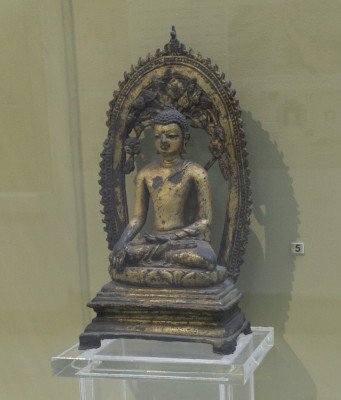 This modern temple, known locally as Telia Bhairav because the image of the Buddha is regularly anointed with oil, stands as a testament to the continuity of religious worship near the ancient Nalanda Mahavihara. The central object of veneration is a large, ancient black stone statue of Lord Buddha in the Bhumisparsha Mudra (earth-touching gesture). Locals have revered this image for centuries, suggesting a continuous tradition even after the destruction of the great university. The practice of applying oil is believed to be a protective coating, giving the statue its distinctive black and glossy appearance. Historians and archaeologists, including Alexander Cunningham in the 19th century, noted the presence and worship of this image, linking the site's modern religious identity to its profound ancient past. The temple is a serene place for both Buddhist devotees and tourists, representing an interesting blend of local Hindu traditions (calling it Bhairav) and Buddhist reverence. It offers a peaceful contrast to the vast archaeological ruins nearby, providing a living religious experience within a historical landscape. The simplicity of the structure highlights the significance of the sacred image within.
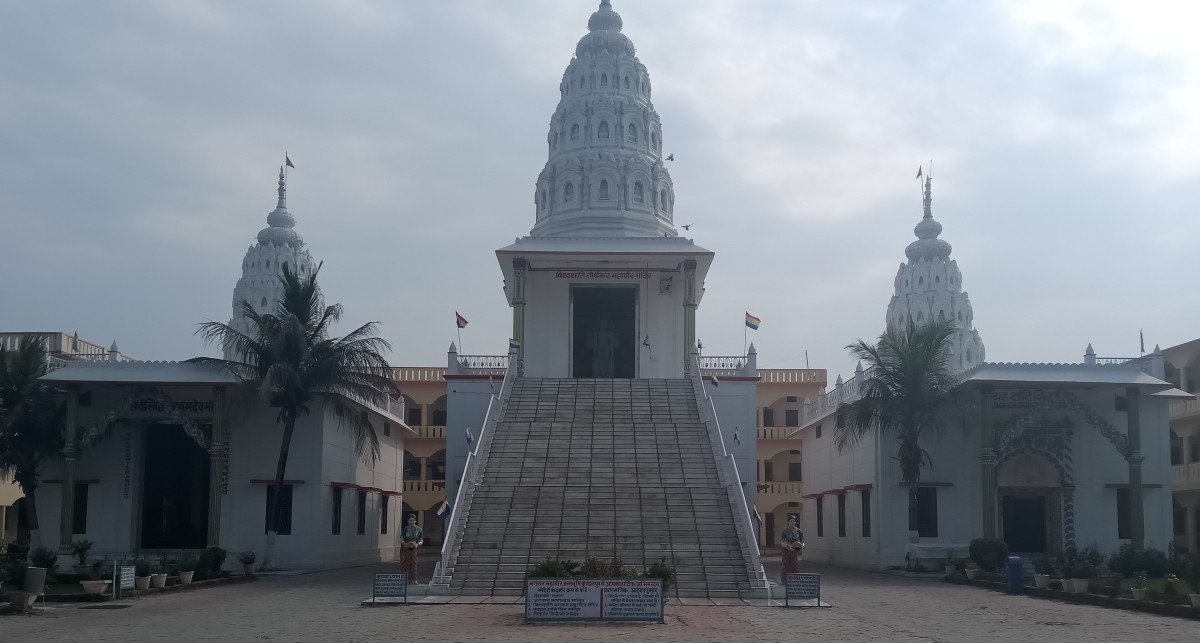
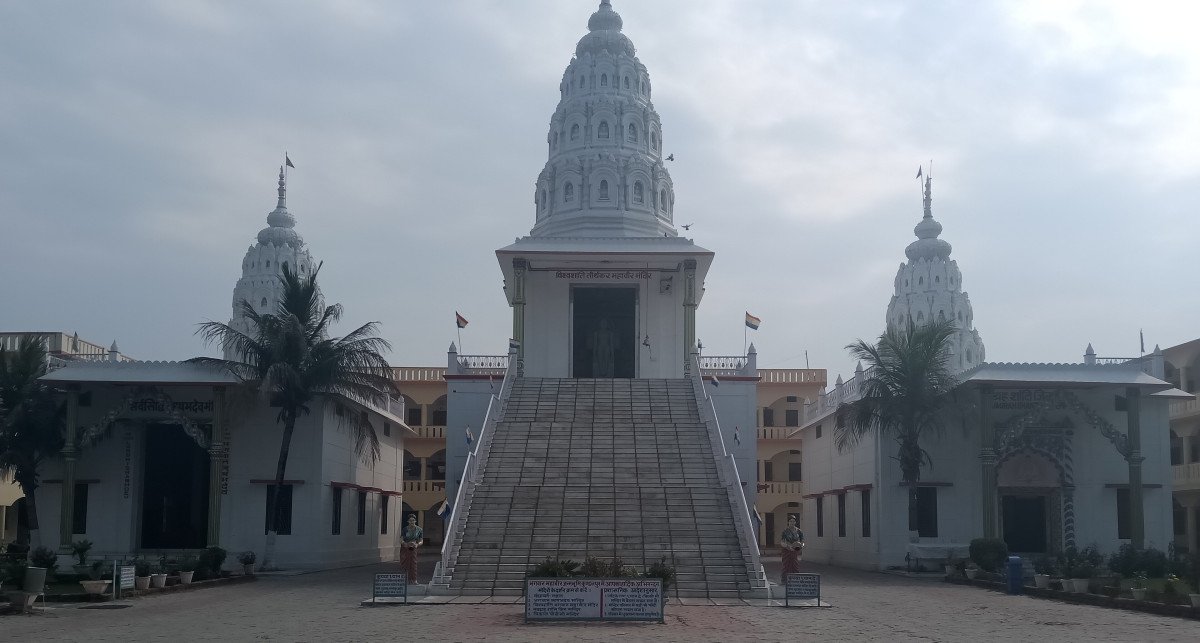
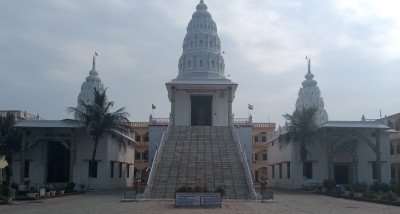 The Kundalpur Digambar Jain Temple is another significant pilgrimage center, standing very close to the Shwetambar temple. It is considered by the Digambar sect to be the exact location of the palace (Nandyavart Mahal) where Lord Mahavira was born to King Siddartha and Queen Trishala about 2600 years ago. The current complex is modern and expansive, featuring a central temple with a majestic idol of Bhagwan Mahavira in the Padmasana (lotus) posture. The site is a complex of several temples, including shrines dedicated to other Tirthankaras, a magnificent Kirti Stambh (Pillar of Glory) with Mahavira's idols, and a museum and art gallery dedicated to his life. Furthermore, it marks the birthplace of three of his eleven chief disciples (Ganadhara). The complex emphasizes the historical narrative through its structures, including depictions of the sixteen auspicious dreams seen by his mother, Queen Trishala. The large campus, peaceful ambiance, and well-equipped pilgrim facilities (including a Dharamshala and Bhojanalaya) make it a vital stop on the Jain circuit in Bihar, offering a rich cultural and spiritual experience.
The Nav Nalanda Mahavihara (New Nalanda Great Monastery) is a modern, thriving educational institution established by the Government of Bihar in 1951 with the visionary goal of reviving the intellectual glory and academic tradition of the ancient Nalanda University. It is a postgraduate research and teaching center primarily dedicated to Pali language, Buddhism, and ancient Indian philosophy, drawing scholars and students from India and other Buddhist nations like Thailand, Myanmar, and Sri Lanka. The institute initially focused on Pali and Buddhism but has since expanded its curriculum to include subjects like Sanskrit, Tibetan, Chinese, and Comparative Religion. It was granted the status of a Deemed to be University in 2006. The campus is characterized by modern academic buildings, a large library, hostels, and a peaceful environment conducive to research and study. It serves as a living legacy to the ancient university's spirit, promoting international scholarship and cultural exchange, ensuring that the light of learning, once extinguished in the 12th century, shines again in Nalanda. Visitors can feel the academic energy and see the continuation of Nalanda's intellectual mission.
The Pawapuri Jal Mandir (Water Temple) is a breathtakingly beautiful and one of the holiest places for Jains worldwide, marking the spot where Lord Mahavira, the 24th Tirthankara, attained Nirvana (spiritual liberation) in 527 BCE. After his cremation, a large pond formed due to devotees taking soil as a relic. The current white marble temple, appearing to float on the center of this large sacred pond (Kamal Sarovar or Lotus Pond), is a modern masterpiece built in the late 19th century. The temple is accessed via a long, 600-foot stone bridge, which connects it to the mainland. Inside the main sanctum, the idol of Lord Mahavira is venerated. The serene, picturesque environment, with the temple's white structure reflecting perfectly in the surrounding water, creates an atmosphere of profound peace and spiritual contemplation. The site also includes the Samavasaran, the hall where Mahavira is said to have delivered his final sermon, and a small temple marking the spot of his cremation (Samosharan Temple). It is a vital and picturesque stop on the Jain pilgrimage circuit of Bihar and is highly renowned for its unique location and architectural beauty.
The Kundalpur Digambar Jain Temple is another significant pilgrimage center, standing very close to the Shwetambar temple. It is considered by the Digambar sect to be the exact location of the palace (Nandyavart Mahal) where Lord Mahavira was born to King Siddartha and Queen Trishala about 2600 years ago. The current complex is modern and expansive, featuring a central temple with a majestic idol of Bhagwan Mahavira in the Padmasana (lotus) posture. The site is a complex of several temples, including shrines dedicated to other Tirthankaras, a magnificent Kirti Stambh (Pillar of Glory) with Mahavira's idols, and a museum and art gallery dedicated to his life. Furthermore, it marks the birthplace of three of his eleven chief disciples (Ganadhara). The complex emphasizes the historical narrative through its structures, including depictions of the sixteen auspicious dreams seen by his mother, Queen Trishala. The large campus, peaceful ambiance, and well-equipped pilgrim facilities (including a Dharamshala and Bhojanalaya) make it a vital stop on the Jain circuit in Bihar, offering a rich cultural and spiritual experience.
The Nav Nalanda Mahavihara (New Nalanda Great Monastery) is a modern, thriving educational institution established by the Government of Bihar in 1951 with the visionary goal of reviving the intellectual glory and academic tradition of the ancient Nalanda University. It is a postgraduate research and teaching center primarily dedicated to Pali language, Buddhism, and ancient Indian philosophy, drawing scholars and students from India and other Buddhist nations like Thailand, Myanmar, and Sri Lanka. The institute initially focused on Pali and Buddhism but has since expanded its curriculum to include subjects like Sanskrit, Tibetan, Chinese, and Comparative Religion. It was granted the status of a Deemed to be University in 2006. The campus is characterized by modern academic buildings, a large library, hostels, and a peaceful environment conducive to research and study. It serves as a living legacy to the ancient university's spirit, promoting international scholarship and cultural exchange, ensuring that the light of learning, once extinguished in the 12th century, shines again in Nalanda. Visitors can feel the academic energy and see the continuation of Nalanda's intellectual mission.
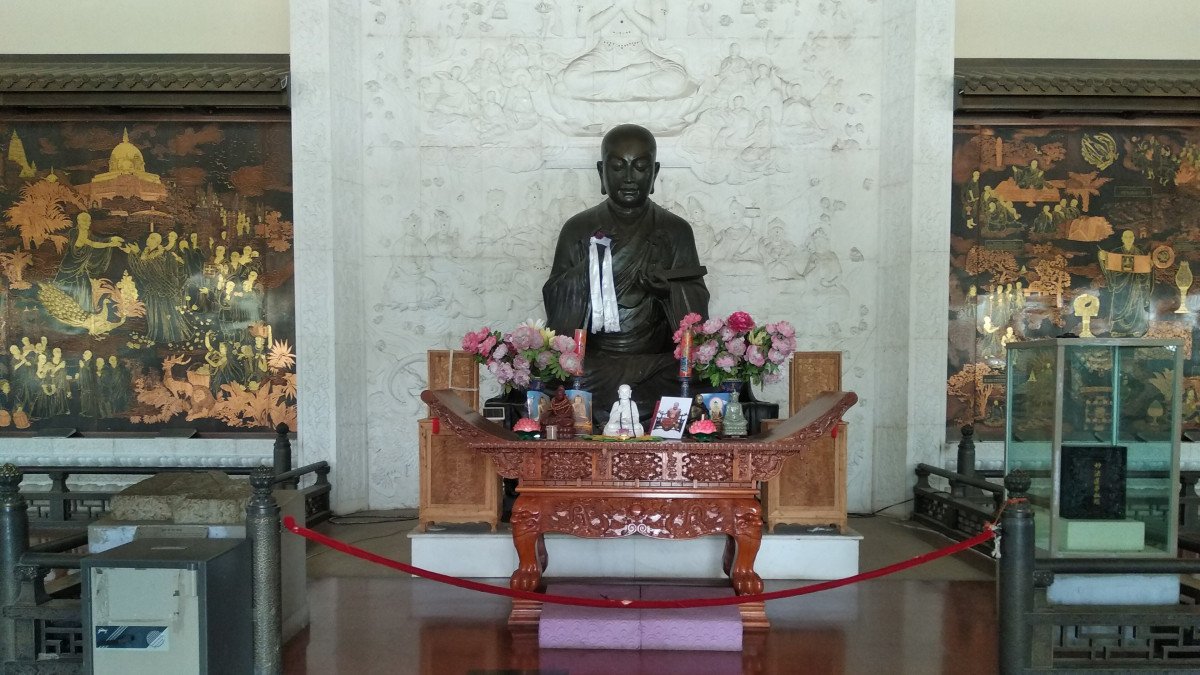
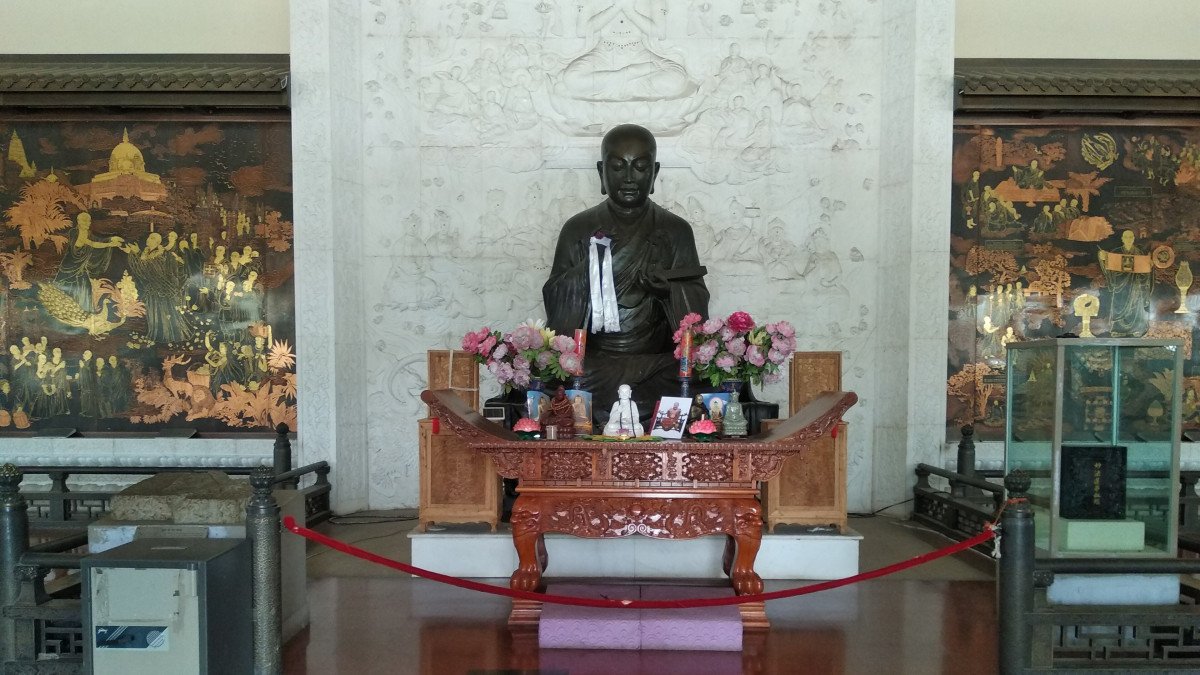
The Pawapuri Jal Mandir (Water Temple) is a breathtakingly beautiful and one of the holiest places for Jains worldwide, marking the spot where Lord Mahavira, the 24th Tirthankara, attained Nirvana (spiritual liberation) in 527 BCE. After his cremation, a large pond formed due to devotees taking soil as a relic. The current white marble temple, appearing to float on the center of this large sacred pond (Kamal Sarovar or Lotus Pond), is a modern masterpiece built in the late 19th century. The temple is accessed via a long, 600-foot stone bridge, which connects it to the mainland. Inside the main sanctum, the idol of Lord Mahavira is venerated. The serene, picturesque environment, with the temple's white structure reflecting perfectly in the surrounding water, creates an atmosphere of profound peace and spiritual contemplation. The site also includes the Samavasaran, the hall where Mahavira is said to have delivered his final sermon, and a small temple marking the spot of his cremation (Samosharan Temple). It is a vital and picturesque stop on the Jain pilgrimage circuit of Bihar and is highly renowned for its unique location and architectural beauty.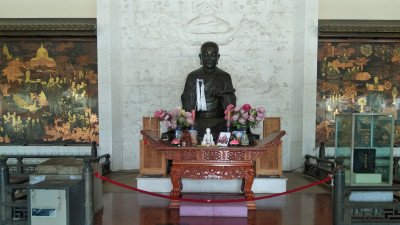 This magnificent hall is a fitting tribute to the legendary Chinese Buddhist monk and scholar Xuanzang (also known as Hiuen Tsang or Hsuan-Tsang), who visited India in the 7th century CE and spent several years studying and teaching at the ancient Nalanda Mahavihara. His detailed travelogue, Records on the Western Regions, is an invaluable historical resource for understanding the university and India of that era. The memorial hall was conceived to strengthen the cultural ties between India and China. The construction began in the 1960s and was completed in 1984. The hall showcases artifacts, manuscripts, and beautiful murals and imagery that vividly depict the life, journey, and scholarly contributions of the monk. It also contains a relic (a small skull bone) of the revered scholar, which was gifted by the Chinese government, though it is often kept securely and not always on public display. The serene environment, complete with well-maintained gardens and an impressive Chinese-influenced architecture, makes it a significant stop for both history lovers and Buddhist pilgrims, particularly those from East Asian countries. The memorial's location, very close to the ruins, emphasizes the strong intellectual link between the ancient university and its most famous foreign scholar.
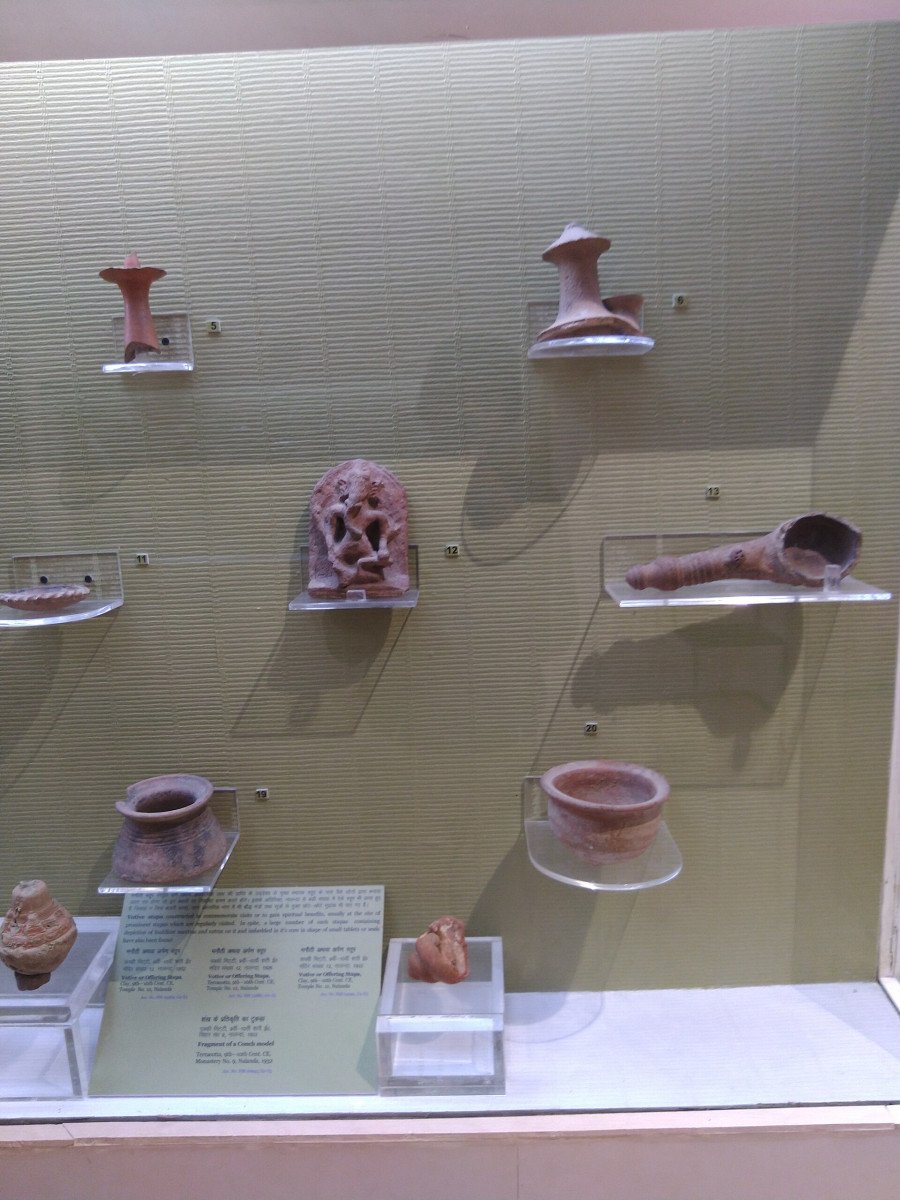
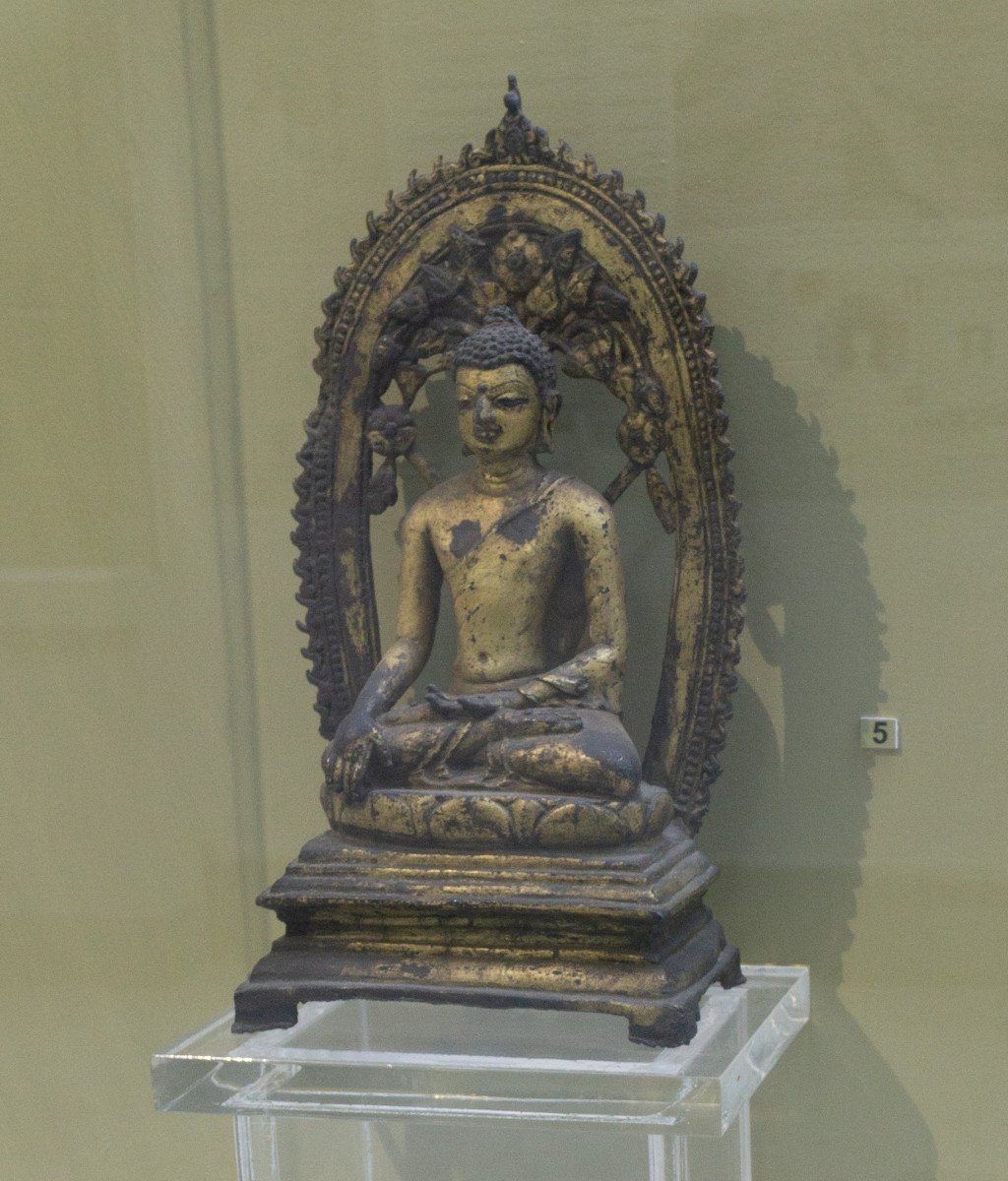
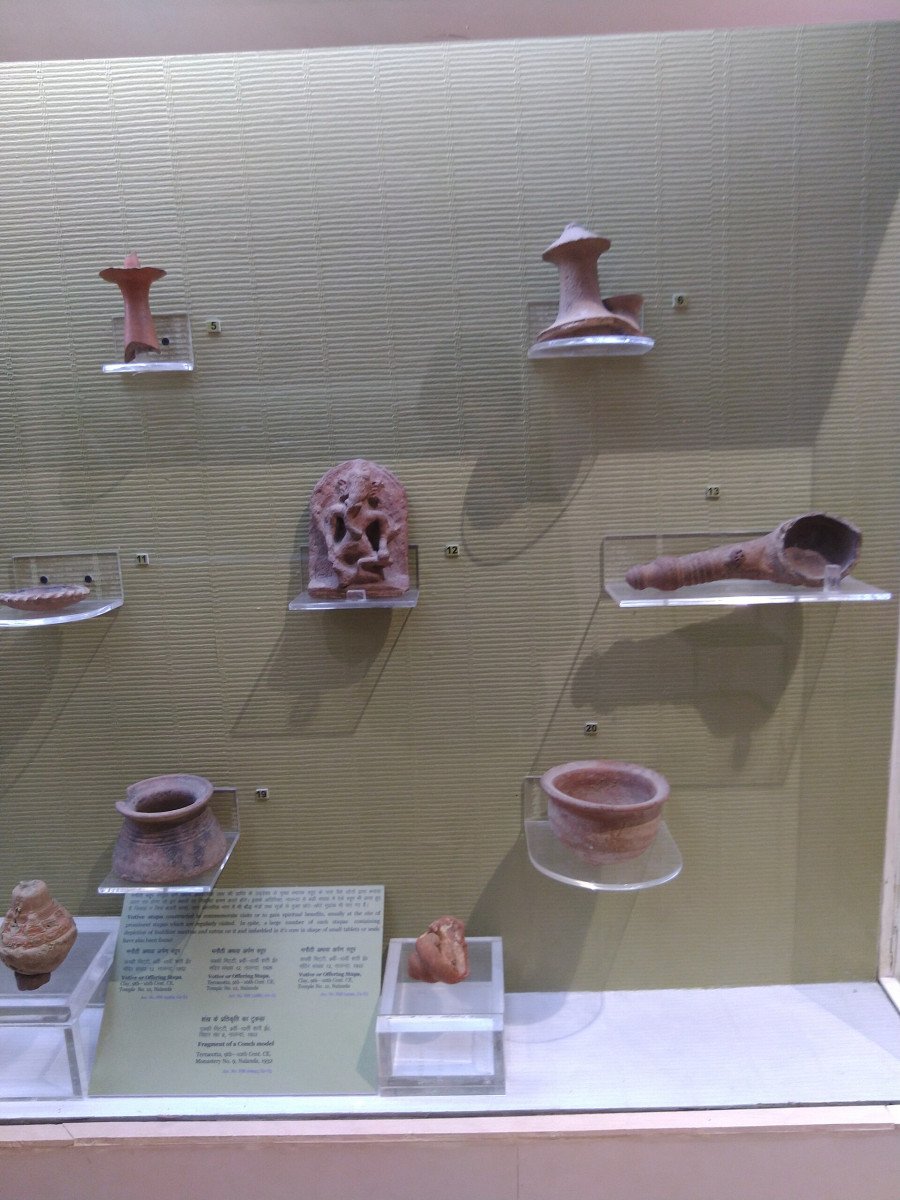
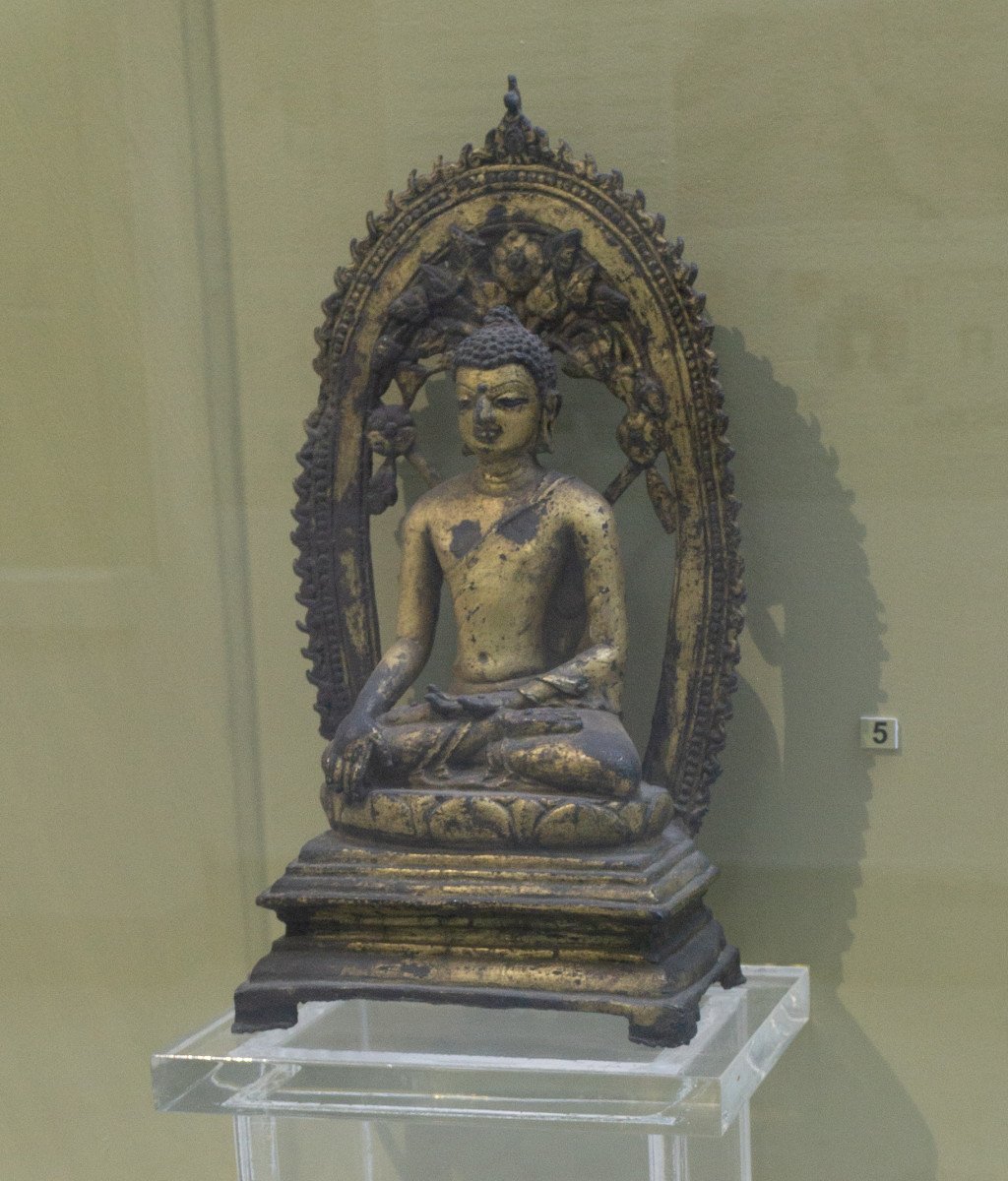
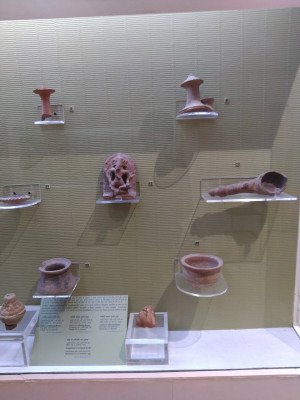 Established in 1917, the Nalanda Archaeological Museum serves as the vital repository for the priceless artifacts unearthed from the excavations of the adjacent Nalanda University Ruins. This museum is crucial for understanding the intellectual, cultural, and artistic life of the world's first residential university, which flourished from the 5th to the 12th centuries CE. The museum's collection is primarily divided into four main galleries and a main hall, showcasing a vast array of stone sculptures, bronzes, terracotta objects, inscriptions, coins, and seals. Key exhibits include exquisite stone images of Buddha, Avalokiteshvara, and other Buddhist and Hindu deities, reflecting the cosmopolitan and tolerant nature of the ancient university. The rare bronze sculptures from the Pala period are especially noteworthy for their sophisticated craftsmanship. By displaying these preserved remnants, the museum breathes life into the brick ruins, allowing visitors to visualize the grandeur and daily existence of the 10,000 students and 2,000 teachers who once resided there. It is an indispensable stop for anyone visiting Nalanda to gain context before or after exploring the extensive ruins site. The museum plays a key role in preserving this UNESCO World Heritage Site's legacy.Show All
The Surya Mandir (Sun Temple) in Bargaon is an ancient and highly revered Hindu temple dedicated to the Sun God, Surya. It is strategically located near the Nalanda University Ruins and the sacred Surajpur Pond (or Surya Pokhar). While the current temple structure is relatively modern, the site itself has immense historical and religious significance, suggesting a long tradition of Sun worship in the Magadha region, possibly predating the flourishing of Nalanda as a major Buddhist center. The temple houses several ancient and intricately carved stone images of Hindu and Buddhist deities, recovered from the local area, suggesting a cultural and religious overlap. The temple is especially famous for being a major center for the celebration of the Chhath Puja, one of Bihar's most important and iconic festivals, dedicated entirely to the Sun God. Devotees flock here in large numbers twice a year, in the Kartik (October/November) and Chaitra (March/April) months, to offer prayers at the sacred pond and the temple. The visit offers a stark contrast between the academic atmosphere of the ruins and the vibrant, living tradition of local Hindu worship.
Established in 1917, the Nalanda Archaeological Museum serves as the vital repository for the priceless artifacts unearthed from the excavations of the adjacent Nalanda University Ruins. This museum is crucial for understanding the intellectual, cultural, and artistic life of the world's first residential university, which flourished from the 5th to the 12th centuries CE. The museum's collection is primarily divided into four main galleries and a main hall, showcasing a vast array of stone sculptures, bronzes, terracotta objects, inscriptions, coins, and seals. Key exhibits include exquisite stone images of Buddha, Avalokiteshvara, and other Buddhist and Hindu deities, reflecting the cosmopolitan and tolerant nature of the ancient university. The rare bronze sculptures from the Pala period are especially noteworthy for their sophisticated craftsmanship. By displaying these preserved remnants, the museum breathes life into the brick ruins, allowing visitors to visualize the grandeur and daily existence of the 10,000 students and 2,000 teachers who once resided there. It is an indispensable stop for anyone visiting Nalanda to gain context before or after exploring the extensive ruins site. The museum plays a key role in preserving this UNESCO World Heritage Site's legacy.Show All
The Surya Mandir (Sun Temple) in Bargaon is an ancient and highly revered Hindu temple dedicated to the Sun God, Surya. It is strategically located near the Nalanda University Ruins and the sacred Surajpur Pond (or Surya Pokhar). While the current temple structure is relatively modern, the site itself has immense historical and religious significance, suggesting a long tradition of Sun worship in the Magadha region, possibly predating the flourishing of Nalanda as a major Buddhist center. The temple houses several ancient and intricately carved stone images of Hindu and Buddhist deities, recovered from the local area, suggesting a cultural and religious overlap. The temple is especially famous for being a major center for the celebration of the Chhath Puja, one of Bihar's most important and iconic festivals, dedicated entirely to the Sun God. Devotees flock here in large numbers twice a year, in the Kartik (October/November) and Chaitra (March/April) months, to offer prayers at the sacred pond and the temple. The visit offers a stark contrast between the academic atmosphere of the ruins and the vibrant, living tradition of local Hindu worship.Information
-
Why Famous:
Global Education Hub:: Nalanda is famous for being the most ancient university in the Indian Subcontinent. It set the standard for organized transmission of knowledge.
UNESCO Heritage:: It is a globally recognized site for its outstanding u...Global Education Hub:: Nalanda is famous for being the most ancient university in the Indian Subcontinent. It set the standard for organized transmission of knowledge.
UNESCO Heritage:: It is a globally recognized site for its outstanding universal value in human history.
Spiritual Epicenter:: It is deeply revered in Buddhism as a place where the Buddha himself stayed and preached.
Archaeological Marvel:: The site showcases the transition of Buddhism from a religion to a formal monastic tradition. -
Architecture:
Structural Design:: The architecture of Nalanda is a masterpiece of ancient red-brick construction. The site is laid out in a systematic grid covering over 14 hectares.
Monastic Layout:: There are 11 monasteries (Viharas) and 6 brick temple...Structural Design:: The architecture of Nalanda is a masterpiece of ancient red-brick construction. The site is laid out in a systematic grid covering over 14 hectares.
Monastic Layout:: There are 11 monasteries (Viharas) and 6 brick temples (Chaityas) arranged symmetrically. Each monastery is a square block with a central courtyard surrounded by cells for monks.
Dimensions and Features:: The walls are exceptionally thick, reaching up to 2. 4 meters, providing natural insulation. Temple No. 3 is the most iconic, standing tall with a series of smaller stupas surrounding it. The drainage system was highly advanced for its time, featuring covered brick channels. -
How To Reach:
By Air:: The nearest airport is Jay Prakash Narayan International Airport in Patna, approximately 95 KMS away.
By Train:: Nalanda has its own railway station, but Rajgir (12 KMS) is better connected to major Indian cities.
Read MoreBy Air:: The nearest airport is Jay Prakash Narayan International Airport in Patna, approximately 95 KMS away.
By Train:: Nalanda has its own railway station, but Rajgir (12 KMS) is better connected to major Indian cities.
By Road:: Excellent road connectivity via NH-20; private taxis and Bihar State Tourism buses run frequently from Patna.
Local Transport:: Auto-rickshaws and cycle-rickshaws are the most common ways to move between the ruins and the museum.Weather and Best Time to Visit:
Winter Season:: October to March is the best time when the weather is pleasant and conducive for walking outdoors.
Summer Season:: April to June can be extremely hot, with temperatures exceeding 40°C, making midday visits difficult.Winter Season:: October to March is the best time when the weather is pleasant and conducive for walking outdoors.
Summer Season:: April to June can be extremely hot, with temperatures exceeding 40°C, making midday visits difficult.
Monsoon Season:: July to September brings rain that turns the landscape lush green, though outdoor exploration may be hindered.Near Tourist Places:
Rajgir (12 KMS), Pawapuri (25 KMS), Bihar Sharif (13 KMS), Kundalpur (2 KMS), Gaya (95 KMS), Bodh Gaya (110 KMS), Patna (90 KMS), Barabar Caves (60 KMS), Hieun Tsang Memorial (1 KM), Silao (5 KMS).Tourism Tips
-
Health and Safety:: Carry plenty of bottled water and wear a hat, as the open ruins offer very little shade.
Packing Essentials:: Wear comfortable walking shoes; the terrain is uneven. Don't forget sunscreen and a good camera.Health and Safety:: Carry plenty of bottled water and wear a hat, as the open ruins offer very little shade.
Packing Essentials:: Wear comfortable walking shoes; the terrain is uneven. Don't forget sunscreen and a good camera.
Accommodation:: Stay in Rajgir, which offers a wide range of hotels from budget guesthouses to luxury resorts.
Hiring a Guide:: It is highly recommended to hire an authorized guide to understand the complex history of each structure.
Reviews
FAQs
Nalanda Itineray And Cost:-
Other Places In Bihar :-
Other States In India :-
Information about New and Updated Locations() of Bihar Has Been Added :-
Card subtitle
Note:-
Information provided here in good Faith and for reference only.
Near Places
Araria
Some quick example text to build on the card title and make up the bulk of the card's content.
Go somewhere
Arwal
Some quick example text to build on the card title and make up the bulk of the card's content.
Go somewhere
Banka
Some quick example text to build on the card title and make up the bulk of the card's content.
Go somewhere
Begusarai
Some quick example text to build on the card title and make up the bulk of the card's content.
Go somewhere
Bhagalpur
Some quick example text to build on the card title and make up the bulk of the card's content.
Go somewhere
Bhojpur
Some quick example text to build on the card title and make up the bulk of the card's content.
Go somewhere
Bihar Sharif
Some quick example text to build on the card title and make up the bulk of the card's content.
Go somewhere
Bodh Gaya
Some quick example text to build on the card title and make up the bulk of the card's content.
Go somewhere
Buxar
Some quick example text to build on the card title and make up the bulk of the card's content.
Go somewhere
Champaran
Some quick example text to build on the card title and make up the bulk of the card's content.
Go somewhere
Darbhanga
Some quick example text to build on the card title and make up the bulk of the card's content.
Go somewhere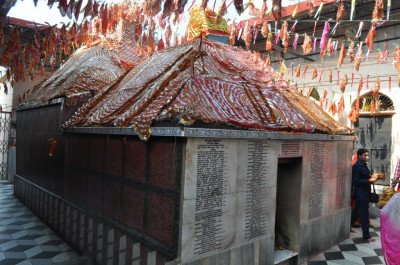
Gaya
Some quick example text to build on the card title and make up the bulk of the card's content.
Go somewhere
Golghar
Some quick example text to build on the card title and make up the bulk of the card's content.
Go somewhere
Madhubani
Some quick example text to build on the card title and make up the bulk of the card's content.
Go somewhere
Mithila
Some quick example text to build on the card title and make up the bulk of the card's content.
Go somewhere
Munger
Some quick example text to build on the card title and make up the bulk of the card's content.
Go somewherein Other Cities