
-India-558-1200x1200.jpg?text=Slide+11)
Omkareshwar
General information
-
Ideal Duration:
1 DayPlace Type:
Pilgrimage & SpiritualityEntry Fees:
Temple Entry: Free for all visitors, but there are separate queues for "VIP Darshan" which may cost 300-500 INR during peak festivals.
Boat Rides: Usually cost between 100-300 INR per person for a round trip or a guided tour around the sacre...Temple Entry: Free for all visitors, but there are separate queues for "VIP Darshan" which may cost 300-500 INR during peak festivals.
Boat Rides: Usually cost between 100-300 INR per person for a round trip or a guided tour around the sacred island of Mandhata.
Locker Facility: Nominal charges of 10-20 INR to keep your bags and shoes while you enter the main temple complex for darshan.Timing:
General Timings: The temple is open from 5:00 AM to 10:00 PM for devotees.
Darshan Peak: The afternoon aarti is around 12:20 PM; try to reach by 10:00 AM to avoid the longest queues during the weekend holidays.
...General Timings: The temple is open from 5:00 AM to 10:00 PM for devotees.
Darshan Peak: The afternoon aarti is around 12:20 PM; try to reach by 10:00 AM to avoid the longest queues during the weekend holidays.
Best Season: August to March is pleasant; the river is full during monsoon.Special Events:
Mahashivratri: The biggest festival of the year, where the town stays awake all night and the temple is decorated with thousands of oil lamps.
Kartik Purnima: Celebrated in November, this festival involves a grand fair and the ritual of ligh...Mahashivratri: The biggest festival of the year, where the town stays awake all night and the temple is decorated with thousands of oil lamps.
Kartik Purnima: Celebrated in November, this festival involves a grand fair and the ritual of lighting thousands of lamps (Deep Daan) in the river.Best Photo Spots:
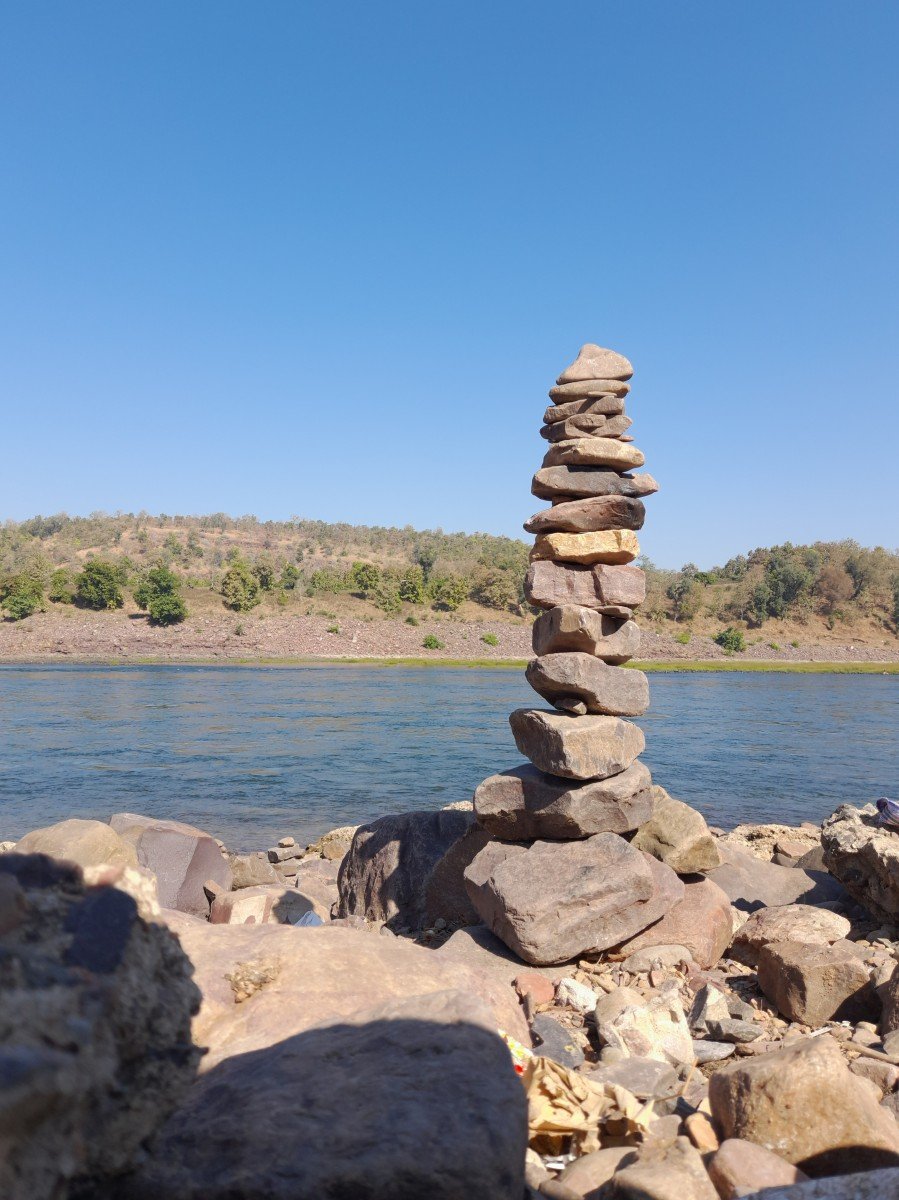
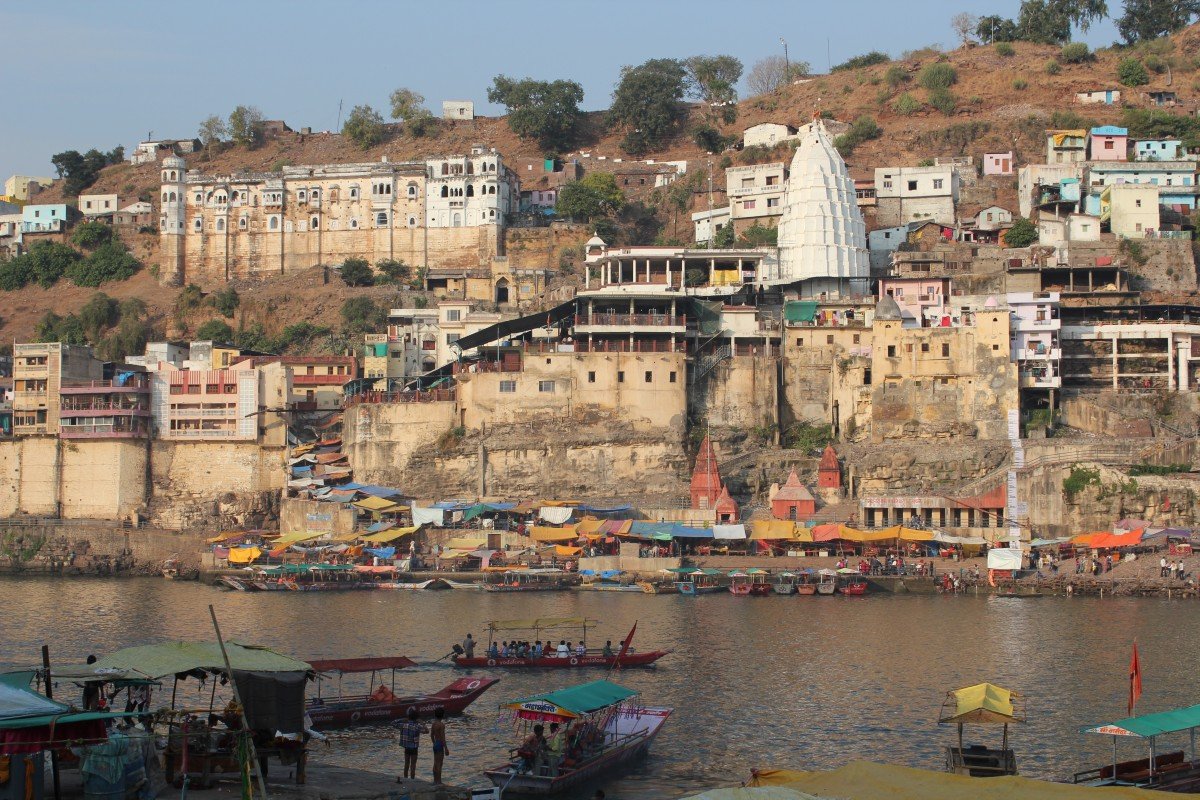
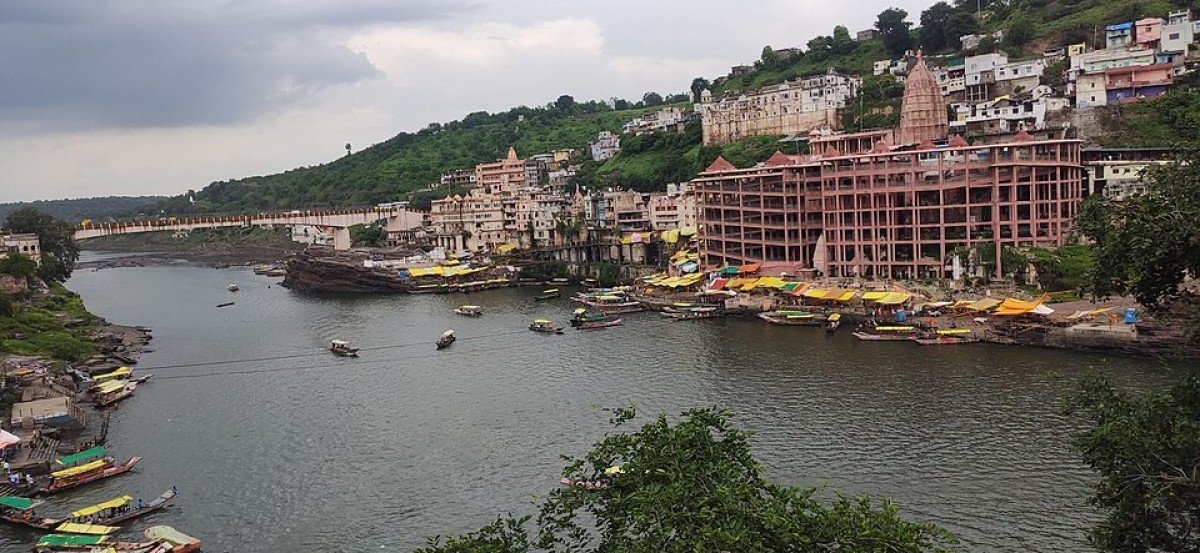
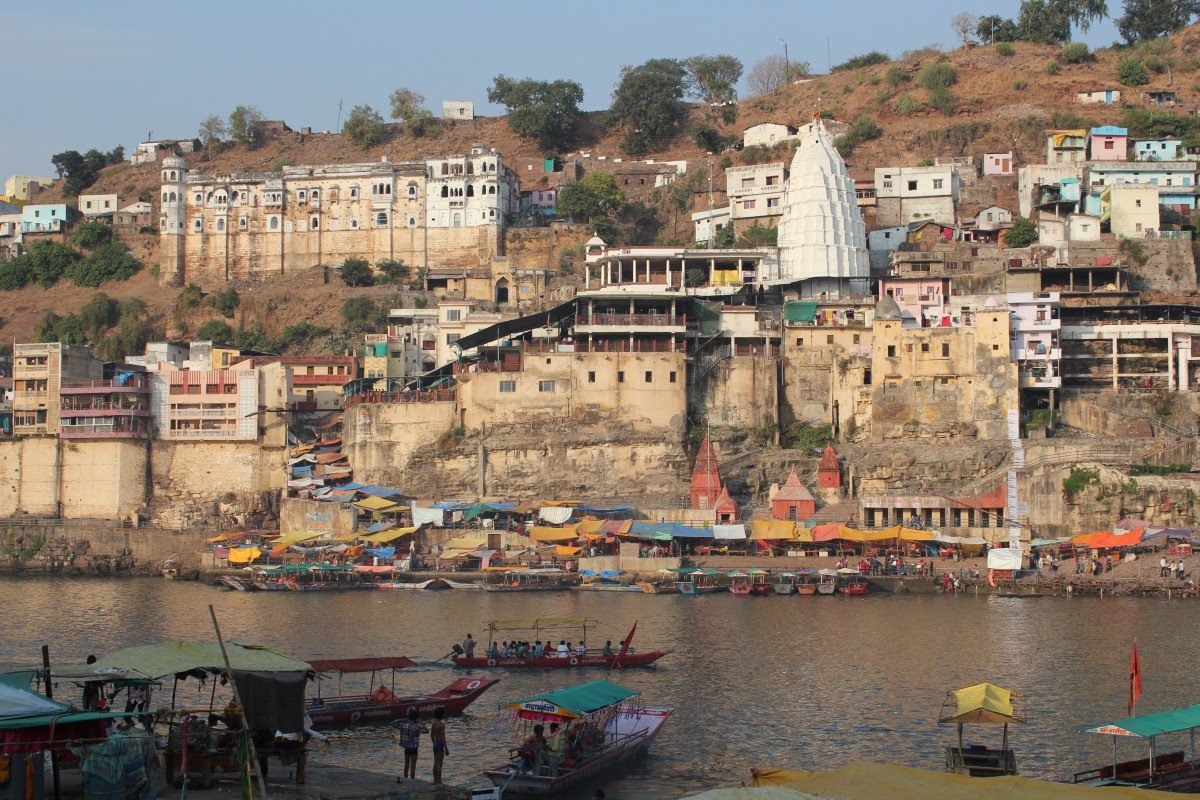
The Suspension Bridge: Stand in the middle of the bridge at sunset to capture the entire temple island with its lights reflecting in the moving river.
Ahilya Ghat: The stone steps and small shrines along this ghat provide a classic Indian pi...The Suspension Bridge: Stand in the middle of the bridge at sunset to capture the entire temple island with its lights reflecting in the moving river.
Ahilya Ghat: The stone steps and small shrines along this ghat provide a classic Indian pilgrimage look, perfect for cultural and street photography.Photo Gallery
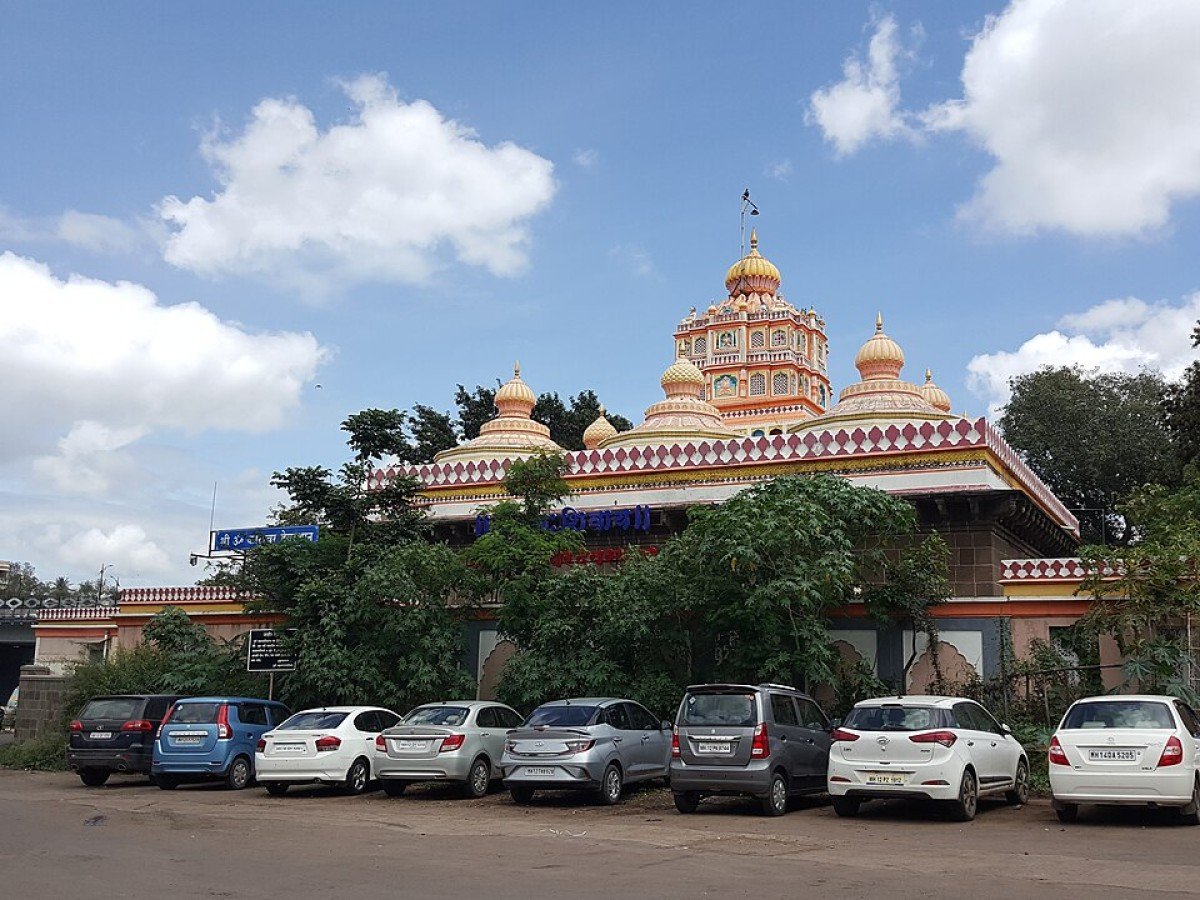
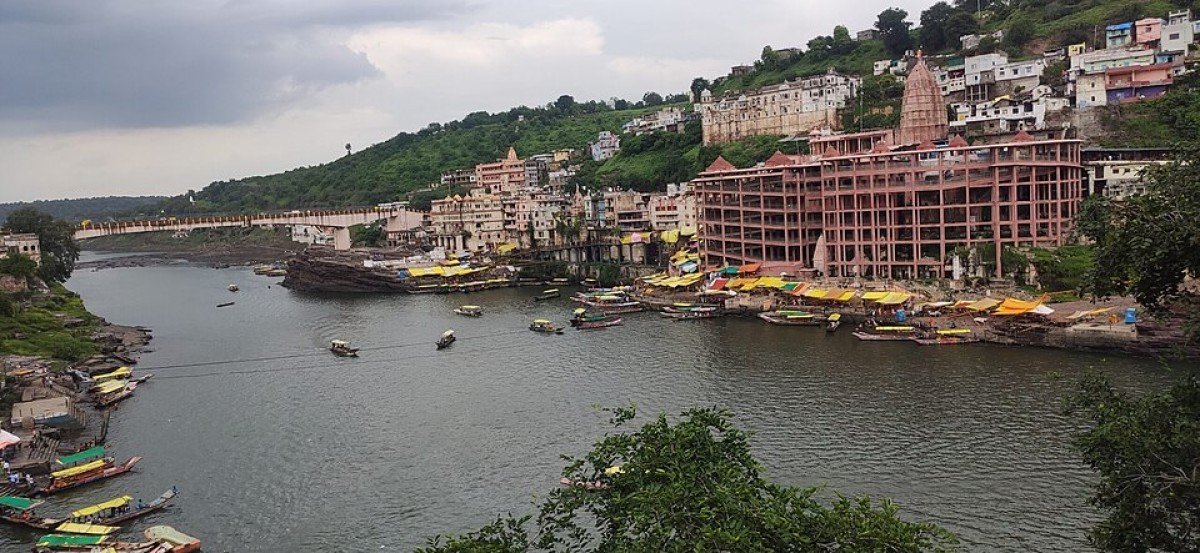

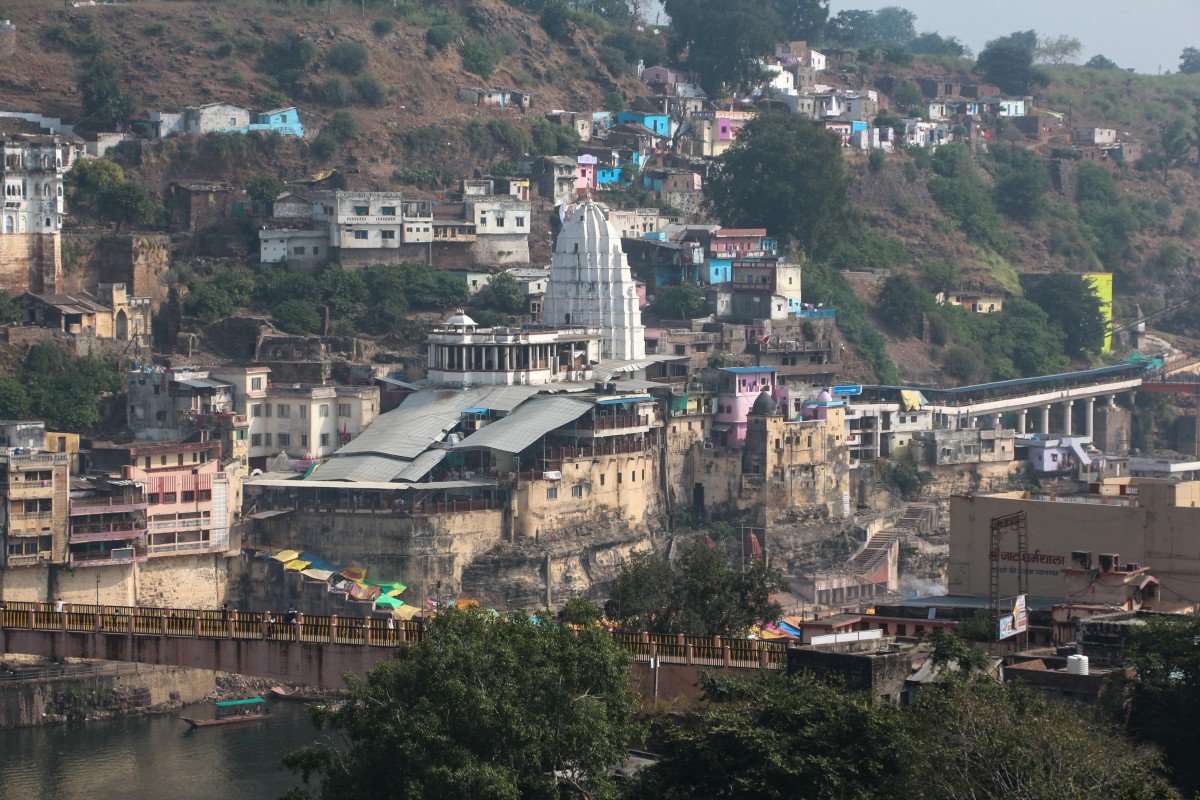
-India-558-1200x1200.jpg)
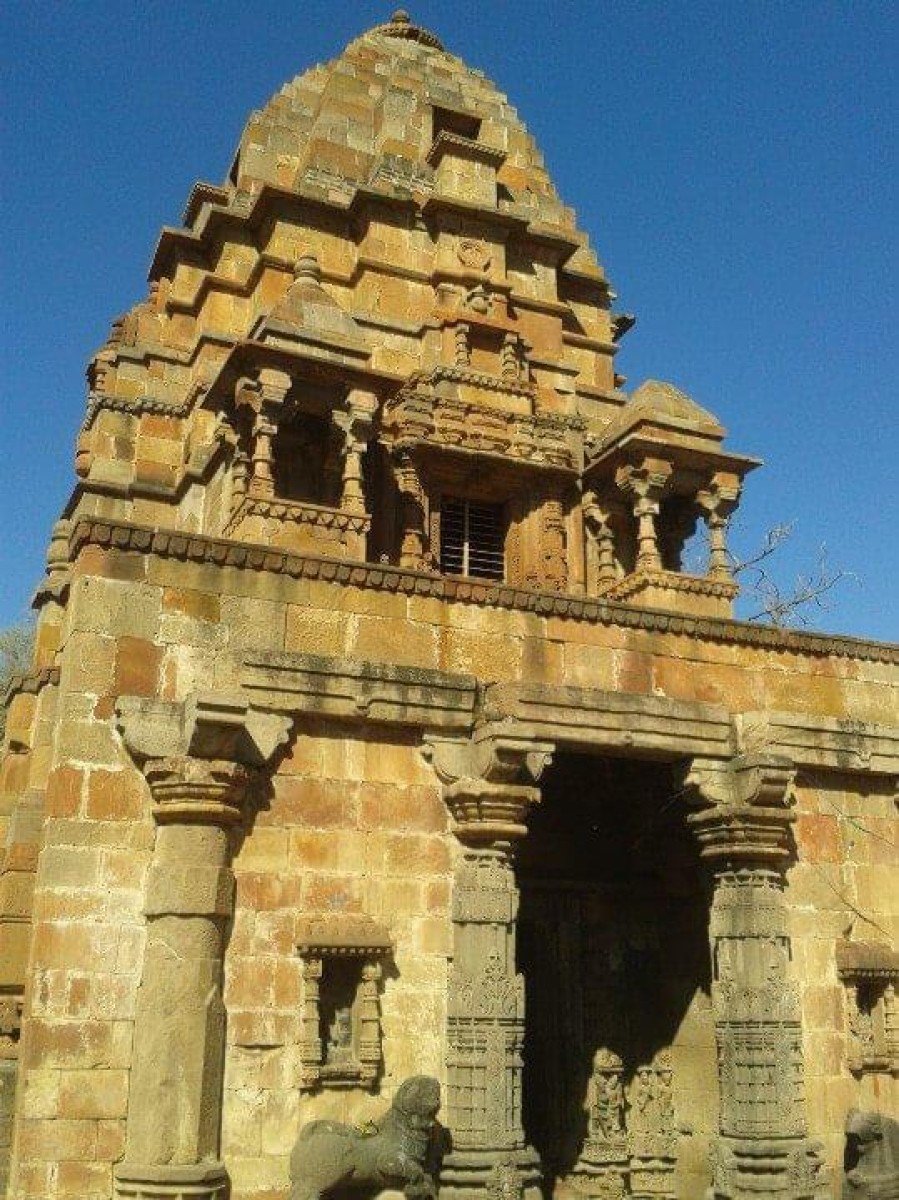
Things To Do
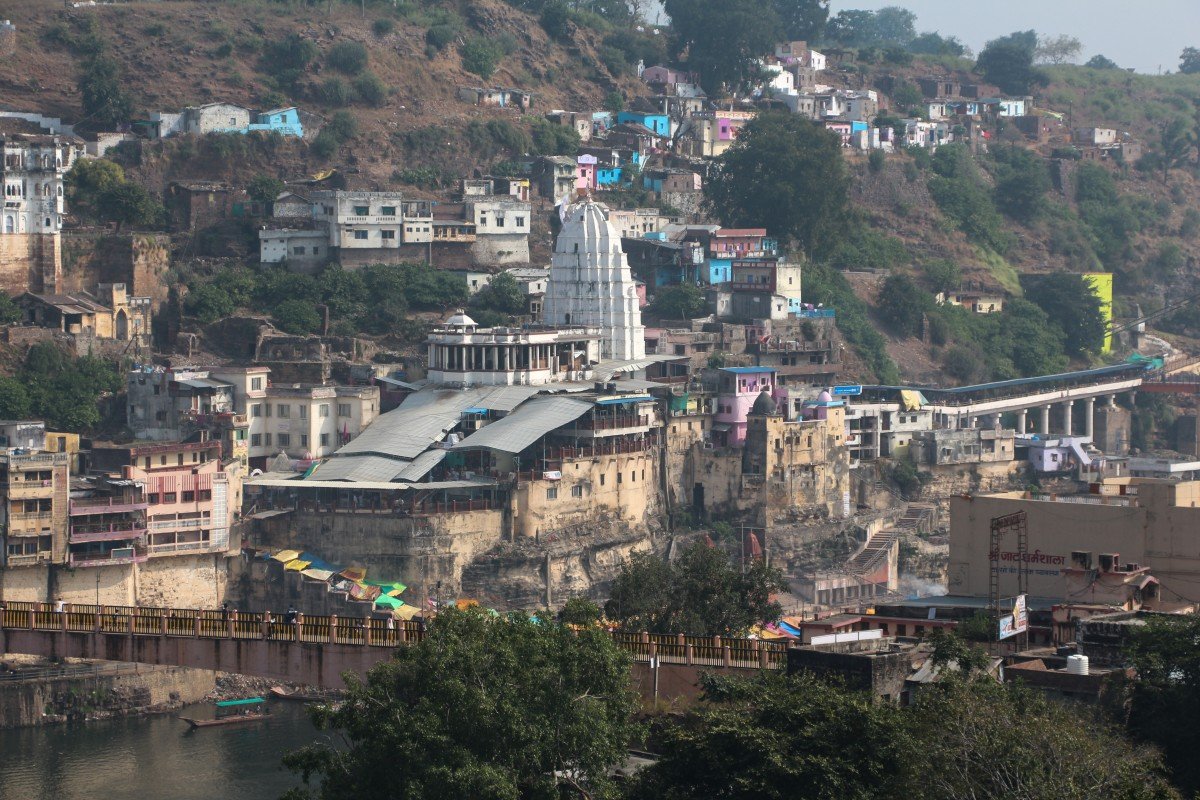
 @@The Fourth Jyotirlinga:This is the most famous place in Omkareshwar, as it is one of the 12 revered Jyotirlinga shrines of Lord Shiva.: @@Sacred Geography and Legend:The island's natural shape, resembling the sacred syllable Om (?), makes it a unique pilgrimage site. Legend attributes the Lingam's manifestation to the penance of the Vindhya Mountain and the great King Mandhata, which gives the island its name. The temple represents the Jyoti (light) half of the split Lingam, with the other half being Mamleshwar. The daily ritual where Shiva and Parvati are put to sleep with the Shayan Aarti makes it a highly significant and emotionally resonant pilgrimage site.
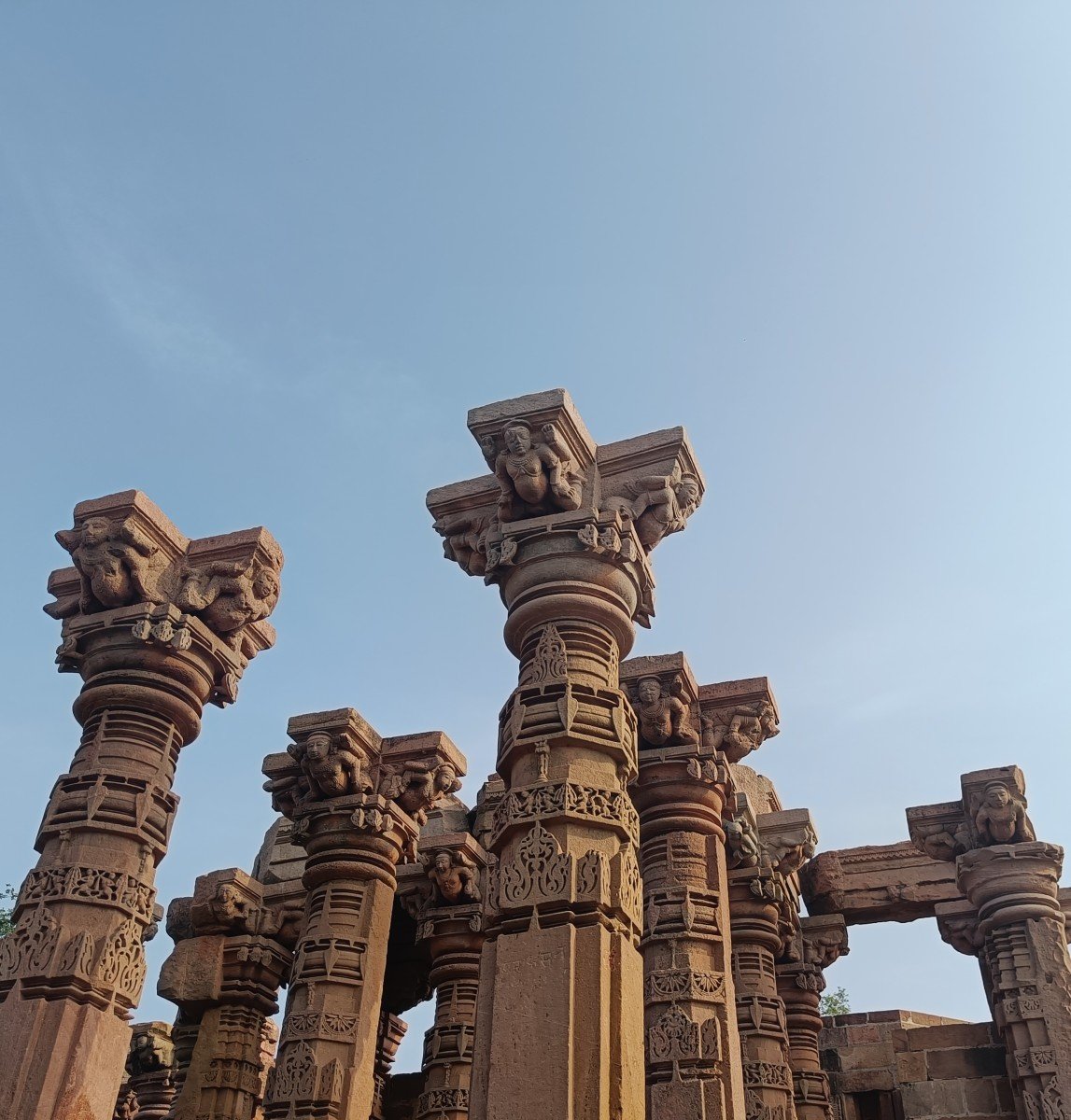
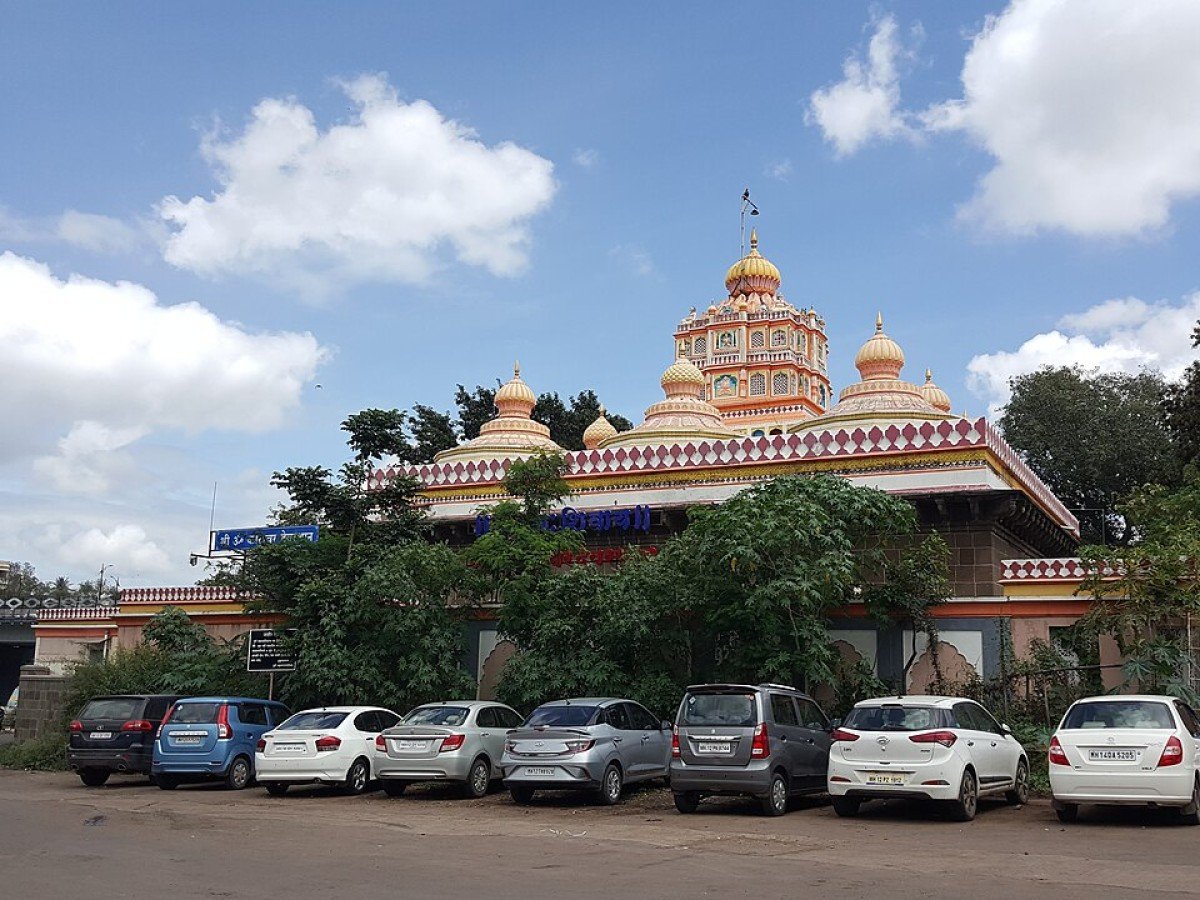
 @@Ancient and Mythological Temple: The Gauri Somnath Temple is an ancient and highly revered shrine dedicated to Lord Shiva (Somnath) and Goddess Parvati (Gauri), symbolizing the union of the divine couple. Believed to have been constructed in the 11th century AD, the temple is famous for housing an enormous six-foot-tall Shivalinga made of black stone, which is a major attraction for devotees. The temple's hilltop location, requiring a climb of over 200 stairs, adds a physical and spiritual challenge to the pilgrimage. @@Unique Legend: A unique local legend associated with the temple suggests that looking into the gigantic Shivalinga and seeing one's reflection can predict their future, adding to the mystique and spiritual draw of the shrine. The temple complex is a protected monument, showcasing fine examples of regional temple architecture.
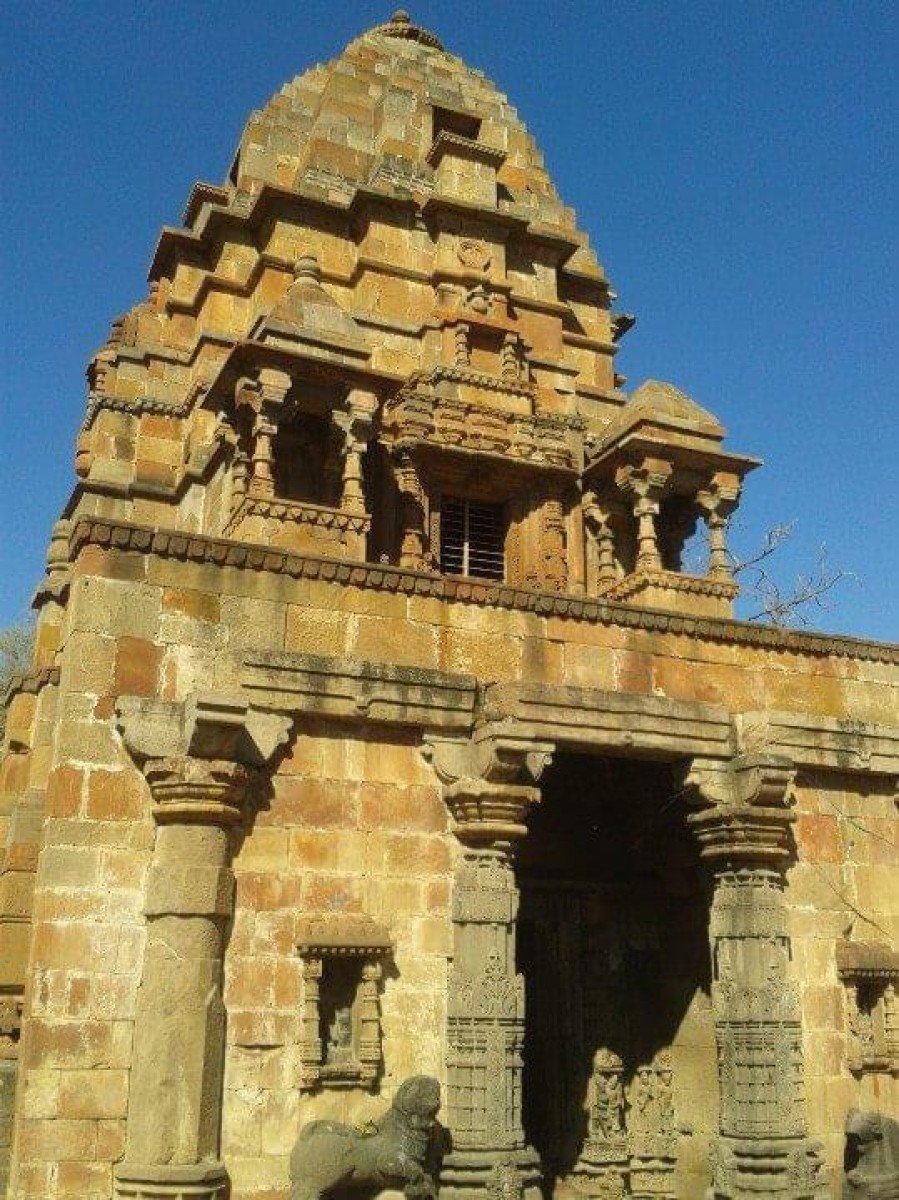
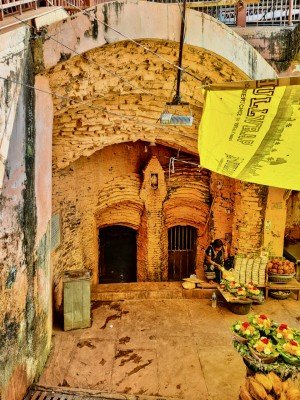 @@History and Significance: This is a unique complex housing a group of ancient Hindu and Jain temples, believed to have survived the 11th-century destruction by Mahmud Ghazni. The temples display a variety of deities, showcasing the religious tolerance and rich artistic heritage of the period. It's a key stop on the Omkar Parikrama (circumambulation) route, and each shrine is dedicated to one of the 24 Incarnations (Avatars) of Lord Vishnu and Jain Tirthankaras. The cluster offers a glimpse into the diverse religious tapestry that flourished in the region centuries ago, maintaining its spiritual and historical charm, drawing both pilgrims and history enthusiasts to its sacred grounds.@@The Divine Number 24: The significance lies in the number '24', which is sacred in both traditions (24 Avatars of Vishnu and 24 Jain Tirthankaras).
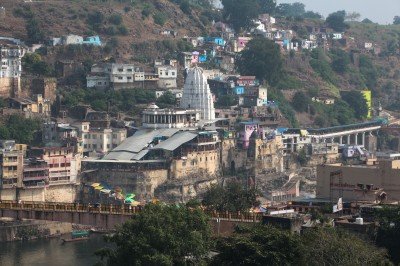 @@Auspicious Confluence and Spiritual Power: The Triveni Sangam Temple marks the sacred confluence (Sangam) of the holy River Narmada and its tributary, the River Kaveri (sometimes referred to locally as the Gupt Ganga or a secondary Kaveri, distinct from the Southern Indian one). In Hinduism, a Sangam of two or more rivers is considered highly auspicious, a place of immense spiritual energy for ritual bathing and ancestral rites (Pind Daan). This particular Sangam is unique to the Omkareshwar region, drawing pilgrims who believe that bathing at the point of merging waters cleanses all sins and ensures salvation (Moksha). A temple stands near this point to sanctify the confluence. The confluence of the two rivers is also inextricably linked to the island's unique shape, said to resemble the sacred Hindu symbol 'Om'. The spiritual power of the Narmada river is amplified by this merge, making it a critical, revered destination for the complete Omkareshwar pilgrimage. The location is tranquil, scenic, and deeply spiritual, offering a blend of natural beauty and profound religious significance. It is a site that embodies the deep connection between the sacred geography and the spiritual belief system of the region, where the very land and water tell a story of faith and divinity.:
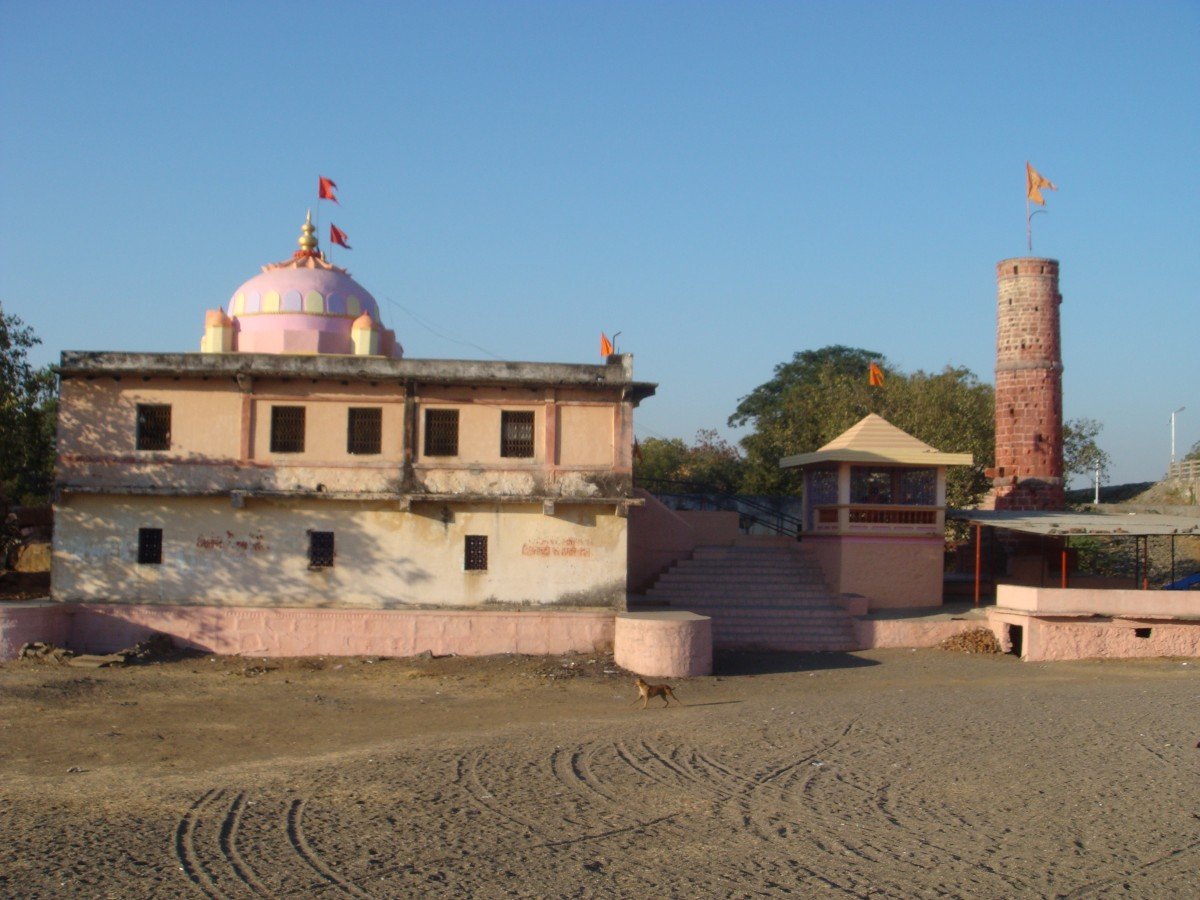
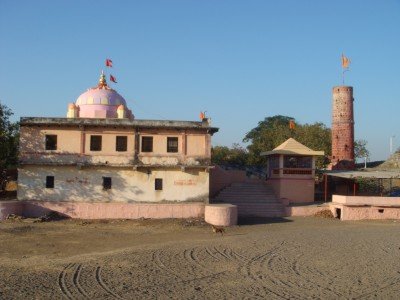 @@Timeless Devotion:This ancient temple is dedicated to Lord Shiva, representing his manifestation as the Lord of Kedar (like Kedarnath).: @@Architecture and Deity:It is believed to be a very old shrine, possibly dating back to the 11th Century or even earlier, built by the Paramara Kings. Its unique significance lies in the belief that worship here is equivalent to visiting Kedarnath in the Himalayas. The temple is a small, stone-built shrine, often overshadowed by the larger Omkar Mandhata Temple, yet it holds immense spiritual weight for pilgrims performing the complete Omkareshwar Parikrama. The atmosphere is quiet and less crowded, allowing for peaceful darshan.
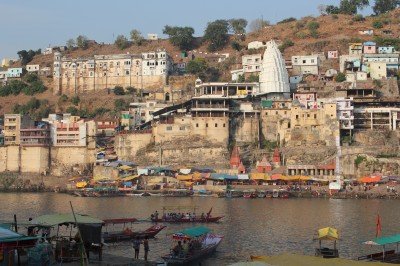 @@Historical and Religious Hub: Named after the sovereign Rajmata Ahilyabai Holkar of Indore, Ahilya Ghat is a historically and religiously significant ghat on the Narmada River bank. Built as a royal access point, it served the Holkar dynasty for their daily prayers and rituals. It stands directly in front of the Ahilya Fort and Temple (though the main fort is in Maheshwar, a smaller structure or temple complex is associated with the Ghat here), providing a grand approach to the holy river. @@A Center for Worship: The Ghat is lined with numerous small temples, altars, and Shivalingas, making it an active site for various Hindu rituals, Pujas, and especially the sacred bath in the Narmada. The continuous presence of devotees and priests highlights its importance in the pilgrimage circuit. The evening Narmada Aarti is a special attraction here, filling the air with devotion.
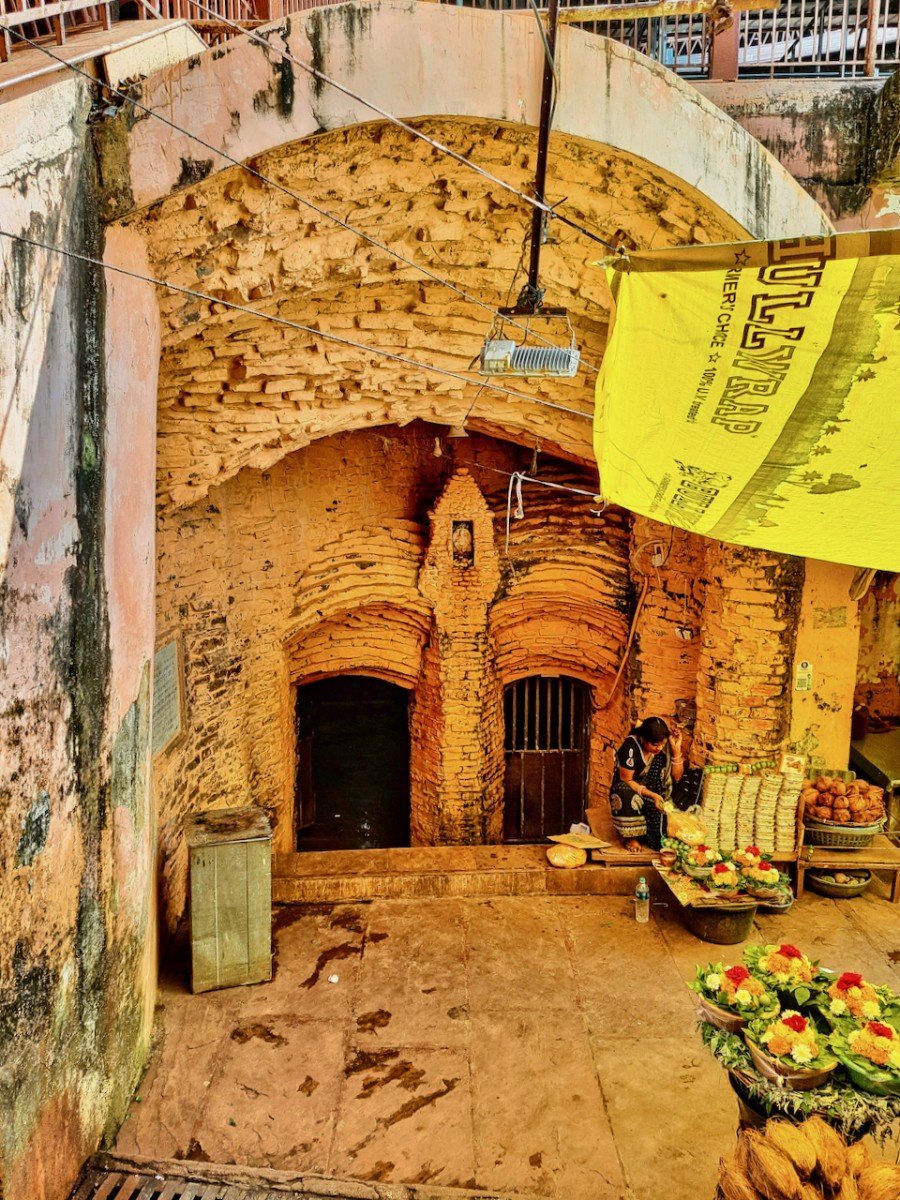
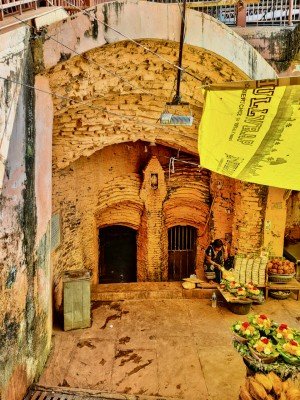 Sri Govinda Bhagavatpada Cave is a site of immense historical and philosophical significance located right on the banks of the Narmada. This is the sacred spot where the great Adi Shankaracharya, the reviver of Advaita Vedanta, met his guru, Govinda Bhagavatpada. History tells us that a young Shankara walked thousands of miles from Kerala to this very cave to seek spiritual initiation. The cave itself is a natural rock-cut formation that exudes an aura of ancient wisdom and stillness. Inside, there is a main hall and a small sanctum containing a Shiva Lingam. The walls are simple, reflecting the ascetic lifestyle of the sages who meditated here for centuries. It is said that when the Narmada flooded, Shankara used his spiritual powers to contain the river in a pot to protect his guru who was meditating inside this cave. Today, pilgrims visit to pay their respects to the Guru-Shishya tradition that is central to Indian spirituality. The atmosphere inside is notably cooler than the outside temperature, providing a physical relief that mirrors the mental peace one feels here. The cave is managed with great care, and the silence is strictly maintained. It serves as a reminder that the greatest philosophies of the world often took root in the simplest of settings. For any seeker of Indian history or philosophy, this cave is a mandatory stop, offering a tangible link to the 8th century CE. It is not just a tourist spot but a living shrine where the energy of centuries of meditation can still be felt by the sensitive visitor.Show All
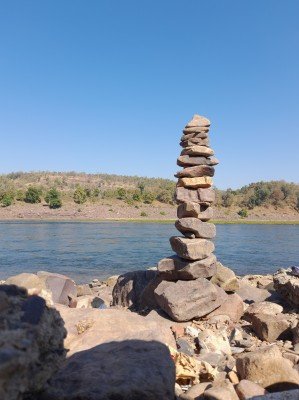 @@Historical Significance and Legend: This ancient cave is not the 'Pandava Caves' of Pachmarhi; in Omkareshwar, it is predominantly known as the cave of Shri Govinda Bhagavatpada. It is a crucial site in Hindu philosophical history, marking the place where the young Adi Shankaracharya met his spiritual master, Govinda Bhagavatpada, a disciple of Gaudapada. The legend states that Adi Shankara, the proponent of Advaita Vedanta, was initiated into Sanyasa by his guru right here, a moment that fundamentally shaped the course of Hindu philosophy. The cave is relatively small and unassuming, which adds to its spiritual, austere ambiance, perfectly reflecting the life of a renunciate. The quiet, cool interior offers a stark contrast to the busy temple complex above, inviting deep contemplation. The history connects this simple spot directly to the lineage of one of India's greatest philosophical minds, making it a pilgrimage site for scholars and devotees alike. It is a testament to the guru-shishya parampara (teacher-disciple tradition) that underpins much of Indian spiritual learning, symbolizing the transmission of profound knowledge from master to student in seclusion and peace. The energy of the place is intensely spiritual, drawing those seeking clarity and a connection to the roots of Advaita. The surroundings on Mandhata Island are beautiful, but the cave remains the focal point of its historical and religious gravity.:
Information
-
Why Famous:
Jyotirlinga Status: It is one of the holiest places for Shiva devotees, believed to be the place where Lord Shiva appeared as a pillar of light.
The Sacred "Om" Island: The geographical shape of the island in the river is a natural miracle t...Jyotirlinga Status: It is one of the holiest places for Shiva devotees, believed to be the place where Lord Shiva appeared as a pillar of light.
The Sacred "Om" Island: The geographical shape of the island in the river is a natural miracle that draws thousands of pilgrims and geologists alike.
Narmada Parikrama: It is a major stop for the thousands of devotees who perform the holy circumnavigation (Parikrama) of the river Narmada on foot. -
Architecture:
Nagara Style: The temple features a massive Shikhara with multiple tiers of carvings, typical of Central Indian temple architecture.
Dimension of Mandapa: The main prayer hall is supported by 60 huge stone pillars, each about 4 meters high a...Nagara Style: The temple features a massive Shikhara with multiple tiers of carvings, typical of Central Indian temple architecture.
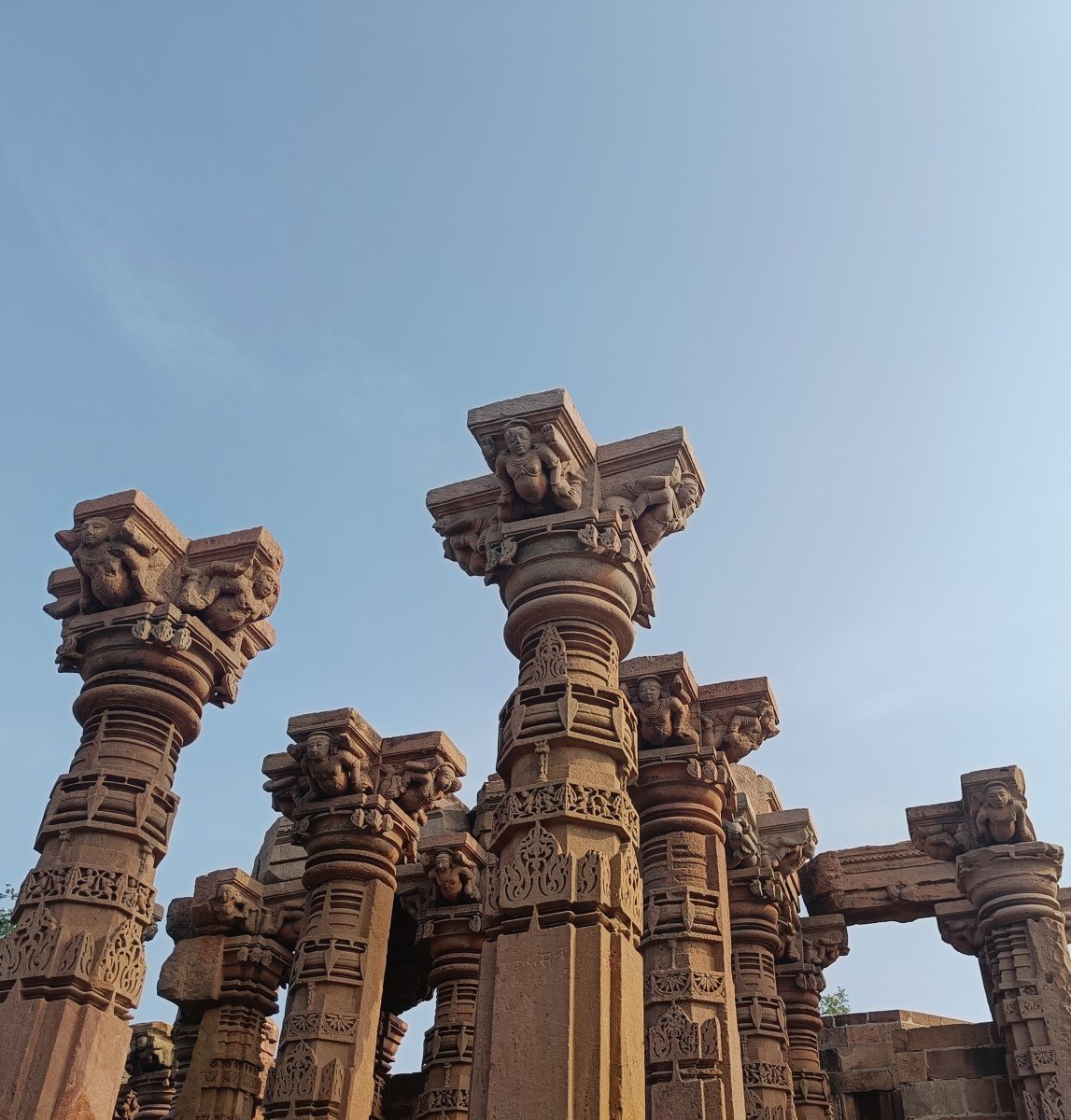
Dimension of Mandapa: The main prayer hall is supported by 60 huge stone pillars, each about 4 meters high and intricately carved with floral motifs.
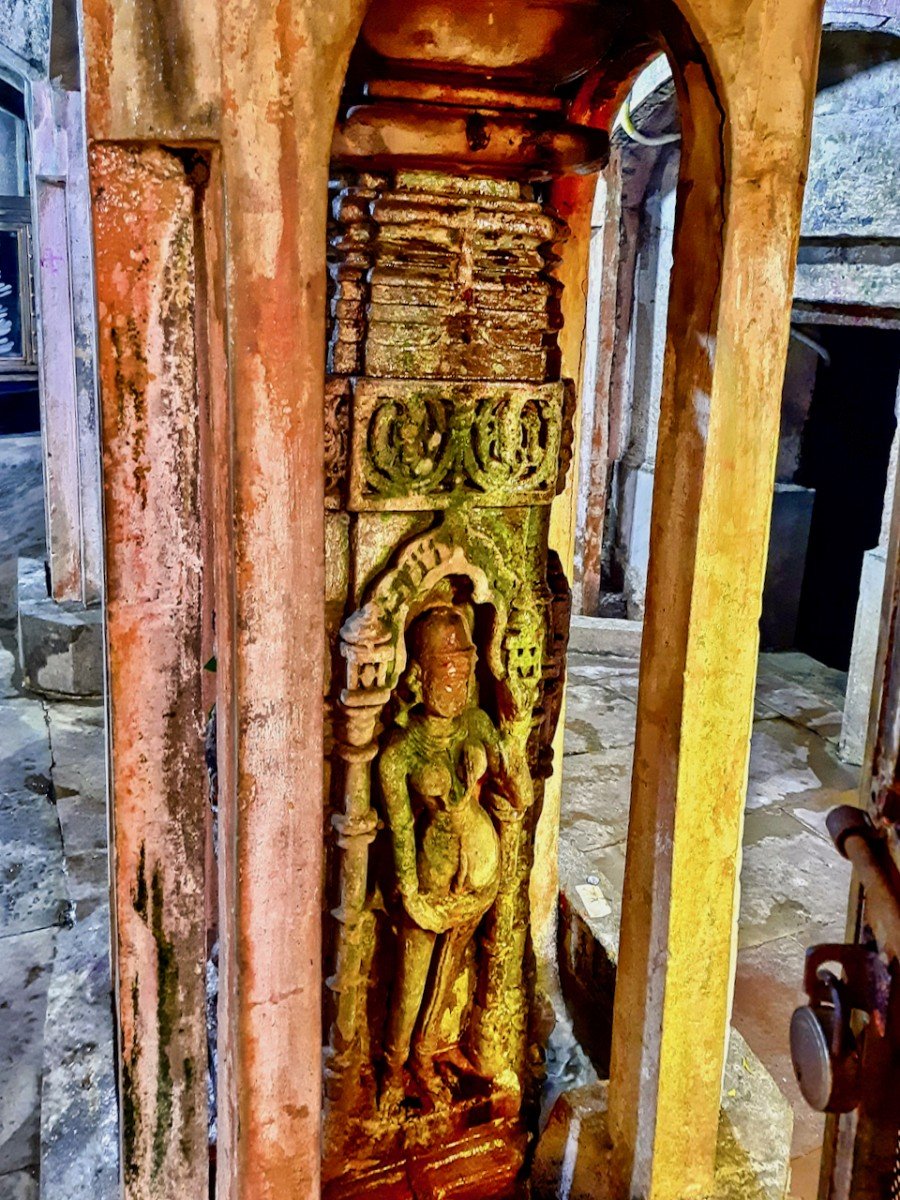
Sandstone Construction: The soft red sandstone used for the temple has allowed for very fine carvings of deities and celestial beings on the exterior.
Island Shape: The entire island is a natural "architecture" of the river, measuring about 4 KMS in length and 2 KMS in width, resembling the "Om" symbol. -
How To Reach:
By Air: Indore (IDR) is the nearest airport (80 KMS) with frequent taxi and bus services available to the pilgrimage town of Omkareshwar.
By Train: Omkareshwar Road (Mortakka) is the local station (12 KMS away), while Indore or Khandwa are m...By Air: Indore (IDR) is the nearest airport (80 KMS) with frequent taxi and bus services available to the pilgrimage town of Omkareshwar.
By Train: Omkareshwar Road (Mortakka) is the local station (12 KMS away), while Indore or Khandwa are major junctions for express trains.
By Road: Regular buses run from Indore, Ujjain, and Khandwa; the roads are generally good but can be crowded during the peak festival seasons.
Local Transport: The town is small enough to explore on foot, but shared autos are available from the bus stand to the river bank near the temple. -
Weather and Best Time to Visit:
Winter Season: October to March is the best time for sightseeing as the weather is cool and the river water is refreshing for the holy dip.
Early Morning: Reaching the temple by 5:00 AM allows you to participate in the first aarti and enjoy ...Winter Season: October to March is the best time for sightseeing as the weather is cool and the river water is refreshing for the holy dip.
Early Morning: Reaching the temple by 5:00 AM allows you to participate in the first aarti and enjoy the peaceful atmosphere before the crowds arrive.
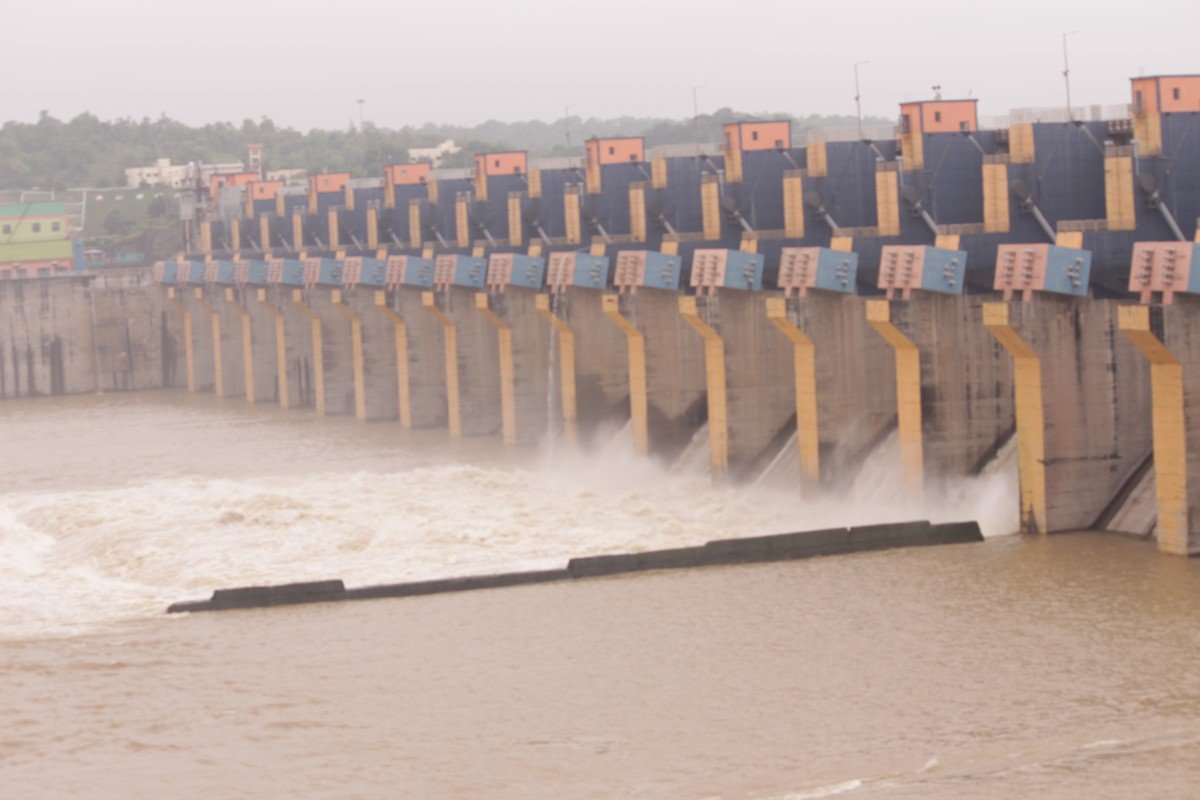
Monsoon: July and August are beautiful because the Narmada river is in full flow, but be careful of the rising water levels near the ghats. -
Near Tourist Places:
Maheshwar (65 KMS), Mandu (100 KMS), Indore (80 KMS), Ujjain (140 KMS), Khandwa (75 KMS), Siddhavat (145 KMS), Tincha Falls (70 KMS), Sailani Island (15 KMS), Satmatra (10 KMS), Kedareshwar (5 KMS).
Tourism Tips
-
Modest Clothing: Ensure you wear clothes that cover your shoulders and knees; sarees, salwar suits, or dhotis are preferred for entering the inner sanctum.
Beware of Monkeys: The island has a large population of monkeys; avoid carrying foo...Modest Clothing: Ensure you wear clothes that cover your shoulders and knees; sarees, salwar suits, or dhotis are preferred for entering the inner sanctum.
Beware of Monkeys: The island has a large population of monkeys; avoid carrying food items or plastic bags in the open as they can be aggressive.
Hydration and Food: Only drink bottled water and eat at busy local eateries; the town offers simple vegetarian food like Poha and Sabudana Khichdi.
Health Precautions: The walk around the island (Parikrama) can be tiring for elderly people; there are palanquin (Doli) services available for a fee.
Reviews
FAQs
Omkareshwar Itineray And Cost:-
Other Places In Madhya Pradesh :-
Other States In India :-
Information about New and Updated Locations() of Madhya Pradesh Has Been Added :-
Card subtitle
Note:-
Information provided here in good Faith and for reference only.
Near Places
Amarkantak
Some quick example text to build on the card title and make up the bulk of the card's content.
Go somewhere
Bhedaghat
Some quick example text to build on the card title and make up the bulk of the card's content.
Go somewhere
Bhopal
Some quick example text to build on the card title and make up the bulk of the card's content.
Go somewhere
Burhanpur
Some quick example text to build on the card title and make up the bulk of the card's content.
Go somewhere
Chanderi
Some quick example text to build on the card title and make up the bulk of the card's content.
Go somewhere
Chitrakoot
Some quick example text to build on the card title and make up the bulk of the card's content.
Go somewhere
Gwalior
Some quick example text to build on the card title and make up the bulk of the card's content.
Go somewhere
Indore
Some quick example text to build on the card title and make up the bulk of the card's content.
Go somewhere
Jabalpur
Some quick example text to build on the card title and make up the bulk of the card's content.
Go somewhere
Khajuraho
Some quick example text to build on the card title and make up the bulk of the card's content.
Go somewhere
Mandu
Some quick example text to build on the card title and make up the bulk of the card's content.
Go somewhere
Omkareshwar
Some quick example text to build on the card title and make up the bulk of the card's content.
Go somewhere
Orchha
Some quick example text to build on the card title and make up the bulk of the card's content.
Go somewhere
Pachmarhi
Some quick example text to build on the card title and make up the bulk of the card's content.
Go somewhere
Sagar
Some quick example text to build on the card title and make up the bulk of the card's content.
Go somewhere
Sanchi
Some quick example text to build on the card title and make up the bulk of the card's content.
Go somewherein Other Cities