...

Place To Visit And Things To Do In Munger

Bihar, India
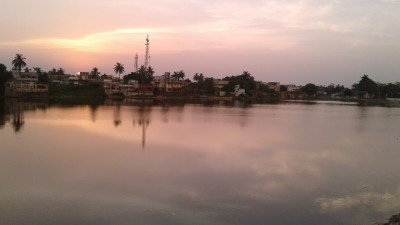
Historical Legacy: Munger is one of the oldest cities in Bihar, historically identified as Modagiri in the Mahabharata. This city served as the capital of Mir Qasim, the Nawab of Bengal, who moved his seat here from Murshidabad to escape British influence. The city is strategically perched on the so uthern bank of the Ganges, making it a vital military and commercial hub since ancient times. Modern Munger is globally recognized as a spiritual center due to the Bihar School of Yoga, the world's first yoga university founded by Swami Satyananda Saraswati. The landscape is a mix of rugged hills and fertile plains, offering a unique geographical charm. Tourists visit to see the massive Munger Fort, which houses numerous monuments and government offices within its 222-acre expanse. The city's atmosphere is a blend of ancient mysticism and colonial heritage, providing a quiet escape from more crowded urban centers. Visitors can explore the Kastaharni Ghat, where the Ganges takes a rare northward turn, considered highly auspicious in Hindu tradition. The local culture is deeply rooted in the traditions of Anga, reflecting in the language and festive celebrations. Overall, Munger offers a multi-layered experience of history, spirituality, and natural beauty.

Things To Do

Card image cap
Bhimbandh Wildlife Sanctuary

Bhimbandh Wildlife Sanctuary is a sprawling natural haven located in the southern part of the Munger district. Established in 1976, it covers an area...

Bhimbandh Wildlife Sanctuary is a sprawling natural haven located in the southern part of the Munger district. Established in 1976, it covers an area of over 681 sq km and is part of the lush Kharagpur hills. The sanctuary is most famous for its natural hot springs, which maintain a consistent temperature throughout the year. Legend says the name originates from a dam built by Bhim, the strongest of the Pandavas, during their exile. The terrain is a mix of undulating hills, dense forests, and plateaus, providing a habitat for diverse fauna including leopards, sloth bears, and various migratory birds. The presence of the Ganges river nearby adds to the fertility and biodiversity of the region. Visitors often come here to witness the unique geothermal activity where hot and cold water streams meet. It serves as a major ecological lung for Bihar, offering a peaceful escape from urban life. The area is also rich in medicinal plants and tribal folklore. Local communities often participate in the conservation efforts of the sanctuary. Despite its beauty, it remains an offbeat destination for those seeking tranquility. It is truly a paradise for birdwatchers and nature photographers alike:
Card image cap
Bihar School of Yoga

@@History and Vision: The Bihar School of Yoga (BSY) was founded in 1963 by Sri Swami Satyananda Saraswati, a direct disciple of Swami Sivananda of Ri...
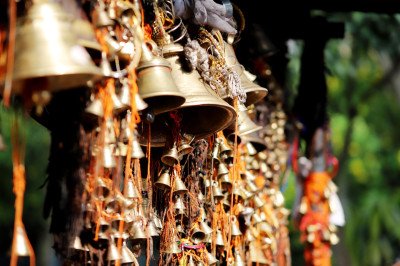
@@History and Vision: The Bihar School of Yoga (BSY) was founded in 1963 by Sri Swami Satyananda Saraswati, a direct disciple of Swami Sivananda of Rishikesh. It is co-located with Ganga Darshan Vishwa Yogapeeth, situated on the historical Karna Chaura hill overlooking the Ganga river. The site, spread over 5.5 hectares, is an ancient energy center where Danaveer Mahayogi Karna of the Mahabharata era performed penance. The institution's philosophy, known as Bihar Yoga or Satyananda Yoga, emphasizes a holistic system incorporating Hatha, Raja, Karma, Bhakti, and Jnana Yoga, aiming for the elevation of human consciousness. BSY played a monumental role in disseminating the science of yoga globally, transforming Munger into the 'City of Yoga', a title bestowed by former President of India, Dr. APJ Abdul Kalam in 2004. The campus is a spiritual oasis where sadhana is perfected, promoting a vision of yogic life for the 21st century and inspiring a global fraternity of yoga practitioners. The school is revered for its systematic and scientific approach to the ancient discipline, making it one of the most respected yoga training centers in the world. Swami Satyananda had the revelation that 'Yoga is the culture of tomorrow' right here in Munger.:
Card image cap
Chandika Asthan Temple

@@Mythological Significance: Chandika Asthan is a highly revered Hindu temple, considered one of the 51 Shakti Peethas, the divine shrines of Shaktism...

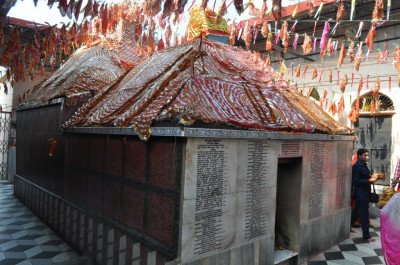
@@Mythological Significance: Chandika Asthan is a highly revered Hindu temple, considered one of the 51 Shakti Peethas, the divine shrines of Shaktism. Mythology holds that the Left Eye of Goddess Sati fell here during Lord Shiva's Tandava dance, which is the foundational story for all Shakti Peethas. This specific location is hence believed to be a Siddhi-Peetha (place of spiritual accomplishment), holding as much importance as the Kamakshya temple in Assam. King Karna's Connection: The temple is also intrinsically linked to the legend of King Karna of the ancient Anga kingdom (Munger was part of Anga). It is said that the benevolent king was a daily worshipper of Maa Chandi, who in turn blessed him with 50 kilograms of gold every day for distribution among the poor at the nearby Karnachaura site. The temple's association with the cure of eye ailments, stemming from the falling of Sati's eye, draws thousands of devotees seeking relief from vision-related troubles, making it a powerful center of faith.:
Card image cap
Goenka Shivalaya

@@A Serene Sanctuary: Goenka Shivalaya is one of the oldest and most beautiful Shiva temples in Munger, famously located in the middle of a large arti...

@@A Serene Sanctuary: Goenka Shivalaya is one of the oldest and most beautiful Shiva temples in Munger, famously located in the middle of a large artificial water tank, which is why it is colloquially known as Machchli Talab (Fish Pond) or sometimes, incorrectly, Mirchi Talab. This unique setting makes it a prominent place for Hindu pilgrimage and a favored spot for local visitors seeking peace and a picturesque environment. The temple is dedicated to Lord Shiva and is a beacon of faith, especially during festivals associated with the deity. The main temple is accessed by a solid white marble bridge/causeway that connects it to the mainland campus, which is surrounded by well-maintained gardens and greenery. The tank is indeed teeming with large, playful fish, which adds to the tranquil charm and the "Machchli Talab" nickname. The serene ambiance created by the water, the greenery, and the gleaming white marble temple makes it a perfect example of a sacred sanctuary in an urban setting. The temple's continuous popularity, especially during religious celebrations, demonstrates its enduring spiritual significance in the Munger region.:
Card image cap
Jamalpur Gymkhana

Jamalpur Gymkhana is a historic institution that serves as the hostel and club for the Special Class Railway Apprentices (SCRA). Founded in 1927, it ...

Jamalpur Gymkhana is a historic institution that serves as the hostel and club for the Special Class Railway Apprentices (SCRA). Founded in 1927, it is one of the oldest and most prestigious residential institutions of the Indian Railways. The building itself is a symbol of British colonial grandeur and the technical excellence of the Railway department. It is located within the lush East Colony of Jamalpur, known as the 'Rail Nagri'. The Gymkhana has produced some of the finest mechanical engineers who have headed various sectors of the Indian Railways. Though the SCRA exam has been discontinued, the Gymkhana continues to maintain its traditions and heritage. The atmosphere inside is one of discipline, history, and camaraderie. The complex includes various facilities like a library, dining hall, and sports courts that have witnessed generations of officers. It stands as a testament to the industrial revolution brought by the railways in eastern India. The architecture is a blend of red bricks and classic colonial style. It is considered the heart of the social and cultural life for railway officers in the region. Many old students visit the place to relive their formative years:
Card image cap
Kali Pahadi

Kali Pahadi is a significant religious and trekking site situated on the hilltop overlooking the industrial town of Jamalpur. It is dedicated to Godd...

Kali Pahadi is a significant religious and trekking site situated on the hilltop overlooking the industrial town of Jamalpur. It is dedicated to Goddess Kali and holds immense spiritual value for the local residents and railway workers. The hill provides a panoramic view of the entire Jamalpur workshop and the winding railway tracks below. The ascent to the temple involves a trek through rocky terrain and lush greenery, making it popular among adventure seekers. According to local belief, the Goddess protects the city and the railway workshop from calamities. During the monsoon, the hill turns into a vibrant green landscape with small seasonal waterfalls appearing in various crevices. It is not just a religious site but also a popular picnic spot for families on weekends. The site has several ancient stone implements found by archaeologists, suggesting its importance since the Paleolithic era. The peaceful environment at the top offers a meditative space away from the noise of the town. The trail is well-trodden but maintains a sense of wild exploration. It is a place where spirituality meets the rugged beauty of the Kharagpur hills:
Card image cap
Kastaharni Ghat

@@Historical and Religious Purity: Kastaharni Ghat is arguably the most sacred spot in Munger, its name literally meaning 'The bathing place which exp...
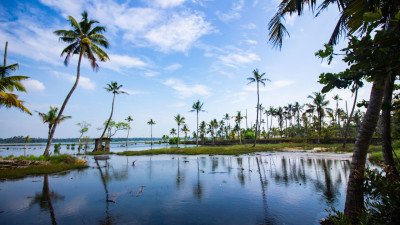
@@Historical and Religious Purity: Kastaharni Ghat is arguably the most sacred spot in Munger, its name literally meaning 'The bathing place which expels all pains or suffering' (Kashta Harini). Its profound religious significance is mentioned in the Adi Kanda of Valmiki's Ramayana, which records that Lord Rama and his brother Lakshmana rested and took a dip here to relieve their fatigue (kashta) on their return journey from Mithila to Ayodhya after Sita's marriage. The belief that a holy dip in the Ganga at this spot cleanses all sins and cures bodily pains is central to the devotion. Adding to its sanctity is the peculiar geographical feature: the Ganga flows northwards (Uttar Vahini Ganga) at this point, which is considered extremely auspicious in Hindu scripture. The presence of ancient shrines, including a rock where a Hindu sage named Mudgal Muni established a shrine in the 6th century, solidifies its role as a timeless paradise for pilgrims, saints, and devotees.:
Card image cap
Kharagpur Lake

Kharagpur Lake, also known as Haveli Kharagpur Lake, is a magnificent man-made reservoir constructed by the Maharaja of Darbhanga. It was primarily b...

Kharagpur Lake, also known as Haveli Kharagpur Lake, is a magnificent man-made reservoir constructed by the Maharaja of Darbhanga. It was primarily built for irrigation purposes but has evolved into one of the most scenic tourist spots in the Munger district. The lake is nestled at the base of the Kharagpur hills, surrounded by thick forests and a variety of flora. The water is clear and calm, reflecting the surrounding mountains like a mirror. One of the main attractions near the lake is the Haha Panch Kumari waterfall, which adds a dramatic touch to the landscape. The area is known for its cool breeze and serene environment, making it a favorite for nature lovers. It is a vital water source for the surrounding agricultural lands in the Haveli Kharagpur subdivision. The lake also attracts several species of local and migratory birds, especially during the winter months. Fishing is a common activity here, supported by the rich aquatic life in the reservoir. The road leading to the lake offers beautiful views of the rural Bihar landscape. It is a perfect spot for those looking to enjoy a quiet afternoon by the water:
Card image cap
Lal Darwaja Qila

@@Gate of History and Power: Lal Darwaja Qila is not a separate fort but rather a prominent historical gate (or a fortified part) of the massive Munge...

@@Gate of History and Power: Lal Darwaja Qila is not a separate fort but rather a prominent historical gate (or a fortified part) of the massive Munger Fort (or Munger Qila), which is one of the oldest and largest forts in India, covering an area of around 222 acres. The name Lal Darwaja literally translates to 'Red Gate', possibly due to its construction material (reddish stone or brick) or perhaps the historical painting/signage used to denote its importance as a major entry point. The fort itself was a strategic stronghold, situated on a rocky hillock on the south bank of the Ganga river, and served as the power center for various dynasties, including the Slave Dynasty, Tughlaqs, Lodhis, and the Nawabs of Bengal. Most notably, it was the temporary capital of Nawab Mir Qasim (1760-1772) before it fell to the British. The gate, along with the entire fort wall, represents centuries of military and political history, guarding the ancient city of Mudgagiri (old name of Munger). The entire area, including the gates like Lal Darwaja, is a testament to the region's historical importance.:
Card image cap
Manpathar

@@A Rock of Divine Footprints: Manpathar, also known as Sita Charan (Sita's Footprint), is a massive, solitary rock formation situated right in the mi...

@@A Rock of Divine Footprints: Manpathar, also known as Sita Charan (Sita's Footprint), is a massive, solitary rock formation situated right in the middle of the Ganga river bed, very close to the famous Kastaharni Ghat. This site is steeped in the mythology of the Ramayana. The name Sita Charan comes from the distinct impression of two feet found on the rock's surface, which devotees profoundly believe are the sacred footprints of Goddess Sita, the wife of Lord Rama. According to the legend, Sita touched this rock while crossing the Ganga river as she and Lord Rama were traveling after her marriage from Mithila back to Ayodhya. A small, simple temple has been constructed on the rock, turning this natural formation into a sacred pilgrimage site. The rock's presence in the middle of the holy river, particularly during the low-water season, makes it a powerful symbol of eternal faith and a unique destination requiring boat travel, highlighting the enduring connection of Munger with the epic Ramayana and the divine history of India.:
Card image cap
Mir Kasim's Palace

@@Seat of the Last Nawab: Mir Kasim's Palace is a historical ruin located within the massive perimeter of the Munger Fort. It served as the official r...
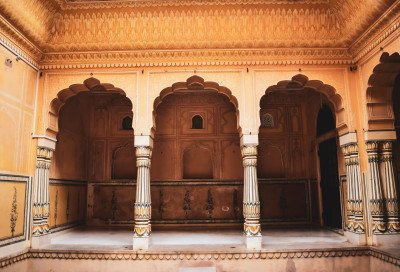
@@Seat of the Last Nawab: Mir Kasim's Palace is a historical ruin located within the massive perimeter of the Munger Fort. It served as the official residence and, more importantly, the capital of Nawab Mir Qasim of Bengal from 1760 to 1772. After shifting his capital from Murshidabad to Munger to escape the increasing interference of the British East India Company, Mir Qasim heavily fortified the existing fort and constructed this palace and a large arsenal nearby. The palace was a symbol of his short-lived independence and his military preparations against the British, which ultimately led to the Battle of Buxar in 1764 and his defeat. Though now mostly in ruins due to neglect and the ravages of time and subsequent conflicts, the remains of the palace, along with the connected secret passages and the tunnel (Mir Qasim's Tunnel), offer a palpable glimpse into the political turmoil of 18th-century Bengal and the last stand of an Indian ruler against British paramountcy. The site is a significant monument for understanding the socio-political history of the region during a critical transition period.:
Card image cap
Munger Fort

The Munger Fort, or Quila, is a massive, ancient fortification built on a rocky hillock on the southern bank of the Ganges River. Its history is trace...

The Munger Fort, or Quila, is a massive, ancient fortification built on a rocky hillock on the southern bank of the Ganges River. Its history is traced back to the early rule of the Slave dynasty, with significant enhancements made under Muhammad bin Tughluq and later by Raja Todar Mal during the reign of Akbar. Its most famous association is with Nawab Mir Qasim, who shifted his capital from Murshidabad to Munger in 1763 and established an arsenal factory here to prepare for his conflict with the British. The fort complex covers a massive area of approximately 222 acres and a perimeter of about 4 kilometers, making it a monumental landmark. It is a synthesis of various historical periods, housing monuments like the Tomb of Pir Shah Nufa, the Palace of Shah Suja (mostly in ruins), the ancient Chandisthana temple, and the famed Kashtaharini Ghat. The fort’s walls whisper tales of imperial power, the White Mutiny of 1766, and the strategic importance of this land in controlling the riverine trade and military movements in eastern India. It stands today as a living museum, blending historical ruins with modern life, and also houses the renowned Bihar School of Yoga, adding a spiritual dimension to its military past.
Card image cap
Munger Ganga Bridge

@@Historical Background and Inauguration: The Munger Ganga Bridge, officially known as Shri Krishna Setu, is a massive rail-cum-road bridge spanning t...
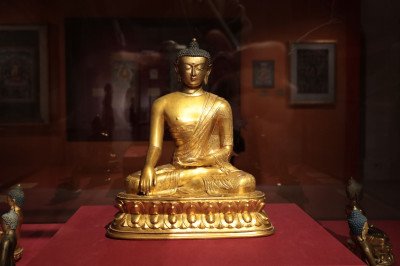
@@Historical Background and Inauguration: The Munger Ganga Bridge, officially known as Shri Krishna Setu, is a massive rail-cum-road bridge spanning the holy river Ganges. The project was long-awaited and represents a lifeline for the people of North and South Bihar, significantly reducing travel time between Munger and Khagaria. It was inaugurated for rail traffic in 2016 by Prime Minister Narendra Modi and named after Dr. Shri Krishna Sinha, the first Chief Minister of Bihar. The road section was opened later in 2022, completing the vision of a seamless transport hub in the region. This bridge is not just a piece of infrastructure but a symbol of modern development and connectivity in a historically rich district. @@Socio-Economic Impact: The bridge has transformed the economic landscape of Munger by facilitating the easy movement of goods and people across the river. It connects the National Highway 33 on the south bank to National Highway 31 on the north bank, making it a critical link for trade. Before its completion, residents relied on ferries or long detours, which were both time-consuming and hazardous during the monsoon. Today, it serves as a primary artery for students, farmers, and businessmen. The bridge also provides a stunning vantage point to observe the vast expanse of the Ganges, attracting tourists who appreciate both engineering and nature.
Card image cap
Munger Museum

The Munger Museum is a vital cultural institution dedicated to showcasing the rich cultural, historical, and archaeological heritage of the Munger reg...
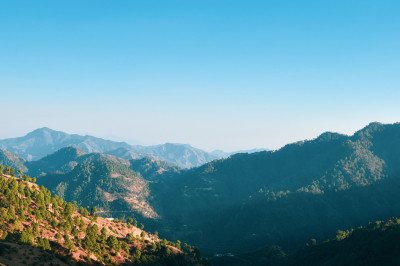
The Munger Museum is a vital cultural institution dedicated to showcasing the rich cultural, historical, and archaeological heritage of the Munger region, which was historically part of the ancient kingdom of Anga. Established to preserve artifacts unearthed from various sites in the district and surrounding areas, the museum houses a diverse and valuable collection. The exhibits span several periods, including prehistory, ancient history (particularly the Gupta and Pala periods), and the medieval and colonial eras. Key collections typically include exquisite stone sculptures, terracotta figurines, ancient pottery, metallic objects, coins, and rare manuscripts. The sculptures, especially those made from the black basalt of the nearby Kharagpur Hills during the Pala period, are notable for their artistic finesse and historical importance, representing a significant school of art in Eastern India. Visiting the Munger Museum offers a concentrated look into the region's historical evolution, complementing the narrative provided by the Munger Fort itself. It serves as an educational resource for students and a treasure trove for history enthusiasts and scholars seeking to understand the deep roots of civilization in this part of Bihar.
Card image cap
Pir Pahar Hills

Pir Pahar Hills, whose name literally means 'Hill of the Pir (Sufi Saint),' is a small but historically and scenically important hillock situated to t...

Pir Pahar Hills, whose name literally means 'Hill of the Pir (Sufi Saint),' is a small but historically and scenically important hillock situated to the east of Munger town, near the village of Dariapur. The hill is named after an old, unnamed Mohammedan Saint whose grave is situated on the hilltop, drawing devotees and giving the hill its spiritual character. The hill is perhaps most famous for its connection to the colonial era, as it was the location of a prominent residence built by Ghurghin Khan, the Armenian General of Nawab Mir Qasim. This house, later known as 'Belvedere' and used as a residence by former British Collectors of Munger, offers one of the finest panoramic views of the Ganges river and the surrounding plains. The site also contains several British-era tombs, including the notable mausoleum of Mary Anne Beckett (1832), often associated with local legends. The gentle slopes and commanding view make Pir Pahar an excellent spot for nature lovers and history buffs seeking a tranquil escape from the bustling city. The area is also part of the geological belt that features the nearby hot springs, hinting at underlying geothermal activity.
Card image cap
Pir Shah Nafah Shrine

The Pir Shah Nafah Shrine, or Dargah, is one of the most sacred and historically significant sites within the Munger Fort complex. It is the final res...

The Pir Shah Nafah Shrine, or Dargah, is one of the most sacred and historically significant sites within the Munger Fort complex. It is the final resting place of Hazrat Pir Shah Nafah, a revered Sufi saint who is believed to have traveled from Persia to Ajmer and then to Munger, where he lived and died in the 12th century (circa 1177 A.D.). The saint was initially buried in an obscure spot. The shrine gained prominence in 1497 A.D. when Prince Danyal, the then-Governor, ordered a mosque to be built over the spot after reportedly having a divine dream revealing the exact location. The name "Nafah" is a Persian word meaning "pod of musk," derived from the legend that a fragrant aroma, like musk, emanated from the saint's burial site, alerting Prince Danyal to its sanctity. The Pir Shah Nafah Shrine is a powerful symbol of communal harmony in Munger, attracting not only Muslims but also a large number of Hindu devotees who come to offer prayers, tie threads (mannat ke dhage), and seek fulfillment of wishes. The annual congregation and the serene, spiritual atmosphere make it a central point of faith in the city.
Card image cap
Rameshwar Kund

@@Legend and Religious Significance: Rameshwar Kund is a revered natural hot water spring situated at the foot of the Kharagpur Hills. According to Hi...

@@Legend and Religious Significance: Rameshwar Kund is a revered natural hot water spring situated at the foot of the Kharagpur Hills. According to Hindu mythology, this kund is associated with Lord Rama. It is believed that during his exile, he stayed in this region and created this spring by shooting an arrow into the ground to provide water for his rituals. The water is naturally warm and is considered holy by devotees who come from far and wide to take a purifying dip. The site is a blend of natural beauty and spiritual serenity, offering a quiet escape from the city's hustle. @@Geological and Healing Properties: Apart from its religious roots, the kund is known for its mineral-rich water. Many locals and visitors believe the water possesses medicinal properties, particularly for skin ailments and joint pains. The spring maintains a consistent temperature throughout the year, even during the peak of winter. The surrounding area is lush with greenery, making it a popular spot for picnics and small pilgrimages. It represents the unique geothermal activity found in the Munger district, which is home to several such springs like Sita Kund and Rishi Kund.
Card image cap
Rishikund Hot Spring

@@Historical and Spiritual Context: Rishikund is one of the most significant hot springs in the Munger district, located in a scenic valley between tw...

@@Historical and Spiritual Context: Rishikund is one of the most significant hot springs in the Munger district, located in a scenic valley between two ridges of the Kharagpur Hills. The name is derived from the "Rishis" (sages) who are said to have performed penance here in ancient times. It is particularly famous for the Malmas Mela, a large fair held every three years during the auspicious month of Malmas, drawing millions of pilgrims. The spring water is naturally hot and bubbles up from the ground, creating a mystical atmosphere that has been revered for centuries in Hindu tradition. @@Scientific and Natural Beauty: Geologically, Rishikund is a thermal spring where water is heated by underground volcanic activity or deep-seated tectonic faults. The water is exceptionally clear and is often seen with tiny gas bubbles rising to the surface. Surrounded by dense forests and rocky hills, the site offers a pristine environment for those looking to connect with nature. The water is believed to be rich in minerals like sulfur, which provides various health benefits. It is a place where the scientific wonder of geothermal energy meets the deep-rooted spiritual faith of India.
Card image cap
Sita Kund

Sita Kund is a profoundly sacred Hindu pilgrimage site and a unique natural wonder located about 6 kilometers east of Munger town. Its fame rests enti...

Sita Kund is a profoundly sacred Hindu pilgrimage site and a unique natural wonder located about 6 kilometers east of Munger town. Its fame rests entirely on its mythological connection to the epic Ramayana. Local traditions and the site's folklore hold that after Goddess Sita was rescued from Lanka, she underwent the Agni Pariksha (trial by fire) to prove her purity. She emerged unharmed, but her body had absorbed immense heat. To cool and purify herself, she bathed in a pool at this location. It is believed that the very heat of her divine body, or the divine grace resulting from the trial, caused the spring to erupt as a hot spring, maintaining a constant temperature of around 60°C to this day. The site features the central, enclosed Sita Kund (the hot spring), an adjacent ancient temple dedicated to Rama and Sita, and a nearby reservoir of cold water known as Ram Kund. This striking difference in temperature between the two adjacent water bodies is a unique natural phenomenon, driven by deep-seated geothermal activity along the Munger-Saharsa Ridge Fault zone. It is a major pilgrimage center, particularly during the Maghi Purnima Mela.
Card image cap
Sri Krishna Vatika

Sri Krishna Vatika is a beautiful, well-maintained public garden and park in the heart of Munger, strategically located directly opposite the revered ...

Sri Krishna Vatika is a beautiful, well-maintained public garden and park in the heart of Munger, strategically located directly opposite the revered Kashtaharini Ghat on the banks of the Ganges River. The Vatika (garden) is a memorial dedicated to the first Chief Minister of Bihar, the esteemed leader Dr. Sri Krishna Sinha (Sri Babu). The park serves as a green lung for the city, offering locals and tourists a peaceful, scenic environment to relax, stroll, and enjoy the majestic views of the wide river. It features lush lawns, vibrant seasonal flowers, well-paved walking paths, and often a statue or memorial to Sri Krishna Sinha. Its location is key, as it provides a natural, tranquil counterpoint to the busy, spiritually charged atmosphere of the adjacent ghat. The park's design is focused on providing a serene meeting place where nature, memorial, and spirituality converge, making it a favorite spot for family outings, quiet reflection, and witnessing the grand scale of the Ganges river flowing by. It embodies Munger's modern cultural and political heritage against the backdrop of its ancient riverine history.
Card image cap
Tomb of Shah Mushkil Auliya

The Tomb of Shah Mushkil Auliya is a sacred Islamic shrine and a place of deep spiritual reverence in Munger. Dedicated to Hazrat Shah Mushkil Auliya,...

The Tomb of Shah Mushkil Auliya is a sacred Islamic shrine and a place of deep spiritual reverence in Munger. Dedicated to Hazrat Shah Mushkil Auliya, a Sufi saint whose history is connected to the region's spiritual lineage, the tomb draws countless devotees who seek solace, blessings, and intercession. The saint's epithet "Mushkil" translates to "difficult" or "challenging," possibly alluding to the arduous nature of his spiritual path or the difficulty of the problems that devotees bring to him for divine help. The shrine, often referred to as a Dargah, stands as a testament to the enduring influence of Sufism in Bihar, a tradition that preaches love, tolerance, and unity across religious boundaries. The tomb's architecture is a modest representation of regional Indo-Islamic funerary structures, focusing on simplicity and a tranquil atmosphere conducive to prayer and reflection. While not as grand as some imperial tombs, it holds a profound place in the spiritual and cultural life of the local community, symbolizing a living tradition of faith and devotion passed down through generations.
Show All

Note:-

Information provided here in good Faith and for reference only.

All information and pictures will be updated soon, please keep visiting.

Near Places
...
Araria

Some quick example text to build on the card title and make up the bulk of the card's content.

Go somewhere
...
Arwal

Some quick example text to build on the card title and make up the bulk of the card's content.

Go somewhere
...
Banka

Some quick example text to build on the card title and make up the bulk of the card's content.

Go somewhere
...
Begusarai

Some quick example text to build on the card title and make up the bulk of the card's content.

Go somewhere
...
Bhagalpur

Some quick example text to build on the card title and make up the bulk of the card's content.

Go somewhere
...
Bhojpur

Some quick example text to build on the card title and make up the bulk of the card's content.

Go somewhere
...
Bihar Sharif

Some quick example text to build on the card title and make up the bulk of the card's content.

Go somewhere
...
Bodh Gaya

Some quick example text to build on the card title and make up the bulk of the card's content.

Go somewhere
...
Buxar

Some quick example text to build on the card title and make up the bulk of the card's content.

Go somewhere
...
Champaran

Some quick example text to build on the card title and make up the bulk of the card's content.

Go somewhere
in Other Cities