...

Place To Visit And Things To Do In Rupnagar

Punjab, India
Ancient Harappan Roots: Formerly known as Ropar, this city is a significant archaeological site. It was one of the major settlements of the Indus Valley Civilization in India. Historical Treaties: It is famous for the meeting between Maharaja Ranjit Singh and Lord William Bentinck in 1831. This hist oric event took place on the banks of the Sutlej River. Natural Beauty and Wetlands: The Ropar Wetland is a man-made lacustrine wetland of great ecological importance. It is a designated Ramsar Site and a haven for migratory birds. Religious Importance: The city serves as a transit point for pilgrims heading to Anandpur Sahib. It houses several historic Gurudwaras that mark the visits of the Sikh Gurus.

Things To Do

Card image cap
Anandpur Sahib - Chandigarh Highway

@@Overview and Significance: :The Anandpur Sahib - Chandigarh Highway (NH503) is a major arterial road that serves as the crucial connectivity link fo...

@@Overview and Significance: :The Anandpur Sahib - Chandigarh Highway (NH503) is a major arterial road that serves as the crucial connectivity link for the entire Rupnagar district, running along the edges of the picturesque Shivalik Hills. It is more than just a roadway; it's the economic and logistical lifeline for the region, facilitating trade, tourism, and daily commute between two significant hubs: the religious and historical city of Anandpur Sahib and the modern, planned city of Chandigarh. The highway is well-maintained and offers a smooth driving experience, making travel across the district efficient. It plays a vital role in the famous Hola Mohalla festival, as it carries the majority of the pilgrim traffic to Anandpur Sahib. The highway is continually being upgraded to handle increasing traffic volume, reflecting its importance. Along its route, one can witness the transitional landscape of Punjab, moving from the fertile plains to the undulating terrain of the foothills. This road network is crucial for accessing various industrial and educational institutions located outside the main city, drastically reducing travel time and boosting regional development. The continuous flow of commercial and passenger vehicles highlights its status as a pivotal corridor for North India. The highway also connects to other national and state highways, extending its reach to regions like Himachal Pradesh, specifically toward Nangal and Una. The scenery shifts along the route, offering glimpses of traditional Punjabi villages, large agricultural fields, and new urban development, providing a dynamic travel experience. The strategic importance of the highway cannot be overstated, linking a core religious center with a major administrative capital. (Word Count: ?250 words). @@Development and Expansion: :The highway has seen significant expansion over the years, from a simple state road to a national highway, emphasizing the government's focus on infrastructure. Initial development involved basic road laying, but modern projects have introduced four-laning, flyovers, and enhanced safety features like crash barriers and improved signage. The design adheres to modern national highway standards, ensuring durability and capacity for heavy-duty traffic. The alignment of the road was strategically chosen to bypass congested town areas while maintaining proximity to key locations. Environmental considerations were included in the planning, with provisions for tree planting along the median and shoulders. The modern architecture of the toll plazas and rest areas along the route reflects a contemporary utilitarian design focused on passenger comfort and efficient operation. (Word Count: ?150 words).
Card image cap
Dhaliwal Farm House Siasatpur

@@Overview and Ambiance: :Dhaliwal Farm House in Siasatpur is a prime example of rural Punjabi retreat and farm-stay tourism, providing a tranquil esc...
@@Overview and Ambiance: :Dhaliwal Farm House in Siasatpur is a prime example of rural Punjabi retreat and farm-stay tourism, providing a tranquil escape from the bustling city life of Rupnagar. It is not just a commercial venture but an attempt to preserve and share the traditional, abundant lifestyle of a prosperous Punjabi farm. The property is often characterized by sprawling green lawns, traditional agricultural fields, and a serene, unpolluted atmosphere. It is frequently utilized as a venue for large social gatherings, destination weddings, and corporate events, leveraging its open space and capacity for hospitality. The farm house ethos focuses on providing an experience of authentic Punjabi culture, including the cuisine, the architecture, and the rural activities. This retreat allows visitors to connect with nature, witness farming practices, and enjoy a peaceful setting away from the concrete jungle, offering a much-needed break in a bucolic setting. The hospitality is known to be warm, reflecting the traditional Punjabi welcome of 'Atithi Devo Bhava' (Guest is God). The infrastructure balances modern comforts with a rustic aesthetic. (Word Count: ?250 words). @@Experience and Services: :The farm house offers a range of services, often including catered meals featuring traditional Punjabi food made with locally sourced, fresh ingredients. Depending on the season, guests can participate in farm activities like plucking vegetables or observing the sowing and harvesting process. It functions as a complete event space, providing amenities like catering, accommodation, and various recreational facilities. The emphasis is on a holistic, nature-based experience rather than just being a place to stay. This kind of rural tourism helps in providing a glimpse into the agricultural heartland of Punjab. The large open areas are ideal for activities like bonfires during the winter and outdoor sports, making it a versatile location. (Word Count: ?150 words).
Card image cap
Guru Nanak Sacred Forest

@@Overview and Mission: :The Guru Nanak Sacred Forest is a powerful ecological initiative spearheaded by the EcoSikh organization, aimed at tackling d...

@@Overview and Mission: :The Guru Nanak Sacred Forest is a powerful ecological initiative spearheaded by the EcoSikh organization, aimed at tackling deforestation and promoting biological diversity by creating dense, native micro-forests. These forests are planted using the Miyawaki methodology, which is known for accelerating forest growth and density dramatically, leading to a self-sustaining ecosystem in a short period. The project is named in honor of Guru Nanak Dev Ji, the founder of Sikhism, whose teachings strongly emphasize environmental stewardship and the interconnectedness of all life. This forest serves as a living tribute to the Guru's philosophy, demonstrating practical steps for ecological restoration. The project in Rupnagar is often one of the largest in Punjab, created on formerly barren or underutilized land, transforming it into a green lung for the city. It acts as a critical seed bank for native, and sometimes rare, plant species of the Punjab region, many of which had vanished due to monoculture farming. The forest provides a natural habitat for various local birds, insects, and small creatures, restoring a lost part of the ecosystem and contributing significantly to local air quality and microclimate regulation. It’s a remarkable example of community and industrial collaboration for a greener future. (Word Count: ?250 words). @@Ecological Impact and Species Diversity: :The micro-forest boasts a high survival rate (often over 95%) and features a rich mix of indigenous species, numbering in the dozens, including trees, shrubs, and herbs that are critical to the regional biodiversity. The use of the Miyawaki method means the forest grows up to ten times faster and is thirty times denser than traditional plantations. This rapid ecological turnaround enhances oxygen production and soil enrichment and helps in groundwater retention. The selection of species is based on extensive research to ensure historical and ecological accuracy for the area. The forest is intended to be a long-term conservation project, serving as an educational resource for future generations on environmental science and indigenous flora. It is a powerful statement against climate change, showcasing a scalable and replicable solution for ecosystem revival. (Word Count: ?150 words).
Card image cap
Indus Valley Civilization

@@Historical Significance of Ropar Site: This site, also known as Ropar, holds the unique distinction of being the first Indus Valley Civilization sit...

@@Historical Significance of Ropar Site: This site, also known as Ropar, holds the unique distinction of being the first Indus Valley Civilization site excavated in independent India by Y.D. Sharma in 1953. It demonstrates a clear cultural sequence spanning six periods from the Harappan era (around 2000 BCE) right up to medieval times, offering an unparalleled cross-section of regional history. The settlement was strategically located on the banks of the Sutlej River, which provided vital water resources and trade routes. The findings here have been crucial in establishing the geographical spread of the Harappan culture beyond the main Indus basin and the Ghaggar-Hakra riverbeds. @@Key Archaeological Discoveries: The excavations revealed sophisticated urban planning typical of the Harappan era, including houses constructed with river pebbles and limestone slabs, a testament to their adaptive use of local materials. The site is particularly famous for its unique burial findings, most notably the discovery of a dog buried beneath a human grave, which offers profound insights into the Harappan burial customs, possibly indicating ritualistic or symbolic significance related to their belief systems and the relationship between humans and animals. This single find is often cited in academic discussions. @@Cultural Sequence and Material Culture: Artifacts uncovered include characteristic Harappan-style pottery, copper tools, faience and shell bangles, and agate beads, which collectively suggest skilled craftsmanship, sophisticated resource management, and active participation in the extensive Indus Valley trade networks. The cultural phases identified here help trace the decline and eventual transformation of the Harappan society into subsequent cultures in the region. The remains are now largely preserved and displayed in the nearby Archaeological Museum in Rupnagar. @@Preservation and Legacy: The site stands as a pivotal historical landmark, representing a tangible link to one of the world's oldest urban civilizations. The effort to preserve this fragile archaeological record is ongoing, with the adjacent museum playing a critical role in educating the public and researchers about the ancient history of Punjab. The sheer depth of the cultural layers at Ropar makes it a textbook example for studying ancient urban evolution in India.
Card image cap
Maharaja Ranjit Singh Park

@@Historical Significance of the Ropar Treaty: Maharaja Ranjit Singh Park is not just a leisure green space but a profound historical landmark. It mar...

@@Historical Significance of the Ropar Treaty: Maharaja Ranjit Singh Park is not just a leisure green space but a profound historical landmark. It marks the exact location where the momentous Treaty of Ropar was signed on October 26, 1831, between the legendary Maharaja Ranjit Singh, the founder of the Sikh Empire, and Lord William Bentinck, the then Governor-General of British India. The treaty was a critical diplomatic event that resolved territorial disputes, primarily concerning the division of lands and power across the two banks of the Sutlej River, effectively establishing a fragile peace and spheres of influence between the powerful Sikh Kingdom and the burgeoning British authority. @@Dual Purpose Site: The park beautifully marries history with recreation. It features a dedicated monument and explanatory plaques that narrate the history of the Maharaja, his valiant army, and the significance of the treaty, serving as an open-air history lesson. It also previously housed a small museum displaying excavations from the nearby Indus Valley Civilization site, blending the ancient and the early modern history of the region. @@Scenic Riverfront Location: Strategically positioned by the banks of the Sutlej River, the park offers spectacular, scenic views of the river and the surrounding natural landscape, making it a favorite spot for locals and tourists alike to reflect on the past while enjoying the present tranquility. @@Community and Recreation Hub: Beyond its historical role, the park functions as a key community space. Its well-maintained gardens, walking paths, and open lawns provide a peaceful environment for morning walks, evening strolls, and family gatherings, keeping the park vibrant and relevant in modern Rupnagar life.
Card image cap
Makbra

@@Historical Context and Attribution: The structure referred to as Makbra (Mausoleum or Tomb) in Rupnagar is typically a historical burial site, likel...

@@Historical Context and Attribution: The structure referred to as Makbra (Mausoleum or Tomb) in Rupnagar is typically a historical burial site, likely dating back to the Mughal or late Sultanate periods, or possibly a significant local Pathan or Sufi figure, reflecting the regional history of power transition and religious confluence. Although often simply named 'Makbra' by locals, its specific attribution is debated. It stands as a testament to the influence of Islamic architectural styles in the Punjab region before the rise of the Sikh Empire. The presence of such a structure in Haveli Khurd suggests it was once part of an important residential or administrative complex outside the main town center. @@Architectural Style and Materials: The Makbra is characterized by its simple, robust architectural style. It is generally a square or octagonal building, sometimes crowned with a single, unornamented dome. Construction materials typically include locally available small, thin bricks (Nanakshahi bricks), lime mortar, and occasionally plasterwork (chuna) for decoration and weatherproofing. The structure's resilience over centuries is a sign of the high quality of traditional construction techniques employed during that era. @@Current State and Significance: Today, the Makbra exists as a quiet, often overlooked historical monument. It serves as a visual marker of the city's multi-layered past, offering a quiet, contemplative space away from the modern urban bustle. For local historians, it is a key piece of the puzzle, helping to map the political and social geography of pre-modern Rupnagar. @@Local Legends and Lore: As with many old structures, the Makbra is often associated with local folklore, tales of hidden treasures, or stories of the revered personality buried within. These narratives add a layer of cultural depth to the structure's purely historical significance, drawing a small number of local devotees and curious visitors.
Card image cap
Panj Pyare Khanda Monument

@@Symbolic and Historical Significance: The Panj Pyare Khanda Monument is a majestic structure erected in honor of the Panj Pyare (The Five Beloved On...
@@Symbolic and Historical Significance: The Panj Pyare Khanda Monument is a majestic structure erected in honor of the Panj Pyare (The Five Beloved Ones), the five devoted Sikhs who offered their heads to Guru Gobind Singh Ji at Anandpur Sahib in 1699 and were subsequently the first to be initiated into the Khalsa Panth on the day of Vaisakhi. The monument’s central feature is the Khanda, the principal symbol of Sikhism, which represents the deity, the martial power, and the spiritual sovereignty of the community. @@Location and Spiritual Context: While the actual event took place in nearby Anandpur Sahib, this monument in Rupnagar serves as a powerful regional symbol, acknowledging the city’s role as a gateway to the holy sites of Anandpur Sahib and Kiratpur Sahib. Its location is usually strategic, placed on a main thoroughfare to ensure visibility and act as a spiritual marker for those traveling towards the Sikh pilgrimage circuit. @@Architectural Tribute: The monument is a modern, grand, and patriotic tribute, designed to evoke the courage, devotion, and spirit of sacrifice that the Panj Pyare exemplified. It is meant to be an inspiring landmark, encouraging people to uphold the values of the Khalsa: righteousness (Dharam), mercy (Daya), courage (Himmat), firmness (Muhkam), and mastery (Sahib). @@Community Gathering Point: The area around the monument often serves as a focal point for religious and community gatherings, particularly during key Sikh festivals. It is a place of deep respect and reverence, where visitors pause to pay their respects to the foundation of the Sikh faith.
Card image cap
Ramlila Ground

@@The Central Cultural Hub of Rupnagar: Ramlila Ground is the heart of Rupnagar's public and cultural life, prominently located in the Gugga Mari Moha...

@@The Central Cultural Hub of Rupnagar: Ramlila Ground is the heart of Rupnagar's public and cultural life, prominently located in the Gugga Mari Mohalla, a short walk from the city center. It is not an ornamental park but a large, open public space, traditionally serving as the city's primary venue for large-scale religious, political, and cultural events. Its existence is vital to the social fabric of the city, providing the necessary infrastructure to accommodate massive crowds that gather during major festivals and public events. @@The Festival of Dussehra: The ground’s name is directly derived from its most significant annual event: the staging of the Ramlila (the dramatic re-enactment of the life of Lord Rama) over nine or ten nights leading up to the festival of Dussehra (usually in September or October). The climax of the festival, the burning of the effigies of Ravana, Meghnad, and Kumbhakarna, draws tens of thousands of people, making it the most watched event in Rupnagar. @@Beyond Ramlila: The ground’s utility extends far beyond the religious festival. It is regularly used for political rallies, large community fairs (melas), local trade exhibitions, and major sporting events (especially cricket and football matches). For much of the year, it also serves as a general public open space where children play and community meetings are held. @@Historical Location: Located close to the old town and the Indus Valley excavation site, the ground sits on historically significant land, providing a stark contrast between ancient heritage and contemporary community life. Its central position makes it the most convenient and well-known public gathering spot.
Card image cap
Ropar Head Works Park

@@Engineering Marvel and Water Management: Ropar Head Works Park is located adjacent to the Ropar Head Works, a vital piece of hydraulic engineering c...

@@Engineering Marvel and Water Management: Ropar Head Works Park is located adjacent to the Ropar Head Works, a vital piece of hydraulic engineering constructed on the Sutlej River in 1952. This Head Works, which replaced an older 1882 structure, is essential for regulating and diverting the Sutlej water into a network of canals, including the Sirhind Canal, the Bist Doab Canal, and the Bhakra Main Canal. It provides water for irrigation, industry, and drinking to vast areas of Punjab and Haryana. The park itself serves as a green buffer and a recreational spot near this massive infrastructure. @@Historical Context of the Head Regulator: The construction of the head regulator led to the creation of the Ropar Wetland (Ropar Lake) upstream, which is a designated Ramsar Site (a wetland of international importance). Thus, the Head Works is directly responsible for creating a thriving ecological zone, making the park a unique blend of engineering, ecology, and leisure. @@Recreational Facility: The park is a well-maintained space featuring landscaped gardens, walking paths, and open lawns. It offers visitors a chance to relax while observing the impressive flow of the water being controlled and diverted. It is a favorite among local families and morning walkers. @@The Intersection of Man and Nature: The park provides a compelling vantage point to observe how human engineering interacts with the powerful forces of nature. The calm, controlled waters of the canal contrast sharply with the wild, flowing Sutlej River adjacent to the Head Works.
Card image cap
Ropar Wetland

@@Ramsar Site and Ecological Importance: Ropar Wetland, also known locally as Ropar Lake, is a significant ecological zone recognized internationally ...
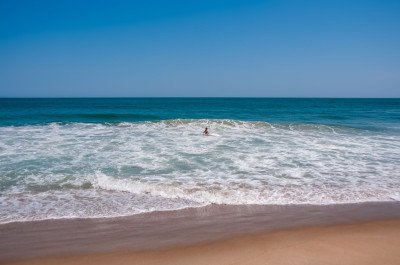
@@Ramsar Site and Ecological Importance: Ropar Wetland, also known locally as Ropar Lake, is a significant ecological zone recognized internationally as a Ramsar Site since 2002. This designation highlights its critical role in biodiversity conservation. The wetland is a man-made freshwater riverine and lacustrine system, created in 1952 when the Ropar Head Regulator was constructed on the Sutlej River. Its total area spans 1365 hectares, including 800 hectares of the river and reservoir area. @@Rich Biodiversity: Despite being man-made, the wetland supports a remarkably rich and diverse ecosystem. It is a refuge for at least 9 mammal species, a staggering 154 bird species (including local and significant migratory populations), 35 fish species, and various invertebrates and flora. The marshy area and the adjacent Sadavarat Forest (30 hectares) provide vital nesting, feeding, and resting grounds. @@Migratory Bird Sanctuary: The wetland is particularly famous as a key stopover for migratory birds using the Central Asian Flyway. During the winter months, it attracts numerous species of ducks, geese, waders, and raptors, offering a spectacular sight for ornithologists and nature enthusiasts. @@Challenges and Conservation: The wetland currently faces challenges, including pollution and encroachment, leading to the dilapidation of its tourism infrastructure (like the old 'Pinccasia' complex). Despite this, its core ecological value remains high, and it is a focus area for state and national conservation efforts, emphasizing its resilience and importance.
Card image cap
Syl Crossing

@@The Political and Engineering Context: The Syl Crossing in Rupnagar refers to a significant point where the unfinished Satluj-Yamuna Link (SYL) Cana...

@@The Political and Engineering Context: The Syl Crossing in Rupnagar refers to a significant point where the unfinished Satluj-Yamuna Link (SYL) Canal infrastructure is most visible, often near the village of Mehmudpur Sotal. This crossing is not a traditional tourist attraction but a stark symbol of one of India's most enduring and politically charged inter-state water disputes between Punjab and Haryana. The canal was designed to transfer water from the Satluj and Beas rivers to the Yamuna basin. @@The Unfinished Project: The site is a haunting reminder of an ambitious, yet stalled, engineering project. The crossing point showcases the partially constructed sections of the canal, including bridges, embankments, and deep concrete channels that were never fully connected. This 'unfinished' architecture gives the site a unique, contemplative atmosphere. @@Economic and Social Symbolism: For the people of Punjab, the crossing symbolizes the deep conflict over natural resources and the resulting political and social tensions. For tourists, it offers a tangible physical location that represents a complex, decade-long political and economic issue often only discussed in news headlines, making it a unique destination for political geography and current affairs enthusiasts. @@Quiet and Isolation: Given its lack of formal tourism infrastructure, the site is generally quiet and isolated, offering a peaceful, if melancholic, spot for reflection on resource scarcity, interstate relations, and the power of local politics to halt national projects.
Card image cap
The Kikar Water Front Restaurant

@@Unique Location and Concept: The Kikar Water Front Restaurant is not just a dining establishment; it is an integral part of The Kikar Lodge, famousl...

@@Unique Location and Concept: The Kikar Water Front Restaurant is not just a dining establishment; it is an integral part of The Kikar Lodge, famously marketed as India's First Private Forest Reserve and Resort. Located on the outskirts of Rupnagar on the road towards Nurpur Bedi, the restaurant offers a unique dining concept: a high-quality culinary experience set in a tranquil, natural environment, often overlooking a water body (such as a local seasonal stream, a water feature, or the Sutlej basin depending on the exact spot on the vast property). @@Focus on North Indian and Local Cuisine: The restaurant specializes in North Indian cuisine, particularly authentic Punjabi dishes, but also caters to multi-cuisine demands. The emphasis is on fresh, high-quality ingredients, with the dining ambiance—be it outdoor seating or a well-decorated indoor space—designed to maximize the connection with the surrounding forest. @@Part of a Larger Hospitality Ecosystem: As part of The Kikar Lodge, the restaurant benefits from the lodge's facilities, including its emphasis on wildlife, adventure activities, and a luxury resort feel. Visitors can easily combine a meal with other nature-based activities offered by the lodge. @@A Getaway Destination: For both locals from Chandigarh and Rupnagar and tourists, the restaurant serves as a premier getaway, offering a brief escape from the city's noise and congestion, celebrated for its peaceful atmosphere and scenic beauty.
Show All

Note:-

Information provided here in good Faith and for reference only.

All information and pictures will be updated soon, please keep visiting.

Near Places

...
Akal Takht

Some quick example text to build on the card title and make up the bulk of the card's content.

Go somewhere
...
Bathinda, India

Some quick example text to build on the card title and make up the bulk of the card's content.

Go somewhere
...
Bathinda, Punjab

Some quick example text to build on the card title and make up the bulk of the card's content.

Go somewhere
...
Jallianwala Bagh

Some quick example text to build on the card title and make up the bulk of the card's content.

Go somewhere
...
Ropar (Rupnagar)

Some quick example text to build on the card title and make up the bulk of the card's content.

Go somewhere
...
Sangrur, India

Some quick example text to build on the card title and make up the bulk of the card's content.

Go somewhere
...
Wagah Border

Some quick example text to build on the card title and make up the bulk of the card's content.

Go somewhere
in Other Cities