

Sanchi Stupa
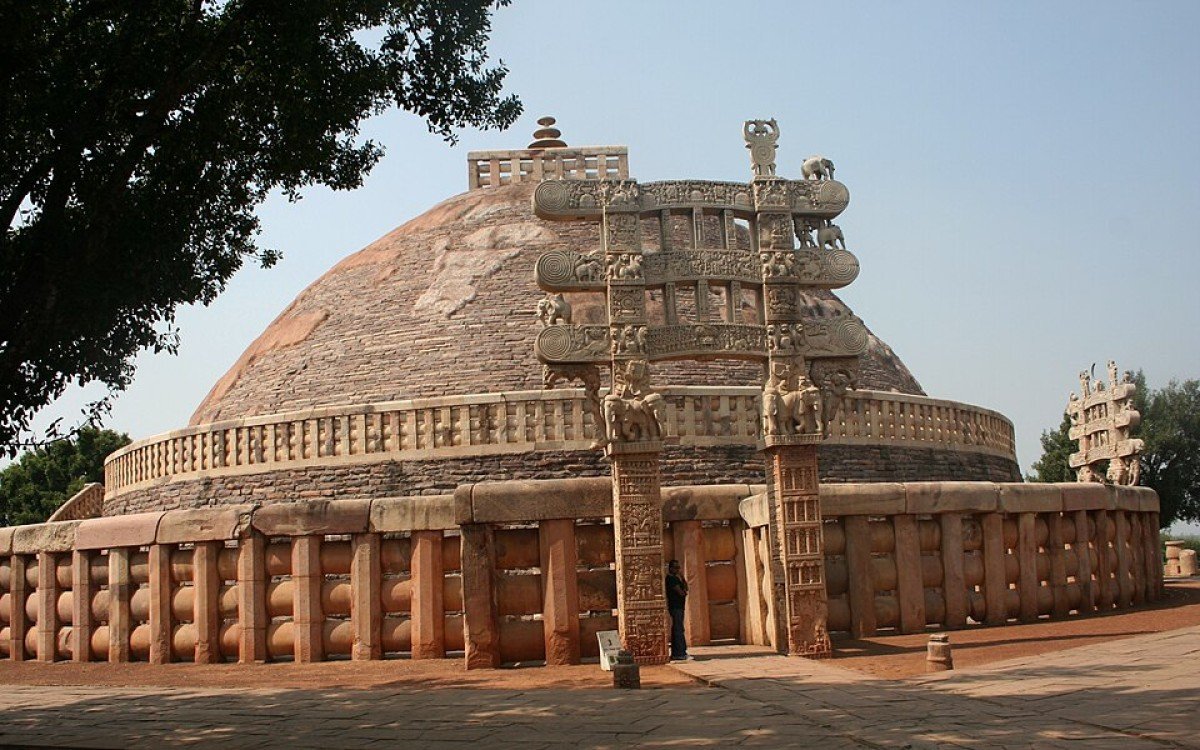
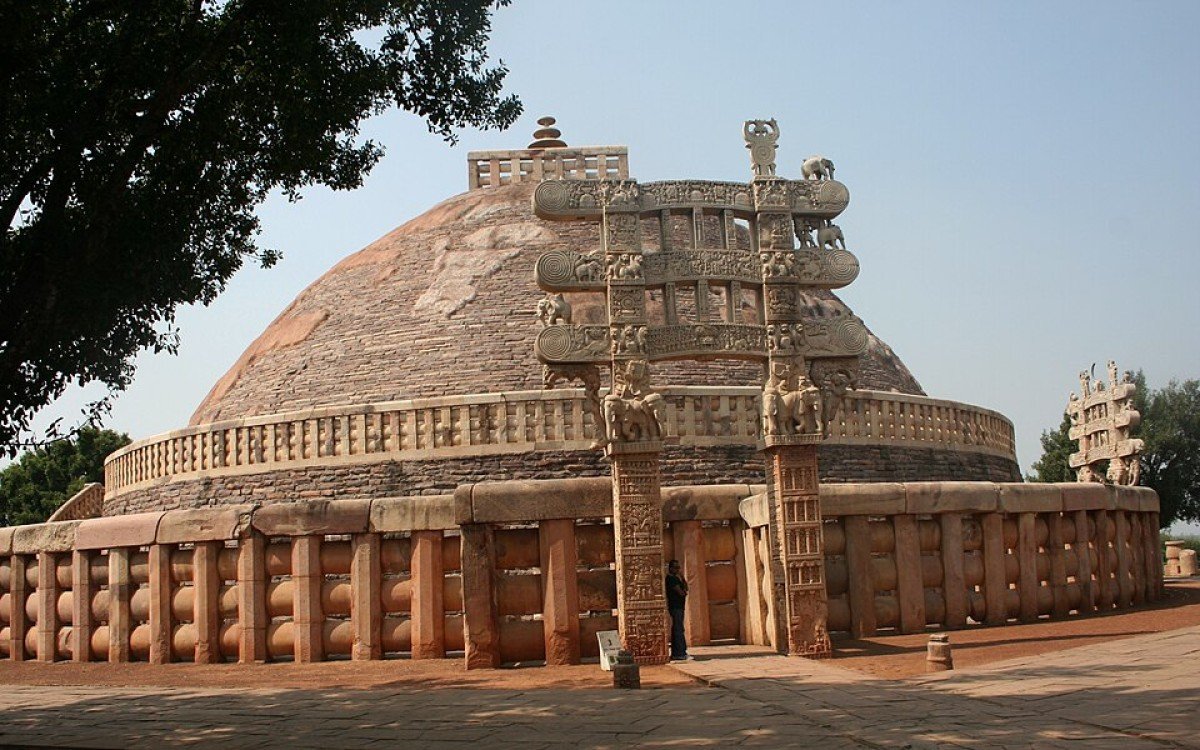
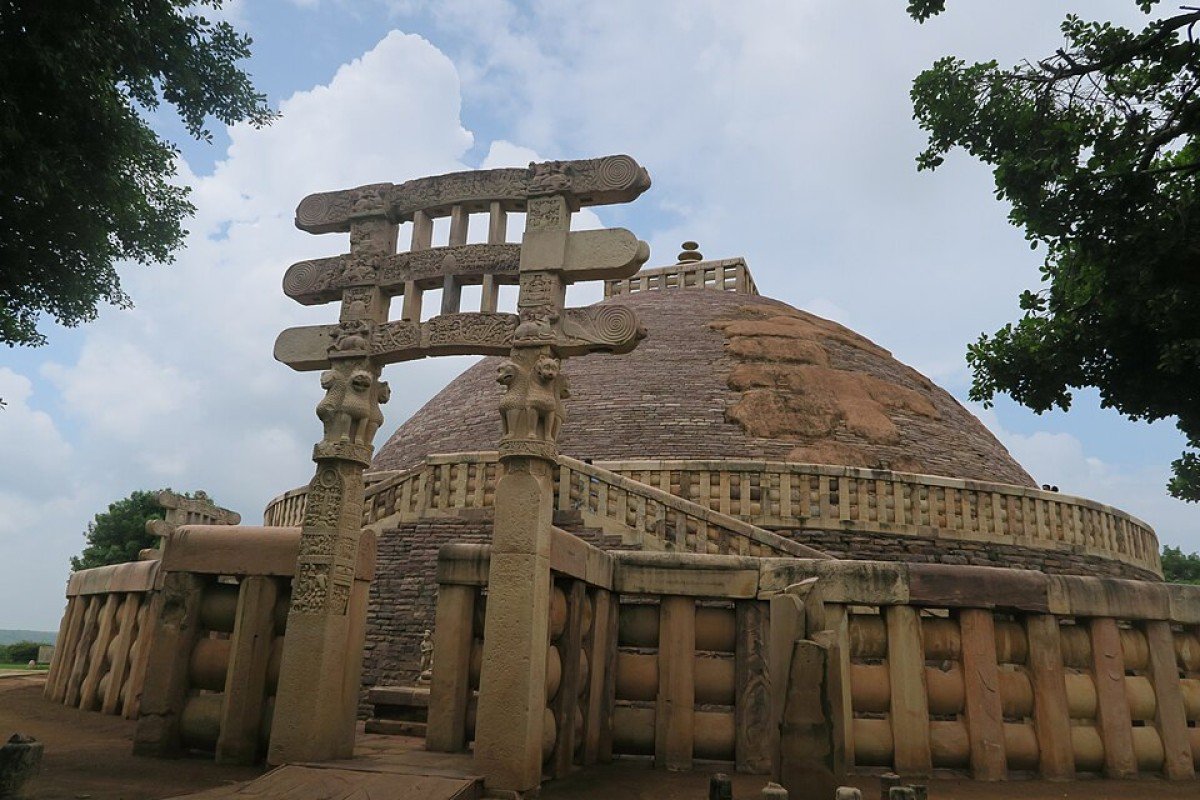
The Great Stupa, originally built by Emperor Ashoka in the 3rd century BCE as a simple brick structure to house relics of the Buddha, was later enlarged and encased in stone during the Shunga and Satavahana periods, reaching its current grand form by the 1st century BCE: This monumental hemispheric al dome, or anda, symbolizes the turning of the Wheel of Dharma and the dome of heaven, attracting millions of pilgrims and history enthusiasts annually as a UNESCO World Heritage Site: Its history spans over 1300 years of Buddhist art and architecture, making it a critical landmark for understanding ancient Indian religious and artistic evolution, with the intricately carved gateways being its most celebrated feature.: The site's serene hilltop setting and its deep connection to the spread of Buddhism under Ashoka are central to its global recognition.:
General information
-
Ideal Duration:
2 - 3 Hours:Place Type:
UNESCO World Heritage Site,Entry Fees:
Cost Structure: The current entry fee for Indian nationals and citizens of SAARC/ BIMSTEC countries is typically around Rs.40 per person, while the fee for foreign nationals is considerably higher, around Rs.600 per person. :
Free Entry: Childre...Cost Structure: The current entry fee for Indian nationals and citizens of SAARC/ BIMSTEC countries is typically around Rs.40 per person, while the fee for foreign nationals is considerably higher, around Rs.600 per person. :
Free Entry: Children under 15 years of age are generally granted free entry to the monument complex. :
Additional Fees: The nearby Archaeological Museum (site museum) has a separate, nominal entry fee, usually around Rs.5, which is important for viewing the original Ashoka Lion Capital. :
Digital Payment: Tickets can often be purchased at the counter or through the official online portals (ASI website), making the process convenient for visitors. :Timing:
Regular Timings: The monument complex is open daily from Sunrise (approx. 6:30 AM) to Sunset (approx. 6:30 PM). :
Ideal Visit Time (Morning): The absolute best time to visit is immediately after opening (6:30 AM - 9:00 AM) to avoid the int...Regular Timings: The monument complex is open daily from Sunrise (approx. 6:30 AM) to Sunset (approx. 6:30 PM). :
Ideal Visit Time (Morning): The absolute best time to visit is immediately after opening (6:30 AM - 9:00 AM) to avoid the intense midday heat and the main tourist rush, allowing for peaceful photo opportunities and reflection. :
Ideal Visit Time (Afternoon): A second good time is the late afternoon (4:00 PM - Sunset) for the golden hour light, which beautifully illuminates the sandstone carvings. :
Off-Days: The monuments are open seven days a week, but the nearby Sanchi Museum is typically closed on Fridays. :Special Events:
Chetiyagiri Vihara Festival: The most significant event is the annual Chetiyagiri Vihara Festival, usually held in the November month, celebrating the enshrinement of the relics of the Buddha's chief disciples, Sariputta and Maha Moggallana, attracting thousands of pilgrims...Chetiyagiri Vihara Festival: The most significant event is the annual Chetiyagiri Vihara Festival, usually held in the November month, celebrating the enshrinement of the relics of the Buddha's chief disciples, Sariputta and Maha Moggallana, attracting thousands of pilgrims and monks from around the world and offering a vibrant cultural and religious atmosphere. :Best Photo Spots:
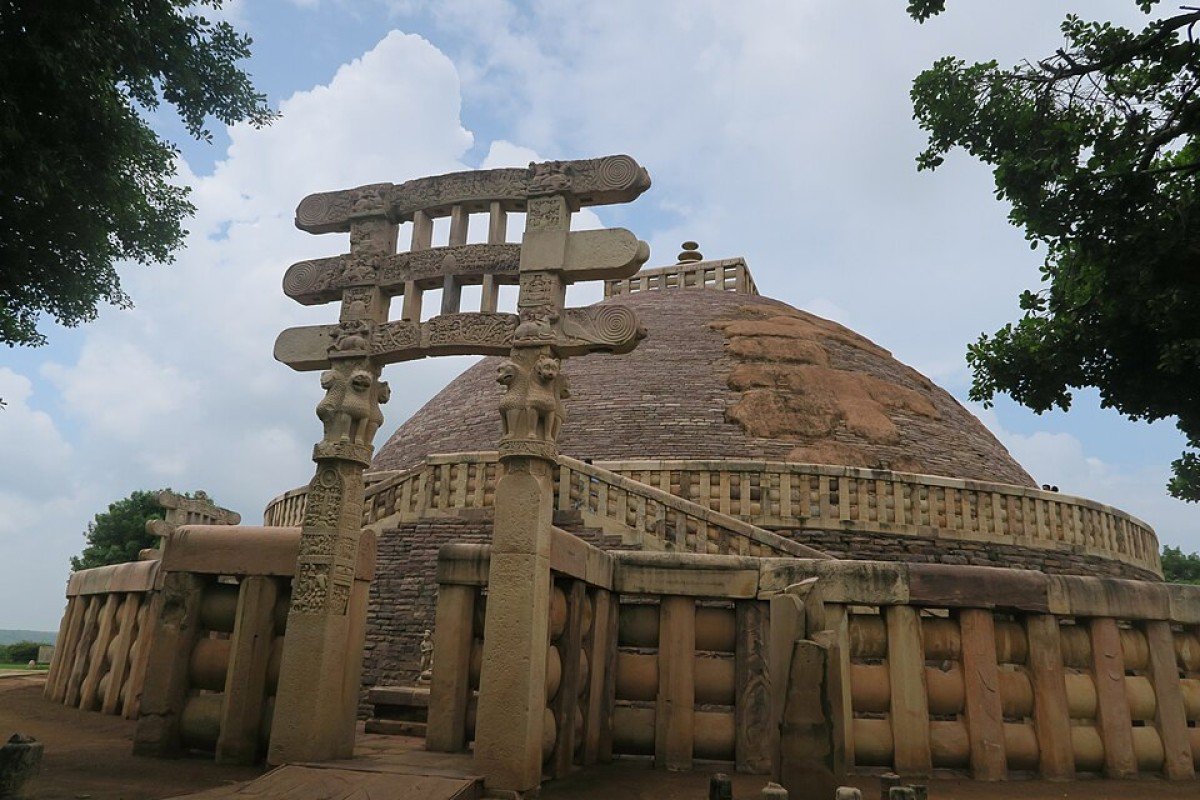
Southern Gateway (Torana): Ideal for capturing the complete facade of the earliest and most historically significant gateway, often framed with the remains of the Ashoka Pillar in the foreground. :
Western Gateway (Torana) at Sunset: Its pos...Southern Gateway (Torana): Ideal for capturing the complete facade of the earliest and most historically significant gateway, often framed with the remains of the Ashoka Pillar in the foreground. :
Western Gateway (Torana) at Sunset: Its position offers spectacular silhouette shots against the setting sun, highlighting the detail of the Yakshas supporting the architraves. :
Upper Circumambulatory Path (Medhi): Provides unique elevated angles of the dome's structure and the four gateways, as well as panoramic views of the surrounding valley and other ruins. :
Panoramic View from the Hilltop: Capture the entire complex and the serene landscape of the Sanchi countryside, best achieved early morning from the monastery ruins on the hill. :Photo Gallery
Things To Do
-
Circumambulation and Meditation: Perform the traditional clockwise circumambulation (Pradakshinapatha) around the stupa's base and the upper Medhi path for a spiritual experience and close study of the carvings. :
Sculpture Study and Art Appreciation: Dedicate significant time to meticulously examine the detailed narrative panels on the four Toranas (Gateways), which illustrate the Jataka Tales and significant events from the Buddha's life, like the Great Departure and the Sermon in Sarnath. :
Photography: Capture the grandeur of the dome, the intricate carvings, and the scenic view from the hilltop, especially during sunrise or sunset when the sandstone glows (see Sub Place Best Photo Spots). :
Exploring the Complex: Beyond the main stupa, explore the ruins of sma...Circumambulation and Meditation: Perform the traditional clockwise circumambulation (Pradakshinapatha) around the stupa's base and the upper Medhi path for a spiritual experience and close study of the carvings. :
Sculpture Study and Art Appreciation: Dedicate significant time to meticulously examine the detailed narrative panels on the four Toranas (Gateways), which illustrate the Jataka Tales and significant events from the Buddha's life, like the Great Departure and the Sermon in Sarnath. :
Photography: Capture the grandeur of the dome, the intricate carvings, and the scenic view from the hilltop, especially during sunrise or sunset when the sandstone glows (see Sub Place Best Photo Spots). :
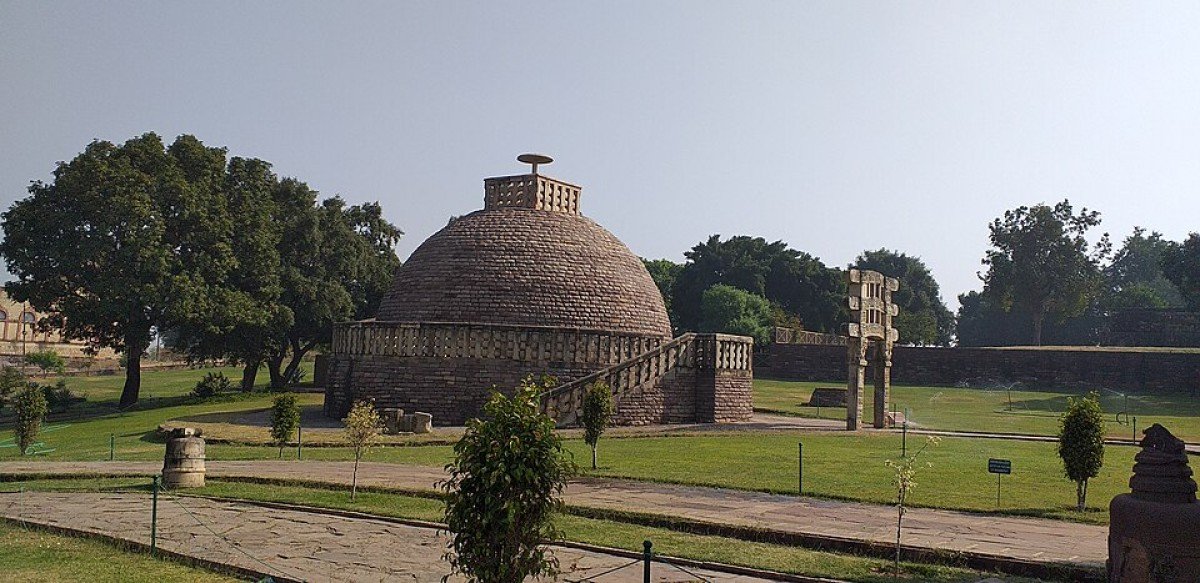
Exploring the Complex: Beyond the main stupa, explore the ruins of smaller stupas (Stupa 3 and Stupa 2), the Gupta Temple (Temple 17), and the monastic remains, which chart the evolution of Buddhist construction over centuries. :
Hiring a Guide: Engage a licensed archaeological guide to unlock the complex symbolism and historical context of the carvings and structures, greatly enriching the visit. :
Museum Visit: Conclude the trip by visiting the nearby Archaeological Museum (Sanchi Museum) to see the original Ashoka Lion Capital and other excavated artifacts, providing essential context to the site. :
Local Cuisine: Enjoy local Madhya Pradesh cuisine at nearby eateries in the Sanchi town. :
Information
-
Why Famous:
Symbol of Buddhist Faith: It houses the relics of the Buddha, making it a primary pilgrimage site and a central icon of Buddhist architecture and art in India. :
Ashokan Connection: Its foundation by Emperor Ashoka in the 3rd century BCE tie...Symbol of Buddhist Faith: It houses the relics of the Buddha, making it a primary pilgrimage site and a central icon of Buddhist architecture and art in India. :
Ashokan Connection: Its foundation by Emperor Ashoka in the 3rd century BCE ties it directly to the early expansion of Buddhism and the Mauryan Empire's patronage of the religion. :
Architectural Marvel: The massive stone dome and the unparalleled, narrative sculptures on its four Toranas showcase the zenith of early Indian art and craftsmanship. : -
Architecture:
Key Architectural Elements: The structure consists of a solid, hemispherical dome (Anda) built on a circular base (Medhi) which serves as an upper circumambulatory path (Pradakshinapatha):
Dimensions: The Great Stupa measures approximately 3...Key Architectural Elements: The structure consists of a solid, hemispherical dome (Anda) built on a circular base (Medhi) which serves as an upper circumambulatory path (Pradakshinapatha):
Dimensions: The Great Stupa measures approximately 36. 6 meters in diameter and 16. 4 meters in height, encased in dressed stone instead of the original brick. :
Harmika and Chatra: At the flattened summit is a square railing (Harmika) symbolizing the world mountain, supporting a triple umbrella (Chatra) on a central mast (Yashti), which represents the Three Jewels of Buddhism (Buddha, Dharma, Sangha). :
Toranas and Vedika: A massive stone railing (Vedika) encircles the entire structure, with four exquisitely carved ceremonial gateways (Toranas) at the cardinal points, depicting Jataka tales and events from the Buddha's life without directly representing him in human form (aniconism). : -
How To Reach:
By Air (49 Kms): The nearest airport is Raja Bhoj Airport (Bhopal - BHO), located approximately 46-49 kms away, with direct flights connecting to major Indian cities like Delhi, Mumbai, and Indore: From the airport, one can hire a pre-paid taxi or take a bus to reach Sanchi...By Air (49 Kms): The nearest airport is Raja Bhoj Airport (Bhopal - BHO), located approximately 46-49 kms away, with direct flights connecting to major Indian cities like Delhi, Mumbai, and Indore: From the airport, one can hire a pre-paid taxi or take a bus to reach Sanchi in about 1. 5 hours. :
By Train (6 Kms): The nearest railway station is the small Sanchi railway station (SCI), which has connectivity to local routes: The major rail hub is Bhopal Junction (BPL), about 46 kms away, which is connected to almost all parts of India and provides better options for long-distance travelers, from where local trains or taxis can be taken. :
By Road (46 Kms): Sanchi is well-connected by National Highway (NH146) and state roads: Regular bus services (MP Tourism and private operators) operate from Bhopal, Vidisha (10 kms), and Indore: Driving from Bhopal takes around 1 hour via a smooth road network. :
By Local Transport: Within Sanchi and from nearby towns, local auto-rickshaws, shared taxis, and cycle-rickshaws are readily available to reach the hilltop complex from the railway station or bus stand. : -
Weather and Best Time to Visit:
Winter Season (October - March): This is the peak season, offering the most pleasant weather for exploration, with temperatures ranging from 10°C to 25°C, which is ideal for walking and viewing the extensive site. :
Monsoon Season (July - Sept...Winter Season (October - March): This is the peak season, offering the most pleasant weather for exploration, with temperatures ranging from 10°C to 25°C, which is ideal for walking and viewing the extensive site. :
Monsoon Season (July - September): While the landscape turns lush green, heavy rainfall is uncommon, but travel can be slightly unpredictable; it is suitable for those who enjoy the fresh, washed scenery and fewer crowds. :
Summer Season (April - June): This period is intensely hot, with temperatures exceeding 40°C; it is strongly advised to avoid midday visits during these months and to carry ample water and protective gear. :
Different Parts of the Day: Early morning is best for cooler temperatures and better light, while late afternoon offers the beautiful golden hour for photography. : -
Near Tourist Places:
Vidisha (10 KMS - Historical/Ancient City): Udayagiri Caves (13 KMS - Gupta period rock-cut caves): Bhimbetka Rock Shelters (85 KMS - UNESCO Site with pre-historic paintings): Bhojpur Temple (65 KMS - Massive unfinished Shiva Temple): Islamnagar Fort (50 KMS - Historical Afghan fort ruins): Bhopal (46 KMS - Capital city with lakes and museums):
Satdhara Stupas (9 KMS - Group of minor Stupas):
Sonari Stupas (10 KMS - Other Buddhist ruins):
GyarasPUR (36 KMS - Ancient temple complex): Chetiyagiri Vihara (Near Site - Modern Buddhist monastery):
Tourism Tips
-
Health & Safety: Wear comfortable, sturdy walking shoes as the site involves climbing stairs and walking on uneven paths: Carry a wide-brimmed hat, sunglasses, and high-SPF sunscreen, especially during sunlit hours: Stay hydrated by carrying a reusable water bottle, as wate...Health & Safety: Wear comfortable, sturdy walking shoes as the site involves climbing stairs and walking on uneven paths: Carry a wide-brimmed hat, sunglasses, and high-SPF sunscreen, especially during sunlit hours: Stay hydrated by carrying a reusable water bottle, as water dispensers may be limited. :
Packing: Dress modestly to respect the religious nature of the site, covering shoulders and knees: Carry a light shawl for morning/evening visits in winter: A good zoom lens is recommended for detailed photos of the high-up carvings on the Toranas. :
Accommodation: Most tourists prefer to stay in Bhopal (46 kms) due to the greater range of hotels (luxury to budget): Sanchi itself offers basic accommodation, primarily guesthouses and an MP Tourism property. :
Other Different Topics (Respect & Conduct): The site is a sacred Buddhist monument; maintain silence and reverence, especially near the Stupas: Do not touch or climb on any ancient structure or carving: Hire official, licensed guides for accurate information. :
Reviews
FAQs
Sanchi Itineray And Cost:-
Other Places In Sanchi :-
Other States In India :-
Information about New and Updated Locations() of Madhya Pradesh Has Been Added :-
Card subtitle
Note:-
Information provided here in good Faith and for reference only.
Near Places

Mata Mandir
Some quick example text to build on the card title and make up the bulk of the card's content.
Go somewhere
Sanchi Museum
Some quick example text to build on the card title and make up the bulk of the card's content.
Go somewhere
The Great Bowl
Some quick example text to build on the card title and make up the bulk of the card's content.
Go somewhere
Turtle Rock
Some quick example text to build on the card title and make up the bulk of the card's content.
Go somewhere
Western Gateway
Some quick example text to build on the card title and make up the bulk of the card's content.
Go somewhere
Zoo Rock
Some quick example text to build on the card title and make up the bulk of the card's content.
Go somewherein Other Cities