

Ujjain
General information
-
Ideal Duration:
2 to 3 DaysPlace Type:
Religious & ArchaeologicalEntry Fees:
Mahakal Temple Entry: Entry to the main temple is free for everyone. However, there are "Special Darshan" tickets available for around 250 rupees for faster access. The Bhasma Aarti registration is done online and has specific rules.
Jantar Ma...Mahakal Temple Entry: Entry to the main temple is free for everyone. However, there are "Special Darshan" tickets available for around 250 rupees for faster access. The Bhasma Aarti registration is done online and has specific rules.
Jantar Mantar and Museums: A nominal fee of 20 to 50 rupees is charged for visiting the observatory and local museums. This is very affordable for all types of travelers. Photography might require a separate ticket or a small fee in these heritage locations.Timing:
Mahakal Temple Timings: The temple is open from 4:00 AM (for Bhasma Aarti) to 11:00 PM. The best time for general darshan is in the early morning or late evening. During festivals, the timings can be extended to accommodate the rush.
Observato...Mahakal Temple Timings: The temple is open from 4:00 AM (for Bhasma Aarti) to 11:00 PM. The best time for general darshan is in the early morning or late evening. During festivals, the timings can be extended to accommodate the rush.
Observatory and Park Timings: The Jantar Mantar and most parks are open from 9:00 AM to 6:00 PM. It is better to visit the observatory during the day to see how the sun-based instruments work. Plan your temple visits around the aarti timings for the best spiritual experience.Special Events:
Mahashivratri Festival: This is the biggest celebration in the city, held in February or March. The entire city stays awake, and special processions of Lord Mahakal are taken out. The temple is decorated with thousands of lights and flowers. It is the most vibrant time to...Mahashivratri Festival: This is the biggest celebration in the city, held in February or March. The entire city stays awake, and special processions of Lord Mahakal are taken out. The temple is decorated with thousands of lights and flowers. It is the most vibrant time to witness the energy of Ujjain.
Kartik Mela: A month-long fair held on the banks of the Shipra river during the month of Kartik. It features local traders, amusement rides, and cultural performances. It is a great place to experience the rural culture of the Malwa region. The fair attracts large crowds from nearby villages and towns.Best Photo Spots:
Ram Ghat Evening Aarti: The reflection of the lamps in the river during the evening aarti is a perfect shot. The colorful crowd and the ancient temples in the background add to the composition. It is the most iconic photograph of Ujjain's spiritual life.
Read MoreRam Ghat Evening Aarti: The reflection of the lamps in the river during the evening aarti is a perfect shot. The colorful crowd and the ancient temples in the background add to the composition. It is the most iconic photograph of Ujjain's spiritual life.
Mahakal Lok Sculptures: The massive statues of Lord Shiva in various forms provide great subjects for photography. The detailing of the expressions and the modern lighting are very photogenic. It is a paradise for those who love capturing religious art and modern architecture.Photo Gallery
Things To Do
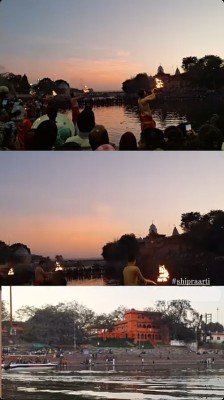 The Shipra River Bank, particularly around Ram Ghat and Gau Ghat, is the spiritual heart of Ujjain. It is one of the seven sacred rivers (Sapt Sarovar) in Hinduism and is mentioned in the Puranas. The river flows past the ancient city, which holds the Mahakaleshwar Jyotirlinga, making its waters extremely holy. Legend states that the river was created from the drops of nectar (Amrita) that spilled during the churning of the ocean (Samudra Manthan), giving it the power to cleanse sins. The Shipra is central to the celebration of the Simhastha Kumbh Mela, which occurs here every twelve years, drawing millions of pilgrims. The ghats (steps leading to the river) are places for religious rituals, pind daan (ancestral rites), and the daily aarti (fire ritual). The entire riverbank area offers a blend of serene spirituality and vibrant community life, where pilgrims perform snan (holy bath) at dawn. The atmosphere changes from quiet reflection in the early morning to bustling activity during the day, especially near the various small temples that line its banks. The river, though often less voluminous than other major rivers, carries an immense spiritual weight, embodying the timeless sanctity of Avanti, the ancient name of Ujjain. It connects the historical and religious fabric of the city, serving as a constant presence for its devotees.
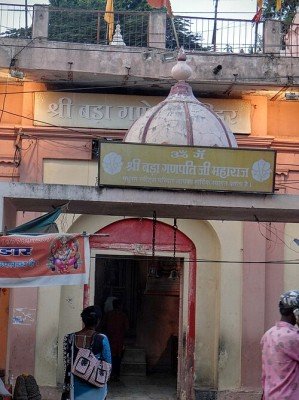 @@History and Significance: The temple is revered for its massive, artistic, and iconic sculpture of Lord Ganesha, the God of wisdom and prosperity. It is believed to have been established by Maharishi Guru Maharaj Siddhant Vagesh Pt. Narayan Ji Vyas, a noted astrologer and scholar. The term 'Bade' means big, referring to the grand scale of the idol. Devotees believe that a wish made before this deity is fulfilled in no time, making it a powerful site for seeking blessings before starting any new venture. The temple complex is also a prominent learning center where subjects like Sanskrit and Astrology are taught by the temple authorities. The proximity to the revered Mahakaleshwar Temple makes it an integral part of the pilgrim circuit in Ujjain, often being the first temple visited. The clockwise-turned trunk of the Ganesha idol is considered highly auspicious and rare. The idol is approximately 18 feet high and 10 feet wide, making it a truly magnificent sight. The temple complex is a hub of spiritual and educational activity, maintaining the ancient traditions of Hindu learning alongside worship. Its location near the Rudrasagar Lake enhances its serene atmosphere. The presence of Panchmukhi Hanuman is an added attraction, worshipped with equal devotion. The entire area is a testament to the religious and scholarly history of Ujjain, the city of temples.:
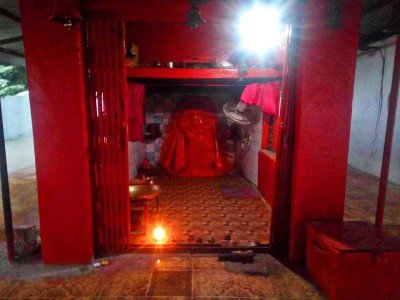 The Hanuman Mandir in Ujjain, particularly the Panchmukhi Hanuman located near the Bade Ganesh temple, is a site of immense spiritual power. Dedicated to Lord Hanuman, the monkey god and the greatest devotee of Lord Rama, this temple houses a unique idol with five faces. These faces represent Hayagriva, Narasimha, Garuda, Varaha, and Hanuman himself, each protecting a different direction and aspect of life. The temple is a quiet sanctuary located very close to the world-famous Mahakaleshwar Jyotirlinga, making it an essential stop for pilgrims. Devotees believe that praying here provides protection from evil spirits and removes obstacles from one's path. The atmosphere is thick with the scent of incense and the rhythmic chanting of the Hanuman Chalisa. The idol is often covered in Sindoor (vermilion), which is traditional for Hanuman worship. Despite its proximity to the busy Mahakal corridor, the temple maintains a serene and meditative vibe. It is particularly busy on Tuesdays and Saturdays, which are considered sacred days for the deity. The architecture is simple yet elegant, focusing on the divine presence rather than outward show. Many visitors come here to seek strength and courage, qualities embodied by the Lord. The temple also has a small area for meditation and sitting quietly. It serves as a reminder of the protective energy that surrounds the holy city. The priests here are known for their knowledge of ancient scriptures and are often seen guiding devotees through the rituals. A visit here completes the spiritual journey for those visiting the main Shiva temple.
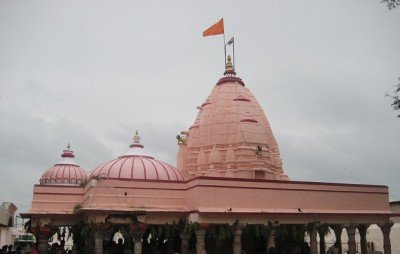 @@History and Antiquity: The Chintaman Ganesh Temple is one of Ujjain's most ancient and revered temples dedicated to Lord Ganesha, the remover of obstacles. The temple's origins are believed to be extremely old, with some legends even tracing its establishment back to the time of Lord Rama, where his wife Sita is said to have installed the idol. Architecturally and historically, the current structure dates back to the 11th and 12th centuries, built during the rule of the Paramara dynasty over the Malwa region. The deity is worshipped as Chintaman, which literally translates to "one who assures freedom from worldly anxieties" or the "wish-fulfilling jewel" (Chintamani), hence the strong faith among devotees that a visit here removes all worries. The idol is considered Swayambhu (self-manifested). It is an established tradition for families in the region to send the very first wedding invitation card to this temple, seeking Ganesha's blessings for an obstacle-free marriage. The temple stands on the banks of the Kshipra River, which adds to its serene and sacred atmosphere, making it a unique and spiritually charged destination distinct from the inner city temples. It's a historical monument and a living testament to the deep devotion to Ganesha in Ujjain.:
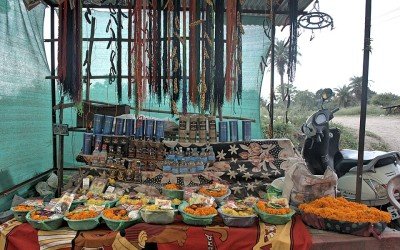 Kaliadeh Dam and the adjacent Kaliadeh Palace are unique historical and natural sites located on an island in the Shipra River. Built in 1458 by the Sultan of Mandu, the palace is a rare example of Persian Architecture in central India. The site is famous for its artificial tanks and channels through which the river water flows, creating a cooling effect even in the height of summer. The palace has been visited by Mughal emperors like Akbar and Jehangir, as recorded in Persian inscriptions found on its walls. The dam area is a popular picnic spot where the river is split into various channels, creating small waterfalls and serene pools. It is a place where history meets nature, offering a quiet getaway from the temple-centric parts of Ujjain. The restoration of the palace was done by the Scindia family, and it remains a property of historical significance. The surrounding landscape is lush and green, especially after the rains, making it a favorite for nature lovers and photographers. Visitors can walk through the ancient corridors and see the remnants of the sophisticated water cooling systems used centuries ago. The sound of flowing water and the sight of the river wrapping around the palace create a tranquil atmosphere. It is one of the few places in Ujjain where the focus is on secular history and architectural beauty. Despite its age, the structure stands firm, showcasing the engineering brilliance of the medieval period.
 The Kaal Bhairav Temple is one of the most enigmatic and deeply revered shrines in Ujjain, dedicated to Lord Kaal Bhairav, the fierce manifestation of Lord Shiva and the Kotwal (City Commander or Guardian Deity) of Ujjain. The temple is ancient, mentioned in the Skanda Purana, with the original structure believed to have been built by King Bhadrasen. The current architecture shows significant Maratha influence, particularly from the restoration work carried out by Mahadaji Shinde in the 18th century. The temple is famous worldwide for its unique and mysterious ritual: the offering of liquor to the deity. Devotees offer a bottle of liquor, which the priest pours into a shallow saucer near the idol's mouth. The liquor then miraculously disappears into the stone idol, a phenomenon that has puzzled scientists and rationalists for centuries, yet remains a profound expression of the deity's acceptance. This ritual is rooted in the Tantric traditions of the Kapalika and Aghora sects, for which Ujjain was a major center. Pilgrims believe that worshipping Kaal Bhairav is essential after visiting Mahakaleshwar to complete their pilgrimage, as he is the one who protects the city from all evil and grants protection from untimely death. The unique mix of fierce devotion, ancient mystery, and unique ritual makes it an unmissable spiritual experience.
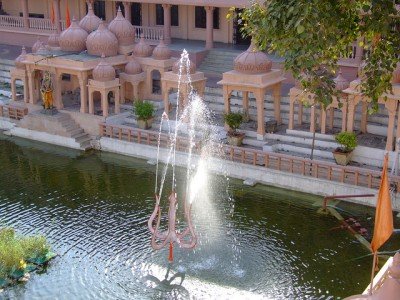 @@Legend and Spiritual Significance: Gomti Kund is a small, sacred water tank located within the premises of the ancient Sandipani Ashram, which is believed to be the spot where Lord Krishna, along with his brother Balarama and friend Sudama, received their education from Guru Sandipani Muni. The legend states that Guru Sandipani required water from all the holy rivers and sacred places (Tirthas) in India for his daily rituals, but it was too great a task for his old age. To alleviate his Guru's hardship, the young Lord Krishna used his divine powers to summon the waters of all major Tirthas and rivers (including the Gomti River) into this one spot, thus creating the Gomti Kund. Devotees believe that a dip or even a sprinkling of the water from this Kund grants the spiritual merit of visiting all the holy places in India. It is still used as the primary water source for the ashram's daily rituals. The site is a profound pilgrimage destination for followers of Lord Krishna and those interested in the mythological education of the deity. The ashram itself is a center for the study of the Vedas and Puranas, keeping the ancient tradition of the Gurukul system alive.:Show All
 @@ Royal Details: Kaliadeh Palace is a magnificent historical landmark situated on an island in the Shipra river, offering a stark contrast to the temple-heavy landscape of Ujjain. Built in 1458 AD by the Sultan of Mandu, Mahmud Khilji, the palace is a fine example of Persian architecture, featuring intricate domes and arches that have stood the test of time. The site was originally home to an ancient Sun Temple, and the river was diverted into man-made tanks known as Suraj Kunda and Brahma Kunda, which are still visible and used for ritual baths today. The palace was later restored by the Scindia rulers in the 1920s and has hosted many historical figures, including the Mughal Emperors Akbar and Jehangir, who recorded their visits in Persian inscriptions found within the central dome. Surrounded by water on both sides, the palace provides a serene and picturesque environment, making it a popular spot for history enthusiasts and nature lovers looking for a quiet retreat. The sound of the river flowing through the man-made channels creates a soothing atmosphere, and the lush greenery of the island makes it one of the most scenic spots in the entire Malwa region of India. :
Information
-
Why Famous:
Mahakaleshwar Jyotirlinga: Ujjain is world-famous for the Mahakal temple, which is one of the 12 Jyotirlingas. It is unique because the idol faces south, a feature associated with tantric traditions. The Bhasma Aarti performed here with sacred ash is a globally renowned ri...Mahakaleshwar Jyotirlinga: Ujjain is world-famous for the Mahakal temple, which is one of the 12 Jyotirlingas. It is unique because the idol faces south, a feature associated with tantric traditions. The Bhasma Aarti performed here with sacred ash is a globally renowned ritual. It is considered the spiritual heart of central India.
Simhastha Kumbh Mela: This is one of the largest religious gatherings on Earth, held every 12 years in Ujjain. Millions of pilgrims take a holy dip in the Shipra river during this time. The event is a spectacular display of faith, with thousands of Naga Sadhus and saints participating. It makes Ujjain a global focus of spiritual tourism. -
Architecture:
Maratha and Bhumija Fusion: The architecture of Ujjain's temples is a blend of various styles, predominantly Maratha and North Indian Nagara. The Mahakaleshwar temple features a massive shikhara and an underground sanctum. The Mahakal Lok corridor is a modern addition with...Maratha and Bhumija Fusion: The architecture of Ujjain's temples is a blend of various styles, predominantly Maratha and North Indian Nagara. The Mahakaleshwar temple features a massive shikhara and an underground sanctum. The Mahakal Lok corridor is a modern addition with 108 ornate pillars and hundreds of statues.
Dimensions and Layout: The temple complex is spread over a large area with multiple levels. The Jantar Mantar features massive masonry instruments for astronomical readings. The city is laid out along the river, with the main ghats serving as the focal point for public life. Most ancient structures are built with locally available stone and decorated with intricate carvings. -
How To Reach:
By Air Access: The nearest airport is Devi Ahilya Bai Holkar Airport in Indore, about 55 KMS away. There are frequent taxis and buses available from Indore to reach Ujjain in about 1. 5 hours. Indore is well-connected to all major cities in India.
Read MoreBy Air Access: The nearest airport is Devi Ahilya Bai Holkar Airport in Indore, about 55 KMS away. There are frequent taxis and buses available from Indore to reach Ujjain in about 1. 5 hours. Indore is well-connected to all major cities in India.
By Train Connectivity: Ujjain Junction is a major railway station and is very well-connected. It has direct trains from Mumbai, Delhi, Kolkata, Chennai, and Ahmedabad. Reaching Ujjain by train is the most convenient option for most domestic travelers.
By Road Route: The city is well-connected by a network of state and national highways. Good quality roads connect it to Indore, Bhopal, and Ratlam. Frequent bus services, including luxury Volvos, are available from all major cities in Madhya Pradesh.
Local Transportation: Auto-rickshaws and e-rickshaws are the most common ways to get around. For a full day of sightseeing, you can hire a private taxi. Walking is feasible in the temple area, but the city is spread out, so some transport is needed.Weather and Best Time to Visit:
Winter Spiritual Tour: October to March is the best time for visiting Ujjain. The weather is cool and pleasant, making it easy to wait in temple queues. This period also covers several major festivals like Mahashivratri.
Monsoon Mysticism:...Winter Spiritual Tour: October to March is the best time for visiting Ujjain. The weather is cool and pleasant, making it easy to wait in temple queues. This period also covers several major festivals like Mahashivratri.
Monsoon Mysticism: The Shipra river looks beautiful during the months of July to September. The rain adds a fresh feel to the ancient city and its ghats. However, be prepared for humid weather and occasional heavy rainfall.Near Tourist Places:
1. Indore (55 KMS), 2. Omkareshwar (140 KMS), 3. Maheshwar (150 KMS), 4. Mandu (155 KMS), 5. Dewas (35 KMS), 6. Ratlam (95 KMS), 7. Dhar (100 KMS), 8. Bhopal (190 KMS), 9. Sanchi (230 KMS), 10. Agar Malwa (65 KMS)Tourism Tips
-
Health and Safety: Keep yourself hydrated as the queues in temples can be long and tiring. Be careful with your valuables in crowded temple areas. Wear a mask and carry a sanitizer during large gatherings for hygiene.
Packing Tips: Wear co...Health and Safety: Keep yourself hydrated as the queues in temples can be long and tiring. Be careful with your valuables in crowded temple areas. Wear a mask and carry a sanitizer during large gatherings for hygiene.
Packing Tips: Wear comfortable cotton clothes and footwear that is easy to remove. Many temples require you to leave your shoes outside. Carry a light shawl or sweater if visiting during the winter months for early morning aartis.
Accommodation Options: Ujjain has a wide range of hotels, from budget dharamshalas to luxury stays. Many people prefer staying near the Mahakal temple for convenience. MP Tourism's Avantika hotel is a good mid-range option with reliable service.
Spiritual Etiquette: Respect the local customs and dress modestly when visiting temples. Photography is prohibited inside many sanctum sanctorums, so follow the rules. It is helpful to hire a local guide to navigate the complex history and rituals of the city.
Reviews
FAQs
Ujjain Itineray And Cost:-
Other Places In Madhya Pradesh :-
Other States In India :-
Information about New and Updated Locations() of Madhya Pradesh Has Been Added :-
Card subtitle
Note:-
Information provided here in good Faith and for reference only.
Near Places
Amarkantak
Some quick example text to build on the card title and make up the bulk of the card's content.
Go somewhere
Bhedaghat
Some quick example text to build on the card title and make up the bulk of the card's content.
Go somewhere
Bhopal
Some quick example text to build on the card title and make up the bulk of the card's content.
Go somewhere
Burhanpur
Some quick example text to build on the card title and make up the bulk of the card's content.
Go somewhere
Chanderi
Some quick example text to build on the card title and make up the bulk of the card's content.
Go somewhere
Chitrakoot
Some quick example text to build on the card title and make up the bulk of the card's content.
Go somewhere
Gwalior
Some quick example text to build on the card title and make up the bulk of the card's content.
Go somewhere
Indore
Some quick example text to build on the card title and make up the bulk of the card's content.
Go somewhere
Jabalpur
Some quick example text to build on the card title and make up the bulk of the card's content.
Go somewhere
Khajuraho
Some quick example text to build on the card title and make up the bulk of the card's content.
Go somewhere
Mandu
Some quick example text to build on the card title and make up the bulk of the card's content.
Go somewhere
Omkareshwar
Some quick example text to build on the card title and make up the bulk of the card's content.
Go somewhere
Orchha
Some quick example text to build on the card title and make up the bulk of the card's content.
Go somewhere
Pachmarhi
Some quick example text to build on the card title and make up the bulk of the card's content.
Go somewhere
Sagar
Some quick example text to build on the card title and make up the bulk of the card's content.
Go somewhere
Sanchi
Some quick example text to build on the card title and make up the bulk of the card's content.
Go somewherein Other Cities