
Vaishali
General information
-
Ideal Duration:
1 to 2 DaysPlace Type:
Historical, Religious, UNESCO Heritage SiteEntry Fees:
Entry Ticket Costs: For Indian citizens and SAARC visitors, the fee is Rs 25, while for foreign tourists, it is Rs 300 for the main archaeological area; the Vaishali Museum has a separate fee of Rs 5. ...Entry Ticket Costs: For Indian citizens and SAARC visitors, the fee is Rs 25, while for foreign tourists, it is Rs 300 for the main archaeological area; the Vaishali Museum has a separate fee of Rs 5.Timing:
General Timings: The archaeological sites are open from 9:00 AM to 5:00 PM daily; however, the Vishwa Shanti Stupa may remain open slightly later for evening prayers and meditation sessions. ...General Timings: The archaeological sites are open from 9:00 AM to 5:00 PM daily; however, the Vishwa Shanti Stupa may remain open slightly later for evening prayers and meditation sessions.Special Events:
Vaishali Mahotsav: Celebrated annually in April on Mahavir Jayanti, this festival features cultural programs, folk dances, and seminars celebrating the spirit of democracy and non-violence. ...Vaishali Mahotsav: Celebrated annually in April on Mahavir Jayanti, this festival features cultural programs, folk dances, and seminars celebrating the spirit of democracy and non-violence.Best Photo Spots:
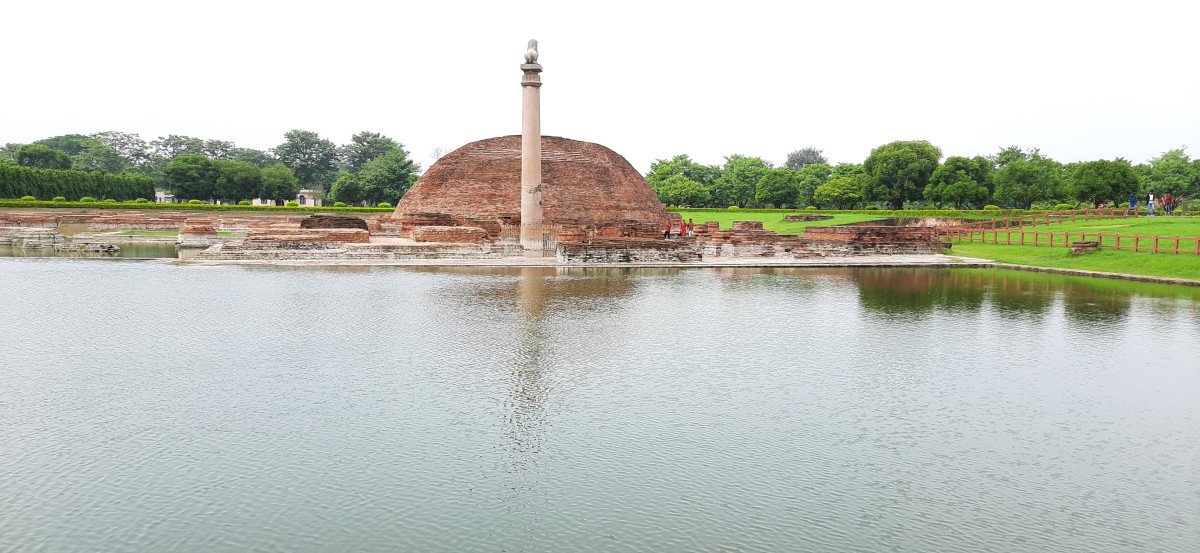
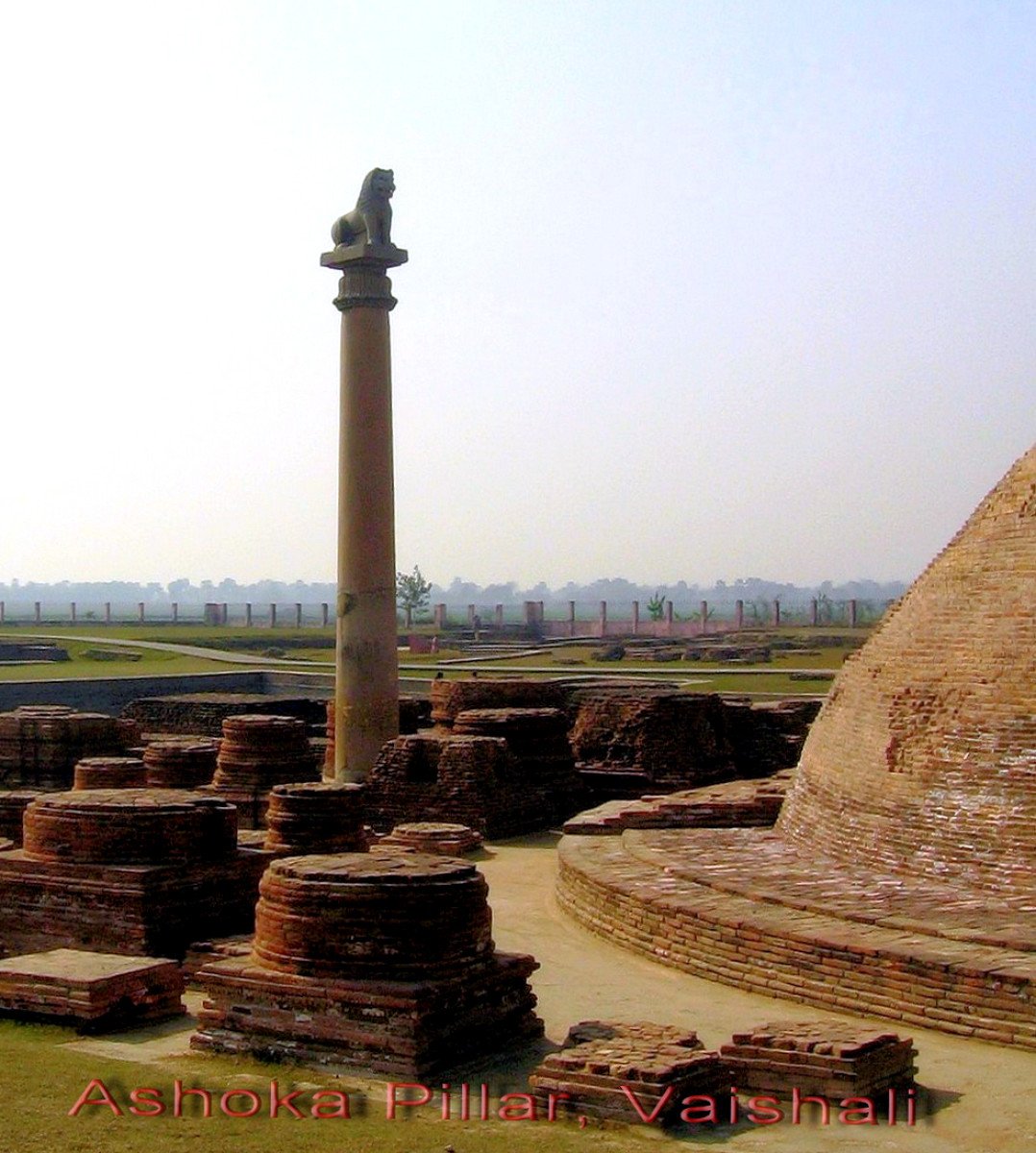
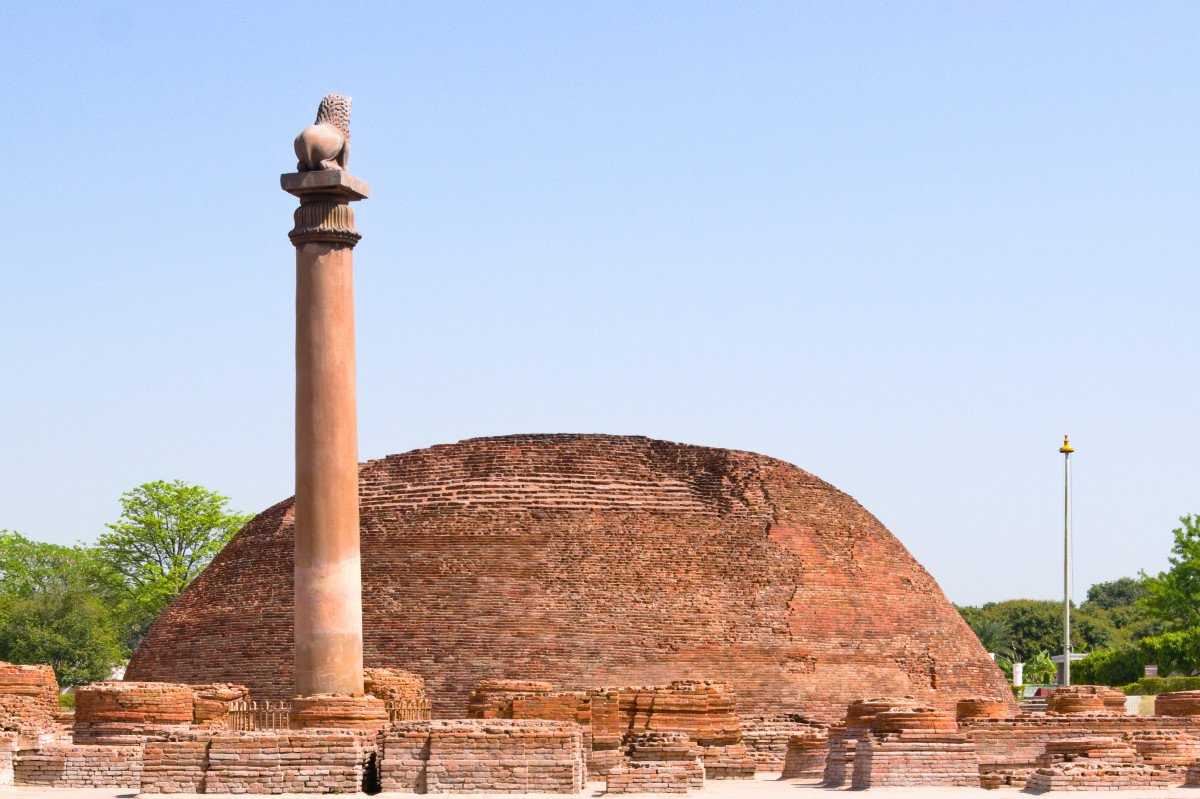
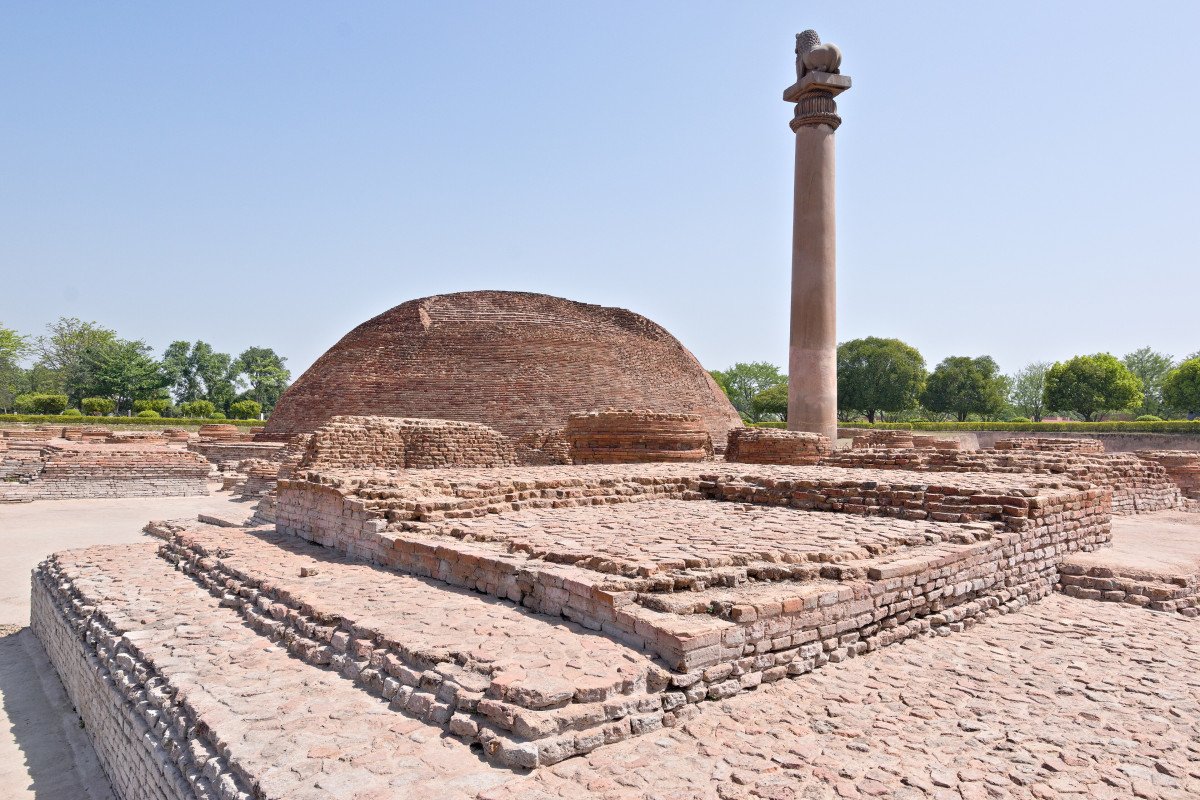
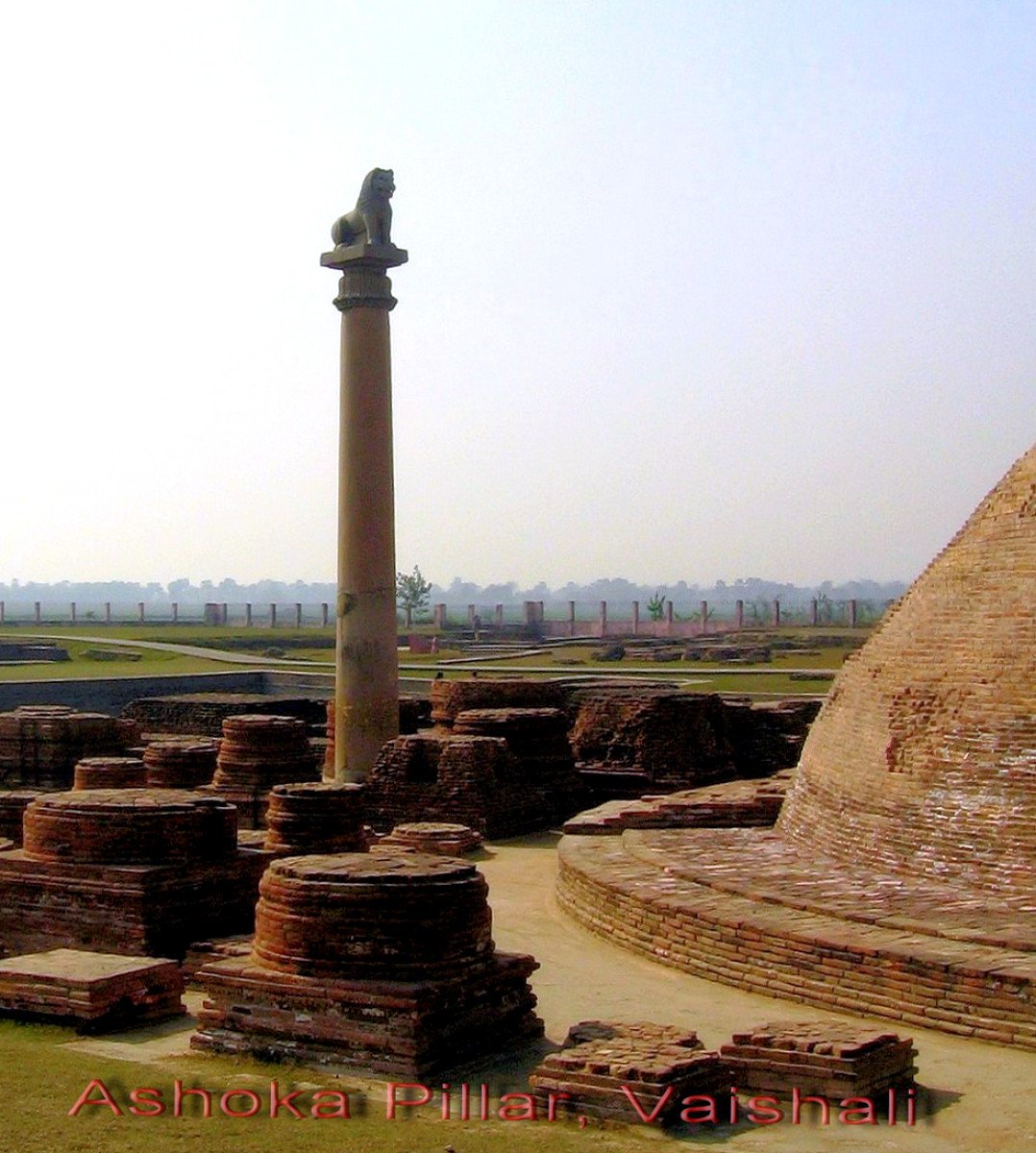
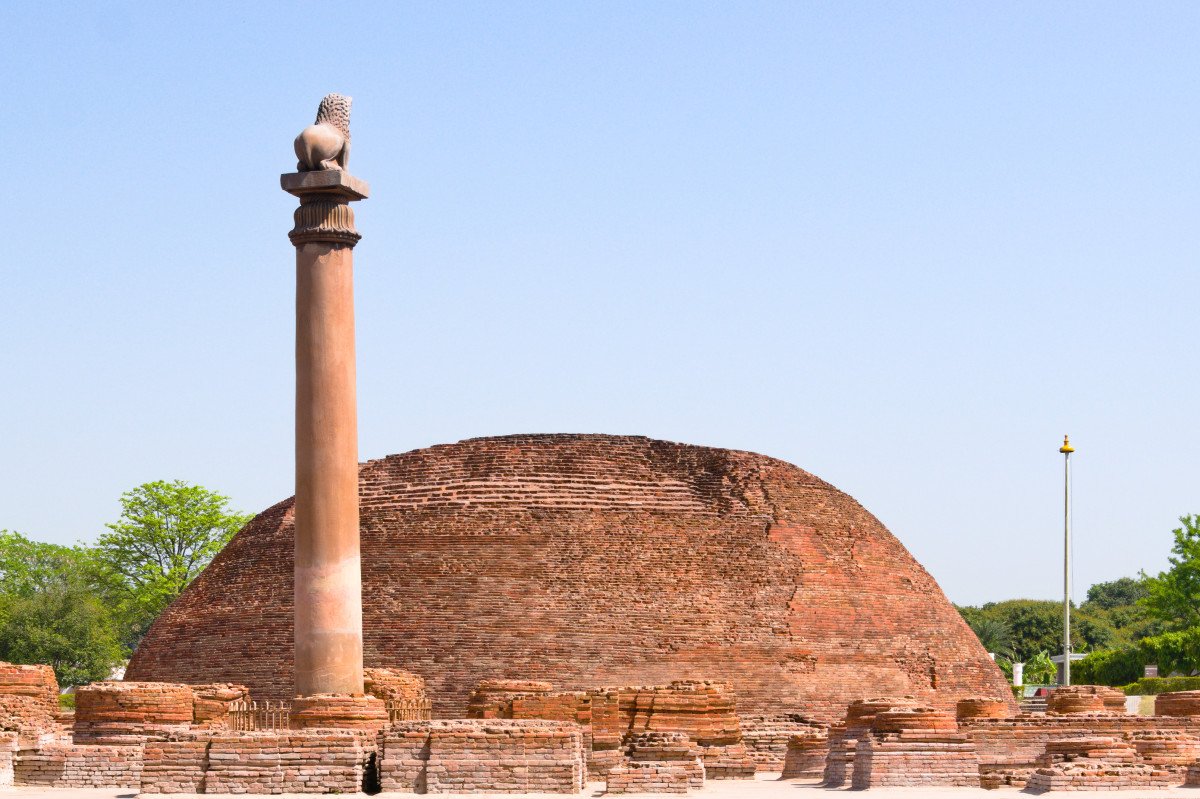
The Lion Pillar at Sunrise: The top of the Ashokan Pillar is best photographed early in the morning when the sun highlights the intricate details of the lion's mane and the polish of the stone.
Lotus Pond Reflection: The Vishwa Shanti Stupa ...The Lion Pillar at Sunrise: The top of the Ashokan Pillar is best photographed early in the morning when the sun highlights the intricate details of the lion's mane and the polish of the stone.
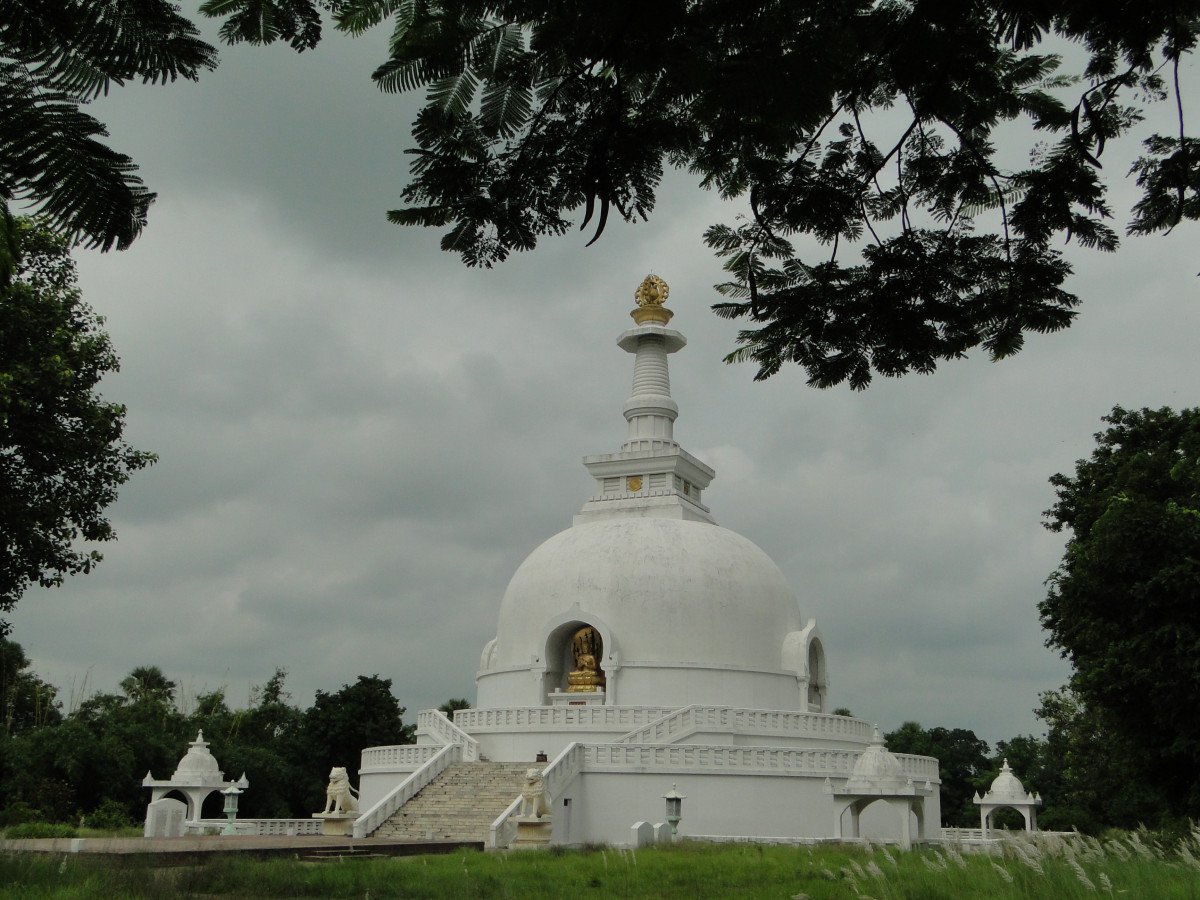
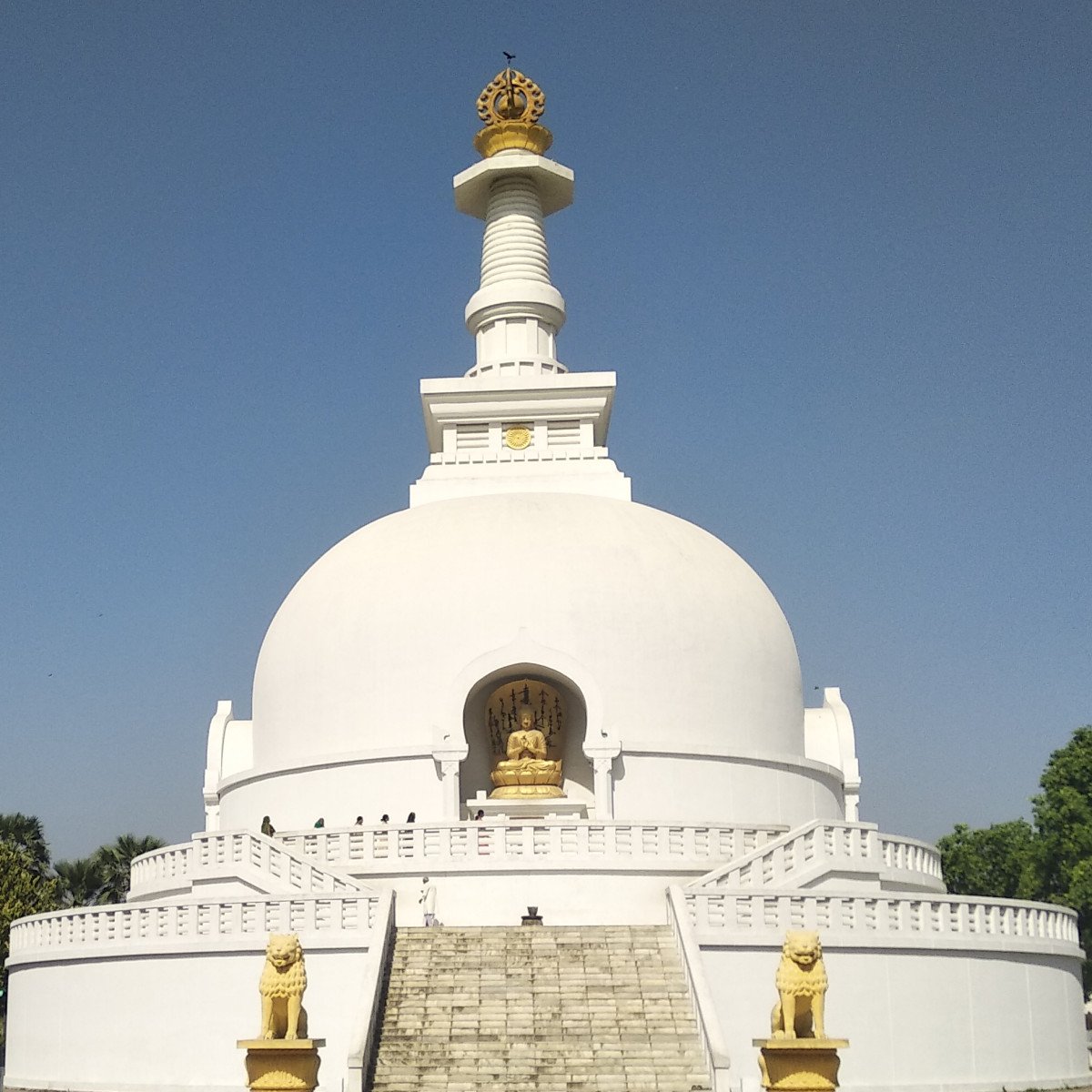
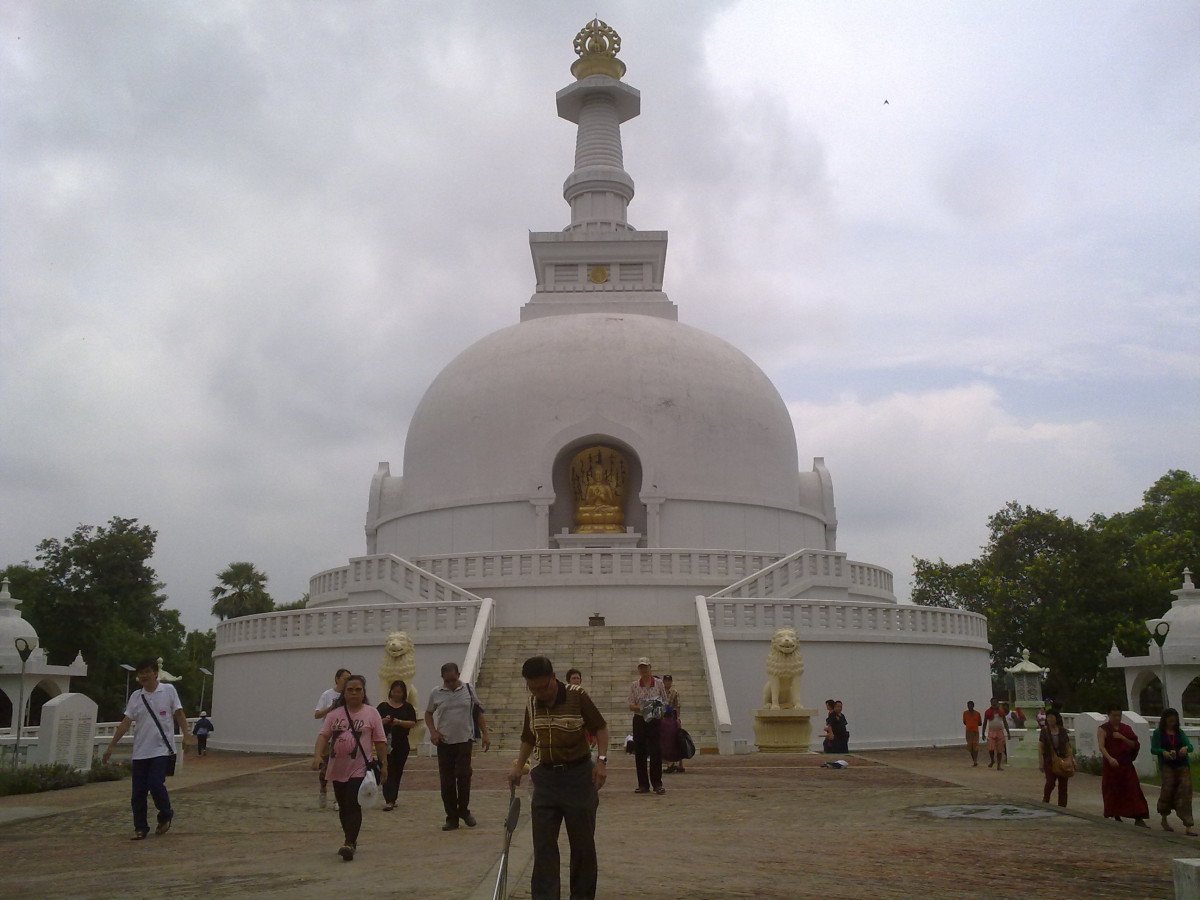
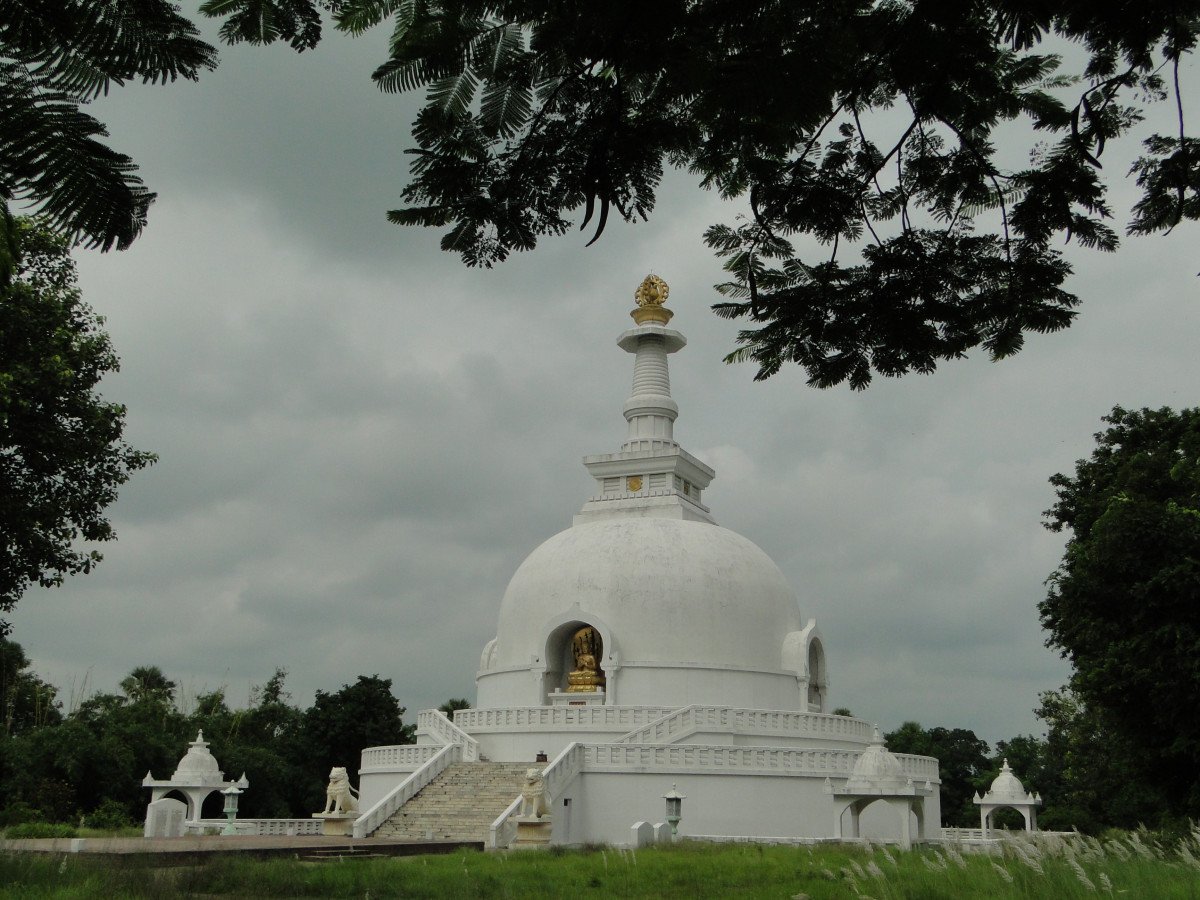
Lotus Pond Reflection: The Vishwa Shanti Stupa reflected in the waters of the nearby pond offers a symmetrical and peaceful shot that is a favorite among landscape photographers visiting the site.Photo Gallery
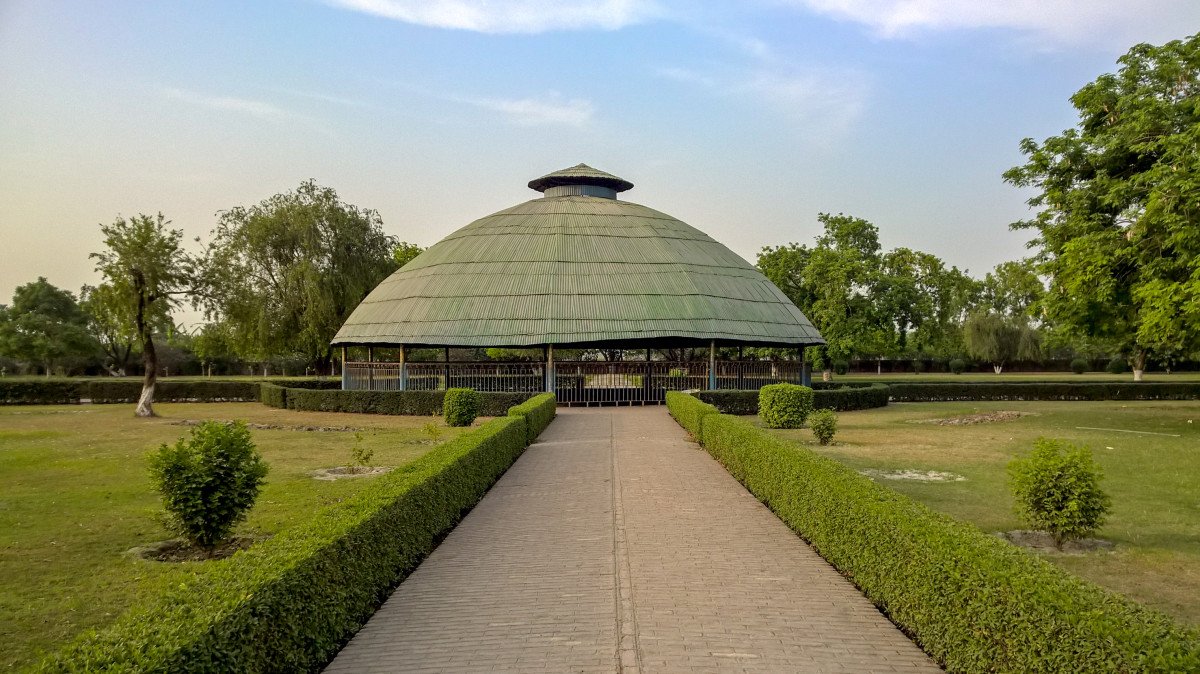
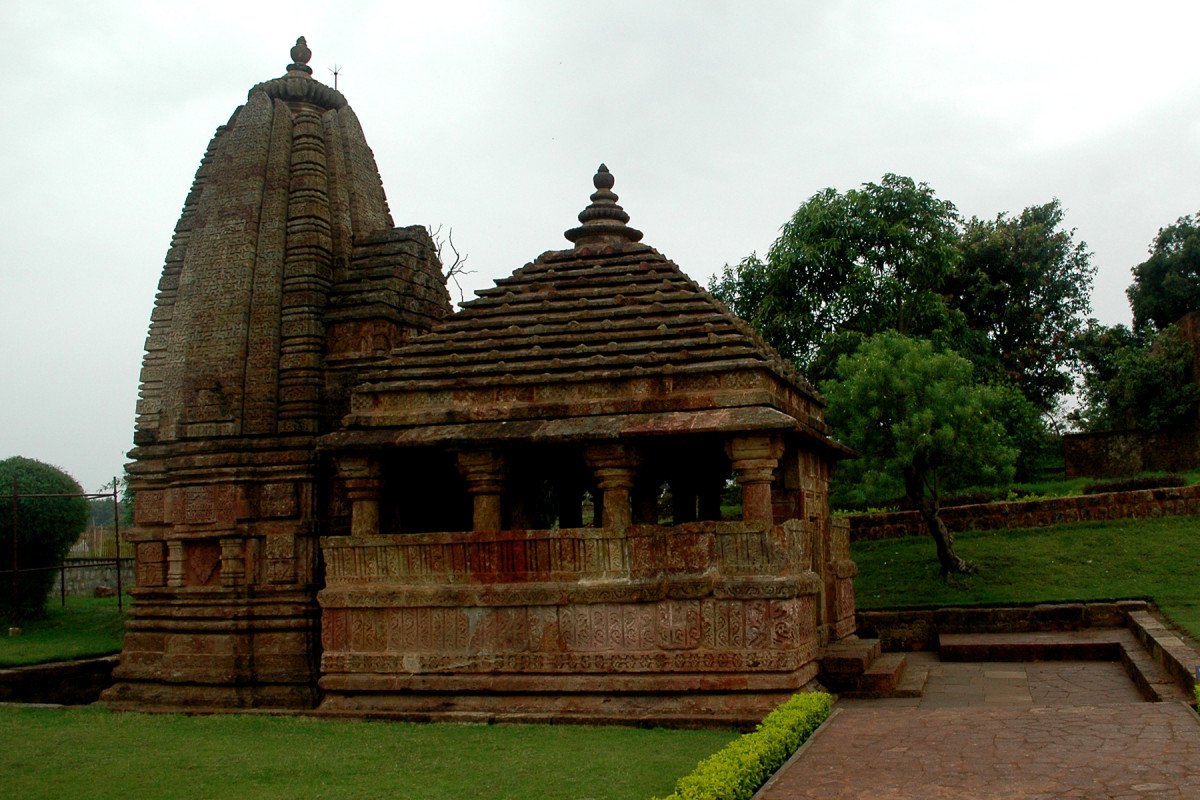
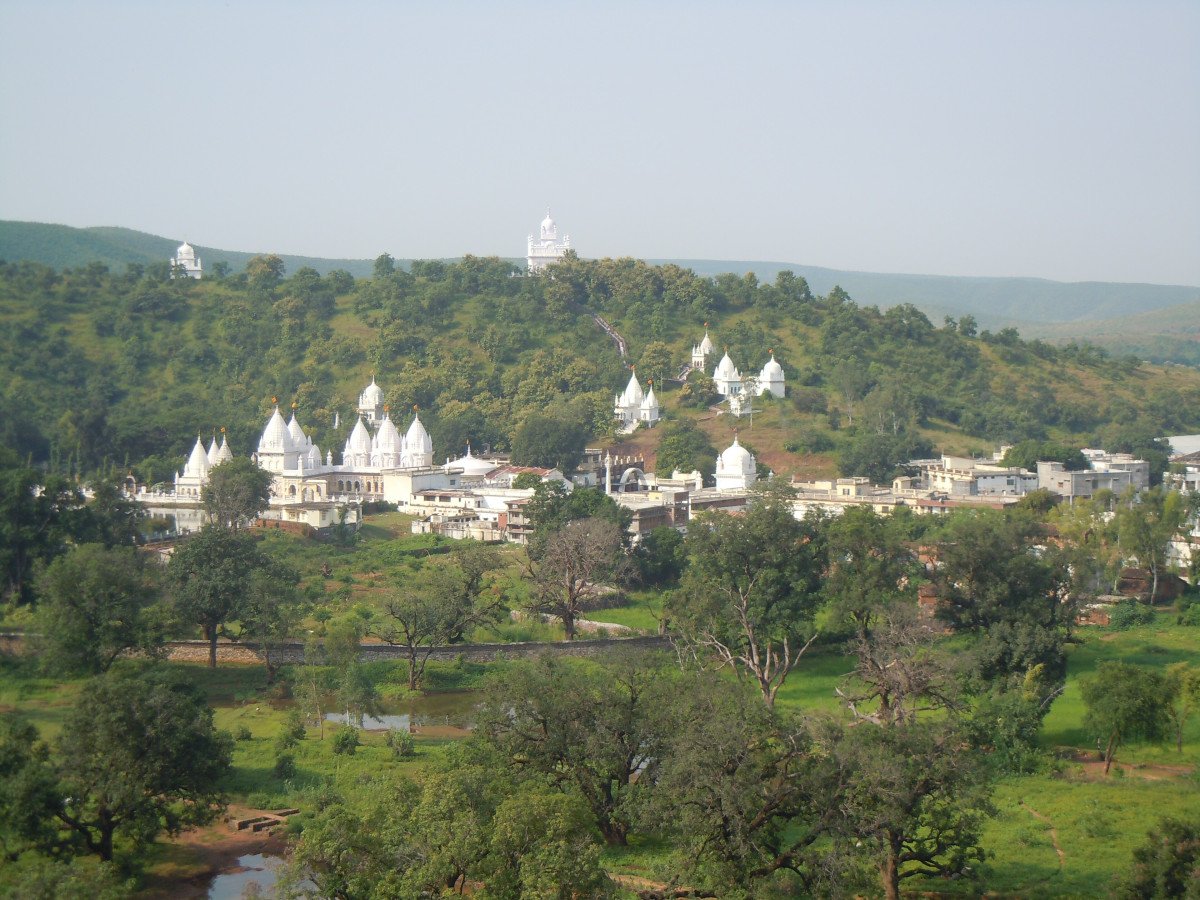
Things To Do
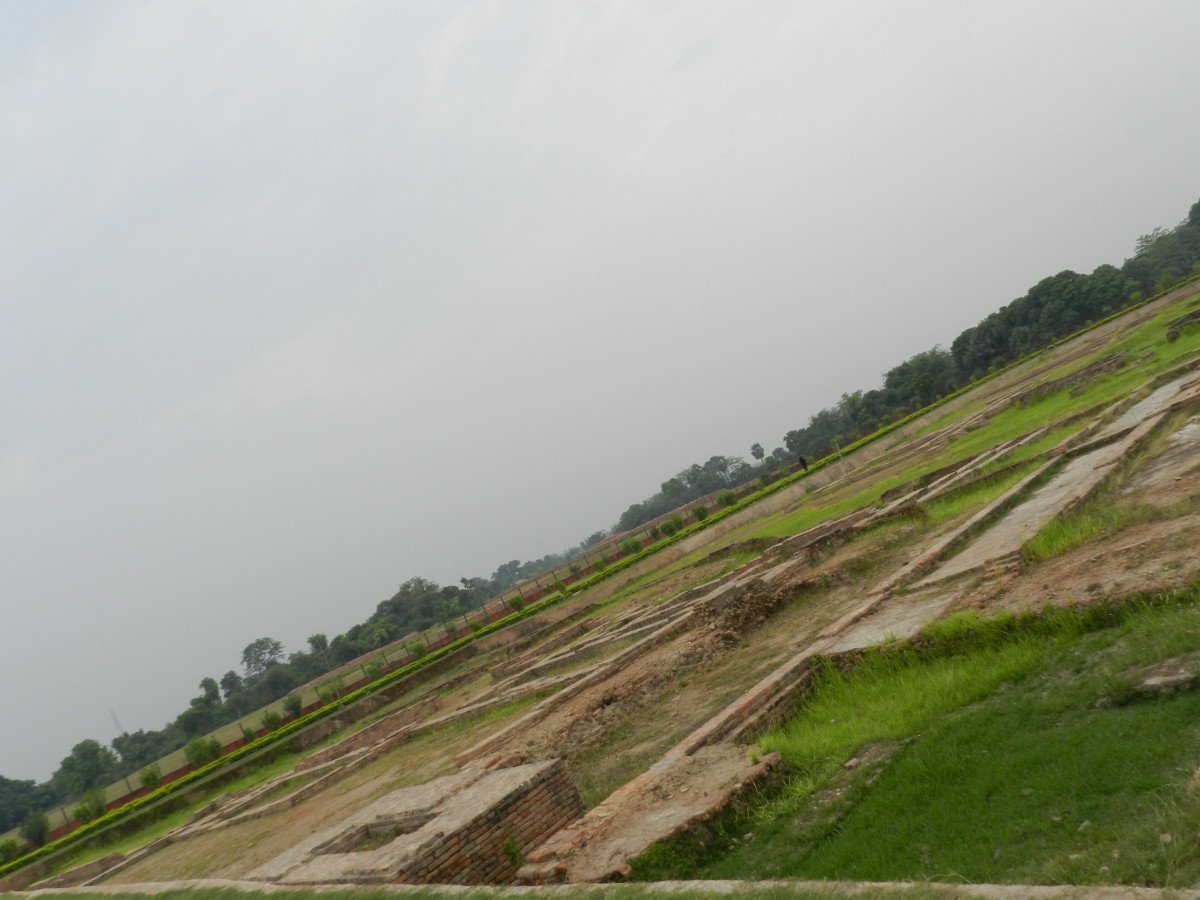
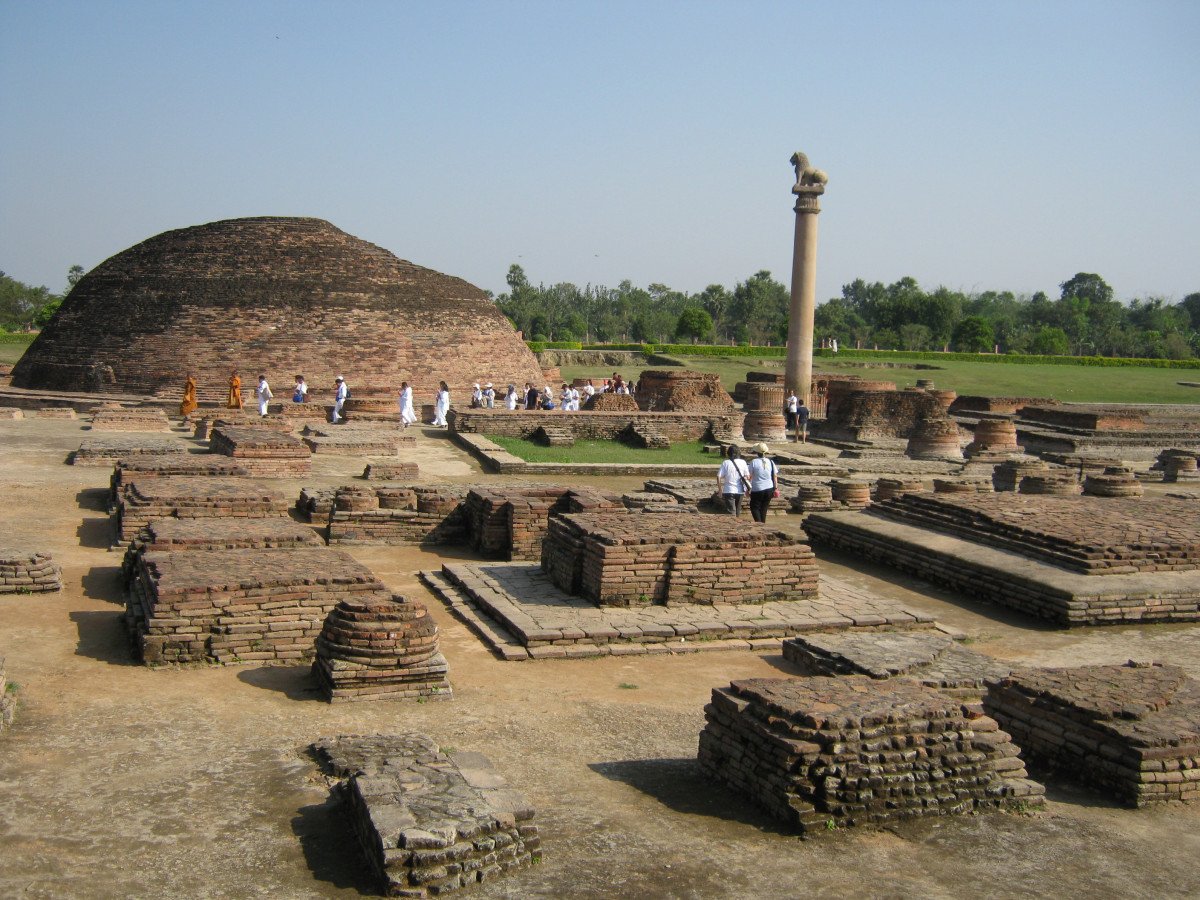
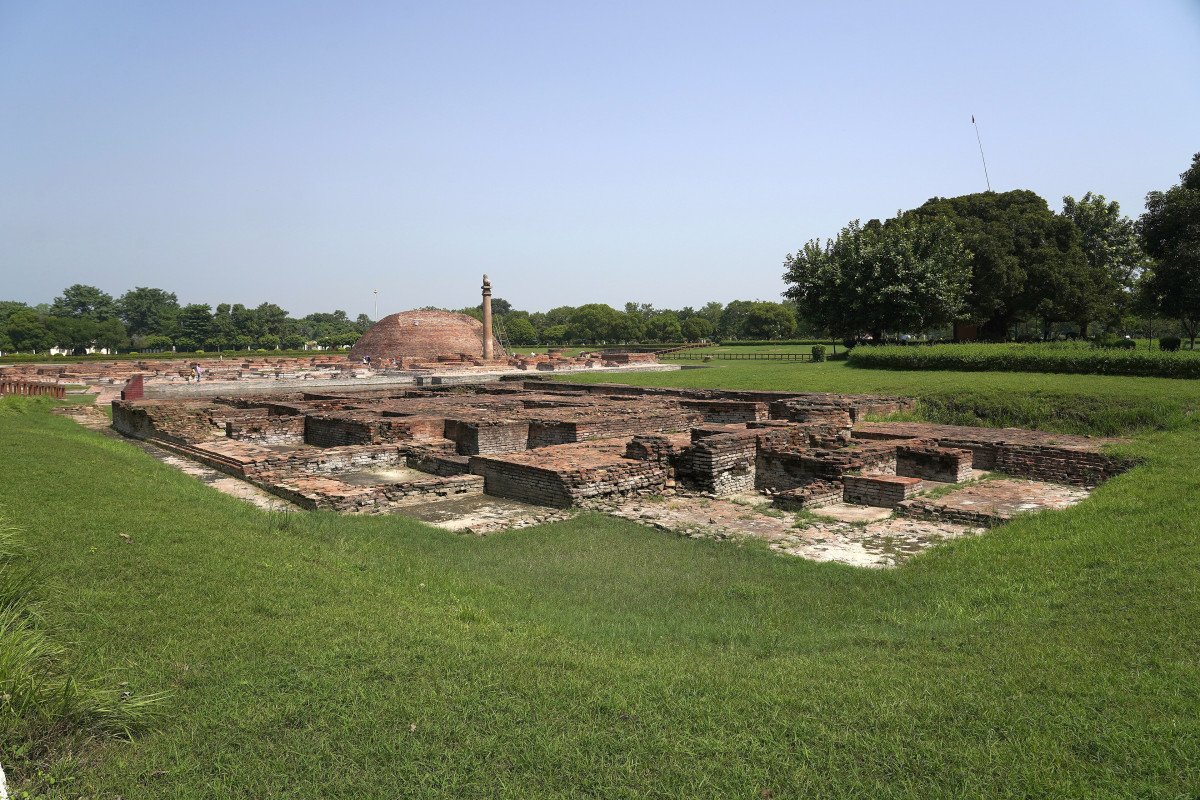
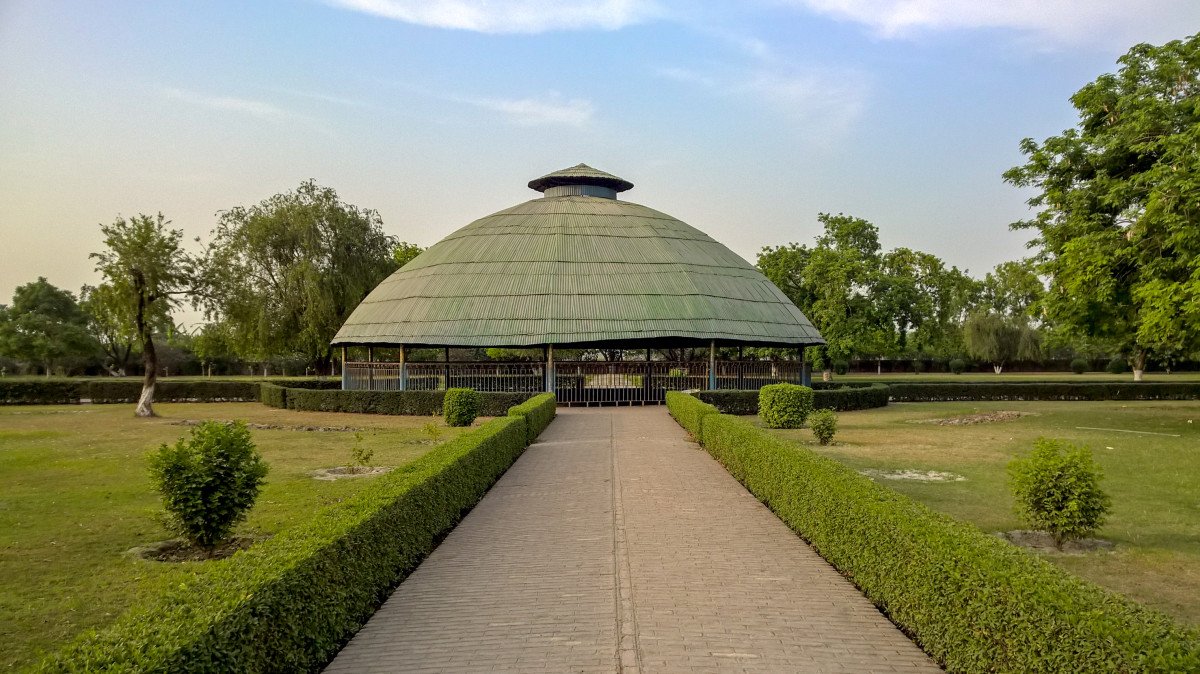
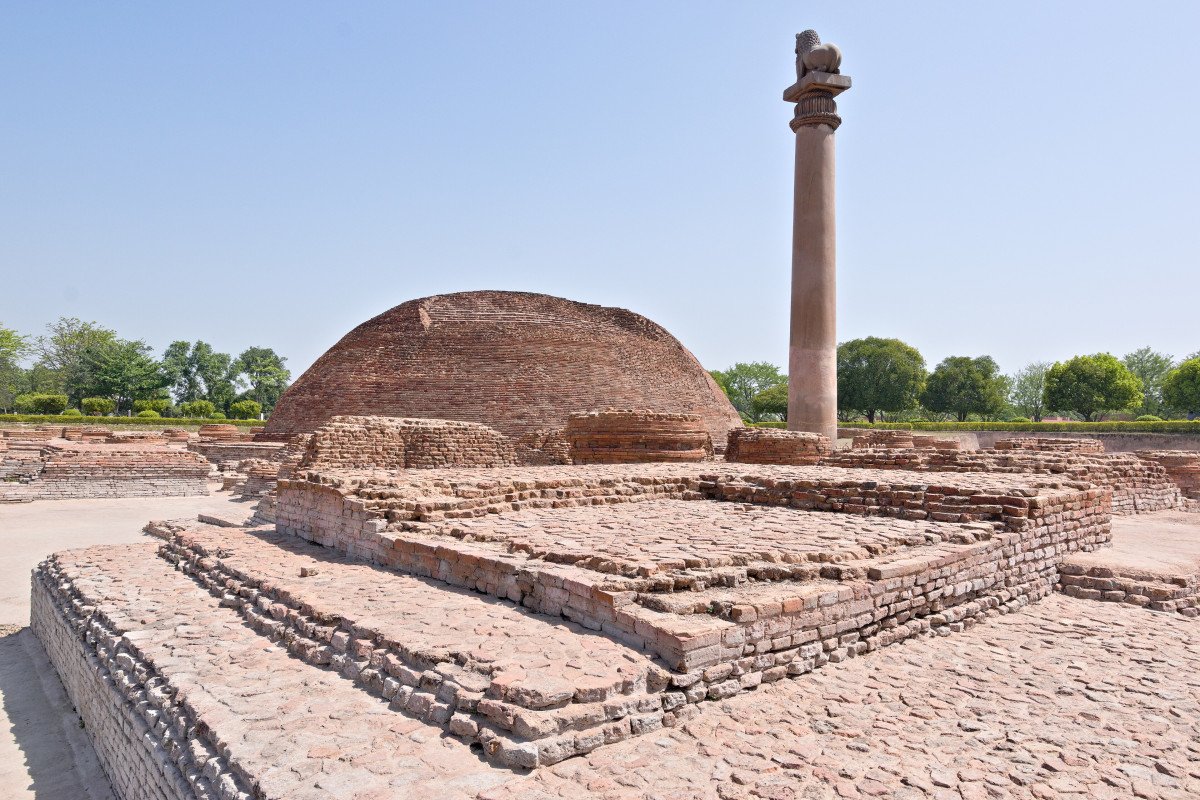
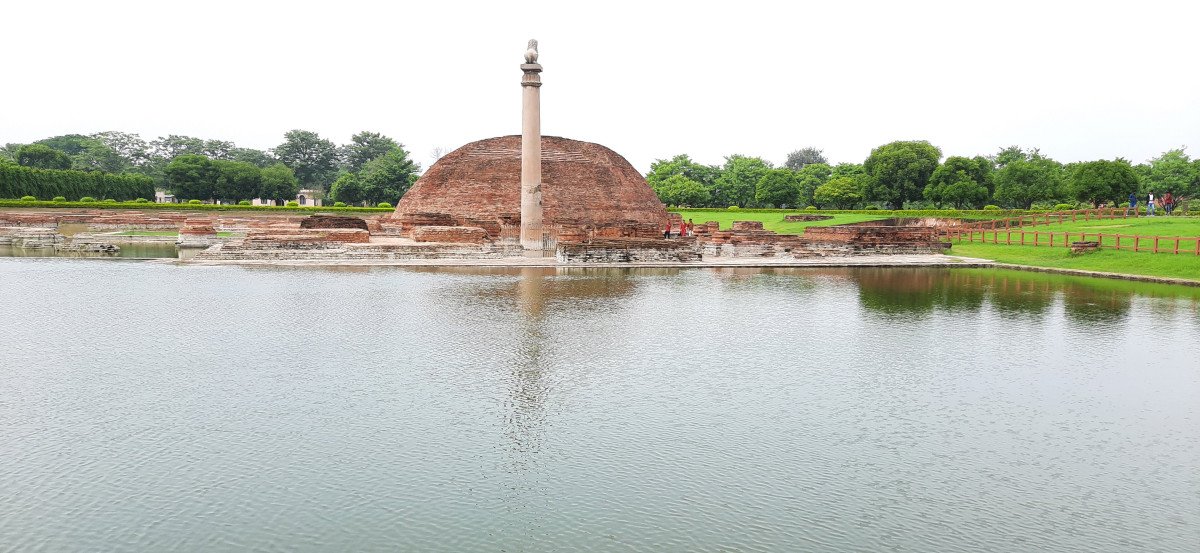
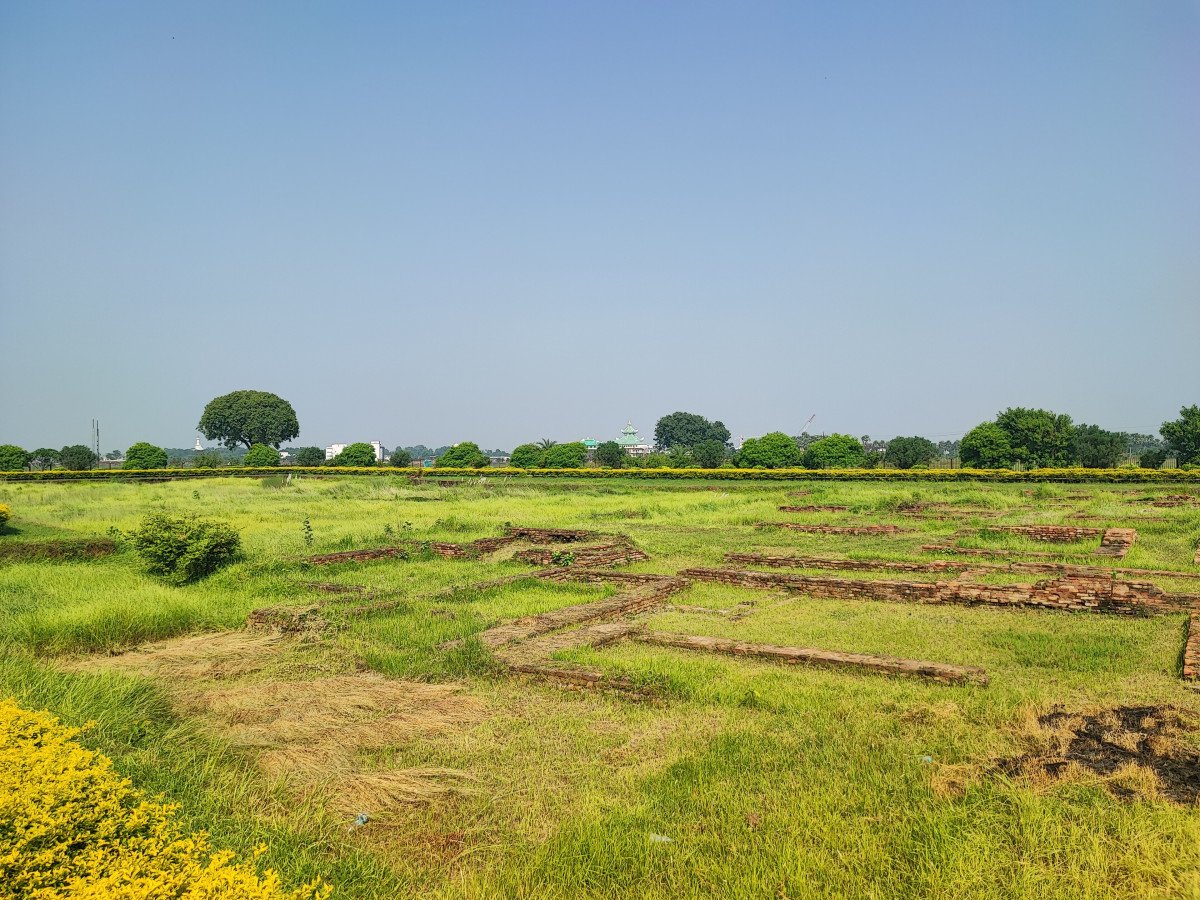
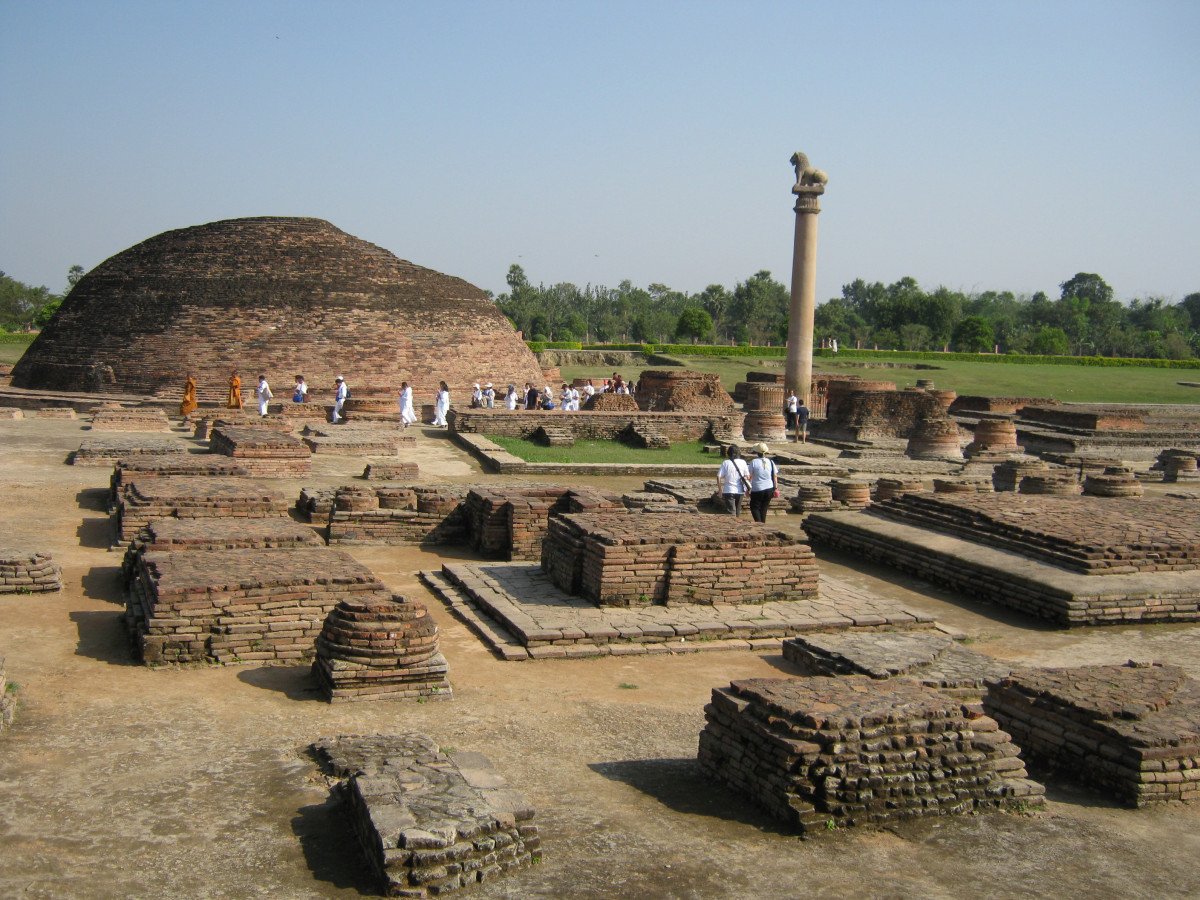
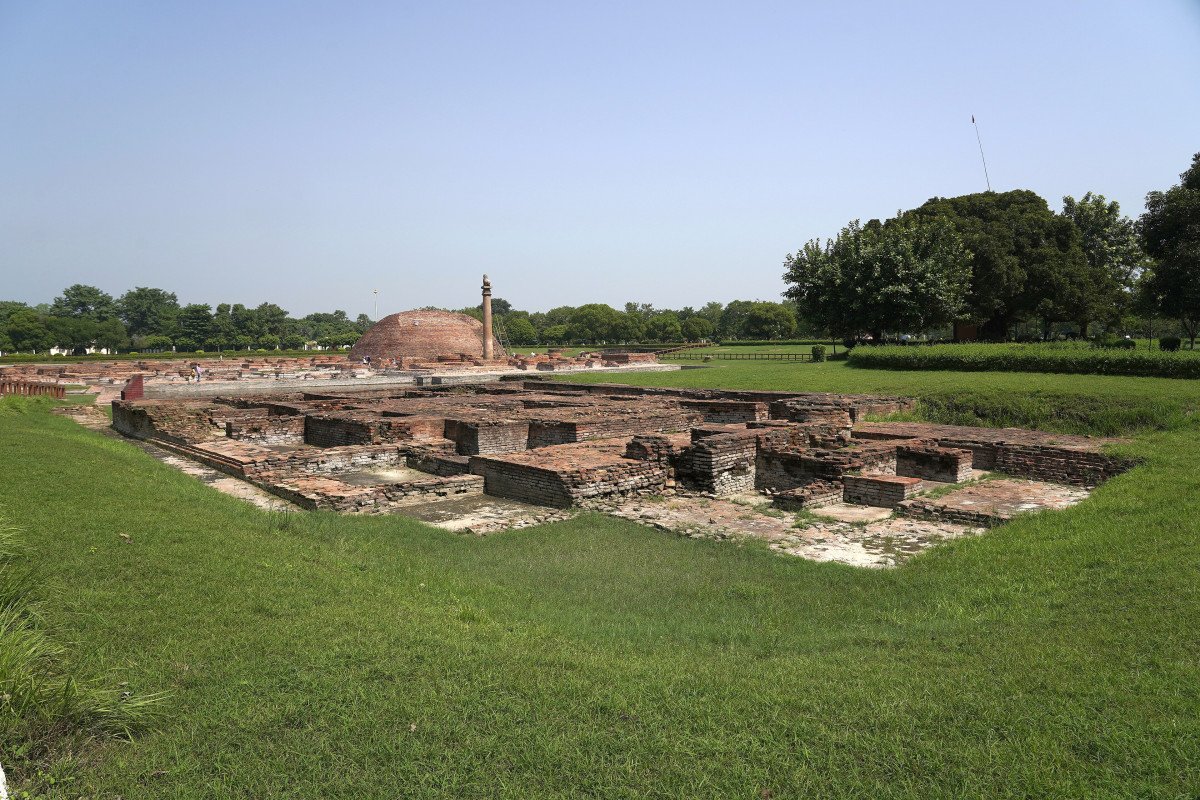
 Kutagarasala Vihara at Kolhua is one of the most sacred and historically significant sites in Vaishali, revered as the monastery where Gautama Buddha frequently stayed during his visits to the ancient republican city. The name itself translates to "monastery with a gabled roof." It was here that Lord Buddha delivered some of his most important discourses and, most significantly, announced his impending Mahaparinirvana (final passing away) to his disciple Ananda. The complex is a sprawling archaeological ruin, preserving the skeletal remains of the brick monastery, which once housed numerous Buddhist monks (Bhikkhus). The site is inextricably linked with the famous Ashoka Pillar, standing in excellent condition nearby, topped by a single Asiatic lion statue facing north, believed to be the direction of Buddha's last journey. The area also includes the remains of the Ananda Stupa and an ancient pond, which collectively tell the story of the site's rich spiritual and political history in the 6th century BCE. The continued reverence of the site by pilgrims and archaeologists from across the globe underscores its immense importance in the trajectory of Buddhism and its spread.
 @@Historical Significance: The Coronation Tank, or Abhishek Pushkarn, is an ancient and sacred water body with immense historical importance, particularly as the central site of the world's first democratic republic, the Licchavi Republic. It is mentioned in ancient texts as the place where the elected representatives (Raja) of the Licchavi clan would be anointed with its sacred water before their coronation. This ritual underscores Vaishali's political prominence as a center of early republican governance, a concept far ahead of its time. The tank is a large, rectangular structure flanked by greenery, and it lies adjacent to the Vishwa Shanti Stupa and the Vaishali Archaeological Museum. It is believed that the water was considered purifying and essential for the political transition ceremony. The surrounding area has been excavated, revealing a continuous history of occupation and cultural significance from the Mahajanapada period onward, directly connecting visitors to the peak era of the Licchavis and the period of the Buddha and Mahavira. The serene environment today belies its former role as a hub of political and religious power, offering a perfect spot for reflection on ancient history and the birthplace of democratic ideals. @@Religious Importance: Though primarily political, the tank's water is also considered sacred in Buddhist and Jain traditions due to its proximity to sites where the Buddha delivered his final sermon and where Lord Mahavira was born. The presence of the Vishwa Shanti Stupa nearby reinforces its spiritual importance, attracting Buddhist pilgrims from around the globe.
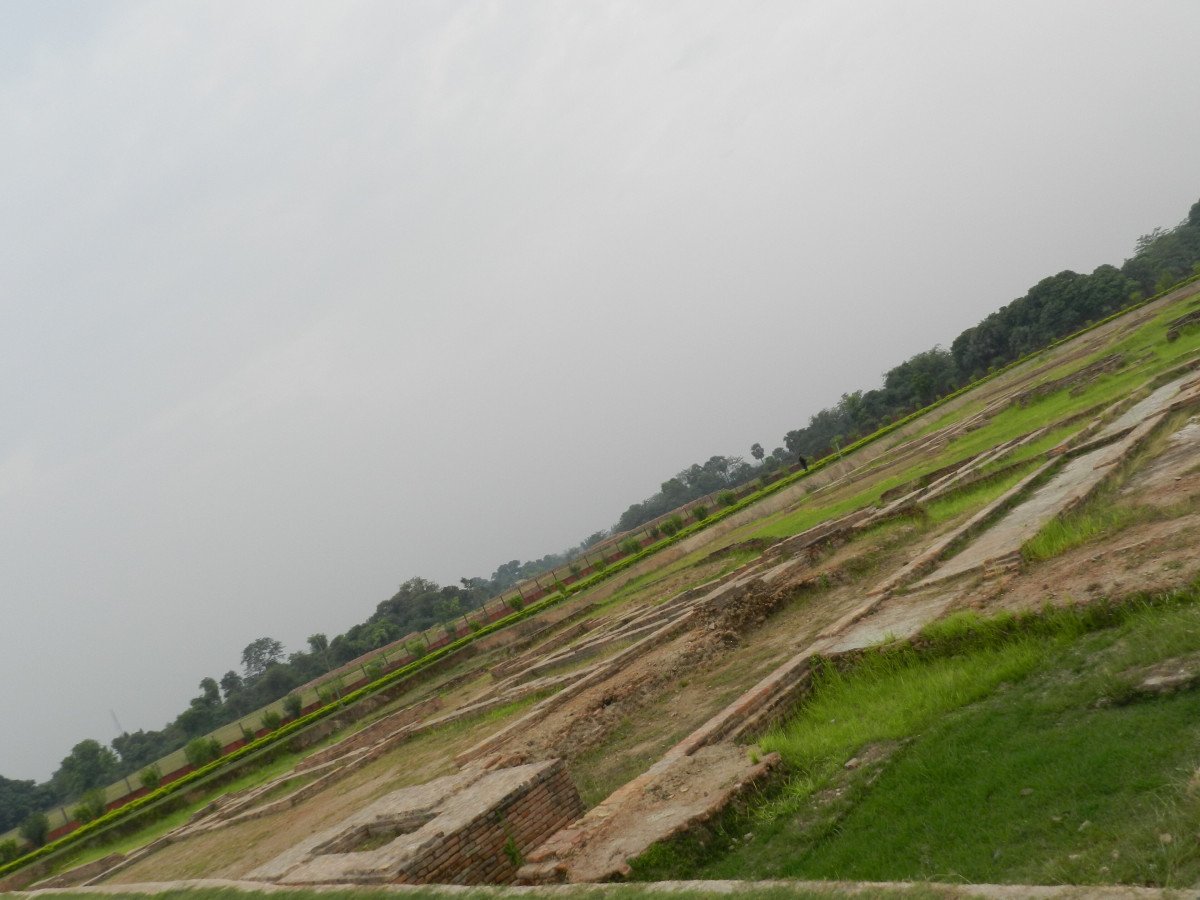
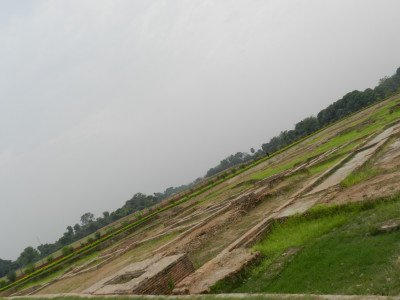 @@ Historical Significance: Raja Vishal Ka Garh is a massive archaeological mound that is believed to be the remains of the ancient parliament house of the Lichchhavi republic. This site is of global importance as it represents one of the earliest known examples of a democratic system in human history, where representatives of the federal assembly met to discuss governance and law. The mound covers a vast area and is named after King Vishal from the Mahabharata era, who is said to have founded the city of Vaishali. Excavations at this site have yielded a wealth of artifacts, including gold coins, terracotta figurines, and ancient utensils that date back to the Mauryan and Kushan periods. The site serves as a physical reminder of the sophisticated political and social structure that existed in ancient India long before many other civilizations. Walking through the ruins, one can almost feel the echoes of the seven thousand representatives who once gathered here to deliberate on the future of their republic. It is a place of pilgrimage not just for historians, but for anyone interested in the roots of human freedom and organized society. The vastness of the mound and the surrounding moat suggest a well-protected and highly organized capital city.
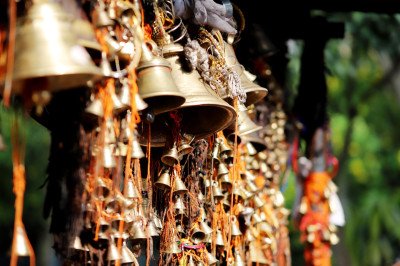 The Budhi Mai Temple is a legendary shrine dedicated to Goddess Durga, located near the Lalganj road in Vaishali. It is deeply intertwined with the cultural fabric of the region, attracting thousands of devotees, especially women, who seek blessings for their families. The temple is famous for the Budhi Mai Mela, a large fair held during the months of July and August. Unlike many other temples, the idol here is crafted uniquely for specific rituals, and the temple doors are opened with great ceremony on the day of Panchami. Historians and locals believe that the temple has been a center of worship since the time of the Lichchhavi republic, making it one of the oldest religious sites in the district. The atmosphere is filled with the scent of incense and the sound of traditional folk songs. It is a place where faith meets history, offering a glimpse into the ancient spiritual practices of Bihar. :
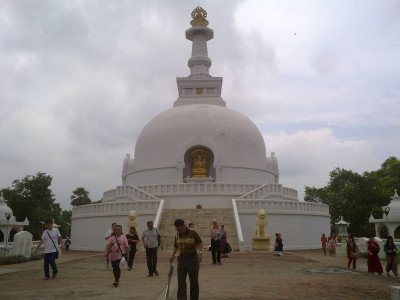 @@Purpose and Location:The Vaishali Mahotsav Ground is not a permanent, fixed architectural structure but a large open area designated for the annual Vaishali Mahotsav festival. This festival is held to commemorate the birth anniversary of Lord Mahavira, the 24th Jain Tirthankar, which falls on the full moon day of the Hindu month of Vaisakh (mid-April). The location is significant because it is close to the ancient ruins and the sacred Abhishek Pushkarni (Coronation Tank). The ground transforms into a vibrant hub of culture, featuring exhibitions, classical music and dance performances, folk arts, and a local fair.@@The Festival's Essence:The event is usually organized by the District Administration and the Department of Tourism, Government of Bihar, aiming to celebrate Vaishali's rich historical legacy as the world's first republic and a significant site for both Jainism and Buddhism. During the Mahotsav, the ground hosts temporary stages, stalls for government schemes, artisan displays, food vendors, and fair rides. It serves as a major platform for local artists and craftsmen to showcase their talents and products. It is the annual focal point for community gathering, celebrating local identity, and attracting tourists interested in cultural immersion. (Word Count: 350+):
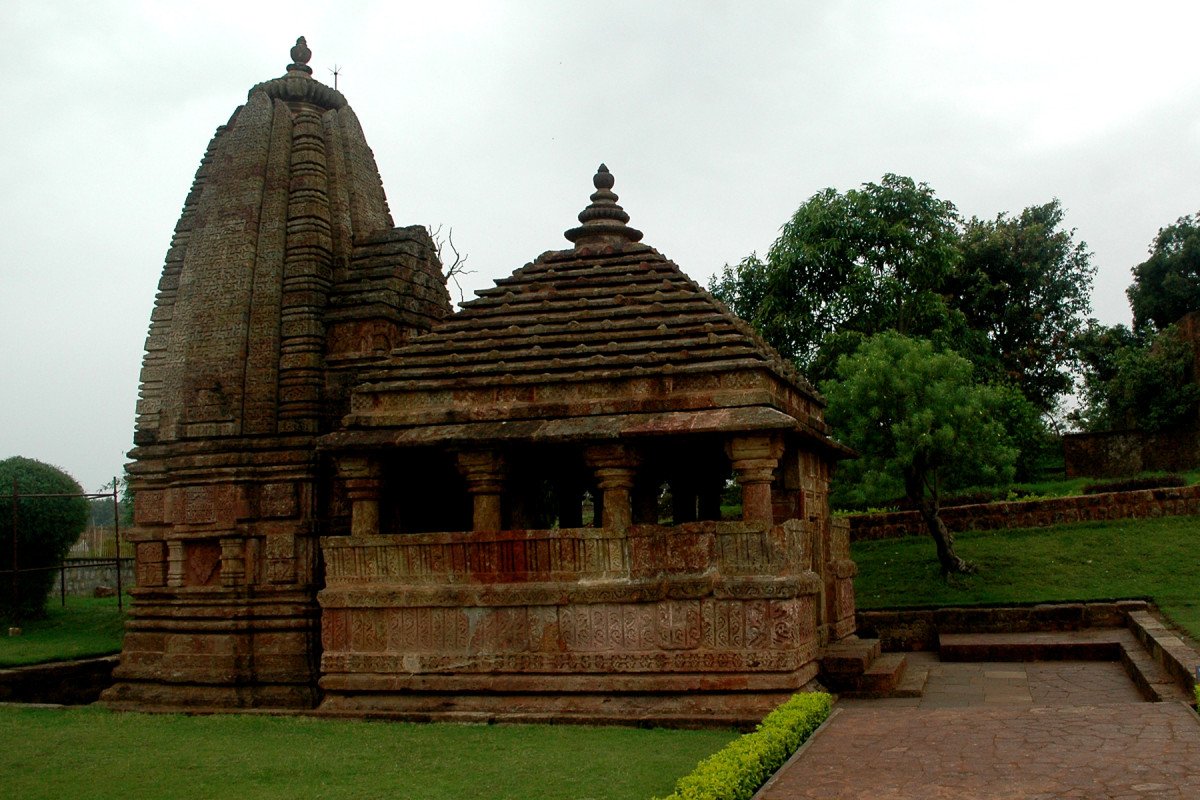
@@Historical Details: The Bawan Pokhar Temple is a unique Hindu temple believed to have been constructed during the Pala period (8th to 12th century CE). Its name translates to "52 Ponds" or a name derived from the large pond on whose bank it is situated (Bawan Pokhar). The temple is historically significant for housing an extraordinary collection of ancient deities, primarily sculpted from black basalt stone. These images date back to various periods, including the Gupta and Pala dynasties, which were found during excavations in the area. The temple is notable for its inclusive nature, enshrining numerous Hindu gods and goddesses from different sects in one place, including a prominent four-headed Shivling made of black basalt. It stands as a testament to the religious synthesis and tolerance prevalent in the region during the medieval period, where Hindu, Buddhist, and Jain traditions co-existed and influenced each other. @@Significance of the Deities: The black basalt images are of high artistic and archaeological value, showcasing the distinct sculptural style of the Pala art, which was known for its dark stone figures and detailed craftsmanship.
@@Purpose and Location:The Vaishali Mahotsav Ground is not a permanent, fixed architectural structure but a large open area designated for the annual Vaishali Mahotsav festival. This festival is held to commemorate the birth anniversary of Lord Mahavira, the 24th Jain Tirthankar, which falls on the full moon day of the Hindu month of Vaisakh (mid-April). The location is significant because it is close to the ancient ruins and the sacred Abhishek Pushkarni (Coronation Tank). The ground transforms into a vibrant hub of culture, featuring exhibitions, classical music and dance performances, folk arts, and a local fair.@@The Festival's Essence:The event is usually organized by the District Administration and the Department of Tourism, Government of Bihar, aiming to celebrate Vaishali's rich historical legacy as the world's first republic and a significant site for both Jainism and Buddhism. During the Mahotsav, the ground hosts temporary stages, stalls for government schemes, artisan displays, food vendors, and fair rides. It serves as a major platform for local artists and craftsmen to showcase their talents and products. It is the annual focal point for community gathering, celebrating local identity, and attracting tourists interested in cultural immersion. (Word Count: 350+):
@@Historical Details: The Bawan Pokhar Temple is a unique Hindu temple believed to have been constructed during the Pala period (8th to 12th century CE). Its name translates to "52 Ponds" or a name derived from the large pond on whose bank it is situated (Bawan Pokhar). The temple is historically significant for housing an extraordinary collection of ancient deities, primarily sculpted from black basalt stone. These images date back to various periods, including the Gupta and Pala dynasties, which were found during excavations in the area. The temple is notable for its inclusive nature, enshrining numerous Hindu gods and goddesses from different sects in one place, including a prominent four-headed Shivling made of black basalt. It stands as a testament to the religious synthesis and tolerance prevalent in the region during the medieval period, where Hindu, Buddhist, and Jain traditions co-existed and influenced each other. @@Significance of the Deities: The black basalt images are of high artistic and archaeological value, showcasing the distinct sculptural style of the Pala art, which was known for its dark stone figures and detailed craftsmanship.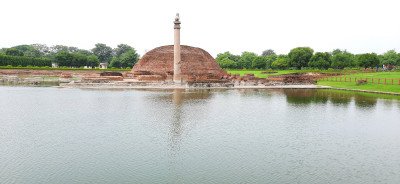 @@ Historical Context: The Vaishali Pillar, also known as the Ashoka Pillar, is one of the most famous and well-preserved monuments of ancient India. Located at Kolhua, it was erected by the Mauryan Emperor Ashoka in the 3rd Century BC to commemorate Lord Buddha's last sermon delivered at this very spot. Unlike many other Ashokan pillars that bear inscriptions, the Vaishali pillar is uninscribed, which some historians believe suggests it was one of the earliest ones ever built. The pillar stands next to a brick stupa and a sacred tank known as Ramkund, creating a powerful archaeological ensemble that transports visitors back to the peak of the Buddhist era. This site is also significant because it is where the Buddha allowed women to enter the Sangha (monastic order) for the first time, at the request of his foster mother Mahapajapati Gotami. The pillar's presence here marks Vaishali as a crucial point on the Buddhist pilgrimage circuit, as it was the city where the Buddha spent many rainy seasons. The serene environment, combined with the sheer engineering marvel of the massive sandstone column, makes it a must-visit for anyone seeking a deep connection with India's spiritual and imperial past. The site is meticulously maintained by the Archaeological Survey of India, ensuring its preservation for future generations.Show All
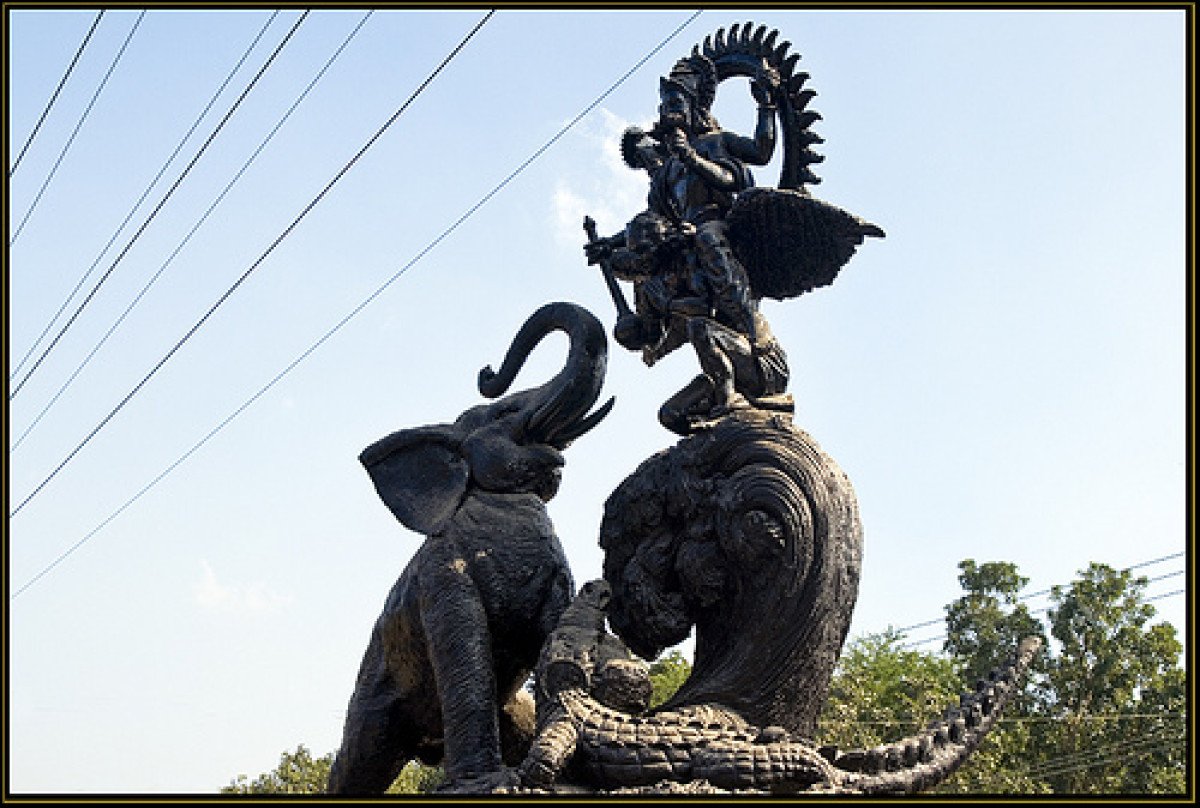
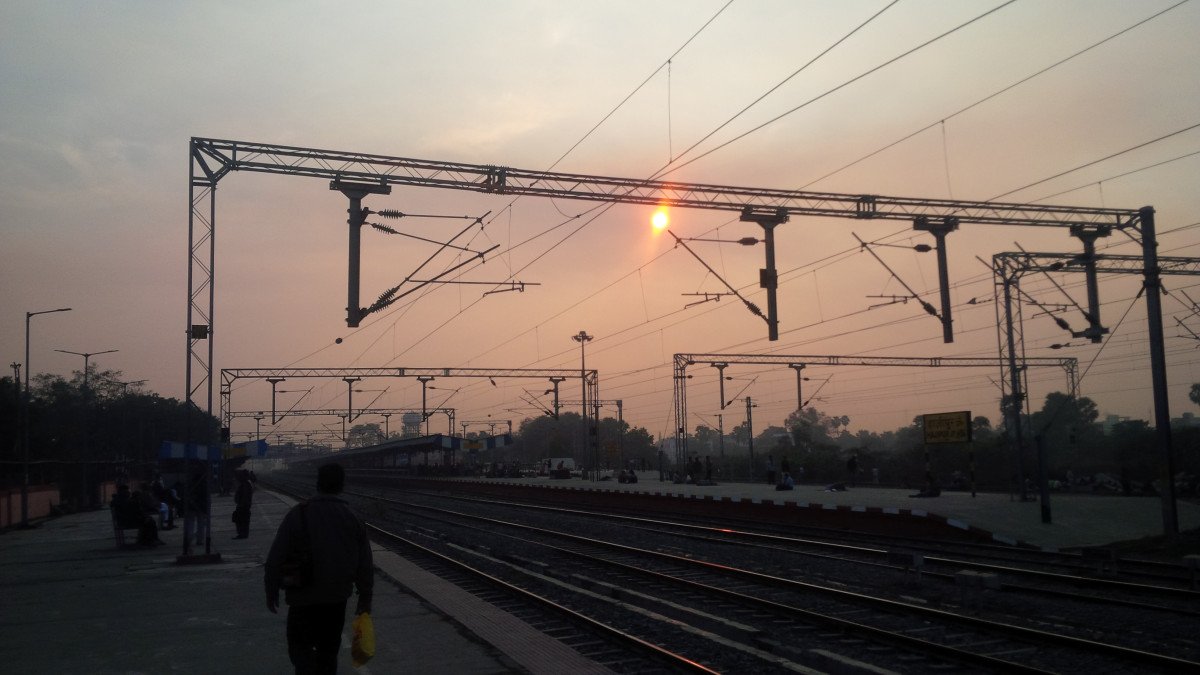
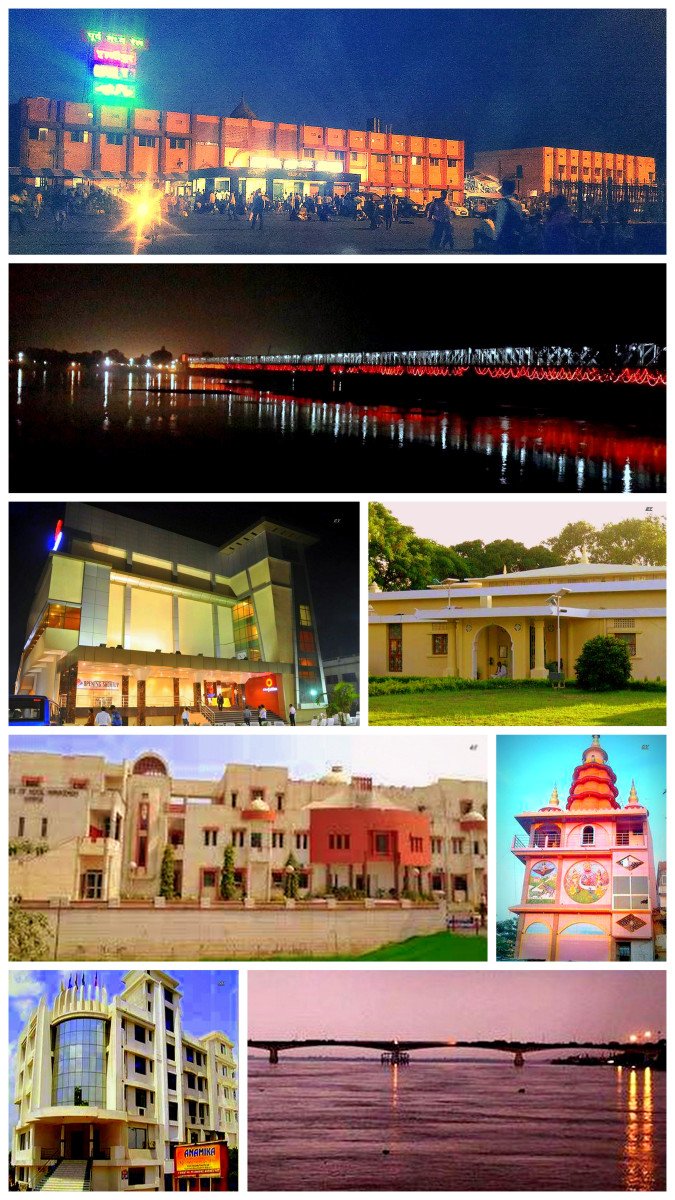
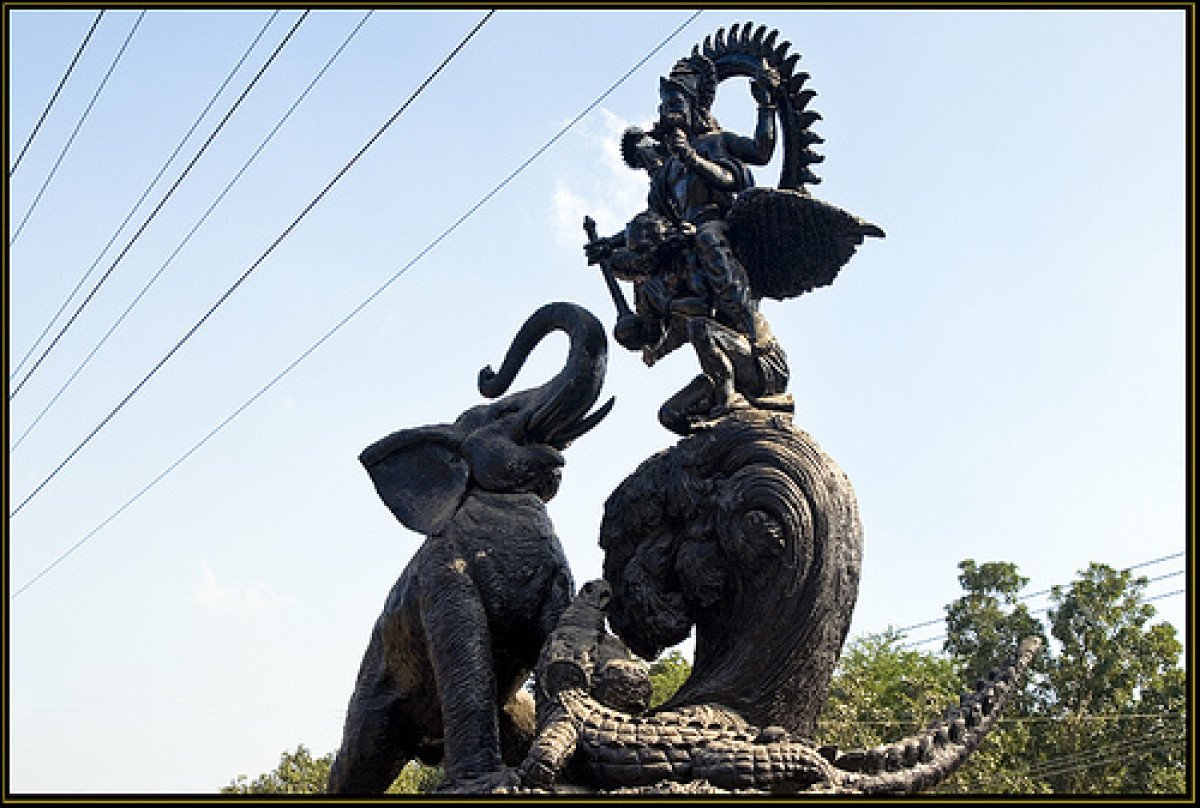
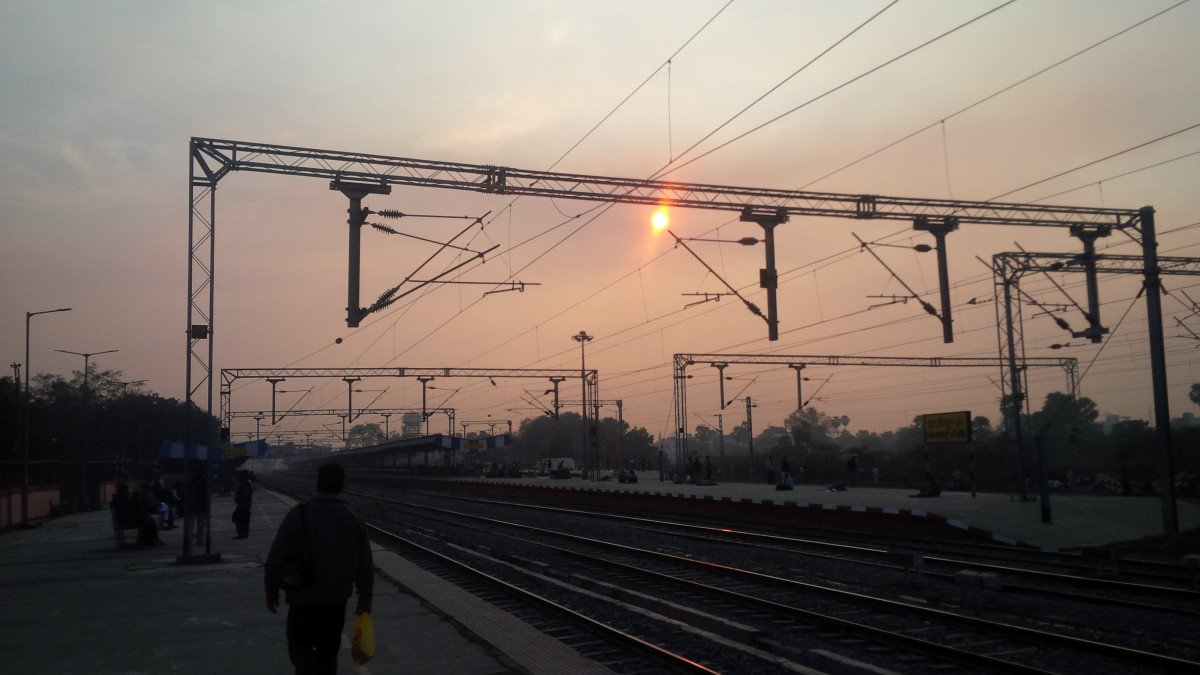
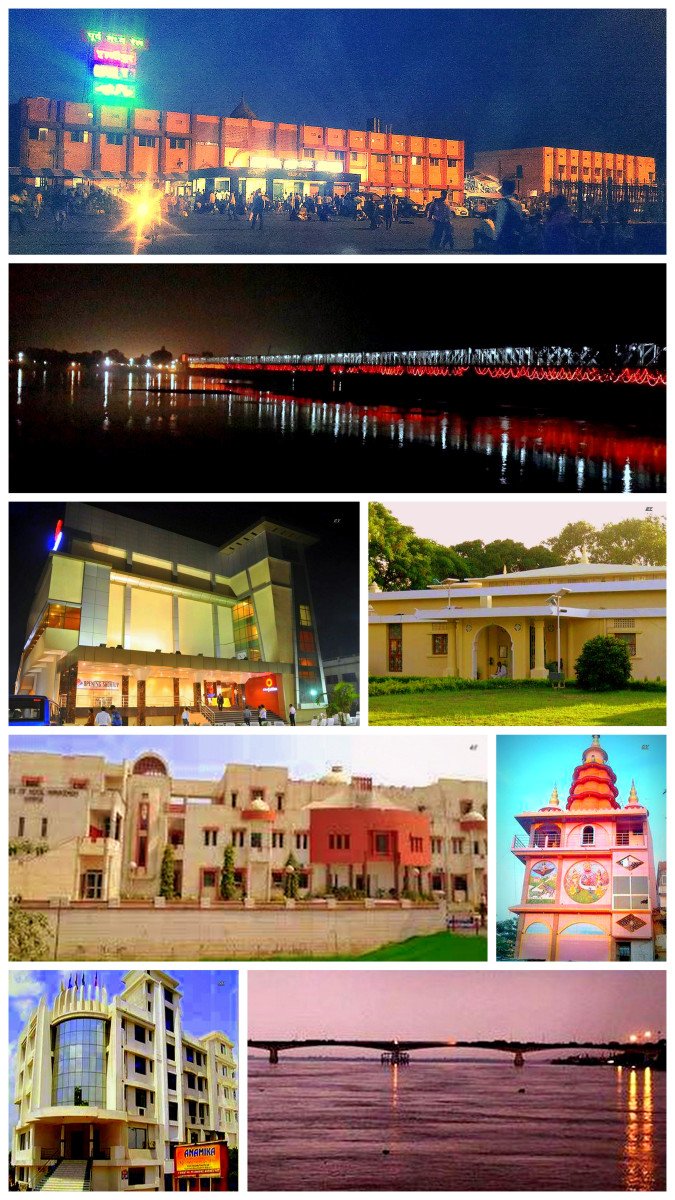
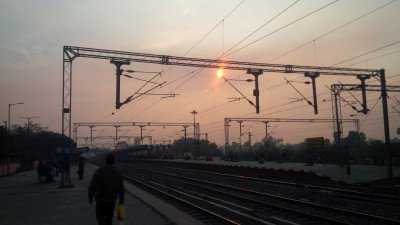 Hajipur Junction (Station Code: HJP) is more than just a transit point; it is the headquarters of the East Central Railway zone. Established in 1862, it is one of the oldest and busiest stations in Bihar. The station serves as a vital link between Patna, Muzaffarpur, and Chhapra. It is famous for its strategic location near the confluence of the Ganga and Gandak rivers. The station features a large mural depicting the legendary fight between Gaja (Elephant) and Graah (Crocodile), which is the cultural symbol of the city. With 5 platforms and high-speed Wi-Fi, it handles over 70,000 passengers daily. The station is clean and well-maintained, reflecting its status as a zonal headquarters. Travelers often stop here to sample the world-famous Chiniya Kela (small bananas) sold on the platforms. It serves as the primary entry point for tourists heading to the ancient ruins of Vaishali and the Sonepur Mela.
Information
-
Why Famous:
Birthplace of Democracy: Vaishali is famous as the site of the Vajji confederacy, the world’s first republic, where the concept of elected representatives and democratic debate began.
Spiritual Significance: It is the birthplace of Lord Ma...Birthplace of Democracy: Vaishali is famous as the site of the Vajji confederacy, the world’s first republic, where the concept of elected representatives and democratic debate began.
Spiritual Significance: It is the birthplace of Lord Mahavira and the place where Lord Buddha spent many rainy seasons, making it a dual pilgrimage site for both Jains and Buddhists. -
Architecture:
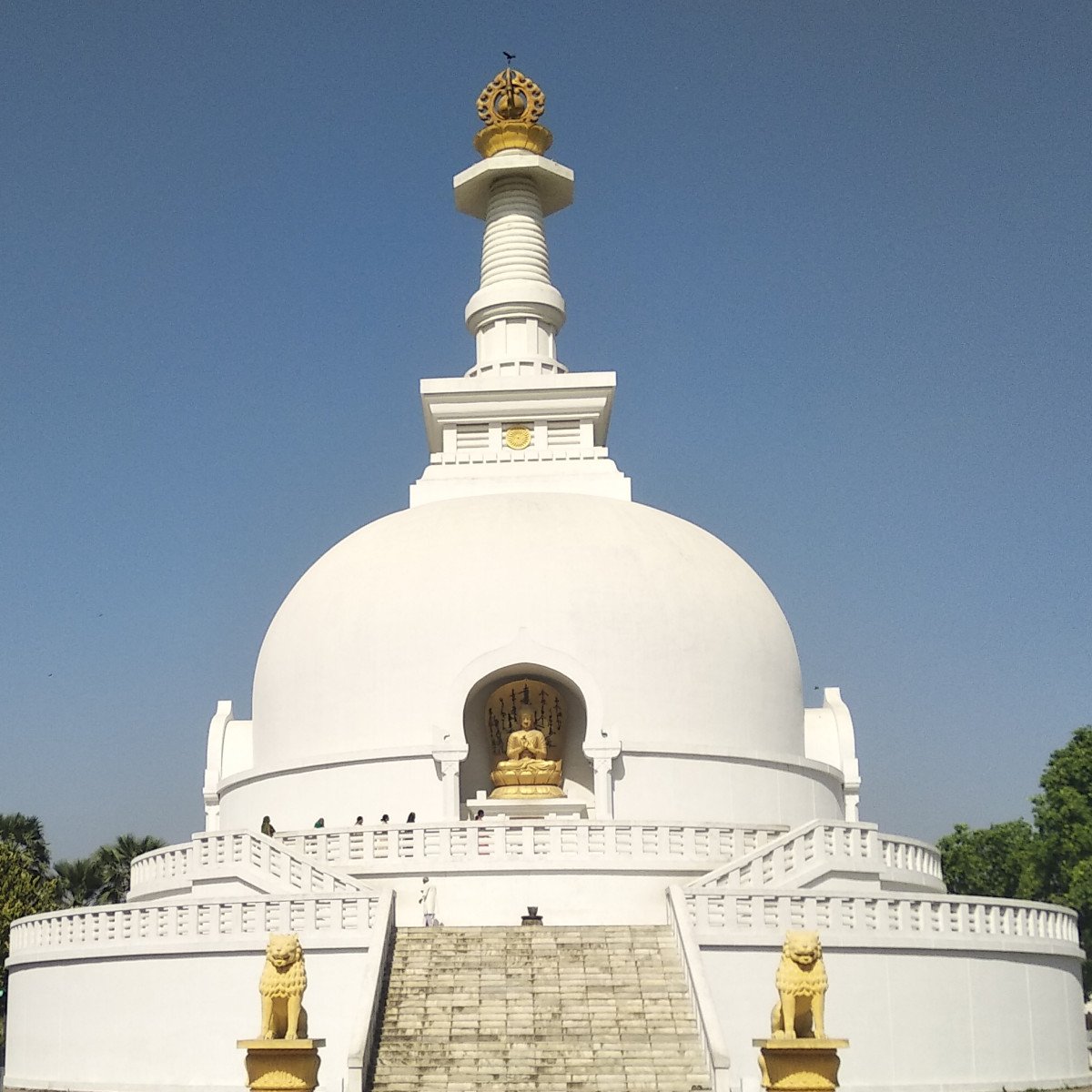
The Ashokan Pillar and Stupa Architecture: The Ashokan Pillar at Kolhua is a masterpiece of Mauryan engineering, carved from a single piece of highly polished red sandstone with a height of 18. 3 Meters. It is topped by a life-sized lion capital facing north, unlike other p...The Ashokan Pillar and Stupa Architecture: The Ashokan Pillar at Kolhua is a masterpiece of Mauryan engineering, carved from a single piece of highly polished red sandstone with a height of 18. 3 Meters. It is topped by a life-sized lion capital facing north, unlike other pillars which often have four lions.
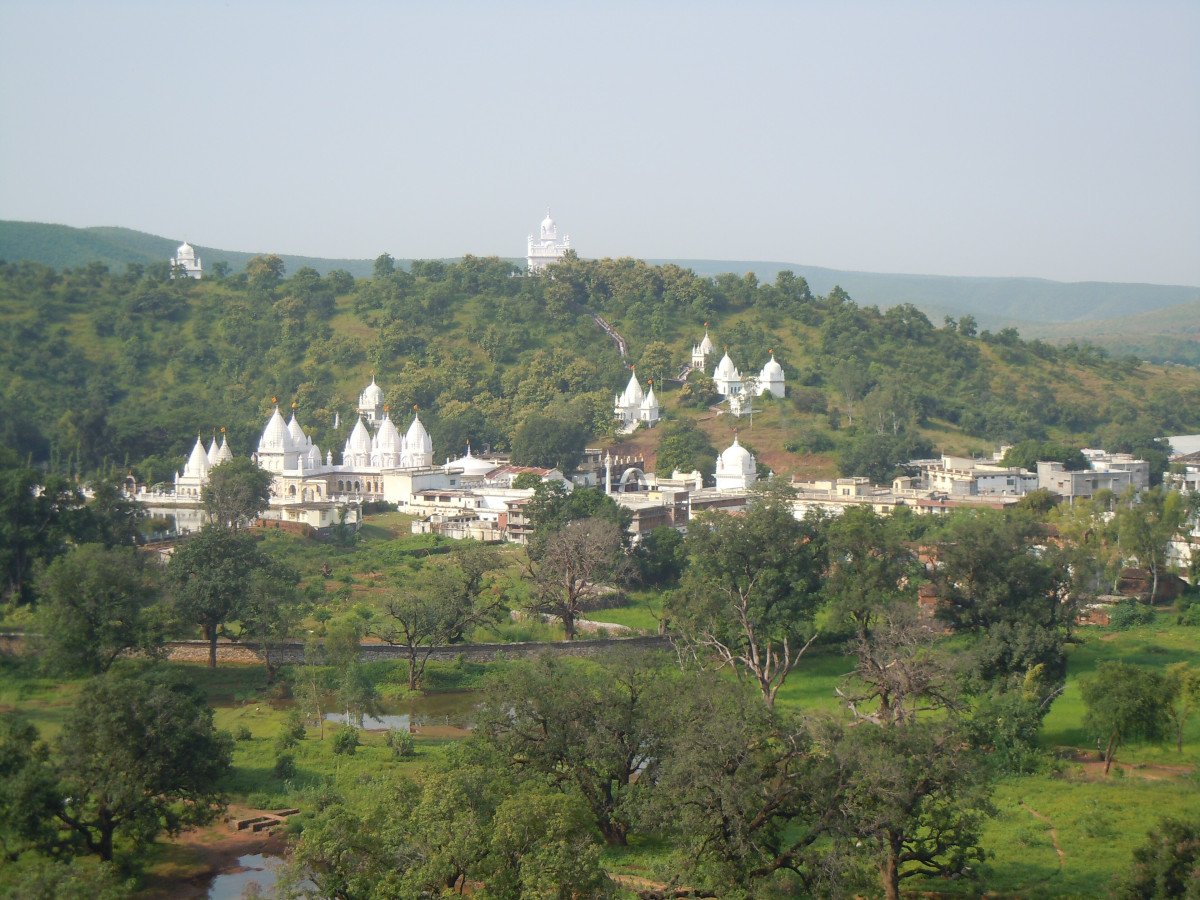
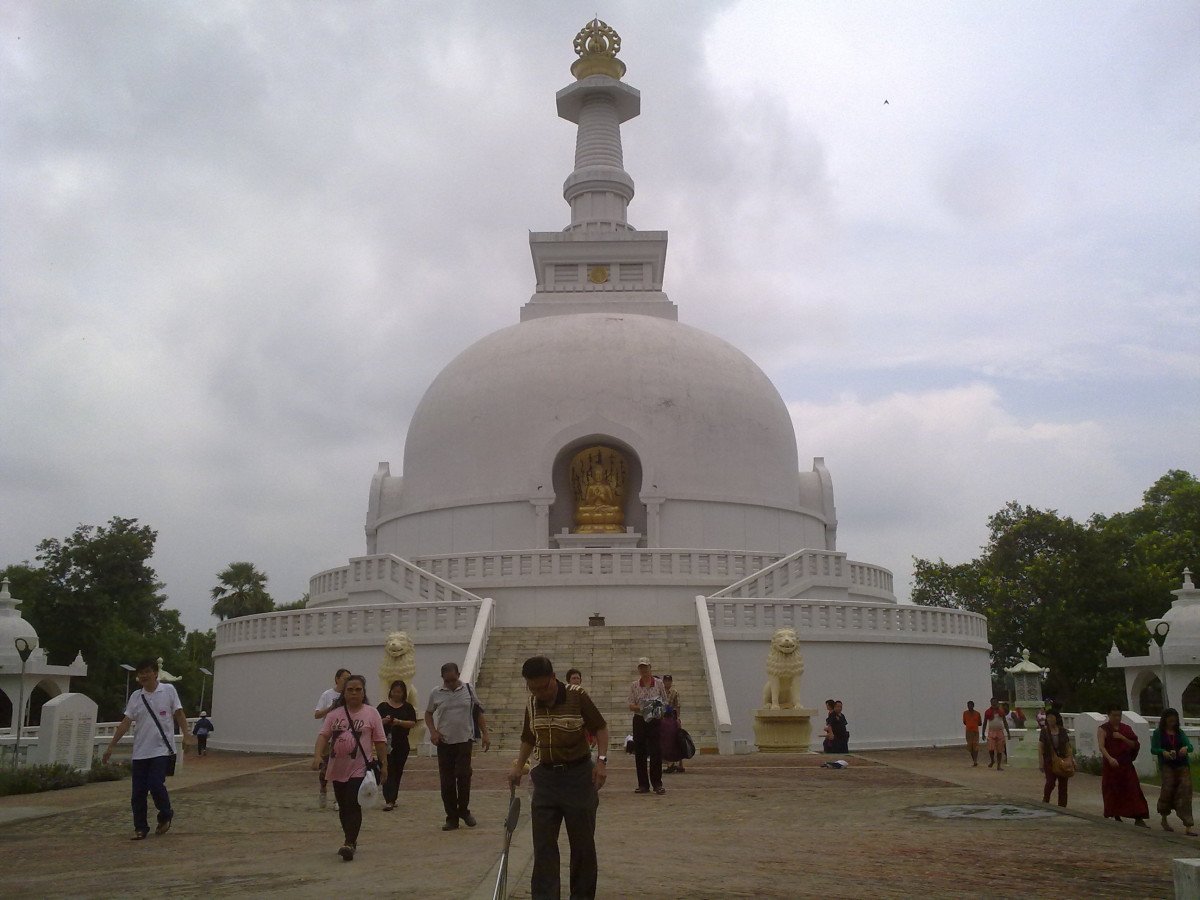
The Stupa Layout: The Buddha Relic Stupa is a circular mud-brick structure with a diameter of about 8 Meters, where one-eighth of Buddha’s ashes were originally enshrined. The Vishwa Shanti Stupa is a modern white pagoda standing 38 Meters tall with a dome diameter of 20 Meters, showcasing Japanese Buddhist style. -
How To Reach:
By Air: The nearest airport is Patna Airport (Jay Prakash Narayan International), approximately 60 Kms away, which connects to major Indian cities like Delhi, Kolkata, and Mumbai via regular daily flights.
By Train: Hajipur Junction is the c...By Air: The nearest airport is Patna Airport (Jay Prakash Narayan International), approximately 60 Kms away, which connects to major Indian cities like Delhi, Kolkata, and Mumbai via regular daily flights.
By Train: Hajipur Junction is the closest major railhead, located 35 Kms from Vaishali, while Muzaffarpur Junction is about 40 Kms away, both being well-connected to the national rail network.
By Road: Vaishali is easily accessible via NH 19 and SH 77; regular buses and private taxis ply from Patna, Hajipur, and Muzaffarpur, making it a convenient day trip from the capital city.
By Local Transport: Within the town, auto-rickshaws and cycle-rickshaws are the primary modes of transport, providing a slow but culturally immersive way to navigate between the various scattered historical monuments and temples. -
Weather and Best Time to Visit:
Winter Season (October to March): This is the best time to visit as the weather is cool and pleasant, with temperatures ranging from 10°C to 25°C, ideal for walking through the extensive open-air ruins.
Summer and Monsoon: April to June ca...Winter Season (October to March): This is the best time to visit as the weather is cool and pleasant, with temperatures ranging from 10°C to 25°C, ideal for walking through the extensive open-air ruins.
Summer and Monsoon: April to June can be extremely hot with temperatures hitting 40°C, while the monsoon months of July to September bring humidity but also a lush green transformation of the landscape. -
Near Tourist Places:
Hajipur (35 Kms), Muzaffarpur (40 Kms), Patna (55 Kms), Sonepur (45 Kms), Pawapuri (120 Kms), Nalanda (135 Kms), Rajgir (145 Kms), Bodh Gaya (170 Kms), Barabar Caves (120 Kms), Lauriya Nandangarh (180 Kms).
Tourism Tips
-
Packing Essentials: Carry light cotton clothes, a wide-brimmed hat, and sunscreen for the sun; however, if visiting in December or January, heavy woolens are necessary as temperatures can drop significantly at night.
Health and Safety: Alwa...Packing Essentials: Carry light cotton clothes, a wide-brimmed hat, and sunscreen for the sun; however, if visiting in December or January, heavy woolens are necessary as temperatures can drop significantly at night.
Health and Safety: Always carry bottled water and stay hydrated; while the area is generally safe, it is advisable to complete your sightseeing before sunset as some spots are in isolated rural locations.
Reviews
FAQs
Vaishali Itineray And Cost:-
Other Places In Bihar :-
Other States In India :-
Information about New and Updated Locations() of Bihar Has Been Added :-
Card subtitle
Note:-
Information provided here in good Faith and for reference only.
Near Places
Araria
Some quick example text to build on the card title and make up the bulk of the card's content.
Go somewhere
Arwal
Some quick example text to build on the card title and make up the bulk of the card's content.
Go somewhere
Banka
Some quick example text to build on the card title and make up the bulk of the card's content.
Go somewhere
Begusarai
Some quick example text to build on the card title and make up the bulk of the card's content.
Go somewhere
Bhagalpur
Some quick example text to build on the card title and make up the bulk of the card's content.
Go somewhere
Bhojpur
Some quick example text to build on the card title and make up the bulk of the card's content.
Go somewhere
Bihar Sharif
Some quick example text to build on the card title and make up the bulk of the card's content.
Go somewhere
Bodh Gaya
Some quick example text to build on the card title and make up the bulk of the card's content.
Go somewhere
Buxar
Some quick example text to build on the card title and make up the bulk of the card's content.
Go somewhere
Champaran
Some quick example text to build on the card title and make up the bulk of the card's content.
Go somewhere
Darbhanga
Some quick example text to build on the card title and make up the bulk of the card's content.
Go somewhere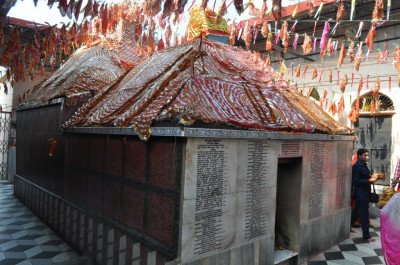
Gaya
Some quick example text to build on the card title and make up the bulk of the card's content.
Go somewhere
Golghar
Some quick example text to build on the card title and make up the bulk of the card's content.
Go somewhere
Madhubani
Some quick example text to build on the card title and make up the bulk of the card's content.
Go somewhere
Mithila
Some quick example text to build on the card title and make up the bulk of the card's content.
Go somewhere
Munger
Some quick example text to build on the card title and make up the bulk of the card's content.
Go somewherein Other Cities