General information
Photo Gallery
Things To Do
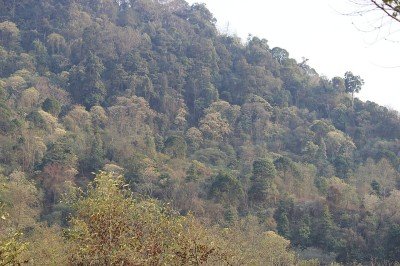
@@Historical Foundation and Spiritual Significance: The Kiphire Baptist Church stands as a testament to the profound influence of Christianity in Nagaland, particularly in the Kiphire District, where the majority of the population follows the Christian faith. It is not just a place of worship but a central institution that shapes the socio-cultural fabric of the Sangtam, Yimchungrü, and Sümi communities in the region. The Baptist denomination has a long and active history here, promoting education, community welfare, and ethical living alongside religious instruction. Its establishment reflects the shift from traditional Naga beliefs to the adopted faith, making it a critical landmark in understanding the district’s modern history. The church actively participates in local governance and social issues, often collaborating with tribal bodies. It hosts numerous religious camps, youth programs, and community outreach services throughout the year, especially around major holidays like Christmas and Easter. The large congregation represents the diverse tribal groups living together in Kiphire Town, symbolizing unity through shared faith. The church structure itself is modern, built to accommodate a growing number of adherents, signifying the robust and enduring nature of its spiritual mission. This church is a key stopping point for visitors interested in witnessing the everyday life and deep-seated religious commitment of the Naga people in Kiphire. It plays a pivotal role in maintaining peace and communal harmony within the town’s multi-ethnic environment. @@Community Role and Outreach Programs: The church is known for its extensive community services, including blood donation drives, running schools, and providing relief during natural calamities, cementing its status as a cornerstone of Kiphire society.
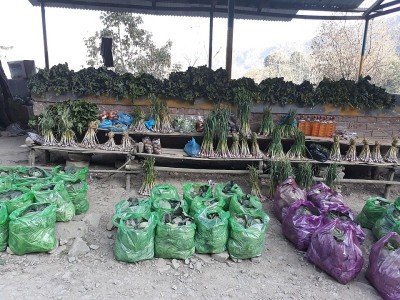
@@Pioneering Higher Education: Kiphire Government College, formally known as Zisaji Presidency College, is a pivotal educational institution, established on July 10, 1997. It is a co-educational college affiliated with Nagaland University and remains the sole institute for higher education in the Kiphire District, an eastern frontier bordering Myanmar. It was taken over by the Government of Nagaland in February 2006, underscoring its public importance. The college is strategically named "Zisaji" after three prominent geographical features of the district: ZI (Zingki River), SA (Saramati Peak), and JI (Jingkhu Valley), symbolizing its deep connection to the regional identity. The campus, located at Alikhong, is known for its scenic setting, surrounded by pine trees and offering a view of Mount Saramati. It is accredited with a Grade – B by NAAC, reflecting its commitment to academic quality. It primarily offers an Undergraduate program in the Arts stream, including subjects like Economics, English, History, and Political Science, along with various skill development courses. The college’s motto is “Dedication for Advancement,” emphasizing holistic development and serving as a crucial catalyst for socio-economic mobility for the youth of the district, many of whom come from remote villages. @@Campus Environment and Infrastructure: The college boasts a serene environment conducive to learning, with essential infrastructure being gradually developed to support its mission of providing quality, accessible higher education to the border region's youth.
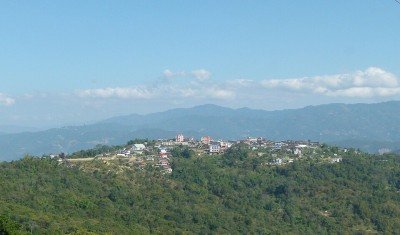
@@Historical Administrative Significance: The Kiphire Circuit House View is intrinsically linked to the administrative history of the region. A Circuit House is historically a lodging facility used by traveling government officials and dignitaries. The one in Kiphire is strategically located on a high point, indicating its importance during the early days of administrative expansion (starting around 1952). The "View" associated with it refers to the stunning landscape panorama available from its premises. It offers a commanding perspective over Kiphire Town, the surrounding rolling hills, and a distant view of the major geographical features, including glimpses of the Zungki River valley or the towering peaks of the Saramati range on a clear day. While the building itself is primarily functional, its location makes it an unofficial, yet highly frequented, spot for visitors seeking to orient themselves to the town's layout and capture photographs of the expansive scenery. The quiet, elevated position provides a peaceful contrast to the bustling town center. It represents the point from which the civil administration took root in this eastern frontier of Nagaland, following its carving out from the former Tuensang District. The area is well-maintained due to its official status. It is a place of calm reflection and a good spot to appreciate the strategic importance of Kiphire as a district headquarters. The view changes dramatically with the seasons—lush green during the monsoon, and clearer, colder vistas during Winter. @@Strategic Location and District Planning: The location of the Circuit House reflects colonial and post-colonial planning, ensuring administrators had an advantageous view for security and governance, showcasing a blend of functionality and scenic appreciation.
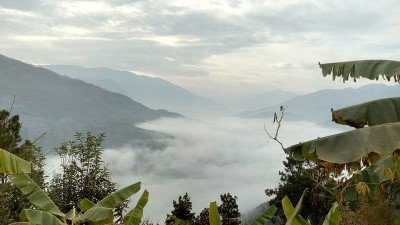
@@The Best Panoramic Overlook: The Kiphire Town Viewpoint is an easily accessible, designated tourist spot that provides the most comprehensive and awe-inspiring panoramic view of Kiphire Town and its majestic surroundings. From this vantage point, visitors can clearly see the clustered settlement of the town built along the hilly slopes, the winding roads, the prominent administrative buildings, and the spread of residential areas. The true spectacle, however, is the horizon dominated by the towering Mount Saramati (the highest peak in Nagaland at 3,840 meters) and the Jingkhu mountains. The viewpoint's elevated position makes it an ideal spot for photography, especially during sunrise and sunset, when the light dramatically colors the valleys and peaks. It offers a sense of scale, highlighting how the human settlement is nestled within the rugged, magnificent terrain of the Eastern Naga Hills. It is often equipped with a sitting area and perhaps a railing or a small platform for safety and comfort. This spot is essential for any visitor as it provides the context for the entire region—its geography, its isolation, and its natural beauty. It’s a perfect location for quiet contemplation and appreciating the district’s pristine environment. The viewpoint's altitude provides clean, crisp air, enhancing the viewing experience. @@A Geographical Landmark: It serves as a natural introduction to the region’s topography, showcasing the confluence of human habitation and immense natural grandeur, with the Indo-Myanmar border mountains visible on the clearest days.
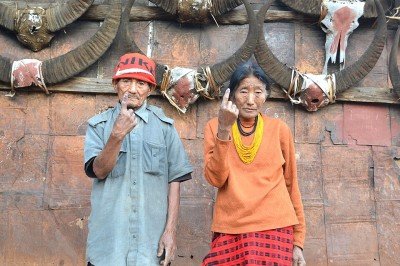
@@Custodian of Tribal Heritage: The Kiphire District Museum, operating under the District Cultural Office (established in 2017), is the primary institution dedicated to preserving and showcasing the unique cultural heritage of the district’s resident tribes: the Sangtam, Yimchungrü, and Sümi. Though housed in a modest facility (a rented building in Rest House Ward as of its initial establishment), its collection is invaluable. It focuses on ethnographic objects, including traditional attire, intricate beadwork, ancient weaponry, farming tools, musical instruments (like the Tetsü or Ache), and everyday artifacts that narrate the history, customs, and lifecycle of the local communities. The museum aims to build a bridge between the past and the present, documenting intangible heritage such as folk songs, oral traditions, and traditional festivals like Mongmong (Sangtam), Metümnio (Yimchungrü), and Tuluni (Sümi). The exhibits provide crucial context for understanding the societal structure, headhunting history, and subsequent cultural evolution due to the influence of Christianity. It also serves as a center for research, working to document the numerous limestone caves and other historical sites in the district. It plays a vital educational role, especially for local students, in promoting cultural pride and identity. Visitors gain an anthropological perspective on the rich diversity of the Naga people. @@Educational and Research Mandate: The museum’s mandate extends to documenting local flora, fauna, and traditional knowledge, making it a resource for researchers studying the socio-cultural and environmental landscape of Eastern Nagaland.

@@The Genesis of Modern Kiphire: Old Kiphire Village is the original settlement from which the modern Kiphire Town grew. The history of the current town area began in 1952 when land was donated by the villages of Kiphire and Singrep for the establishment of the Southern Administrative Centre. The Old Village, therefore, holds the ancestral memory and traditional social structure of the indigenous inhabitants, primarily belonging to the Sangtam and Yimchungrü tribes. Visiting here is stepping back into the traditional Naga way of life, distinct from the administrative and commercial bustle of the new town. The village retains traditional elements, including stone monoliths, morungs (traditional bachelor dormitories/community houses), and traditional Naga architecture featuring carved wooden posts and stone slab roofing. The community is typically led by the Village Council and the Gaon Burahs (GBs, village elders). The village is the repository of oral histories, traditional laws, and customary practices. It offers a genuine glimpse into the pre-colonial and pre-Christianized Naga social and cultural world. Its elevated position is typical of traditional Naga villages, built for defense and to command a view of the surrounding valleys. The environment is one of quiet dignity and tradition, showcasing resilience against modernization. @@Preservation of Traditional Life: This village serves as a living museum of Naga culture, where traditional governance systems, rituals, and agricultural cycles—like the Jhum cultivation—are still meticulously followed by the community members.
Information
Tourism Tips
Reviews
FAQs
-Kiphire-Nagaland-India Tourism:-
Other Places In :-
Other States In India :-
Information about New and Updated Locations() of Has Been Added :-
Card subtitle
Note:-
Information provided here in good Faith and for reference only.