

Sikkim
General information
-
Ideal Duration:
5 to 8 DaysPlace Type:
Hill Station / Nature / PilgrimageEntry Fees:
Permit Fees: While there is no general "entry fee" for the state, foreign tourists must obtain a Restricted Area Permit (RAP) which is free of cost. This permit is usually issued for 30 days and can be obtained at border checkposts like Rangpo or Melli.
Read MorePermit Fees: While there is no general "entry fee" for the state, foreign tourists must obtain a Restricted Area Permit (RAP) which is free of cost. This permit is usually issued for 30 days and can be obtained at border checkposts like Rangpo or Melli.
Protected Area Permits: For visiting high-altitude areas like Nathula Pass, Tsomgo Lake, and Yumthang, a Protected Area Permit (PAP) is required for everyone. These are usually arranged by registered travel agents for a nominal processing fee of around Rs.200 to Rs.500 per head.
Monastery Entry: Most prominent monasteries and tourist parks in Sikkim charge a small entry fee ranging from Rs.20 to Rs.50. This money is typically used for the maintenance of the religious sites and the surrounding gardens.
New Sustainability Fee: Starting in October 2025, the government introduced a Rs.50 sustainability fee per tourist, collected during hotel check-ins. This fund is dedicated to improving tourism infrastructure and waste management across the various districts of the state.Timing:
Operating Hours: Most tourist attractions, including monasteries and parks, are open from 9:00 AM to 5:00 PM daily. It is advisable to visit early in the morning as mountain weather tends to become foggy or cloudy by the afternoon.
Market Timin...Operating Hours: Most tourist attractions, including monasteries and parks, are open from 9:00 AM to 5:00 PM daily. It is advisable to visit early in the morning as mountain weather tends to become foggy or cloudy by the afternoon.
Market Timings: The famous MG Marg in Gangtok is most lively between 4:00 PM and 8:00 PM, after which shops begin to close. However, please note that most markets in Sikkim remain closed on Tuesdays or Sundays depending on the specific town.
Ideal Visit Time: The best time to start your daily sightseeing is 8:00 AM to make the most of the clear morning skies. For high-altitude trips to North Sikkim, vehicles often depart as early as 5:00 AM to avoid road blockages and bad weather.
Seasonality: During the peak seasons of Spring and Autumn, tourist spots may have extended hours to accommodate the crowds. Conversely, in Winter, many high-altitude roads might close by 3:00 PM due to the risk of black ice and early sunsets.Special Events:
Saga Dawa: This is the most sacred festival in Sikkim, celebrating the birth, enlightenment, and nirvana of Lord Buddha. It is observed with massive processions in Gangtok where monks carry holy scriptures through the streets.
Losoong Festival:...Saga Dawa: This is the most sacred festival in Sikkim, celebrating the birth, enlightenment, and nirvana of Lord Buddha. It is observed with massive processions in Gangtok where monks carry holy scriptures through the streets.
Losoong Festival: Marking the Sikkimese New Year and the end of the harvest season, Losoong is celebrated with traditional dances and archery. The "Chaam" dances performed at the monasteries during this time are meant to symbolize the victory of good over evil.
Pang Lhabsol: This unique festival pays homage to Mount Kanchenjunga as the guardian deity of Sikkim. It features spectacular warrior dances where performers wear traditional armor and heavy masks to represent the mountain spirits.
Bumchu Festival: Held at the Tashiding Monastery, this event involves opening a sacred pot of water to predict the state's future. Devotees from all over the world gather in January or February to receive a few drops of this holy water.Best Photo Spots:
Gurudongmar Lake: This is one of the highest lakes in the world, and its crystal-clear blue water reflecting the snow peaks is a photographer's dream. The stark, desert-like landscape of North Sikkim surrounding the lake provides a dramatic contrast for wide-angle shots.Gurudongmar Lake: This is one of the highest lakes in the world, and its crystal-clear blue water reflecting the snow peaks is a photographer's dream. The stark, desert-like landscape of North Sikkim surrounding the lake provides a dramatic contrast for wide-angle shots.
Yumthang Valley: Known as the Valley of Flowers, this spot is most photogenic during April and May when hundreds of species of primulas and rhododendrons bloom. The wandering yaks and the flowing river in the valley add life to every frame captured here.
Tashi View Point: Located near Gangtok, this point is the best place to capture the sunrise over the Himalayas. The changing colors of the sky from deep purple to bright orange behind the peaks create a stunning time-lapse opportunity.
Buddha Park, Ravangla: The massive 130-foot statue of Buddha set against the backdrop of the mountains is a masterpiece of modern religious architecture. The manicured gardens and the evening lighting make it a perfect spot for both day and night photography.Photo Gallery
Things To Do
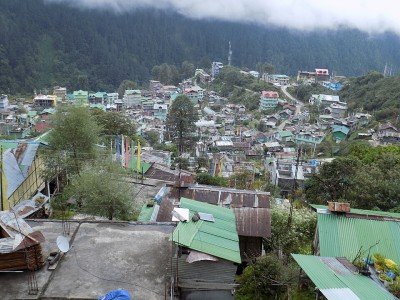 @@The Village Life: Lachen is a remote high-altitude village that serves as the base for the sacred Gurudongmar Lake. The town is inhabited by the Lachenpa community who follow a unique administrative system called Dzumsa. The atmosphere here is deeply serene with wooden homes, narrow alleys, and prayer flags fluttering in the mountain breeze. It is a place where time seems to slow down significantly. @@Natural Splendor: The region is surrounded by snow-capped peaks and thick alpine forests. During the winter, the entire landscape is covered in a thick blanket of snow, making it a wonderland for adventure seekers. In the summer, the valley transforms into a vibrant canvas of wildflowers and rhododendrons. The air is crisp and carries the fragrance of pine needles. @@Cultural Heritage: The local culture is a blend of Tibetan and Sikkimese traditions. Visitors can witness the traditional lifestyle of the nomadic yak herders during certain seasons. The Lachen Monastery stands as a testament to the spiritual roots of this high-altitude settlement. The people are known for their warm hospitality and simple way of living. @@Gateway to Heights: It is the primary starting point for treks and excursions to the northernmost parts of India. Being close to the Indo-China border, it remains a sensitive and pristine zone. The lack of modern commercialization keeps the natural beauty intact and authentic. It is an essential stop for anyone wishing to explore the rugged beauty of the North.
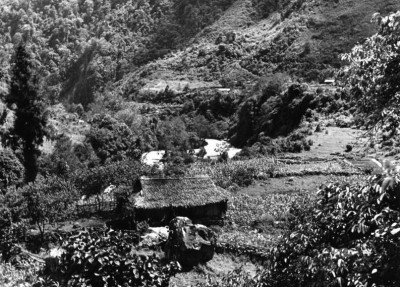 @@Chungthang Historical Significance: Chungthang is a historic town nestled at the confluence of Lachen Chu and Lachung Chu rivers in North Sikkim. It is widely believed to be a holy place blessed by Guru Padmasambhava, the patron saint of Sikkim. Legend says he rested on a rock here, leaving his footprints and handprints. This small settlement serves as the major transit point for travelers heading towards Lachen and Lachung. The town is surrounded by high mountains and is the site of a massive hydroelectric project. @@Spiritual Legends of the Valley: The town holds deep spiritual value for both Buddhists and Sikhs due to its sacred history. It is said that Guru Nanak Dev also visited this place during his travels to Tibet. A beautiful Gurdwara stands here to commemorate his visit and provide peace to visitors. The local people believe that the small patch of land nearby grows paddy miraculously every year because of a divine blessing. This defying miracle attracts many pilgrims who seek spiritual solace in the lap of the Himalayas. @@Natural Landscape and Beauty: Geographically, Chungthang is located at an altitude of approximately 5,900 feet above sea level. The confluence of the two rivers forms the mighty Teesta River which is the lifeline of Sikkim. Lush greenery, seasonal flowers, and a relatively flat valley floor characterize the local landscape. The air is crisp and the surrounding peaks offer a majestic backdrop to this humble transit town. It provides a unique blend of industrial development and ancient traditional myths. @@Permit and Transit Hub: As the entry point to the restricted areas of North Sikkim, Chungthang is a hub for permit checks. Travelers must stop here to finalize their journey plans toward the higher altitudes of Gurudongmar Lake. The town has a military presence, ensuring safety and order in this remote border region. Local shops offer basic supplies and snacks for the long road ahead. It serves as a vital link connecting the lower valleys to the high-altitude alpine wonders.
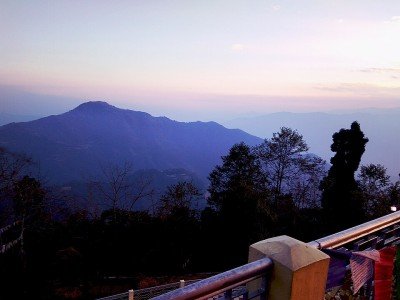 @@Religious Grandeur: Namchi is the cultural and religious capital of South Sikkim. It is famous for housing massive replicas of the four most sacred Hindu dhams, all in one place at Siddheshwar Dham. The town is beautifully landscaped and feels more developed and organized compared to the rugged north. It is a major pilgrimage site for people from all over India. @@The Statue of Prosperity: The town is overlooked by the gigantic 118-foot statue of Guru Padmasambhava on Samdruptse Hill. This statue is covered in gold and is visible from many kilometers away. It represents the spiritual protection of the state. The hill itself is known as the "Wish Fulfilling Hill" in local lore. @@Flower Power: Namchi is known for its annual flower shows and the beautifully maintained Rock Garden. The town is adorned with colorful blooms throughout the year, making it a visual delight. The local government has invested heavily in tourism infrastructure, making it very visitor-friendly. @@Tea Heritage: Being close to the Temi Tea Garden, the town is a center for tea culture in Sikkim. The rolling hills of tea bushes create a serene backdrop for the town. Visitors can enjoy some of the world's best organic tea while looking out at the mountains. It is a place of peace, piety, and natural beauty.
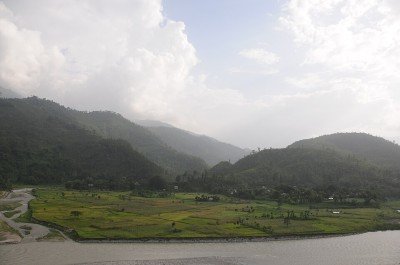 @@Economic Center of the South: Jorethang is a major town in South Sikkim located on the banks of the Rangeet River. At an altitude of only 300 meters, it is one of the lowest and warmest towns in the state. It serves as a vital trading hub and transportation center connecting Sikkim with West Bengal. The town is strategically located and acts as a gateway to West Sikkim destinations like Pelling and Sombaria. It is a bustling place with a mix of modern shops, traditional markets, and industrial activity. @@Cultural and Festive Spirit: The town is famous for hosting the Jorethang Maghe Mela, the biggest cultural event in the region. This fair has its roots in an agricultural show started in 1955 and has grown into a massive celebration. People from all over Sikkim and neighboring states gather here in January. The mela features traditional music, dance, local food stalls, and sporting events. It is a vibrant display of the communal harmony and rich traditions of the Sikkimese people. @@Adventure and Sports Hub: Due to its location by the river, Jorethang has emerged as a center for river rafting and water sports. The Rangeet River offers challenging rapids for adventure enthusiasts. The town also serves as a base for many trekking routes into the surrounding hills. It is a place where you can find modern facilities for rock climbing and other outdoor activities. The proximity to the river makes it a unique destination in the otherwise high-altitude state. @@Industrial and Modern Growth: The town houses the Jorethang Loop Hydroelectric project, which is a major contributor to the state's power grid. It has well-developed infrastructure including schools, hospitals, and good road connectivity. Unlike the sleepy hill stations, Jorethang has a more urban and energetic vibe. The local bazaar, known as Naya Bazar, is always buzzing with activity. It is a great place to see the modern side of Sikkim's development.
 @@ Spiritual Hub of Sikkim: Rumtek is a small village famous for its magnificent monastery, which serves as the seat of the Karmapa. @@ Tibetan Heritage: It houses rare Buddhist artifacts, including ancient manuscripts and the famous Golden Stupa containing sacred relics. @@ Scenic Foothills: Located at 5,000 feet, it offers a great view of the Gangtok town across the valley and the rolling hills. @@ Center for Learning: The village is home to the Karma Shri Nalanda Institute, a premier center for higher Buddhist studies and philosophy.
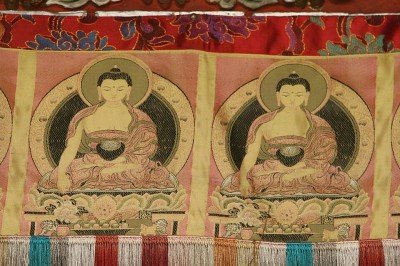 @@Historical Significance: Yuksom is a historical town that served as the first capital of the Kingdom of Sikkim, established in 1642. It was here that the first Chogyal, Phuntsog Namgyal, was consecrated by three learned lamas who traveled from Tibet. The name Yuksom literally translates to the "meeting place of the three learned monks," marking its sacred origins. For the Bhutia community, this town holds immense religious and cultural importance as a cradle of their royal history. @@Sacred Landscape: Known as one of the four religious sites of "Demazong" or the valley of rice, it is believed to represent the third eye of the human body. The landscape is blessed by Guru Padmasambhava and is filled with ancient monasteries and holy lakes. Every stone and tree in Yuksom is said to carry a spiritual energy that connects the physical world with the divine. It remains a major destination for pilgrims who follow the Buddhist religious circuit of the state. @@Natural Gateway: Perched at an altitude of 5,840 feet, the town sits in a basin-like valley surrounded by majestic mountain ranges. It is the head of the Khangchendzonga National Park and serves as the primary base camp for high-altitude treks. The natural environmental setting is ensconced amidst rich forests of pine, fir, and maple trees. Travelers are often captivated by the sight of Mt. Kabur and Mt. Pandim which loom large over the village horizon. @@Cultural Heritage: The village is a living museum where traditional Sikkimese culture is preserved in its purest form. Residents still follow ancient customs, and the village architecture reflects the aesthetic of the 17th century. From the stone throne of the Chogyals to the oldest monastery in the state, the town is a treasure trove of heritage. Staying here offers a unique opportunity to imbibe the real essence of Himalayan village life through community homestays.
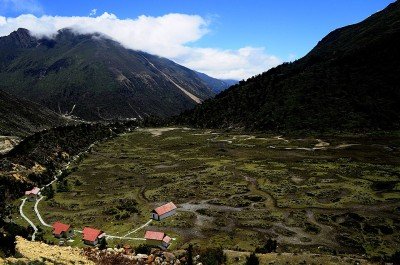 @@Scenic Splendor: Lachung is a picturesque mountain village situated at an elevation of about 8,600 feet. It is split into two halves by the Lachung River, which flows with crystal clear glacial water. The town is famous for its apple orchards and proximity to the Yumthang Valley. It is the sister town to Lachen but offers a slightly more lush and green landscape. @@The People: The village is home to the Lachungpa people, who have their own unique dialect and customs. They are primarily farmers and traders, maintaining a close bond with the land. The traditional governance of Dzumsa is also active here, managing local affairs with community consensus. The hospitality of the locals is legendary among travelers. @@Botanical Paradise: Known for being the gateway to the Shingba Rhododendron Sanctuary, Lachung is a haven for nature lovers. During the spring, the entire valley is a riot of colors with over 40 species of rhododendrons. The mountain air is incredibly fresh, often carrying the scent of wild flowers and pine trees. @@A Haven of Peace: Unlike the more bustling tourist hubs, Lachung offers a quiet sanctuary for those looking to escape. The sound of the rushing river and distant temple bells create a meditative environment. It is an ideal spot for writers, artists, and anyone seeking spiritual rejuvenation. The simplicity of life here is its greatest attraction.Show All
@@Capital Heritage: Gangtok, the capital of Sikkim, is a vibrant city perched on a ridge at an altitude of 5,500 feet. It was once a tiny hamlet but rose to prominence after the capital was shifted here in 1894. Today, it is a bustling hub of commerce, administration, and tourism. The city offers a unique blend of traditional Sikkimese culture and modern urban lifestyle. It is famous for its clean streets, organized traffic, and breathtaking views of Mount Kanchenjunga. @@Spiritual and Cultural Hub: The city is home to several important monasteries like Enchey and Do Drul Chorten. It serves as a major center for Tibetan Buddhist studies and research. The Namgyal Institute of Tibetology is a world-renowned facility located here. Festivals are celebrated with great pomp and show, reflecting the rich heritage of the Lepcha, Bhutia, and Nepali communities. The spiritual aura is palpable in the fluttering prayer flags seen everywhere. @@Modern Amenities and Tourism: Gangtok offers top-notch facilities including luxury hotels, trendy cafes, and shopping malls. The MG Marg is the city's pride, being a litter-free and pedestrian-only zone. Tourists from all over the world flock here to experience the cool climate and scenic beauty. It also acts as the base for excursions to Tsomgo Lake, Nathula Pass, and North Sikkim. The nightlife is lively with various pubs and live music venues. @@Natural Splendor: Surrounded by dense forests of oak, birch, and rhododendron, the city is a nature lover's paradise. Numerous waterfalls like Banjhakri and Bakthang are located just a few kilometers from the city center. The views of the snow-capped Himalayan ranges from various viewpoints are truly majestic. The city’s flora is showcased in the annual flower festivals. It perfectly balances urban growth with environmental conservation efforts.
@@Scenic Splendor: Lachung is a picturesque mountain village situated at an elevation of about 8,600 feet. It is split into two halves by the Lachung River, which flows with crystal clear glacial water. The town is famous for its apple orchards and proximity to the Yumthang Valley. It is the sister town to Lachen but offers a slightly more lush and green landscape. @@The People: The village is home to the Lachungpa people, who have their own unique dialect and customs. They are primarily farmers and traders, maintaining a close bond with the land. The traditional governance of Dzumsa is also active here, managing local affairs with community consensus. The hospitality of the locals is legendary among travelers. @@Botanical Paradise: Known for being the gateway to the Shingba Rhododendron Sanctuary, Lachung is a haven for nature lovers. During the spring, the entire valley is a riot of colors with over 40 species of rhododendrons. The mountain air is incredibly fresh, often carrying the scent of wild flowers and pine trees. @@A Haven of Peace: Unlike the more bustling tourist hubs, Lachung offers a quiet sanctuary for those looking to escape. The sound of the rushing river and distant temple bells create a meditative environment. It is an ideal spot for writers, artists, and anyone seeking spiritual rejuvenation. The simplicity of life here is its greatest attraction.Show All
@@Capital Heritage: Gangtok, the capital of Sikkim, is a vibrant city perched on a ridge at an altitude of 5,500 feet. It was once a tiny hamlet but rose to prominence after the capital was shifted here in 1894. Today, it is a bustling hub of commerce, administration, and tourism. The city offers a unique blend of traditional Sikkimese culture and modern urban lifestyle. It is famous for its clean streets, organized traffic, and breathtaking views of Mount Kanchenjunga. @@Spiritual and Cultural Hub: The city is home to several important monasteries like Enchey and Do Drul Chorten. It serves as a major center for Tibetan Buddhist studies and research. The Namgyal Institute of Tibetology is a world-renowned facility located here. Festivals are celebrated with great pomp and show, reflecting the rich heritage of the Lepcha, Bhutia, and Nepali communities. The spiritual aura is palpable in the fluttering prayer flags seen everywhere. @@Modern Amenities and Tourism: Gangtok offers top-notch facilities including luxury hotels, trendy cafes, and shopping malls. The MG Marg is the city's pride, being a litter-free and pedestrian-only zone. Tourists from all over the world flock here to experience the cool climate and scenic beauty. It also acts as the base for excursions to Tsomgo Lake, Nathula Pass, and North Sikkim. The nightlife is lively with various pubs and live music venues. @@Natural Splendor: Surrounded by dense forests of oak, birch, and rhododendron, the city is a nature lover's paradise. Numerous waterfalls like Banjhakri and Bakthang are located just a few kilometers from the city center. The views of the snow-capped Himalayan ranges from various viewpoints are truly majestic. The city’s flora is showcased in the annual flower festivals. It perfectly balances urban growth with environmental conservation efforts.Information
-
Why Famous:
Majestic Kanchenjunga: Sikkim is globally famous for being the home to Kanchenjunga, which provides a breathtaking backdrop to almost every town in the state. Travelers flock here to witness the sunrise hitting the peaks, turning the snow into a brilliant gold.Majestic Kanchenjunga: Sikkim is globally famous for being the home to Kanchenjunga, which provides a breathtaking backdrop to almost every town in the state. Travelers flock here to witness the sunrise hitting the peaks, turning the snow into a brilliant gold.
Organic State: It is celebrated as the first 100% Organic State in the world, where all agricultural produce is grown without chemical pesticides. This commitment to the environment has made it a model for sustainable living and eco-tourism.
Monastic Culture: The state is renowned for its numerous ancient monasteries that serve as centers of peace and spiritual learning. These "Gompas" are famous for their unique "Chaam" dances performed by monks in vibrant masks and costumes. -
Architecture:
Monastery Designs: The architecture of Sikkim is heavily influenced by Tibetan Buddhism, featuring vibrant gompas with slanting walls and tiered roofs. Monasteries like Rumtek and Enchey showcase intricate woodwork and colorful murals that depict various Buddhist deities an...Monastery Designs: The architecture of Sikkim is heavily influenced by Tibetan Buddhism, featuring vibrant gompas with slanting walls and tiered roofs. Monasteries like Rumtek and Enchey showcase intricate woodwork and colorful murals that depict various Buddhist deities and legends. These structures often have a square floor plan and stand multiple stories high, topped with golden finials known as Ghanzira.
Traditional Houses: Traditional houses in Sikkim, especially those of the Lepcha community, are built using sustainable materials like bamboo, wood, and thatch. These houses are often raised on stilts or stone platforms to protect against heavy rainfall and provide natural insulation. The dimensions of these rural homes vary, but they typically feature large communal rooms and small windows to retain heat during the harsh winters. -
How To Reach:
By Air Travel: The nearest airport is Pakyong Airport, which is about 30 km from Gangtok, but it has limited flight connectivity due to weather. Most travelers fly into Bagdogra Airport (IXB) in West Bengal, which is roughly 125 km away and well-connected to major Indian ci...By Air Travel: The nearest airport is Pakyong Airport, which is about 30 km from Gangtok, but it has limited flight connectivity due to weather. Most travelers fly into Bagdogra Airport (IXB) in West Bengal, which is roughly 125 km away and well-connected to major Indian cities.
By Train Travel: Sikkim does not have its own major railway station yet, so the nearest hubs are New Jalpaiguri (NJP) and Siliguri. From NJP, you can hire private taxis or take shared jeeps for a 4 to 5 hour drive to reach the state capital.
By Road Travel: The state is well-connected to Siliguri, Darjeeling, and Kalimpong via National Highway NH10. The drive is scenic, following the Teesta River, but can be slow due to the winding mountain terrain and occasional landslides during the rainy season.
By Local Transport: Within Sikkim, shared jeeps are the most common and economical way to travel between different towns and districts. For personalized tours, private luxury SUVs like Innova or Xylo are recommended, as they handle the steep and rugged mountain roads more comfortably. -
Weather and Best Time to Visit:
Spring (March to May): This is widely considered the best time to visit Sikkim as the weather is pleasant and the flowers are in full bloom. Temperatures during the day range from 15°C to 25°C, making it perfect for trekking and outdoor exploration.
Read MoreSpring (March to May): This is widely considered the best time to visit Sikkim as the weather is pleasant and the flowers are in full bloom. Temperatures during the day range from 15°C to 25°C, making it perfect for trekking and outdoor exploration.
Autumn (October to November): After the monsoon rains, the skies clear up, providing the most spectacular and crisp views of the Himalayan peaks. This is the peak season for photographers and those who want to experience the vibrant local festivals like Tihar.
Winter (December to February): For those who love snow, winter is a magical time to visit places like Lachen and Lachung. While the high-altitude lakes might be frozen, the lower regions remain accessible, offering a chilly but sunny retreat with fewer crowds.
Summer Mornings: During the summer months, the early mornings from 6:00 AM to 10:00 AM are the most beautiful for sightseeing. The air is fresh, and the mountain views are usually clear before the afternoon clouds roll in from the valleys.Near Tourist Places:
Darjeeling (98 km), Kalimpong (75 km), Pelling (130 km), Ravangla (65 km), Namchi (78 km), Lachen (120 km), Lachung (115 km), Aritar (63 km), Zuluk (90 km), Yuksom (145 km)Tourism Tips
-
Health and Safety: Travelers should be aware of Acute Mountain Sickness (AMS) when traveling to high altitudes like Gurudongmar Lake. It is essential to acclimatize slowly, stay hydrated, and carry basic medicines for nausea and headaches as prescribed by a doctor.
...Health and Safety: Travelers should be aware of Acute Mountain Sickness (AMS) when traveling to high altitudes like Gurudongmar Lake. It is essential to acclimatize slowly, stay hydrated, and carry basic medicines for nausea and headaches as prescribed by a doctor.
Packing Essentials: Even in summer, evenings can be cold, so carrying a heavy jacket and layered clothing is a must. Don't forget to pack sturdy walking shoes, a good sunscreen, and a waterproof poncho, as mountain rain is often unpredictable.
Accommodation Tips: It is highly recommended to book your hotels in advance, especially during the peak months of May and October. For a more authentic experience, consider staying in village homestays where you can enjoy local Sikkimese hospitality and home-cooked organic food.
General Etiquette: Sikkim is a very clean and eco-conscious state; littering and the use of single-use plastic bottles are strictly prohibited in many areas. Always ask for permission before taking photos of people or inside the sanctum sanctorum of the holy monasteries.
Reviews
FAQs
Sikkim Itineray And Cost:-
Other States In India :-
Information about New and Updated Locations() of Sikkim Has Been Added :-
Card subtitle
Note:-
Information provided here in good Faith and for reference only.
Near Places
Andaman and Nicobar Islands
Some quick example text to build on the card title and make up the bulk of the card's content.
Go somewhere
Andhra Pradesh
Some quick example text to build on the card title and make up the bulk of the card's content.
Go somewhere
Arunachal Pradesh
Some quick example text to build on the card title and make up the bulk of the card's content.
Go somewhere
Assam
Some quick example text to build on the card title and make up the bulk of the card's content.
Go somewhere
Bihar
Some quick example text to build on the card title and make up the bulk of the card's content.
Go somewhere
Chandigarh
Some quick example text to build on the card title and make up the bulk of the card's content.
Go somewhere
Chhattisgarh
Some quick example text to build on the card title and make up the bulk of the card's content.
Go somewhere
Daman and Diu
Some quick example text to build on the card title and make up the bulk of the card's content.
Go somewhere
Delhi
Some quick example text to build on the card title and make up the bulk of the card's content.
Go somewhere
Goa
Some quick example text to build on the card title and make up the bulk of the card's content.
Go somewhere
Gujarat
Some quick example text to build on the card title and make up the bulk of the card's content.
Go somewhere
Haryana
Some quick example text to build on the card title and make up the bulk of the card's content.
Go somewhere
Himachal Pradesh
Some quick example text to build on the card title and make up the bulk of the card's content.
Go somewhere
Jammu and Kashmir
Some quick example text to build on the card title and make up the bulk of the card's content.
Go somewhere
Jharkhand
Some quick example text to build on the card title and make up the bulk of the card's content.
Go somewhere
Karnataka
Some quick example text to build on the card title and make up the bulk of the card's content.
Go somewherein Other Cities