Akaula Region
General information
-
Ideal Duration:
3 to 4 HoursPlace Type:
Wildlife & NatureEntry Fees:
Entry to the Akaula Region is included in the standard Ranthambore National Park safari permit, which costs approximately INR 600 to INR 1200 for Indians and INR 1300 to INR 2500 for foreigners depending on the vehicle type. Jeep safaris are generally more expensive than canter safaris due to thei...Entry to the Akaula Region is included in the standard Ranthambore National Park safari permit, which costs approximately INR 600 to INR 1200 for Indians and INR 1300 to INR 2500 for foreigners depending on the vehicle type. Jeep safaris are generally more expensive than canter safaris due to their smaller capacity and better maneuverability. There are additional charges for professional cameras and video equipment which must be paid at the booking office. Prices are subject to seasonal changes and government regulations, so it is best to check the official Rajasthan Forest Department website for the latest rates.
:Timing:
The Akaula Region follows the standard park timings, which are roughly 6:00 AM to 10:00 AM for the morning shift and 2:30 PM to 6:30 PM for the afternoon shift. These timings shift slightly by 30 minutes depending on the sunrise and sunset during different months of the year. The ideal visit time...The Akaula Region follows the standard park timings, which are roughly 6:00 AM to 10:00 AM for the morning shift and 2:30 PM to 6:30 PM for the afternoon shift. These timings shift slightly by 30 minutes depending on the sunrise and sunset during different months of the year. The ideal visit time is the early morning safari when the air is crisp and the predators are most active before the sun gets too high. Afternoon safaris are better for spotting animals near the water holes as they come out to quench their thirst in the heat.
:Special Events:
The most special "event" in the Akaula Region is the annual change of the forest colors during the transition from winter to summer, where the trees shed their leaves and create a golden carpet. While there are no human festivals here, the "Mating Season" of the tigers is a significant biological ...The most special "event" in the Akaula Region is the annual change of the forest colors during the transition from winter to summer, where the trees shed their leaves and create a golden carpet. While there are no human festivals here, the "Mating Season" of the tigers is a significant biological event that increases the chances of witnessing social interactions between these solitary cats. Occasionally, wildlife departments conduct "Nature Awareness Camps" for students near the fringes of this zone to educate them about forest conservation and the importance of the Akaula ecosystem.
:Best Photo Spots:
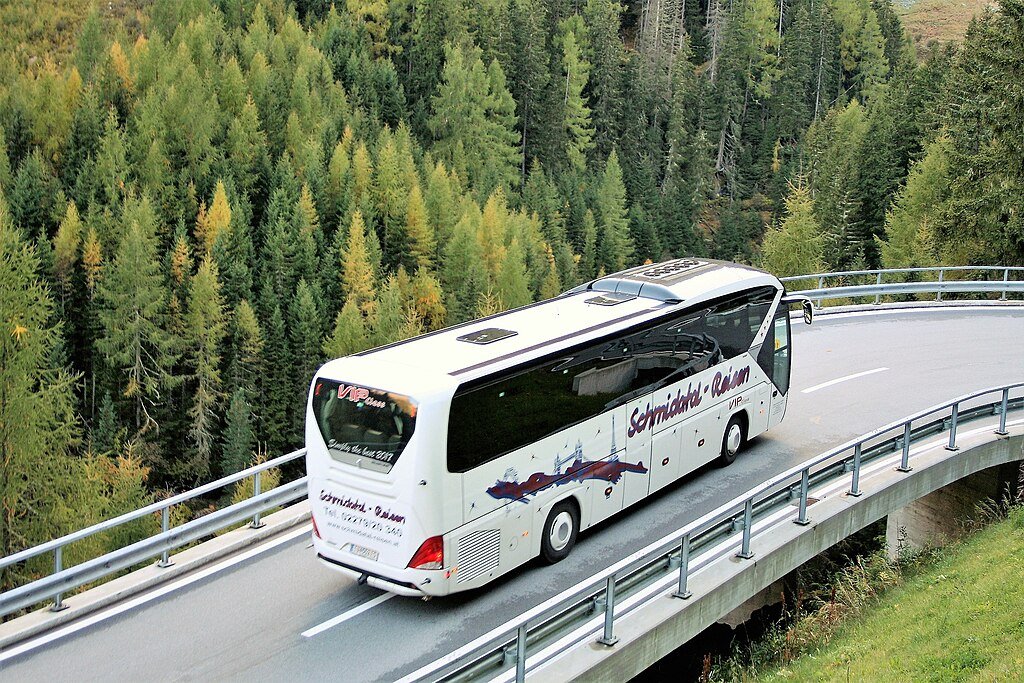
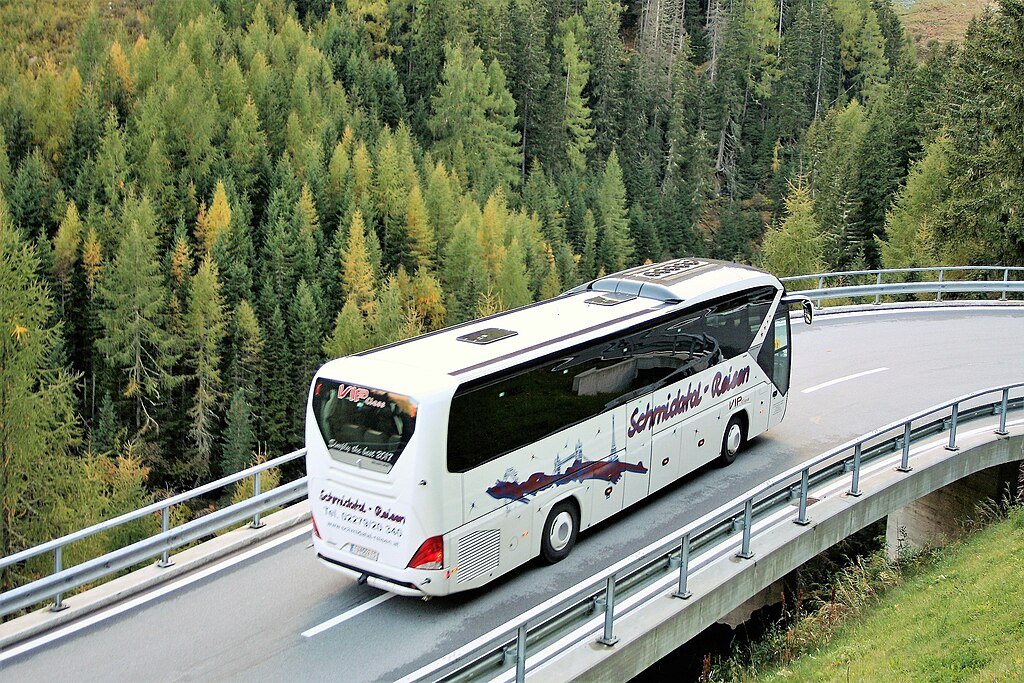
The best photo spot in Akaula is near the natural water holes where the reflection of the dense green canopy creates a stunning emerald backdrop for any animal drinking there. Another iconic shot can be taken at the "S-Curve" trails where the safari jeep disappears into a tunnel of overhanging tre...The best photo spot in Akaula is near the natural water holes where the reflection of the dense green canopy creates a stunning emerald backdrop for any animal drinking there. Another iconic shot can be taken at the "S-Curve" trails where the safari jeep disappears into a tunnel of overhanging trees, perfect for showing the density of the forest. Capturing the "Sunbeams" or crepuscular rays as they cut through the morning mist and the thick leaves creates a heavenly and ethereal atmosphere in photographs. Close-up shots of the textured bark of ancient Dhok trees also make for excellent nature abstracts.
:Photo Gallery
Things To Do
-
Exploring the Akaula Region offers a plethora of activities for the adventure seeker, starting with a specialized Jeep Safari that focuses on tracking the movement of big cats through the dense undergrowth. Bird watching is a primary activity here, where you can use binoculars to spot the Crested Serpent Eagle or the elusive Brown Fish Owl perched silently in the canopy. Nature photography is highly rewarding, as the soft light filtering through the trees provides a perfect setting for capturing high-contrast shots of the forest's flora and fauna. Enthusiasts can engage in "Pugmark Tracking," where guides help you identify the fresh tracks of tigers or leopards on the dusty forest trails, turning the safari into a detective mission. You can also spend time observing the unique "Mutualism" between different species, such as langurs and deer, who alert each other to the presence of pr...Exploring the Akaula Region offers a plethora of activities for the adventure seeker, starting with a specialized Jeep Safari that focuses on tracking the movement of big cats through the dense undergrowth. Bird watching is a primary activity here, where you can use binoculars to spot the Crested Serpent Eagle or the elusive Brown Fish Owl perched silently in the canopy. Nature photography is highly rewarding, as the soft light filtering through the trees provides a perfect setting for capturing high-contrast shots of the forest's flora and fauna. Enthusiasts can engage in "Pugmark Tracking," where guides help you identify the fresh tracks of tigers or leopards on the dusty forest trails, turning the safari into a detective mission. You can also spend time observing the unique "Mutualism" between different species, such as langurs and deer, who alert each other to the presence of predators. Detailed observation of the Dhok tree ecosystem allows visitors to understand how these hardy plants survive the desert-like conditions of Rajasthan. Taking a "Silence Break" during the safari allows you to immerse yourself in the natural sounds of the jungle, from the hum of insects to the distant call of a peacock. Many tourists also enjoy documenting the various types of butterflies and insects that thrive in the humid micro-habitats near the water holes. For those interested in geology, the exposed rock layers provide a glimpse into the ancient history of the earth's crust in this region. Finally, visiting during the early morning hours provides the chance to see the forest "waking up," a magical experience for any nature lover.
:
Information
-
Why Famous:
Akaula is world-famous for being one of the densest and coolest regions of Ranthambore, offering a unique microclimate that attracts wildlife even in peak summer. It is renowned among photographers for the "Jungle Book" vibe it provides, with its thick forests and hidden water bodies making it a p...Akaula is world-famous for being one of the densest and coolest regions of Ranthambore, offering a unique microclimate that attracts wildlife even in peak summer. It is renowned among photographers for the "Jungle Book" vibe it provides, with its thick forests and hidden water bodies making it a preferred location for filming wildlife documentaries. The region is famous for frequent tiger sightings, especially the legendary tigresses who have raised their cubs in these thickets for generations. Its fame also lies in its biodiversity, as it supports a higher concentration of prey species like the Sambar Deer and Chital, which in turn supports the apex predators.
: -
Architecture:
The architecture of the Akaula Region is purely natural, defined by the geological formations of the Aravalli and Vindhya ranges that meet here. The "design" of this area features deep gorges and natural rock shelters that have been carved over millions of years by wind and water erosion, providin...The architecture of the Akaula Region is purely natural, defined by the geological formations of the Aravalli and Vindhya ranges that meet here. The "design" of this area features deep gorges and natural rock shelters that have been carved over millions of years by wind and water erosion, providing shelter to various wild animals. The dimensions of the forest canopy in this region are impressive, with trees reaching heights of 15 to 20 meters, creating a multi-layered vertical structure that supports diverse life forms from the ground to the treetops. Natural water holes, or "Talais," act as the focal points of the landscape, often surrounded by ancient rock formations that serve as natural watchtowers for predators. There are no man-made buildings here, as the focus is on preserving the pristine wilderness, but the structural integrity of the rocky outcrops reflects the rugged beauty of the Rajasthan landscape. The natural pathways followed by the safari gypsies are guided by the contours of the land, ensuring minimal impact on the environment while providing maximum visibility for tourists. The vertical cliffs of the surrounding hills add a dramatic backdrop to the dense green valleys, making the entire region feel like a grand natural amphitheater dedicated to wildlife.
: -
How To Reach:
To reach the Akaula Region, travelers should first arrive at Sawai Madhopur, which is well-connected by rail to major cities like Delhi, Mumbai, and Jaipur. The nearest airport is the Jaipur International Airport, located about 180 km away, from where one can hire a private taxi or take a luxury b...To reach the Akaula Region, travelers should first arrive at Sawai Madhopur, which is well-connected by rail to major cities like Delhi, Mumbai, and Jaipur. The nearest airport is the Jaipur International Airport, located about 180 km away, from where one can hire a private taxi or take a luxury bus to reach the park. By road, Ranthambore is easily accessible via the Rajasthan State Highway, providing a smooth driving experience from nearby cities. Local transport within Sawai Madhopur consists of auto-rickshaws and taxis that can take you to the park entrance, from where the official safari vehicles will transport you into the Akaula zone.
: -
Weather and Best Time to Visit:
The best time to visit Akaula is from October to March when the weather is pleasant and the forest is lush after the monsoon. During the winter months of December and January, the morning safaris are chilly but offer the best light for photography and high animal activity. The summer months of Ap...The best time to visit Akaula is from October to March when the weather is pleasant and the forest is lush after the monsoon. During the winter months of December and January, the morning safaris are chilly but offer the best light for photography and high animal activity. The summer months of April to June are very hot, but this is the best time for guaranteed tiger sightings as they frequent the water holes in this cool region. The park remains closed during the monsoon season from July to September to allow for animal breeding and forest rejuvenation.
: -
Near Tourist Places:
Ranthambore Fort (6 km), Padam Talao (4 km), Jogi Mahal (4 km), Rajbagh Ruins (5 km), Malik Talao (7 km), Kachida Valley (8 km), Lakarda (5 km), Bakula (3 km), Surwal Lake (15 km), Ganesh Temple (6 km).
Tourism Tips
-
When visiting Akaula, it is essential to carry a good pair of binoculars and a camera with a zoom lens to capture the wildlife from a distance. Wear earthy-toned clothing like khaki, olive green, or brown to blend in with the surroundings and avoid disturbing the animals. Carrying plenty of water...When visiting Akaula, it is essential to carry a good pair of binoculars and a camera with a zoom lens to capture the wildlife from a distance. Wear earthy-toned clothing like khaki, olive green, or brown to blend in with the surroundings and avoid disturbing the animals. Carrying plenty of water and sun protection like hats and sunscreen is vital, especially during the afternoon safaris. Ensure you have sufficient cash as digital connectivity and ATM access can be limited once you enter the forest boundaries. Respect the silence of the jungle and follow all instructions provided by your forest guide to ensure a safe and ethical wildlife experience.
:
Reviews
FAQs
Ranthambore Itineray And Cost:-
Other Places In Ranthambore :-
Other States In India :-
Information about New and Updated Locations() of Rajasthan Has Been Added :-
Card subtitle
Note:-
Information provided here in good Faith and for reference only.
Near Places

Akaula Region
Some quick example text to build on the card title and make up the bulk of the card's content.
Go somewhere
Amreshwar Mahadev Temple
Some quick example text to build on the card title and make up the bulk of the card's content.
Go somewhere
Bakaula Region
Some quick example text to build on the card title and make up the bulk of the card's content.
Go somewhere
Chambal Gharial Sanctuary
Some quick example text to build on the card title and make up the bulk of the card's content.
Go somewhere
Chouth Mata Temple
Some quick example text to build on the card title and make up the bulk of the card's content.
Go somewhere
Dastkar Ranthambhore
Some quick example text to build on the card title and make up the bulk of the card's content.
Go somewhere
Ghushmeshwar Temple
Some quick example text to build on the card title and make up the bulk of the card's content.
Go somewhere
Gupteshwar Mahadev Temple
Some quick example text to build on the card title and make up the bulk of the card's content.
Go somewhere
Hathi Bhata
Some quick example text to build on the card title and make up the bulk of the card's content.
Go somewhere
Jogi Mahal
Some quick example text to build on the card title and make up the bulk of the card's content.
Go somewhere
Kachida Valley
Some quick example text to build on the card title and make up the bulk of the card's content.
Go somewhere
Khandar Fort
Some quick example text to build on the card title and make up the bulk of the card's content.
Go somewhere
Lakarda and Anantpura
Some quick example text to build on the card title and make up the bulk of the card's content.
Go somewhere
Malik Talao
Some quick example text to build on the card title and make up the bulk of the card's content.
Go somewhere
Padam Talao
Some quick example text to build on the card title and make up the bulk of the card's content.
Go somewhere
Raj Bagh Ruins
Some quick example text to build on the card title and make up the bulk of the card's content.
Go somewherein Other Cities