

Anamalai Tiger Reserve
General information
-
Ideal Duration:
Full DayPlace Type:
Wildlife Sanctuary, National Park, Nature, TrekkinEntry Fees:
Entry Fee (Indians): Approximately Rs.30 per adult and Rs.20 per child (5-12 years). This is the basic entry fee for a day visit to the reserve's buffer zone.
Entry Fee (Foreigners): Significantly higher, typically around Rs.300 per person, refle...Entry Fee (Indians): Approximately Rs.30 per adult and Rs.20 per child (5-12 years). This is the basic entry fee for a day visit to the reserve's buffer zone.
Entry Fee (Foreigners): Significantly higher, typically around Rs.300 per person, reflecting conservation costs and foreign exchange policy.
Vehicle Entry:
Separate charges apply for vehicles:
Car/Jeep: Rs.150 to Rs.200;
Bus/Tempo: Rs.300 to Rs.500. This fee is essential to manage vehicle traffic within the forest.
Camera Fees:
Still Camera: Rs.50 (Indian) to Rs.500 (Foreigner).
Video Camera/Handycam: Rs.300 (Indian) to Rs.500 (Foreigner). These mandatory fees support conservation efforts related to documentation.
Safari/Trekking Permit: Depending on the specific area and activity, a separate fee or permit cost (e. g. , for Grass Hills) is required, which can range from Rs.1500 to Rs.3000 for a group.Timing:
Regular Timings: Open daily, typically from 6:00 AM to 6:00 PM. However, entry into specific zones (like trekking points) and safaris often operate only during restricted hours, generally early morning (7:00 AM to 10:00 AM) and late afternoon (3:00 PM to 5:00 PM).
<...Regular Timings: Open daily, typically from 6:00 AM to 6:00 PM. However, entry into specific zones (like trekking points) and safaris often operate only during restricted hours, generally early morning (7:00 AM to 10:00 AM) and late afternoon (3:00 PM to 5:00 PM).
Ideal Visit Time: Early morning (6:00 AM to 9:00 AM) and late afternoon (4:00 PM to 6:00 PM) are the Best Times for wildlife sighting as animals are most active during these cooler periods. Mid-day is generally quiet.
Forest Gates and Checkposts: Strict adherence to opening and closing times at forest entry and exit gates (e. g. , Attakatti Checkpost) is mandatory. Night driving is strictly prohibited to ensure animal safety and prevent poaching.Special Events:
Wildlife Census and Monitoring: The forest department conducts annual or biannual wildlife census and monitoring events (e. g. , Waterhole Census or Tiger Estimation), during which certain parts of the park may be closed to the public. These are critical conservation events...Wildlife Census and Monitoring: The forest department conducts annual or biannual wildlife census and monitoring events (e. g. , Waterhole Census or Tiger Estimation), during which certain parts of the park may be closed to the public. These are critical conservation events.
Forest and Nature Camps: Occasionally, the Forest Department or affiliated NGOs organize specialized nature camps, youth programs, or trekking expeditions focused on conservation and biodiversity study, often timed during Winter or early Summer. Participation is by application.
Local Tribal Festivals: The reserve is home to several indigenous tribal communities (like the Malasar and Kadar), who celebrate their traditional festivals and rituals within the forest areas. These are deeply personal and not usually open to the general public, but their culture is a key part of the reserve's heritage.Best Photo Spots:
Watchtowers and Viewpoints: Utilize the strategically placed watchtowers (if accessible) and viewpoints for elevated, wide-angle shots of the forest canopy, distant valleys, and mist-covered peaks, especially at dawn and dusk for dramatic light.
...Watchtowers and Viewpoints: Utilize the strategically placed watchtowers (if accessible) and viewpoints for elevated, wide-angle shots of the forest canopy, distant valleys, and mist-covered peaks, especially at dawn and dusk for dramatic light.
Waterholes and Riverbanks: These are critical areas for wildlife spotting. Set up a tripod and wait patiently near a waterhole (from a safe distance/hide) to photograph animals like Elephants, Gaur, and deer as they come to drink.
The Shola-Grassland Landscape: Focus on the undulating high-altitude grasslands, which offer a unique pattern of green rolling hills interspersed with dark green Shola patches. These landscapes are highly endemic and make for spectacular photographs, particularly during the Monsoon and Winter seasons.
Endemic Flora: Capture macro shots of the region's unique and rare flowers, ferns, mosses, and fungi, which thrive in the moist environment, especially post-monsoon.Photo Gallery
Things To Do
-
Wildlife Safaris and Trekking: Participate in regulated wildlife safaris (jeep safaris) or guided treks in the buffer and designated core areas (with mandatory Forest Department permission) to spot wildlife like Gaur, Sambar, and various primates and birds. Photography opportunities abound.
Bird Watching: Dedicate early mornings to birdwatching, especially at key locations like Kariyan Shola, to spot the Great Hornbill, Malabar Whistling Thrush, and numerous other endemic bird species. Carry good binoculars and a field guide.
Forest Rest House Stay: Experience staying in one of the Forest Department rest houses (e. g. , Manamboli, Top Slip), which offers a unique, immersive experience deep within the forest environment, though bookings must be made well in advance.
...Wildlife Safaris and Trekking: Participate in regulated wildlife safaris (jeep safaris) or guided treks in the buffer and designated core areas (with mandatory Forest Department permission) to spot wildlife like Gaur, Sambar, and various primates and birds. Photography opportunities abound.
Bird Watching: Dedicate early mornings to birdwatching, especially at key locations like Kariyan Shola, to spot the Great Hornbill, Malabar Whistling Thrush, and numerous other endemic bird species. Carry good binoculars and a field guide.
Forest Rest House Stay: Experience staying in one of the Forest Department rest houses (e. g. , Manamboli, Top Slip), which offers a unique, immersive experience deep within the forest environment, though bookings must be made well in advance.
Visit Top Slip and Parambikulam: Although slightly outside the main Valparai area, a trip to Top Slip (for elephant camp) and the adjoining Parambikulam Tiger Reserve (via Sethumadai) is highly recommended to complete the full jungle experience.
Nature Walks and Photography: Go for slow, guided nature walks along the periphery of the reserve (always with a local guide) to appreciate the diverse flora, including medicinal plants, ferns, and orchids. Focus on macro and landscape photography.
Education and Awareness: Visit the information centers, especially the one at Top Slip, to learn about the history, biodiversity, and conservation efforts of the Tiger Reserve. Attend any available conservation talks or documentary screenings.
Seek the Nilgiri Tahr: While more common in Eravikulam, the ATR's Grass Hills are home to the Nilgiri Tahr. Trekking with permission to these high-altitude grasslands can offer a chance to spot this endangered mountain goat.
Information
-
Why Famous:
Flagship Species Protection: It is most famous as a critical habitat for the endangered Bengal Tiger, declared one under the ambitious Project Tiger, along with a stable population of Indian Elephants and the highly endemic Lion-Tailed Macaque.
...Flagship Species Protection: It is most famous as a critical habitat for the endangered Bengal Tiger, declared one under the ambitious Project Tiger, along with a stable population of Indian Elephants and the highly endemic Lion-Tailed Macaque.
Unique Ecosystem: The reserve preserves the highly unique and rare Shola-Grassland ecosystem of the Western Ghats in its highest reaches (Grass Hills), which is home to several endemic flora and fauna species like the Nilgiri Tahr (nearby) and the Nilgiri Pipit.
Birdwatching Paradise: The reserve is a haven for ornithologists, renowned for sightings of large birds like the Great Hornbill, and various raptors and migratory birds, making it a globally recognized Important Bird Area (IBA).
Spectacular Scenic Beauty: The journey through the reserve, especially the drive up to Valparai with its hairpin bends, offers breathtaking views of deep valleys, waterfalls, and lush evergreen forests. -
Architecture:
Natural Architecture and Landscape: The reserve's "architecture" is primarily natural, characterized by a unique shola-grassland ecosystem at high altitudes (above 2000 MSL), interspersed with pockets of dense, stunted evergreen forests (Shola forests) nestled in valleys. T...Natural Architecture and Landscape: The reserve's "architecture" is primarily natural, characterized by a unique shola-grassland ecosystem at high altitudes (above 2000 MSL), interspersed with pockets of dense, stunted evergreen forests (Shola forests) nestled in valleys. The dominant features are the rolling, high-altitude grasslands that undulate across the plateau.
Ecosystem Dimensions: The total area is approximately 1479. 87 sq km. The habitat varies significantly with elevation, from moist deciduous forests at lower altitudes to the specific montane forest and grassland zones in the higher reaches. The average elevation near Valparai is around 3,474 feet. The boundary with Eravikulam National Park in Kerala forms a continuous conservation corridor.
Man-made Conservation Structures: Scattered throughout the reserve are forest rest houses, check dams, and watchtowers, all designed with minimal environmental impact, primarily for the use of forest department staff and researchers. These structures follow a simple, rustic, and functional design, often utilizing local materials. The roads and trails within the reserve are kept basic to limit vehicle speed and intrusion. -
How To Reach:
By Air: The nearest major airport is Coimbatore International Airport (CJB), approximately 114 KMS from the reserve's main entry point in Pollachi. Hire a taxi from the airport to the Pollachi forest office, or directly to the specific location within the reserve with a pri...By Air: The nearest major airport is Coimbatore International Airport (CJB), approximately 114 KMS from the reserve's main entry point in Pollachi. Hire a taxi from the airport to the Pollachi forest office, or directly to the specific location within the reserve with a prior permit.
By Train: The nearest major railway station is Pollachi Junction (POY), about 25 KMS from the entry at Sethumadai. Coimbatore Junction (CBE), about 80 KMS away, is the primary rail hub. From these stations, taxis or private/government buses to Pollachi and then onward transport can be arranged.
By Road: The reserve is crossed by the main Pollachi - Valparai Road (SH 78). The road is in good condition, and the drive itself is a scenic route through the buffer zone of the forest. Government buses connect Pollachi and Valparai frequently. From Valparai, local transport like taxis can take you to specific tourist points within the reserve.
By Local Transport: Private taxis/jeeps are the most convenient for traversing the roads within the reserve and to access key spots like Top Slip or Sethumadai near Pollachi. Local buses ply the main Valparai route, but access to internal forest areas requires a private vehicle and/or forest department transport. -
Weather and Best Time to Visit:
Winter Season (October to March): This is the Best Time to Visit. The climate is pleasantly cool, and the chances of spotting wildlife are generally higher as animals often venture out to bask in the sun and water sources are clearer and more concentrated. Clear skies also...Winter Season (October to March): This is the Best Time to Visit. The climate is pleasantly cool, and the chances of spotting wildlife are generally higher as animals often venture out to bask in the sun and water sources are clearer and more concentrated. Clear skies also ensure excellent photography.
Summer Season (April to May): The weather is warm and dry. While uncomfortable for humans, dry conditions sometimes force animals, especially large mammals, to congregate near perennial water sources, increasing the chances of sightings, but the heat can be intense during the day.
Monsoon Season (June to September): Heavy rainfall makes the forest lush and beautiful, but it can disrupt travel and trekking. Leeches are common, and wildlife sightings are generally low due to dense foliage and animals seeking shelter, but the waterfalls are at their roaring best. -
Near Tourist Places:
Kariyan Shola National Park (within ATR), Grass Hills National Park (within ATR), Top Slip (for elephant camp - 35 KMS), Parambikulam Tiger Reserve (40 KMS), Sethumadai (30 KMS), Aliyar Dam (40 KMS), Monkey Falls (35 KMS), Nirar Dam (25 KMS), Sholayar Dam (20 KMS), Nallamudi Viewpoint (15 KMS).
Tourism Tips
-
Health & safety:
Leech Protection: Wear long socks, use salt, or special repellents during the Monsoon season as leeches are abundant.
Wild Animal Safety: Never venture into the forest alone or without a guid...Health & safety:
Leech Protection: Wear long socks, use salt, or special repellents during the Monsoon season as leeches are abundant.
Wild Animal Safety: Never venture into the forest alone or without a guide. Maintain a safe distance from all animals, especially Elephants and Bison. Do not feed animals.
Dehydration: Carry ample water, especially during Summer.
Packing: Wear muted, forest-friendly colored clothing (greens, browns, greys) to blend in. Bright colors can scare away wildlife. Carry rain gear (poncho/raincoat) during Monsoon. Bring a high-quality pair of binoculars and a camera with a long-range lens for the best viewing experience.
Accommodation: Accommodation options range from forest rest houses (primitive but immersive) to private resorts and homestays in and around Valparai and Top Slip. Bookings are mandatory and often required months in advance for peak season.
Other Different Topics:
Permits: Always carry the necessary permits and identification documents. Entry to several restricted zones (Grass Hills, Kariyan Shola) is only possible with prior permission from the Wildlife Warden's office in Pollachi.
Noise Control: Maintain absolute silence during safaris and walks. Loud noises disturb the animals and reduce the chances of sighting.
Reviews
FAQs
Valparai Itineray And Cost:-
Anamalai Tiger Reserve Tourism:-
Other Places In Valparai :-
Other States In India :-
Information about New and Updated Locations() of Tamil Nadu Has Been Added :-
Card subtitle
Note:-
Information provided here in good Faith and for reference only.
Near Places

Aaliyar Dam
Some quick example text to build on the card title and make up the bulk of the card's content.
Go somewhere
Anamalai Tiger Reserve
Some quick example text to build on the card title and make up the bulk of the card's content.
Go somewhere
Balaji Temple
Some quick example text to build on the card title and make up the bulk of the card's content.
Go somewhere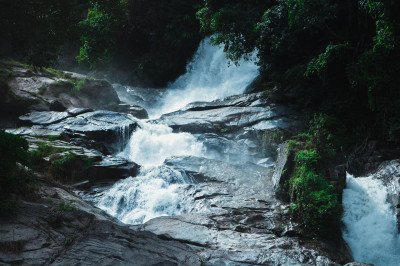
Birla Waterfalls
Some quick example text to build on the card title and make up the bulk of the card's content.
Go somewhere
Chinnakallar Falls
Some quick example text to build on the card title and make up the bulk of the card's content.
Go somewhere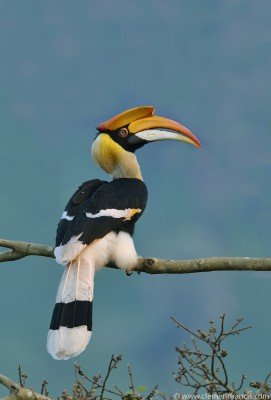
Hornbill Viewpoint
Some quick example text to build on the card title and make up the bulk of the card's content.
Go somewhere
Kadamparai Dam
Some quick example text to build on the card title and make up the bulk of the card's content.
Go somewhere
Karumalai Annai Velankanni Church
Some quick example text to build on the card title and make up the bulk of the card's content.
Go somewhere
Koolangal River
Some quick example text to build on the card title and make up the bulk of the card's content.
Go somewhere
Loam's View Point
Some quick example text to build on the card title and make up the bulk of the card's content.
Go somewhere
Monkey Falls
Some quick example text to build on the card title and make up the bulk of the card's content.
Go somewhere
Nallamudi Viewpoint
Some quick example text to build on the card title and make up the bulk of the card's content.
Go somewhere
Nirar Dam
Some quick example text to build on the card title and make up the bulk of the card's content.
Go somewhere
Sholayar Dam
Some quick example text to build on the card title and make up the bulk of the card's content.
Go somewhere
Tiger Valley
Some quick example text to build on the card title and make up the bulk of the card's content.
Go somewhere
Upper Sholayar Dam
Some quick example text to build on the card title and make up the bulk of the card's content.
Go somewherein Other Cities