

Artificial Offshore Coral Reef
General information
-
Ideal Duration:
1 to 2 Hours (if viewing from the shore) or 3 to 4 Hours (if engaging in water sports like snorkeling or diving).Place Type:
Nature & Environment (Man-made Ecosystem), AdventuEntry Fees:
No Direct Entry Fee to the Reef Area: It is important to understand that the Artificial Offshore Coral Reef is a submerged public infrastructure project, and therefore, there is No Entry Fee or ticket required to view the ocean or the beach where it is located. The shorelin...No Direct Entry Fee to the Reef Area: It is important to understand that the Artificial Offshore Coral Reef is a submerged public infrastructure project, and therefore, there is No Entry Fee or ticket required to view the ocean or the beach where it is located. The shoreline is freely accessible to everyone throughout the day and night. This open-access policy encourages tourists and locals alike to enjoy the conserved beach area and the clean waters.
Cost of Associated Activities: While the reef itself is free, engaging with it actively involves costs. If you wish to go snorkeling or scuba diving to view the reef up close, you must rent equipment or hire a guide/instructor from a local water sports center. A typical scuba diving session or a beginner's snorkeling package will have a cost, which covers the boat ride, equipment rental, and professional supervision. These fees are variable and depend on the duration and package chosen. Similarly, surfing lessons and surfboard rental, which benefit from the reef's wave break, require payment to the local operators. These activity fees are the only expenses associated with visiting the reef.Timing:
Regular Timings:
24 Hours a Day: The Artificial Offshore Coral Reef and the surrounding sea and beach area are accessible 24 Hours a day, seven days a week. As a geographical location and coastal feature, it does not have official opening an...Regular Timings:
24 Hours a Day: The Artificial Offshore Coral Reef and the surrounding sea and beach area are accessible 24 Hours a day, seven days a week. As a geographical location and coastal feature, it does not have official opening and closing times. Visitors can walk along Lighthouse Beach or swim in the public sea at any time. However, for safety reasons, most authorized activities and boat operations are limited to daylight hours, generally between 6:00 AM and 6:00 PM.
Ideal Visit Time:
Early Morning and Mid-Day: The Ideal Visit Time depends on your activity. For viewing the surrounding beach area and getting clear, soft light for photography, the early morning, just after sunrise (around 6:30 AM to 8:30 AM), is perfect. For water sports like snorkeling and diving, the best time is usually from 10:00 AM to 2:00 PM. This is when the sun is highest, providing the clearest visibility through the water, allowing you to see the reef's structure and the marine life most clearly.Special Events:
Coastal Environment Day Programs: While the reef itself does not host a traditional festival, the local marine conservation trusts and environmental groups often organize special awareness programs, beach cleanups, and educational workshops around the reef area, typically co...Coastal Environment Day Programs: While the reef itself does not host a traditional festival, the local marine conservation trusts and environmental groups often organize special awareness programs, beach cleanups, and educational workshops around the reef area, typically coinciding with World Oceans Day in June or other coastal environment days. These events are designed to highlight the importance of the reef project and general marine conservation. Visitors can participate in these events, such as educational dives or talks by marine biologists, offering a meaningful and specialized interaction with the location that focuses on its ecological value rather than religious or cultural festivities. This unique focus is a form of special, recurring event, often held in the monsoon or late summer months.Best Photo Spots:
The Vizhinjam Lighthouse Summit: This is arguably the best spot to capture the entire coastline and the offshore area where the reef is located. The height of the lighthouse provides a stunning, high-angle panoramic view. You can frame the beautiful curve of the beach, the...The Vizhinjam Lighthouse Summit: This is arguably the best spot to capture the entire coastline and the offshore area where the reef is located. The height of the lighthouse provides a stunning, high-angle panoramic view. You can frame the beautiful curve of the beach, the contrasting red-and-white stripes of the lighthouse itself, and the expansive turquoise water of the Arabian Sea. This spot is especially beautiful during the late afternoon when the light is softer and highlights the texture of the sand and water.
In-Water Action Shots: For those engaging in activities, the best photos are taken in the water. Capture a friend snorkeling over the reef, or a silhouette of a surfer riding a wave created by the reef's structure. These action shots capture the dynamic relationship between the human-made structure and the recreational opportunities it provides.
The Rocky Outcrops at the Beach End: Near Lighthouse Beach, there are several rocky outcrops extending into the sea. These make fantastic foreground elements for landscape photography. You can stand on a secure rock and capture the waves crashing around you, with the distant horizon and the vastness of the water dominating the background. These spots offer a raw, powerful contrast to the calm water near the shore.Photo Gallery
Things To Do
-
Try Surfing Lessons: The area around the reef, particularly Lighthouse Beach, is excellent for learning to surf. The presence of the submerged reef helps to create reliable, consistent waves that are ideal for novices. Several local surf schools offer beginner packages. You can rent a surfboard and spend several hours catching gentle waves, experiencing the thrilling sensation of gliding over the water. The instructors are generally very supportive and ensure you have a safe and fun experience in the protective environment created by the offshore barrier.
Go Snorkeling or Scuba Diving: This is the best way to directly experience the purpose and beauty of the reef. Snorkeling lets you float above the structure, observing the fish, sea anemones, and young coral growth. If you are certified or take a beginner course, scuba div...Try Surfing Lessons: The area around the reef, particularly Lighthouse Beach, is excellent for learning to surf. The presence of the submerged reef helps to create reliable, consistent waves that are ideal for novices. Several local surf schools offer beginner packages. You can rent a surfboard and spend several hours catching gentle waves, experiencing the thrilling sensation of gliding over the water. The instructors are generally very supportive and ensure you have a safe and fun experience in the protective environment created by the offshore barrier.
Go Snorkeling or Scuba Diving: This is the best way to directly experience the purpose and beauty of the reef. Snorkeling lets you float above the structure, observing the fish, sea anemones, and young coral growth. If you are certified or take a beginner course, scuba diving will allow you to explore the reef at depth, giving you a detailed view of the marine life ecosystem the structure supports. Look out for the colorful damselfish and the occasional large grouper that use the reef as their shelter.
Relax on Lighthouse Beach: The area is connected to the famous Lighthouse Beach. You can spend hours simply relaxing on the clean, golden sand, enjoying the sound of the waves which are slightly milder due to the offshore protection. Rent a sunbed, enjoy the cool sea breeze, and watch the waves roll in.
Explore the Vizhinjam Lighthouse: While visiting the reef's location, take the time to climb the nearby Vizhinjam Lighthouse. The panoramic view from the top offers a magnificent perspective of the coastline, the azure waters of the Arabian Sea, and the general offshore area where the reef is situated. This gives you a better understanding of the scale of the coastal protection effort.
Shop for Local Handicrafts: The promenade and pathways leading to Lighthouse Beach are dotted with small shops and stalls. You can find beautiful local handicrafts, jewelry made of seashells, traditional Kerala clothing, and souvenirs. Spend some time bargaining gently and supporting the local community by purchasing a memento of your visit.
Enjoy Seafood at the Beach Shacks: No visit to Kovalam is complete without indulging in the local seafood. The beach shacks near the reef area offer freshly caught fish, prawns, and squid. You can often choose your catch and have it prepared in local Kerala style with spicy masalas or a simpler, grilled preparation. Enjoying this fresh meal while watching the sunset is a truly memorable experience.
Capture Sunset Photographs: The beach is an outstanding location for sunset photography. As the sun dips over the Arabian Sea, the sky changes into brilliant hues of orange, red, and purple. The sight of the waves washing ashore in the foreground, combined with the distant, glowing horizon, makes for stunning photographs. Find a comfortable spot on the rocks or the sand and capture the magic.
Information
-
Why Famous:
Famous for Coastal Conservation: The primary fame of the Artificial Offshore Coral Reef comes from its innovative role in environmental protection. It is a pioneering project in India to use human-made structures to combat severe coastal erosion and simultaneously rejuvenat...Famous for Coastal Conservation: The primary fame of the Artificial Offshore Coral Reef comes from its innovative role in environmental protection. It is a pioneering project in India to use human-made structures to combat severe coastal erosion and simultaneously rejuvenate marine ecosystems. This conservation success story has put Kovalam on the map as a location dedicated to environmental stewardship, drawing attention from marine biologists and environmentalists globally. This dual function of protection and rejuvenation makes the reef truly unique.
Famous for Water Sports Enhancement: Though built for conservation, the reef is also famous because it stabilizes the sea conditions, inadvertently benefiting water sports. By creating calmer zones near the shore and predictable wave breaks further out, it has made the area highly conducive for surfing and other surface water activities. This blend of ecological importance and recreational appeal is a major reason for its popularity, especially among adventurous travelers who enjoy swimming in the clean, protected waters and trying out surfing lessons. -
Architecture:
The architecture of the Artificial Offshore Coral Reef is not about buildings, but about marine engineering and hydrodynamic design. The structure is composed of large, heavy modules, often made of specialized, durable concrete or rock aggregates that are non-toxic to the marine environment.
<...The architecture of the Artificial Offshore Coral Reef is not about buildings, but about marine engineering and hydrodynamic design. The structure is composed of large, heavy modules, often made of specialized, durable concrete or rock aggregates that are non-toxic to the marine environment.
Structural Design and Placement: The reef modules are strategically placed in an offshore alignment parallel to the coastline, typically around a depth of 5 to 10 meters. Their shape is carefully engineered—often resembling large blocks, pyramids, or specialized porous structures—to maximize two effects: wave energy dissipation and surface area for biological colonization. The design ensures that as ocean waves pass over the reef, their energy is dissipated, leading to gentler waves reaching the shore, thereby protecting the beach from erosion.
Dimension and Scale: While exact dimensions can vary based on the specific design phase, the entire reef complex typically extends several hundred meters offshore. Individual modules might be several meters high and wide, designed to be heavy enough to resist strong currents and wave action. The overall dimensions are substantial enough to cover the breadth of the affected coastline, making it a significant underwater structure. The dimensions of the internal spaces within the modules are calculated to provide sheltered environments, or refuges, for juvenile fish and other small marine organisms, which is crucial for increasing the local biodiversity and fish population.
Material Science: The materials used are chosen for their longevity and their chemical inertness, ensuring they do not pollute the surrounding water. The rough texture of the concrete is key, as it helps coral polyps and barnacles easily attach and begin the long process of biological growth, transforming the structure into a functioning habitat over the years. -
How To Reach:
By Air:
Nearest Airport: The nearest major airport is Trivandrum International Airport (TRV), located in Thiruvananthapuram, approximately 15-20 KMS away from Kovalam. This airport is well-connected to major Indian cities like Delhi, Mumbai,...By Air:
Nearest Airport: The nearest major airport is Trivandrum International Airport (TRV), located in Thiruvananthapuram, approximately 15-20 KMS away from Kovalam. This airport is well-connected to major Indian cities like Delhi, Mumbai, Bangalore, and Chennai, as well as international destinations in the Middle East. From the airport, you can hire a pre-paid taxi or a private cab. The drive to the Lighthouse Beach area where the reef is located takes about 30 to 45 minutes, depending on traffic conditions. Always agree on the fare beforehand or insist on using the meter if possible.
By Train:
Nearest Railway Station: The nearest major railway station is Thiruvananthapuram Central (TVC), which is approximately 16 KMS from Kovalam Junction. This station is a primary hub on the southern railway network, with excellent connectivity to almost all parts of India, including long-distance express trains. Once you arrive at TVC, you can easily hire a taxi, auto-rickshaw, or take a local bus directly to Kovalam Beach. The taxi or auto-rickshaw ride from the station to the beach should take around 30 minutes.
By Road:
Bus and Car Access: Kovalam is easily accessible by road from Thiruvananthapuram city and other parts of Kerala and Tamil Nadu. The main access road is well-maintained. Government-run KSRTC buses and private buses frequently ply the route between Thiruvananthapuram and Kovalam. If traveling by car, there is ample parking available a short walk away from the beach promenade. The journey from Thiruvananthapuram city center is typically less than an hour. Many tourists prefer to hire a rental car or use app-based taxi services for a more comfortable and direct journey.
By Local Transport:
Auto-rickshaws and Taxis: Within the Kovalam area, the best way to reach Lighthouse Beach and the reef viewing area is by local auto-rickshaw. These motorized three-wheelers are readily available near Kovalam Junction and are cost-effective for short distances. Always confirm the fare with the driver before starting your journey, or ensure the meter is used. Tourist taxis are also available for a more comfortable and slightly faster journey, especially if you have luggage or are traveling in a group. -
Weather and Best Time to Visit:
Different Types of Seasons:
Winter (October to March): The Winter season, running from October to March, is overwhelmingly considered the Best Time to Visit. During this period, the weather is wonderfully pleasant, with low humidity and comf...Different Types of Seasons:
Winter (October to March): The Winter season, running from October to March, is overwhelmingly considered the Best Time to Visit. During this period, the weather is wonderfully pleasant, with low humidity and comfortable temperatures ranging from 20 to 30 degrees Celsius. The sea is generally calm and clear, which is perfect for viewing the reef during snorkeling or diving. The sunny days are ideal for relaxing on the beach and enjoying all the outdoor activities without the intense heat of summer or the heavy rain of the monsoon. The atmosphere is vibrant, and the local tourism services are at their peak efficiency.
Different Parts of the Day:
Mid-Day and Sunset: The Ideal Visit Time during the day for water clarity, especially for those wanting to swim near the reef, is the mid-day hours (from 11:00 AM to 3:00 PM), as the high sun allows for the clearest light penetration into the water. However, for a more relaxed experience and stunning photographic opportunities, visiting in the late afternoon (around 4:30 PM) is recommended. The sunset view from Lighthouse Beach is legendary, painting the sky with glorious colors and providing a perfect, tranquil end to the day. -
Near Tourist Places:
Vizhinjam Lighthouse: (Approx. 0. 5 KMS) Right next to the reef area, offering panoramic views.
Hawah Beach (Eve's Beach): (Approx. 1. 5 KMS) The second crescent beach of Kovalam, quieter than Lighthouse Beach.
Samudra Beach: (Approx. 3 KMS) The northernmost beach, popular with local fishermen and quieter than the central areas.
Vizhinjam Marine Aquarium: (Approx. 3 KMS) Famous for its Image Pearl Production technique.
Aazhimala Shiva Temple: (Approx. 6 KMS) Home to the giant Gangadhareshwara statue.
Vellayani Lake: (Approx. 7 KMS) A large, serene freshwater lake.
Chowara Beach: (Approx. 10 KMS) A quiet, pristine beach with a hilltop temple.
Thiruvallam Parasurama Temple: (Approx. 12 KMS) An ancient Hindu temple located on the banks of the Karamana River.
Karamana River: (Approx. 12 KMS) Scenic spot for backwater boat rides.
Napier Museum & Zoo (Thiruvananthapuram): (Approx. 16 KMS) Historical museum and a large zoo located in the state capital.
Tourism Tips
-
Health & Safety:
Water Precautions: Always be mindful of the ocean currents, even if the reef creates calmer waters near the shore. Never swim alone, and always follow the flags and instructions given by the local lifeguards. If you plan to...Health & Safety:
Water Precautions: Always be mindful of the ocean currents, even if the reef creates calmer waters near the shore. Never swim alone, and always follow the flags and instructions given by the local lifeguards. If you plan to dive or snorkel, only use reputable operators who provide well-maintained equipment and professional supervision. Carry a good quality sunscreen with high SPF, as the tropical sun, especially when reflected off the water, can cause severe burns quickly. Stay hydrated by drinking plenty of bottled water.
Packing:
Beach Essentials and Attire: Pack light, breathable cotton clothing suitable for a tropical, humid climate. Essential items include swimwear, a wide-brimmed hat, sunglasses, and comfortable sandals or flip-flops. If you plan on engaging in water sports, consider bringing a rash guard for sun protection while in the water. For exploring the town, smart casual attire is suitable. Always carry a waterproof bag or pouch for your phone and money when near the water.
Accommodation:
Near the Reef: The area around Lighthouse Beach offers a wide range of accommodation, from luxury resorts like The Leela Kovalam to mid-range hotels and budget-friendly guesthouses. Booking accommodation well in advance, especially for the peak tourist months of December and January, is highly recommended to secure the best location and price. Consider a stay near the beach promenade for easy access to restaurants and the water sports centers.
Other Different Topics:
Respecting Marine Life: When swimming, snorkeling, or diving near the reef, always maintain a respectful distance from the underwater environment. Do Not touch the coral structures or attempt to feed or harass the fish. Remember that the reef is a sensitive ecological project designed to protect marine life. It is crucial to leave no trace of your visit, ensuring all trash is disposed of properly to keep the waters clean and healthy. Engaging with a local guide can enhance your understanding of this unique conservation effort.
Reviews
FAQs
Kovalam Itineray And Cost:-
Artificial Offshore Coral Reef Tourism:-
Other Places In Kovalam :-
Other States In India :-
Information about New and Updated Locations() of Kerala Has Been Added :-
Card subtitle
Note:-
Information provided here in good Faith and for reference only.
Near Places

Artificial Offshore Coral Reef
Some quick example text to build on the card title and make up the bulk of the card's content.
Go somewhere
Aruvikkara Dam
Some quick example text to build on the card title and make up the bulk of the card's content.
Go somewhere
Ashoka Beach
Some quick example text to build on the card title and make up the bulk of the card's content.
Go somewhere
Chowara Beach
Some quick example text to build on the card title and make up the bulk of the card's content.
Go somewhere
Edakallu
Some quick example text to build on the card title and make up the bulk of the card's content.
Go somewhere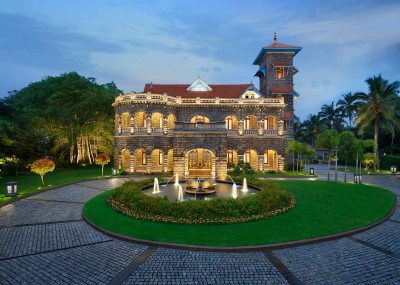
Halcyon Castle
Some quick example text to build on the card title and make up the bulk of the card's content.
Go somewhere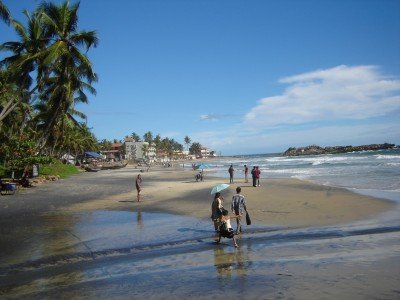
Hawah Beach
Some quick example text to build on the card title and make up the bulk of the card's content.
Go somewhere
Karamana River
Some quick example text to build on the card title and make up the bulk of the card's content.
Go somewhere
Kovalam Art Gallery
Some quick example text to build on the card title and make up the bulk of the card's content.
Go somewhere
Kovalam Ayurvedic Resorts
Some quick example text to build on the card title and make up the bulk of the card's content.
Go somewhere
Kovalam Beach
Some quick example text to build on the card title and make up the bulk of the card's content.
Go somewhere
Kovalam Caves
Some quick example text to build on the card title and make up the bulk of the card's content.
Go somewhere
Kovalam Jama Masjid
Some quick example text to build on the card title and make up the bulk of the card's content.
Go somewhere
Kovalam Juma Masjid
Some quick example text to build on the card title and make up the bulk of the card's content.
Go somewhere
Kovalam Junction
Some quick example text to build on the card title and make up the bulk of the card's content.
Go somewhere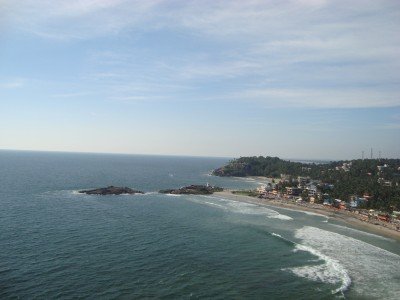
Lighthouse Beach
Some quick example text to build on the card title and make up the bulk of the card's content.
Go somewherein Other Cities