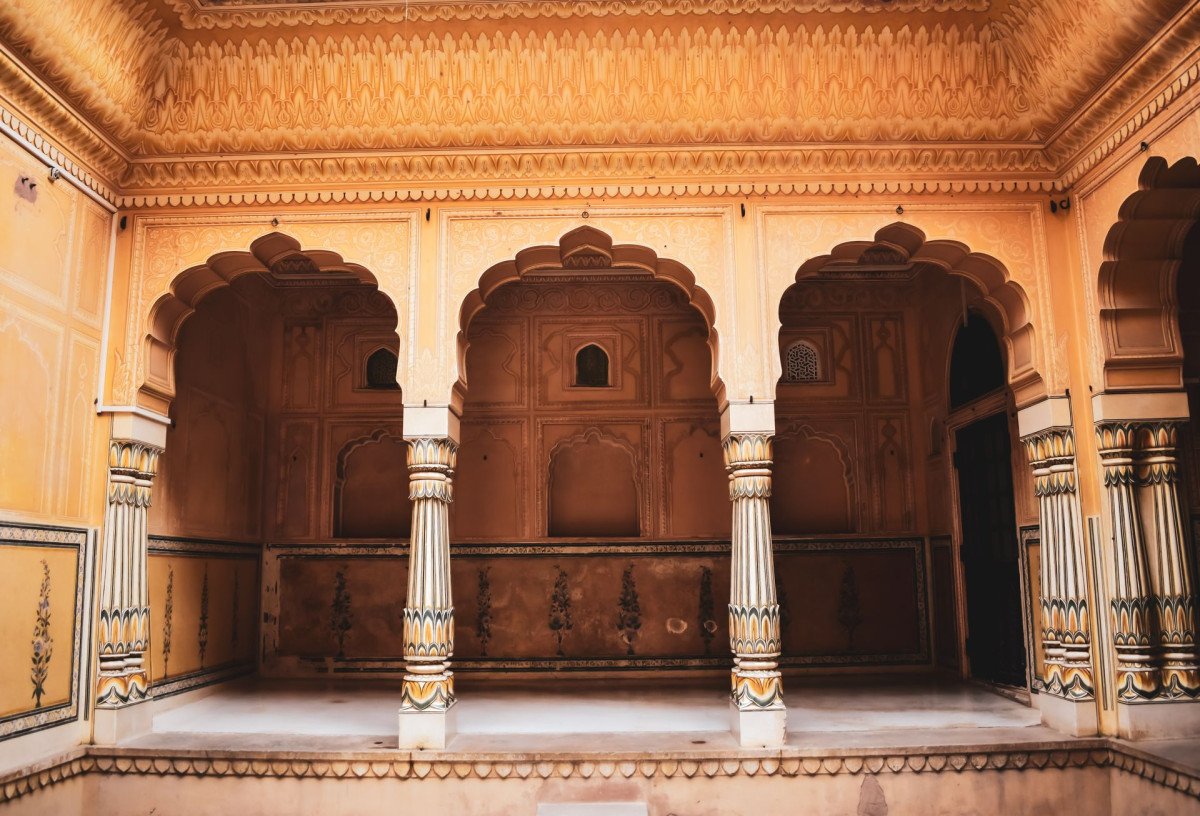
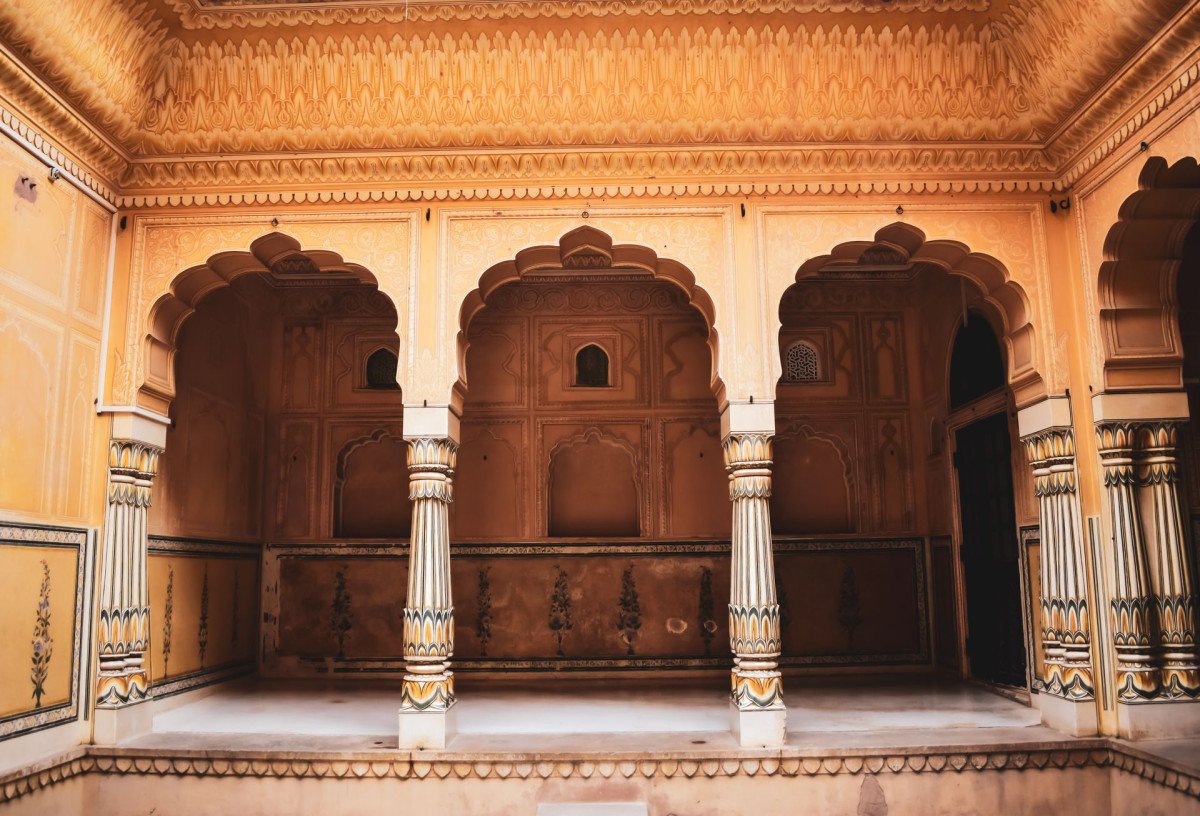
Bagrian Fort Qila Mubarak
General information
-
Ideal Duration:
2 to 3 hours.Place Type:
Heritage / Historical Fort.Entry Fees:
Heritage Visit: Entry to the fort area is generally free, but it is a private residence, so some areas might require permission. There is no formal ticket system. Visitors are expected to maintain the decorum of the historical and spiritual site. ...Heritage Visit: Entry to the fort area is generally free, but it is a private residence, so some areas might require permission. There is no formal ticket system. Visitors are expected to maintain the decorum of the historical and spiritual site.Timing:
Visiting Hours: 9:00 AM to 6:00 PM.
Ideal Visit Time: Morning hours around 10:00 AM are best for exploring the architecture and historical details before the afternoon heat. Winters are perfect for a full-day visit. ...Visiting Hours: 9:00 AM to 6:00 PM.
Ideal Visit Time: Morning hours around 10:00 AM are best for exploring the architecture and historical details before the afternoon heat. Winters are perfect for a full-day visit.Special Events:
Hola Mohalla and Baisakhi: These festivals are celebrated with traditional zeal, reflecting the martial spirit of the Sikhs. Special prayers are held for the prosperity of the region. The fort family often hosts community feasts during these times, continuing the centuries...Hola Mohalla and Baisakhi: These festivals are celebrated with traditional zeal, reflecting the martial spirit of the Sikhs. Special prayers are held for the prosperity of the region. The fort family often hosts community feasts during these times, continuing the centuries-old tradition of service.Best Photo Spots:
Grand Entrance and Towers: The massive wooden gates of the fort provide a royal backdrop for portraits. Capturing the height of the watchtowers against a clear blue sky shows the scale of the structure. The arched hallways inside the 'Haveli' create beautiful light and sha...Grand Entrance and Towers: The massive wooden gates of the fort provide a royal backdrop for portraits. Capturing the height of the watchtowers against a clear blue sky shows the scale of the structure. The arched hallways inside the 'Haveli' create beautiful light and shadow patterns for artistic shots.Photo Gallery
Things To Do
-
Historical Exploration and Culture: Walking through the massive gates of the fort is like stepping back into the 18th century. Visitors can admire the intricate brickwork and the traditional architecture of the 'Haveli' within the fort. The 'Langar' hall here is historic and offers a unique communal dining experience.
Photography and Research: History buffs can spend time researching the lineage of the Bhai family. The fort offers excellent photography spots, especially the old watchtowers and the arched doorways. Engaging with the local caretakers provides deep insights into the oral history and legends of the Phulkian States. ...Historical Exploration and Culture: Walking through the massive gates of the fort is like stepping back into the 18th century. Visitors can admire the intricate brickwork and the traditional architecture of the 'Haveli' within the fort. The 'Langar' hall here is historic and offers a unique communal dining experience.
Photography and Research: History buffs can spend time researching the lineage of the Bhai family. The fort offers excellent photography spots, especially the old watchtowers and the arched doorways. Engaging with the local caretakers provides deep insights into the oral history and legends of the Phulkian States.
Information
-
Why Famous:
Spiritual Guides to Kings: The fort is famous for being the seat of the Bhai family, the royal priests of the Phulkian States. It is also renowned for its continuous 'Langar' service and its collection of historical relics. It stands as a symbol of the spiritual lineage th...Spiritual Guides to Kings: The fort is famous for being the seat of the Bhai family, the royal priests of the Phulkian States. It is also renowned for its continuous 'Langar' service and its collection of historical relics. It stands as a symbol of the spiritual lineage that guided Punjab's rulers. -
Architecture:
Fortress Features and Layout: The fort is built with small 'Nanakshahi' bricks, featuring massive wooden gates and watchtowers that stand 40 feet high. The interior contains the 'Diwan Khana' with high ceilings and 'Chhatris' on the corners. The total area spans several ac...Fortress Features and Layout: The fort is built with small 'Nanakshahi' bricks, featuring massive wooden gates and watchtowers that stand 40 feet high. The interior contains the 'Diwan Khana' with high ceilings and 'Chhatris' on the corners. The total area spans several acres with thick defensive walls. -
How To Reach:
Reaching the Fort:
By Air: Chandigarh Airport is about 120 km away.
By Train: Nabha (15 km) or Sangrur (22 km) are the nearest stations.
By Road: Take the Malerkotla-Nabha ro...Reaching the Fort:
By Air: Chandigarh Airport is about 120 km away.
By Train: Nabha (15 km) or Sangrur (22 km) are the nearest stations.
By Road: Take the Malerkotla-Nabha road; private taxis are recommended for a comfortable journey.
By Local Transport: Limited bus service; hiring a private cab from Sangrur is the best option. -
Weather and Best Time to Visit:
Weather Preferences: Winter months are ideal as the fort can get very hot in summer. Post-Monsoon (September) is also good when the surroundings are green. Visit during the day to see the architectural details clearly; 10 AM to 1 PM is the best window. ...Weather Preferences: Winter months are ideal as the fort can get very hot in summer. Post-Monsoon (September) is also good when the surroundings are green. Visit during the day to see the architectural details clearly; 10 AM to 1 PM is the best window. -
Near Tourist Places:
Nabha Royal Palace (15 km), Gurdwara Akoi Sahib (20 km), Sheesh Mahal (22 km), Malerkotla Fort (25 km), Sangrur Museum (22 km), Fatehgarh Sahib (70 km), Patiala Qila Mubarak (50 km), Sunam (40 km), Dhuri (35 km), Bhawanigarh (30 km).
Tourism Tips
-
Heritage Travel Tips:
Health & Safety: Carry your own water and a hat for the sun.
Packing: Comfortable walking shoes are a must for the uneven fort floors.
Accommodation: St...Heritage Travel Tips:
Health & Safety: Carry your own water and a hat for the sun.
Packing: Comfortable walking shoes are a must for the uneven fort floors.
Accommodation: Stay in Sangrur or Nabha hotels.
Cash: Nearest ATMs are in Bagrian or Nabha.
Connectivity: Signal can be patchy inside thick fort walls. Always ask for permission before taking photos of private areas.
Reviews
FAQs
Sangrur Itineray And Cost:-
Bagrian Fort Qila Mubarak Tourism:-
Other Places In Sangrur :-
Other States In India :-
Information about New and Updated Locations() of Punjab Has Been Added :-
Card subtitle
Note:-
Information provided here in good Faith and for reference only.
Near Places
Bagrian Fort Qila Mubarak
Some quick example text to build on the card title and make up the bulk of the card's content.
Go somewhere
Fountain Chowk
Some quick example text to build on the card title and make up the bulk of the card's content.
Go somewhere
Gurdwara Akoi Sahib
Some quick example text to build on the card title and make up the bulk of the card's content.
Go somewhere
Gurdwara Nanak Jhira Sahib
Some quick example text to build on the card title and make up the bulk of the card's content.
Go somewhere
Kacha Darwaja
Some quick example text to build on the card title and make up the bulk of the card's content.
Go somewhere
Kala Shergill Farm House
Some quick example text to build on the card title and make up the bulk of the card's content.
Go somewhere
Maharaja Nawab Mahal
Some quick example text to build on the card title and make up the bulk of the card's content.
Go somewhere
Mubarak Manzil
Some quick example text to build on the card title and make up the bulk of the card's content.
Go somewhere
Numberdar Farm
Some quick example text to build on the card title and make up the bulk of the card's content.
Go somewhere
Rampur Bhindran Forest
Some quick example text to build on the card title and make up the bulk of the card's content.
Go somewhere
Retgarh Palace
Some quick example text to build on the card title and make up the bulk of the card's content.
Go somewhere
Sekha Lake
Some quick example text to build on the card title and make up the bulk of the card's content.
Go somewhere
Shahi Maqbara
Some quick example text to build on the card title and make up the bulk of the card's content.
Go somewhere
Sheesh Mahal
Some quick example text to build on the card title and make up the bulk of the card's content.
Go somewhere
Sheesh Mehal
Some quick example text to build on the card title and make up the bulk of the card's content.
Go somewhere
Sirhandi Gate
Some quick example text to build on the card title and make up the bulk of the card's content.
Go somewherein Other Cities