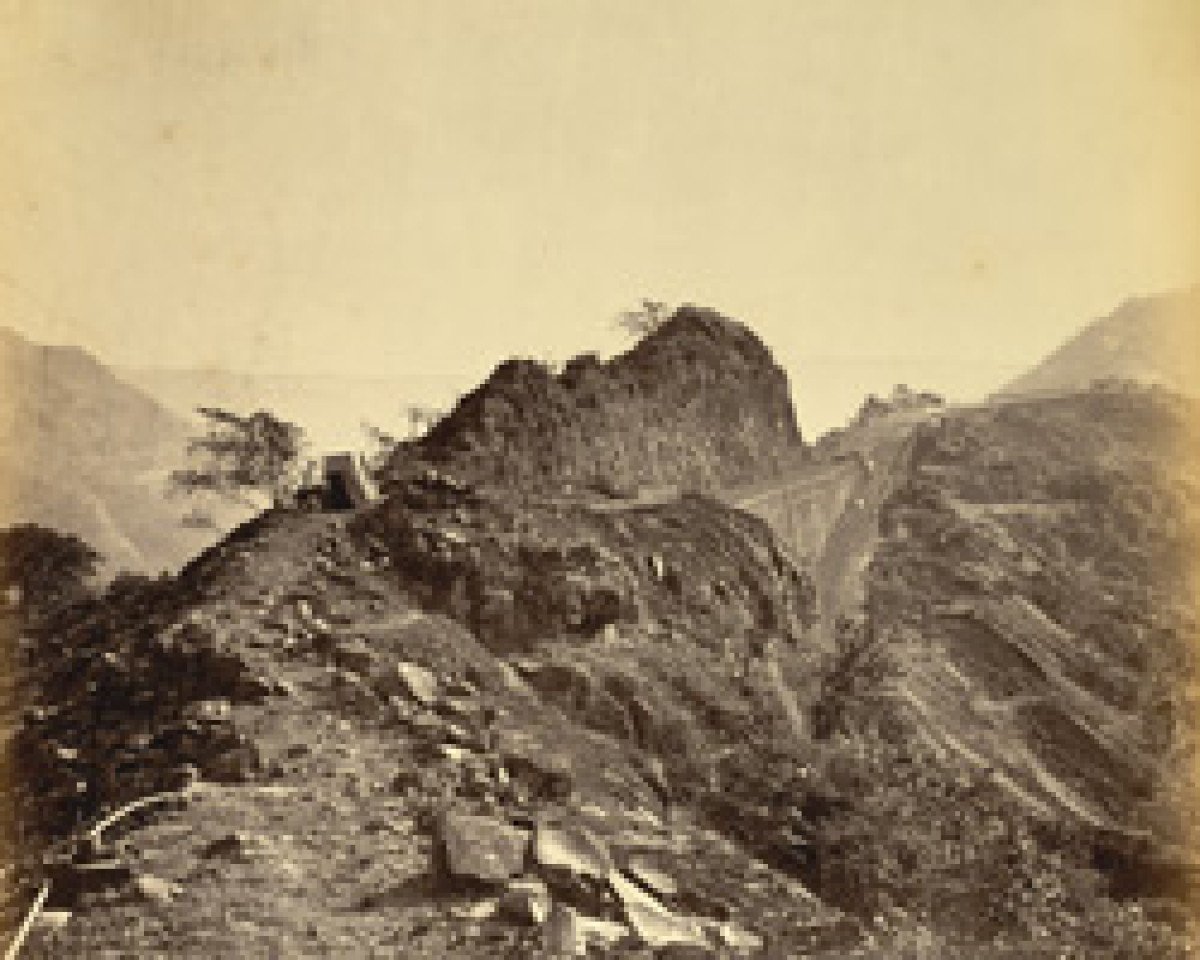
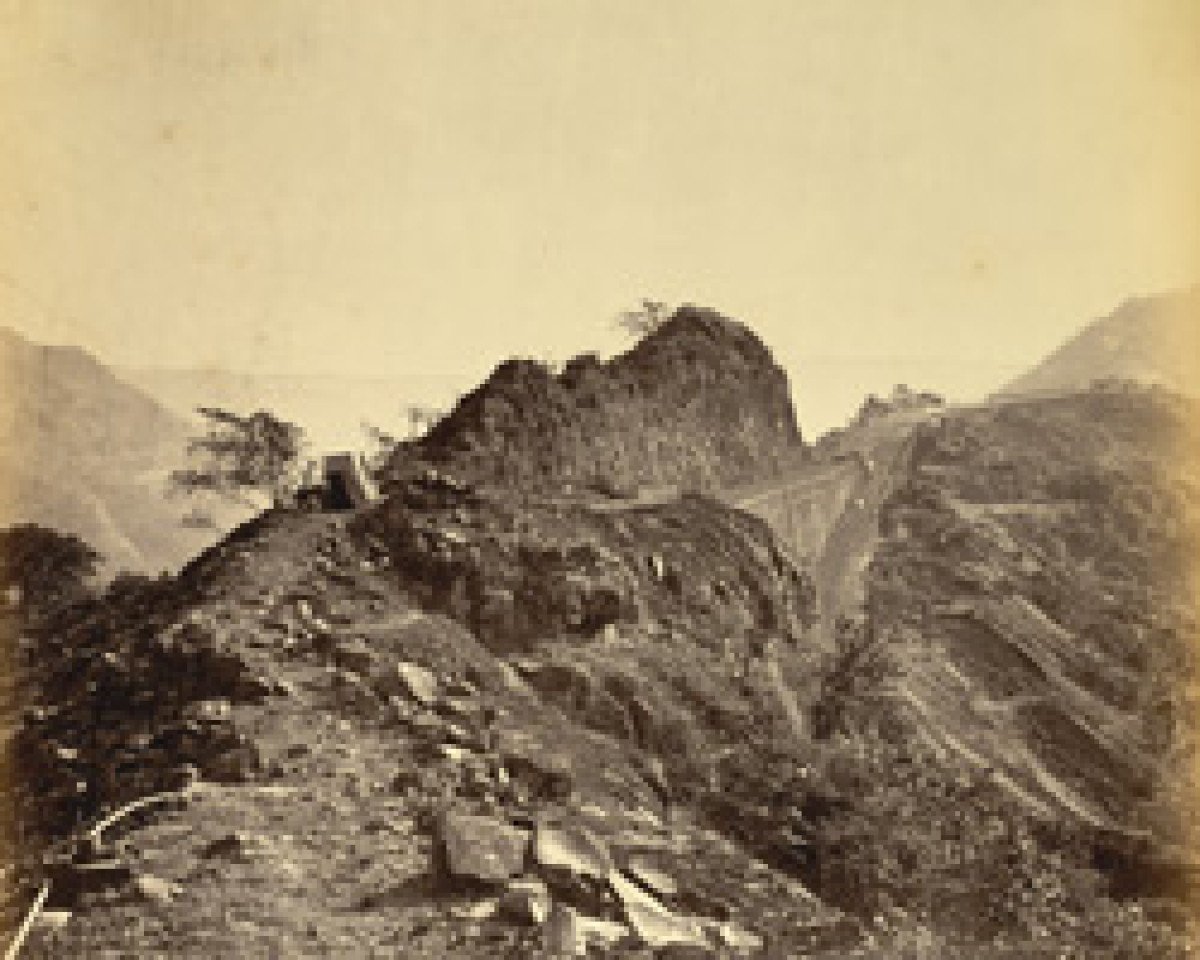
Bhor Ghat
General information
-
Ideal Duration:
1 Hour (as a stopover) to 3-4 Hours (for dedicated trekking and viewing)Place Type:
Mountain Pass, Historic Route, Scenic DriveEntry Fees:
Standard Entry: No Entry Fee whatsoever, as it is a major public road and railway network. It is free to travel on.
Toll Fees: Note that the Mumbai-Pune Expressway (E-way) has significant toll charges for vehicles entering and exiting the c...Standard Entry: No Entry Fee whatsoever, as it is a major public road and railway network. It is free to travel on.
Toll Fees: Note that the Mumbai-Pune Expressway (E-way) has significant toll charges for vehicles entering and exiting the controlled-access road. This is not an 'entry fee' to the ghat but a road usage charge.
Incidental Costs: Costs are limited to fuel for travel, food and beverages purchased at the roadside stalls or dhabas, and any parking fees at popular viewing spots.
Special Permission: Access to the core railway tunnels and sensitive infrastructure is restricted and requires special permission from the Railway authorities.Timing:
Regular Timings: Open 24 Hours (It is a functional highway and railway route). However, travel during Night is risky due to heavy fog, vehicle breakdowns, and reduced visibility. Daytime travel is highly recommended.
Ideal Visit Time: Earl...Regular Timings: Open 24 Hours (It is a functional highway and railway route). However, travel during Night is risky due to heavy fog, vehicle breakdowns, and reduced visibility. Daytime travel is highly recommended.
Ideal Visit Time: Early Morning to Late Afternoon is best for viewing and safe travel. The period from 10:00 AM to 4:00 PM is generally ideal for avoiding dense fog.
Monsoon Travel: While the most beautiful, travel during the monsoon (especially July and August) requires extra caution due to landslides and visibility issues.Special Events:
The pass itself is a functional transport corridor, but sometimes local authorities, especially the railway department, might organize Heritage Walks/Tours: Rare, guided walks focusing on the historical and engineering aspects of the railway line, often during Winter months when the terrain is safes...The pass itself is a functional transport corridor, but sometimes local authorities, especially the railway department, might organize Heritage Walks/Tours: Rare, guided walks focusing on the historical and engineering aspects of the railway line, often during Winter months when the terrain is safest.
Monsoon Photography Competitions: Impromptu or organized photography challenges by local groups during the peak of the monsoon to capture the dramatic transformation of the ghat.Best Photo Spots:
Viaduct and Tunnel View: Capturing the long railway viaducts or the dark mouth of a tunnel against the backdrop of the lush green hills is an iconic shot of the Bhor Ghat's engineering history.
Winding Road from Above: Find a high vantage po...Viaduct and Tunnel View: Capturing the long railway viaducts or the dark mouth of a tunnel against the backdrop of the lush green hills is an iconic shot of the Bhor Ghat's engineering history.
Winding Road from Above: Find a high vantage point (like Amrutanjan Point) to photograph the serpentine road below, emphasizing the depth of the valley and the scale of the climb.
Cascading Waterfalls in Monsoon: During the rains, there are countless photo opportunities to capture the streams and waterfalls that spring up along the cliffs and roadside.
Cloud and Mist Rolling: Photographing the dramatic, low-hanging clouds and thick mist enveloping the ghat section, especially from the higher points near Khandala, creates a moody and powerful image.Photo Gallery
Things To Do
-
Scenic Driving/Riding Experience: The primary activity is the spectacular drive or ride itself. Negotiate the turns and marvel at the engineering and natural beauty. This is a must-do for road-trip enthusiasts.
Stopping at Key Viewpoints: Make planned stops at popular spots like Amrutanjan Point and Khandala Ghat View Point for photography and taking short breaks.
Watching the Trains and Traffic: Find a safe vantage point to observe the impressive sight of goods and passenger trains maneuvering the steep railway line and the rapid flow of traffic on the Expressway.
Trekking and Exploring the Old Road: Explore the remnants of the old road and railway infrastructure, though caution is highly advised due to unstable terrain and steep drops.
Read MoreScenic Driving/Riding Experience: The primary activity is the spectacular drive or ride itself. Negotiate the turns and marvel at the engineering and natural beauty. This is a must-do for road-trip enthusiasts.
Stopping at Key Viewpoints: Make planned stops at popular spots like Amrutanjan Point and Khandala Ghat View Point for photography and taking short breaks.
Watching the Trains and Traffic: Find a safe vantage point to observe the impressive sight of goods and passenger trains maneuvering the steep railway line and the rapid flow of traffic on the Expressway.
Trekking and Exploring the Old Road: Explore the remnants of the old road and railway infrastructure, though caution is highly advised due to unstable terrain and steep drops.
Local Photography: Capture the unique juxtaposition of nature's beauty (waterfalls, hills) and human engineering (tunnels, roads, bridges).
Enjoying the Altitude: Experience the physical sensation of the rapid altitude change (ear-popping) and the subsequent drop in temperature, enjoying the cool mountain air.
Picnics and Quick Snacks: Stopping at safe lay-bys to enjoy packed food or local tea and snacks from the roadside stalls.
Information
-
Why Famous:
Crucial Connectivity: It is famous for being the most vital commercial and passenger link between India's financial capital (Mumbai) and the educational/industrial hub (Pune). The ghat is a backbone of the Maharashtra region's economy.
Historic...Crucial Connectivity: It is famous for being the most vital commercial and passenger link between India's financial capital (Mumbai) and the educational/industrial hub (Pune). The ghat is a backbone of the Maharashtra region's economy.
Historical Railway Feat: The Bhor Ghat railway line is celebrated as one of the most challenging and significant sections of the Indian railway network, historically a key project for the Great Indian Peninsula Railway (GIPR).
Monsoon Magic: Like much of the Sahyadris, the ghat transforms during the monsoon into an unbelievable spectacle of mist, lush greenery, and countless temporary waterfalls plunging hundreds of feet down the steep cliffs.
UNESCO World Heritage Context: Although the ghat itself is not individually listed, the entire Western Ghats is a UNESCO World Heritage Site, placing the Bhor Ghat section within a recognized ecological hotspot. -
Architecture:
Railway Engineering: The most significant 'architecture' is the Bhor Ghat railway incline. This section features impressive British-era civil engineering, including long tunnels, massive viaducts, and intricate bridges. The original construction required carving through ha...Railway Engineering: The most significant 'architecture' is the Bhor Ghat railway incline. This section features impressive British-era civil engineering, including long tunnels, massive viaducts, and intricate bridges. The original construction required carving through hard basalt rock and negotiating steep gradients, an undertaking considered an engineering feat of its time. The dimensions involved the creation of over 25 tunnels and multiple heavy masonry viaducts.
Road Network and Infrastructure: The modern architecture includes the multiple-lane Mumbai-Pune Expressway, which features long, straight bridge sections cutting across valleys and sophisticated tunnel systems (like the famous Adoshi Tunnel), designed for high-speed traffic. The total length of the railway ghat section is approximately 21 KMs.
Natural Elevation: The pass rises from the Konkan plains at Palasdari (near Khopoli) to the plateau near Khandala and Lonavala, involving a substantial altitude change of around 600 meters (over 1900 feet). -
How To Reach:
By Air: Nearest airports are Pune International Airport (PNQ), approx. 75 KMs to the east, and Chhatrapati Shivaji Maharaj International Airport, Mumbai (BOM), approx. 95 KMs to the west. A taxi is the only option from the airport to the ghat.By Air: Nearest airports are Pune International Airport (PNQ), approx. 75 KMs to the east, and Chhatrapati Shivaji Maharaj International Airport, Mumbai (BOM), approx. 95 KMs to the west. A taxi is the only option from the airport to the ghat.
By Train: The Bhor Ghat railway section is part of the main Mumbai-Pune line. The nearest major station is Lonavala (LNL), approx. 7 KMs from the upper section of the ghat. The lower section is near Khopoli station.
By Road: By far the most common way. It is the route of the Mumbai-Pune Expressway (E-way) and the Old NH-48. Drive or hire a car/bus. The ghat is clearly marked and easily accessible from both Mumbai and Pune.
By Local Transport: Local taxis or private transport from Khandala or Lonavala can be hired to take you to specific viewpoints within the ghat section. Auto-rickshaws can also ply the old highway but are generally avoided for the Expressway. -
Weather and Best Time to Visit:
Monsoon Season (June-September): The Absolute Best Time to Visit for the dramatic scenery of mist, clouds, and waterfalls. The greenery is at its most vibrant peak. However, expect heavy traffic and some safety risks.
Winter Season (November-F...Monsoon Season (June-September): The Absolute Best Time to Visit for the dramatic scenery of mist, clouds, and waterfalls. The greenery is at its most vibrant peak. However, expect heavy traffic and some safety risks.
Winter Season (November-February): Excellent time for a smooth and comfortable drive. The views are clearer, and the weather is cool and pleasant for a stopover or picnic.
Summer Season (March-May): Can be very hot, reducing the overall appeal. Travel is best restricted to Early Morning or late evening hours.
Different Parts of the Day: Daytime is necessary for enjoying the views and safely navigating the roads. Avoid traveling at Night or during peak traffic hours (weekend evenings). -
Near Tourist Places:
Duke's Nose (Nagphani) (approx. 8 KMs from upper ghat)Kune Falls (approx. 6 KMs)Bhushi Dam (approx. 14 KMs)Karla Caves (approx. 15 KMs)Adoshi Tunnel (on the E-way)Khopoli (Town at the base - approx. 15 KMs)Lonavala Bazaar (approx. 7 KMs)Tiger's Leap (approx. 7 KMs)Lohagad Fort (approx. 20 KMs)Visapur Fort (approx. 22 KMs)
Tourism Tips
-
Health & Safety: Drive Cautiously on the ghat, especially during the monsoon and at Night. Adhere strictly to speed limits and warnings. Be aware of landslides during heavy rain. Always pull over to designated safety spots or lay-bys. Never stop in the middle of the Expr...Health & Safety: Drive Cautiously on the ghat, especially during the monsoon and at Night. Adhere strictly to speed limits and warnings. Be aware of landslides during heavy rain. Always pull over to designated safety spots or lay-bys. Never stop in the middle of the Expressway.
Packing Essentials: Carry an Emergency Kit for car travel, including water, snacks, and a first-aid box. A camera with wide-angle capabilities is a must. Wear warm clothing in Winter and rain gear in Monsoon.
Accommodation: No accommodation is available directly on the ghat. The nearest options are in the hill stations of Khandala and Lonavala at the summit, and Khopoli at the base. Other Different Topics Heading - Roadside Etiquette: Use designated stops for food, rest, and photos. Respect the environment and Do Not Litter in the ecologically sensitive Western Ghats. Be highly mindful of heavy truck traffic.
Reviews
FAQs
Khandala Itineray And Cost:-
Other Places In Khandala :-
Other States In India :-
Information about New and Updated Locations() of Maharashtra Has Been Added :-
Card subtitle
Note:-
Information provided here in good Faith and for reference only.
Near Places
Amrutanjan Point
Some quick example text to build on the card title and make up the bulk of the card's content.
Go somewhere
Bhor Ghat
Some quick example text to build on the card title and make up the bulk of the card's content.
Go somewhere
Canyon Valley
Some quick example text to build on the card title and make up the bulk of the card's content.
Go somewhere
Duke's Nose
Some quick example text to build on the card title and make up the bulk of the card's content.
Go somewhere
Khandala Ghat View Point
Some quick example text to build on the card title and make up the bulk of the card's content.
Go somewhere
Khandala Lake
Some quick example text to build on the card title and make up the bulk of the card's content.
Go somewhere
Kune Church
Some quick example text to build on the card title and make up the bulk of the card's content.
Go somewhere
Kune Falls
Some quick example text to build on the card title and make up the bulk of the card's content.
Go somewhere
Monkey Point
Some quick example text to build on the card title and make up the bulk of the card's content.
Go somewhere
Rajmachi View Point
Some quick example text to build on the card title and make up the bulk of the card's content.
Go somewhere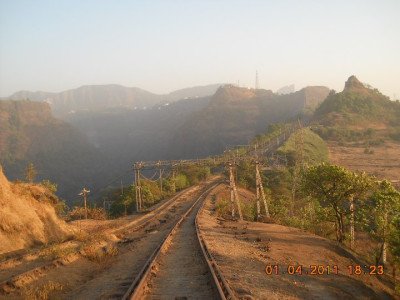
Reversing Station
Some quick example text to build on the card title and make up the bulk of the card's content.
Go somewhere
Shingroba Temple
Some quick example text to build on the card title and make up the bulk of the card's content.
Go somewhere
Shooting Point
Some quick example text to build on the card title and make up the bulk of the card's content.
Go somewherein Other Cities