

Binsar Wildlife Sanctuary
General information
-
Ideal Duration:
4-6 hours for a trek/safari in the core area; 2-3 hours for bird watching near the boundary.Place Type:
Wildlife, Nature, TrekkingEntry Fees:
INR 150 per person for Indians and INR 600 for foreign nationals (for a single day). Students have a discounted fee of INR 75.
Vehicle Charges: Separate charges apply for vehicles entering the main sanctuary area: Car/Light Vehicle is approximately INR 250-300. M...INR 150 per person for Indians and INR 600 for foreign nationals (for a single day). Students have a discounted fee of INR 75.
Vehicle Charges: Separate charges apply for vehicles entering the main sanctuary area: Car/Light Vehicle is approximately INR 250-300. Medium/Heavy Vehicles are higher.
Stay and Guide Fees: Accommodation inside the sanctuary (e. g. , KMVN) is charged separately. Hiring a licensed guide is recommended for trekking, with fees typically around INR 500 for a half-day.
Photography Fees: Generally, no separate fees for amateur photography apply, but commercial photography or filming requires official permits and is strictly regulated.Timing:
Regular Timings: The main sanctuary gate is open from 6:00 AM to 6:00 PM. Safari tours and vehicle entry may have specific timings, often from 9:00 AM to 7:30 PM in the core area.
Ideal Visit Time: Early Morning (6:00 AM to 9:00 AM) is the ...Regular Timings: The main sanctuary gate is open from 6:00 AM to 6:00 PM. Safari tours and vehicle entry may have specific timings, often from 9:00 AM to 7:30 PM in the core area.
Ideal Visit Time: Early Morning (6:00 AM to 9:00 AM) is the best time for bird watching, wildlife sighting, and the clearest views from Zero Point.
Seasonal Variation: Winter (October to March) offers the clearest Himalayan views, while the pre-monsoon season (March-June) is excellent for spotting flowers and migratory birds.
Trekking Time: Most treks are best started in the morning, around 8:00 AM, to complete the circuit before the afternoon sun and return before sunset.Special Events:
Annual Binsar Fair: A local fair, often tied to the Bineshwar Mahadev Temple or a local harvest festival, occurs annually (the date is variable) and brings a vibrant cultural feel to the region.
Wildlife Census Events: Occasionally, the fore...Annual Binsar Fair: A local fair, often tied to the Bineshwar Mahadev Temple or a local harvest festival, occurs annually (the date is variable) and brings a vibrant cultural feel to the region.
Wildlife Census Events: Occasionally, the forest department organizes special nature camps or counts, which, if coordinated, can offer a unique insight into conservation efforts (requires special permits).
Rhododendron Festival: Although not official, the period of full Rhododendron bloom (March-April) is celebrated informally by local resorts with nature trails and flower walks.
Local Village Festivals: Festivals like Nanda Devi Raj Jat (though rare) or smaller local Kumaoni village fairs in the periphery of Binsar provide a genuine cultural experience.Best Photo Spots:
Zero Point Observation Deck: The highest vantage point for an unmatched panorama of the Kedarnath, Nanda Devi, and Trishul peaks.
Forest Trails in Golden Hour: The trails lined with towering Oak and Deodar trees are excellent for atmospheric...Zero Point Observation Deck: The highest vantage point for an unmatched panorama of the Kedarnath, Nanda Devi, and Trishul peaks.
Forest Trails in Golden Hour: The trails lined with towering Oak and Deodar trees are excellent for atmospheric, filtered-light photography during sunrise or sunset.
Rhododendron Blooms: In March-April, areas dense with the red Rhododendron flowers provide striking natural color and foreground elements.
Wildlife Hides: Specific, quiet spots near water bodies or clearings are the best for long-lens wildlife photography, though patience is key.
The Old Temple Setting: The ancient stone architecture of the Bineshwar Mahadev Temple against the lush forest backdrop offers great contrast for cultural photography.Photo Gallery
Things To Do
-
Bird Watching Safari: Hire a local guide and spend the early morning hours spotting over 200 species of birds, especially along the water points and oak-covered trails.
Trekking to Zero Point: Embark on the 1. 8 km trek from the KMVN rest house (inside the sanctuary) to Zero Point for the magnificent 360-degree Himalayan views.
Nature Walks: Go for guided or unguided nature walks along the periphery and boundary paths to experience the dense Oak and Deodar forest and inhale the clear, crisp mountain air.
Wildlife Photography: Capture the vast landscapes and, with luck, the elusive wildlife like the Leopard, Goral, or different types of deer.
Stay in a Forest Lodge: Experience a peaceful, rustic stay at one of the lodges or homest...Bird Watching Safari: Hire a local guide and spend the early morning hours spotting over 200 species of birds, especially along the water points and oak-covered trails.
Trekking to Zero Point: Embark on the 1. 8 km trek from the KMVN rest house (inside the sanctuary) to Zero Point for the magnificent 360-degree Himalayan views.
Nature Walks: Go for guided or unguided nature walks along the periphery and boundary paths to experience the dense Oak and Deodar forest and inhale the clear, crisp mountain air.
Wildlife Photography: Capture the vast landscapes and, with luck, the elusive wildlife like the Leopard, Goral, or different types of deer.
Stay in a Forest Lodge: Experience a peaceful, rustic stay at one of the lodges or homestays located near the sanctuary's edge for an immersive nature experience.
Explore the Bineshwar Mahadev Temple: Pay a visit to the ancient Shiva temple located within the sanctuary for a cultural and spiritual break.
Stargazing: Given the high altitude and lack of light pollution, spend an evening stargazing to view the stunningly clear night sky.
Information
-
Why Famous:
Zero Point View: It is most famous for the Zero Point, which provides a stunning 300 km panoramic view of the great Himalayan peaks, including Kedarnath, Chaukhamba, Trishul, Nanda Devi, Nanda Kot, and Panchachuli.
Bird Watcher's Paradise: T...Zero Point View: It is most famous for the Zero Point, which provides a stunning 300 km panoramic view of the great Himalayan peaks, including Kedarnath, Chaukhamba, Trishul, Nanda Devi, Nanda Kot, and Panchachuli.
Bird Watcher's Paradise: The sanctuary is celebrated globally as one of the most important bird areas in India, home to over 200 species of residential and migratory birds, attracting serious ornithologists.
Rich Oak Forests: The dense, majestic Oak (Quercus) and vibrant Rhododendron forests make it famous for its unique, pristine Himalayan flora, which supports its diverse ecosystem.
Historical Significance: It was once the summer capital and a hunting reserve of the Chand Rajas of Kumaon, adding a historical layer to its natural fame. -
Architecture:
Natural Architecture: The sanctuary's boundary is defined by the natural, dense Oak and Rhododendron forests, part of the Western Himalayan Broadleaf Forests eco-region.
Gate and Check Posts: The formal architectural structures are limited t...Natural Architecture: The sanctuary's boundary is defined by the natural, dense Oak and Rhododendron forests, part of the Western Himalayan Broadleaf Forests eco-region.
Gate and Check Posts: The formal architectural structures are limited to the check posts at the main entry gate (approx. 22 km from Almora). These are simple wooden and stone structures designed to blend into the forest.
Zero Point Tower: The highest point, Zero Point (approx. 2,412 meters), features a simple observation tower/platform built for unobstructed 360-degree viewing of the Himalayan range.
Local Construction Style: Any accommodation or rest areas near the boundary often employ a traditional Kumaoni stone and slate architecture, utilizing locally sourced materials to minimize environmental impact. The architecture is primarily focused on creating a non-intrusive boundary for wildlife conservation.
Trails and Pathways: The walking trails are naturally maintained or minimally paved, preserving the authentic feel of the jungle. -
How To Reach:
By Air: The nearest airport is Pantnagar Airport (PGH), approximately 150 km away. From there, hire a taxi to Almora (30 km before the Binsar entry gate).
By Train: The nearest major railway station is Kathgodam Railway Station (KGM), about...By Air: The nearest airport is Pantnagar Airport (PGH), approximately 150 km away. From there, hire a taxi to Almora (30 km before the Binsar entry gate).
By Train: The nearest major railway station is Kathgodam Railway Station (KGM), about 120 km away. Taxis are available for the 3-4 hour drive via Almora to the main Binsar gate.
By Road: Binsar is well-connected by a motorable road from Almora (30 km). From Kausani (60-70 km), one must hire a taxi or local jeep for a scenic drive via the scenic mountain route. The drive from Kausani takes about 2-3 hours. Visitors can drive their own vehicles inside the sanctuary (with a fee) up to certain points, or hire local taxis from the gate.
By Local Transport: Local taxis or shared jeeps from Almora or Kausani are the primary means of transport to reach the main entry gate of the sanctuary. -
Weather and Best Time to Visit:
Different Types of Seasons: October to March is the Best Time for cool weather, clear skies, and spectacular, unhindered views of the Himalayan peaks. April to June is also excellent for pleasant weather and spotting the Rhododendron bloom. Monsoon (July to September) make...Different Types of Seasons: October to March is the Best Time for cool weather, clear skies, and spectacular, unhindered views of the Himalayan peaks. April to June is also excellent for pleasant weather and spotting the Rhododendron bloom. Monsoon (July to September) makes the area misty and lush, but views are often obscured. Different Parts of the Day Early Morning is essential for wildlife and bird sightings. Late Afternoon is ideal for watching the sunset from a viewpoint near the boundary area. -
Near Tourist Places:
Almora (30 km), Jageshwar Temple (70 km), Kasardevi Temple (38 km), Kausani Tea Estate (65 km), Kumaon Regimental Centre Museum (35 km), Katarmal Sun Temple (40 km), Someshwar (75 km), Sarla Ashram (75 km), Dhaulchina (60 km), Baijnath Temple (80 km).
Tourism Tips
-
Health & safety: Always hire a certified guide for treks into the core area. Carry sufficient water and basic first aid. Do not venture out after dark, as the area is wild and home to leopards and bears.
Packing: Wear sturdy walking shoes ...Health & safety: Always hire a certified guide for treks into the core area. Carry sufficient water and basic first aid. Do not venture out after dark, as the area is wild and home to leopards and bears.
Packing: Wear sturdy walking shoes or trekking boots. Carry binoculars, a detailed bird/animal guide, warm layers, and rain gear. Use a backpack for easy carrying during treks.
Accommodation: Book accommodation, especially inside the KMVN Forest Rest House, well in advance, as rooms are limited. Alternatively, many private resorts and homestays are available just outside the main gate.
Other Different Topics heading: The sanctuary is a plastic-free zone; carry back all your non-biodegradable waste. Maintain silence while trekking to increase the chances of spotting wildlife.
Reviews
FAQs
Kausani Itineray And Cost:-
Binsar Wildlife Sanctuary Tourism:-
Other Places In Kausani :-
Other States In India :-
Information about New and Updated Locations() of Uttarakhand Has Been Added :-
Card subtitle
Note:-
Information provided here in good Faith and for reference only.
Near Places

Anasakti Ashram
Some quick example text to build on the card title and make up the bulk of the card's content.
Go somewhere
Binsar Wildlife Sanctuary
Some quick example text to build on the card title and make up the bulk of the card's content.
Go somewhere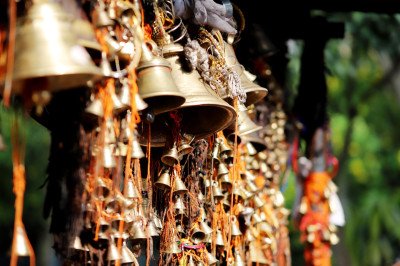
Bura Pinath Temple
Some quick example text to build on the card title and make up the bulk of the card's content.
Go somewhere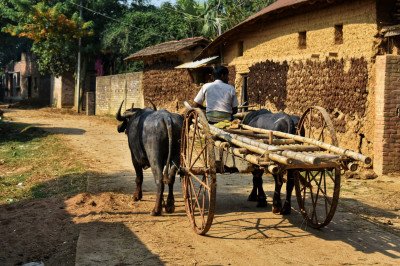
Chirang Village
Some quick example text to build on the card title and make up the bulk of the card's content.
Go somewhere
Dhaulinag Temple
Some quick example text to build on the card title and make up the bulk of the card's content.
Go somewhere
Kafni Glacier Trek
Some quick example text to build on the card title and make up the bulk of the card's content.
Go somewhere
Kausani Hill Station
Some quick example text to build on the card title and make up the bulk of the card's content.
Go somewhere
Kausani Main Market
Some quick example text to build on the card title and make up the bulk of the card's content.
Go somewhere
Kausani Shawl Factory
Some quick example text to build on the card title and make up the bulk of the card's content.
Go somewhere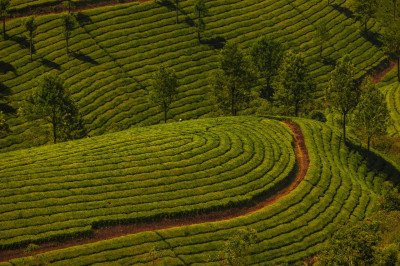
Kausani Tea Estate
Some quick example text to build on the card title and make up the bulk of the card's content.
Go somewhere
Kausani Tourist Rest House
Some quick example text to build on the card title and make up the bulk of the card's content.
Go somewhere
Kausani View Point
Some quick example text to build on the card title and make up the bulk of the card's content.
Go somewhere
Lakshmi Ashram
Some quick example text to build on the card title and make up the bulk of the card's content.
Go somewhere
Pindari Glacier Trek
Some quick example text to build on the card title and make up the bulk of the card's content.
Go somewhere
Pinnath Village Temple
Some quick example text to build on the card title and make up the bulk of the card's content.
Go somewhere
Rudradhari Falls & Caves
Some quick example text to build on the card title and make up the bulk of the card's content.
Go somewherein Other Cities