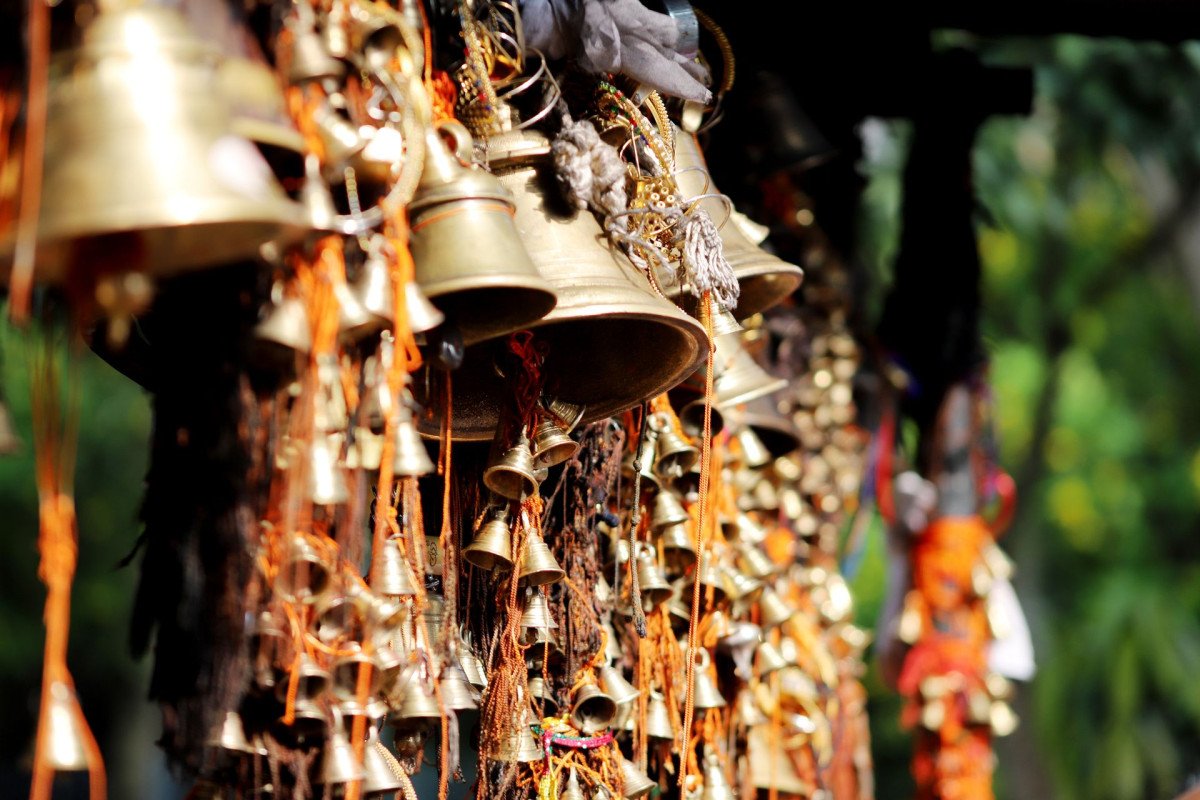
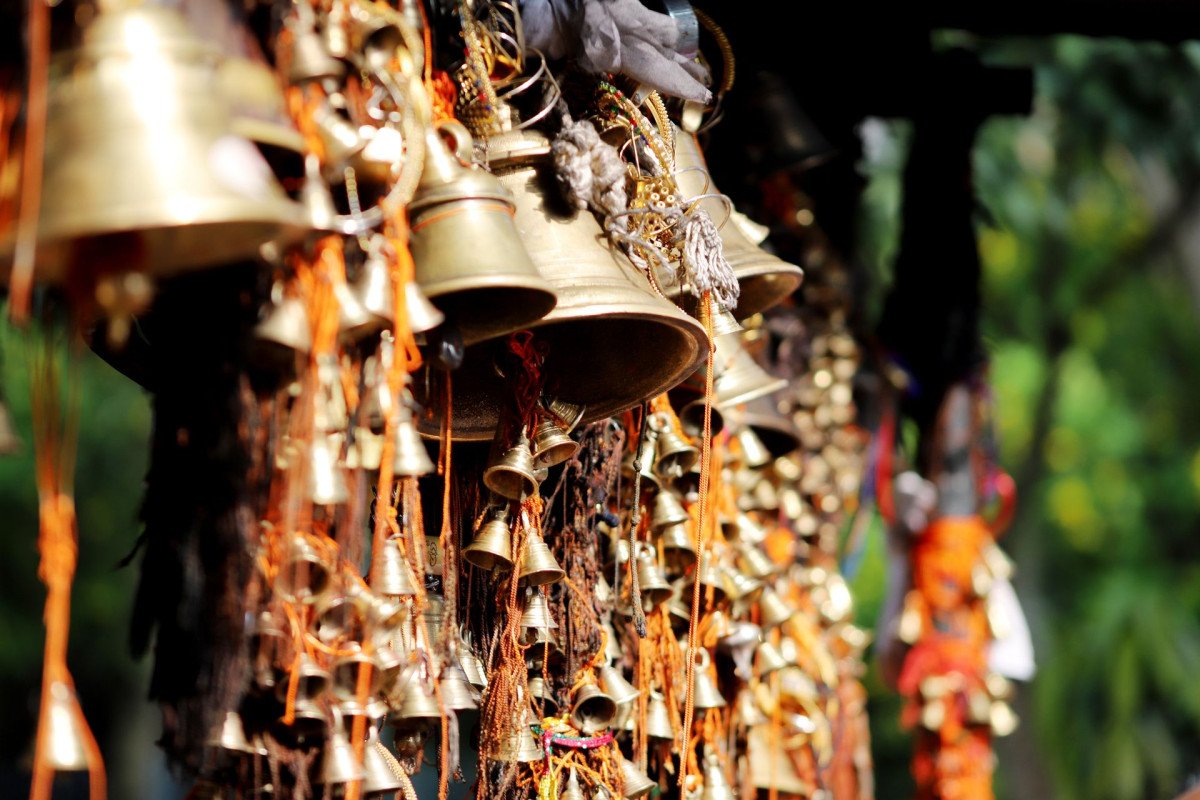
Chaiti Devi Temple
General information
-
Ideal Duration:
1-2 Hours:Place Type:
Religious and Historical SitEntry Fees:
Free of Cost (Optional Donations): There is no entry fee to visit the temple. Visitors are welcome to offer voluntary donations (Dakshina) for the maintenance of the temple and the performance of daily rituals. During the Chaiti Mela, there might be small charges for spec...Free of Cost (Optional Donations): There is no entry fee to visit the temple. Visitors are welcome to offer voluntary donations (Dakshina) for the maintenance of the temple and the performance of daily rituals. During the Chaiti Mela, there might be small charges for specific fairground activities or parking, but the entry to the main religious complex remains free. Photography is generally free but always be respectful and ask for permission before taking pictures of priests or rituals.Timing:
Regular Timings and Ideal Visit Time: The temple is typically open from early morning (around 5:00 AM) until late evening (around 9:00 PM), with a possible break in the afternoon. Ideal Visit Time is during the early morning for Aarti and peace, or late afternoon for pleas...Regular Timings and Ideal Visit Time: The temple is typically open from early morning (around 5:00 AM) until late evening (around 9:00 PM), with a possible break in the afternoon. Ideal Visit Time is during the early morning for Aarti and peace, or late afternoon for pleasant weather. During the Navratri and the Chaiti Mela, the timings are extended, and the temple remains heavily crowded. Best time to avoid rush is on weekdays outside of major festival seasons.Special Events:
The Annual Chaiti Mela during Navratri: The most significant event is the Chaiti Mela, a grand annual fair held during Chaitra Navratri (usually March-April). This fair is a massive congregation of devotees, traders, and tourists. The fair culminates with the procession a...The Annual Chaiti Mela during Navratri: The most significant event is the Chaiti Mela, a grand annual fair held during Chaitra Navratri (usually March-April). This fair is a massive congregation of devotees, traders, and tourists. The fair culminates with the procession and installation of the idol in the Doli on Dashami night. Other notable events include the celebration of Sharad Navratri (in September-October) and Mahashivratri, which are observed with great devotion, special pujas, and Kirtans.Best Photo Spots:
View of the Shikhara and The Banyan Tree: The best spot is capturing the main shrine's Shikhara (spire) against the sky, especially during sunrise or sunset, for a dramatic effect. The ancient, large Banyan Tree offers a unique backdrop for portraits or spiritual landscape...View of the Shikhara and The Banyan Tree: The best spot is capturing the main shrine's Shikhara (spire) against the sky, especially during sunrise or sunset, for a dramatic effect. The ancient, large Banyan Tree offers a unique backdrop for portraits or spiritual landscape shots. During the Chaiti Mela, the vibrant colors of the crowd, the fair stalls, and the traditional attire provide excellent street and cultural photography opportunities, particularly the Doli procession on Dashami. The serene corners of the temple's courtyard also offer peaceful compositional elements.Photo Gallery
Things To Do
-
Seeking Blessings and Cultural Immersion: Attending the morning and evening Aarti to experience the spiritual fervor. Performing ritualistic circumambulation (Parikrama) of the main shrine and the sacred Banyan Tree. Participating in the Chaiti Mela (if visiting in March/April) to witness local culture, traditional performances, and stalls. Meditation and prayer in the serene complex. Donating to the temple for its upkeep or Prasad distribution. Photography of the temple's architecture and the fair's vibrant life (respectfully). Learning about the temple's history from the local priests or signboards. Exploring nearby Drona Sagar Lake and the ruins of ancient Ujjain for a historical day trip. ...Seeking Blessings and Cultural Immersion: Attending the morning and evening Aarti to experience the spiritual fervor. Performing ritualistic circumambulation (Parikrama) of the main shrine and the sacred Banyan Tree. Participating in the Chaiti Mela (if visiting in March/April) to witness local culture, traditional performances, and stalls. Meditation and prayer in the serene complex. Donating to the temple for its upkeep or Prasad distribution. Photography of the temple's architecture and the fair's vibrant life (respectfully). Learning about the temple's history from the local priests or signboards. Exploring nearby Drona Sagar Lake and the ruins of ancient Ujjain for a historical day trip.
Information
-
Why Famous:
Mythological Significance and Chaiti Mela: It is primarily famous for its association with the legend of Maa Sati, making it a significant Shakti Peetha. It is a major center for Hindu pilgrimage. It is extremely famous for the grand annual Chaiti Mela (fair) held during ...Mythological Significance and Chaiti Mela: It is primarily famous for its association with the legend of Maa Sati, making it a significant Shakti Peetha. It is a major center for Hindu pilgrimage. It is extremely famous for the grand annual Chaiti Mela (fair) held during Navratri in the month of March or April (Chaitra month of the Hindu calendar), which attracts lakhs of devotees from far and wide. The religious rituals, including the symbolic sacrifice and the procession of the Doli, make it a place of strong local tradition and faith. -
Architecture:
Traditional North Indian Temple Style: The architecture of the Chaiti Devi Temple reflects a typical North Indian temple style, often blending traditional Hindu design elements. The structure is built with a focus on a central shrine housing the main deity, often featuring...Traditional North Indian Temple Style: The architecture of the Chaiti Devi Temple reflects a typical North Indian temple style, often blending traditional Hindu design elements. The structure is built with a focus on a central shrine housing the main deity, often featuring a conical or pyramidal spire (Shikhara) above the sanctum. The complex includes a main prayer hall (Mandapa) for devotees to gather. The current structure has seen multiple renovations over centuries, maintaining its sacred form. The use of local materials and traditional craftsmanship is evident in the carvings and overall design, though detailed information on precise Dimensions is not readily available. There is an ancient, large Banyan Tree in the temple premises which, despite being hollowed by legend, stands as a prominent natural feature. The interior walls often display vibrant murals or sculptures depicting mythological tales, enhancing the spiritual atmosphere. The temple's modest yet sacred design prioritizes the religious function over grand scale. -
How To Reach:
By Air, Train, Road, Local Transport:
By Air: The nearest airport is Pantnagar Airport (PGH), approximately 72 KMS away. One can hire a taxi from the airport to reach the temple.
By Train: The nearest major...By Air, Train, Road, Local Transport:
By Air: The nearest airport is Pantnagar Airport (PGH), approximately 72 KMS away. One can hire a taxi from the airport to reach the temple.
By Train: The nearest major railway station is Kashipur Junction (KPV), which is well-connected to major cities like Delhi, Lucknow, and Moradabad. From the station, the temple is a short ride.
By Road: Kashipur is well-connected by National and State Highways. Buses and private taxis are available from major cities in Uttarakhand and Uttar Pradesh.
By Local Transport: Being only 2 KMS from the city center, local auto-rickshaws (Tuk-Tuks) and cycle-rickshaws are the easiest and most economical way to reach the temple from anywhere in Kashipur. -
Weather and Best Time to Visit:
Pleasant Weather Months and Festival Time: The Best Time to Visit for pleasant weather is from October to April. The winter months (November to February) are cool and ideal for travel. For a peak religious and cultural experience, the best time is during the Chaitra Navra...Pleasant Weather Months and Festival Time: The Best Time to Visit for pleasant weather is from October to April. The winter months (November to February) are cool and ideal for travel. For a peak religious and cultural experience, the best time is during the Chaitra Navratri in March or April for the Chaiti Mela. Different Parts of the Day - early morning is highly recommended for serenity and the morning prayers. Avoid peak summer months (May and June) due to intense heat. -
Near Tourist Places:
Drona Sagar Lake (2 KMS), Giri Sarovar Lake (3 KMS), Moteshwar Mahadev Temple (2 KMS), Shri Nankana Sahib Gurudwara (3 KMS), Pipal Briksh (in the temple complex), Jim Corbett National Park (60 KMS), Nainital (70 KMS), Bhimtal (75 KMS), Kashipur Museum (4 KMS), Devbhoomi Adventure Park (10 KMS).
Tourism Tips
-
Respectful Attire and Health & Safety: Health & Safety - Always carry drinking water, especially during the fair. Wear comfortable footwear as you might need to walk a lot, especially during festivals. Packing - Pack modest clothing that covers shoulders and knees, as is ...Respectful Attire and Health & Safety: Health & Safety - Always carry drinking water, especially during the fair. Wear comfortable footwear as you might need to walk a lot, especially during festivals. Packing - Pack modest clothing that covers shoulders and knees, as is customary in Hindu temples. If visiting in winter, carry warm layers. Accommodation - Good hotels and guesthouses are available in Kashipur city. Other Topics - Be mindful of your belongings in crowded areas like the fair. Plan your visit during the Chaiti Mela well in advance due to high demand. Photography should be discreet, especially inside the sanctum.
Reviews
FAQs
Kashipur Itineray And Cost:-
Chaiti Devi Temple Tourism:-
Other Places In Kashipur :-
Other States In India :-
Information about New and Updated Locations() of Uttarakhand Has Been Added :-
Card subtitle
Note:-
Information provided here in good Faith and for reference only.
Near Places
Chaiti Devi Temple
Some quick example text to build on the card title and make up the bulk of the card's content.
Go somewhere
Drona Sagar Lake
Some quick example text to build on the card title and make up the bulk of the card's content.
Go somewhere
Giri Sarovar Lake
Some quick example text to build on the card title and make up the bulk of the card's content.
Go somewhere
Maa Balsundari Temple
Some quick example text to build on the card title and make up the bulk of the card's content.
Go somewhere
Moteshwar Mahadev Temple
Some quick example text to build on the card title and make up the bulk of the card's content.
Go somewhere
Naukuchiatal Lake
Some quick example text to build on the card title and make up the bulk of the card's content.
Go somewhere
Phato Zone
Some quick example text to build on the card title and make up the bulk of the card's content.
Go somewhere
Pipal Briksh
Some quick example text to build on the card title and make up the bulk of the card's content.
Go somewhere
Ramnagar Gateway City
Some quick example text to build on the card title and make up the bulk of the card's content.
Go somewhere
Sattal Lake Cluster
Some quick example text to build on the card title and make up the bulk of the card's content.
Go somewhere
Shri Nankana Sahib Gurudwara
Some quick example text to build on the card title and make up the bulk of the card's content.
Go somewherein Other Cities