Hoshiarpur Archaeological Museum
General information
-
Ideal Duration:
1.
5 Hours:Place Type:
Museum/Cultural Site:Entry Fees:
Low and Fixed Entry Fee:: As a government-operated educational and cultural institution, the entry fee is low and fixed, usually between Rs.10 and Rs.50 for Indian visitors and slightly higher for international tourists, ensuring broad public access.Low and Fixed Entry Fee:: As a government-operated educational and cultural institution, the entry fee is low and fixed, usually between Rs.10 and Rs.50 for Indian visitors and slightly higher for international tourists, ensuring broad public access.
Camera/Video Fee: A separate, moderate fee is typically charged for carrying a camera or phone camera (usually around Rs.100 to Rs.300), and video recording is often restricted or subject to a higher fee to protect the collection from damage and to control intellectual property.
Educational Group Concessions: Students from local schools and colleges, or large organized educational groups, are often offered significant fee concessions or free entry upon prior written request and approval, promoting historical education.Timing:
Regular Timings: 10:00 AM to 5:00 PM (Typically Closed on Mondays and National Holidays): Museum hours are strict and public sector-regulated; it is essential to check the exact closing day (usually Monday) and hours before planning the visit.
...Regular Timings: 10:00 AM to 5:00 PM (Typically Closed on Mondays and National Holidays): Museum hours are strict and public sector-regulated; it is essential to check the exact closing day (usually Monday) and hours before planning the visit.
Ideal Visit Time: Morning (10:00 AM to 1:00 PM) Visiting right when the museum opens allows for a complete, unhurried tour before it potentially gets crowded with school groups or afternoon visitors, offering the best conditions for quiet study and viewing.Special Events:
International Museum Day Event:: Like many museums globally, the Hoshiarpur Archaeological Museum celebrates International Museum Day (on May 18), often offering free entry, guided tours, and special lectures or exhibits focused on a specific theme relevant to the global mus...International Museum Day Event:: Like many museums globally, the Hoshiarpur Archaeological Museum celebrates International Museum Day (on May 18), often offering free entry, guided tours, and special lectures or exhibits focused on a specific theme relevant to the global museum community.
Special Artifact Showcase: The museum occasionally rotates its collection or unveils a newly acquired or restored artifact for a limited period, often accompanied by a lecture by a historian, creating a temporary, high-interest cultural event.Best Photo Spots:
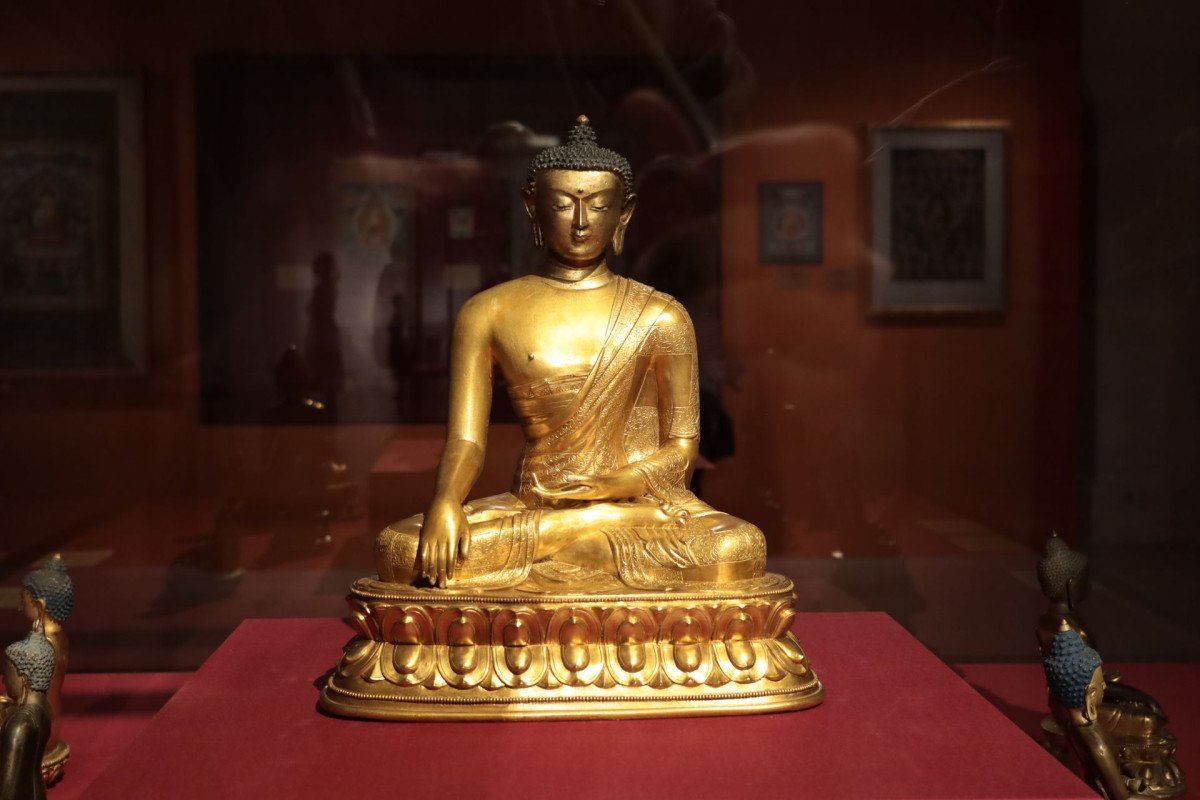
The Best-Preserved Sculpture Display: The showcase featuring the most significant or aesthetically pleasing stone sculpture from Dholbaha (e. g. , a Vishnu or Shiva idol) provides the most historically and artistically important photograph (ensure no flash is used).
...The Best-Preserved Sculpture Display: The showcase featuring the most significant or aesthetically pleasing stone sculpture from Dholbaha (e. g. , a Vishnu or Shiva idol) provides the most historically and artistically important photograph (ensure no flash is used).
The Gallery Perspective Shot: A wide shot down one of the main museum galleries, showing the sequence of display cases framed by the old, decorative walls of the Sheesh Mahal, captures the blend of history and architecture.
The Ancient Coin Display: A focused, detailed photograph of the old coins or small terra-cotta figures, under the gallery lights, highlights the meticulous detail and age of the smaller artifacts.Photo Gallery
Things To Do
-
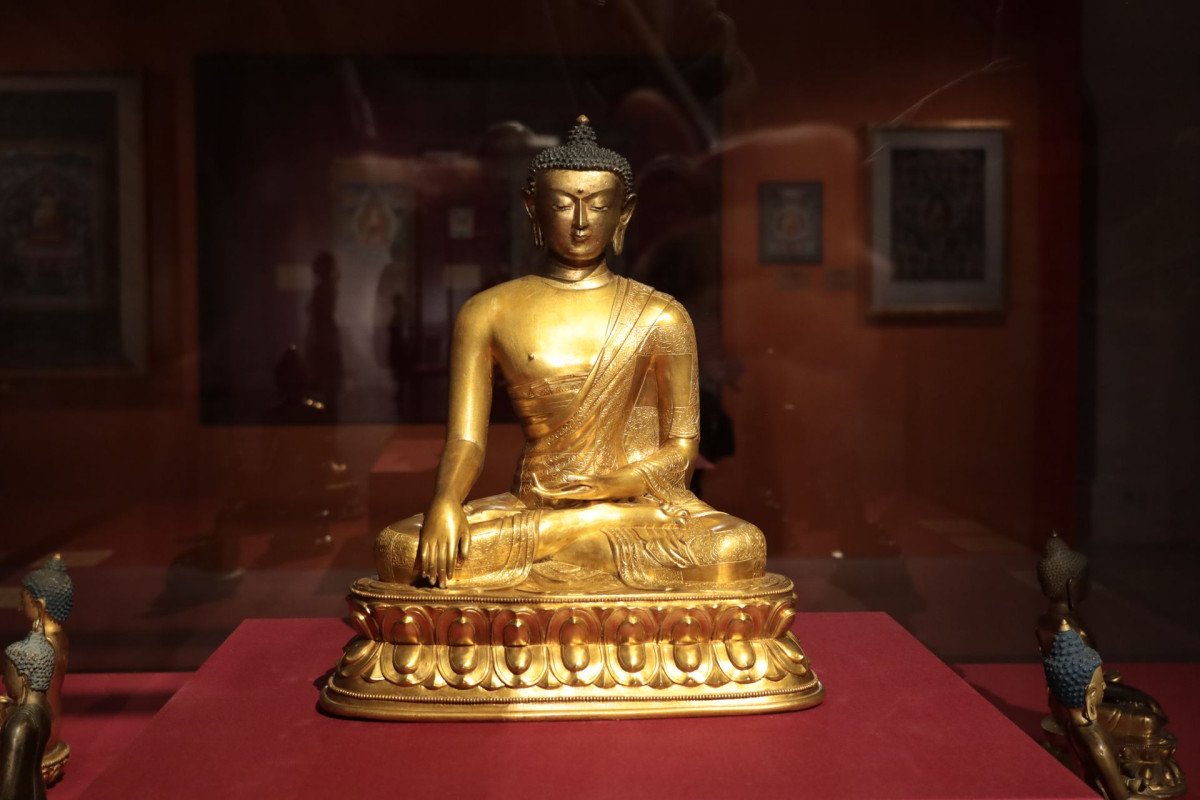
Study the Dholbaha Sculptures: Spend focused time examining the stone sculptures, particularly the Hindu and Buddhist figures, to appreciate the craftsmanship and the regional variations in ancient Indian art styles.
Trace the Regional History: Walk through the galleries sequentially, using the informational panels to trace the evolution of the Doaba region from its ancient past through the medieval period, connecting the artifacts to historical narratives.
Observe the Palace Architecture: While touring the museum, consciously pay attention to the original palace features—the Sheesha Kari, the archways, and the wall structure—observing how the historical and modern elements interact.
Review the Coin and Pottery Exhibits: Examine the coin and pottery sections,...Study the Dholbaha Sculptures: Spend focused time examining the stone sculptures, particularly the Hindu and Buddhist figures, to appreciate the craftsmanship and the regional variations in ancient Indian art styles.
Trace the Regional History: Walk through the galleries sequentially, using the informational panels to trace the evolution of the Doaba region from its ancient past through the medieval period, connecting the artifacts to historical narratives.
Observe the Palace Architecture: While touring the museum, consciously pay attention to the original palace features—the Sheesha Kari, the archways, and the wall structure—observing how the historical and modern elements interact.
Review the Coin and Pottery Exhibits: Examine the coin and pottery sections, which provide crucial, tangible evidence of trade routes, economic systems, and daily life in ancient Hoshiarpur.
Engage with Museum Staff: If possible, engage the museum curator or a knowledgeable staff member in conversation to gain deeper insights into the origins and significance of the key exhibits and the research activities of the institution.
Take Notes/Sketching: Use the quiet environment for historical research, detailed note-taking, or artistic sketching of the artifacts, an activity welcomed by most museums (using pencil only).
Visit the Gift Shop (If Available): Check for local history books, postcards, or small, educational souvenirs that promote the art and history of the Punjab region.
Information
-
Why Famous:
The Dholbaha Sculpture Collection:: The museum is most famous for its excellent collection of stone sculptures and artifacts excavated from the nearby archaeological site of Dholbaha, which are critical in understanding the regional art and religious history of Punjab from t...The Dholbaha Sculpture Collection:: The museum is most famous for its excellent collection of stone sculptures and artifacts excavated from the nearby archaeological site of Dholbaha, which are critical in understanding the regional art and religious history of Punjab from the Gupta and post-Gupta periods.
Unique Setting in the Sheesh Mahal: Its fame is also due to its unusual and beautiful location within the historic Sheesh Mahal, allowing visitors to appreciate two different eras of Hoshiarpur's history—the art of its ancient past and the architecture of its modern history—at a single location. -
Architecture:
Functional Museum Layout within a Heritage Structure:: The museum's architecture is defined by the existing shell of the Sheesh Mahal, a heritage building, whose chambers have been functionally adapted into exhibition galleries.
Gallery Space and Flow: The original ...Functional Museum Layout within a Heritage Structure:: The museum's architecture is defined by the existing shell of the Sheesh Mahal, a heritage building, whose chambers have been functionally adapted into exhibition galleries.
Gallery Space and Flow: The original rooms of the palace have been converted into sequential galleries with modern display cases, lighting, and informational panels. The exhibition area covers the palace’s main floor and perhaps the ground floor, estimated to be around 4,000 square feet of exhibit space.
Display Materials and Environment Control: The original walls of the palace, some featuring the Sheesha Kari, serve as a decorative backdrop. The display units are modern, using glass, metal, and wood to protect the artifacts. While a state museum, environmental controls (temperature and humidity) may be basic, making artifact preservation challenging but necessary. The layout guides visitors through a chronological or thematic sequence of the artifacts, from pre-history to the modern era, using the palace's existing floor plan. -
How To Reach:
By Air:: Sri Guru Ram Dass Jee International Airport (ATQ) in Amritsar (approx. 130 KMS) is the main entry point. Hire a taxi to Hoshiarpur city. The museum is well-known in the Model Town area.
By Train:: Hoshiarpur Railway Station (HSX)...By Air:: Sri Guru Ram Dass Jee International Airport (ATQ) in Amritsar (approx. 130 KMS) is the main entry point. Hire a taxi to Hoshiarpur city. The museum is well-known in the Model Town area.
By Train:: Hoshiarpur Railway Station (HSX) is approx. 4 KMS away. The best approach is a short auto-rickshaw ride directly to the Sheesh Mahal complex in Model Town. Jalandhar City Junction (JUC) (approx. 45 KMS) is the main rail hub.
By Road:: The Sheesh Mahal/Museum is a well-known, high-profile landmark in the modern Model Town locality, easily accessible by city bus, auto-rickshaw, or taxi from the main Hoshiarpur Bus Stand.
By Local Transport:: Auto-rickshaws are the most efficient local transport. Giving the name Archaeological Museum, Model Town is a clear and simple instruction for local drivers to reach the location. -
Weather and Best Time to Visit:
Different Types of Seasons:
Winter Season (October to March): The most pleasant time for travel to Hoshiarpur and for the indoor museum visit.
Monsoon Season (July to September): A good choice, as the museum ...Different Types of Seasons:
Winter Season (October to March): The most pleasant time for travel to Hoshiarpur and for the indoor museum visit.
Monsoon Season (July to September): A good choice, as the museum is an indoor activity, and the thick walls keep the humidity and rain out.
Summer Season (April to June): Highly recommended to visit during this season to enjoy the cool confines of the old palace walls, avoiding the city's intense heat.
Different Parts of the Day: Morning (10:00 AM to 1:00 PM) Ideal for a quiet and focused viewing of the exhibits and the Sheesha Kari under the maximum natural light conditions. -
Near Tourist Places:
Sheesh Mahal (0 KMS): Located in the same complex, offering the mirror work.
Guru Gobind Singh Ji Park (4 KMS): Recreational area for relaxation.
Lal Mandir (3 KMS): Major Hindu temple. Gopal Mandir (3.
5 KMS): Popular Lord Krishna temple.
Gurudwara Bhai Joga Singh Ji (3 KMS): Historic Sikh shrine.
Maharaja Ranjit Singh Park (4 KMS): Local city park.
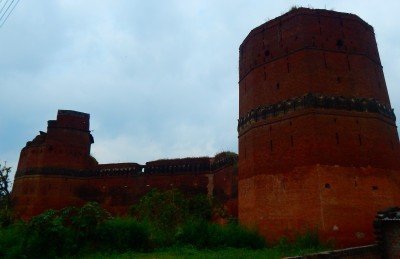
Bajwara Fort Ruins (8 KMS): Historical site.
Shivalik Peaks Viewpoint (18 KMS): Scenic views.
Shah Noor Jamal Tomb (12 KMS): Sufi spiritual site.
Hoshiarpur Bus Stand (4 KMS): Main transport point.
Tourism Tips
-
Health & Safety:: Do not touch the exhibits under any circumstances; the oils on human skin can cause irreversible damage. Be careful when walking on old, often marble, flooring.
Packing Essentials:: Carry a notebook and pencil (pens are o...Health & Safety:: Do not touch the exhibits under any circumstances; the oils on human skin can cause irreversible damage. Be careful when walking on old, often marble, flooring.
Packing Essentials:: Carry a notebook and pencil (pens are often prohibited in galleries). Bring your ticket and camera fee receipt to show staff if asked. Avoid carrying large bags, which often must be deposited at a locker counter.
Accommodation Advice: Staying in Model Town offers the best access to the museum and the surrounding upscale city amenities, including better dining and hotel options.
Other Different Topics Heading:: Respect the museum's closure on Mondays and national holidays. Allocate at least 1. 5 hours for a quality, unhurried tour. Encourage children to use the museum's educational materials.
Reviews
FAQs
Hoshiarpur Itineray And Cost:-
Hoshiarpur Archaeological Museum Tourism:-
Other Places In Hoshiarpur :-
Other States In India :-
Information about New and Updated Locations() of Punjab Has Been Added :-
Card subtitle
Note:-
Information provided here in good Faith and for reference only.
Near Places
Bajwara Fort Ruins
Some quick example text to build on the card title and make up the bulk of the card's content.
Go somewhere
Chohal Lake
Some quick example text to build on the card title and make up the bulk of the card's content.
Go somewhere
Damsal Dam
Some quick example text to build on the card title and make up the bulk of the card's content.
Go somewhere
Dasuya Forest Division
Some quick example text to build on the card title and make up the bulk of the card's content.
Go somewhere
Dera Sant Garh Harkhowal
Some quick example text to build on the card title and make up the bulk of the card's content.
Go somewhere
Dera Sant Garh
Some quick example text to build on the card title and make up the bulk of the card's content.
Go somewhere
Dholbaha Dam
Some quick example text to build on the card title and make up the bulk of the card's content.
Go somewhere
Gopal Mandir
Some quick example text to build on the card title and make up the bulk of the card's content.
Go somewhere
Guru Gobind Singh Ji Park
Some quick example text to build on the card title and make up the bulk of the card's content.
Go somewhere
Gurudwara Bhai Joga Singh Ji
Some quick example text to build on the card title and make up the bulk of the card's content.
Go somewhere
Gurudwara Garna Sahib
Some quick example text to build on the card title and make up the bulk of the card's content.
Go somewhere
Gurudwara Harian Vellan Patshahi VII
Some quick example text to build on the card title and make up the bulk of the card's content.
Go somewhere
Hoshiarpur Archaeological Museum
Some quick example text to build on the card title and make up the bulk of the card's content.
Go somewhere
Hoshiarpur Valley View Point
Some quick example text to build on the card title and make up the bulk of the card's content.
Go somewhere
Kamahi Devi Temple
Some quick example text to build on the card title and make up the bulk of the card's content.
Go somewhere
Keshon Dam
Some quick example text to build on the card title and make up the bulk of the card's content.
Go somewherein Other Cities