

Jahaz Mahal
General information
-
Ideal Duration:
1-2 hours:Place Type:
Historical Monument, Palace, Architecture:Entry Fees:
Entry Fee for Indians: The monument entry fee is typically very low for Indian citizens, often around INR 25 per person, which often covers the entire Royal Group of Monuments (including Hindola Mahal and the museum).
Entry Fee for Foreigners:Entry Fee for Indians: The monument entry fee is typically very low for Indian citizens, often around INR 25 per person, which often covers the entire Royal Group of Monuments (including Hindola Mahal and the museum).
Entry Fee for Foreigners: For foreign tourists, the entry fee is significantly higher, usually around INR 300 per person. This differential pricing is a common practice across major archaeological sites managed by the Archaeological Survey of India (ASI).
Video/Camera Charges: While still photography is generally included in the ticket price, a separate fee may be charged for carrying a professional video camera, which can be around INR 100 or more.
Guide Services: A local, officially licensed guide is highly recommended for an in-depth tour, and their charges are separate from the entry fee, typically negotiated on-site based on the duration and the group size.
Online Ticket Purchase: Tickets can often be purchased online through the ASI or other official platforms, which can save time and sometimes offer a slight discount compared to the on-site ticket counter, especially during peak season. ()Timing:
Regular Timings: The monument is typically open from Sunrise (around 6:00 AM) to Sunset (around 7:00 PM) on all days of the week (Monday to Sunday), though closing times can vary slightly depending on the season and local administrative rules.
I...Regular Timings: The monument is typically open from Sunrise (around 6:00 AM) to Sunset (around 7:00 PM) on all days of the week (Monday to Sunday), though closing times can vary slightly depending on the season and local administrative rules.
Ideal Visit Time: The best time to visit the Jahaz Mahal is in the early morning (6:00 AM to 9:00 AM) to avoid the midday heat, catch the beautiful soft sunlight for photography, and experience a less crowded atmosphere. The late afternoon (4:00 PM to Sunset) is also excellent, especially for viewing the sunset over the lakes.
Duration and Complex: Since it is part of the larger Royal Group of Monuments that includes Hindola Mahal and the museum, plan for a total visit time of at least 2 to 3 hours to thoroughly cover the entire complex without rushing.
Sound and Light Show Timing: The evening Sound and Light Show usually commences after sunset, around 7:30 PM or 8:00 PM, and lasts for about an hour. This requires a separate evening visit and ticket. ()Special Events:
The Mandu Festival: The palace and its surrounding complex, including the large grounds, often serve as a venue or a central point for the annual Mandu Festival, usually held in December or January. The festival is a multi-day event celebrating the region's heritage with cu...The Mandu Festival: The palace and its surrounding complex, including the large grounds, often serve as a venue or a central point for the annual Mandu Festival, usually held in December or January. The festival is a multi-day event celebrating the region's heritage with cultural performances, adventure activities, local cuisine, and crafts, drawing a large number of domestic and international tourists.
Foundation Day Celebrations: Historical and cultural organizations often host special functions, lightings, and scholarly talks at the Jahaz Mahal on the anniversary of its royal patron, Sultan Ghiyas-ud-din Khilji, or other significant days related to the Malwa Sultanate.
Local Malwa Utsav: Throughout the year, especially during the peak tourist season (October to March), smaller local cultural programs and Malwa Utsav events featuring traditional music and dance forms are occasionally staged in the courtyards or nearby open spaces to entertain visitors. ()Best Photo Spots:
The Classic 'Floating Ship' Shot: The most sought-after shot is the wide-angle view from the southern bank of Munj Talao or Kapur Talao, especially right after the monsoon or in winter when the lakes are full, capturing the palace's reflection to create the perfect illusion ...The Classic 'Floating Ship' Shot: The most sought-after shot is the wide-angle view from the southern bank of Munj Talao or Kapur Talao, especially right after the monsoon or in winter when the lakes are full, capturing the palace's reflection to create the perfect illusion of a floating ship.
Terrace Pavilions and Chhatris: The open-air pavilions (chhatris) on the terrace provide excellent frames against the clear sky or sunset backdrop, offering high-contrast architectural shots and panoramic views of the surrounding historical landscape.
Interior Arches and Corridors: The long, repeating arches of the internal corridors create striking, dramatic perspectives, ideal for deep-focus photography. The diffused light entering through the large arcades and doorways provides perfect illumination for architectural details.
The Lotus Pool and Baoli Perspective: The intricately designed lotus pools and the deep step-well of Champa Baoli offer unique foreground elements, allowing for creative compositions that highlight the palace's advanced water architecture.
Early Morning Mist/Golden Hour: Visiting during the early morning (sunrise) when a soft mist often hangs over the lakes or during the late afternoon 'golden hour' provides the best natural lighting, enhancing the texture of the stone and adding a romantic glow to the scene. ()Photo Gallery
Things To Do
-
Guided Exploration and Historical Immersion: Hire a local guide to get a deep, word-by-word historical narration of the palace’s history, the lives of the royal women, and the courtly intrigues that took place here. This enhances the visit far beyond a simple walk-through.
Photography of the Floating Illusion: Find the best vantage points, especially across the Munj Talao or Kapur Talao, to capture the famous 'ship-like' reflection, particularly in the early morning or late afternoon when the light is soft and the water is still.
Explore the Integrated Water Systems: Dedicate time to examine the Hammam (royal Turkish bath) and the Champa Baoli to appreciate the complex plumbing and air-cooling system of the 15th century. Walk through the narrow water channels on the terrace that fed the vario...Guided Exploration and Historical Immersion: Hire a local guide to get a deep, word-by-word historical narration of the palace’s history, the lives of the royal women, and the courtly intrigues that took place here. This enhances the visit far beyond a simple walk-through.
Photography of the Floating Illusion: Find the best vantage points, especially across the Munj Talao or Kapur Talao, to capture the famous 'ship-like' reflection, particularly in the early morning or late afternoon when the light is soft and the water is still.
Explore the Integrated Water Systems: Dedicate time to examine the Hammam (royal Turkish bath) and the Champa Baoli to appreciate the complex plumbing and air-cooling system of the 15th century. Walk through the narrow water channels on the terrace that fed the various pools.
Visit the Taveli Mahal Museum: The nearby Taveli Mahal, an old stable, now houses a small museum featuring well-preserved stone sculptures, artifacts, and historical maps related to Mandu, offering a broader context of the Malwa Sultanate's history.
Sunset Viewing from the Terrace: Climb to the palace terrace to enjoy panoramic views of the entire Royal Enclave, especially during sunset, providing a picturesque backdrop to the surrounding ruins and lakes.
Leisurely Stroll and Picnic: The entire complex is a beautiful, serene area. Take a relaxing walk around the lakes, find a peaceful spot in the surrounding gardens, and enjoy the tranquil atmosphere.
Combined Tour of the Royal Enclave: Since Hindola Mahal, Champa Baoli, and Taveli Mahal are in the same complex, allocate sufficient time for a combined tour of the entire Royal Group to fully appreciate the interconnected design and purpose of these structures.
Sound and Light Show: Check local schedules for the evening Sound and Light Show (often held near the Jahaz Mahal or in a major complex), which dramatically narrates the history and romance of Mandu, including the legend of Ghiyas-ud-din Khilji. ()
Information
-
Why Famous:
The Illusion of a Floating Ship: The primary reason for its fame is its remarkable architectural design that creates the stunning illusion of a grand ship floating between the Munj Talao and Kapur Talao lakes, an engineering feat unparalleled for its time in the region.
...The Illusion of a Floating Ship: The primary reason for its fame is its remarkable architectural design that creates the stunning illusion of a grand ship floating between the Munj Talao and Kapur Talao lakes, an engineering feat unparalleled for its time in the region.
Romantic History and Royal Harem: It is famously associated with Sultan Ghiyas-ud-din Khilji and his massive harem of an alleged 15,000 royal consorts, cementing its image as a 'Pleasure Palace' dedicated to leisure, music, and royal extravagance. The stories of the royal women, and the opulent life within its walls, are central to its appeal.
Water Management Marvel: Its ingenious and sophisticated water harvesting and cooling systems, including the large reservoirs and the integrated Champa Baoli, are highly renowned, showcasing the Malwa Sultanate’s commitment to sustainable and climate-conscious design. The use of water for both aesthetics and functionality is a key highlight, emphasizing its practical and luxurious design. : () -
Architecture:
Architectural Style and Influence: The Jahaz Mahal is an exceptional example of Indo-Islamic architecture, showcasing a harmonious blend of Afghan, Mughal, Hindu, and Mesopotamian styles, characteristic of the Malwa Sultanate's independent and inventive architectural school....Architectural Style and Influence: The Jahaz Mahal is an exceptional example of Indo-Islamic architecture, showcasing a harmonious blend of Afghan, Mughal, Hindu, and Mesopotamian styles, characteristic of the Malwa Sultanate's independent and inventive architectural school.
Dimension and Structure: It is an expansive structure, approximately 110 meters in length and 15 meters in width. It features a continuous arcaded front on the ground floor. The roof is adorned with delicate open pavilions, airy kiosks, and overhanging balconies (chhatris) with elegant pyramidal roofs. The most ingenious element is the elaborate water management system. It incorporates Champa Baoli (a step-well) and sophisticated water channels, pools, and tanks (like the lotus-shaped pools and a bathing hall/Hammam), designed to cool the building naturally. This system demonstrates advanced hydraulic engineering. The massive buttresses and slanting walls, sometimes seen in adjacent structures like the Hindola Mahal, are a distinct feature of Malwa architecture aimed at providing structural stability. The intricate carvings and coloured tiles, though now largely faded, suggest a high degree of ornamentation. The design focused on maximizing natural ventilation and acoustics for the comfort and entertainment of the royal ladies. : () -
How To Reach:
By Air (Closest Airport Indore): The nearest major airport is Devi Ahilyabai Holkar Airport in Indore (IDR), which is approximately 98 to 100 kilometers from Mandu. Indore is well-connected to major Indian cities like Delhi, Mumbai, Bengaluru, and Hyderabad. From the Indor...By Air (Closest Airport Indore): The nearest major airport is Devi Ahilyabai Holkar Airport in Indore (IDR), which is approximately 98 to 100 kilometers from Mandu. Indore is well-connected to major Indian cities like Delhi, Mumbai, Bengaluru, and Hyderabad. From the Indore airport, one can hire a pre-paid taxi, a private cab, or take a bus to reach Mandu, with the journey taking about 2. 5 to 3 hours.
By Train (Closest Railhead Fatehabad): The nearest railway station with decent connectivity is Fatehabad Chandrawatiganj (FTD), about 43 kilometers away. However, the most convenient major railway station is Indore Junction (INDB), approximately 100 kilometers away, which has better express train services. From both stations, travelers can easily hire taxis or take local buses to reach Mandu.
By Road (Bus and Self-Drive): Mandu is very well connected by a network of state and national highways, making road travel a comfortable option. It is about 35 km from Dhar, 98 km from Indore, and about 286 km from Bhopal. Regular bus services (state-run and private) are available from Indore, Dhar, Maheshwar, and other nearby cities. The road condition from Indore is generally good, suitable for a comfortable self-drive or hired cab journey.
By Local Transport in Mandu: Within Mandu, which is a spread-out fortress city (The Fort complex covers a large area), local transport is essential. Options include hiring a bicycle or bike on a rental basis (popular for exploring), taking an auto-rickshaw (Tuk-Tuk) for short distances or a fixed-price day trip covering all the main monument groups, or hiring a local taxi/car for a full-day excursion. The Jahaz Mahal is in the central or Royal Group, easily accessible by any of these means. () -
Weather and Best Time to Visit:
Different Seasons (Best Time is Winter): The period from October to March is considered the absolute best time to visit Mandu. The weather during these winter months is pleasantly cool, ranging from 10°C to 25°C, making it ideal for walking and sightseeing across the expa...Different Seasons (Best Time is Winter): The period from October to March is considered the absolute best time to visit Mandu. The weather during these winter months is pleasantly cool, ranging from 10°C to 25°C, making it ideal for walking and sightseeing across the expansive fort complex. Summer (April to June) is extremely hot, with temperatures soaring past 40°C, and is best avoided.
Different Seasons (Monsoon Charm): The monsoon season (July to September) transforms Mandu into a stunning, lush green paradise. The water bodies, including the Munj and Kapur Talao surrounding Jahaz Mahal, are full, enhancing the floating illusion and the overall scenic beauty. This is the second-best time to visit, especially for nature and landscape enthusiasts, though occasional heavy rain might interrupt sightseeing plans.
Different Parts of the Day (Morning is Prime): The best part of the day to visit Jahaz Mahal is the early morning (just after sunrise). This provides the best light for photography, the coolest temperatures, and the serene quiet needed to appreciate the structure's architecture without the crowds. Late afternoon/sunset is also highly recommended for the golden light and cooler air. () -
Near Tourist Places:
1. Hindola Mahal (100m, Royal Group)2. Champa Baoli (100m, Royal Group)3. Taveli Mahal Museum (200m, Royal Group)4. Hoshang Shah's Tomb (1. 5 KMS, Central Group)5. Jami Masjid (1. 5 KMS, Central Group)6. Ashrafi Mahal (1. 5 KMS, Central Group)7. Gada Shah's Shop (1. 8 KMS, Central Group)8. Rani Rupmati's Pavilion (5 KMS, Rewa Kund Group)9. Baz Bahadur's Palace (4. 5 KMS, Rewa Kund Group)10. Rewa Kund (4.
5 KMS, Rewa Kund Group):
Tourism Tips
-
Health & Safety (Hydration and Sun Protection): Carry a water bottle, especially during the day, to stay hydrated. Use sunscreen, hats, and sunglasses, as much of the complex is open-air with little shade. Wear comfortable walking shoes, as you will be covering a lot of gr...Health & Safety (Hydration and Sun Protection): Carry a water bottle, especially during the day, to stay hydrated. Use sunscreen, hats, and sunglasses, as much of the complex is open-air with little shade. Wear comfortable walking shoes, as you will be covering a lot of ground over uneven stone surfaces.
Packing Essentials (Light Layers and Camera Gear): Pack light cotton clothing for the day and a light jacket or shawl for cool winter mornings/evenings. Bring a good camera (with spare batteries) to capture the beautiful reflections and architecture. Binoculars can be useful for distant views, such as from the palace's terrace.
Accommodation (Stay Near the Fort): Book accommodation in advance, especially during the peak season (October to March) and during the Mandu Festival. Options range from the state-run MPSTDC resorts (Malwa Resort, Malwa Retreat) to local guesthouses. Staying in Mandu (near the fort area) is preferred over staying in Dhar or Indore for easy access to the monuments.
Local Transport Strategy (Hire a Bike/Auto): Given the large area of the fort, renting a bicycle or a two-wheeler for a day or hiring an auto-rickshaw for a negotiated full-day tour is the most efficient way to see all the monument groups. Always negotiate the price with the auto-rickshaw drivers beforehand.
Respecting the Heritage:
As an ASI protected site, respect the heritage: do not litter, do not climb on protected walls, and do not carve or deface the structures. Silence your phone near prayer or meditation areas. ()
Reviews
FAQs
Mandu Itineray And Cost:-
Other Places In Mandu :-
Other States In India :-
Information about New and Updated Locations() of Madhya Pradesh Has Been Added :-
Card subtitle
Note:-
Information provided here in good Faith and for reference only.
Near Places
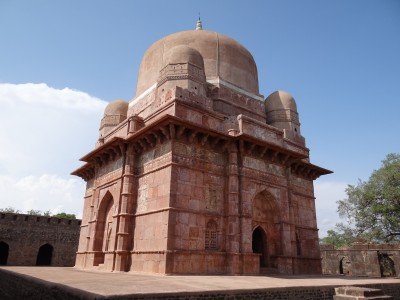
Alamgir Darwaza
Some quick example text to build on the card title and make up the bulk of the card's content.
Go somewhere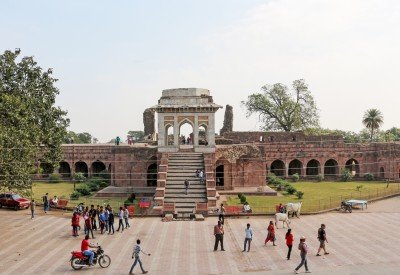
Ashrafi Mahal
Some quick example text to build on the card title and make up the bulk of the card's content.
Go somewhere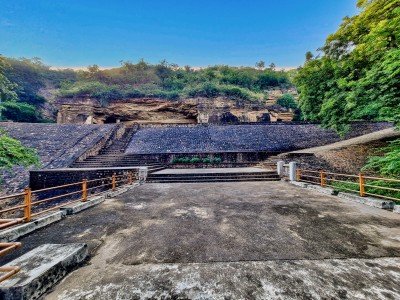
Bagh Caves
Some quick example text to build on the card title and make up the bulk of the card's content.
Go somewhere
Baz Bahadur's Palace
Some quick example text to build on the card title and make up the bulk of the card's content.
Go somewhere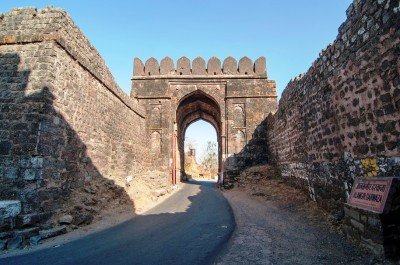
Bhangi Darwaza
Some quick example text to build on the card title and make up the bulk of the card's content.
Go somewhere
Champa Baoli
Some quick example text to build on the card title and make up the bulk of the card's content.
Go somewhere
Dai ka Mahal
Some quick example text to build on the card title and make up the bulk of the card's content.
Go somewhere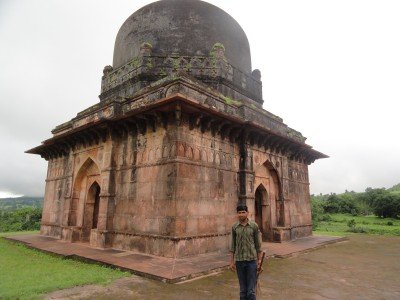
Dai ki Chhoti Bahen ka Mahal
Some quick example text to build on the card title and make up the bulk of the card's content.
Go somewhere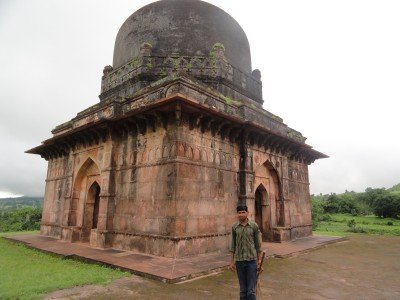
Dai ki Chhoti Behan ka Mahal
Some quick example text to build on the card title and make up the bulk of the card's content.
Go somewhere
Darya Khan's Tomb
Some quick example text to build on the card title and make up the bulk of the card's content.
Go somewhere
Delhi Darwaza
Some quick example text to build on the card title and make up the bulk of the card's content.
Go somewhere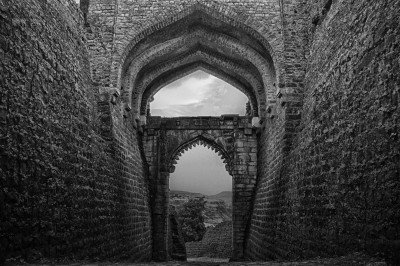
Delhi Gate
Some quick example text to build on the card title and make up the bulk of the card's content.
Go somewhere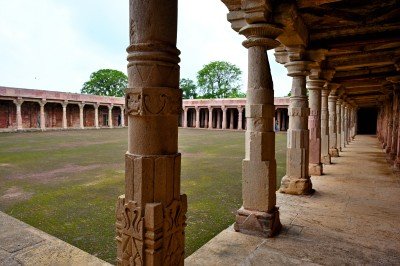
Dharampuri
Some quick example text to build on the card title and make up the bulk of the card's content.
Go somewhere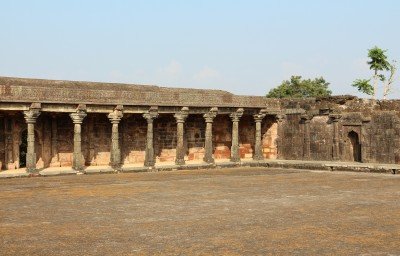
Dilawar Khan's Mosque
Some quick example text to build on the card title and make up the bulk of the card's content.
Go somewhere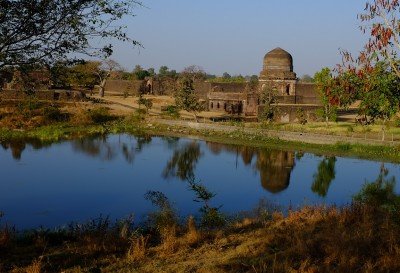
Echo Point
Some quick example text to build on the card title and make up the bulk of the card's content.
Go somewhere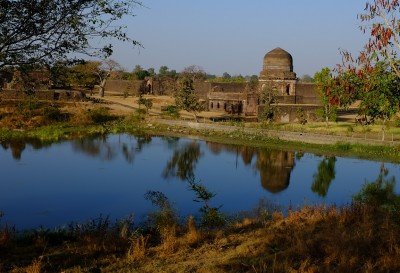
Eco Point
Some quick example text to build on the card title and make up the bulk of the card's content.
Go somewherein Other Cities