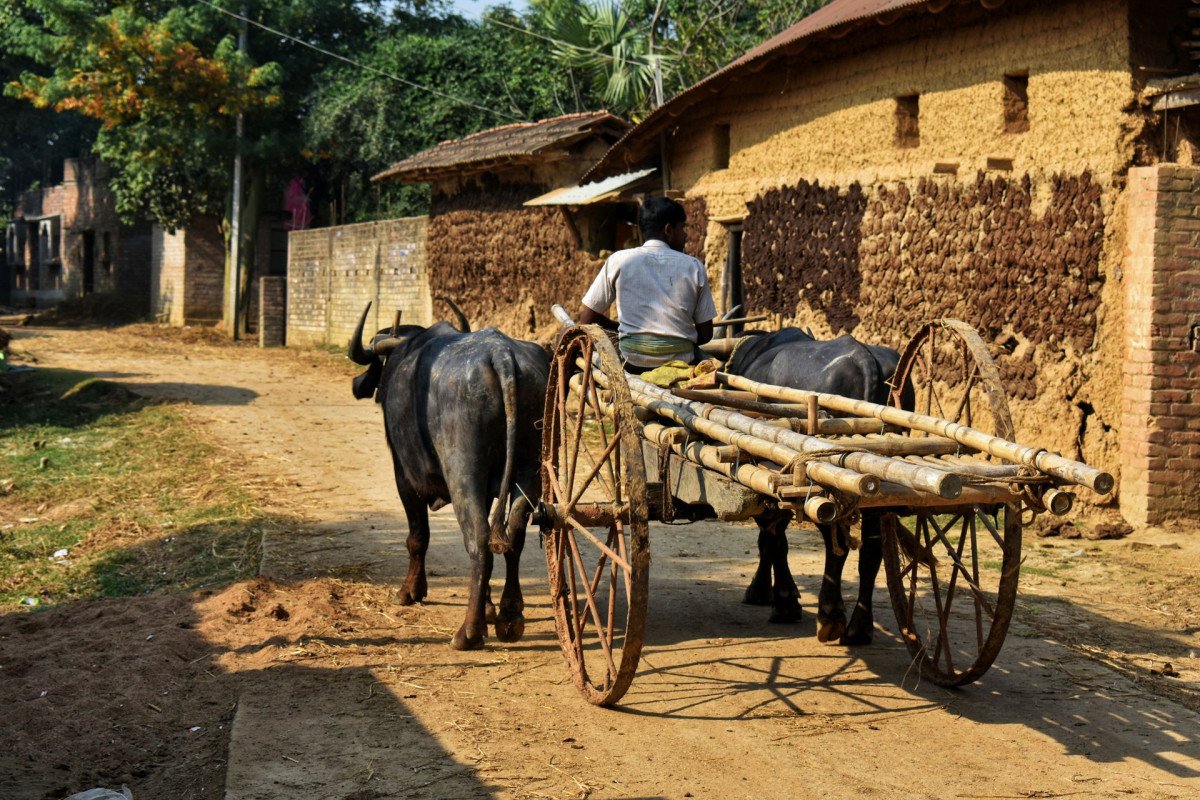
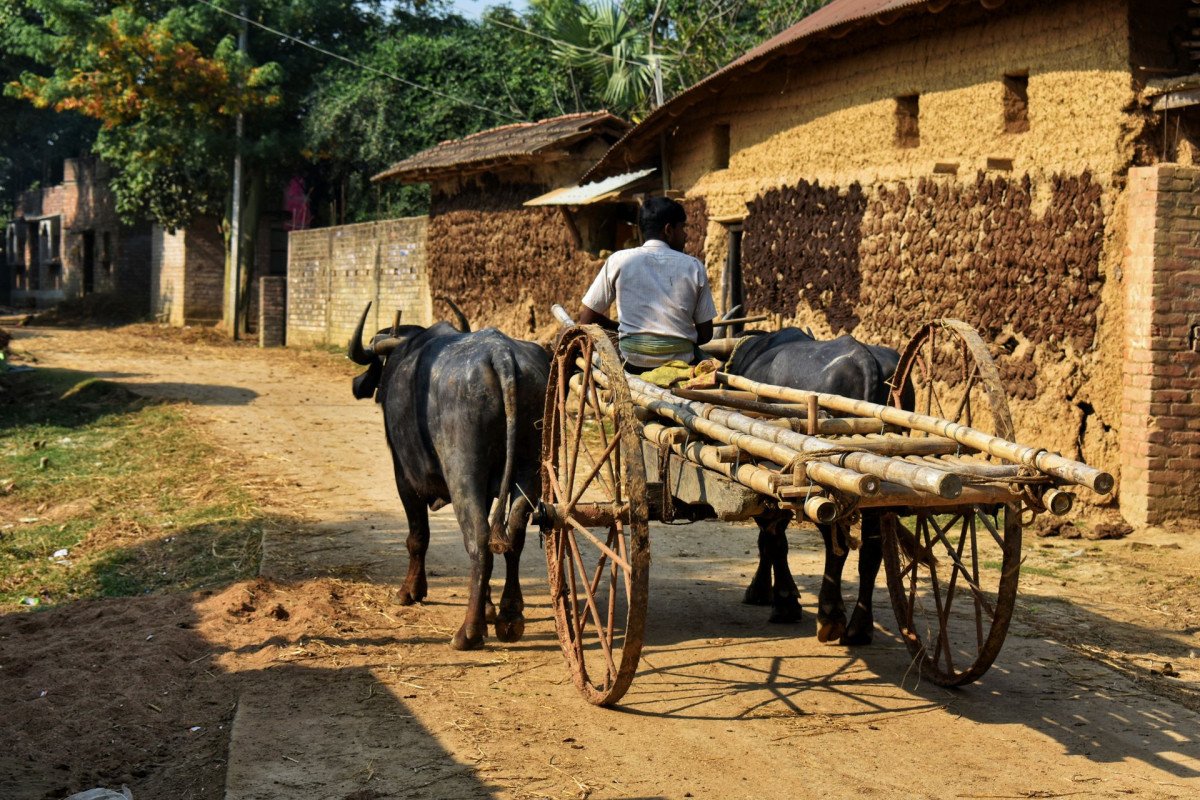
Kalajhari Tribal Village
Kalajhari Tribal Village is a serene and culturally rich settlement located in the heart of the Gomati district, offering visitors a rare glimpse into the traditional lifestyle of the indigenous tribes of Tripura. The village is inhabited primarily by the Tripuri and Reang communities, who have pre served their age-old customs, architectural styles, and agricultural practices for generations. As you walk through the village, you are greeted by the sight of traditional "Tong" houses—bamboo structures built on raised platforms to protect against dampness and wild animals. The villagers are known for their exceptional skills in handloom and handicrafts, particularly the weaving of Rignai and Rikutu, the traditional tribal attire. Agriculture is the mainstay of the community, with many families still practicing Jhum (shifting) cultivation on the surrounding hill slopes. The village is surrounded by lush green forests and fruit orchards, creating a picturesque setting that feels worlds away from modern urbanization. Visitors can witness daily activities such as rice pounding, bamboo basket weaving, and the preparation of local tribal delicacies. The social fabric of the village is tightly knit, and the residents are known for their warm hospitality and simple way of life. Cultural enthusiasts can learn about the various festivals and folk dances like the Hojagiri dance, which are integral to the tribal identity. The village also serves as an educational hub for those interested in sustainable living and traditional medicine, as many elders possess deep knowledge of local forest herbs. A visit to Kalajhari is not just a sightseeing trip but an immersive cultural experience that fosters a deeper understanding of the diverse ethnic tapestry of Northeast India. The peaceful environment, characterized by the absence of vehicular noise and the presence of nature's sounds, makes it a perfect destination for those seeking tranquility and authentic human connection. The village represents the soul of rural Tripura, where tradition and nature coexist in perfect harmony.:
General information
-
Ideal Duration:
2 to 3 HoursPlace Type:
Heritage Village & CulturalEntry Fees:
Free Admission: There is generally no formal entry fee to visit the village as it is a public residential area.
Guided Tour Fees: If you hire a local cultural guide, they may charge a fee of 300 to 500 rupees.
...Free Admission: There is generally no formal entry fee to visit the village as it is a public residential area.
Guided Tour Fees: If you hire a local cultural guide, they may charge a fee of 300 to 500 rupees.
Donations: Small donations to the village community fund or purchasing local crafts is highly encouraged to support the local economy. :Timing:
Daylight Visits: It is best to visit between 8:00 AM and 4:00 PM to observe the daily activities of the villagers.
Ideal Visit Time: Late morning is ideal as the light is good for photos and most artisans are active in their workshops.
...Daylight Visits: It is best to visit between 8:00 AM and 4:00 PM to observe the daily activities of the villagers.
Ideal Visit Time: Late morning is ideal as the light is good for photos and most artisans are active in their workshops.
Respectful Timing: Avoid visiting very early or very late to respect the privacy of the residents. :Special Events:
Garia Puja: This harvest festival in April is the most significant event in the village, marked by elaborate rituals, music, and community feasting.
Hojagiri Festival: Occurring around October, this festival showcases the incredible balanci...Garia Puja: This harvest festival in April is the most significant event in the village, marked by elaborate rituals, music, and community feasting.
Hojagiri Festival: Occurring around October, this festival showcases the incredible balancing dance of the Reang community. :Best Photo Spots:
The Village Entrance: The traditional gateway and the first view of the stilt houses against the green hills make for a perfect landscape shot.
Artisan Workshops: Close-up shots of hands weaving colorful threads or carving bamboo capture th...The Village Entrance: The traditional gateway and the first view of the stilt houses against the green hills make for a perfect landscape shot.
Artisan Workshops: Close-up shots of hands weaving colorful threads or carving bamboo capture the essence of the village's creative spirit.
Golden Hour in the Hills: The soft light of sunset hitting the thatch roofs creates a warm, nostalgic atmosphere for photography. :Photo Gallery
Things To Do
-
Cultural Interaction: Engage in conversations with the village elders to learn about their history, myths, and the evolution of their tribal customs.
Learn Weaving: Watch the local women work on their looms and perhaps try your hand at weaving a simple pattern under their expert guidance.
Photography: The colorful traditional attire and the unique bamboo architecture provide endless subjects for cultural and portrait photography.
Taste Local Food: Sample authentic tribal dishes like Mui Borok, often prepared with fresh bamboo shoots and local herbs.
Nature Walks: Take a gentle walk through the surrounding hills and Jhum fields to understand the local agricultural cycle.
Handicraft Shopping: Purc...Cultural Interaction: Engage in conversations with the village elders to learn about their history, myths, and the evolution of their tribal customs.
Learn Weaving: Watch the local women work on their looms and perhaps try your hand at weaving a simple pattern under their expert guidance.
Photography: The colorful traditional attire and the unique bamboo architecture provide endless subjects for cultural and portrait photography.
Taste Local Food: Sample authentic tribal dishes like Mui Borok, often prepared with fresh bamboo shoots and local herbs.
Nature Walks: Take a gentle walk through the surrounding hills and Jhum fields to understand the local agricultural cycle.
Handicraft Shopping: Purchase authentic bamboo baskets and hand-woven shawls directly from the artisans at fair prices.
Attend a Folk Performance: If visiting during a festival, watch the mesmerizing Hojagiri or Garia dance performed by the village youth. :
Information
-
Why Famous:
Indigenous Craftsmanship: The village is famous for its exquisite hand-woven textiles and bamboo crafts that are sold across the state.
Traditional Lifestyle: It is a living museum where one can see the authentic Tripuri way of life, includ...Indigenous Craftsmanship: The village is famous for its exquisite hand-woven textiles and bamboo crafts that are sold across the state.
Traditional Lifestyle: It is a living museum where one can see the authentic Tripuri way of life, including traditional cooking and social structures.
Folk Traditions: Kalajhari is known for maintaining the purity of tribal folk music and dances, which are performed during local community gatherings. : -
Architecture:
Traditional Bamboo Structures: The architecture in Kalajhari is a masterclass in using local materials. The primary dwelling is the Tong House, a stilt house made entirely of bamboo and thatch.
Design Specifications: These houses are typic...Traditional Bamboo Structures: The architecture in Kalajhari is a masterclass in using local materials. The primary dwelling is the Tong House, a stilt house made entirely of bamboo and thatch.
Design Specifications: These houses are typically elevated 1. 5 to 2 meters above the ground. The floor space varies but usually occupies around 30 to 40 square meters. The high-pitched roofs are designed to shed heavy monsoon rain effectively, showcasing an ancient yet functional engineering style. : -
How To Reach:
By Air: Fly to Agartala (MBB Airport) and then take a taxi for the 65 Km journey to the village.
By Train: Reach Udaipur railway station, which is the nearest railhead about 15 Kms away, and take an auto-rickshaw.
Read MoreBy Air: Fly to Agartala (MBB Airport) and then take a taxi for the 65 Km journey to the village.
By Train: Reach Udaipur railway station, which is the nearest railhead about 15 Kms away, and take an auto-rickshaw.
By Road: The village is accessible via the main road connecting Udaipur and Amarpur. Private cars are the most convenient option.
By Local Transport: Small passenger jeeps (locally called 'commanders') operate between Udaipur town and nearby tribal settlements. :Weather and Best Time to Visit:
Winter Months: November to February offers the most comfortable weather for walking around the village.
Festival Season: April is excellent if you want to witness the vibrant Garia Puja celebrations.
Morning Ho...Winter Months: November to February offers the most comfortable weather for walking around the village.
Festival Season: April is excellent if you want to witness the vibrant Garia Puja celebrations.
Morning Hours: The early morning hours offer a chance to see the villagers starting their day and heading to the fields. :Near Tourist Places:
Tripura Sundari Temple (12 Kms), Tepania Eco Park (18 Kms), Bhubaneswari Temple (14 Kms), Gunabati Group of Temples (13 Kms), Amar Sagar (15 Kms), Chabimura (30 Kms), Neermahal (40 Kms), Sepahijala (55 Kms), Dumboor Lake (60 Kms), Agartala (65 Kms):Tourism Tips
-
Health and Safety: Stick to established paths and always ask for permission before entering someone's home. Carry bottled water as local sources may not be treated.
Packing: Dress modestly out of respect for the local culture. A hat and s...Health and Safety: Stick to established paths and always ask for permission before entering someone's home. Carry bottled water as local sources may not be treated.
Packing: Dress modestly out of respect for the local culture. A hat and sunscreen are necessary for the outdoor walks.
Accommodation: There are no hotels in the village; it is best to stay in Udaipur and visit as a day trip.
Cash and Connectivity: Carry enough cash as there are no ATMs in the village. Mobile data (Bsnl/Jio) works but can be slow. :
Reviews
FAQs
Gomati Itineray And Cost:-
Kalajhari Tribal Village Tourism:-
Other States In India :-
Information about New and Updated Locations() of Tripura Has Been Added :-
Card subtitle
Note:-
Information provided here in good Faith and for reference only.
Near Places

Gomati Wildlife Sanctuary
Some quick example text to build on the card title and make up the bulk of the card's content.
Go somewhere
Kalajhari Tribal Village
Some quick example text to build on the card title and make up the bulk of the card's content.
Go somewhere
Radhakishorepur Town
Some quick example text to build on the card title and make up the bulk of the card's content.
Go somewhere
Tepania Eco Park
Some quick example text to build on the card title and make up the bulk of the card's content.
Go somewhere
Tirthamukh Dam Site
Some quick example text to build on the card title and make up the bulk of the card's content.
Go somewhere
Tripura State Rifles Camp
Some quick example text to build on the card title and make up the bulk of the card's content.
Go somewhere
Tropic of Cancer
Some quick example text to build on the card title and make up the bulk of the card's content.
Go somewherein Other Cities