Kedarnath Temple
General information
-
Ideal Duration:
1 to 2 Hours (for Darshan and rituals):Place Type:
Major Pilgrimage Site/Jyotirlinga:Entry Fees:
Free Darshan Time::The Darshan (viewing of the Jyotirlinga) is generally free for all devotees during regular hours.
Special Pooja Tickets::Pilgrims can purchase special tickets (costs are variable, ranging from a few hundred to a few thousa...Free Darshan Time::The Darshan (viewing of the Jyotirlinga) is generally free for all devotees during regular hours.
Special Pooja Tickets::Pilgrims can purchase special tickets (costs are variable, ranging from a few hundred to a few thousand INR) to attend specific Pujas (like Abhishek or Aarti) during designated slots, allowing for closer access and participation in the rituals.
Photography/Videography::Photography and videography are strictly prohibited inside the main Garbhagriha (sanctum sanctorum). Restrictions may apply to other parts of the complex.
Associated Costs::The main costs are helicopter/pony/porter charges to reach the town, along with accommodation and food, as the visit is part of a multi-day journey.Timing:
Regular Timings: 6:00 AM to 3:00 PM (Darshan) & 4:00 PM to 8:
30 PM (Aarti/Evening Puja)::The temple opens its doors to the public in the morning (usually around 6:00 AM) and closes for a break in the afternoon. The evening Aarti begins aroun...Regular Timings: 6:00 AM to 3:00 PM (Darshan) & 4:00 PM to 8:
30 PM (Aarti/Evening Puja)::The temple opens its doors to the public in the morning (usually around 6:00 AM) and closes for a break in the afternoon. The evening Aarti begins around 4:00 PM. Final closing is after the evening rituals (8:30 PM). These timings are subject to change, especially on peak days.
Ideal Visit Time:
Early Morning::The best time for Darshan is very early morning (6:00 AM), to avoid the long lines that form from the influx of helicopter passengers arriving later in the morning.Special Events:
Temple Opening (Kapat Udghatan)::The ceremonial opening of the temple doors in late April or early May (on a date set by the Hindu calendar, often Akshaya Tritiya) is a major cultural and religious event, marked by a grand procession of the Utsav Doli (ceremonial idol) from ...Temple Opening (Kapat Udghatan)::The ceremonial opening of the temple doors in late April or early May (on a date set by the Hindu calendar, often Akshaya Tritiya) is a major cultural and religious event, marked by a grand procession of the Utsav Doli (ceremonial idol) from Ukhimath and traditional drumming and fanfare.
Temple Closing (Kapat Bandh)::The ceremonial closing of the temple in late October or early November (on the day after Diwali) is equally significant, as the idol is ceremonially moved to its winter seat at Omkareshwar Temple in Ukhimath, followed by special rituals.Best Photo Spots:
Front Gate with Nandi::Capturing the temple from the main entrance, featuring the large Nandi (bull) statue in the foreground and the imposing stone steps and the Mandap behind it, emphasizing the welcoming structure.
Temple Against the Glaciers...Front Gate with Nandi::Capturing the temple from the main entrance, featuring the large Nandi (bull) statue in the foreground and the imposing stone steps and the Mandap behind it, emphasizing the welcoming structure.
Temple Against the Glaciers::The most iconic photo is a wide shot of the temple's entire structure framed against the backdrop of the massive, perpetually snow-covered Himalayan peaks and glaciers, highlighting the sheer scale and isolation of the holy site.
The Bhim Shila View::A side-angle photo of the temple showing the Bhim Shila (rock) behind the structure, visually telling the story of the 2013 flood's survival and the temple's structural resilience.Photo Gallery
Things To Do
-
Perform the Sacred Darshan::Wait in the queue for the holy viewing (Darshan) of the unique, conical Jyotirlinga of Lord Shiva within the Garbhagriha, which is the central spiritual act of the pilgrimage.
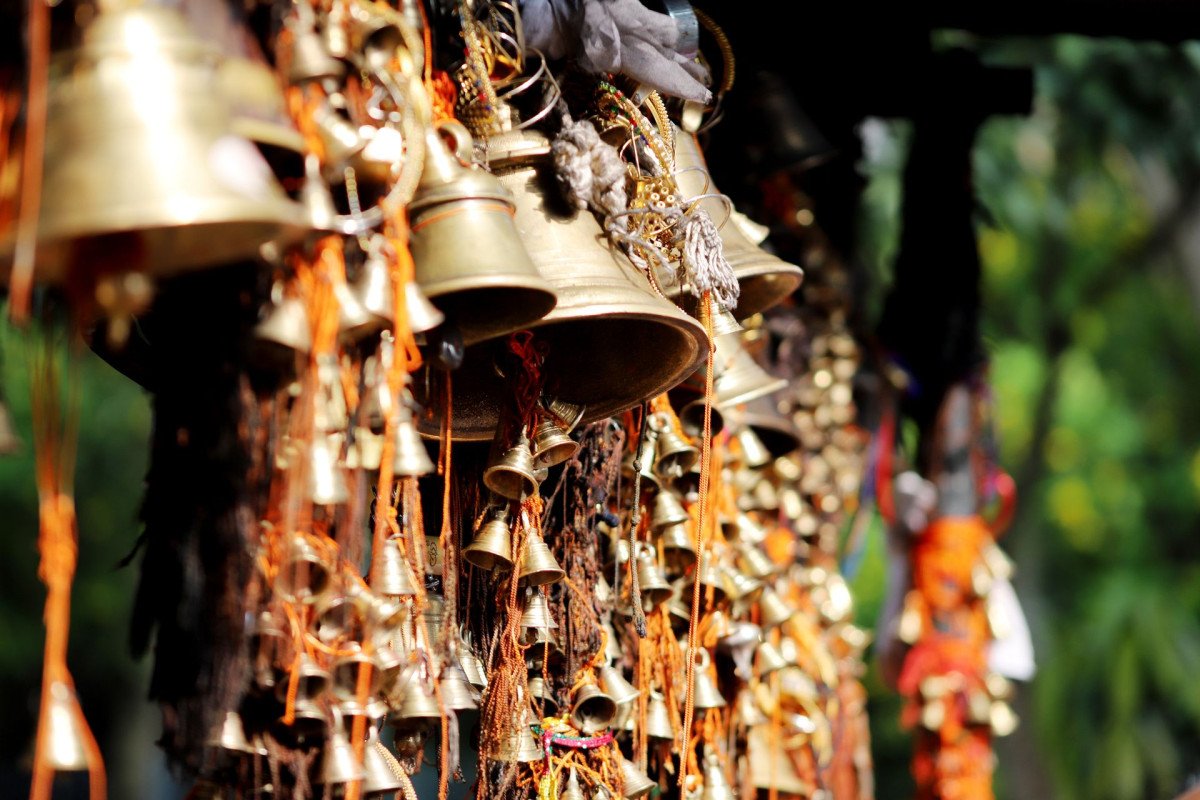
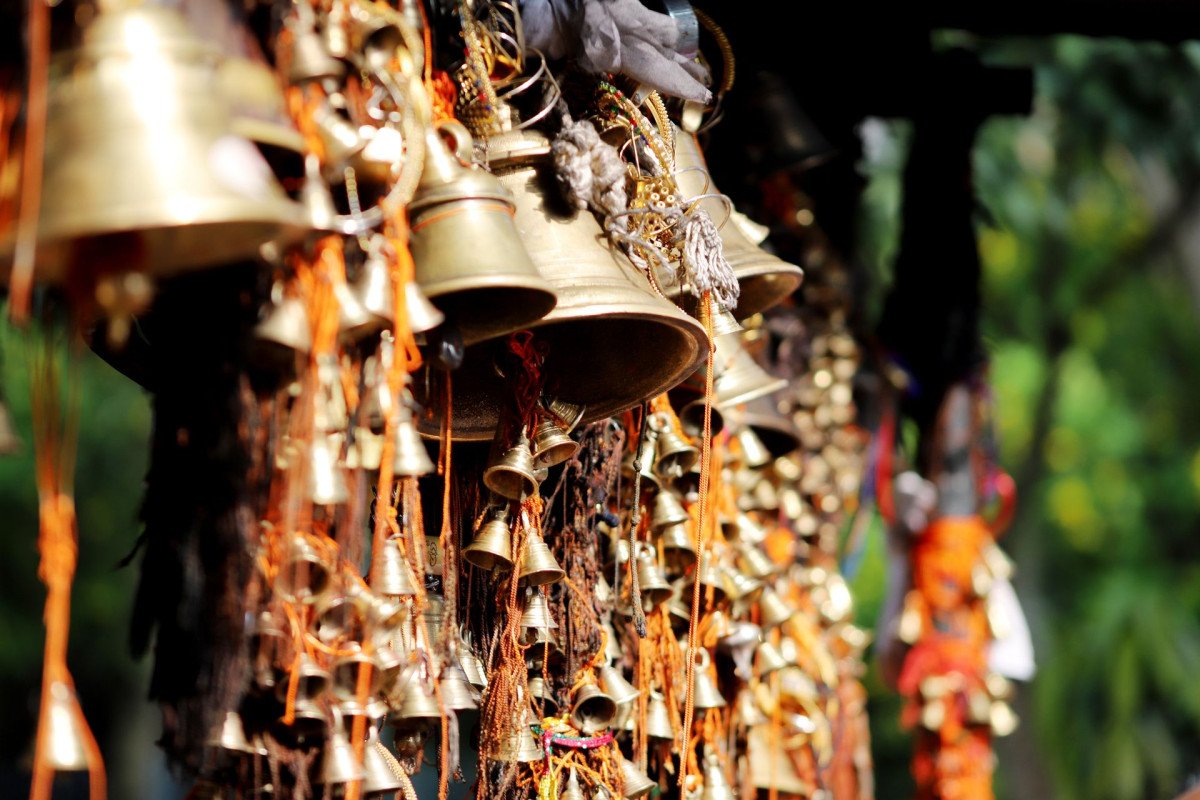
Participate in the Aarti::Witness the evening Aarti (prayer ceremony) which is an intensely spiritual and mesmerizing experience, filled with the chanting of mantras, the ringing of bells, and the light of oil lamps.
Circumambulation (Parikrama)::Complete the ritual walk (Parikrama) around the temple complex, which includes paying respects to the Nandi bull statue outside the entrance and the Bhim Shila at the rear.
Visit Adi Shankaracharya Samadhi::Immediately proceed to the Adi Shankaracharya Samadhi located right behind the temple to complete the pilgrimage lo...Perform the Sacred Darshan::Wait in the queue for the holy viewing (Darshan) of the unique, conical Jyotirlinga of Lord Shiva within the Garbhagriha, which is the central spiritual act of the pilgrimage.
Participate in the Aarti::Witness the evening Aarti (prayer ceremony) which is an intensely spiritual and mesmerizing experience, filled with the chanting of mantras, the ringing of bells, and the light of oil lamps.
Circumambulation (Parikrama)::Complete the ritual walk (Parikrama) around the temple complex, which includes paying respects to the Nandi bull statue outside the entrance and the Bhim Shila at the rear.
Visit Adi Shankaracharya Samadhi::Immediately proceed to the Adi Shankaracharya Samadhi located right behind the temple to complete the pilgrimage loop and honor the saint who restored the shrine.
Meditate by the Mandakini::Spend quiet time by the nearby Mandakini River to absorb the tranquil energy of the holy water and the mountain surroundings.
Seek Blessings from Bhairavnath::Undertake the short, steep trek to the nearby Bhairavnath Temple to seek the protection of the valley's guardian deity.
Photography of the Temple::Capture the majestic stone architecture against the backdrop of the towering, snow-covered Kedar peaks.
Information
-
Why Famous:
One of the Char Dham and Jyotirlinga::Its fame is paramount because it fulfills two major Hindu pilgrimage criteria: being one of the holiest Char Dham sites in the Himalayas and being one of the twelve Jyotirlingas across India, making it a powerful spiritual magnet for mil...One of the Char Dham and Jyotirlinga::Its fame is paramount because it fulfills two major Hindu pilgrimage criteria: being one of the holiest Char Dham sites in the Himalayas and being one of the twelve Jyotirlingas across India, making it a powerful spiritual magnet for millions of devotees worldwide.
Spiritual Endurance and Resilience::The temple is globally famous for its miraculous survival of the 2013 floods, which destroyed everything around it. This event has reinforced the belief in its divine protection and its image as an enduring symbol of faith and resilience against the most powerful natural forces. -
Architecture:
Alpine Nagara Style::The temple is a masterpiece of ancient Indian architecture, specifically the Nagara style, adapted for the harsh alpine conditions. It is constructed from massive, heavy, and precisely cut grey stone slabs, meticulously interlocked without the use of mo...Alpine Nagara Style::The temple is a masterpiece of ancient Indian architecture, specifically the Nagara style, adapted for the harsh alpine conditions. It is constructed from massive, heavy, and precisely cut grey stone slabs, meticulously interlocked without the use of mortar. This ancient technique, secured by iron clamps, gives the structure its legendary durability against seismic activity, extreme cold, and snow pressure.
Internal and External Dimension::The temple stands on a large, raised rectangular platform, accessible via large stone steps (some carrying Pali script inscriptions). It has a Garbhagriha (sanctum sanctorum) that houses the conical Jyotirlinga and a Mandap (assembly hall) in front. The total height, including the conical shikhara (tower), is substantial, dominating the valley. The orientation is unique—north-south—unlike most Hindu temples that face east or west.
The Bhim Shila::A gigantic boulder (Bhim Shila), which strategically redirected floodwaters and saved the main structure in 2013, has become a revered architectural and symbolic element of the complex, standing proudly behind the main shrine. -
How To Reach:
By Air::The most direct way is via a helicopter service from nearby helipads like Phata, Sirsi, or Guptkashi to the Kedarnath helipad. The flight is around 10-15 minutes. From the helipad, it's a short walk to the temple.
By Train::The nea...By Air::The most direct way is via a helicopter service from nearby helipads like Phata, Sirsi, or Guptkashi to the Kedarnath helipad. The flight is around 10-15 minutes. From the helipad, it's a short walk to the temple.
By Train::The nearest major railheads are Rishikesh (230 KM) and Haridwar (240 KM). From the station, hire a taxi or take a bus to Gaurikund (220-230 KM), the starting point of the trek.
By Road::Travel by bus or private/shared taxi via the National Highway network to Gaurikund (16-18 KM away). The road network connects all major towns like Rudraprayag and Srinagar.
By Local Transport::The final 16-18 KM from Gaurikund to Kedarnath town must be covered on foot (trekking, typically 6-10 hours), or by hiring a pony, dandi (basket), or palki (palanquin), which are readily available at Gaurikund and Sonprayag. -
Weather and Best Time to Visit:
May-June (Summer): Best for trekking and comfortable outdoor stay, with moderate temperatures and fully snow-free paths. This is the peak pilgrimage season.
September-October (Autumn): Highly Recommended for clear skies, minimal fog, the be...May-June (Summer): Best for trekking and comfortable outdoor stay, with moderate temperatures and fully snow-free paths. This is the peak pilgrimage season.
September-October (Autumn): Highly Recommended for clear skies, minimal fog, the best photography views, and a slightly reduced pilgrim crowd post-monsoon.
Ideal Time of Day:
Early Morning/Sunset: Early morning for the most serene Darshan and evening for the spectacular Aarti and the lighting of the temple complex. -
Near Tourist Places:
Adi Shankaracharya Samadhi (0. 1 KM), Bhairavnath Temple (0. 8 KM), Ratus Kund (0. 2 KM), Gandhi Sarovar (Chorabari Tal) (3. 5 KM), Vasuki Tal Lake (8 KM), Gaurikund (16 KM), Sonprayag (18 KM), Triyuginarayan Temple (25 KM), Guptkashi (47 KM), Ukhimath (42 KM)
Tourism Tips
-
Accommodation::Accommodation is basic and crowded in Kedarnath town (GMVN, private lodges, tented colonies). Book through official channels well in advance, especially for the peak season.
Health & Safety::Acclimatize properly. Carry water...Accommodation::Accommodation is basic and crowded in Kedarnath town (GMVN, private lodges, tented colonies). Book through official channels well in advance, especially for the peak season.
Health & Safety::Acclimatize properly. Carry waterproof clothing, heavy woolens (even in summer), good quality rain gear, a basic first-aid kit with pain relievers, and medication for AMS (Acute Mountain Sickness).
Registration::E-Pass and biometric registration are mandatory for all pilgrims on the Char Dham Yatra (check the official website for current rules before travel).
Photography Inside Temple::Respect the strict ban on photography inside the Garbhagriha. Focus your picture-taking on the magnificent exterior.
Reviews
FAQs
Kedarnath Itineray And Cost:-
Kedarnath Temple Tourism:-
Other Places In Kedarnath :-
Other States In India :-
Information about New and Updated Locations() of Uttarakhand Has Been Added :-
Card subtitle
Note:-
Information provided here in good Faith and for reference only.
Near Places

Adi Shankaracharya Samadhi
Some quick example text to build on the card title and make up the bulk of the card's content.
Go somewhere
Agastyamuni
Some quick example text to build on the card title and make up the bulk of the card's content.
Go somewhere
Bhairavnath Temple
Some quick example text to build on the card title and make up the bulk of the card's content.
Go somewhere
Deoria Tal
Some quick example text to build on the card title and make up the bulk of the card's content.
Go somewhere
Doodhganga Falls
Some quick example text to build on the card title and make up the bulk of the card's content.
Go somewhere
Gandhi Sarovar
Some quick example text to build on the card title and make up the bulk of the card's content.
Go somewhere
Gaurikund
Some quick example text to build on the card title and make up the bulk of the card's content.
Go somewhere
Kalimath Temple
Some quick example text to build on the card title and make up the bulk of the card's content.
Go somewhere
Kedarnath Temple
Some quick example text to build on the card title and make up the bulk of the card's content.
Go somewhere
Madmaheshwar Temple Trek Base
Some quick example text to build on the card title and make up the bulk of the card's content.
Go somewhere
Phata
Some quick example text to build on the card title and make up the bulk of the card's content.
Go somewhere
Ratus Kund
Some quick example text to build on the card title and make up the bulk of the card's content.
Go somewhere
Sonprayag
Some quick example text to build on the card title and make up the bulk of the card's content.
Go somewhere
Triyuginarayan Temple
Some quick example text to build on the card title and make up the bulk of the card's content.
Go somewhere
Vasuki Tal Lake
Some quick example text to build on the card title and make up the bulk of the card's content.
Go somewherein Other Cities