

Kedarnath Wildlife Sanctuary
General information
-
Ideal Duration:
2-4 Days (For Comprehensive Exploration)Place Type:
Wildlife Sanctuary / Biosphere ReserveEntry Fees:
Entry Fee Structure: There is a mandatory entry fee for the sanctuary (approx. INR 150 for Indian nationals, INR 600 for foreigners). This fee is charged per person and is valid for a specified number of days (usually 3).
Camera Fees: Stil...Entry Fee Structure: There is a mandatory entry fee for the sanctuary (approx. INR 150 for Indian nationals, INR 600 for foreigners). This fee is charged per person and is valid for a specified number of days (usually 3).
Camera Fees: Still camera fee is typically around INR 50, and video camera fee can be INR 250-500, charged at the forest check post.
Guide/Porter Fees: Compulsory or recommended local guides have a daily fee of INR 800-1500, which is an important operational cost.
Camping/Trekking Permit Fees: For deep forest treks and camping outside designated areas, special permits are required, incurring additional charges ranging from INR 200-500 per day:Timing:
Regular Timings: The sanctuary as a whole is open 24 hours a day, but the main tourism season with fully operational facilities is from April to November.
Ideal Visit Time for Trekking: Early Morning starts are essential for all high-altitud...Regular Timings: The sanctuary as a whole is open 24 hours a day, but the main tourism season with fully operational facilities is from April to November.
Ideal Visit Time for Trekking: Early Morning starts are essential for all high-altitude treks (Tungnath, Chandrashila) to utilize daylight hours and avoid afternoon clouds.
Closed Season: The higher reaches and many routes are officially closed or inaccessible due to heavy snow from December to March, making entry risky and not advisable for the average tourist.
Check Post Timings: Main entry check posts operate primarily from 6:00 AM to 6:
00 PM:Special Events:
Conservation Week/Musk Deer Awareness: The forest department organizes special awareness programs, nature camps, and educational treks during designated conservation weeks to highlight the importance of the Musk Deer and the sanctuary.
Annual Pi...Conservation Week/Musk Deer Awareness: The forest department organizes special awareness programs, nature camps, and educational treks during designated conservation weeks to highlight the importance of the Musk Deer and the sanctuary.
Annual Pilgrimage Season Opening: The ceremonial opening of the high-altitude temples, especially Tungnath, marks a major annual event attracting thousands of devotees and is a vibrant cultural spectacle.
Local Mela (Fairs): Surrounding villages often host local religious and cultural fairs during specific festive periods like Bishuvat Sankranti (in April), which showcases Garhwali traditions:Best Photo Spots:
The Chopta Meadow Panorama: Capture the vast expanse of the meadow with the imposing backdrop of the Chaukhamba and Kedar Dome peaks.
River Valley Confluence Shots: The lower-lying areas of the sanctuary offer vantage points to photograph th...The Chopta Meadow Panorama: Capture the vast expanse of the meadow with the imposing backdrop of the Chaukhamba and Kedar Dome peaks.
River Valley Confluence Shots: The lower-lying areas of the sanctuary offer vantage points to photograph the dramatic river confluences, such as Rudraprayag.
Himalayan Monal Sightings: Patient birdwatchers can capture rare photographs of the colorful Himalayan Monal pheasant in the dense forest undergrowth near Duggalbitta.
High-Altitude Lake Reflections: Photographing the reflections of the peaks in the pristine waters of lakes like Deoria Tal (on the sanctuary's edge) is a classic shot:Photo Gallery
Things To Do
-
Trekking the Kedar Circuit: Embark on the famous trekking routes to Tungnath and Chandrashila; for experienced trekkers, routes to Madhyamaheshwar and Rudranath offer deeper exploration.
Dedicated Birdwatching: Focus on identifying the sanctuary's 230+ bird species, including the Monal, Koklass Pheasant, and various woodpeckers, often best observed in the Chopta and Duggalbitta forest ranges.
Wildlife Safari/Spotting: Take guided nature walks within the sanctuary's buffer zones (like Kanchula Korak) for the chance to spot mammals such as Musk Deer and Himalayan Tahr.
Alpine Meadow Exploration: Explore the beautiful high-altitude meadows (bugyals) like Rohini Bugyal, especially during the bloom season in Spring and Monsoon.
Photograp...Trekking the Kedar Circuit: Embark on the famous trekking routes to Tungnath and Chandrashila; for experienced trekkers, routes to Madhyamaheshwar and Rudranath offer deeper exploration.
Dedicated Birdwatching: Focus on identifying the sanctuary's 230+ bird species, including the Monal, Koklass Pheasant, and various woodpeckers, often best observed in the Chopta and Duggalbitta forest ranges.
Wildlife Safari/Spotting: Take guided nature walks within the sanctuary's buffer zones (like Kanchula Korak) for the chance to spot mammals such as Musk Deer and Himalayan Tahr.
Alpine Meadow Exploration: Explore the beautiful high-altitude meadows (bugyals) like Rohini Bugyal, especially during the bloom season in Spring and Monsoon.
Photography of Peak Views: Utilize the vantage points like Chandrashila for capturing the massive scale of the Himalayan peaks like Chaukhamba and Nanda Devi.
Botanical Excursions: Explore the dense forests and meadows for their botanical diversity, focusing on medicinal plants and the famous high-altitude flowers.
Pilgrimage to Tungnath: Undertake the spiritual trek to the Tungnath Temple, combining faith with adventure.
Camping in Designated Areas: Camp at authorized spots like Chopta and Duggalbitta to fully immerse in the mountain environment:
Information
-
Why Famous:
Largest Western Himalayan Sanctuary: It is famous as the largest protected area in the Western Himalayas, making it a critical zone for biodiversity and conservation efforts in India.
Home to Musk Deer: The sanctuary is renowned for its cons...Largest Western Himalayan Sanctuary: It is famous as the largest protected area in the Western Himalayas, making it a critical zone for biodiversity and conservation efforts in India.
Home to Musk Deer: The sanctuary is renowned for its conservation program aimed at protecting the endangered Himalayan Musk Deer, its flagship species.
High-Altitude Pilgrimage: It encompasses a major portion of the Panch Kedar pilgrimage circuit, including the Tungnath Mahadev Temple, blending spiritual journey with adventurous trekking through pristine nature.
Diverse Ecosystems: The sanctuary is famous for its vast altitudinal range, which harbors an incredible diversity of flora, including the sacred Brahma Kamal and over 500 species of flowering plants, and fauna like the Snow Leopard and Himalayan Tahr: -
Architecture:
Eco-Architectural Zoning: The 'architecture' is primarily the zoning and management structure of this vast protected area, divided into core zones for strict conservation and buffer zones for controlled human activity and tourism, covering an area of 975 square kilometers. <...Eco-Architectural Zoning: The 'architecture' is primarily the zoning and management structure of this vast protected area, divided into core zones for strict conservation and buffer zones for controlled human activity and tourism, covering an area of 975 square kilometers.
Forest Types and Altitude Dimensions: KWS showcases varied botanical architecture, from sub-tropical lower hills to coniferous and dense rhododendron forests (2,000-3,500m) and the treeless alpine bugyals (meadows) above the tree line (3,500m+). The forest area alone spans hundreds of square kilometers, providing diverse shelter for wildlife.
Minimal Infrastructure: Human infrastructure is limited to basic check posts, forest rest houses, and authorized trekking trails, all designed to have a minimal ecological footprint: -
How To Reach:
By Air: The nearest airport is Jolly Grant Airport (DED), Dehradun, approximately 226 KM away from the Chopta entry point. Hire a taxi to Chopta via the cities of Rishikesh and Rudraprayag.
By Train: The nearest major railway station is Ris...By Air: The nearest airport is Jolly Grant Airport (DED), Dehradun, approximately 226 KM away from the Chopta entry point. Hire a taxi to Chopta via the cities of Rishikesh and Rudraprayag.
By Train: The nearest major railway station is Rishikesh Railway Station (RKSH), about 209 KM from the Chopta entry. From the station, frequent buses or private/shared taxis are available to Rudraprayag and then on to Chopta.
By Road: The sanctuary is crossed by the motorable road connecting Ukhimath and Gopeshwar, which passes through Chopta. The main entry is easily reached by taxi or bus from major towns in Uttarakhand.
By Local Transport: Shared jeeps (sumos) run between Ukhimath and Chopta, and local transport is readily available from Rudraprayag and Srinagar to the sanctuary area: -
Weather and Best Time to Visit:
Different Seasons: Summer (Apr-Jun) is the ideal time for trekking, pleasant weather, and viewing the vibrant Rhododendron blooms. Autumn (Sep-Nov) offers the clearest atmosphere for peak photography and comfortable trekking temperatures. Winter (Dec-Mar) is strictly for a...Different Seasons: Summer (Apr-Jun) is the ideal time for trekking, pleasant weather, and viewing the vibrant Rhododendron blooms. Autumn (Sep-Nov) offers the clearest atmosphere for peak photography and comfortable trekking temperatures. Winter (Dec-Mar) is strictly for advanced snow trekkers and wildlife enthusiasts focused on tracking mammals in the snow, with most facilities closed. Monsoon (Jul-Aug) is best for viewing the full greenery and post-rain floral blooms but carries a risk of landslides.
Different Parts of the Day: Early Morning is essential for all trekking starts and prime wildlife spotting in the KWS: -
Near Tourist Places:
Tungnath Mahadev Temple (Inside KWS) Chandrashila Peak (Inside KWS) Kanchula Korak Musk Deer Sanctuary (Inside KWS) Rohini Bugyal (Inside KWS) Deoria Tal (10 KMS from the edge) Ukhimath (40 KMS) Madhyamaheshwar Temple (Approx. 40 KMS Trek) Rudraprayag (70 KMS) Kalpeshwar Temple (Approx.
55 KMS Trek) Gopeshwar (75 KMS):
Tourism Tips
-
Health & Safety: Be prepared for high-altitude sickness and carry warm, waterproof clothing. Always hire a guide for deep forest or challenging treks.
Packing Essentials: Carry ID proof, forest permit copies, warm layers, robust trekking bo...Health & Safety: Be prepared for high-altitude sickness and carry warm, waterproof clothing. Always hire a guide for deep forest or challenging treks.
Packing Essentials: Carry ID proof, forest permit copies, warm layers, robust trekking boots, water purification tablets, and a basic medical kit.
Accommodation: Stay at authorized campsites, homestays, or forest rest houses in the buffer zones (Chopta, Duggalbitta, Ukhimath). Bookings for FRH must be done through the Forest Department well in advance.
Other Important Tips:
Strictly adhere to forest regulations: no littering, no use of plastics, no disturbing wildlife, and no off-roading. Check road conditions before travel, especially during Monsoon and Winter:
Reviews
FAQs
Chopta Itineray And Cost:-
Kedarnath Wildlife Sanctuary Tourism:-
Other Places In Chopta :-
Other States In India :-
Information about New and Updated Locations() of Uttarakhand Has Been Added :-
Card subtitle
Note:-
Information provided here in good Faith and for reference only.
Near Places

Bisuri Tal
Some quick example text to build on the card title and make up the bulk of the card's content.
Go somewhere
Chandrashila Peak
Some quick example text to build on the card title and make up the bulk of the card's content.
Go somewhere
Chaukhamba Peak View
Some quick example text to build on the card title and make up the bulk of the card's content.
Go somewhere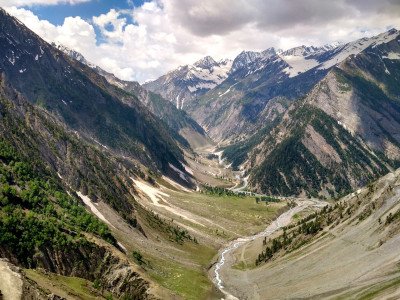
Chopta Valley
Some quick example text to build on the card title and make up the bulk of the card's content.
Go somewhere
Deoria Tal Lake
Some quick example text to build on the card title and make up the bulk of the card's content.
Go somewhere
Dugalbitta
Some quick example text to build on the card title and make up the bulk of the card's content.
Go somewhere
Duggalwala
Some quick example text to build on the card title and make up the bulk of the card's content.
Go somewhere
Gopeshwar Town
Some quick example text to build on the card title and make up the bulk of the card's content.
Go somewhere
Kalpeshwar Temple
Some quick example text to build on the card title and make up the bulk of the card's content.
Go somewhere
Kanchula Korak Musk Deer Sanctuary
Some quick example text to build on the card title and make up the bulk of the card's content.
Go somewhere
Kartik Swami Temple
Some quick example text to build on the card title and make up the bulk of the card's content.
Go somewhere
Kedarnath Wildlife Sanctuary
Some quick example text to build on the card title and make up the bulk of the card's content.
Go somewhere
Mandal Village
Some quick example text to build on the card title and make up the bulk of the card's content.
Go somewhere
Rohini Bugyal
Some quick example text to build on the card title and make up the bulk of the card's content.
Go somewhere
Sari Village
Some quick example text to build on the card title and make up the bulk of the card's content.
Go somewhere
Tungnath Mahadev Temple
Some quick example text to build on the card title and make up the bulk of the card's content.
Go somewherein Other Cities