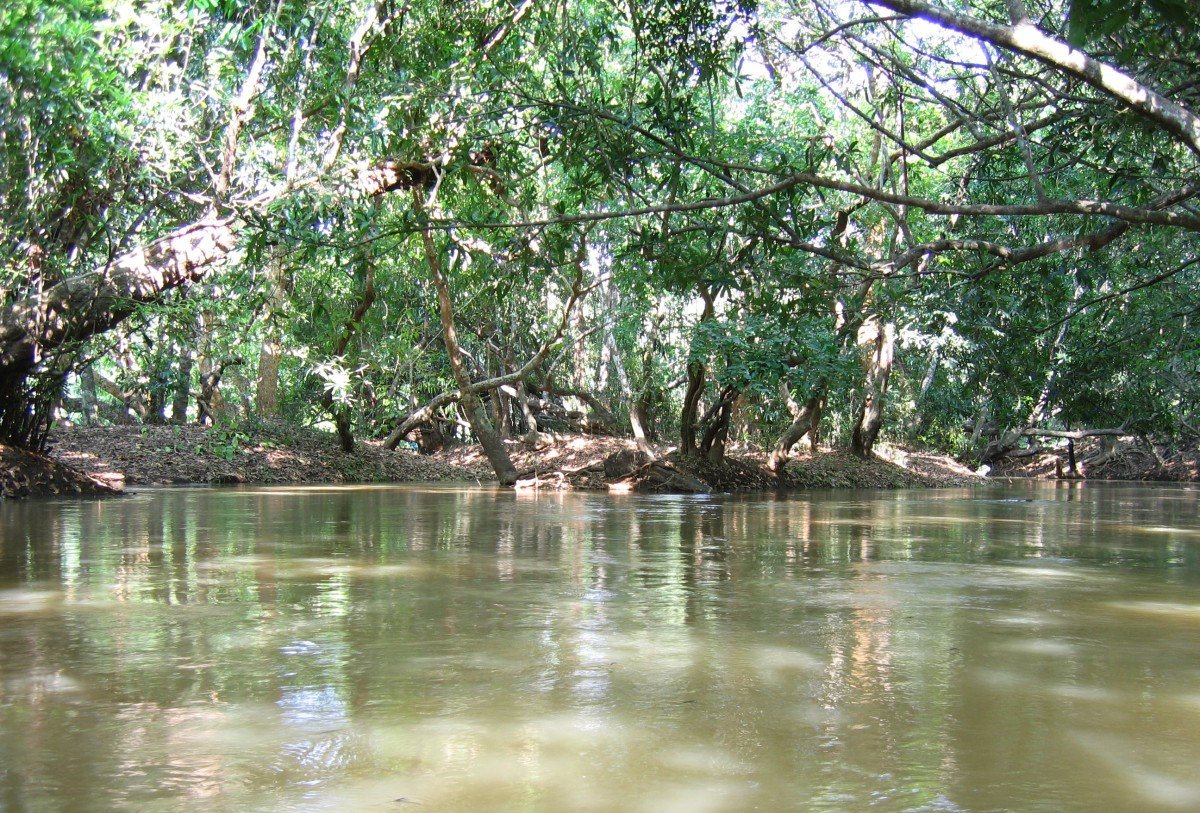
Kuruva Island
General information
-
Ideal Duration:
4 to 5 HoursPlace Type:
Eco-Tourism / Island / NatureEntry Fees:
Permit and Transport Fees : The entry fee is approximately Rs. 80 for Indian adults and Rs. 55 for children. For foreign tourists, it is about Rs. 150. Bamboo rafting costs around Rs. 300 for a group of six. Camera fees are extra, usually Rs. 50. Note that only 200...Permit and Transport Fees : The entry fee is approximately Rs. 80 for Indian adults and Rs. 55 for children. For foreign tourists, it is about Rs. 150. Bamboo rafting costs around Rs. 300 for a group of six. Camera fees are extra, usually Rs. 50. Note that only 200 to 400 people are allowed per day, so early arrival is essential.Timing:
Regulated Timings : The island is open from 9:00 AM to 4:00 PM.
Seasonal Closure : The island is strictly closed during the Monsoon (June to September) due to rising water levels. The best months to visit are October to May. ...Regulated Timings : The island is open from 9:00 AM to 4:00 PM.
Seasonal Closure : The island is strictly closed during the Monsoon (June to September) due to rising water levels. The best months to visit are October to May.Special Events:
World Environment Day : The Forest Department often conducts special awareness programs and cleaning drives on June 5th, involving local volunteers and tourists to emphasize the importance of preserving this fragile ecosystem before the monsoon closure. ...World Environment Day : The Forest Department often conducts special awareness programs and cleaning drives on June 5th, involving local volunteers and tourists to emphasize the importance of preserving this fragile ecosystem before the monsoon closure.Best Photo Spots:
The Bamboo Bridges : Standing in the middle of a rustic bamboo bridge over a flowing stream provides a quintessential "jungle adventure" photo.
Giant Bamboo Clusters : The massive, sky-high bamboo groves create a dramatic vertical backdrop...The Bamboo Bridges : Standing in the middle of a rustic bamboo bridge over a flowing stream provides a quintessential "jungle adventure" photo.
Giant Bamboo Clusters : The massive, sky-high bamboo groves create a dramatic vertical backdrop for scale-based photography.
River Crossing Point : Capture the movement of the bamboo rafts as they glide over the calm water with the forest reflected on the surface.Photo Gallery
Things To Do
-
Bamboo Rafting : The most iconic activity is crossing the Kabini on traditional bamboo rafts, guided by local boatmen.
Trekking Through Groves : The island offers several kilometers of flat walking trails through dense bamboo forests and evergreen patches.
Bird Watching : Carry binoculars to spot rare species like the Malabar Pied Hornbill or various colorful kingfishers that reside in the canopy.
Stream Crossing : Wade through the shallow, crystal-clear streams that separate the islets; the water is refreshing and usually safe for kids.
Nature Photography : Capture the unique textures of the massive bamboo clusters and the play of light through the thick forest roof.
Picnic Near the Banks :Bamboo Rafting : The most iconic activity is crossing the Kabini on traditional bamboo rafts, guided by local boatmen.
Trekking Through Groves : The island offers several kilometers of flat walking trails through dense bamboo forests and evergreen patches.
Bird Watching : Carry binoculars to spot rare species like the Malabar Pied Hornbill or various colorful kingfishers that reside in the canopy.
Stream Crossing : Wade through the shallow, crystal-clear streams that separate the islets; the water is refreshing and usually safe for kids.
Nature Photography : Capture the unique textures of the massive bamboo clusters and the play of light through the thick forest roof.
Picnic Near the Banks : While eating is restricted inside the core forest, the banks near the entrance are great for a quiet packed lunch.
Learning Local Ecology : Engage with the forest guards to learn about the rare medicinal plants and the history of the Kabini River system.
Information
-
Why Famous:
Rare Flora and Fauna : Kuruva Dweep is famous for housing rare species of birds, butterflies, and orchids that are not found elsewhere in the region. Its status as a protected delta makes it a biological treasure trove. The experience of bamboo rafting on the Kabini River...Rare Flora and Fauna : Kuruva Dweep is famous for housing rare species of birds, butterflies, and orchids that are not found elsewhere in the region. Its status as a protected delta makes it a biological treasure trove. The experience of bamboo rafting on the Kabini River to reach the island is also a major reason for its nationwide fame among nature lovers. -
Architecture:
Bamboo Architecture and Natural Trails : There are no permanent concrete structures on Kuruva Island to preserve its natural state. The "architecture" here consists of ingenious bamboo bridges constructed by the local tribal communities and the Forest Department to help to...Bamboo Architecture and Natural Trails : There are no permanent concrete structures on Kuruva Island to preserve its natural state. The "architecture" here consists of ingenious bamboo bridges constructed by the local tribal communities and the Forest Department to help tourists cross the smaller streams without stepping on the delicate riverbeds. These bridges are replaced annually after the monsoon. The island spans 950 acres, making it one of the largest river deltas in India. The trails are naturally formed by foot traffic over the years, winding through giant bamboo groves and ancient trees. The main entrance facilities at Palvelicham or Cheriyamala are simple wooden sheds that house the ticket counters and life jacket stations, designed to have a zero-carbon footprint on the river banks. -
How To Reach:
By Air : Kannur International Airport (CNN) is the closest, about 85 KMs away. You can hire a taxi directly to Mananthavady.
By Train : Kozhikode Railway Station is 98 KMs away; from there, take a bus to Mananthavady and then a local jee...By Air : Kannur International Airport (CNN) is the closest, about 85 KMs away. You can hire a taxi directly to Mananthavady.
By Train : Kozhikode Railway Station is 98 KMs away; from there, take a bus to Mananthavady and then a local jeep.
By Road : Kuruva Island is about 15 KMs from Mananthavady. Roads are scenic and well-paved, suitable for bikes and cars.
By Local Transport : Regular buses and jeeps operate from Mananthavady to Pakkanam or Kattikulam, which are the nearest points to the entry gates. -
Weather and Best Time to Visit:
The Lush Post-Monsoon : October and November are beautiful as the river is full and the vegetation is vibrant.
The Dry Winter : December to February offers the best weather for long walks without the humidity of the tropical sun.
<...The Lush Post-Monsoon : October and November are beautiful as the river is full and the vegetation is vibrant.
The Dry Winter : December to February offers the best weather for long walks without the humidity of the tropical sun.
Summer Visits : March to May is good for bird watching as the water levels are lower, making more islets accessible on foot. -
Near Tourist Places:
Thirunelly Temple (22 KMs), Tholpetty Wildlife Sanctuary (25 KMs), Pakshipathalam (27 KMs), Banasura Sagar Dam (30 KMs), Pazhassi Raja Tomb (15 KMs), Valliyur Temple (16 KMs), Nagarhole National Park (40 KMs), Mananthavady Park (14 KMs), Kabini River Bank (1 KM), Boys Town (30 KMs)
Tourism Tips
-
Health and Safety : Plastic is strictly banned; do not carry any disposable bottles or wrappers into the island. Follow the marked trails to avoid getting lost in the dense growth.
Packing : Wear sturdy sandals or water shoes that can ge...Health and Safety : Plastic is strictly banned; do not carry any disposable bottles or wrappers into the island. Follow the marked trails to avoid getting lost in the dense growth.
Packing : Wear sturdy sandals or water shoes that can get wet, as you will likely be walking through shallow water.
Accommodation : Stay in Mananthavady or in eco-resorts near Kattikulam for the best proximity to the island.
Cash and Connectivity : No ATMs are available near the island; carry sufficient cash for tickets and rafting. Mobile signal is very weak inside the forest.
Reviews
FAQs
Wayanad Itineray And Cost:-
Other Places In Wayanad :-
Other States In India :-
Information about New and Updated Locations() of Kerala Has Been Added :-
Card subtitle
Note:-
Information provided here in good Faith and for reference only.
Near Places

1
Some quick example text to build on the card title and make up the bulk of the card's content.
Go somewhere
2
Some quick example text to build on the card title and make up the bulk of the card's content.
Go somewhere
3
Some quick example text to build on the card title and make up the bulk of the card's content.
Go somewhere
4
Some quick example text to build on the card title and make up the bulk of the card's content.
Go somewhere
5
Some quick example text to build on the card title and make up the bulk of the card's content.
Go somewhere
Ambalavayal Heritage Museum
Some quick example text to build on the card title and make up the bulk of the card's content.
Go somewhere
Banasura Sagar Dam
Some quick example text to build on the card title and make up the bulk of the card's content.
Go somewhere
Chain Tree
Some quick example text to build on the card title and make up the bulk of the card's content.
Go somewhere
Chembra Peak
Some quick example text to build on the card title and make up the bulk of the card's content.
Go somewhere
Chethalayam Waterfalls
Some quick example text to build on the card title and make up the bulk of the card's content.
Go somewhere
E3 Theme Park
Some quick example text to build on the card title and make up the bulk of the card's content.
Go somewhere
Edakkal Caves
Some quick example text to build on the card title and make up the bulk of the card's content.
Go somewhere
Jain Temple
Some quick example text to build on the card title and make up the bulk of the card's content.
Go somewhere
Kanthanpara Waterfalls
Some quick example text to build on the card title and make up the bulk of the card's content.
Go somewhere
Karapuzha Dam
Some quick example text to build on the card title and make up the bulk of the card's content.
Go somewhere
Karlad Lake & Water Sports
Some quick example text to build on the card title and make up the bulk of the card's content.
Go somewherein Other Cities