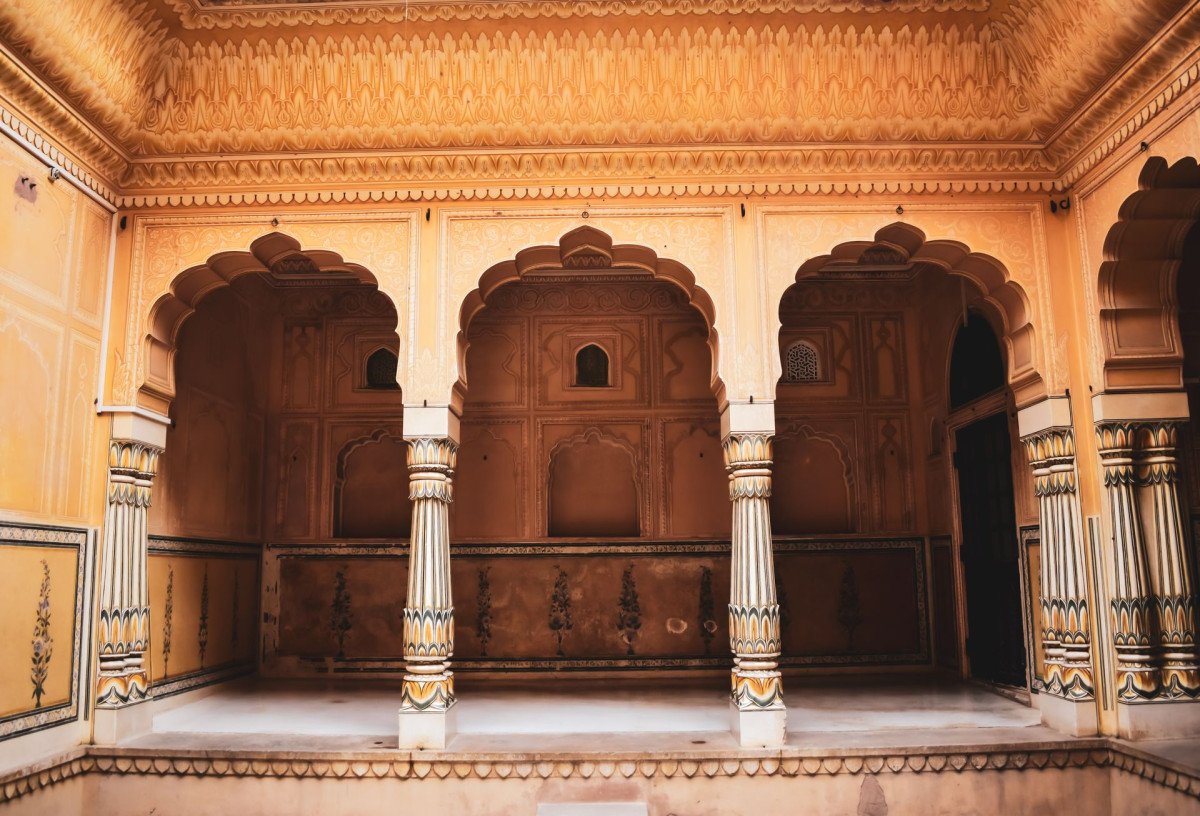
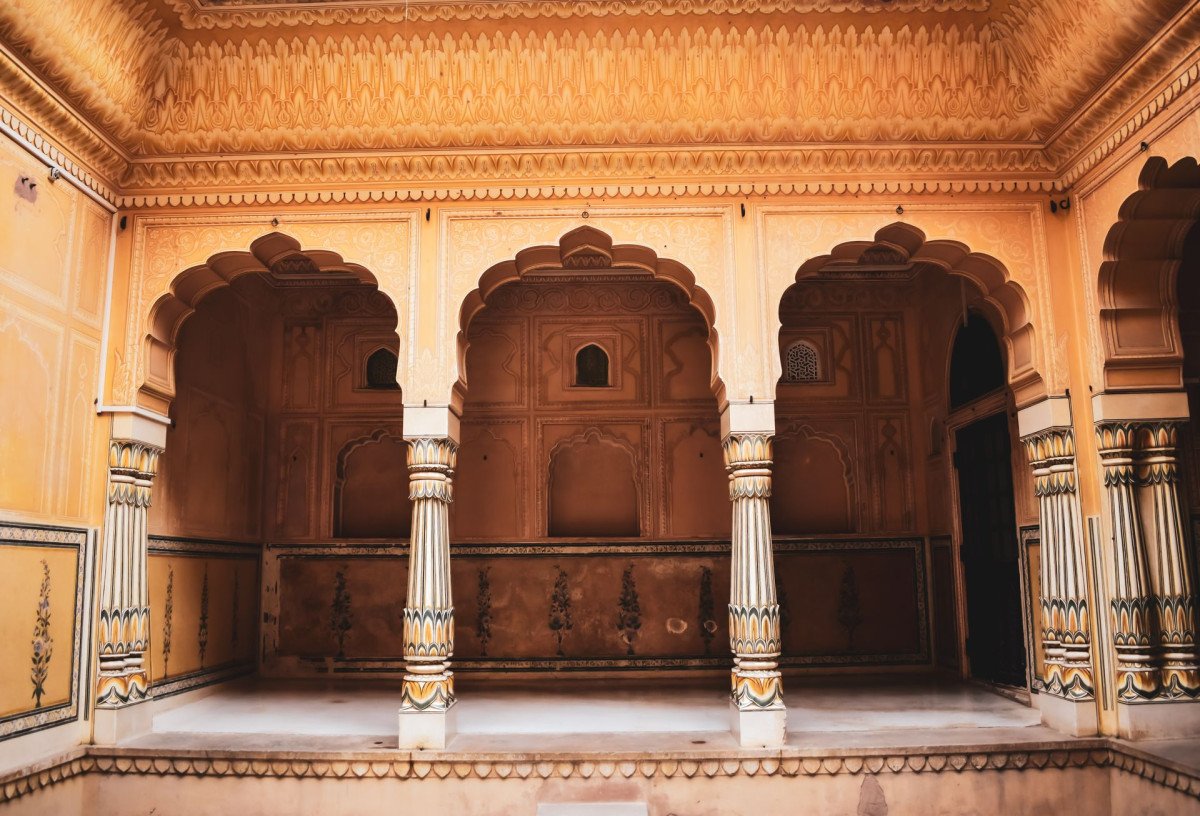
Lodhi Fort
General information
-
Ideal Duration:
3 Hours:Place Type:
Historical, Archaeological, Architectural:Entry Fees:
General Admission:: No formal entry fee is charged for visitors to the Lodhi Fort grounds. It is an open, unprotected ruin, and access is generally free to the public, though this is subject to change based on any future major renovation or privatization efforts.General Admission:: No formal entry fee is charged for visitors to the Lodhi Fort grounds. It is an open, unprotected ruin, and access is generally free to the public, though this is subject to change based on any future major renovation or privatization efforts.
Photography and Videography Fees:: While standard tourist photography is free, commercial photography, filming, or pre-wedding shoots may require special permission and a fee from the state's archaeological department.
Parking Fees:: There are generally no formal, designated parking areas, but if local authorities or private entities manage nearby parking, a nominal fee may be charged for vehicle security and space usage.
Guide/Tour Fees:: There are no official guides provided by the government. Visitors who hire a private, freelance tour guide will pay that guide's personal fee, which is negotiated directly. This fee is for the service of interpretation, not for access to the site.Timing:
Regular Timings:: 6:00 AM to 7:30 PM daily, seven days a week, though the area is not heavily secured, meaning general access can sometimes be earlier or later depending on the local populace.
Ideal Visit Time (Climate): The ideal time to vi...Regular Timings:: 6:00 AM to 7:30 PM daily, seven days a week, though the area is not heavily secured, meaning general access can sometimes be earlier or later depending on the local populace.
Ideal Visit Time (Climate): The ideal time to visit is during the cool winter months, from November to February, when the temperature is pleasant. The shoulder seasons of February-April (spring) and September-October (early autumn) are also suitable.
Avoidance Times:: Avoid the peak summer months of May to July when the intense heat makes extended exploration uncomfortable, and the peak monsoon season of July-August when the grounds can become muddy and slippery, making walking among the ruins hazardous.
Best Time of Day (Experience): The best time for photography and a serene experience is Sunrise (6:00 AM - 8:00 AM) or Sunset (4:30 PM - 7:00 PM), known as the golden hour, which provides dramatic lighting and avoids the midday heat.
Midday Consideration:: Midday (11:00 AM - 4:00 PM) is generally best avoided due to heat and harsh light, but it can be a good time for a quick, quiet visit as most people are typically absent.Special Events:
The Ludhiana Heritage Festival:: Though the fort is currently in a state of ruin, the government and local heritage groups occasionally organize cultural and historical walks or small, low-impact heritage festivals at the site. These events focus on the history of the Lodhi...The Ludhiana Heritage Festival:: Though the fort is currently in a state of ruin, the government and local heritage groups occasionally organize cultural and historical walks or small, low-impact heritage festivals at the site. These events focus on the history of the Lodhi Dynasty and the fort's strategic importance, often featuring history talks, traditional food stalls, and folk music performances in the fort's open spaces, typically during the cooler winter months of November to February.
World Heritage Day Observance:: Every year on April 18th, the fort usually hosts a special commemorative event for World Heritage Day, organized by the Archaeological Survey of India (ASI) or state archaeology departments. This may include guided tours led by historians or archaeologists, public lectures on the fort's conservation status, and educational programs for students, highlighting the fort's contribution to Punjab's rich architectural past.Best Photo Spots:
The Southern Gateway Archway:: The main southern entrance, usually the most intact and imposing archway, offers the best angle for a dramatic, low-light shot, especially at sunrise or sunset. The light filters through the opening, silhouetting the massive structure and capt...The Southern Gateway Archway:: The main southern entrance, usually the most intact and imposing archway, offers the best angle for a dramatic, low-light shot, especially at sunrise or sunset. The light filters through the opening, silhouetting the massive structure and capturing the depth and scale of the original fortress.
Rampart Wall Against the Sky:: Specific sections of the surviving, tall rampart walls, where the structure meets the sky without modern interruptions, are excellent for capturing the silhouette of the old battlements against a clear, blue or dramatic evening sky. This spot highlights the fort's defensive nature.
Ivy and Ruin Contrast:: Close-up spots where the lush, wild greenery (ivy, creepers) has overgrown the ancient, crumbling brickwork offer artistic and textural photo opportunities, symbolizing the 'return to nature' and the passage of centuries. Focus on the rich red and orange tones of the old bricks against the vibrant green.
The Sutlej Viewpoint:: A less common but beautiful spot is any break or window in the walls that offers a framed view of the river (or its dry bed/tributary) and the horizon, providing a natural, scenic background that connects the fort back to its original strategic location near the vital waterway.Photo Gallery
Things To Do
-
Photography and Exploring the Ruins (Major Activity): Walking the perimeter and grounds to capture the aesthetic of ancient decay. Focus on the contrast between the lush greenery and the crumbling brickwork. Use different times of the day—especially golden hour—to get dramatic shots of the ramparts. Spend time exploring the main gate areas, which are the most structurally intact parts, to appreciate the scale. Historical Contemplation and Research (Intellectual Pursuit): The fort is an open book of history. Bring a book on the Lodhi Dynasty or the history of Punjab and spend time in a quiet corner to absorb the historical context of the surroundings. Imagine the caravans, military garrisons, and royal movements that once passed through. It is an excellent site for students of archaeology, architecture, and military history to take notes and sketches.
Read MorePhotography and Exploring the Ruins (Major Activity): Walking the perimeter and grounds to capture the aesthetic of ancient decay. Focus on the contrast between the lush greenery and the crumbling brickwork. Use different times of the day—especially golden hour—to get dramatic shots of the ramparts. Spend time exploring the main gate areas, which are the most structurally intact parts, to appreciate the scale. Historical Contemplation and Research (Intellectual Pursuit): The fort is an open book of history. Bring a book on the Lodhi Dynasty or the history of Punjab and spend time in a quiet corner to absorb the historical context of the surroundings. Imagine the caravans, military garrisons, and royal movements that once passed through. It is an excellent site for students of archaeology, architecture, and military history to take notes and sketches.
Nature Walk and Picnicking (Relaxation): The surrounding area is relatively green, offering a peaceful escape from the city noise. While not a formal park, the open grounds near the walls provide a decent spot for a quiet picnic. Ensure you carry your trash out, as facilities are minimal. It’s an ideal place for a gentle walk to appreciate the natural overgrowth reclaiming the historic structure.
Studying Ancient Masonry (Technical Look): Dedicate time to closely examine the Lakhauri brickwork and the composition of the lime mortar. This is a practical, hands-on opportunity to see pre-modern Indian masonry techniques up close. Notice the thickness of the defensive walls and how different historical periods used different materials for repairs or modifications over the centuries.
Bird Watching (Seasonal Interest): The quiet, overgrown nature of the fort, especially near the old river banks, attracts various local and migratory bird species, particularly during the early morning and late afternoon hours. Bring a pair of binoculars for a relaxing and unexpected bird-watching experience amidst the historical ruins.
Connecting to Local Legends (Folklore): Engage with any local caretakers or vendors (if present) to hear the oral histories and legends associated with the fort, particularly the stories about the tunnel to Phillaur. These stories, while not historically verifiable, enrich the experience and connect you to the local cultural memory of the place. Meditation and Quiet Reflection (Mental Health Break): The ruins offer a profound sense of quiet and the passage of time. Find a secluded spot on the grass or near a less-visited wall section and simply sit for 30-45 minutes of quiet contemplation or meditation. This is a powerful, grounding experience contrasting with the industrial hustle of Ludhiana.
Information
-
Why Famous:
A Lodhi Legacy:: The Lodhi Fort is famous primarily because it is one of the few surviving structures directly linked to Sikandar Lodhi, the second ruler of the Lodhi Dynasty, marking the significant period of Afghan rule in North India before the advent of the Mughals. Its...A Lodhi Legacy:: The Lodhi Fort is famous primarily because it is one of the few surviving structures directly linked to Sikandar Lodhi, the second ruler of the Lodhi Dynasty, marking the significant period of Afghan rule in North India before the advent of the Mughals. Its existence in Ludhiana gives the city a historical depth that pre-dates the well-known Mughal and Sikh periods.
The Strategic Military Location:: Its fame is also rooted in its strategic importance. Positioned on a natural high point along the historic banks of the Sutlej River, it served as a key fortress protecting and controlling the ancient trade and military routes flowing through the region. This geographical advantage made it a highly prized possession for every succeeding empire, from the Mughals to the British.
A Ruin of Romantic Appeal:: Today, it is famous for its picturesque, haunting beauty as a historical ruin. The large, crumbling walls, overgrown with vegetation, appeal to tourists, historians, and photographers who appreciate the romantic decay and the visual narrative of an empire's decline, making it a uniquely evocative site in modern Ludhiana.
Sutlej River Tunnel Connection:: The historical mention of a secret underground tunnel connecting it to the nearby Phillaur Fort across the river adds a layer of mystery and folklore, enhancing its fame as a site of historical intrigue and military engineering marvel. -
Architecture:
Architectural Style and Materials:: The architecture of the Lodhi Fort is primarily utilitarian, reflecting its function as a military bastion and a caravan stop, but it incorporates elements from both Afghan-Mughal and indigenous styles. It was originally built using small...Architectural Style and Materials:: The architecture of the Lodhi Fort is primarily utilitarian, reflecting its function as a military bastion and a caravan stop, but it incorporates elements from both Afghan-Mughal and indigenous styles. It was originally built using small, sturdy Lakhauri bricks (typical of the era, named after the area in which they were first used) bound with a strong lime mortar. The walls are thick, designed for defense, and are typically high, creating an intimidating façade. The surviving structures show a preference for simplicity and strength over elaborate decoration, though remnants of decorative work can sometimes be seen in the surviving gateways.
Dimension and Structure:: While exact, verified overall dimensions of the original fortress are difficult to state due to its current ruined state and lack of comprehensive archaeological mapping, the original perimeter was substantial, encompassing significant space for military barracks, storage, and administrative offices.
Key Features:
The Gateways:: The most well-preserved architectural elements are often the main gateway structures, which would have been imposing and heavily fortified. These gateways are designed with massive arches and often feature guardrooms (burj) on either side.
Internal Layout and River Connection:: The fort was strategically positioned close to the Sutlej River, and historical accounts suggest it contained an escape or supply tunnel leading to the nearby town of Phillaur, which also boasts a historic fort. The internal layout would have consisted of a central courtyard surrounded by rooms, storerooms, and perhaps a small mosque, typical of a sarai (inn) or qila (fortress) complex. The use of vaulted ceilings and small ventilation openings can still be observed in the preserved sections, demonstrating early architectural ingenuity for climate control. -
How To Reach:
By Air:: The nearest commercial airport is Sahnewal Airport (LUH), approximately 15 KMS away. It has limited domestic connectivity. The nearest major international airport is Sri Guru Ram Dass Jee International Airport in Amritsar (ATQ), about 140 KMS away. From either ai...By Air:: The nearest commercial airport is Sahnewal Airport (LUH), approximately 15 KMS away. It has limited domestic connectivity. The nearest major international airport is Sri Guru Ram Dass Jee International Airport in Amritsar (ATQ), about 140 KMS away. From either airport, you must hire a pre-paid taxi or use local bus services to reach Ludhiana City Center, then take local transport to the fort.
By Train:: Ludhiana Junction Railway Station (LDH) is one of North India's busiest and most well-connected railway hubs, with frequent services from major cities like Delhi, Mumbai, Kolkata, and Amritsar. The station is very close to the fort (approx. 3-4 KMS). From the station, take an auto-rickshaw (tuk-tuk) or a hired taxi, which should take 10-15 minutes, depending on traffic.
By Road:: Ludhiana is excellently connected by major national highways, including NH44 (connecting to Delhi and Amritsar). Regular, comfortable bus services (both public and private) operate from major nearby cities like Chandigarh (approx. 100 KMS), Jalandhar (approx. 60 KMS), and Amritsar. Once you reach the Ludhiana bus stand, you can take a local city bus or an auto-rickshaw to the Lodhi Fort area.
By Local Transport:: The fort is easily accessible from any part of Ludhiana by local transport. The most common and convenient options are auto-rickshaws, which are widely available and can be hired on a shared or dedicated basis. Cycle-rickshaws are also an option for very short distances, and app-based ride-sharing services (cabs/taxis) operate reliably throughout the city. Always negotiate the fare with auto-rickshaws before starting the journey. -
Weather and Best Time to Visit:
Different Types of Seasons:
Winter (Ideal): The period from November to February is the best time to visit. The weather is cool, with clear skies, making long walks and photography pleasant without the discomfort of humidity or heat.Different Types of Seasons:
Winter (Ideal): The period from November to February is the best time to visit. The weather is cool, with clear skies, making long walks and photography pleasant without the discomfort of humidity or heat.
Spring (Pleasant): February to April offers pleasant temperatures, and the surrounding foliage is often at its most vibrant green after the winter.
Monsoon (Hazardous): July to September is best avoided due to heavy rains that can make the ruins slippery, muddy, and potentially unstable.
Summer (Avoid): May to June is characterized by extreme heat, making daylight exploration difficult and uncomfortable.
Different Parts of the Day:
Golden Hours (Best): Early Morning (6:00 AM - 8:00 AM) and Late Afternoon (4:30 PM - 6:30 PM) are the most recommended times. The soft, angled light is perfect for photography, and the temperature is at its most moderate.
Midday (Avoid): 10:00 AM to 4:00 PM should be avoided due to harsh sunlight and peak temperatures, which can make a lengthy exploration of the exposed ruins exhausting and the photos overexposed. -
Near Tourist Places:
Maharaja Ranjit Singh War Museum (Approx.
8 KMS): Nehru Rose Garden (Approx.
3 KMS): Rakh Bagh Park (Approx.
4 KMS): Gurudwara Dukh Niwaran Sahib (Approx.
5 KMS): Phillaur Fort (Approx.
15 KMS, across the Sutlej): Punjab Agricultural University Museum (Approx.
5 KMS): Pavilion Mall (Approx.
4 KMS): Hardy's World Amusement Park (Approx.
20 KMS): Guru Nanak Stadium (Approx.
4 KMS): Grand Walk Mall (Approx.
4 KMS):
Tourism Tips
-
Health & Safety:
Footwear and Terrain: Wear comfortable, closed-toe walking shoes. The fort is a ruin with uneven surfaces, broken steps, and loose debris; flip-flops or high heels are not safe.
Hydration: ...Health & Safety:
Footwear and Terrain: Wear comfortable, closed-toe walking shoes. The fort is a ruin with uneven surfaces, broken steps, and loose debris; flip-flops or high heels are not safe.
Hydration: Carry ample water, especially during any time outside of peak winter, as the site is exposed and there are very limited commercial outlets for refreshments.
Packing:
Essentials: Bring a hat, sunglasses, and high-SPF sunscreen due to the lack of shade. If visiting during winter, a light jacket is necessary.
Photography Gear: Bring a wide-angle lens to capture the scale of the walls and a polarizing filter to enhance the blue of the sky and the texture of the old bricks.
Accommodation:
Location: For ease of access, choose accommodation near the Civil Lines or Ferozepur Road areas of Ludhiana, as these are centrally located with good transport links to the fort and other tourist spots.
Type: Ludhiana offers a range from budget hotels to mid-range and luxury options, catering to all types of travelers.
Other Different Topics:
Respect the Ruin: Treat the fort as a historical monument; do not climb on fragile walls, carve into the stone, or litter. It is a protected site.
Local Transport Negotiation: When using an auto-rickshaw from the train station, always agree on a price before you start the ride to avoid overpaying. The ride should be economical given the short distance.
Accessibility: Be aware that due to its nature as an ancient ruin, the site is not wheelchair-accessible.
Reviews
FAQs
Ludhiana Itineray And Cost:-
Information about New and Updated Locations() of Punjab Has Been Added :-
Card subtitle
Note:-
Information provided here in good Faith and for reference only.
All information and pictures will be updated soon, please keep visiting.
Near Places

Alamgir Gurudwara
Some quick example text to build on the card title and make up the bulk of the card's content.
Go somewhere
Bir Jiwan Singh Wildlife Sanctuary
Some quick example text to build on the card title and make up the bulk of the card's content.
Go somewhere
Clock Tower
Some quick example text to build on the card title and make up the bulk of the card's content.
Go somewhere
Grand Walk Mall
Some quick example text to build on the card title and make up the bulk of the card's content.
Go somewhere
Guru Nanak Bhawan
Some quick example text to build on the card title and make up the bulk of the card's content.
Go somewhere
Guru Nanak Stadium
Some quick example text to build on the card title and make up the bulk of the card's content.
Go somewhere
Gurudwara Charankanwal Sahib
Some quick example text to build on the card title and make up the bulk of the card's content.
Go somewhere
Gurudwara Gauji Sahib
Some quick example text to build on the card title and make up the bulk of the card's content.
Go somewhere
Gurudwara Nanaksar Jagraon
Some quick example text to build on the card title and make up the bulk of the card's content.
Go somewhere
Hardy's World Amusement Park
Some quick example text to build on the card title and make up the bulk of the card's content.
Go somewherein Other Cities