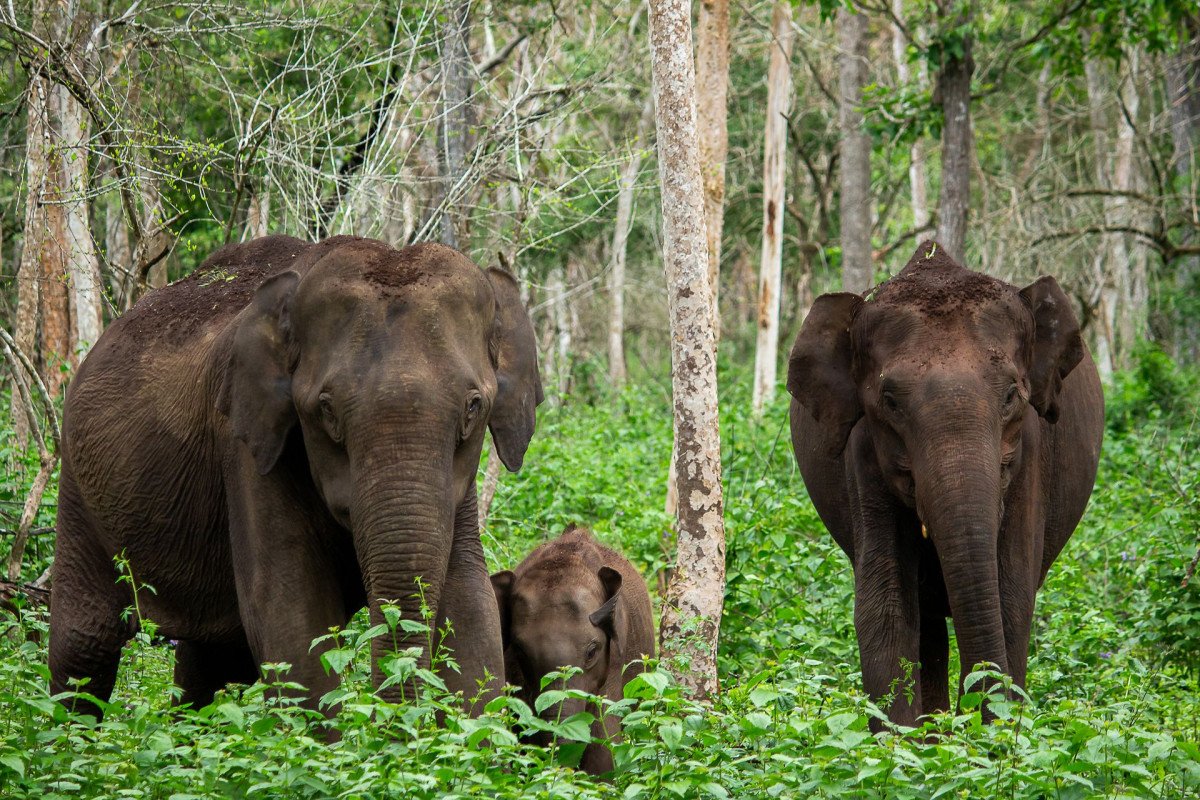
Lohardaga Forest Reserve
General information
-
Ideal Duration:
5 to 6 HoursPlace Type:
Forest / WildlifeEntry Fees:
General Admission: For Indian citizens, the entry fee is a nominal 20 Rupees to support the maintenance of the reserve.
International Visitors: Foreign tourists are charged 100 Rupees, which includes a basic guide.
Read MoreGeneral Admission: For Indian citizens, the entry fee is a nominal 20 Rupees to support the maintenance of the reserve.
International Visitors: Foreign tourists are charged 100 Rupees, which includes a basic guide.
Photography Charges: Carrying a professional camera may require an additional fee of 50 Rupees.
Vehicle Parking: Two-wheelers are charged 10 Rupees and four-wheelers are charged 30 Rupees. These fees are used directly by the local forest department for conservation efforts and providing amenities like clean drinking water and restrooms for visitors. Children under the age of 5 are often granted free entry.Timing:
Regular Timings: The site is open to the public from 9:00 AM to 5:00 PM every day of the week.
Ideal Visit Time: It is best to arrive by 10:00 AM to enjoy the morning light before the sun gets too strong.
Season...Regular Timings: The site is open to the public from 9:00 AM to 5:00 PM every day of the week.
Ideal Visit Time: It is best to arrive by 10:00 AM to enjoy the morning light before the sun gets too strong.
Seasonal Variations: During the winter months of December and January, the site is most active with tourists.
Weekly Off: There is no weekly off, but certain zones might be closed during the monsoon for wildlife safety. Visitors are advised to leave the premises before sunset as there are no artificial lighting systems in the forest areas to ensure the safety of both humans and animals.Special Events:
Sarhul Festival: In the month of March or April, special tribal gatherings take place in the forest to worship nature.
Eco-Tourism Fair: An annual event held in December to promote the beauty of the forest and encourage sustainable travel. <...Sarhul Festival: In the month of March or April, special tribal gatherings take place in the forest to worship nature.
Eco-Tourism Fair: An annual event held in December to promote the beauty of the forest and encourage sustainable travel.
Nature Awareness Day: Dedicated events focused on tree plantation and cleaning the surroundings. These events bring a sense of community and highlight the importance of the reserve in the local social fabric. The atmosphere during these times is electric, with music, food, and joy filling the air.Best Photo Spots:
The Canopy Vista: Offers a view of the endless green sea of trees from the higher altitudes.
The Streamside Reflection: A spot where the forest streams are still, creating a perfect mirror image of the trees.
Th...The Canopy Vista: Offers a view of the endless green sea of trees from the higher altitudes.
The Streamside Reflection: A spot where the forest streams are still, creating a perfect mirror image of the trees.
The Ancient Sal Grove: Massive trees with intertwined roots provide a mysterious backdrop for portraits.
The Sunset Ridge: Specifically oriented to capture the sun dipping behind the forest hills.
Local Forest Rest Houses: The rustic and artistically designed buildings provide a unique aesthetic for photography. Using a wide-angle lens is recommended for the landscapes.Photo Gallery
Things To Do
-
Trekking and Hiking: One of the primary things to do at the Lohardaga Forest Reserve is to explore the various forest routes that wind through the hills. These trails vary in difficulty, offering something for everyone.
Photography Workshops: For those with a keen eye, the changing light throughout the day provides endless opportunities for nature photography.
Picnicking with Family: The designated picnic zones near the forest guest houses are perfect for a day out with loved ones.
Bird Watching: Armed with a pair of binoculars, you can spot dozens of avian species, including the colorful parakeets.
Local Cultural Interaction: Visiting the nearby forest villages allows you to witness the traditional lifestyle of the local tribes...Trekking and Hiking: One of the primary things to do at the Lohardaga Forest Reserve is to explore the various forest routes that wind through the hills. These trails vary in difficulty, offering something for everyone.
Photography Workshops: For those with a keen eye, the changing light throughout the day provides endless opportunities for nature photography.
Picnicking with Family: The designated picnic zones near the forest guest houses are perfect for a day out with loved ones.
Bird Watching: Armed with a pair of binoculars, you can spot dozens of avian species, including the colorful parakeets.
Local Cultural Interaction: Visiting the nearby forest villages allows you to witness the traditional lifestyle of the local tribes.
Meditation and Yoga: The serene environment is ideal for practicing mindfulness and yoga, especially in the early morning hours.
Camping Under the Stars: With proper permissions from the forest department, setting up a tent can be a magical experience.
Geological Exploration: Students and enthusiasts can spend time studying the different rock layers.
Botanical Studies: The diversity of trees and shrubs makes it a living laboratory for those interested in botany.
Sketching and Painting: Bring your easel and capture the forest landscape on canvas.
Historical Research: Investigating the old forest markers can provide insights into the colonial history of Lohardaga.
Cycling Tours: The roads passing through the reserve are perfect for cycling enthusiasts looking for a challenge.
Relaxation and Rejuvenation: Simply sitting by a forest stream and doing nothing is perhaps the most popular activity.
Volunteer for Nature: Participate in local tree plantation drives to give back to this beautiful environment.
Stargazing Sessions: Spend the evening identifying constellations in the clear sky.
Traditional Food Tasting: Sample local forest produce like Mahua snacks from the small stalls nearby.
Souvenir Shopping: Buy handmade bamboo crafts and tribal jewelry from the local markets.
Journaling: Document your experiences in a travel diary, capturing the feelings and sights of the forest.
Educational Field Trips: Schools often organize trips here to teach students about ecology.
Guided Nature Walks: Hire a local forest guide who can point out the specific trees.
Monsoon Celebration: Visit during the rains to see the rebirth of the vegetation.
Sunset Viewing: The forest canopy offers a spectacular display of colors during the golden hours.
Wildlife Tracking: Look for tracks and signs of local animals with the help of a forest guard.
Information
-
Why Famous:
Natural Splendor: The Lohardaga Forest Reserve is world-famous for its breathtaking natural beauty, especially its dense Sal and Teak plantations.
Cultural Heritage: It is a significant site for local tribal festivals like Sarhul, making it ...Natural Splendor: The Lohardaga Forest Reserve is world-famous for its breathtaking natural beauty, especially its dense Sal and Teak plantations.
Cultural Heritage: It is a significant site for local tribal festivals like Sarhul, making it a hub of cultural exchange.
Geological Wonder: The presence of unique 'Pat' formations and bauxite-rich soil makes it a point of interest for researchers.
Tranquil Atmosphere: It is renowned as a peaceful retreat where the noise of the city is replaced by the melodies of the wild.
Photographic Appeal: The site provides some of the most stunning forest backdrops in Jharkhand, attracting photographers who wish to capture the essence of the 'City of Bauxite'. It is also famous for being a primary source of inspiration for local folklore. The seasonal changes bring a variety of moods to the forest, making it a repeat destination for many who want to experience its many faces throughout the year. -
Architecture:
Architectural Style: The architecture of the Lohardaga Forest Reserve is predominantly natural, characterized by ancient tree groves and geological strata that have been shaped over millennia.
Dimensions and Coverage: The reserve covers a ma...Architectural Style: The architecture of the Lohardaga Forest Reserve is predominantly natural, characterized by ancient tree groves and geological strata that have been shaped over millennia.
Dimensions and Coverage: The reserve covers a massive area of over 60,000 hectares across the district, with the primary tourism zones covering about 500 acres.
Natural Structure: The primary materials include indigenous sandstone and the towering Sal and Teak trees, which give the area its distinct green and brown hue typical of the Lohardaga region.
Structural Integrity: The natural forest layout allows for excellent carbon sequestration and soil retention, showcasing how nature itself is the greatest architect. The patterns found in the tree rings and the rock layers are a result of centuries of growth and tectonic shifts. In areas where human intervention is present, such as forest rest houses or checkposts, the design adheres to rustic principles, using local materials to blend seamlessly with the environment. The scale of the forest formations at the Lohardaga Forest Reserve is humbling, reminding visitors of the vast timelines of nature. Every glen and thicket has been naturally engineered to thrive in the tropical climate. The lack of modern artificial structures preserves the authentic feel of the location. -
How To Reach:
By Air: The nearest major airport is the Birsa Munda Airport in Ranchi, which is approximately 80 kilometers away. From there, you can hire a private taxi to the reserve.
By Train: Lohardaga Railway Station is well-connected to Ranchi and o...By Air: The nearest major airport is the Birsa Munda Airport in Ranchi, which is approximately 80 kilometers away. From there, you can hire a private taxi to the reserve.
By Train: Lohardaga Railway Station is well-connected to Ranchi and other major cities. Once you reach the station, local transport like taxis are readily available.
By Road: Lohardaga is connected by well-maintained highways to Ranchi and Gumla. You can drive your own vehicle or use state transport buses.
By Local Transport: Within the town, you can use shared autos to reach the forest outskirts. For the final stretch of the journey into the reserve, it is best to hire a dedicated vehicle for the day. The roads are generally in good condition. Traveling by road offers scenic views of the lush green countryside that defines Jharkhand. -
Weather and Best Time to Visit:
Winter Season: From November to February is the most pleasant time to visit, with temperatures ranging from 10 to 25 degrees Celsius.
Monsoon Season: During July to September, the forest is at its greenest, though travel can be challenging. ...Winter Season: From November to February is the most pleasant time to visit, with temperatures ranging from 10 to 25 degrees Celsius.
Monsoon Season: During July to September, the forest is at its greenest, though travel can be challenging.
Summer Season: March to May can be hot, but early mornings remain comfortable.
Time of Day: The best part of the day is the early morning between 9:00 AM and 12:00 PM, or the late afternoon after 3:00 PM. Each season offers a different experience, with winter being best for general exploration. -
Near Tourist Places:
1. Kekrang Fall (15 km), 2. Akhileshwar Dham (12 km), 3. Prachin Shiv Mandir Khakparta (18 km), 4. Bagru Hill (20 km), 5. Nandini Dam (22 km), 6. Ajay Park (10 km), 7. Chulha Pani (25 km), 8. Victoria Lake (12 km), 9. Peshrar Hills (25 km), 10. Banari Forest (5 km)
Tourism Tips
-
Health and Safety: Always carry a basic first-aid kit and insect repellent as you will be in a forest environment.
Packing Essentials: Wear comfortable walking shoes with a good grip and carry a reusable water bottle.
Read MoreHealth and Safety: Always carry a basic first-aid kit and insect repellent as you will be in a forest environment.
Packing Essentials: Wear comfortable walking shoes with a good grip and carry a reusable water bottle.
Accommodation: While there are forest guest houses, basic lodges in Lohardaga town also provide decent staying facilities.
Cash and Connectivity: Cash is required for entry fees as digital payments might be unreliable in the core forest zones. There are several ATMs in the main Lohardaga town.
Other Tips: Respect the local forest rules and avoid making loud noises that might disturb the wildlife. Always dispose of your trash in the designated bins to help keep the environment clean. Inform your hotel about your itinerary before heading into the forest.Reviews
FAQs
Lohardaga Itineray And Cost:-
Lohardaga Forest Reserve Tourism:-
Other Places In Lohardaga :-
Other States In India :-
Information about New and Updated Locations() of Jharkhand Has Been Added :-
Card subtitle
Note:-
Information provided here in good Faith and for reference only.
Near Places

3 Number Talab
Some quick example text to build on the card title and make up the bulk of the card's content.
Go somewhere
Bara Talab
Some quick example text to build on the card title and make up the bulk of the card's content.
Go somewhere
Bauxite Mines Viewpoint
Some quick example text to build on the card title and make up the bulk of the card's content.
Go somewhere
Bhandra Dam
Some quick example text to build on the card title and make up the bulk of the card's content.
Go somewhere
Dharni Hill
Some quick example text to build on the card title and make up the bulk of the card's content.
Go somewhere
Dhumkuriya
Some quick example text to build on the card title and make up the bulk of the card's content.
Go somewhere
Govind Waterfall Lawapani
Some quick example text to build on the card title and make up the bulk of the card's content.
Go somewhere
Jogi Waterfall
Some quick example text to build on the card title and make up the bulk of the card's content.
Go somewhere
Kairo Falls
Some quick example text to build on the card title and make up the bulk of the card's content.
Go somewhere
Kekrang Fall
Some quick example text to build on the card title and make up the bulk of the card's content.
Go somewhere
Lawapani Picnic Spot
Some quick example text to build on the card title and make up the bulk of the card's content.
Go somewhere
Lohardaga Forest Reserve
Some quick example text to build on the card title and make up the bulk of the card's content.
Go somewhere
Lohardaga Railway Museum
Some quick example text to build on the card title and make up the bulk of the card's content.
Go somewhere
Murli Hill
Some quick example text to build on the card title and make up the bulk of the card's content.
Go somewhere
Pappu Waterfall
Some quick example text to build on the card title and make up the bulk of the card's content.
Go somewhere
Picnic Area
Some quick example text to build on the card title and make up the bulk of the card's content.
Go somewherein Other Cities