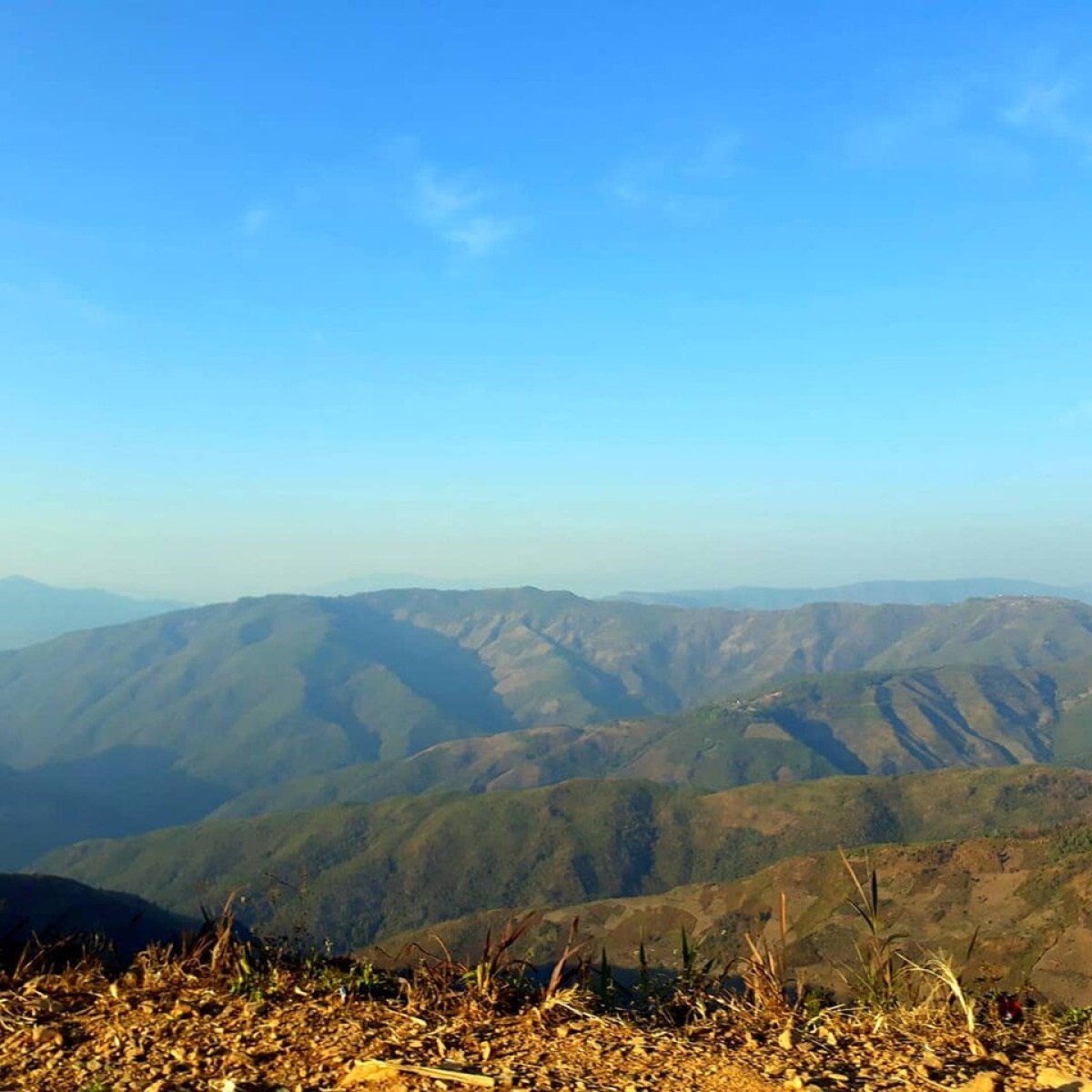


Mimi River
General information
-
Ideal Duration:
4 to 6 HoursPlace Type:
Natural / Scenic BeautyEntry Fees:
Nominal Community Fees - Village Development Fund: There is usually no official government ticket, but visitors are expected to pay a small fee of around INR 100 to 200 to the Village Council. This money is used for maintaining the trails and supporting local eco-tourism i...Nominal Community Fees - Village Development Fund: There is usually no official government ticket, but visitors are expected to pay a small fee of around INR 100 to 200 to the Village Council. This money is used for maintaining the trails and supporting local eco-tourism initiatives.Timing:
Daylight Exploration - Regular Visiting Hours: The river is best visited between 6:00 AM and 4:00 PM. It is not advisable to stay near the river after dark due to the rugged terrain and the presence of wild animals.
Ideal Visit Time: The b...Daylight Exploration - Regular Visiting Hours: The river is best visited between 6:00 AM and 4:00 PM. It is not advisable to stay near the river after dark due to the rugged terrain and the presence of wild animals.
Ideal Visit Time: The best window is between 10:00 AM and 2:00 PM when the sun is directly overhead, illuminating the turquoise depths of the water.Special Events:
The Village Harvest Blessings - Yimkhiung Cultural Gatherings: While not on the river itself, the nearby village hosts traditional rituals to thank the water spirits during the Metümnyo festival in August. Local dancers perform in full traditional attire, showcasing the rich heritage of the regio...The Village Harvest Blessings - Yimkhiung Cultural Gatherings: While not on the river itself, the nearby village hosts traditional rituals to thank the water spirits during the Metümnyo festival in August. Local dancers perform in full traditional attire, showcasing the rich heritage of the region.Best Photo Spots:
Visual Wonders of Mimi - The Great Limestone Gorge: The point where the river cuts through the tallest cliffs offers a panoramic view that captures the scale of the landscape.
Mimi Cave Entrance: Capturing the massive, dark opening of the limestone caves against th...Visual Wonders of Mimi - The Great Limestone Gorge: The point where the river cuts through the tallest cliffs offers a panoramic view that captures the scale of the landscape.
Mimi Cave Entrance: Capturing the massive, dark opening of the limestone caves against the lush green jungle provides a dramatic and mysterious photograph.
Traditional Bamboo Bridges: Photographing these swaying structures over the rushing blue water highlights the harmony between human ingenuity and nature.Photo Gallery
Things To Do
-
Adventure and Nature Exploration - River Spelunking and Caving: Visitors can explore the massive limestone caves near the river. These caves offer a thrilling experience for adventure seekers who want to see the unique geological formations and the massive colonies of bats that live within them.
Riverside Camping and Picnics: The sandy banks of the Mimi River are ideal for setting up eco-friendly camps. Spending a night under the stars with the sound of the flowing water is a highlight for many travelers seeking a primitive outdoor experience.
Traditional Angling and Fishing: With permission from the local village council, tourists can engage in traditional fishing methods. This allows visitors to interact with the local Yimkhiung people and learn about their sustainable fishing practices that have been passed down t...Adventure and Nature Exploration - River Spelunking and Caving: Visitors can explore the massive limestone caves near the river. These caves offer a thrilling experience for adventure seekers who want to see the unique geological formations and the massive colonies of bats that live within them.
Riverside Camping and Picnics: The sandy banks of the Mimi River are ideal for setting up eco-friendly camps. Spending a night under the stars with the sound of the flowing water is a highlight for many travelers seeking a primitive outdoor experience.
Traditional Angling and Fishing: With permission from the local village council, tourists can engage in traditional fishing methods. This allows visitors to interact with the local Yimkhiung people and learn about their sustainable fishing practices that have been passed down through generations.
Landscape Photography: The contrast between the turquoise water and the white limestone cliffs provides endless opportunities for photography. Early morning treks along the riverbanks are perfect for capturing the mist rising from the valley.
Information
-
Why Famous:
The Land of Caves and Rivers - Limestone Cave Systems: Mimi is globally recognized for its rare limestone caves, which are some of the deepest and most complex in Northeast India. These caves house a massive population of bats and are a site of great interest for spelunkers.
Read MoreThe Land of Caves and Rivers - Limestone Cave Systems: Mimi is globally recognized for its rare limestone caves, which are some of the deepest and most complex in Northeast India. These caves house a massive population of bats and are a site of great interest for spelunkers.
Pristine Aquatic Biodiversity: The river is famous for its untouched water quality and the unique freshwater fish species found here. It serves as a prime example of a healthy Himalayan river ecosystem that remains unpolluted by industrial activities.Architecture:
Traditional Riverbank Structures - Limestone Cave Formations: The natural "architecture" of the Mimi region is dominated by its limestone caves, some reaching heights of 300 to 400 feet. These caves feature unique stalactites and stalagmites that have formed over millennia.
Read MoreTraditional Riverbank Structures - Limestone Cave Formations: The natural "architecture" of the Mimi region is dominated by its limestone caves, some reaching heights of 300 to 400 feet. These caves feature unique stalactites and stalagmites that have formed over millennia.
Bamboo Footbridges: Across the Mimi River, locals construct traditional hanging bridges using treated bamboo and cane fibers. These bridges typically span about 30 meters in length and are about 1. 5 meters wide, showcasing indigenous engineering that allows for flexible movement during the heavy monsoon winds.How To Reach:
The Journey to the Edge of India - By Air: The nearest airport is Dimapur Airport, located about 310 KMS away. From there, travelers must take a private taxi or a state bus to reach Kiphire town before proceeding to Mimi.
By Train: Dimapur...The Journey to the Edge of India - By Air: The nearest airport is Dimapur Airport, located about 310 KMS away. From there, travelers must take a private taxi or a state bus to reach Kiphire town before proceeding to Mimi.
By Train: Dimapur Railway Station is the closest railhead. It is well-connected to major cities like Guwahati and Kolkata. From the station, the journey continues by road for approximately 10 to 12 hours.
By Road: Kiphire is connected to Kohima and Dimapur via the NH-202. The road to Mimi from Kiphire is a mountain track that requires a 4x4 vehicle, especially during the rainy season.
By Local Transport: Shared Sumos operate from Kiphire town to Pungro, and from there, private arrangements must be made to reach Mimi Village. A local guide is highly recommended for navigating the forest trails leading to the river.Weather and Best Time to Visit:
Seasonal Variations - Post-Monsoon (October to November): This is the absolute best time to visit as the river water is at its clearest and the surrounding greenery is lush and vibrant.
Winter (December to February): The weather is cool and pleasant, making it idea...Seasonal Variations - Post-Monsoon (October to November): This is the absolute best time to visit as the river water is at its clearest and the surrounding greenery is lush and vibrant.
Winter (December to February): The weather is cool and pleasant, making it ideal for trekking and caving, though the water can be quite cold for swimming.
Spring (March to May): A great time for birdwatching and seeing the wild orchids in bloom along the riverbanks.Near Tourist Places:
1. Mimi Caves (2 KM), 2. Pungro Town (35 KM), 3. Mt. Saramati (50 KM), 4. Fakim Wildlife Sanctuary (40 KM), 5. Thanamir Apple Village (55 KM), 6. Salomi Caves (30 KM), 7. Zungki River (25 KM), 8. Likhimro Hydro Project (45 KM), 9. Sukhayap Rock Cliff (50 KM), 10. Wawade Waterfall (60 KM)Tourism Tips
-
Preparation for the Wilderness - Health & Safety: Always carry a basic first-aid kit and insect repellent. The area is remote, and medical facilities are limited to basic health centers in Pungro.
Packing Essentials: Wear sturdy trekking b...Preparation for the Wilderness - Health & Safety: Always carry a basic first-aid kit and insect repellent. The area is remote, and medical facilities are limited to basic health centers in Pungro.
Packing Essentials: Wear sturdy trekking boots with good grip. Carry a waterproof bag for your electronics and bring a light jacket as temperatures drop significantly in the evenings.
Cash & Connectivity: There are no ATMs in Mimi Village; the nearest one is in Pungro or Kiphire. Mobile connectivity is very poor; BSNL or Jio might work intermittently, but do not expect Wi-Fi.
Local Etiquette: Always seek permission from the village headman before entering sacred sites or caves. Respect the local traditions and avoid littering in the pristine river environment.
Reviews
FAQs
Kiphire Itineray And Cost:-
Other Places In Kiphire :-
Other States In India :-
Information about New and Updated Locations() of Nagaland Has Been Added :-
Card subtitle
Note:-
Information provided here in good Faith and for reference only.
Near Places

Caves of Mimi
Some quick example text to build on the card title and make up the bulk of the card's content.
Go somewhere
Caves of Salomi
Some quick example text to build on the card title and make up the bulk of the card's content.
Go somewhere
Chomi Village
Some quick example text to build on the card title and make up the bulk of the card's content.
Go somewhere
Pungro Town
Some quick example text to build on the card title and make up the bulk of the card's content.
Go somewhere
Sanchure Village
Some quick example text to build on the card title and make up the bulk of the card's content.
Go somewhere
Sangtam Tribal Area
Some quick example text to build on the card title and make up the bulk of the card's content.
Go somewhere
Saramati Peak
Some quick example text to build on the card title and make up the bulk of the card's content.
Go somewhere
Seyochung Town
Some quick example text to build on the card title and make up the bulk of the card's content.
Go somewherein Other Cities