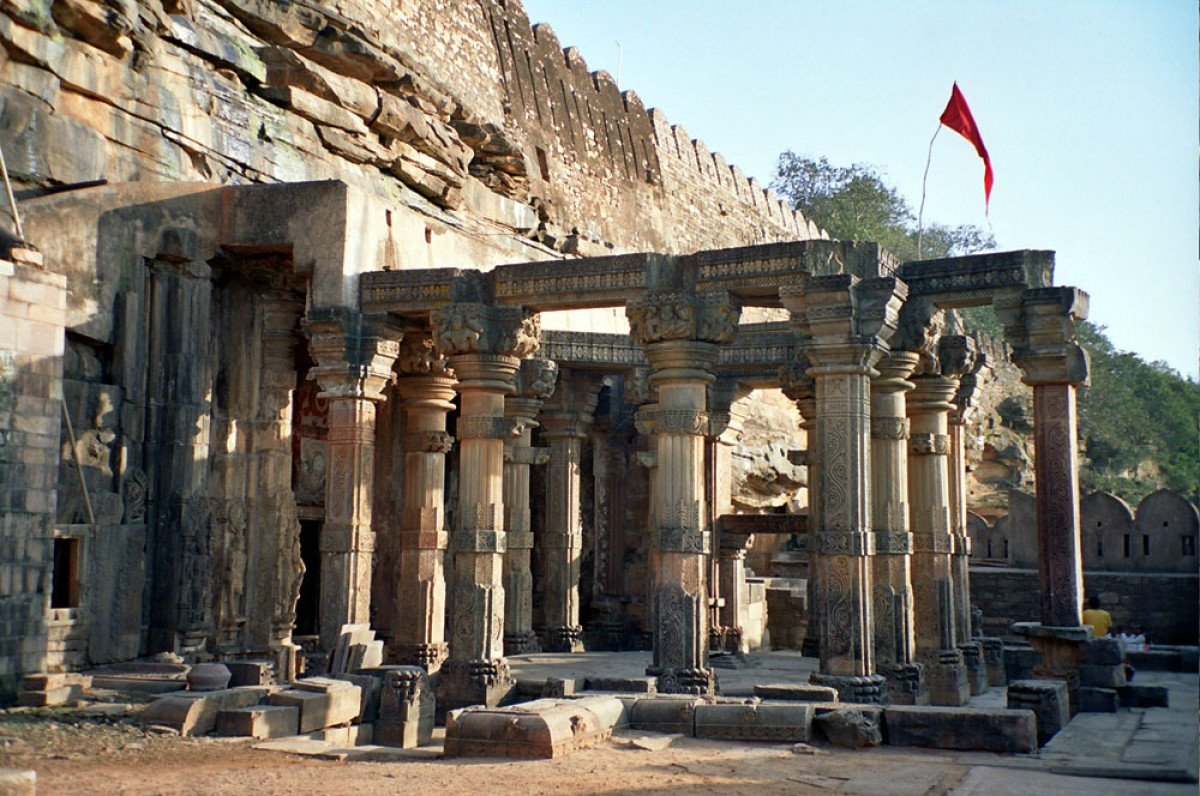

Nilkanth Palace
General information
-
Ideal Duration:
1.
5 to 2 Hours:Place Type:
Heritage, Religious, Mughal Architecture:Entry Fees:
Indian Nationals: Rs.25 (As part of the Mandu monuments ticket, though some remote sites are free, check current ASI rules).
Foreign Nationals: Rs.300 (As part of the bundled ticket for major ASI sites in Mandu).
Vi...Indian Nationals: Rs.25 (As part of the Mandu monuments ticket, though some remote sites are free, check current ASI rules).
Foreign Nationals: Rs.300 (As part of the bundled ticket for major ASI sites in Mandu).
Video Camera: Separate charges may apply (Check ASI rules).
Exemption/Free Entry: Children below the age of 15 typically have free entry. Religious offerings are separate from the entry fee.
:Timing:
Regular Timings: 6:00 AM to 6:00 PM (Generally Sunrise to Sunset, check ASI official time).
Ideal Visit Time: Early morning (8:00 AM - 10:00 AM) for cool weather and tranquility, or late afternoon (4:00 PM - 6:00 PM) to catch the soft evenin...Regular Timings: 6:00 AM to 6:00 PM (Generally Sunrise to Sunset, check ASI official time).
Ideal Visit Time: Early morning (8:00 AM - 10:00 AM) for cool weather and tranquility, or late afternoon (4:00 PM - 6:00 PM) to catch the soft evening light on the ruins.
:Special Events:
Maha Shivaratri Celebration: Being an active Shiva temple, the most significant annual event is the celebration of Maha Shivaratri, which draws a large number of local devotees and creates a vibrant spiritual atmosphere.
Jahangir's Birth Anniver...Maha Shivaratri Celebration: Being an active Shiva temple, the most significant annual event is the celebration of Maha Shivaratri, which draws a large number of local devotees and creates a vibrant spiritual atmosphere.
Jahangir's Birth Anniversary (Historical Context): While not a current public event, its historical connection to the Mughal Emperor makes his birth anniversary a relevant historical date for scholars visiting the site.
:Best Photo Spots:
The Arched Frames: Use the surviving arches of the palace walls to frame the surrounding forest and valley, creating a dramatic, historical-ruin aesthetic.
The Shiva Linga Altar: A dedicated, reverential photograph of the marble Shiva linga ...The Arched Frames: Use the surviving arches of the palace walls to frame the surrounding forest and valley, creating a dramatic, historical-ruin aesthetic.
The Shiva Linga Altar: A dedicated, reverential photograph of the marble Shiva linga (if permitted) or the temple entrance, capturing the spiritual essence.
Valley Viewpoint: Capture the panoramic view of the Nilkanth Valley from the high points of the ruins, especially during the green months (Monsoon/Post-Monsoon) for a lush backdrop.
Cistern Reflection: Photograph the spiral water cistern, particularly when the water is still, capturing the reflection of the surrounding walls and sky. (Approx.
):Photo Gallery
Things To Do
-
Explore the Nilkanth Mahadev Mandir: Spend time in quiet contemplation and offer prayers at the active ancient Shiva shrine with the marble linga located deep within the complex, following local religious customs.
Walk the Palace Ruins: Explore the crumbling palace halls and courtyards, appreciating the functional layout of a Mughal pleasure retreat and looking for surviving architectural details.
Photography and Vistas: Capture the unique blend of the palace ruins with the surrounding lush valley (Nilkanth Valley) scenery, using the arched windows as natural frames.
Historical Study: Dedicate time to studying the interpretive plaques (if available) and comparing the Mughal elements with the older Hindu shrine to understand the historical layering.Explore the Nilkanth Mahadev Mandir: Spend time in quiet contemplation and offer prayers at the active ancient Shiva shrine with the marble linga located deep within the complex, following local religious customs.
Walk the Palace Ruins: Explore the crumbling palace halls and courtyards, appreciating the functional layout of a Mughal pleasure retreat and looking for surviving architectural details.
Photography and Vistas: Capture the unique blend of the palace ruins with the surrounding lush valley (Nilkanth Valley) scenery, using the arched windows as natural frames.
Historical Study: Dedicate time to studying the interpretive plaques (if available) and comparing the Mughal elements with the older Hindu shrine to understand the historical layering.
Nature Walk: Enjoy a peaceful walk through the surrounding gardens and the deep-set valley, which offers a serene escape from the main tourist hubs of Mandu.
Find the Imarat-i-Dilkhusha Inscription: Search for the historical inscription that gives the palace its Mughal name, adding a layer of archaeological engagement to the visit.
Local Interaction: Engage with local priests or caretakers to learn more about the temple's legends and its continuous usage as a pilgrimage site since ancient times, enriching the cultural experience.
Relaxation Spot: Utilize one of the peaceful courtyards for a moment of rest and reflection, soaking in the historically rich and tranquil atmosphere of the retreat.
:
Information
-
Why Famous:
Symbol of Syncretism: It is highly famous as a physical representation of the cultural and religious synthesis between Islamic (Mughal) and Hindu traditions, built by a Mughal governor for a Hindu queen/consort.
Pilgrimage Site: Its enduring...Symbol of Syncretism: It is highly famous as a physical representation of the cultural and religious synthesis between Islamic (Mughal) and Hindu traditions, built by a Mughal governor for a Hindu queen/consort.
Pilgrimage Site: Its enduring fame is tied to the active Nilkanth Mahadev Mandir within the ruins, making it a living temple and a spiritual destination alongside being a historical monument.
Jahangir's Retreat: The palace is well-documented in the memoirs of Emperor Jahangir (who called it Imarat-i-Dilkhusha), solidifying its historical importance as a favored royal escape.
: -
Architecture:
Architectural Style: A rare example of Mughal architecture incorporating and accommodating a pre-existing Hindu shrine. It showcases a blend of functional palace design with spiritual temple elements.
Materials and Design: Constructed prima...Architectural Style: A rare example of Mughal architecture incorporating and accommodating a pre-existing Hindu shrine. It showcases a blend of functional palace design with spiritual temple elements.
Materials and Design: Constructed primarily of local red sandstone. The design features a low, large hall, inner courtyards, and arched openings typical of the Mughal period. A notable feature is the use of Persian inscriptions within the complex.
Temple Integration: The most significant architectural feature is the seamless (though contested) integration of the ancient Shiva temple into the Mughal-style palace structure, symbolizing religious tolerance. The complex is set deep in a valley, enhancing its retreat-like feel.
Dimension (Design Note): The structure is not defined by a single large volume like the Jahaz Mahal but is a complex of courtyards and rooms descending into the valley. The original shrine and the later pleasure palace extensions make it architecturally layered. (Approx.
): -
How To Reach:
By Air: Nearest airport is Devi Ahilya Bai Holkar Airport (IDR) in Indore (Approx. 100 KMS). From Indore, hire a taxi or take a state-run bus to Mandu.
By Train: Nearest major railhead is Indore Junction (INDB) or Ratlam Junction (RTM) (Ap...By Air: Nearest airport is Devi Ahilya Bai Holkar Airport (IDR) in Indore (Approx. 100 KMS). From Indore, hire a taxi or take a state-run bus to Mandu.
By Train: Nearest major railhead is Indore Junction (INDB) or Ratlam Junction (RTM) (Approx. 100-120 KMS). From the station, take a bus or pre-booked taxi to Mandu.
By Road: Mandu is well-connected by road to Dhar (35 KMS) and Indore (100 KMS). Private cabs or state/private buses run regularly. From the main Mandu Bus Stand/City Center, hire a local transport option (local taxi, auto-rickshaw, or bicycle) for the 4-5 KMS journey to the palace.
By Local Transport: Due to its relatively isolated location in the valley group, an auto-rickshaw (or 'tuk-tuk') is the most common way to reach this spot from the central town area. Bicycles can also be hired.
: -
Weather and Best Time to Visit:
Different Types of Seasons: Winter (October to March) is the Best Time to Visit due to pleasant, cool weather. Monsoon (July to September) is also excellent for the lush green scenery, but ruins can be slippery. Avoid Summer (April to June) due to intense heat.Different Types of Seasons: Winter (October to March) is the Best Time to Visit due to pleasant, cool weather. Monsoon (July to September) is also excellent for the lush green scenery, but ruins can be slippery. Avoid Summer (April to June) due to intense heat.
Different Parts of the Day: Early Morning is best for photography, avoiding crowds, and experiencing the temple's spiritual ambiance. Late Afternoon is great for the scenic views of the surrounding valleys.
: -
Near Tourist Places:
1. Rewa Kund (1.
5 KMS): 2.
Baz Bahadur Palace (2 KMS): 3. Rani Roopmati Pavilion (2.
5 KMS): 4. Jahaz Mahal Group (
5 KMS): 5. Hoshang Shah's Tomb (4.
5 KMS): 6. Jami Masjid (4.
5 KMS): 7. Ashrafi Mahal (4.
5 KMS): 8.
Hindola Mahal (
5 KMS): 9.
Echo Point (3 KMS): 10.
Lohani Caves (4 KMS):
Tourism Tips
-
Health & Safety: Carry ample water, especially during hot days, as the location is somewhat isolated. Wear comfortable walking shoes for uneven ground. Be mindful of monkeys.
Packing Essentials: Sunscreen, a hat/cap, and sunglasses are hig...Health & Safety: Carry ample water, especially during hot days, as the location is somewhat isolated. Wear comfortable walking shoes for uneven ground. Be mindful of monkeys.
Packing Essentials: Sunscreen, a hat/cap, and sunglasses are highly recommended. A camera with extra battery/storage is a must.
Accommodation: Stay in the central town area of Mandu (Malwa Resort, Malwa Retreat) or budget guesthouses. Book in advance during peak season (Diwali to February).
Other Tips: Hire a local guide to understand the complex history of the Mughal palace and the Hindu temple synthesis. Respect the temple's religious customs. The site is part of the Nilkanth Mahal Group or Rewa Kund Group (Southern Group).
:
Reviews
FAQs
Mandu Itineray And Cost:-
Other Places In Mandu :-
Other States In India :-
Information about New and Updated Locations() of Madhya Pradesh Has Been Added :-
Card subtitle
Note:-
Information provided here in good Faith and for reference only.
Near Places
Alamgir Darwaza
Some quick example text to build on the card title and make up the bulk of the card's content.
Go somewhere
Ashrafi Mahal
Some quick example text to build on the card title and make up the bulk of the card's content.
Go somewhere
Bagh Caves
Some quick example text to build on the card title and make up the bulk of the card's content.
Go somewhere
Baz Bahadur's Palace
Some quick example text to build on the card title and make up the bulk of the card's content.
Go somewhere
Bhangi Darwaza
Some quick example text to build on the card title and make up the bulk of the card's content.
Go somewhere
Champa Baoli
Some quick example text to build on the card title and make up the bulk of the card's content.
Go somewhere
Dai ka Mahal
Some quick example text to build on the card title and make up the bulk of the card's content.
Go somewhere
Dai ki Chhoti Bahen ka Mahal
Some quick example text to build on the card title and make up the bulk of the card's content.
Go somewhere
Dai ki Chhoti Behan ka Mahal
Some quick example text to build on the card title and make up the bulk of the card's content.
Go somewhere
Darya Khan's Tomb
Some quick example text to build on the card title and make up the bulk of the card's content.
Go somewhere
Delhi Darwaza
Some quick example text to build on the card title and make up the bulk of the card's content.
Go somewhere
Delhi Gate
Some quick example text to build on the card title and make up the bulk of the card's content.
Go somewhere
Dharampuri
Some quick example text to build on the card title and make up the bulk of the card's content.
Go somewhere
Dilawar Khan's Mosque
Some quick example text to build on the card title and make up the bulk of the card's content.
Go somewhere
Echo Point
Some quick example text to build on the card title and make up the bulk of the card's content.
Go somewhere
Eco Point
Some quick example text to build on the card title and make up the bulk of the card's content.
Go somewherein Other Cities