Old Rangji Temple
General information
-
Ideal Duration:
1 to 2 Hours (Allows time for worship, detailed viewing of architecture, and peaceful reflection).Place Type:
Ancient Hindu Temple and Architectural HeritageEntry Fees:
General Entry:
Completely Free of Charge: The entry to the Old Rangji Temple premises and the main prayer hall for worship (darshan) is completely free of charge for all visitors, including Indian citizens and foreigners. As a major Hindu pl...General Entry:
Completely Free of Charge: The entry to the Old Rangji Temple premises and the main prayer hall for worship (darshan) is completely free of charge for all visitors, including Indian citizens and foreigners. As a major Hindu place of worship, the principle is to allow universal access to the deity. This policy is standard for most major temples in India.
Donation and Offerings Policy: While there is no mandatory fee, devotees are welcome to make voluntary donations (bheta or daan) towards the upkeep of the temple, the daily rituals, and community services. There are designated donation boxes, or one can offer cash to the priests. This is an optional spiritual contribution, not an entry requirement.
Nominal Fee for the Sheesh Mahal: A separate, small, and nominal fee (historically reported around Rs.5 to Rs.10) may be charged for entry into the internal Sheesh Mahal (Glasshouse) or museum section, if it is open. This small fee contributes directly to the maintenance of the exhibit and the restoration of its antique contents.
Photography Restriction Notice: It is important to note that while the physical entry is free, most Vaishnavite temples, including this one, have a strict policy against photography inside the main shrine (garbhagriha). Violating this rule may lead to a fine or confiscation of the camera, acting as a different kind of 'cost' for disregard of temple sanctity. Respecting the free entry means respecting all associated rules.Timing:
Regular Timings:
Early Morning to Evening: The general operating hours for the Old Rangji Temple are typically from 6:00 AM to 7:00 PM every day of the week. However, these timings can sometimes be subject to change based on the season, majo...Regular Timings:
Early Morning to Evening: The general operating hours for the Old Rangji Temple are typically from 6:00 AM to 7:00 PM every day of the week. However, these timings can sometimes be subject to change based on the season, major festivals, and the daily aarti schedule. It is advised to confirm the current hours locally, especially before a late evening visit.
Mid-Day Closure for Rest: Like many Hindu temples, the main sanctum may experience a brief closure during the mid-day hours (often between 12:00 PM and 3:00 PM) for the deity's rest (bhog or vishram). It is crucial to avoid this period if you wish to have a direct darshan (viewing) of the principal idol.
Ideal Visit Time:
Early Morning for Tranquility: The absolute best time to visit the temple is during the Early Morning hours, specifically between 6:00 AM and 9:00 AM. This period offers the most serene atmosphere with minimal crowds, allowing for peaceful worship and detailed appreciation of the architecture in the soft morning light.
Evening Visit for the Grand Aarti: A fantastic alternative is the Evening visit, typically an hour before closing, to witness the main Sandhya Aarti. Although this time is often more crowded, the sight of the lamps, the smell of incense, and the collective chanting create a powerful, spiritually charged experience that is highly recommended.Special Events:
Brahmotsavam Festival: The single most important and grandest festival celebrated at the Old Rangji Temple is the Brahmotsavam. This is a multi-day annual event (often lasting 9 to 13 days) dedicated to Lord Rangji (Vaikuntha Venkatesh). It is celebrated with immense fervo...Brahmotsavam Festival: The single most important and grandest festival celebrated at the Old Rangji Temple is the Brahmotsavam. This is a multi-day annual event (often lasting 9 to 13 days) dedicated to Lord Rangji (Vaikuntha Venkatesh). It is celebrated with immense fervor, typically following the Hindu lunar calendar, often falling in the months of February or March. During this period, the temple is magnificently decorated with lights, flowers, and traditional South Indian Kolam (ritualistic floor drawings).
The Ratha Yatra (Chariot Procession): A highlight of the Brahmotsavam is the grand Ratha Yatra, or Chariot Procession. The idol of the main deity is taken out of the temple's sanctum and paraded through the streets of Pushkar on a decorated wooden chariot. Devotees pull the chariot, which is considered a great honor and a way to receive direct blessings. This procession transforms the quiet streets into a vibrant scene of music, chanting, and massive spiritual gathering, attracting thousands of pilgrims from across India.
South Indian Ritualistic Practices: The festival serves as a showcase for the unique South Indian ritualistic practices of the Ramanuja Vaishnava Sect. Special prayers, yagnas (fire rituals), and musical performances are conducted continuously. The temple follows a rigorous schedule of seva (service) to the deity, including traditional offerings and dressing the Lord in exquisite new garments and jewelry. This period offers the best opportunity to observe the distinct traditions and customs that differentiate this temple from others in Rajasthan.Best Photo Spots:
The Majestic Gopuram from the Main Road: The absolute best photo opportunity is capturing the towering, multi-tiered South Indian Gopuram from a slight distance on the main street. This vantage point allows the entire height and architectural complexity to be framed, showca...The Majestic Gopuram from the Main Road: The absolute best photo opportunity is capturing the towering, multi-tiered South Indian Gopuram from a slight distance on the main street. This vantage point allows the entire height and architectural complexity to be framed, showcasing the blend of styles against the clear Rajasthan sky.
Tip: Early morning light is best for golden hues and avoiding harsh shadows.
Framing the Entrance Chhatris: Focus on the entrance gate and the Rajasthani chhatris (dome-shaped pavilions) mounted atop the boundary walls. These structures, often silhouetted against the sky, provide a contrast to the Dravidian tower. A low-angle shot can emphasize the chhatris' delicate detailing and their importance as a local architectural signature.
The Inner Courtyard Pillars and Arches: Inside the temple, the repetitive patterns of the intricately carved pillars and the Mughal-influenced arches in the corridors offer a compelling geometric photo subject. Look for the way the sunlight or shadow falls across the yellow and peach-colored stone. These details offer a close-up texture study that captures the craftsmanship of 1823.
View of the Temple Complex from a Rooftop: Since the temple is in the densely built Choti Basti area, finding a nearby rooftop cafRs. or guesthouse provides a panoramic view of the entire complex. This perspective helps to illustrate the templeRs.s scale relative to the surrounding houses and allows a clear shot of the high shikhara (spire) over the main shrine, which is otherwise obscured from ground level.
Detail of the Garuda Embedments: Photographing the embedded figures of Garuda on the temple's exterior walls is a chance to capture specific symbolic details. These carvings are small, often overlooked, and represent the mythological aspect of the Lord Vishnu temple, making for a unique and focused photograph.Photo Gallery
Things To Do
-
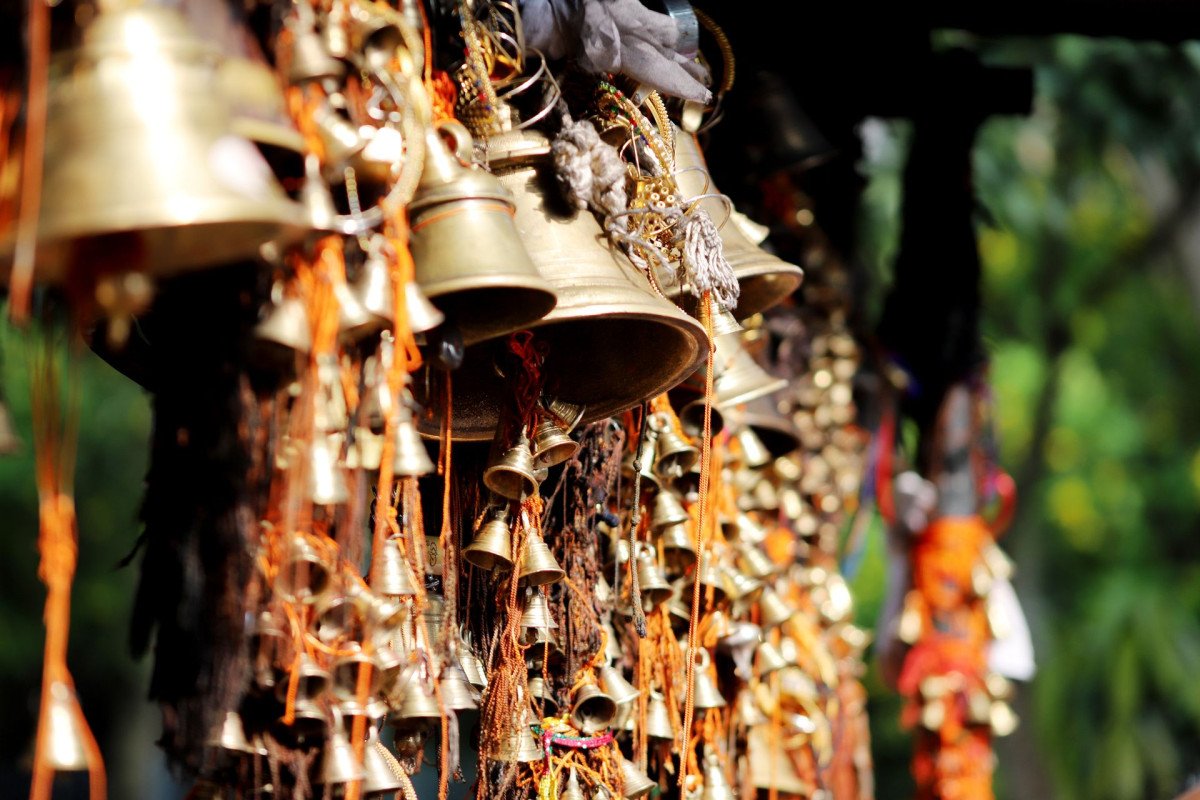
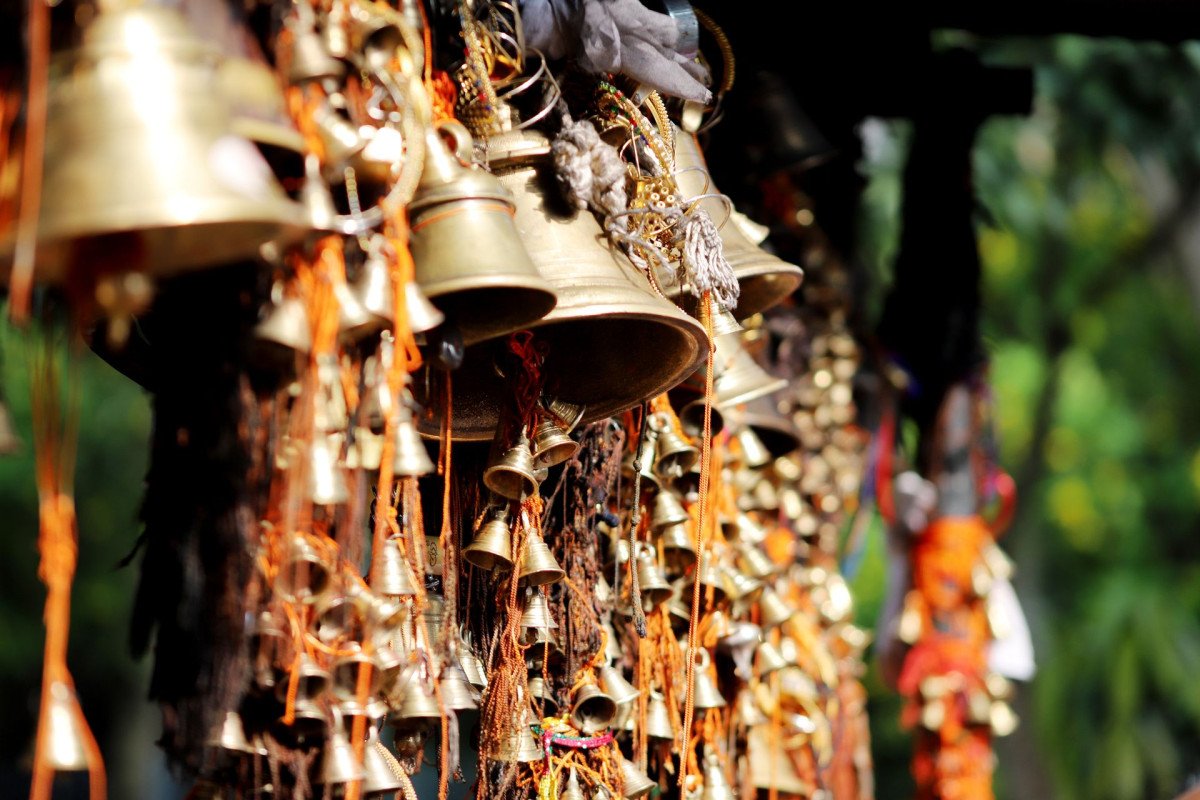
Experience the Morning and Evening Aarti Rituals: Attending the Aarti (worship ritual with lamps) is the most enriching activity. The atmosphere during the morning (Mangala Aarti) and evening (Sandhya Aarti) is electrifying, filled with the resonant chanting of Sanskrit hymns and the rhythmic sound of bells. This provides a deep cultural and spiritual immersion into the South Indian Vaishnavite traditions practiced here. Witnessing the priests perform the intricate rituals is a visually and emotionally profound experience.
Study the Architectural Details and Carvings: Allocate ample time to walk around the entire complex, not just the main shrine. Start by examining the towering South Indian-style Gopuram from different angles to appreciate the sheer volume of detailed sculpting. Then, compare the design elements with the Ra...Experience the Morning and Evening Aarti Rituals: Attending the Aarti (worship ritual with lamps) is the most enriching activity. The atmosphere during the morning (Mangala Aarti) and evening (Sandhya Aarti) is electrifying, filled with the resonant chanting of Sanskrit hymns and the rhythmic sound of bells. This provides a deep cultural and spiritual immersion into the South Indian Vaishnavite traditions practiced here. Witnessing the priests perform the intricate rituals is a visually and emotionally profound experience.
Study the Architectural Details and Carvings: Allocate ample time to walk around the entire complex, not just the main shrine. Start by examining the towering South Indian-style Gopuram from different angles to appreciate the sheer volume of detailed sculpting. Then, compare the design elements with the Rajput chhatris and the Mughal-influenced arches. Look for the four figures of Garuda, the mythical bird vehicle of Lord Vishnu, which are embedded on the four sides of the temple, symbolizing Vaikunta. The blend of styles offers a free, outdoor architectural history lesson.
Silent Meditation in the Courtyard: Use the serene inner courtyard as a space for quiet contemplation. The templeRs.s ancient stone structure and the peaceful absence of commercial activity in this area create an ideal environment for meditation or simply escaping the typical noise of the pilgrimage town. Sit on the stone steps and reflect on the history and devotion that permeates the space.
Explore the Nearby Sadar Bazaar and Ghats: The templeRs.s central location makes it the perfect starting point for exploring the surrounding areas. Immediately after your visit, step out into the adjacent Sadar Bazaar. Here you can engage in shopping for traditional Rajasthani handicrafts, silver jewelry, colorful textiles, and religious paraphernalia. From the temple, the revered Pushkar Lake and its many bathing Ghats are just a short walk away. Visiting the Ghats like Varah Ghat or Gau Ghat immediately after a temple visit completes the holy circuit for pilgrims.
Engage with the Temple Priests for Local Lore: The temple priests often possess a wealth of knowledge about the templeRs.s history, the legends of Lord Rangji, and the specific South Indian rituals. Engaging them politely (with respect for their duties) can offer unique insights that are not found in guidebooks. They can elaborate on the importance of Ramanujacharya and the distinct practices of the Vaishnava sect. Photography of the Exterior Architecture (Restrictions Apply): While photography is often strictly prohibited inside the main sanctum and inner complex, the exterior architecture, particularly the magnificent Gopuram and the entrance gates, provides stunning photo opportunities. Capture the intricate details of the facade, the contrasting colors of the stonework, and the unique silhouettes of the chhatris against the Rajasthan sky. Remember to respect all signs regarding photography to maintain the temple's sanctity.
Observe South Indian Devotional Practices: Since this temple is a center for the Ramanuja Vaishnava Sect, observing the distinct devotional practices is an activity in itself. Pay attention to the Naamam (the Vishnuite tilak mark worn by the devotees and priests), the specific chants, and the style of offering flowers and food (prasad). This provides a cultural window into a different regional expression of Hinduism in North India.
Visit the Internal Sheesh Mahal (Museum): As noted, if the Sheesh Mahal is open, take the time to visit this smaller, internal section. It is a chance to see a different, more decorative style of art, potentially featuring beautiful mirror work or historical relics, which serves as a small, unexpected museum within the main structure.
Walk the Parikrama Marg (Circumambulation Path): The temple is located along the main pilgrimage path (Parikra
Information
-
Why Famous:
The Unique Architectural Blend: The templeRs.s fame rests primarily on its rare and stunning architectural design. It is one of the few places in India where the towering, sculpted Gopuram of South India is found alongside the delicate chhatris and jharokhas of Rajput archite...The Unique Architectural Blend: The templeRs.s fame rests primarily on its rare and stunning architectural design. It is one of the few places in India where the towering, sculpted Gopuram of South India is found alongside the delicate chhatris and jharokhas of Rajput architecture and the intricate carvings reminiscent of Mughal art. This amalgamation showcases a beautiful synthesis of different regional building traditions under one roof.
Historical and Sectarian Significance: Built in 1823, it holds the distinction of being the first temple in Rajasthan to be established by the Ramanuja Vaishnava Sect, a highly important devotional tradition in Hinduism. This historical first-mover status elevates its importance beyond a local shrine, making it a key pilgrimage center for this particular sect across North India.
Devotion to Lord Rangji: Dedicated to Lord Rangji, an incarnation of Lord Vishnu, the temple is a principal seat of worship for Vaishnavite followers. The serene and powerful presence of the main deity, Vaikuntha Venkatesh, attracts a continuous flow of devotees seeking blessings for prosperity and spiritual peace. The daily rituals, which follow the strict and traditional customs of the South Indian tradition, are a spectacle of devotion that is a major draw for visitors. -
Architecture:
A Tri-Style Architectural Marvel: The architecture of the Old Rangji Temple is famed for its remarkable syncretism, combining the best elements of Dravidian, Mughal, and Rajput styles. This blend is rare in North India and makes the temple a subject of architectural study. ...A Tri-Style Architectural Marvel: The architecture of the Old Rangji Temple is famed for its remarkable syncretism, combining the best elements of Dravidian, Mughal, and Rajput styles. This blend is rare in North India and makes the temple a subject of architectural study. The use of yellow and peach-colored stones, often locally sourced, allows the minute carvings to be highlighted beautifully, especially in the warm desert light.
The Dominant Gopuram Structure: The most recognizable feature is the tall, imposing Gopuram, a monumental tower that forms the entrance. This tiered, pyramid-like structure is characteristic of the Dravidian style found predominantly in South India.
Dimension (Approximate): While exact plans are proprietary, the Gopuram is a multi-story structure that would stand at approximately 60-80 feet in height, featuring numerous sculpted figures of deities, mythological scenes, and decorative elements. Its height makes it a key landmark in the Pushkar skyline.
Rajputana and Mughal Influences: The lower walls, courtyards, and smaller structures within the complex feature elements like the Rajasthani chhatris (umbrella-shaped pavilions) mounted atop the entrance walls, and intricately carved jharokhas (overhanging enclosed balconies) which are signatures of the Rajputana style. The arched corridors with multifoliated arches and the floral-based columns within the temple complex, visible in the outer cloisters, show a clear influence from Mughal architecture.
Sanctum and Shrine Details: The main shrine has a distinctly Northern Indian feel, contrasting with the Gopuram. The core shrine houses chambers dedicated to Lord Krishna, Lord Rangnathji, and Ramanujacharya. The vast entrance door also features fading frescoes, which, although deteriorating, still speak volumes of the temple's rich artistic history. The temple is designed such that the main idol can be seen from almost any internal angle, ensuring a constant divine view for the devotee. -
How To Reach:
By Air:
Via Jaipur International Airport (JAI): The nearest major airport is Jaipur International Airport (JAI), located approximately 145 KMs away from Pushkar.
Route: After ...By Air:
Via Jaipur International Airport (JAI): The nearest major airport is Jaipur International Airport (JAI), located approximately 145 KMs away from Pushkar.
Route: After arriving at JAI, the best option is to hire a pre-paid taxi or a private cab. The drive takes about 3 to 4 hours via NH 48 and NH 58. Alternatively, one can take a bus from Jaipur to Ajmer, and then take local transport to Pushkar.
By Train:
Via Ajmer Junction (AII): The closest major railway station is Ajmer Junction (AII), which is very well-connected to all major cities across India. The distance from Ajmer Junction to Pushkar is approximately 11 to 15 KMs.
Route: From the station, you can easily hire a local taxi, an auto-rickshaw, or take a local bus directly to the Pushkar bus stand. The ride takes about 30 to 45 minutes.
By Road:
Well-Connected National Highways: Pushkar is conveniently located on the national and state highway network, making road travel straightforward.
From Jaipur: Approx. 145 KMs via NH 48 and NH 58.
From Delhi: Approx. 400 KMs via NH 48.
From Ajmer: Approx. 15 KMs. Regular buses (both government-operated RSRTC and private luxury coaches) ply daily between Pushkar and major cities like Jaipur, Jodhpur, Udaipur, and Delhi. Driving your own or a hired car is also a popular and comfortable option.
By Local Transport:
Reaching the Temple in Pushkar: Once you arrive in Pushkar, the Old Rangji Temple is centrally located in the Choti Basti area, near the main bazaar. It is highly accessible.
Auto-rickshaws: Widely available and best for getting around the town. Since the town is small, the fare to the temple should be minimal.
Taxis: Private taxis can be hired from your hotel or the main market stand.
By Foot: Due to its central location (0 to 0. 5 KMs from the City Center point), the temple is an easy and recommended 5 to 10 minute walk from the Pushkar Lake and the main Brahma Temple. Walking allows you to experience the atmosphere of the market and the old town streets. -
Weather and Best Time to Visit:
The Best Season:
Winter (October to March): The ideal time to visit the Old Rangji Temple and Pushkar in general is during the Winter season, which runs from October to March. During these months, the weather is pleasantly cool and comfortab...The Best Season:
Winter (October to March): The ideal time to visit the Old Rangji Temple and Pushkar in general is during the Winter season, which runs from October to March. During these months, the weather is pleasantly cool and comfortable, with temperatures ranging from 10Rs.C to 25Rs.C. This temperate climate is perfect for walking around the temple complex, exploring the bazaar, and enduring the early morning rituals without the stress of extreme heat. The peak of this season, particularly October/November, coincides with the famous Pushkar Camel Fair, offering a unique cultural experience alongside your temple visit.
The Avoidable Season:
Summer (April to June): The Summer months, from April to June, should be avoided by most tourists. Temperatures can soar up to 45Rs.C, making daytime visits extremely uncomfortable and potentially hazardous. Temple visits would need to be strictly limited to the very early morning or late evening.
Monsoon (July to September): The Monsoon season is a quieter time to visit. While the occasional rain showers bring down the temperature, the humidity can be high. However, the surrounding Aravalli hills turn a lush green, offering a unique, beautiful backdrop for the temple's architecture.
Best Part of the Day:
Golden Hour (Sunrise): The absolute best time of day for a visit is during the Golden Hour just after Sunrise (around 6:30 AM to 8:30 AM). The soft, golden light beautifully illuminates the yellow-peach stone of the architecture, providing fantastic photography conditions and a profoundly calm environment for prayer.
The Evening Spiritual Peak: The second best time is the hour before Sunset (5:30 PM to 7:00 PM) to witness the grand Sandhya Aarti. This is when the temple is most vibrant and spiritually alive. -
Near Tourist Places:
1.
Pushkar Lake: (Holy Water Body and Ghats) - 0. 3 KMs 2.
Brahma Temple: (The only major temple dedicated to Lord Brahma) - 0. 5 KMs 3.
Pushkar Bazaar: (Main Shopping Street for Handicrafts) - 0 KMs (Adjacent) 4.
Varaha Temple: (Ancient Temple dedicated to Lord Vishnu's Boar Incarnation) - 0. 6 KMs 5.
Savitri Mata Temple: (On Ratnagiri Hill, with Ropeway) - 1. 5 KMs 6.
Gurudwara Singh Sabha: (Sikh Shrine) - 0. 8 KMs 7.
Apteshwar Temple (Mahadev Temple): (Dedicated to Lord Shiva) - 0. 7 KMs 8.
Gayatri Mata Temple (Pap Mochani): (On Nilgiri Hill) - 1. 0 KMs (Approx. via Parikrama Marg) 9.
Man Mahal: (Historic Palace now a hotel) - 1. 0 KMs 10.
Rose Garden: (Famous for rose cultivation) - 2. 5 KMs
Tourism Tips
-
Health & Safety: Respect the Sanctity and
Dress Code:
Health & Safety: Carry a personal water bottle, especially during warmer months, and use hand sanitizer after touching any...Health & Safety: Respect the Sanctity and
Dress Code:
Health & Safety: Carry a personal water bottle, especially during warmer months, and use hand sanitizer after touching any surfaces. If climbing the nearby hills, wear sturdy shoes. Be mindful of pickpockets in crowded market areas around the temple.
Dress Code: Given that this is a major, traditional temple, wear modest clothing. Shoulders and knees must be covered. For men, a shirt and trousers are appropriate; for women, a salwar kameez or a long skirt/dress with a shawl is highly recommended. Shoes must be removed before entering the inner sanctum.
Packing Essentials:
Protection and Comfort:
Packing: Bring sunscreen, a hat, and sunglasses for daytime visits. A small towel or scarf is useful for covering your head during prayer. Keep your valuables secured. If visiting during Winter (October to March), pack light woolens for the cool mornings and evenings. A camera is great for the exterior, but remember the no-photography rule for the interiors.
Accommodation: Central vs.
Peaceful Stay:
Accommodation: Pushkar offers a wide range of options. For convenience, choose a guesthouse or hotel in the Choti Basti or main bazaar area, which places you within walking distance of the Old Rangji Temple (0 KMs). For a more peaceful and resort-like experience, consider accommodations slightly outside the main town, towards the Ajmer road, and use local transport to visit the temple. Book well in advance if visiting during the Pushkar Fair (October/November).
Other Different Topics: Photography and
Cultural Sensitivity:
Cultural Sensitivity: The temple is a place of active worship; maintain silence and reverence inside the halls. Do not point your feet towards the deities or the priests. If offered prasad (blessed food), accept it with the right hand.
Photography: Absolutely no photography is allowed inside the main temple area. Respect this rule to avoid confrontation with priests and to maintain the spiritual atmosphere. You may photograph the exterior Gopuram and architecture only.
Foreigner Restriction: Historically, some sections of this particular temple had restrictions for non-Hindus. While most areas are generally open today, it's wise to inquire politely about access before entering the innermost sanctum.
Begging: Be prepared for requests for money or items from local beggars or self-proclaimed guides around the main entrance. A polite but firm refusal is often the best approach.
Reviews
FAQs
Pushkar Itineray And Cost:-
Old Rangji Temple Tourism:-
Other Places In Pushkar :-
Other States In India :-
Information about New and Updated Locations() of Rajasthan Has Been Added :-
Card subtitle
Note:-
Information provided here in good Faith and for reference only.
Near Places

Aptaeshwar Temple
Some quick example text to build on the card title and make up the bulk of the card's content.
Go somewhere
Atmateshwar Temple
Some quick example text to build on the card title and make up the bulk of the card's content.
Go somewhere
Brahma Ghat
Some quick example text to build on the card title and make up the bulk of the card's content.
Go somewhere
Budha Pushkar Lake
Some quick example text to build on the card title and make up the bulk of the card's content.
Go somewhere
Desert Camping & Safari Sites
Some quick example text to build on the card title and make up the bulk of the card's content.
Go somewhere
Gau Ghat
Some quick example text to build on the card title and make up the bulk of the card's content.
Go somewhere
Gayatri Mata Temple
Some quick example text to build on the card title and make up the bulk of the card's content.
Go somewhere
Gurudwara Singh Sabha 2
Some quick example text to build on the card title and make up the bulk of the card's content.
Go somewhere
Gurudwara Singh Sabha
Some quick example text to build on the card title and make up the bulk of the card's content.
Go somewhere
Jagatpita Brahma Mandir
Some quick example text to build on the card title and make up the bulk of the card's content.
Go somewhere
Jaipur Ghat
Some quick example text to build on the card title and make up the bulk of the card's content.
Go somewhere
Kishangarh Fort
Some quick example text to build on the card title and make up the bulk of the card's content.
Go somewhere
Mahadev Temple
Some quick example text to build on the card title and make up the bulk of the card's content.
Go somewhere
Mahadeva Temple
Some quick example text to build on the card title and make up the bulk of the card's content.
Go somewhere
Man Mahal
Some quick example text to build on the card title and make up the bulk of the card's content.
Go somewhere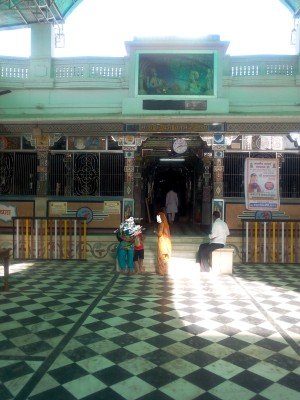
Merta City
Some quick example text to build on the card title and make up the bulk of the card's content.
Go somewherein Other Cities