

Pachmarhi
General information
-
Ideal Duration:
3-4 DaysPlace Type:
Hill Station & NatureEntry Fees:
Forest Entry: A daily permit for a Gypsy into the forest area costs around 600-1000 INR excluding the vehicle rental and guide fees.
Museum Fees: Entry to the Bison Lodge and other small attractions is nominal, usually ranging from 10 to 50 ...Forest Entry: A daily permit for a Gypsy into the forest area costs around 600-1000 INR excluding the vehicle rental and guide fees.
Museum Fees: Entry to the Bison Lodge and other small attractions is nominal, usually ranging from 10 to 50 INR for Indian national tourists.
Photography: Most viewpoints are free, but professional filming or using a drone in the National Park area requires very expensive special permits.Timing:
Best Hours: Most sightseeing points are open from 8:00 AM to 6:00 PM.
Ideal Visit: October to June is the most popular period; however, the monsoon (July to September) is perfect for seeing the waterfalls.
Peak...Best Hours: Most sightseeing points are open from 8:00 AM to 6:00 PM.
Ideal Visit: October to June is the most popular period; however, the monsoon (July to September) is perfect for seeing the waterfalls.
Peak Times: Avoid weekends during summer (May-June) if you want to skip the heavy crowds and high prices of hotels and local transport.Special Events:
Pachmarhi Utsav: A 5-day cultural festival in December featuring folk dances, classical music, and local food stalls to celebrate the state's heritage.
Mahashivratri Fair: A massive religious gathering in February where thousands of tribals ...Pachmarhi Utsav: A 5-day cultural festival in December featuring folk dances, classical music, and local food stalls to celebrate the state's heritage.
Mahashivratri Fair: A massive religious gathering in February where thousands of tribals and pilgrims trek to the Shiva shrines with large tridents.Best Photo Spots:
Dhoopgarh Sunset Point: This is the most popular spot; reach early to set up your tripod for a panoramic time-lapse of the sun dipping below the hills.
Apsara Vihar: The "Fairy Pool" offers a beautiful setting with small cascades and emeral...Dhoopgarh Sunset Point: This is the most popular spot; reach early to set up your tripod for a panoramic time-lapse of the sun dipping below the hills.
Apsara Vihar: The "Fairy Pool" offers a beautiful setting with small cascades and emerald water, perfect for nature and portrait photography.Photo Gallery
Things To Do
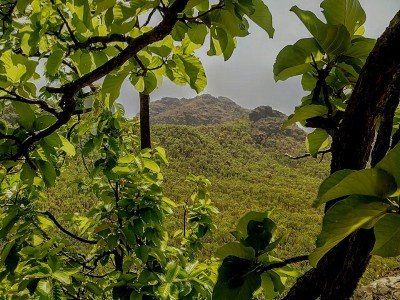 Priyadarshini Point, originally known as Forsyth Point, is perhaps the most historically significant viewpoint in Pachmarhi. It was from this very spot in 1857 that Captain James Forsyth of the British Army first looked down upon the valley and discovered the beauty of this hill station. Later renamed after Prime Minister Indira Gandhi (whose middle name was Priyadarshini), this point offers a breathtaking eagle’s eye view of the entire Pachmarhi basin and the deep ravine of Handi Khoh. The vastness of the green canopy stretching toward the horizon is a sight that leaves visitors in awe of nature’s grandeur. The point is situated at a high elevation, where the air is noticeably thinner and cooler. It serves as a reminder of the colonial exploration of Central India and the subsequent development of the town as a summer capital. The viewpoint is well-paved and has safety railings, making it accessible for people of all ages. Standing here, one can see the jagged peaks of the Satpura range and the winding paths that lead to ancient temples. The silence at Priyadarshini Point is profound, broken only by the whistling of the wind. It is a place that invites contemplation, as one realizes that the view has remained largely unchanged for over a century. The dramatic drop into the valley below highlights the rugged topography of the region. For many, a visit to Pachmarhi is incomplete without standing where the town's modern history began, making it a cornerstone of the local tourism circuit.
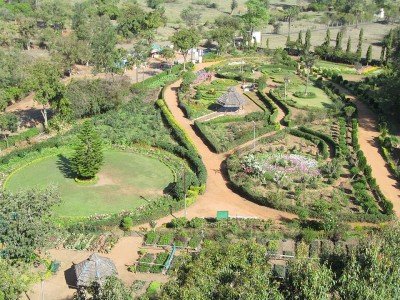 @@Spiritual Waters: Draupadi Kund is a small, crystal-clear pool nestled in the rocky terrain of the Satpura mountains. According to local legend, this is the place where Draupadi, the wife of the five Pandavas, used to bathe during their exile period. The water in the kund is believed to be pure and stays cool throughout the year. It is surrounded by dense forest, providing a sense of seclusion and sanctity. Pilgrims often visit to pay their respects to the mythological history of the site. The area is relatively quiet compared to major waterfalls, making it a peaceful retreat. The pond is fed by natural mountain springs that trickle through the sandstone rocks. Over time, it has become a site of religious significance for the locals. Visitors can find small rock carvings and natural formations that add to its charm. It reflects the deep-rooted connection between Indian mythology and the geography of Pachmarhi. The walk to the kund is short and pleasant, allowing tourists to soak in the forest atmosphere. It is an essential stop for those exploring the Pandava trail in the region.
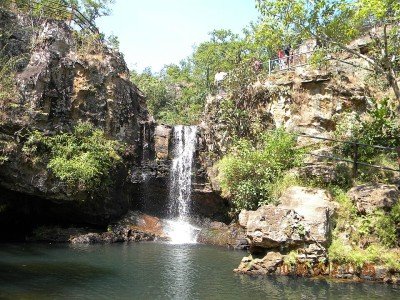 Bee Fall, also known as Jamuna Prapat, is arguably the most famous and spectacular waterfall in Pachmarhi. Cascading from a height of 150 feet, the water falls with such force that the sound it creates resembles the buzzing of a thousand bees, giving it its popular name. This perennial waterfall is the primary source of drinking water for the entire town of Pachmarhi, highlighting its ecological importance. The falls are reached via a steep descent of about 300 steps, which can be a bit challenging but is absolutely worth the effort for the sight that awaits at the bottom. At the base, the water splits into several smaller streams and pools, where tourists can stand directly under the cool, natural shower. The misty spray created by the falling water keeps the surrounding area significantly cooler than the rest of the town, even in summer. The rocks around the base are smoothed by centuries of water flow, creating natural lounge areas for visitors. The surrounding vegetation is a dense mix of teak, bamboo, and ferns, creating a lush green amphitheater. For those who do not wish to trek all the way down, there is a viewpoint at the top that offers a panoramic view of the stream plunging into the deep valley below. The path to the fall is well-maintained by the forest department, with small stalls selling lemon soda and snacks to keep travelers hydrated. It is a place of raw power and refreshing beauty, embodying the wild spirit of the Satpura mountains. Whether you are an adventure seeker looking for a tough climb or a nature lover wanting to feel the spray of mountain water, Bee Fall is an unmissable highlight of any trip to this region.
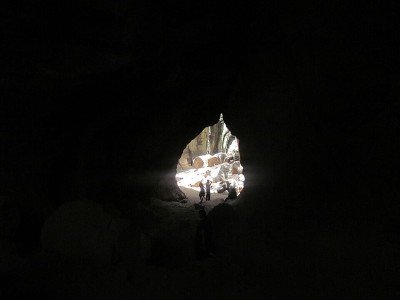 Reechgarh is a fascinating geological site known as the "Abode of Bears." It is essentially a huge natural cave and a series of deep rock fissures that have formed a canyon-like structure. Historically, these caves were inhabited by sloth bears (locally called 'Reech'), giving the place its unique name. The entrance is a narrow opening between two massive rock walls that leads into a wide, open-air natural amphitheater. The rocks are weathered into smooth, organic shapes, creating a mysterious and adventurous atmosphere. Walking through Reechgarh feels like stepping into a prehistoric world. The acoustics inside are incredible, and the temperature remains significantly cooler than the outside air, providing a "natural air-conditioning" effect. It is a favorite among those who enjoy light scrambling over rocks and exploring hidden passages. The area is surrounded by dense forest, and while bears are rarely seen during the day now, the wild energy of the place remains palpable. It is one of the most distinctive landscape features in the Satpura range.
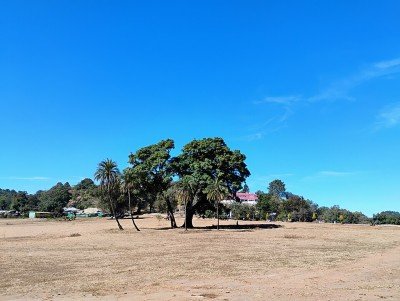 Patharchatta is a remarkable geological formation that showcases the raw beauty of the Satpura hills. This site is famous for a massive, single rock that appears to be carved by the hand of a giant, though it is entirely a result of natural erosion over millions of years. The name literally translates to "licked by stone" or "stone slab," referring to its smooth and polished surface. Surrounded by dense deciduous forests, the rock stands as a silent sentinel over the valley. It is a popular spot for trekkers and geology enthusiasts who come to study the unique stratification of the sandstone. The area around Patharchatta is rich in biodiversity, often hosting various species of butterflies and small mountain lizards. Unlike the more commercialized spots in Pachmarhi, this place offers a sense of rugged isolation. The trek to the rock involves walking through winding forest paths where the air is thick with the scent of wild herbs. During the monsoon, the rock takes on a darker, moss-covered hue, making it look like a mystical altar in the middle of the jungle. It is also a site of local folklore, with some tribal communities believing the rock to be a protective deity of the forest. Visiting Patharchatta is as much about the journey through the woods as it is about the destination itself. It provides a quiet space for reflection and a deep connection with the primeval landscape of Central India.
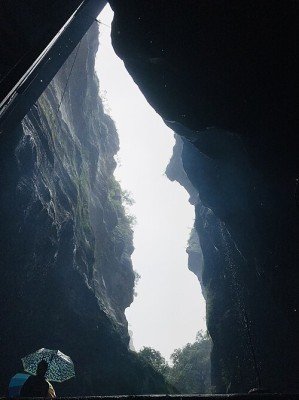 Bada Mahadev Temple is a 60-foot-long natural cave temple dedicated to Lord Shiva, representing one of the most significant spiritual landmarks in Central India. Deeply rooted in Hindu mythology, it is believed that Lord Shiva took refuge in this very cave to escape the demon Bhasmasura, who had gained a boon to turn anyone into ashes. To protect Shiva, Lord Vishnu appeared here as the enchantress Mohini and tricked the demon into destroying himself, making this site a symbol of the victory of good over evil. The cave features a naturally formed Shivalingam, which is perpetually bathed by water dripping from the cave’s ceiling, a phenomenon locals consider divine. The atmosphere inside the cave is cool, damp, and filled with the scent of incense and the sound of bells, creating an aura of intense devotion. Outside the main cave, the temple complex is surrounded by the towering cliffs of the Satpura Range, offering a dramatic backdrop for pilgrims. The approach to the temple involves a pleasant walk through a forest-lined path where monkeys often greet visitors. It is not just a place of worship but a site where geological wonders and ancient faith intersect seamlessly. During the monsoon, the water flow increases, adding a mystical charm to the cavernous interiors. Pilgrims from across the country travel here to seek blessings, especially those looking for peace and spiritual rejuvenation in the lap of nature. The temple serves as a gateway to the more arduous trek to Chauragarh, making it a vital stop on the Pachmarhi pilgrimage circuit.
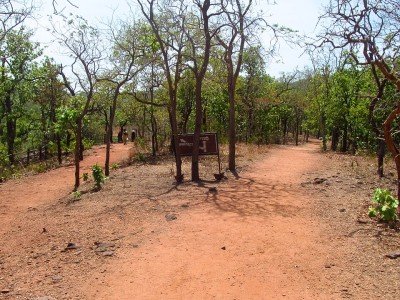 Rajat Prapat, famously known as the Silver Fall, is a monumental natural wonder located in the Satpura hills. This majestic waterfall cascades from a staggering height of 107 meters, making it the 30th highest waterfall in India. The name 'Rajat' translates to silver, a moniker earned because the water glows like a shimmering silver thread when the sunlight hits it at a specific angle. It is a single-drop, horsetail-type waterfall that plunges into a deep, verdant gorge. The surrounding area is part of the Pachmarhi Biosphere Reserve, ensuring a pristine environment rich in biodiversity. Reaching the viewpoint requires a moderate trek through rugged terrain, adding an element of adventure to the visit. The sight of the massive water column against the backdrop of ancient sandstone cliffs is truly awe-inspiring. It serves as a primary source of wonder for trekkers and nature enthusiasts visiting the Queen of Satpura.Show All
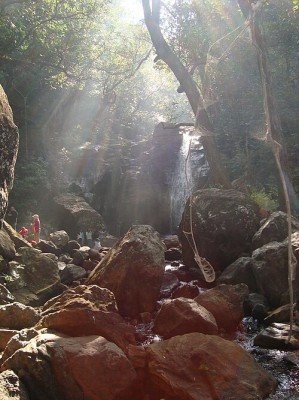 @@The Queen's Fall: Duchess Fall is perhaps the most challenging yet rewarding waterfall in all of Pachmarhi. To reach the base, one must descend a steep 1 KM trek that tests your endurance. The waterfall itself drops from a height of nearly 100 meters, crashing against the rocks to form three distinct levels. The water is exceptionally clean and originates from the heart of the Satpura mountains. Because of its remote location, it remains less crowded than Bee Falls, offering a sense of raw wilderness. The roar of the water can be heard from a distance, guiding trekkers through the dense woods. The pool at the bottom is perfect for a refreshing dip, though the water can be quite cold. The surrounding cliffs are covered in thick vegetation and ancient ferns. It is named after a British lady who supposedly favored the spot for its solitude. The return journey is a steep uphill climb, making it unsuitable for the elderly or those with health issues. However, for adventure seekers, it is the ultimate destination. The biodiversity around the falls is rich, with many butterfly species flitting about. It represents the untamed side of the Queen of Satpura.
Information
-
Why Famous:
Highest Point in MP: Dhoopgarh is the highest peak in the state, famous for its mesmerizing sunrise and sunset views over the forested valleys.
Satpura Tiger Reserve: It is the gateway to one of India's most diverse wildlife parks, where you...Highest Point in MP: Dhoopgarh is the highest peak in the state, famous for its mesmerizing sunrise and sunset views over the forested valleys.
Satpura Tiger Reserve: It is the gateway to one of India's most diverse wildlife parks, where you can see leopards, tigers, and the giant Malabar squirrel.
Waterfall Capital: With over a dozen waterfalls in a small radius, it is famous for its perennial cascades that provide natural swimming pools for tourists. -
Architecture:
British Colonial Style: Many bungalows in the cantonment area feature colonial architecture with sloping roofs, large chimneys, and wide wooden porches.
Pandav Caves: These are 1st-century rock-cut structures featuring simple pillars and cha...British Colonial Style: Many bungalows in the cantonment area feature colonial architecture with sloping roofs, large chimneys, and wide wooden porches.
Pandav Caves: These are 1st-century rock-cut structures featuring simple pillars and chambers carved directly into the soft sandstone cliff face.
Dimension of Dhoopgarh: The highest point stands at 1,352 meters above sea level, providing a 360-degree view of the Satpura mountain ranges.
Cave Temples: Jata Shankar is a natural limestone cave with stalactites and stalagmites that devotees worship as the matted hair of Lord Shiva. -
How To Reach:
By Air: Bhopal (BHO) is the nearest airport, about 200 KMS away, with regular flights from major cities like Delhi, Mumbai, and Bangalore.
By Train: Piparia Railway Station (47 KMS) is the nearest railhead on the Itarsi-Jabalpur line, well-c...By Air: Bhopal (BHO) is the nearest airport, about 200 KMS away, with regular flights from major cities like Delhi, Mumbai, and Bangalore.
By Train: Piparia Railway Station (47 KMS) is the nearest railhead on the Itarsi-Jabalpur line, well-connected to all major Indian railway hubs.
By Road: Regular buses and taxis are available from Piparia, Bhopal, and Jabalpur; the road from Piparia to Pachmarhi is a beautiful uphill drive.
Local Transport: Motorbikes and open-top 4x4 Gypsies are the standard way to reach the various points, as private cars are restricted in some forest zones. -
Weather and Best Time to Visit:
Summer Season: March to June is perfect for escaping the heat of the plains; the nights are pleasant and days are warm enough for water activities.
Monsoon Season: July to September is for the brave travelers; the town becomes a misty para...Summer Season: March to June is perfect for escaping the heat of the plains; the nights are pleasant and days are warm enough for water activities.
Monsoon Season: July to September is for the brave travelers; the town becomes a misty paradise with overflowing waterfalls and blooming wildflowers.
Winter Season: October to February can get quite cold (dropping to 1°C), making it ideal for cozy bonfires and clear, sunny days for long treks. -
Near Tourist Places:
Satpura National Park (5 KMS), Churna (45 KMS), Bori Sanctuary (50 KMS), Tamia Hill Station (80 KMS), Patalkot Valley (85 KMS), Piparia (47 KMS), Tawa Dam (110 KMS), Madhai (90 KMS), Forsyth Point (4 KMS), Reechhgarh (6 KMS).
Tourism Tips
-
Forest Permits: Always carry your ID proof (Aadhar/Passport) as it is mandatory to book forest permits for places like Dhoopgarh and Bee Falls.
Warm Clothing: Even in summer, evenings can be chilly; in winter, you will definitely need heavy...Forest Permits: Always carry your ID proof (Aadhar/Passport) as it is mandatory to book forest permits for places like Dhoopgarh and Bee Falls.
Warm Clothing: Even in summer, evenings can be chilly; in winter, you will definitely need heavy woolens and jackets for the early morning treks.
Eco-Friendly: Pachmarhi is a plastic-free zone and part of a Biosphere Reserve; do not litter and avoid using loud music in the forest areas for peace.
Gypsy Booking: Book your local transport/Gypsy through the official union at the bus stand to ensure fixed rates and reliable, experienced drivers.
Reviews
FAQs
Pachmarhi Itineray And Cost:-
Other Places In Madhya Pradesh :-
Other States In India :-
Information about New and Updated Locations() of Madhya Pradesh Has Been Added :-
Card subtitle
Note:-
Information provided here in good Faith and for reference only.
Near Places
Amarkantak
Some quick example text to build on the card title and make up the bulk of the card's content.
Go somewhere
Bhedaghat
Some quick example text to build on the card title and make up the bulk of the card's content.
Go somewhere
Bhopal
Some quick example text to build on the card title and make up the bulk of the card's content.
Go somewhere
Burhanpur
Some quick example text to build on the card title and make up the bulk of the card's content.
Go somewhere
Chanderi
Some quick example text to build on the card title and make up the bulk of the card's content.
Go somewhere
Chitrakoot
Some quick example text to build on the card title and make up the bulk of the card's content.
Go somewhere
Gwalior
Some quick example text to build on the card title and make up the bulk of the card's content.
Go somewhere
Indore
Some quick example text to build on the card title and make up the bulk of the card's content.
Go somewhere
Jabalpur
Some quick example text to build on the card title and make up the bulk of the card's content.
Go somewhere
Khajuraho
Some quick example text to build on the card title and make up the bulk of the card's content.
Go somewhere
Mandu
Some quick example text to build on the card title and make up the bulk of the card's content.
Go somewhere
Omkareshwar
Some quick example text to build on the card title and make up the bulk of the card's content.
Go somewhere
Orchha
Some quick example text to build on the card title and make up the bulk of the card's content.
Go somewhere
Pachmarhi
Some quick example text to build on the card title and make up the bulk of the card's content.
Go somewhere
Sagar
Some quick example text to build on the card title and make up the bulk of the card's content.
Go somewhere
Sanchi
Some quick example text to build on the card title and make up the bulk of the card's content.
Go somewherein Other Cities