Rang Mahal
General information
-
Ideal Duration:
1-1. 5 Hours (Focusing on the Murals)Place Type:
Historical Palace / Art and Mural ExhibitEntry Fees:
Entry is Inclusive: There is No separate entry fee for the Rang Mahal. Access is included in the general entrance ticket for the Qila Mubarak Complex and the separate ticket for the Qila Androon (Inner Fort) museum area. This is a significant factor, as the cost is already...Entry is Inclusive: There is No separate entry fee for the Rang Mahal. Access is included in the general entrance ticket for the Qila Mubarak Complex and the separate ticket for the Qila Androon (Inner Fort) museum area. This is a significant factor, as the cost is already absorbed by the overall visit to the fort.
Photography Restrictions: Flash photography is strictly Prohibited to protect the delicate, natural pigments of the frescoes from light damage. A low-light, high-ISO setting on the camera is permitted for personal photography, which is generally Free (included in the fort's general camera fee).
Conservation Donation: A small, voluntary donation box may be placed near the Mahal to support its ongoing conservation, which is a non-mandatory, but recommended, contribution to the preservation of the artwork.Timing:
Regular Operating Timings: The Rang Mahal follows the operating hours of the Qila Androon (Inner Fort) within the Qila Mubarak Complex, typically from 9:00 AM to 5:00 PM. Be aware of the potential lunchtime closure of the inner fort (1:00 PM to 2:00 PM).
Read MoreRegular Operating Timings: The Rang Mahal follows the operating hours of the Qila Androon (Inner Fort) within the Qila Mubarak Complex, typically from 9:00 AM to 5:00 PM. Be aware of the potential lunchtime closure of the inner fort (1:00 PM to 2:00 PM).
Ideal Visit Time - Mid-Morning: The Ideal Visit Time is the Mid-Morning (10:00 AM to 12:00 PM). The available natural light entering the palace chambers is often best at this time for viewing the frescoes without the need for harsh artificial lighting, allowing the colors to be seen most naturally.
Conservation Schedule: Inquire at the gate about any ongoing conservation work, as certain sections of the Mahal may be temporarily closed to the public at any given time for preservation purposes, especially during the Monsoon season.Special Events:
Patiala Heritage Festival Art Show: During the annual Patiala Heritage Festival in February/March, the Rang Mahal and its immediate surroundings within the Qila Androon often host small, specialized exhibitions of contemporary Punjabi art or historical photography, drawing a...Patiala Heritage Festival Art Show: During the annual Patiala Heritage Festival in February/March, the Rang Mahal and its immediate surroundings within the Qila Androon often host small, specialized exhibitions of contemporary Punjabi art or historical photography, drawing a connection between the art of the past and the present.
Conservation Workshops: Occasionally, government or non-profit conservation agencies organize specialized, closed-door workshops on fresco preservation within the Mahal, bringing in international experts. While not open to the general public, these events highlight the Mahal's continuous importance to art preservation globally.Best Photo Spots:
Fresco Wall Close-ups: The absolute best spots are close-up, high-detail shots of the relatively better-preserved frescoes on the walls. Focus on a single theme, such as a figure from the Ramayana or a court scene, to showcase the delicacy of the brushwork and the vibrant c...Fresco Wall Close-ups: The absolute best spots are close-up, high-detail shots of the relatively better-preserved frescoes on the walls. Focus on a single theme, such as a figure from the Ramayana or a court scene, to showcase the delicacy of the brushwork and the vibrant color palette. Use the existing light to bring out the texture.
The Arched Doorway Frame: Use one of the Mahal's elegant, arched doorways as a frame. Stand outside or on the threshold and capture the richly painted interior wall in the background, creating a visual transition from the plain corridor into the 'Palace of Colors'.
Ceiling Perspective: If allowed, use a wide-angle lens for a unique, upward perspective to capture the vast, painted ceiling in its entirety, emphasizing the challenging dimensions and the grand scale of the artwork's canvas.
Architectural Juxtaposition: Capture a composition that shows the rough, weathered lakhori brick wall of the Qila Androon in the foreground and a glimpse of the rich, painted wall of the Rang Mahal interior in the background, symbolizing the protective shell around the artistic treasure.Photo Gallery
Things To Do
-
Fresco and Mural Study: The primary activity is to spend focused time examining the frescoes. Carry a small pair of binoculars (if permitted) to view the details on the high ceilings. Look closely at the themes (mythological, courtly, romantic) and the artistic style (brushwork, color palette).
Note: Do not touch the walls or use flash photography.
Engage with the Guide's Art History: Hire a guide who is knowledgeable not just about the fort's history but also about the specifics of the Kangra and Rajasthani painting schools to fully understand the cultural context of the artwork.
Architectural Contrast: Observe the contrast between the heavily decorated interiors of the Rang Mahal and the plain, fortified walls of the exterior Qila Androon, visualizing the pal...Fresco and Mural Study: The primary activity is to spend focused time examining the frescoes. Carry a small pair of binoculars (if permitted) to view the details on the high ceilings. Look closely at the themes (mythological, courtly, romantic) and the artistic style (brushwork, color palette).
Note: Do not touch the walls or use flash photography.
Engage with the Guide's Art History: Hire a guide who is knowledgeable not just about the fort's history but also about the specifics of the Kangra and Rajasthani painting schools to fully understand the cultural context of the artwork.
Architectural Contrast: Observe the contrast between the heavily decorated interiors of the Rang Mahal and the plain, fortified walls of the exterior Qila Androon, visualizing the palace as a private world of beauty shielded by the military power of the citadel.
Lighting and Viewing Angles: Experiment with different viewing angles and the available natural light (often low to protect the frescoes) to appreciate how the artists intended the colors to look. The Mahal often comes alive at a certain time of day.
Documentation (Photography): Take permitted, non-flash photographs of the paintings to document the details (using a high ISO setting and steady hand). A good camera is essential to capture the low-light beauty of the artwork.
Visit the Adjoining Chambers: Explore any adjoining chambers that may have been part of the larger residential complex, as they often contain residual paintwork or architectural features that hint at the Mahal's original expansive design.
Conservation Awareness: Read the information boards (if provided) about the conservation efforts. This adds a layer of appreciation for the work involved in preserving these delicate, centuries-old works of art.
Information
-
Why Famous:
Artistic Repository of Patiala: The Rang Mahal is singularly famous as the most significant remaining repository of Punjabi and Sikh court miniature painting and fresco work in Patiala. The sheer volume and quality of the surviving murals, which seamlessly blend Kangra and ...Artistic Repository of Patiala: The Rang Mahal is singularly famous as the most significant remaining repository of Punjabi and Sikh court miniature painting and fresco work in Patiala. The sheer volume and quality of the surviving murals, which seamlessly blend Kangra and Rajasthani influences, make it an invaluable resource for art historians and a key attraction for visitors.
Opulence of the Maharajas: Its name, the 'Palace of Colors', embodies the extravagant and refined aesthetic sense of the Maharajas of Patiala. It is a potent, visible symbol of the court’s patronage of the arts, showcasing that the dynasty’s wealth was spent not just on arms and administration but also on sophisticated, beautiful interiors. -
Architecture:
Mural and Fresco Design: The primary architectural feature is the interior decorative scheme, which is dominated by highly detailed frescoes and murals. These paintings cover extensive wall and ceiling surfaces, using natural pigments and reflecting the Kangra and Rajasthan...Mural and Fresco Design: The primary architectural feature is the interior decorative scheme, which is dominated by highly detailed frescoes and murals. These paintings cover extensive wall and ceiling surfaces, using natural pigments and reflecting the Kangra and Rajasthani styles. The structure is typically a multi-story, framed pavilion or Mahal within the fort, constructed from lakhori bricks and lime mortar.
Spatial Arrangement and Function: The Rang Mahal would have had large, airy rooms and perhaps a central hall (like a Baradari) designed to maximize natural light to illuminate the vibrant paintings. The overall Dimension is internal, consisting of several interconnected chambers, each ranging from approximately 8 meters by 6 meters. The architectural shell is simple, designed to be a canvas for the colorful artistry.
Architectural Context: It is set within the larger, defensive military structure of the Qila Androon, creating a stark contrast between the austere, powerful exterior fortification and the delicate, richly decorated interior palace, highlighting the duality of the Patiala court's function. The ceilings are often vaulted or feature decorative false ceilings designed to enhance the beauty of the paintings. -
How To Reach:
By Air: The nearest major airport is Chandigarh International Airport (IXC), approximately 65 KMS away. Hire a taxi to the Qila Mubarak Complex (a 1. 5-2 hour drive). Follow the same directions as for the main fort.
By Train: The Patiala R...By Air: The nearest major airport is Chandigarh International Airport (IXC), approximately 65 KMS away. Hire a taxi to the Qila Mubarak Complex (a 1. 5-2 hour drive). Follow the same directions as for the main fort.
By Train: The Patiala Railway Station (PTA) is about 1. 5 to 2 KMS from the fort. Take an auto-rickshaw or a cycle-rickshaw directly to the Qila Mubarak main gate.
By Road: Rang Mahal is located inside the fort in Old Patiala City. Reach the main fort by car or bus via the well-connected city roads. Parking is generally outside the main city gate area. The Patiala Bus Stand is a short 10-15 minute auto-rickshaw ride away.
By Local Transport: Take an auto-rickshaw to the Qila Mubarak Complex. Once inside the fort, the Rang Mahal is a short walk inside the Qila Androon. Use a guide for the quickest and most direct route inside the massive complex. -
Weather and Best Time to Visit:
Pleasant Winter Season (October to March): This is the Best Time to Visit. The dry, cool weather makes for comfortable viewing of the delicate artwork, which benefits from stable environmental conditions. The soft light is also optimal for appreciating the colors.
...Pleasant Winter Season (October to March): This is the Best Time to Visit. The dry, cool weather makes for comfortable viewing of the delicate artwork, which benefits from stable environmental conditions. The soft light is also optimal for appreciating the colors.
Hot Summer Season (April to June): The interior chambers offer some relief from the heat, but the external fort walk is challenging. Visit in the very Early Morning to explore the complex before heading to the Mahal.
Monsoon Season (July to September): This season can be slightly risky due to the high humidity, which is detrimental to the frescoes. Visit on a day with stable weather, ideally in the Morning.
Best Part of the Day - Morning: The Morning hours are the most ideal for the best viewing light, comfortable interior temperatures, and a more quiet, focused artistic exploration. -
Near Tourist Places:
Qila Mubarak Complex (On the same campus), Sheesh Mahal (Nearby in the complex, though sometimes confused), Darbar Hall Museum (Nearby in the complex), Patiala Heritage Walk (Passes the outer fort), Adalat Bazaar (0. 5 KMS), Samania Gate (1. 5 KMS), Rajindra Kothi (Baradari Gardens) (2. 5 KMS), Dukh Nivaran Sahib Gurdwara (3 KMS), Kali Mata Mandir (3. 5 KMS), Patiala Railway Station (2 KMs).
Tourism Tips
-
Health & Safety: Be extremely careful when walking inside the Mahal, as floors and steps can be uneven, and lighting is often dim. Do not lean on the walls, even inadvertently, to protect the fragile frescoes.
Packing Essentials: Carry a po...Health & Safety: Be extremely careful when walking inside the Mahal, as floors and steps can be uneven, and lighting is often dim. Do not lean on the walls, even inadvertently, to protect the fragile frescoes.
Packing Essentials: Carry a powerful, non-flash camera for low-light photography. A small torch (flashlight) can be useful for viewing dark corners, but do not shine it directly onto the paintings. A face mask may be advisable due to potential dust from old structures.
Art Appreciation Tip: If the full context is desired, try to view the Rang Mahal after visiting the Sheesh Mahal to appreciate the artistic transition from mirror-work to fresco painting in the royal residences.
Conservation Respect: Treat the structure with the utmost respect. The Mahal is a conservation priority. Follow all roped-off areas and instructions from the on-site conservation workers diligently.
Reviews
FAQs
Patiala Itineray And Cost:-
Other Places In Patiala :-
Other States In India :-
Information about New and Updated Locations() of Punjab Has Been Added :-
Card subtitle
Note:-
Information provided here in good Faith and for reference only.
Near Places
Adalat Bazaar
Some quick example text to build on the card title and make up the bulk of the card's content.
Go somewhere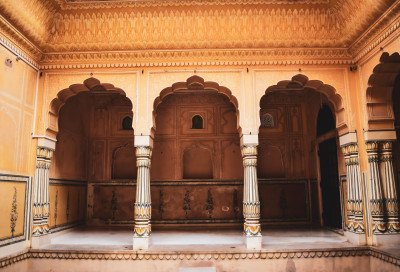
Bahadurgarh Fort
Some quick example text to build on the card title and make up the bulk of the card's content.
Go somewhere
Baradari Garden
Some quick example text to build on the card title and make up the bulk of the card's content.
Go somewhere
Bir Moti Bagh Sanctuary
Some quick example text to build on the card title and make up the bulk of the card's content.
Go somewhere
Gurudwara Dukh Nivaran Sahib
Some quick example text to build on the card title and make up the bulk of the card's content.
Go somewhere
Kali Mata Mandir
Some quick example text to build on the card title and make up the bulk of the card's content.
Go somewhere
Lachman Jhoola
Some quick example text to build on the card title and make up the bulk of the card's content.
Go somewhere
Moti Bagh Palace
Some quick example text to build on the card title and make up the bulk of the card's content.
Go somewhere
Omaxe Mall
Some quick example text to build on the card title and make up the bulk of the card's content.
Go somewhere
Patiala Heritage Walk
Some quick example text to build on the card title and make up the bulk of the card's content.
Go somewhere
Patiala Zoo
Some quick example text to build on the card title and make up the bulk of the card's content.
Go somewhere
Qila Mubarak Complex
Some quick example text to build on the card title and make up the bulk of the card's content.
Go somewhere
Queen Victoria Railway Coach
Some quick example text to build on the card title and make up the bulk of the card's content.
Go somewhere
Rajindra Kothi
Some quick example text to build on the card title and make up the bulk of the card's content.
Go somewhere
Rang Mahal
Some quick example text to build on the card title and make up the bulk of the card's content.
Go somewhere
Samania Gate
Some quick example text to build on the card title and make up the bulk of the card's content.
Go somewherein Other Cities