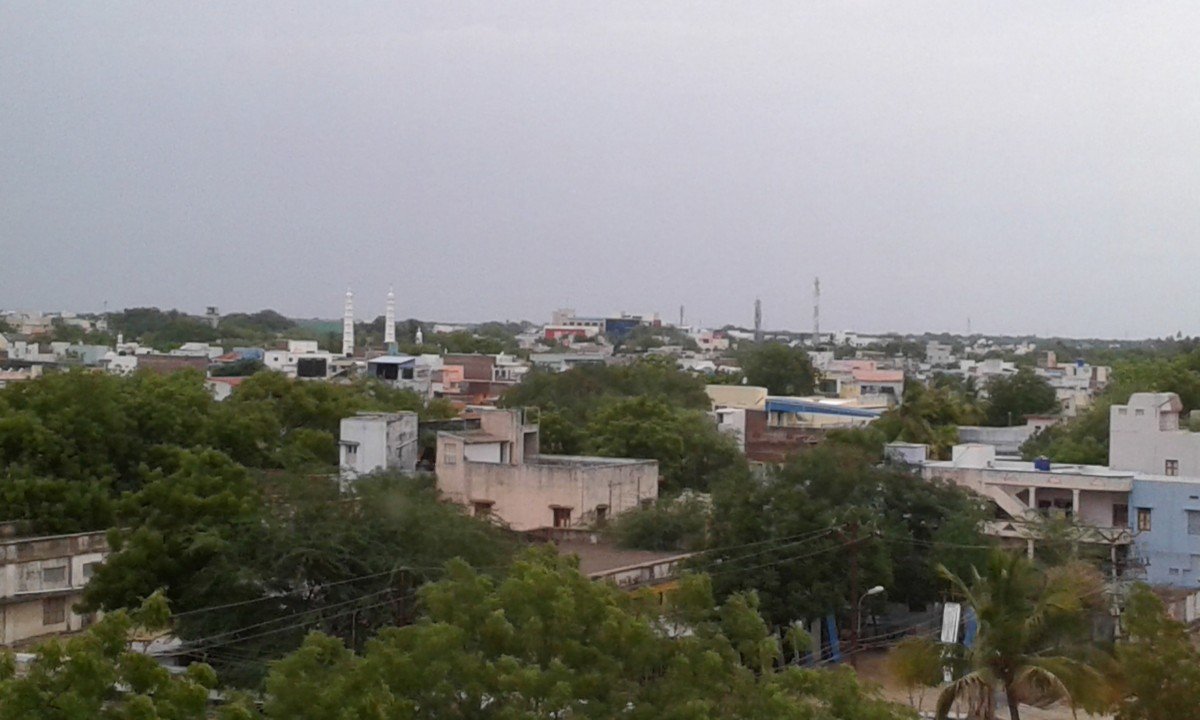
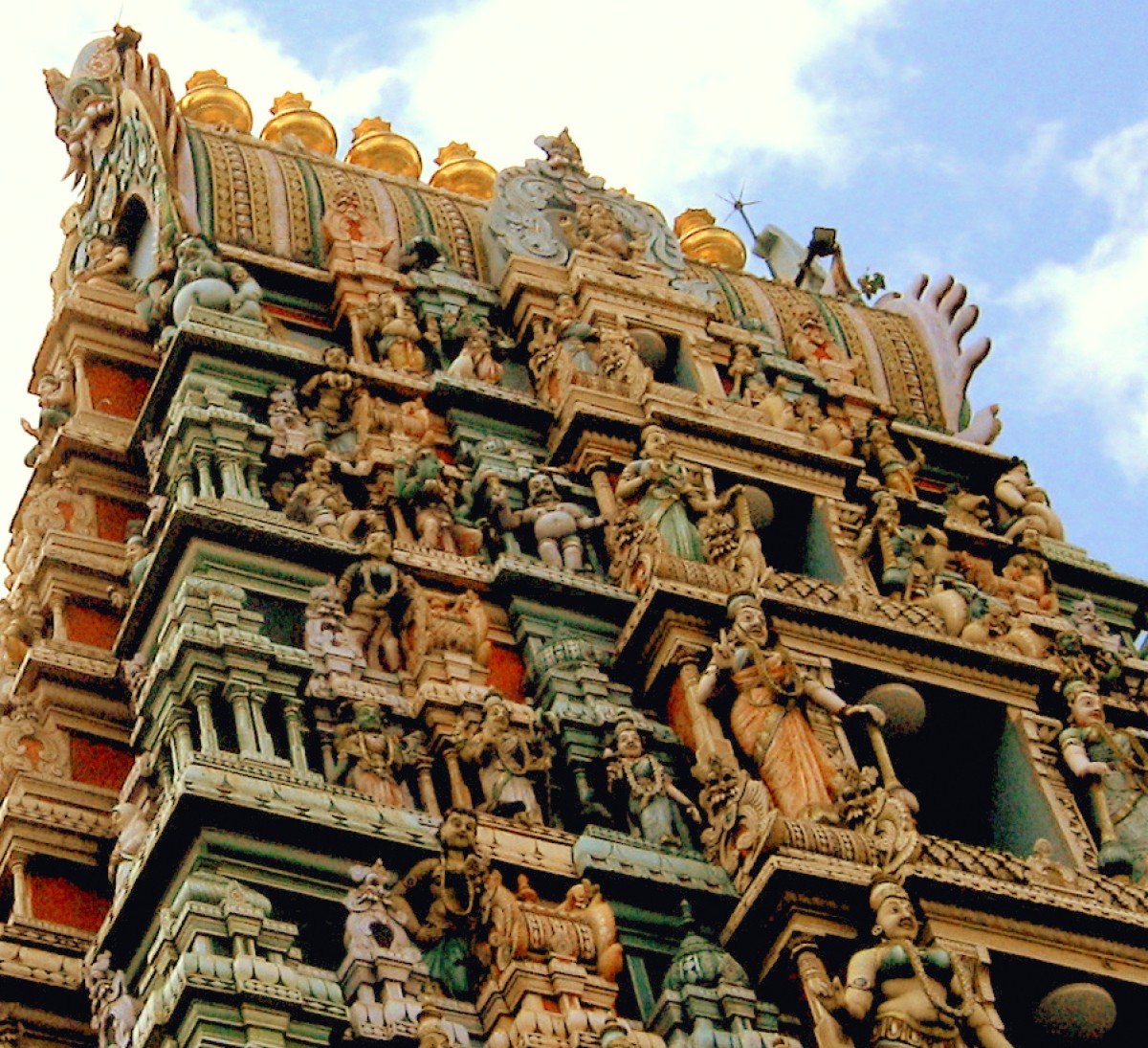

Sri Badrakali Amman Temple
General information
-
Ideal Duration:
1-2 Hours:Place Type:
The Imposing Rajagopuram and Powerful Goddess::Entry Fees:
No General Fee but Significant Ritual Charges:: Similar to other major operational Hindu temples, there is No Mandatory Entry Fee for general access and darshan to the Sri Badrakali Amman Temple.
Donations for Maintenance: The operation of s...No General Fee but Significant Ritual Charges:: Similar to other major operational Hindu temples, there is No Mandatory Entry Fee for general access and darshan to the Sri Badrakali Amman Temple.
Donations for Maintenance: The operation of such a massive temple, especially the maintenance of the large gopuram and vimana, relies heavily on the donations of the devotees, which can be made freely in donation boxes or at the temple office.
Special Ritual Fees: There are specific and significant charges for special services like the Gold Vimana Archana, full Abhishekam, and participation in specific parts of the grand festivals. These charges vary and are generally higher than those for smaller temples due to the scale of the rituals.
Festival Season Fees: During the Pongal festivals, some special viewing areas or expedited darshan lines may have a nominal fee to manage the extremely large crowds, ensuring a smoother flow for all devotees.
Service and Community Fees: Payments are also accepted for temple-sponsored services like community feeding (Annadhanam) or educational and social initiatives, allowing visitors to contribute to the temple's charitable work. :Timing:
Split Daily Timings for Worship and Festival Adaptations::
Regular Timings: The temple is typically open daily in two sessions: 6:00 AM to 12:00 PM (Morning) and 5:00 PM to 8:30 PM (Evening). The temple is closed for a long afternoon break for cleaning and to allow ...Split Daily Timings for Worship and Festival Adaptations::
Regular Timings: The temple is typically open daily in two sessions: 6:00 AM to 12:00 PM (Morning) and 5:00 PM to 8:30 PM (Evening). The temple is closed for a long afternoon break for cleaning and to allow the priests rest.
Ideal Visit Time for Contemplation: The Ideal Visit Time for a peaceful and deep spiritual experience is the first hour after opening (6:00 AM - 7:00 AM) or the last hour before closing (7:30 PM - 8:30 PM).
Ideal Visit Time for Architecture: The late afternoon (4:30 PM - 6:00 PM) is ideal for photographing the gopuram as the evening light often dramatically illuminates its features and highlights the stucco work.
Festival Timings: During the main festivals like Panguni Pongal and Chithirai Pongal, the temple remains open for much longer, often with special timings and processions taking place late into the night, allowing for a unique visit experience.
Avoid Midday: Strictly avoid the midday hours due to the closure and extreme heat, making the bare stone floors unbearably hot. :Special Events:
The Grand Pongal and Theppa Thiruvizha Events:: The Sri Badrakali Amman Temple is the center of two of the most significant and elaborate annual festivals in Sivakasi, celebrated with immense pomp and religious fervor.
Panguni and Chithirai Pong...The Grand Pongal and Theppa Thiruvizha Events:: The Sri Badrakali Amman Temple is the center of two of the most significant and elaborate annual festivals in Sivakasi, celebrated with immense pomp and religious fervor.
Panguni and Chithirai Pongal: The temple celebrates both the Panguni Pongal (usually in March-April) and the Chithirai Pongal (usually in April-May). The Chithirai Pongal is particularly famous, often celebrated over 10 days. The festivities include special daily rituals, music, dance, and the community offering Pongal.
Theppa Thiruvizha (Float Festival): A major highlight of the Chithirai Pongal is the Theppa Thiruvizha (Float Festival), where the decorated idol of the Goddess is taken out on a specially built float in the temple tank, illuminated with lights, creating a spectacular and beautiful sight for hundreds of devotees.
Ratha Urchavam (Car Festival): Like the other major temple, the Car Festival (Therottam or Ratha Urchavam) during the Pongal is a huge event, with the temple chariot pulled through the four main streets (Ratha Veethies), symbolizing the Goddess visiting her devotees and blessing the town. These events are the cultural and spiritual high points of the town's year. :Best Photo Spots:
The 110-Foot Gopuram and the Golden Vimana Focus:: The temple's grandeur and its unique architectural features offer powerful and unique photographic subjects.
The Full Gopuram Shot: The massive Five-Tiered Rajagopuram is the signature photo...The 110-Foot Gopuram and the Golden Vimana Focus:: The temple's grandeur and its unique architectural features offer powerful and unique photographic subjects.
The Full Gopuram Shot: The massive Five-Tiered Rajagopuram is the signature photo spot. It requires a slightly wider lens to capture the full 110 feet of its height, ideally shot from a distance across the street to encompass the entire structure and the surrounding gate.
Stucco Figure Close-Ups: Photographers should focus their attention on the thousands of detailed stucco figures that adorn the gopuram. These close-up shots capture the incredible artistry and the rich mythological stories depicted on the tower's tiers.
The Golden Vimana: A challenging but rewarding shot is getting a clear view of the Gold-Plated Vimana (the tower over the main sanctum). This can be captured from the outer prakarams and is a shot that highlights the temple's wealth and status.
The Temple Tank and Float (Festival Time): The Temple Tank is an excellent photo spot, particularly during the Theppa Thiruvizha, when the illuminated float creates a magical, reflective scene. On regular days, the tank provides a serene frame for the back of the temple structure.
The Bell Tower Frame: Use the vertical lines of the Bell Tower as a framing element for shots of the prakarams or the main shrine area, adding depth and architectural complexity to the image. :Photo Gallery
Things To Do
-
Worshipping the Fierce Goddess and
Festival Participation::
Offer Prayers to Badrakali Amman: The core activity is taking darshan (viewing) and offering prayers to the main deity, Badrakali Amman, and seeking her protection and blessings. The unique north-facing posture makes this a powerful spiritual experience.
Witness the Daily Poojas: Attending the daily poojas (rituals), especially the evening Sayarakshai and the Ardhajama Pooja before closing, is highly recommended to experience the deep, traditional devotional atmosphere.
Circumambulate the Prakarams: Perform the traditional clockwise circumambulation (Pradakshina) of the inner courtyards to visit the smaller shrines, including Heramba Vinayaka and the Ashta Lakshmi deities.
Read MoreWorshipping the Fierce Goddess and
Festival Participation::
Offer Prayers to Badrakali Amman: The core activity is taking darshan (viewing) and offering prayers to the main deity, Badrakali Amman, and seeking her protection and blessings. The unique north-facing posture makes this a powerful spiritual experience.
Witness the Daily Poojas: Attending the daily poojas (rituals), especially the evening Sayarakshai and the Ardhajama Pooja before closing, is highly recommended to experience the deep, traditional devotional atmosphere.
Circumambulate the Prakarams: Perform the traditional clockwise circumambulation (Pradakshina) of the inner courtyards to visit the smaller shrines, including Heramba Vinayaka and the Ashta Lakshmi deities.
Study the Rajagopuram Details: Spend time outside to carefully observe and appreciate the immense detail and craftsmanship of the Five-Tiered Rajagopuram, which depicts hundreds of figures from Hindu scripture.
Visit the Temple Tank: Take a quiet moment at the large Temple Tank to reflect. This area is often cooler and calmer, offering a different view of the temple's structure.
Festival Participation: If your visit coincides with the Panguni Pongal or Chithirai Pongal festivals (usually March-May), participation in the rituals or simply observing the grand procession is an unforgettable, high-energy cultural activity.
Offering Pongal: During the major festivals, many devotees cook and offer Pongal (a special rice dish) as a thanksgiving ritual to the Goddess. Observing or participating in this is a great cultural activity. :
Information
-
Why Famous:
The Spiritual Power of the North-Facing Goddess:: Sri Badrakali Amman Temple is primarily famous for the immense spiritual power attributed to the main deity, Goddess Badrakali Amman.
North-Facing Sanctum: The Goddess is famous for being hou...The Spiritual Power of the North-Facing Goddess:: Sri Badrakali Amman Temple is primarily famous for the immense spiritual power attributed to the main deity, Goddess Badrakali Amman.
North-Facing Sanctum: The Goddess is famous for being housed in a North-facing sanctum in a powerful, seated posture, which is considered highly auspicious and powerful in Shakta tradition, believed to bless devotees with protection and fulfill their desires.
Architectural Landmark: The towering Five-Tiered Rajagopuram (110 feet high) makes the temple a famous and unmistakable landmark visible from a great distance in Sivakasi, dominating the town's skyline and representing its rich cultural history.
Major Festival Center: The temple is globally famous as the center for the grand Panguni Pongal and Chithirai Pongal festivals, which attract pilgrims from all over Tamil Nadu, making it a major spiritual and cultural center.
Historical Significance: Its role in the Sivakasi Riots of 1899 also makes it historically famous as a key site representing the social struggles and subsequent changes in community structure within the town's history. : -
Architecture:
Massive and Ornate Later-Dravidian Temple Architecture:: Sri Badrakali Amman Temple is an outstanding example of later Dravidian temple architecture, characterized by large, imposing structures and ornate details, predominantly from the 19th and 20th century expansions.
...Massive and Ornate Later-Dravidian Temple Architecture:: Sri Badrakali Amman Temple is an outstanding example of later Dravidian temple architecture, characterized by large, imposing structures and ornate details, predominantly from the 19th and 20th century expansions.
Rajagopuram Dimensions: The temple boasts an impressive five-tiered Rajagopuram, one of its defining architectural features. It has monumental dimensions, with a recorded breadth of approximately 66 feet and a width of 44 feet, reaching a height of about 110 feet (34 meters). This tower is filled with thousands of stucco figures depicting various Hindu deities and mythological narratives.
Sanctum and Vimana: The Garbhagriha (sanctum sanctorum), housing the north-facing seated Badrakali Amman, is covered by a Vimana (tower over the sanctum) that is notably plated with gold, which is a significant architectural and visual element.
Unique Placement: Architecturally, it is unique because the main gopuram is not in direct axial alignment with the sanctum, a deviation from the traditional temple planning rules, which is often done for specific spiritual reasons.
Temple Tank and Bell Tower: A large, essential Temple Tank and an axially located Bell Tower are prominent structural features, completing the extensive temple complex plan. : -
How To Reach:
Excellent Central City Accessibility::
By Air: The nearest major airport is Madurai Airport (IXM), which is approximately 75-80 kilometers from Sivakasi. A hired taxi or private cab from the airport will take about 1. 5 to 2 hours to reach t...Excellent Central City Accessibility::
By Air: The nearest major airport is Madurai Airport (IXM), which is approximately 75-80 kilometers from Sivakasi. A hired taxi or private cab from the airport will take about 1. 5 to 2 hours to reach the city center location of the temple.
By Train: The temple is conveniently located near the Sivakasi Railway Station (SVKS), which is less than 2. 5 kilometers away. From the station, a short and inexpensive auto-rickshaw ride will take you directly to the temple complex.
By Road: As a major landmark, the temple is directly accessible by road. The Sivakasi Bus Stand is only about 1. 5 kilometers away. Local buses and shared auto-rickshaws frequently ply the routes leading to the Badrakaliamman Kovil area.
By Local Transport: The best way to navigate the narrow city streets to the temple is via a local auto-rickshaw. Due to the high flow of pilgrims, there is always transport available. Personal vehicles may need to be parked slightly further away on a main road due to the temple's location on a smaller street. : -
Weather and Best Time to Visit:
Festival Time is Best for Culture, Winter for Comfort::
The Winter Season (Ideal): The Best Time to Visit for physical comfort and a pleasant experience is the winter season from November to February, as the mild temperatures are perfect for walking and waiting in li...Festival Time is Best for Culture, Winter for Comfort::
The Winter Season (Ideal): The Best Time to Visit for physical comfort and a pleasant experience is the winter season from November to February, as the mild temperatures are perfect for walking and waiting in line for darshan.
The Festival Season (Culturally Best): For a truly immersive cultural and spiritual experience, the Chithirai Pongal festival (April-May) is the best time to visit, despite the high heat, as the energy, decorations, and processions are unparalleled.
The Monsoon Season (Good): The Monsoon Season (October and November) is a good time, as the rain cools the area and the temple tanks are often full, adding to the visual appeal of the temple complex.
Different Parts of the Day: The Early Morning is best for a quiet, personal darshan, while the Evening is best for observing the vibrant community life and the grand evening poojas that are performed with great fanfare. : -
Near Tourist Places:
1. Kasi Viswanatha Swamy Temple (City Center, approx. 1. 5 KMs), 2. Parasakti Mariamman Temple (City Center, approx. 1. 5 KMs), 3. Kamaraj Park (Thiruthangal Road, approx. 5 KMs), 4. Sivakasi Industrial Areas (Central, various distances), 5. Pilavakkal Dam (Approx. 13 KMs), 6. Thiruthangal Nindra Narayana Perumal Temple (Thiruthangal, approx. 6 KMs), 7. Srivilliputhur Andal Temple (Approx. 22 KMs), 8. Madurai Meenakshi Amman Temple (Major Day Trip, approx. 75 KMs), 9. Tenkasi (Approx. 100 KMs), 10. Virudhunagar Town (Approx.
25 KMs):
Tourism Tips
-
Traditional Dress and Festival Crowd Management Tips::
Health & Safety (Crowds): During the major Pongal festivals, the crowds are immense. Be prepared for long waits and always keep your personal belongings secured. Stay hydrated, as the heat even during the festi...Traditional Dress and Festival Crowd Management Tips::
Health & Safety (Crowds): During the major Pongal festivals, the crowds are immense. Be prepared for long waits and always keep your personal belongings secured. Stay hydrated, as the heat even during the festival is high.
Dress Code: Adhere to the traditional Hindu Temple Dress Code. Men should wear a dhoti or pajama with a shirt. Women should wear a sari or churidar with a dupatta. Respect for the religious setting is paramount.
Packing: Only carry essentials (wallet, phone on silent) inside the temple. Leave shoes at the designated stand and be prepared for hot stone floors in the afternoon.
Accommodation: Book hotels in Sivakasi well in advance, especially if your visit is during the April-May festival season, as local accommodation fills up quickly.
Local Custom (Vows): Observe and respect local customs like devotees carrying fire pots (Thee Chatty) or performing body piercing vows (Alagu Kuthuthal) during the Pongal festivals. Do not interfere or take intrusive photos.
Photography (Gopuram): The best gopuram photos often require crossing the street, so be mindful of the busy traffic in the surrounding streets. :
Reviews
FAQs
Sivakasi Itineray And Cost:-
Sri Badrakali Amman Temple Tourism:-
Other Places In Sivakasi :-
Other States In India :-
Information about New and Updated Locations() of Tamil Nadu Has Been Added :-
Card subtitle
Note:-
Information provided here in good Faith and for reference only.
Near Places

Ayyanar Falls
Some quick example text to build on the card title and make up the bulk of the card's content.
Go somewhere
Kamaraj Park
Some quick example text to build on the card title and make up the bulk of the card's content.
Go somewhere
Kamarajar House
Some quick example text to build on the card title and make up the bulk of the card's content.
Go somewhere
Kasi Viswanatha Swamy Temple
Some quick example text to build on the card title and make up the bulk of the card's content.
Go somewhere
Kathiresan Hill & Kovil
Some quick example text to build on the card title and make up the bulk of the card's content.
Go somewhere
Kathiresan Hill Tiger Cave
Some quick example text to build on the card title and make up the bulk of the card's content.
Go somewhere
Kathiresan Kovil
Some quick example text to build on the card title and make up the bulk of the card's content.
Go somewhere
Kullur Sandhai Reservoir
Some quick example text to build on the card title and make up the bulk of the card's content.
Go somewhere
Pilavakkal Dam
Some quick example text to build on the card title and make up the bulk of the card's content.
Go somewhere
Sanji Malai
Some quick example text to build on the card title and make up the bulk of the card's content.
Go somewhere
Sattur Sri Venkatachalapathy Temple
Some quick example text to build on the card title and make up the bulk of the card's content.
Go somewhere
Sri Badrakali Amman Temple
Some quick example text to build on the card title and make up the bulk of the card's content.
Go somewhere
Theppakulam Virudhunagar
Some quick example text to build on the card title and make up the bulk of the card's content.
Go somewherein Other Cities