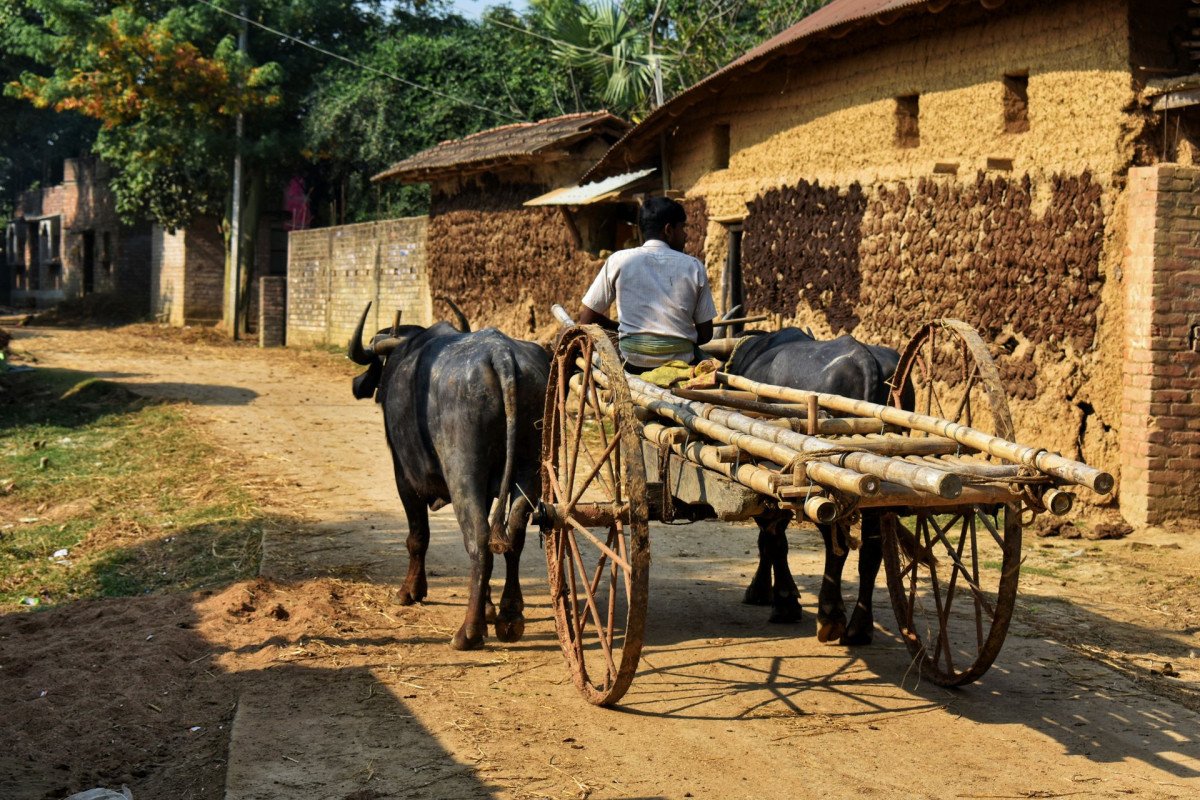
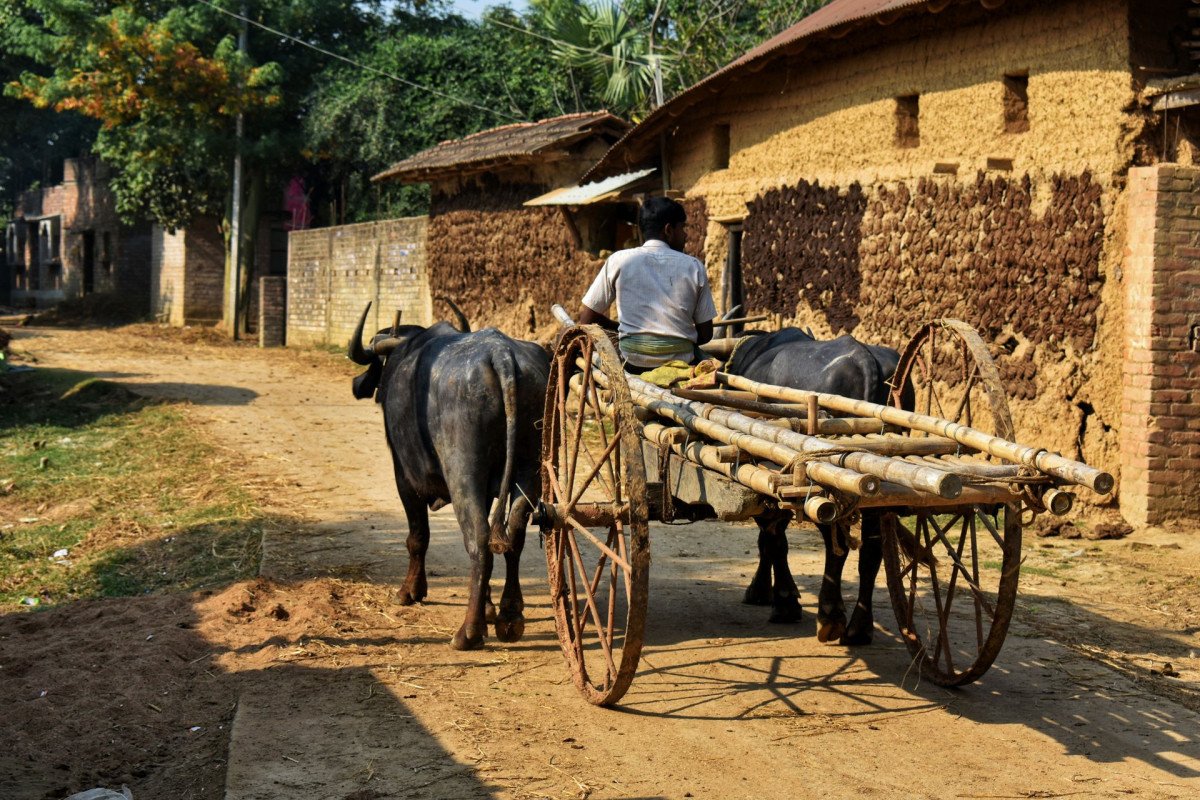
Ungma Village
The Legacy of Ungma: Ungma Village is legendary as the oldest and largest village of the Ao Naga tribe. According to folklore, it is the place where the ancestors of the Ao people first settled after their epic migration from Chungliyimti. Today, it stands as a majestic sentinel of history, perched on a high ridge overlooking the surrounding valleys. The village is divided into two main sectors, Yimpang (North) and Yimlang (South), each with its own rich tapestry of stories and traditions. Despite the encroachment of modernization, Ungma has managed to preserve its cultural soul with remarkable tenacity. The grand Baptist Church at the center of the village serves as a modern landmark, while the surrounding traditional structures remind visitors of the ancient roots. The village is a hub of cultural activity, where festivals are celebrated with a fervor that is contagious. Walking through Ungma is like stepping back in time, yet the presence of educated and forward-thinking residents ensures a vibrant and evolving community. It is a place of pilgrimage for those who wish to understand the origins of the Naga identity and witness a society that values its heritage as much as its future. Strategic Location: Situated just a few kilometers from the district headquarters, it serves as a gateway for tourists entering the Mokokchung region. Social Structure: The village is governed by a highly organized council that ensures the welfare of its thousands of residents, maintaining a discipline that is admired across the state. Cultural Hub: It is the primary venue for major tribal gatherings and inter-village meetings, reinforcing its status as the "Mother Village."
General information
-
Ideal Duration:
1 Full DayPlace Type:
Historical & Cultural SiteEntry Fees:
Entrance Fees: Entry to Ungma Village is free for all visitors. It is a public settlement that welcomes tourists with open arms.
Cultural Performance Fee: If you are part of a large tour group and request a special cultural performance or d...Entrance Fees: Entry to Ungma Village is free for all visitors. It is a public settlement that welcomes tourists with open arms.
Cultural Performance Fee: If you are part of a large tour group and request a special cultural performance or dance, a fee of 2,000 to 5,000 Rupees is usually paid to the performing youth group.Timing:
Opening Hours: The village is open to visitors 24 Hours, but for a meaningful experience, one should visit between 07:00 AM and 06:00 PM.
Best Visiting Months: The ideal months are December for the Christmas festivities and May for the Moats...Opening Hours: The village is open to visitors 24 Hours, but for a meaningful experience, one should visit between 07:00 AM and 06:00 PM.
Best Visiting Months: The ideal months are December for the Christmas festivities and May for the Moatsu festival. Early mornings at 08:00 AM are best for walking tours.Special Events:
The Moatsu Fire: During the Moatsu festival, a giant bonfire is lit, around which the entire village gathers to sing songs of friendship and hope for a good harvest.
Tug-of-War: A special event during Tsungremong is the traditional tug-of-wa...The Moatsu Fire: During the Moatsu festival, a giant bonfire is lit, around which the entire village gathers to sing songs of friendship and hope for a good harvest.
Tug-of-War: A special event during Tsungremong is the traditional tug-of-war between the men and women of the village, a playful competition that symbolizes community unity.Best Photo Spots:
The Amphitheater: The stone-stepped amphitheater located behind the church is the best photo spot for capturing the scale of village gatherings.
The Oldest House: Seeking out and photographing the oldest standing traditional hut in the villa...The Amphitheater: The stone-stepped amphitheater located behind the church is the best photo spot for capturing the scale of village gatherings.
The Oldest House: Seeking out and photographing the oldest standing traditional hut in the village provides a poignant look at the architectural past.
The Valley Viewpoint: A specific spot near the Yimpang sector offers a wide-angle view of the valley below, perfect for landscape photography.Photo Gallery
Things To Do
-
Attending Festival Dances: If you visit during the first week of May or August, the most important thing to do is join the community dances. The energy and the rhythmic chanting are a life-changing experience.
Visiting the Log Drum: Witness the massive "Sungkong" (log drum). Learn about the complex rhythms that were used to communicate messages across hills before the era of telephones.
Exploring the Baptist Church: Spend time in the quiet sanctuary of the village church, which is one of the largest in the state, and admire its unique interior decorations.
Market Shopping: Visit the small local stalls to buy authentic Ao shawls, which are known for their distinct red and black patterns representing the warrior status of the weaver's family.
Read MoreAttending Festival Dances: If you visit during the first week of May or August, the most important thing to do is join the community dances. The energy and the rhythmic chanting are a life-changing experience.
Visiting the Log Drum: Witness the massive "Sungkong" (log drum). Learn about the complex rhythms that were used to communicate messages across hills before the era of telephones.
Exploring the Baptist Church: Spend time in the quiet sanctuary of the village church, which is one of the largest in the state, and admire its unique interior decorations.
Market Shopping: Visit the small local stalls to buy authentic Ao shawls, which are known for their distinct red and black patterns representing the warrior status of the weaver's family.
Sampling Local Rice Beer: While the state is officially dry, traditional "Zutho" or rice water is often part of cultural ceremonies; experiencing the local flavors is a key part of the visit.
Observing the Village Council: If permitted, observe a meeting of the village elders to see how traditional laws are applied to modern problems in a harmonious manner.
Trekking to the Outskirts: Take a guided trek to the surrounding jhum fields to see how the Ao people have practiced sustainable hill farming for centuries.
Information
-
Why Famous:
Birthplace of the Ao Tribe: Ungma is famous as the ancestral home from which all other Ao villages were founded. Its historical significance is unmatched in the region.
Cultural Festivals: The village is famous for hosting the most elaborat...Birthplace of the Ao Tribe: Ungma is famous as the ancestral home from which all other Ao villages were founded. Its historical significance is unmatched in the region.
Cultural Festivals: The village is famous for hosting the most elaborate Moatsu and Tsungremong celebrations, attracting thousands of visitors who come to witness the traditional "Sangpangtu" fire ceremony. -
Architecture:
Architectural Grandeur: The architecture of Ungma is a blend of the ancient and the colonial. The most striking feature is the Baptist Church, which displays a fusion of local motifs and western ecclesiastical design. The church's main hall is approximately 100 feet long. ...Architectural Grandeur: The architecture of Ungma is a blend of the ancient and the colonial. The most striking feature is the Baptist Church, which displays a fusion of local motifs and western ecclesiastical design. The church's main hall is approximately 100 feet long.
The Morung Architecture: Traditional Morungs in Ungma are built with massive wooden pillars, some measuring 2 feet in diameter, carved with symbols of tigers and hornbills. The length of a standard communal building is about 60 feet. The use of slate stones for pathways and courtyards adds a rugged, historical feel to the village layout. -
How To Reach:
By Air: The nearest major airport is in Dimapur, about 200 KMS away, though Jorhat is closer at 110 KMS. Taxis are available from both locations.
By Train: Mariani is the most convenient railhead. From there, one can take a shared Tata Sum...By Air: The nearest major airport is in Dimapur, about 200 KMS away, though Jorhat is closer at 110 KMS. Taxis are available from both locations.
By Train: Mariani is the most convenient railhead. From there, one can take a shared Tata Sumo to Mokokchung and then a local taxi to Ungma.
By Road: Ungma is located directly on the main highway. State transport buses from Kohima (6 hours) and Dimapur (8 hours) stop nearby.
By Local Transport: From the Mokokchung main market, shared taxis run frequently to Ungma, costing about 30 Rupees per seat. -
Weather and Best Time to Visit:
Spring Season (March to May): This is the most vibrant time with the Moatsu festival and the lush green hills.
Winter Season (November to February): The weather is cold but dry, making it the most comfortable time for trekking and long villa...Spring Season (March to May): This is the most vibrant time with the Moatsu festival and the lush green hills.
Winter Season (November to February): The weather is cold but dry, making it the most comfortable time for trekking and long village walks.
Different Parts of the Day: Sunrise in Ungma is spectacular as the sun rises over the eastern hills, illuminating the village in a soft, ethereal light. -
Near Tourist Places:
1. Mokokchung Town (3 KMS), 2. Mokokchung Village (4 KMS), 3. Mokokchung Park (4 KMS), 4. District Museum (5 KMS), 5. Longkhum (15 KMS), 6. Mopungchuket (14 KMS), 7. Settsu Picnic Spot (5 KMS), 8. Langpangkong (20 KMS), 9. Chuchuyimlang (32 KMS), 10. Impur (18 KMS).
Tourism Tips
-
Health and Safety: The village is very safe for tourists. However, be mindful of the steep stone steps which can be slippery during the rainy season. Carry a basic medical kit for minor scratches or headaches.
Packing for the Trip: Pack wa...Health and Safety: The village is very safe for tourists. However, be mindful of the steep stone steps which can be slippery during the rainy season. Carry a basic medical kit for minor scratches or headaches.
Packing for the Trip: Pack warm woolens even in summer, as the evenings can get chilly. A good pair of walking boots is essential for navigating the hilly terrain.
Cash and Connectivity: There is an SBI ATM near the village entrance, but it is better to carry cash from the main town. Mobile data (4G/5G) is generally reliable throughout the village.
Other Tips: Respect the local Sabbath on Sundays; most shops will be closed, and the village will be quiet as people attend church services. It is best to schedule your visit on weekdays or Saturdays for more activity.
Reviews
FAQs
Ungma Itineray And Cost:-
Other States In India :-
Information about New and Updated Locations() of Nagaland Has Been Added :-
Card subtitle
Note:-
Information provided here in good Faith and for reference only.
Near Places

Doyang Hydro Project
Some quick example text to build on the card title and make up the bulk of the card's content.
Go somewhere
Longwa Village
Some quick example text to build on the card title and make up the bulk of the card's content.
Go somewhere
Mokokchung Village
Some quick example text to build on the card title and make up the bulk of the card's content.
Go somewhere
Settsu Picnic Spot
Some quick example text to build on the card title and make up the bulk of the card's content.
Go somewhere
Ungma Village
Some quick example text to build on the card title and make up the bulk of the card's content.
Go somewherein Other Cities