Vaikuntha Perumal Temple
General information
-
Ideal Duration:
1 Hour - 1.
5 Hours:Place Type:
Hindu Temple, Divya Desam, UNESCO Tentative Site:Entry Fees:
General Entry: Entry to the temple is Free for all visitors. :
ASI Preservation: As the site is maintained by the Archaeological Survey of India (ASI), there is a minimal Entry Fee (usually around Rs.10-Rs.15) only for the historical site/museum ...General Entry: Entry to the temple is Free for all visitors. :
ASI Preservation: As the site is maintained by the Archaeological Survey of India (ASI), there is a minimal Entry Fee (usually around Rs.10-Rs.15) only for the historical site/museum aspect, not the religious part, which is sometimes collected. :
Special Darshan / Pooja: Specific rates apply for Special Darshan or for conducting particular sevas. :
Photography Fees: A small camera fee (often Rs.25-Rs.50) may be charged for still photography, and video camera fees are higher. Photography is strictly prohibited inside the main three-tiered sanctum. :Timing:
Regular Timings: Generally open from 7:30 AM to 12:00 PM and from 4:30 PM to 7:30 PM daily. :
Ideal Visit Time: Early morning (7:30 AM–9:00 AM) is the best time for a quiet, comfortable, and historically reflective visit, with good light fo...Regular Timings: Generally open from 7:30 AM to 12:00 PM and from 4:30 PM to 7:30 PM daily. :
Ideal Visit Time: Early morning (7:30 AM–9:00 AM) is the best time for a quiet, comfortable, and historically reflective visit, with good light for viewing the bas-reliefs on the walls. Evening (4:30 PM onwards) is also cooler. :
Midday Closure: Note the long midday closure from 12:00 PM to 4:30 PM and plan to visit one of the other nearby temples during this time. :
ASI Hours: The ASI site access may have slightly different timings or require earlier entry; check locally. :Special Events:
Vaikuntha Ekadasi (Margazhi - December/January): This is the most important festival, celebrated with great fervor, involving special darshan and rituals, attracting a massive influx of Vaishnavite devotees. :
Panguni Uthiram (March/April): A...Vaikuntha Ekadasi (Margazhi - December/January): This is the most important festival, celebrated with great fervor, involving special darshan and rituals, attracting a massive influx of Vaishnavite devotees. :
Panguni Uthiram (March/April): A significant annual festival with processions and special pujas. :
Brahmotsavam: While not as large as the one at Varadharaja Perumal Temple, the temple celebrates its own annual Brahmotsavam with processions of the processional deity. :
Daily Pujas: The regular schedule of daily pujas (Vaishnavaite tradition) provides a continuous opportunity for worship and witnessing the rituals. :Best Photo Spots:
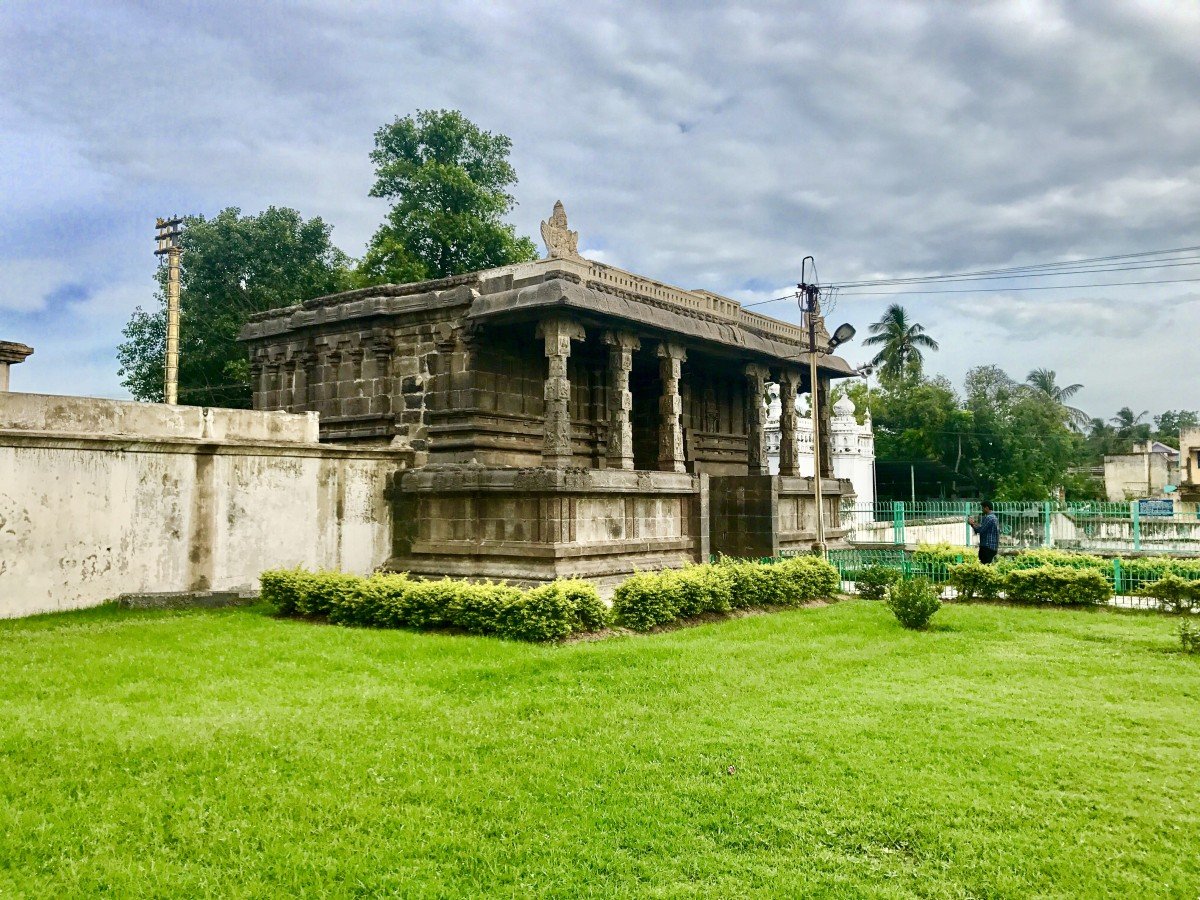
Three-Tiered Vimanam: The unique superstructure that houses the three sanctums is the premier photographic subject, best captured from the inner courtyard for its distinct elevation and design. :
Lion Pillars: The characteristic Pallava pilla...Three-Tiered Vimanam: The unique superstructure that houses the three sanctums is the premier photographic subject, best captured from the inner courtyard for its distinct elevation and design. :
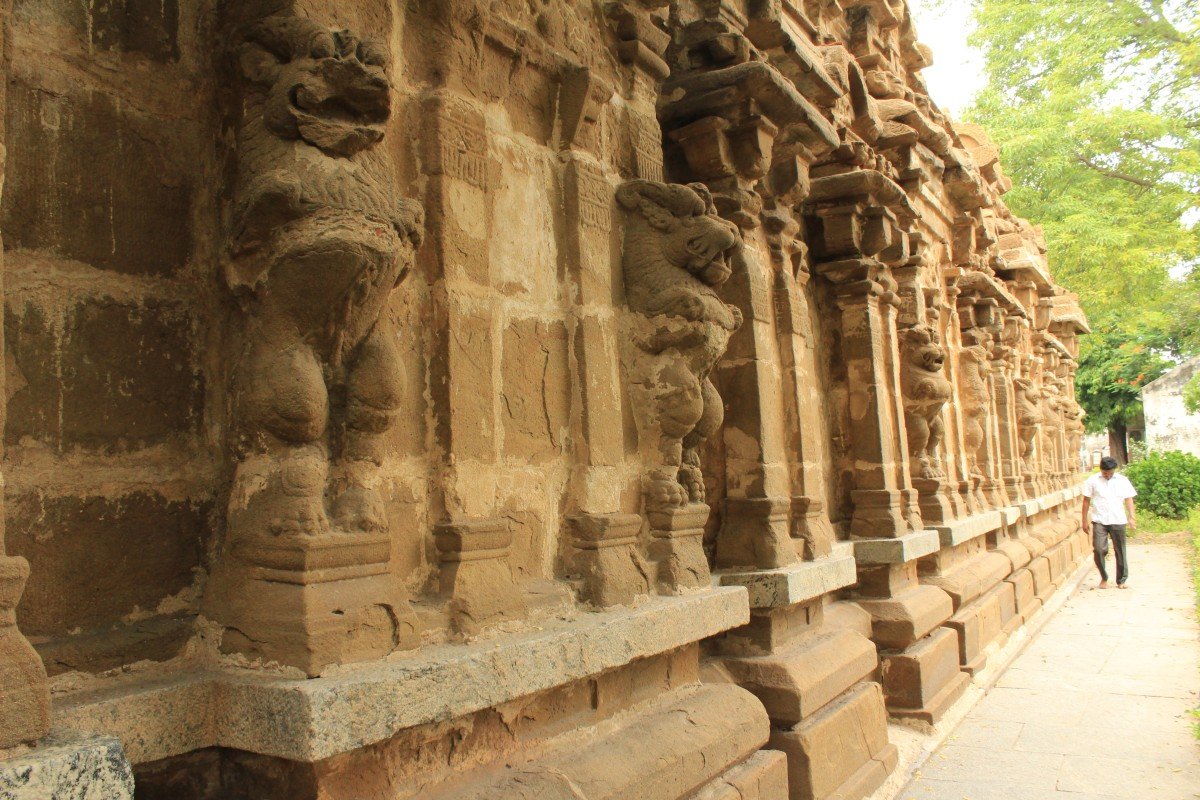
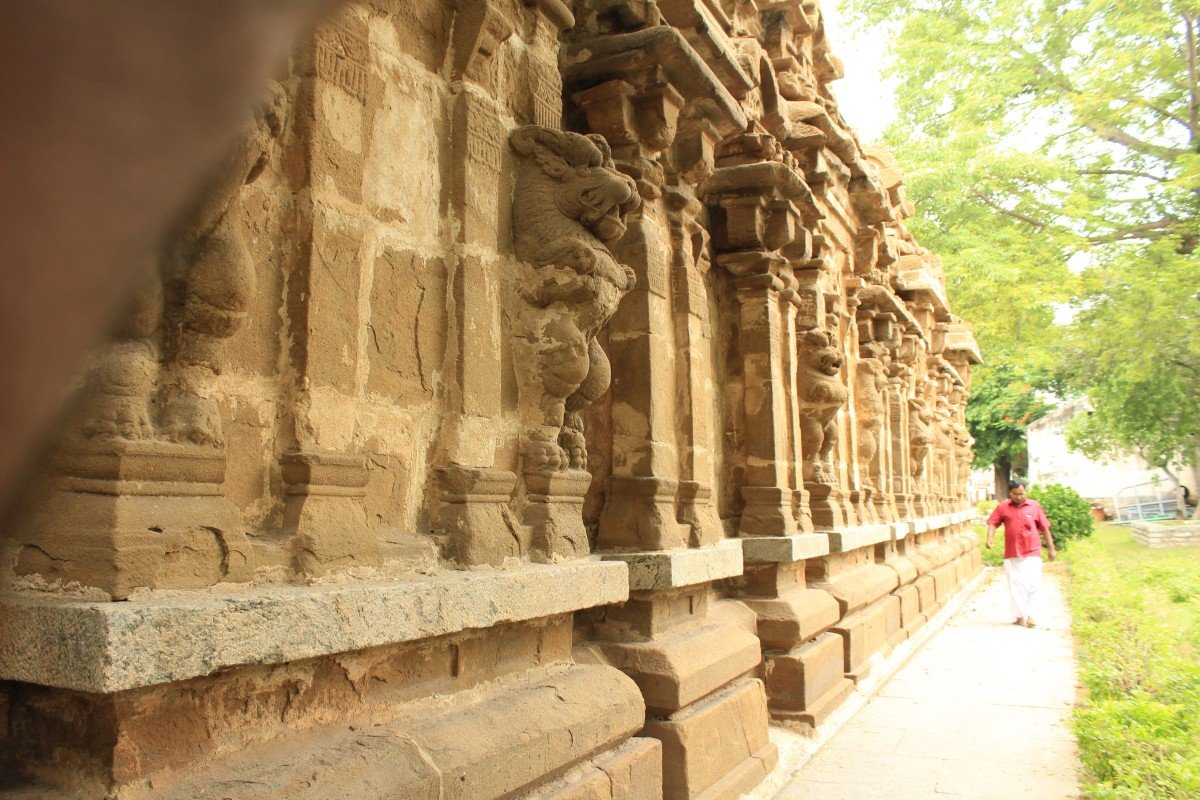
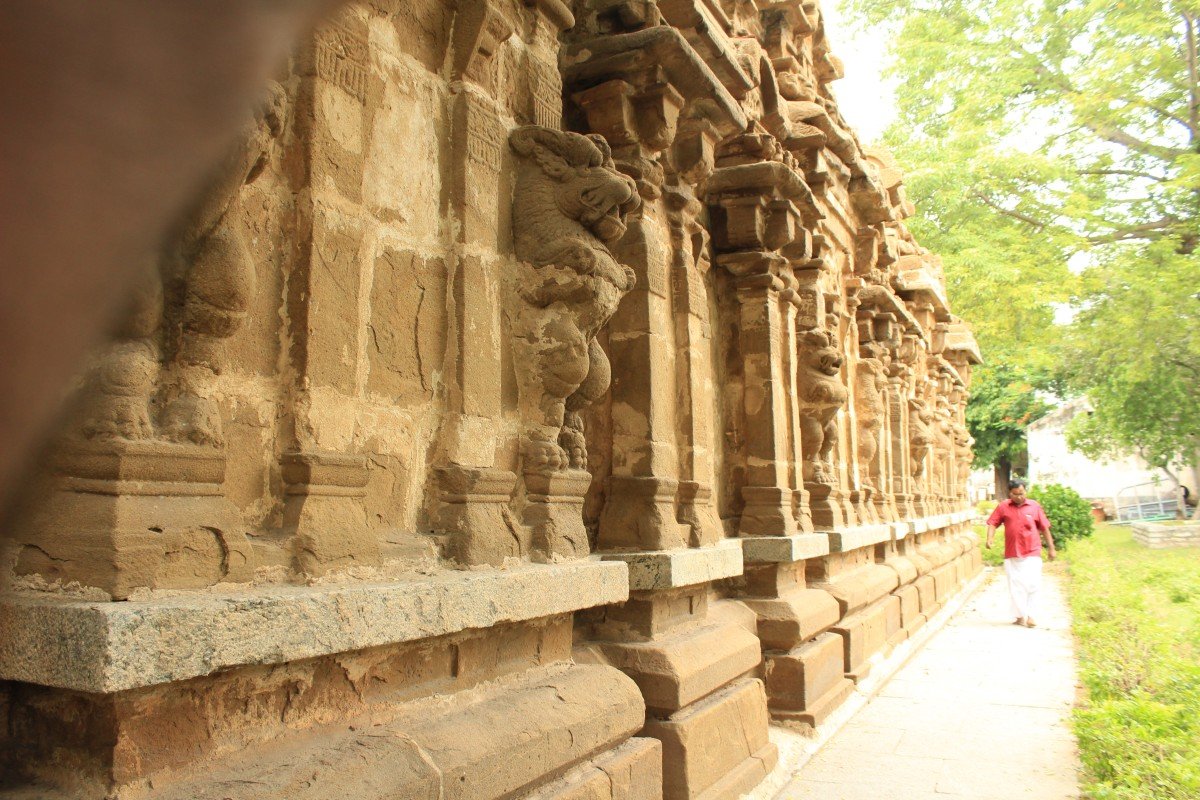
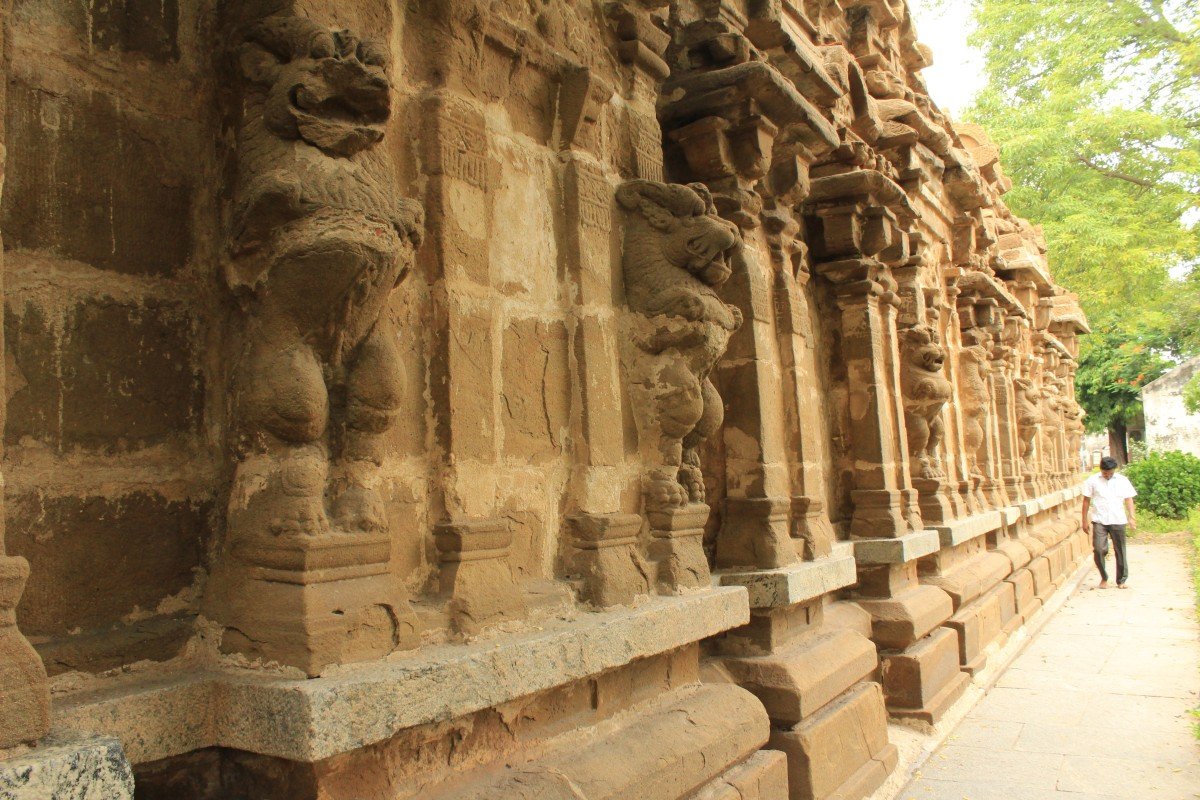
Lion Pillars: The characteristic Pallava pillars carved with rearing lions (yali), especially in the mandapams, are excellent for detailed architectural photography. :
Historical Bas-Reliefs: Close-up and sequential shots of the granite bas-reliefs on the inner walls that narrate the Pallava history are vital for documentary and artistic photography (best viewed in morning light). :
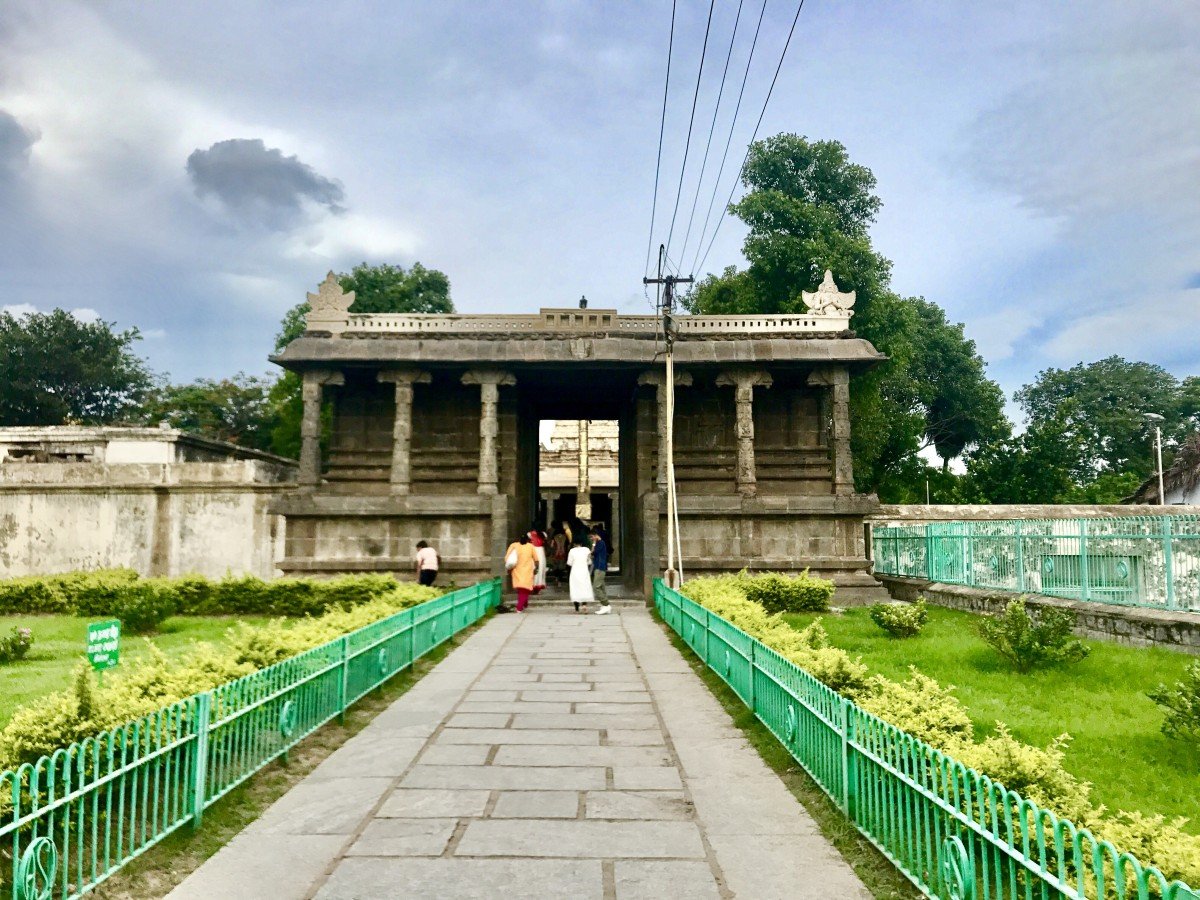
Gateway Tower: The main Gopuram is imposing and offers good exterior shots, though it is less ornate than later Vijayanagara towers. :Photo Gallery
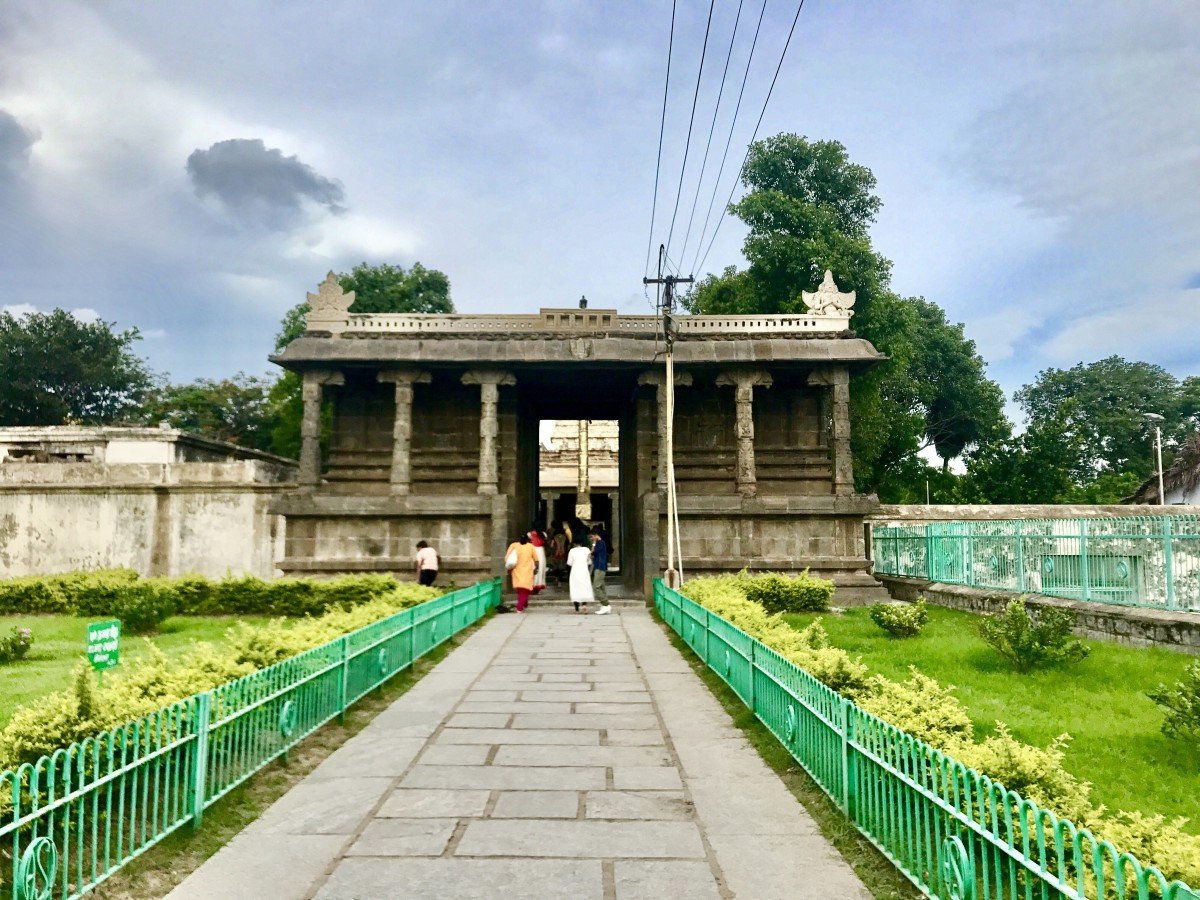

Things To Do
-
Viewing the Triple Darshan: The core activity is visiting the three vertically aligned sanctums to obtain the darshan of Lord Vishnu in his standing, seated, and reclining postures. :
Studying the Bas-Reliefs: Spend substantial time on the inner walls of the prakaram to read and study the historically invaluable bas-reliefs and inscriptions that detail the Pallava lineage and history. :
Architectural Documentation: Focus on the distinctive Pallava architectural elements, particularly the lion pillars (yali pillars) and the external wall decorations that predate the more elaborate Chola and Vijayanagara styles. :
Observing Pujas: Attend the daily pujas to experience the traditional Vaishnavite rituals and the spiritual atmosphere of this ancient temple. :Viewing the Triple Darshan: The core activity is visiting the three vertically aligned sanctums to obtain the darshan of Lord Vishnu in his standing, seated, and reclining postures. :
Studying the Bas-Reliefs: Spend substantial time on the inner walls of the prakaram to read and study the historically invaluable bas-reliefs and inscriptions that detail the Pallava lineage and history. :
Architectural Documentation: Focus on the distinctive Pallava architectural elements, particularly the lion pillars (yali pillars) and the external wall decorations that predate the more elaborate Chola and Vijayanagara styles. :
Observing Pujas: Attend the daily pujas to experience the traditional Vaishnavite rituals and the spiritual atmosphere of this ancient temple. :
Photography: Capture the external view of the unique three-tiered superstructure (Vimanam) and the ornate lion-carved pillars (photography often restricted inside the inner sanctum). :
Circumambulation: Walk the inner and outer prakarams, allowing the vast history etched on the walls to fully register. :
ASI Visit: Recognize that this is a centrally protected ASI monument, and appreciate its importance as a key archaeological site in addition to its religious value. :
Information
-
Why Famous:
The Three-Tiered Sanctuary: Its primary fame rests on the unique vertical arrangement of three shrines one above the other, dedicated to Lord Vishnu in his standing, seated, and reclining forms, an architectural rarity and a structural marvel. :
...The Three-Tiered Sanctuary: Its primary fame rests on the unique vertical arrangement of three shrines one above the other, dedicated to Lord Vishnu in his standing, seated, and reclining forms, an architectural rarity and a structural marvel. :
Pallava Dynasty Chronicle: It is historically famous as a "stone history book," with its walls providing an invaluable, continuous visual and textual record of the Pallava dynasty's history, royal events, and wars. :
Pallava Architecture Epitome: As one of the most important surviving examples of pure Pallava architecture, built by Nandivarman II, it is a key site for architectural historians and is administered by the ASI. :
Alvar Praise: It is an important Divya Desam praised by the Alvar saints, giving it immense spiritual significance within the Sri Vaishnava tradition. : -
Architecture:
Style and Period: A masterpiece of Pallava architectural style (also known as the Dravidian style's early phase), constructed primarily in granite. It dates back to the 7th-8th century CE. :
Three-Tiered Sanctum and Dimensions: The most stri...Style and Period: A masterpiece of Pallava architectural style (also known as the Dravidian style's early phase), constructed primarily in granite. It dates back to the 7th-8th century CE. :
Three-Tiered Sanctum and Dimensions: The most striking feature is the temple's three-story sanctuary, where Lord Vishnu is consecrated in three forms on three different floors (standing, seated, and reclining), which is extremely rare in South Indian temple architecture. :
Bas-Reliefs and Inscriptions: The temple walls of the inner prakaram are adorned with a unique series of bas-relief sculptures that depict the political history of the Pallavas, almost like an illustrated chronicle of the dynasty, with corresponding inscriptions. :
Lion Pillars: The Mandapams feature characteristic Pallava pillars carved with rearing lions, a signature motif of the dynasty, showcasing a transitional phase in Dravidian architecture. : -
How To Reach:
By Air: The nearest airport is Chennai International Airport (MAA), approximately 75 KMS away. Direct taxi or bus service is available to Kanchipuram. :
By Train: The closest railway stations are Kanchipuram and Kanchipuram East (KPM and CJE...By Air: The nearest airport is Chennai International Airport (MAA), approximately 75 KMS away. Direct taxi or bus service is available to Kanchipuram. :
By Train: The closest railway stations are Kanchipuram and Kanchipuram East (KPM and CJE), both within a short auto-rickshaw distance (approx. 2 KMS). The temple is a known landmark on the Railway Road. :
By Road: Kanchipuram is well-connected by State and National Highways. The temple is located in a central area of the old city and is easily reached by local bus or taxi from the main Kanchipuram bus stand. :
By Local Transport: Auto-rickshaws and cycle-rickshaws are the most common local transport. The temple is situated in the main temple cluster, making it easily accessible from the city center. : -
Weather and Best Time to Visit:
Different Types of Seasons:
Peak Season (October to February): The weather is most favorable, providing ideal conditions for a detailed visit and study of the external bas-reliefs. This is the most recommended time.
Read MoreDifferent Types of Seasons:
Peak Season (October to February): The weather is most favorable, providing ideal conditions for a detailed visit and study of the external bas-reliefs. This is the most recommended time.
Summer (March - May): The heat is intense, making a midday visit very uncomfortable.
Monsoon (June - September): Moderate rainfall, but the temperature is tolerable; carry an umbrella. :
Different Parts of the Day:
Morning is Prime Time: Visit immediately upon opening (7:30 AM) for the coolest weather, best natural light for photography, and the quietest environment to study the historical inscriptions.
Avoid Midday: The closed hours and extreme heat make the middle of the day unsuitable. :Near Tourist Places:
Kailasanathar Temple (1 KM), Kanchipuram Railway Station (2 KMS), Ekambareswarar Temple (2 KMS), Kamakshi Amman Temple (2. 5 KMS), Ulagalantha Perumal Temple (2. 5 KMS), Kanchi Kudil (2. 5 KMS), Chitragupta Temple (2. 5 KMS), Jain Temples at Thiruparuthikundram (4 KMS), Pandava Dhootha Perumal Temple (3 KMS), Varadharaja Perumal Temple (5 KMS):Tourism Tips
-
Health & Safety:
Stair Access: Be cautious when using the narrow staircases to access the upper sanctums; they can be steep and dimly lit.
ASI Guidelines: As it is an ASI-protected site, adhere strictly to t...Health & Safety:
Stair Access: Be cautious when using the narrow staircases to access the upper sanctums; they can be steep and dimly lit.
ASI Guidelines: As it is an ASI-protected site, adhere strictly to the rules regarding touching the walls and reliefs.
Footwear: Wear socks, as the stone floors can be hot during the day. :
Packing:
Historical Context: Bring a guidebook or use a mobile app to understand the Pallava history narrated on the walls, which is essential to appreciate the site.
Water: Carry a water bottle, as it is a multi-story building and can get warm inside. :
Accommodation:
Near City Center: The temple's location is close to many hotels and choultries in the Kanchipuram city center.
Cultural Immersion: This temple is a must-visit for understanding Pallava art before visiting the Kailasanathar Temple. :
Reviews
FAQs
Kanchipuram Itineray And Cost:-
Vaikuntha Perumal Temple Tourism:-
Other Places In Kanchipuram :-
Other States In India :-
Information about New and Updated Locations() of Tamil Nadu Has Been Added :-
Card subtitle
Note:-
Information provided here in good Faith and for reference only.
Near Places

Chitragupta Temple
Some quick example text to build on the card title and make up the bulk of the card's content.
Go somewhere
Ekambareswarar Temple
Some quick example text to build on the card title and make up the bulk of the card's content.
Go somewhere
Kachapeshwarar Temple
Some quick example text to build on the card title and make up the bulk of the card's content.
Go somewhere
Kailasanathar Temple
Some quick example text to build on the card title and make up the bulk of the card's content.
Go somewhere
Kamakshi Amman Temple
Some quick example text to build on the card title and make up the bulk of the card's content.
Go somewhere
Kanchi Kamakoti Peetham
Some quick example text to build on the card title and make up the bulk of the card's content.
Go somewhere
Kanchi Kudil
Some quick example text to build on the card title and make up the bulk of the card's content.
Go somewhere
Kumarakottam Sri Subramaniya Swami Temple
Some quick example text to build on the card title and make up the bulk of the card's content.
Go somewhere
Pandava Dhootha Perumal Temple
Some quick example text to build on the card title and make up the bulk of the card's content.
Go somewhere
Sri Adikesava Perumal Temple
Some quick example text to build on the card title and make up the bulk of the card's content.
Go somewhere
Thiruparuthikundram Jain Temple
Some quick example text to build on the card title and make up the bulk of the card's content.
Go somewhere
Ulagalantha Perumal Temple
Some quick example text to build on the card title and make up the bulk of the card's content.
Go somewhere
Vaikuntha Perumal Temple
Some quick example text to build on the card title and make up the bulk of the card's content.
Go somewhere
Varadharaja Perumal Temple
Some quick example text to build on the card title and make up the bulk of the card's content.
Go somewhere
Varadharaja Perumal Temple
Some quick example text to build on the card title and make up the bulk of the card's content.
Go somewherein Other Cities