Shantiniketan
General information
-
Ideal Duration:
2 to 3 DaysPlace Type:
Heritage, Culture, Educational, ArtEntry Fees:
Place Entry Fees: Entry to the Visva-Bharati museum complex (Rabindra Bhavana and Uttarayan) typically costs INR 50 for Indians and INR 300 for foreigners.
Photography Fees: Cameras may require a separate permit in certain areas, though mobi...Place Entry Fees: Entry to the Visva-Bharati museum complex (Rabindra Bhavana and Uttarayan) typically costs INR 50 for Indians and INR 300 for foreigners.
Photography Fees: Cameras may require a separate permit in certain areas, though mobile photography is often allowed.
Guide Fees: Hiring a local guide costs between INR 200 to INR 500, which is recommended to understand the historical nuances.
Other Charges: Ballavpur Wildlife Sanctuary has a nominal entry fee of around INR 20. Parking fees for private vehicles generally range from INR 30 to INR 100 depending on the location. :Timing:
Place Timings: The Visva-Bharati museum and complex are usually open from 10:30 AM to 4:30 PM.
Weekly Closures: Please note that the main university campus and museums are Closed on Wednesdays (the traditional day of rest here) and sometimes...Place Timings: The Visva-Bharati museum and complex are usually open from 10:30 AM to 4:30 PM.
Weekly Closures: Please note that the main university campus and museums are Closed on Wednesdays (the traditional day of rest here) and sometimes on Tuesdays.
Ideal Visit Time: Morning from 8:00 AM to 11:00 AM is best for campus walks, while late afternoon from 3:00 PM to 5:30 PM is perfect for the Khoai region.
Festival Timings: During Poush Mela and Basanta Utsav, the timings vary as events often start at dawn and continue late into the evening. :Special Events:
Poush Mela, held in late December, is the most iconic event, featuring folk music, crafts, and a massive fair.
Basanta Utsav: Celebrated during Holi in March, it is a festival of colors where students and visitors dress in yellow and perform traditional dances.Poush Mela, held in late December, is the most iconic event, featuring folk music, crafts, and a massive fair.
Basanta Utsav: Celebrated during Holi in March, it is a festival of colors where students and visitors dress in yellow and perform traditional dances.
Maghotsav: Held in January, it marks the founding of Brahmo Samaj with soulful prayers.
Varsha Mangal: A celebration of the Monsoon season through songs and dance, typically held in July or August, showcasing the seasonal connection of Tagore’s works. :Best Photo Spots:
The Upasana Griha is stunning, especially on Wednesday evenings when lit by candles.
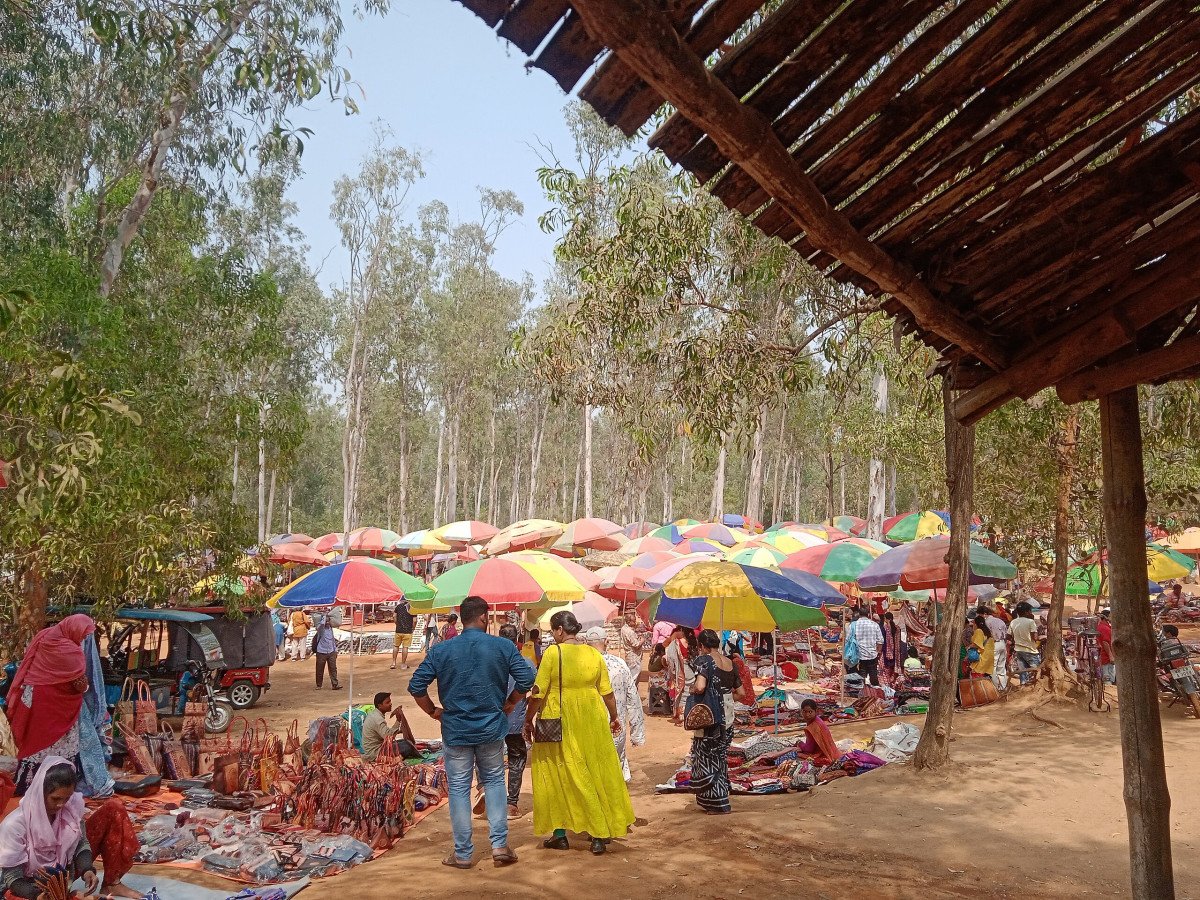
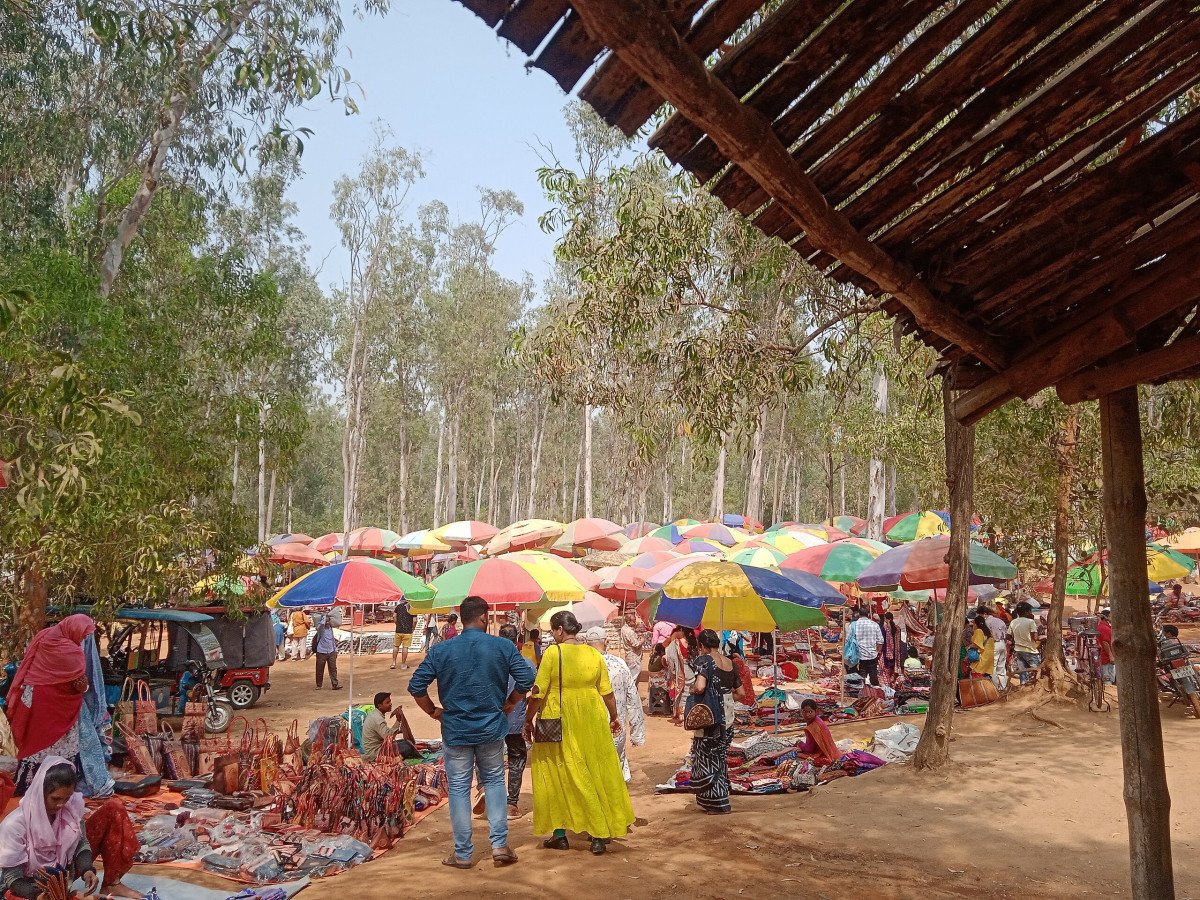
Sonajhuri Forest: The play of light through the trees during the Saturday Haat provides a vibrant, colorful backdrop.
Kala Bhavana Murals: The int...The Upasana Griha is stunning, especially on Wednesday evenings when lit by candles.
Sonajhuri Forest: The play of light through the trees during the Saturday Haat provides a vibrant, colorful backdrop.
Kala Bhavana Murals: The intricate wall art provides a sophisticated artistic background for portraits.
The Khoai Landscape: The deep canyons formed by soil erosion look dramatic at sunrise and sunset.
Uttarayan Gardens: The meticulously maintained gardens and heritage houses offer a classic, timeless aesthetic for architecture photography. :Photo Gallery
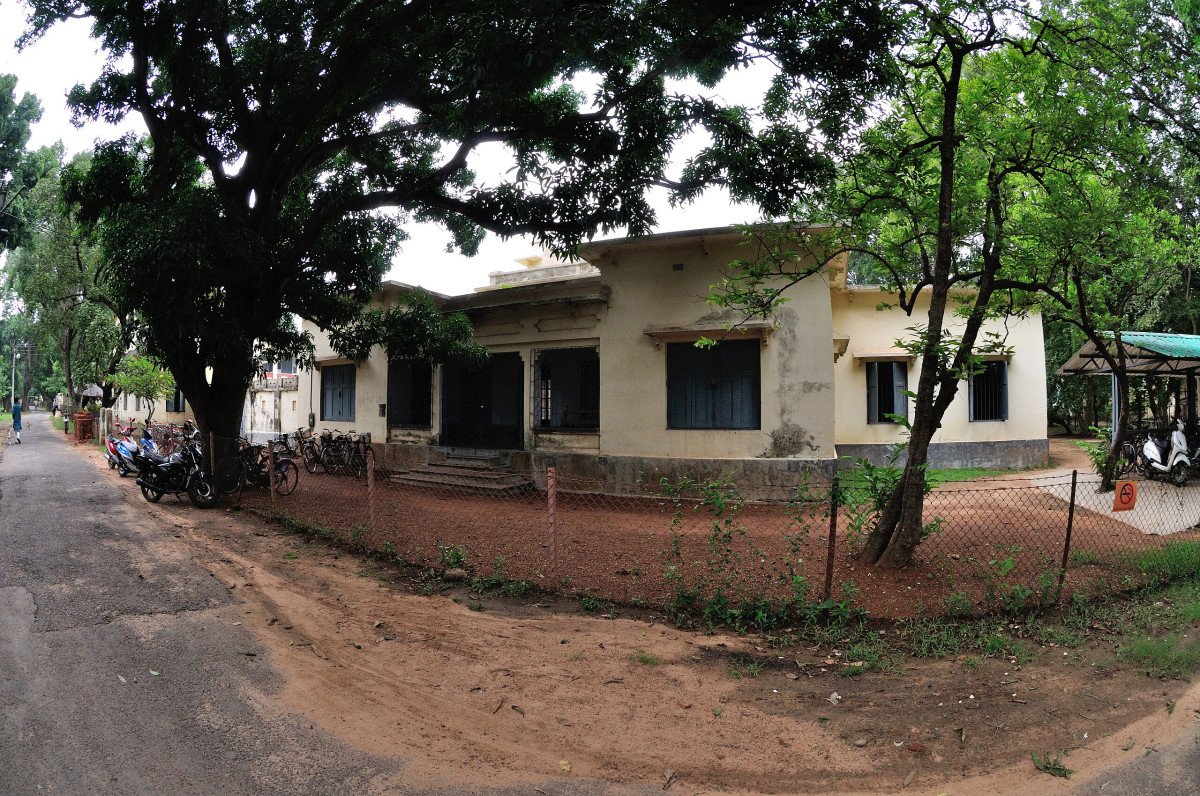
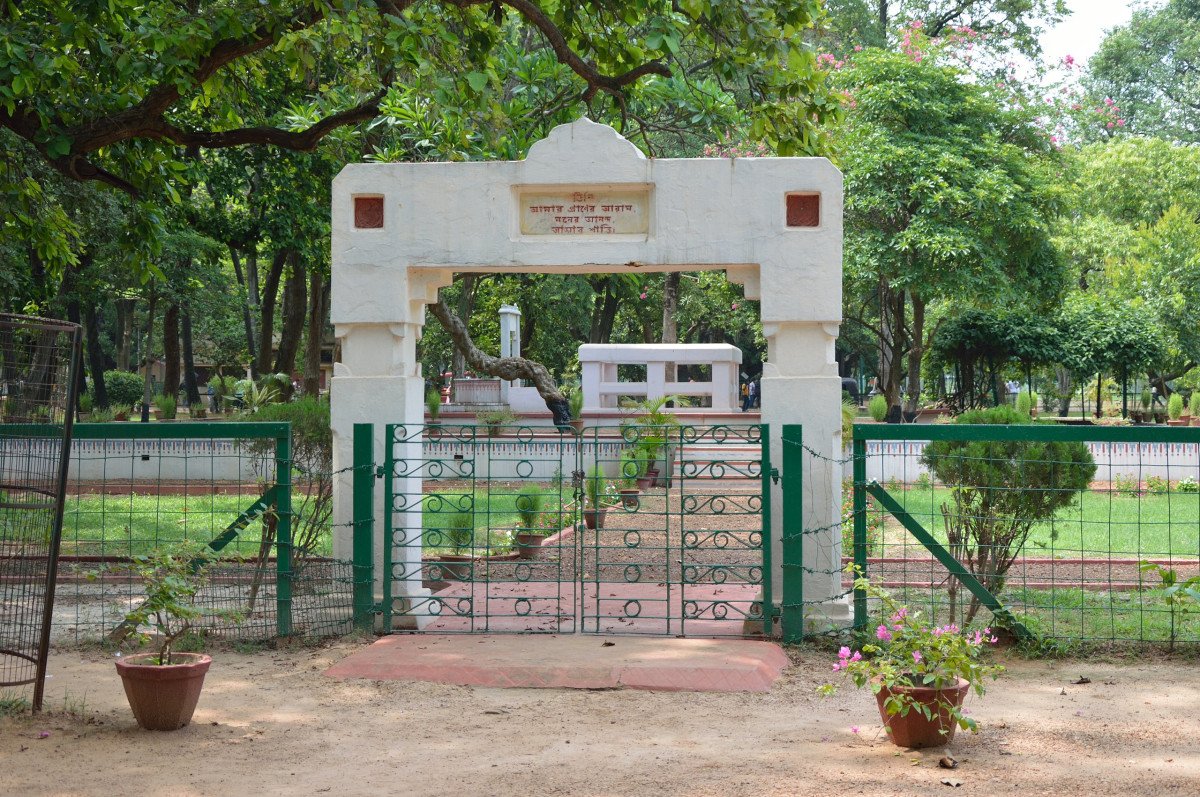
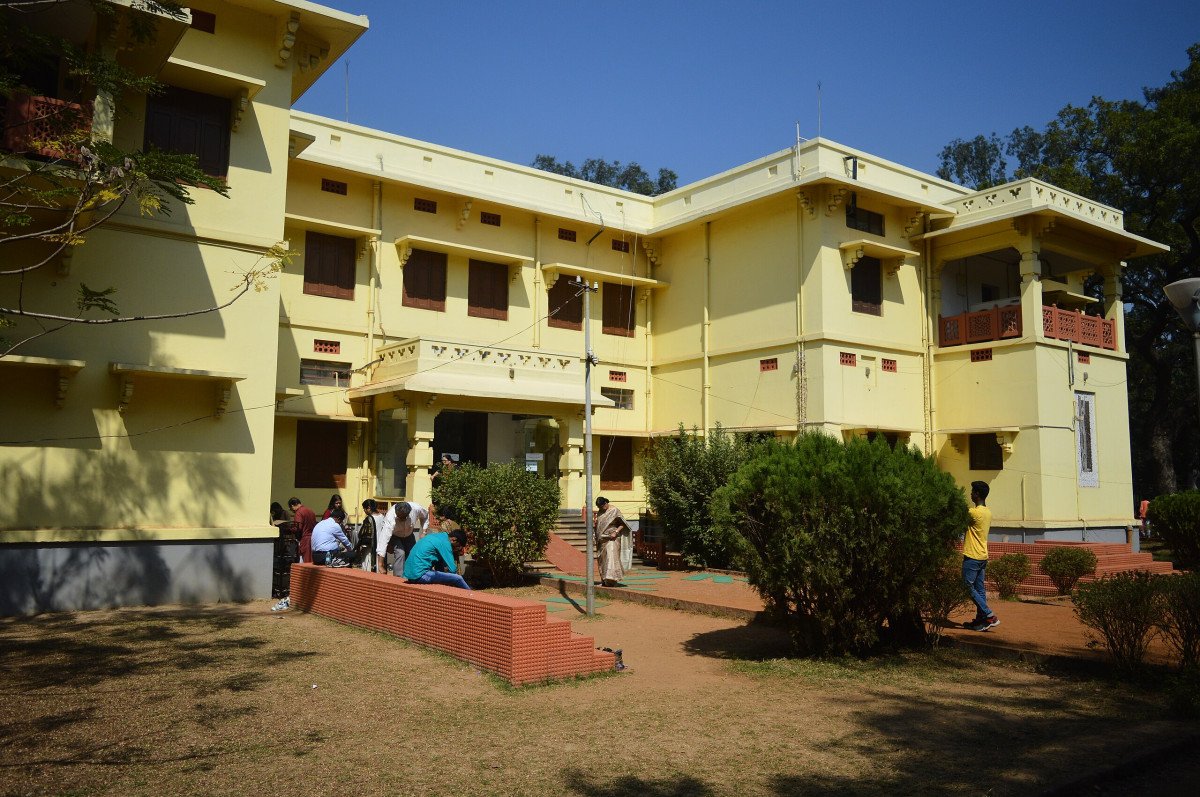
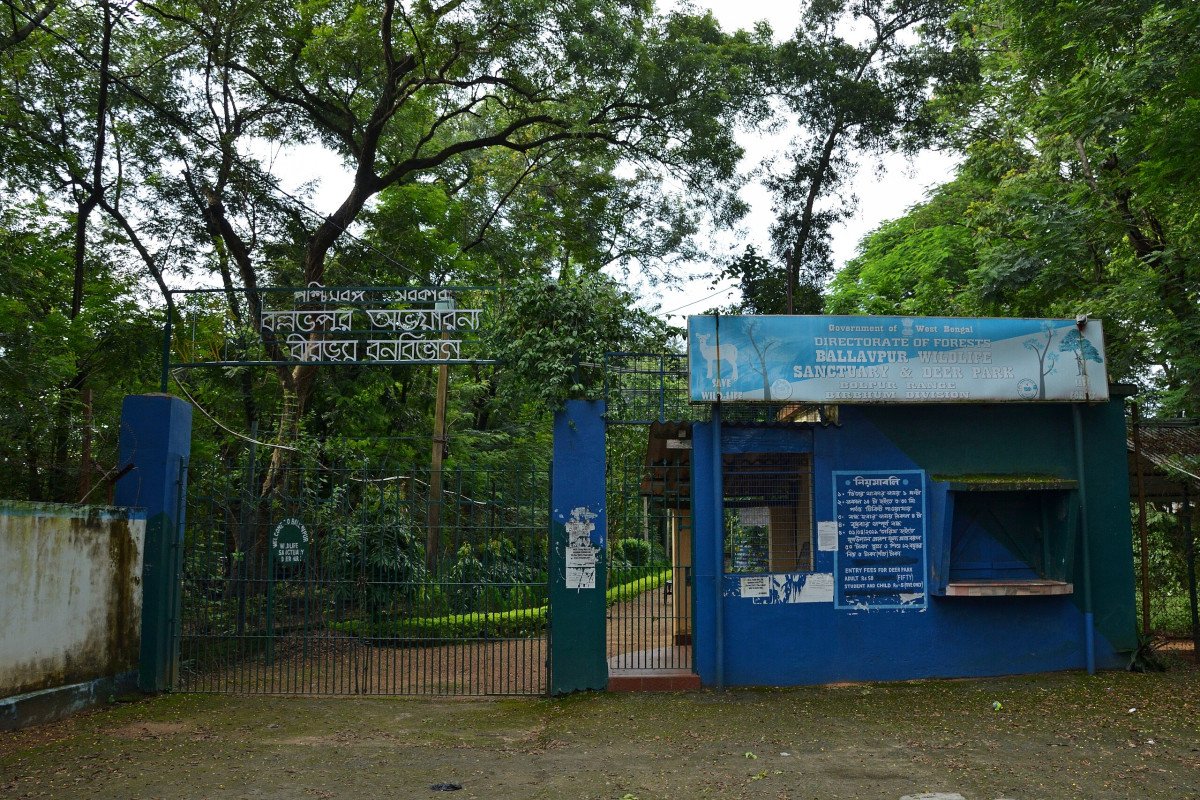
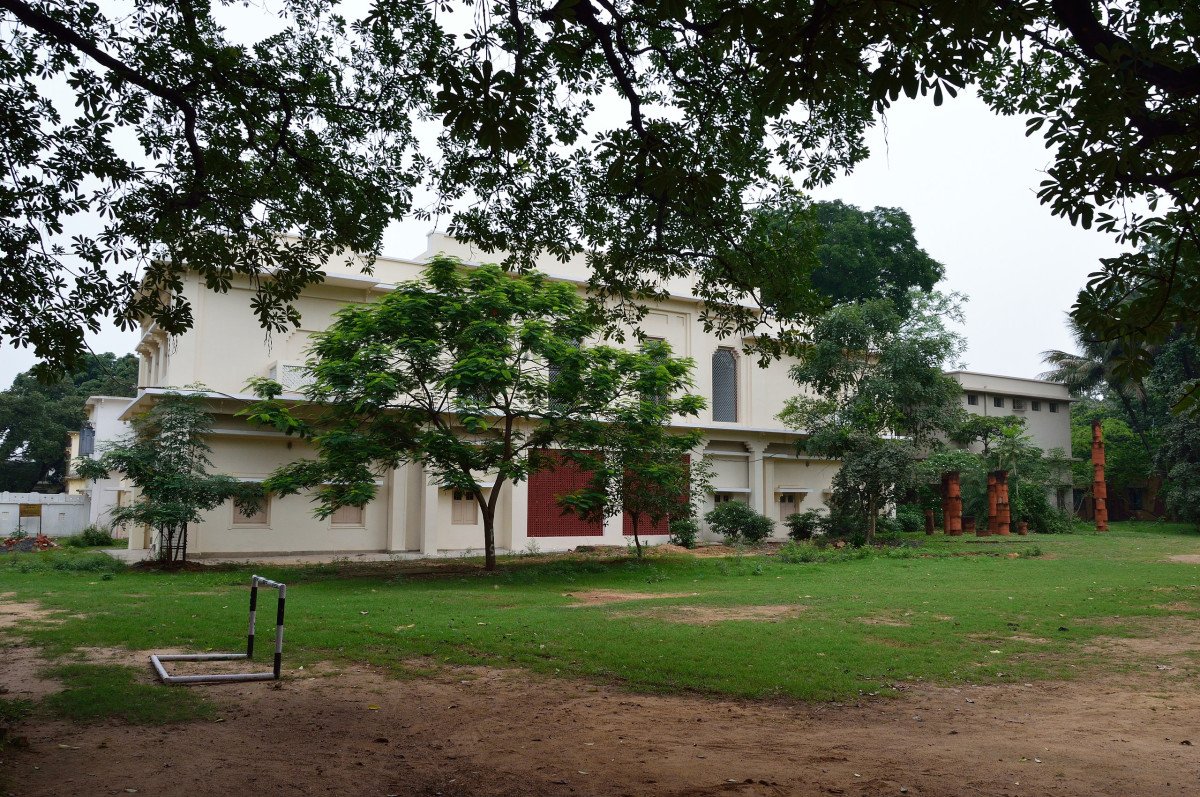
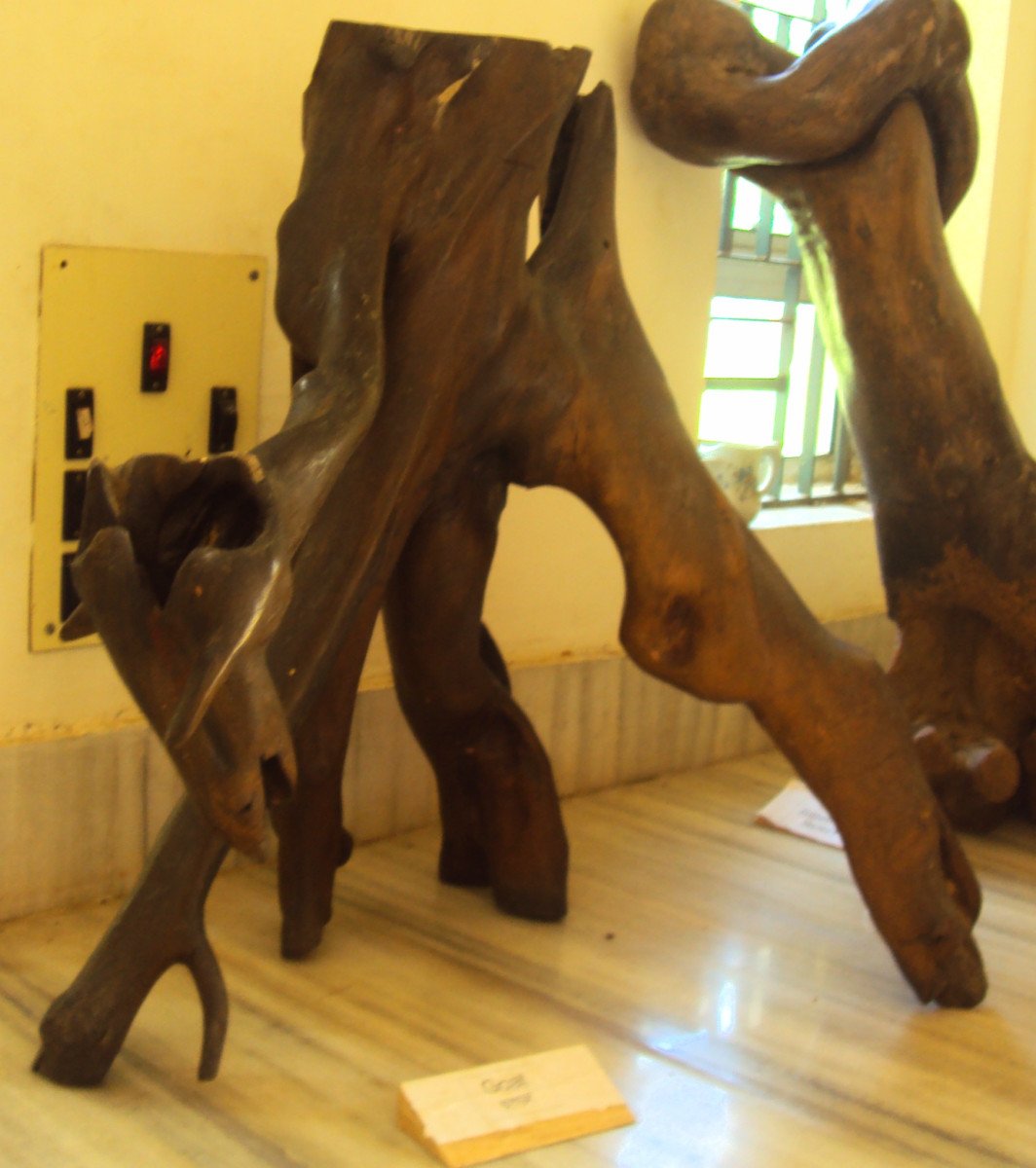
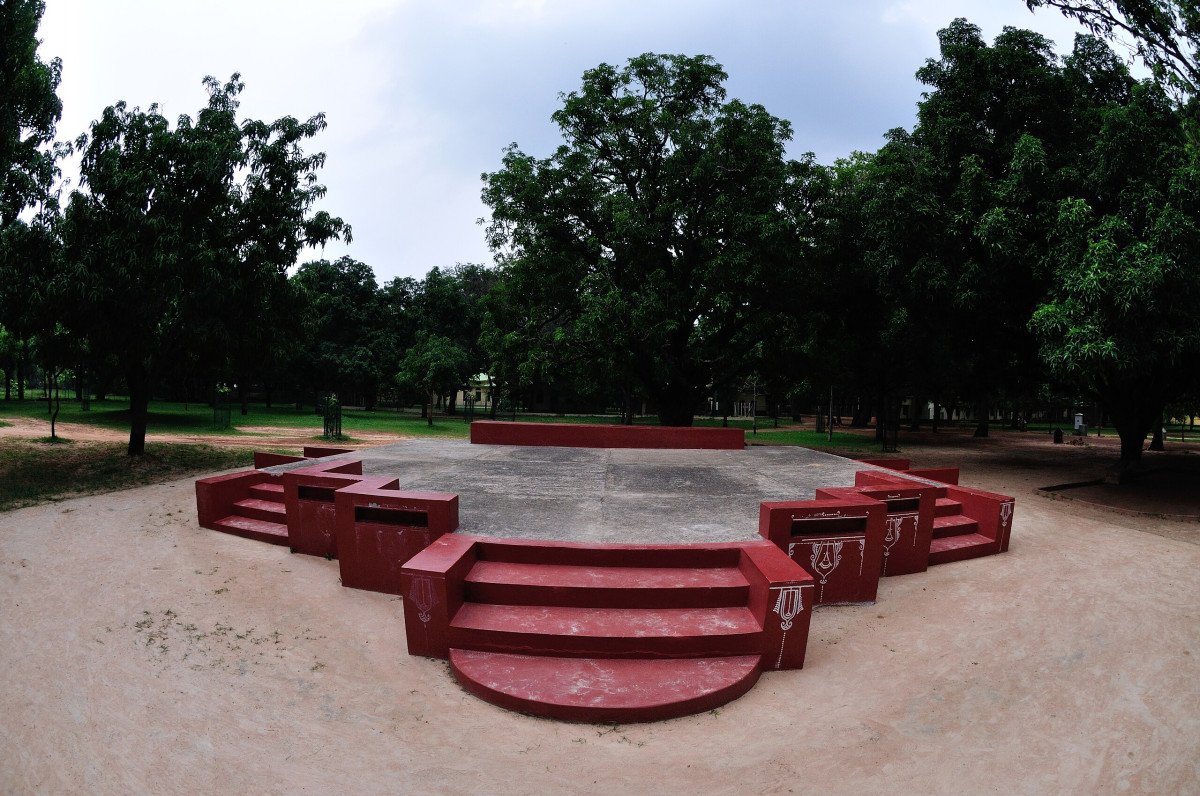
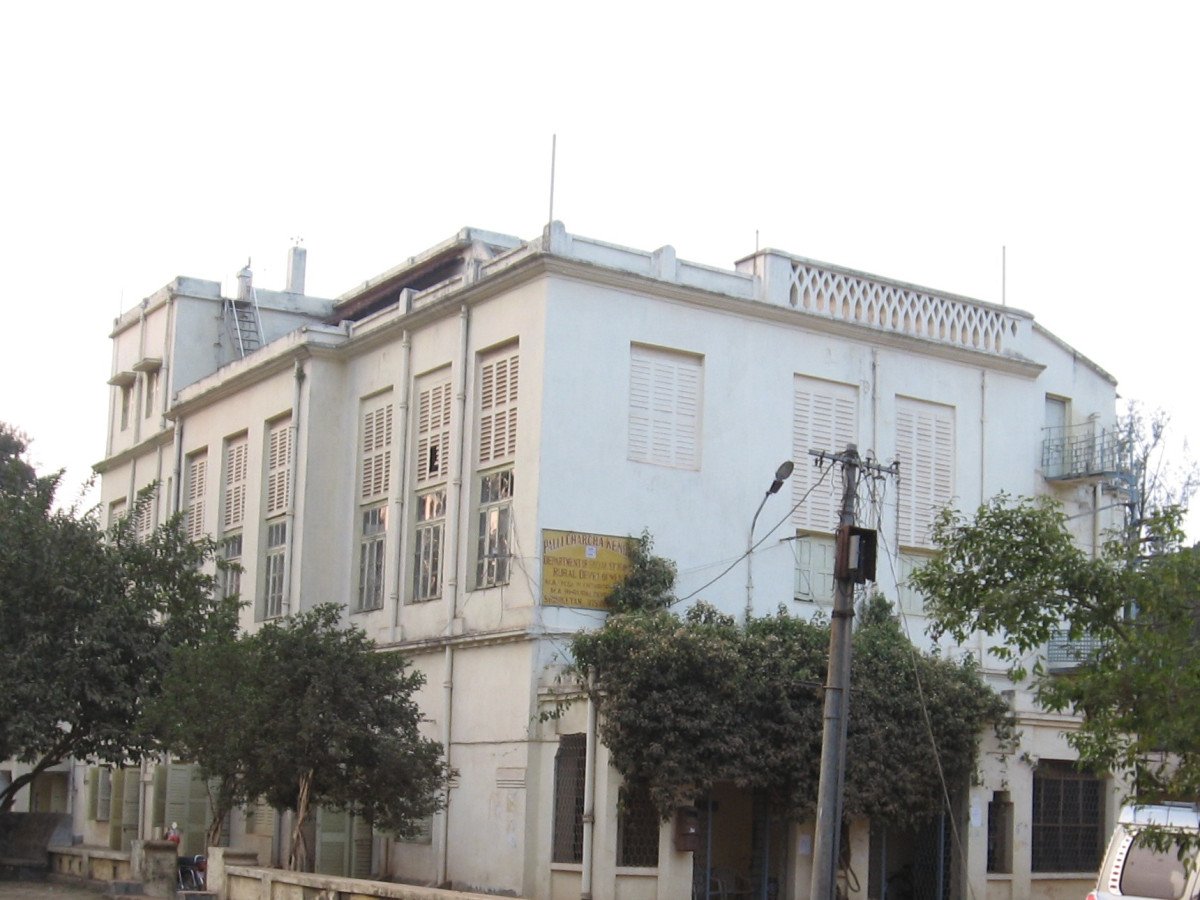
Things To Do
 **Pathar Darwaja**, literally meaning 'Stone Gateway', is the surviving, imposing main northern **entrance** to the ancient fort and palace complex of the Malla Kings of **Bishnupur**. It stands as a powerful testament to the defensive architecture and engineering skills of the Malla period, particularly built by King **Bir Singha II** in the **17th Century**. Constructed predominantly with huge, well-cut **laterite blocks**a locally abundant materialthe gateway features a grand arched passage large enough for elephants to pass through. The massive structure was designed for strategic defense. It has double-storied flanking galleries on both sides of the central passage, which were used to accommodate soldiers, guards, and provide a vantage point. These galleries, though partially ruined, still feature arrow-slits and gun-slots, allowing the Malla army to defend the entrance effectively against attackers. The gateway was the first line of defense protecting the royal palace (**Nutan Mahal**) and the city's spiritual and administrative heart. Its architecture is purely utilitarian and robust, lacking the delicate terracotta ornamentation of the temples but possessing a formidable, majestic aesthetic. The sheer scale and solidity of the construction convey the power and wealth of the Malla kingdom at its height. A smaller gateway, often called *Choto Darwaja* (Small Gateway), is located nearby, forming an inner line of defense. The **Pathar Darwaja** is a mandatory stop on any **Bishnupur** sightseeing tour, as it marks the official entry point into the historical center of the town.
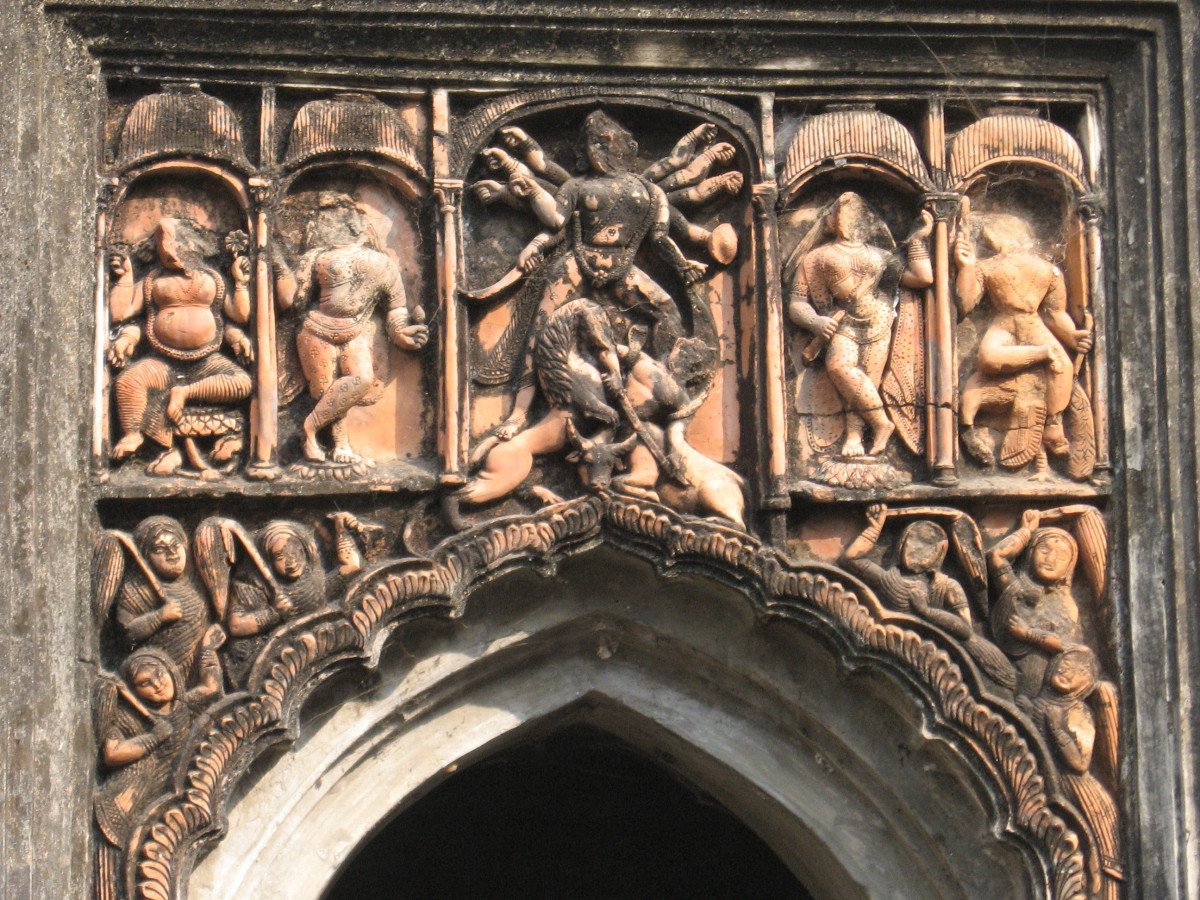
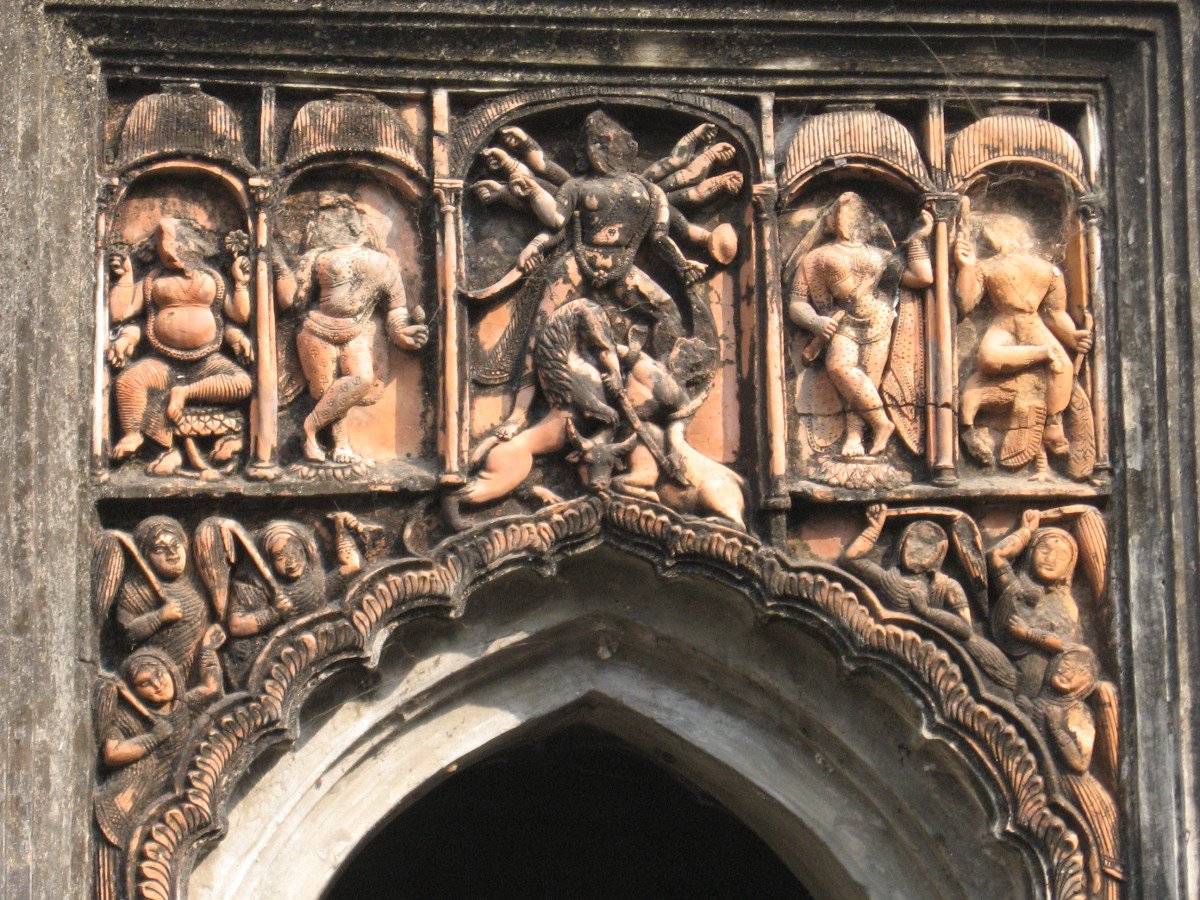
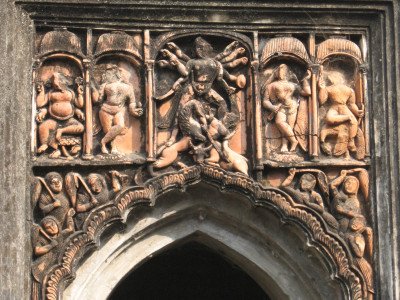 **Surul Rajbari**, or the **Sarkar Bari**, is a magnificent, well-preserved mansion that stands as a living testament to the affluent **Zamindari** (landlord) culture of 18th and 19th-century Bengal. Located in the small village of **Surul**, very close to **Shantiniketan**, this historic property belonged to the Sarkar family, who were prominent figures in the local administration and cultural life. The colossal, two-storied structure is not a ruin but a well-maintained private residence, which allows it to offer an authentic glimpse into the past. The mansion, with its grand central courtyard (or *Thakur Dalan*) and surrounding pillared verandahs, comes to life most dramatically during the annual **Durga Puja** celebration. This traditional festival is celebrated with unique customs and immense grandeur by the Sarkar family, drawing visitors and photographers to witness the fusion of architecture, history, and vibrant tradition. The complex also features several adjacent, smaller temples that are distinct for their examples of **terracotta carvings**, a signature style of **Bengali temple architecture**. Visiting the **Rajbari** is less about a museum experience and more about observing a functioning, centuries-old Zamindari estate, which beautifully preserves the architectural and cultural heritage of the **Birbhum** region. It is a quiet, mystical place that transports visitors back to the era of Bengal's landed aristocracy.
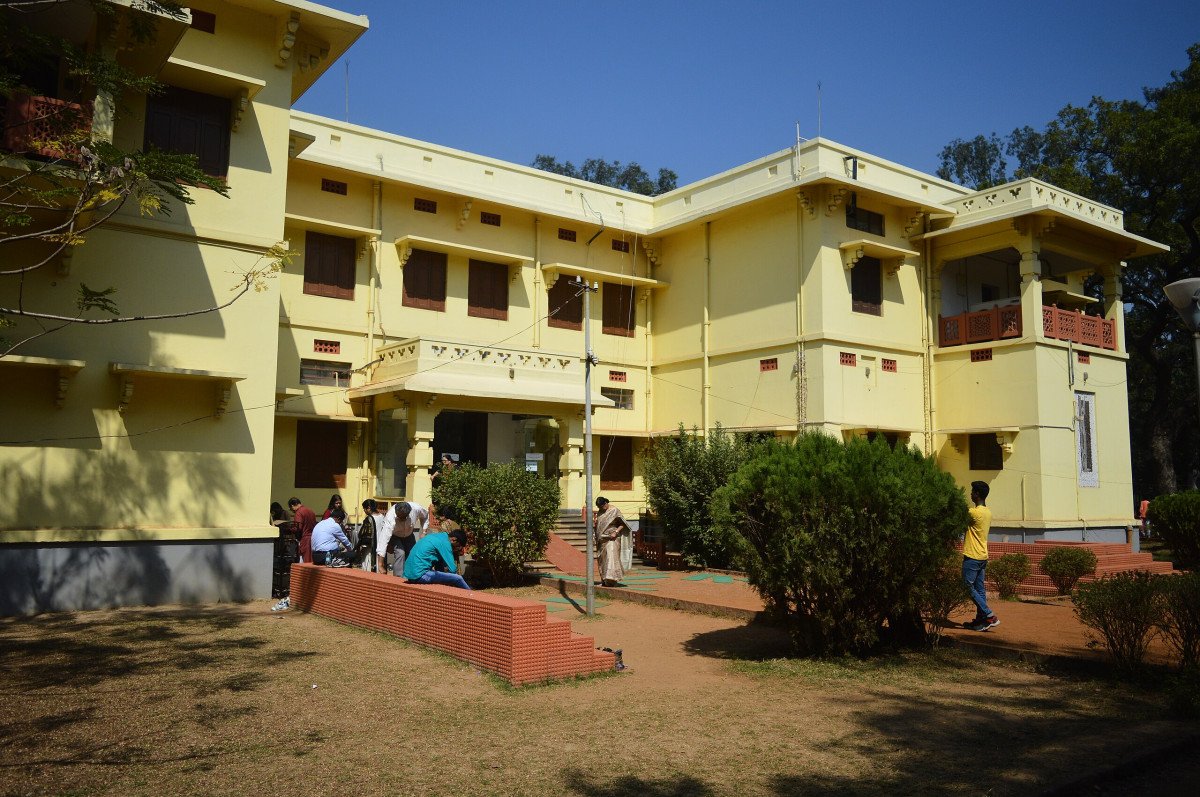
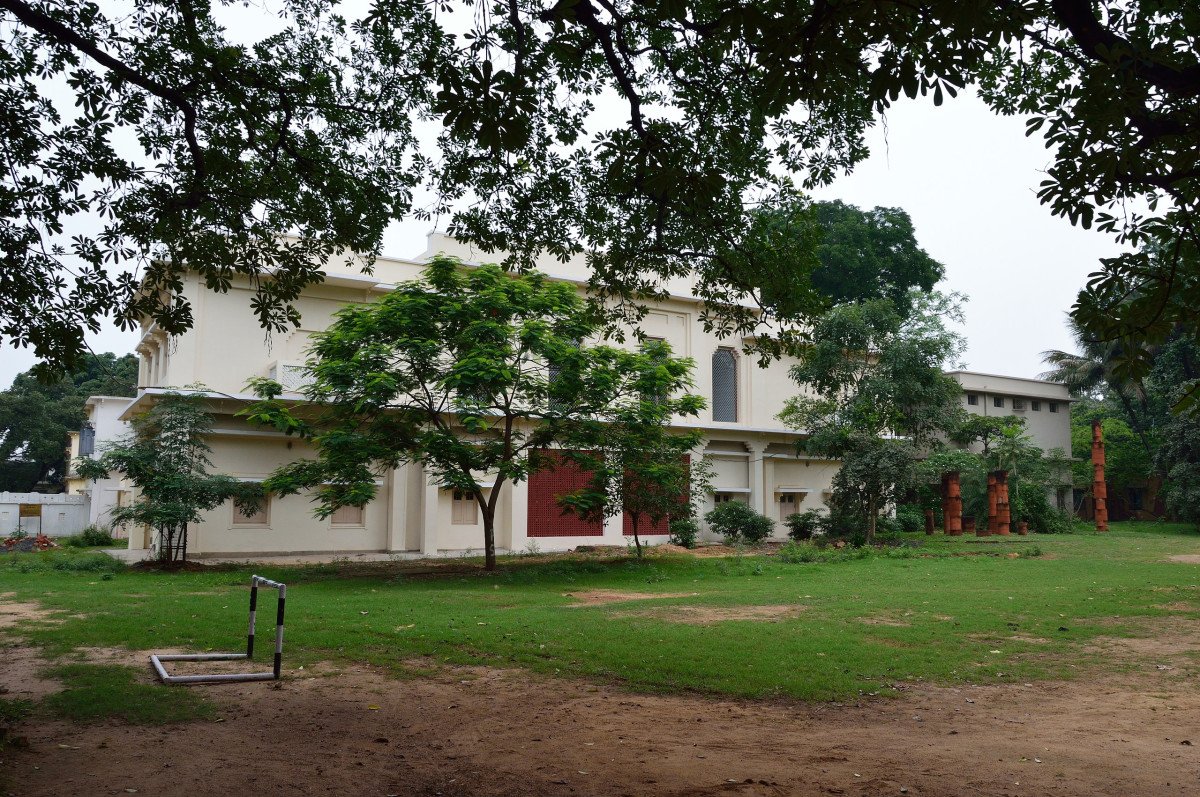
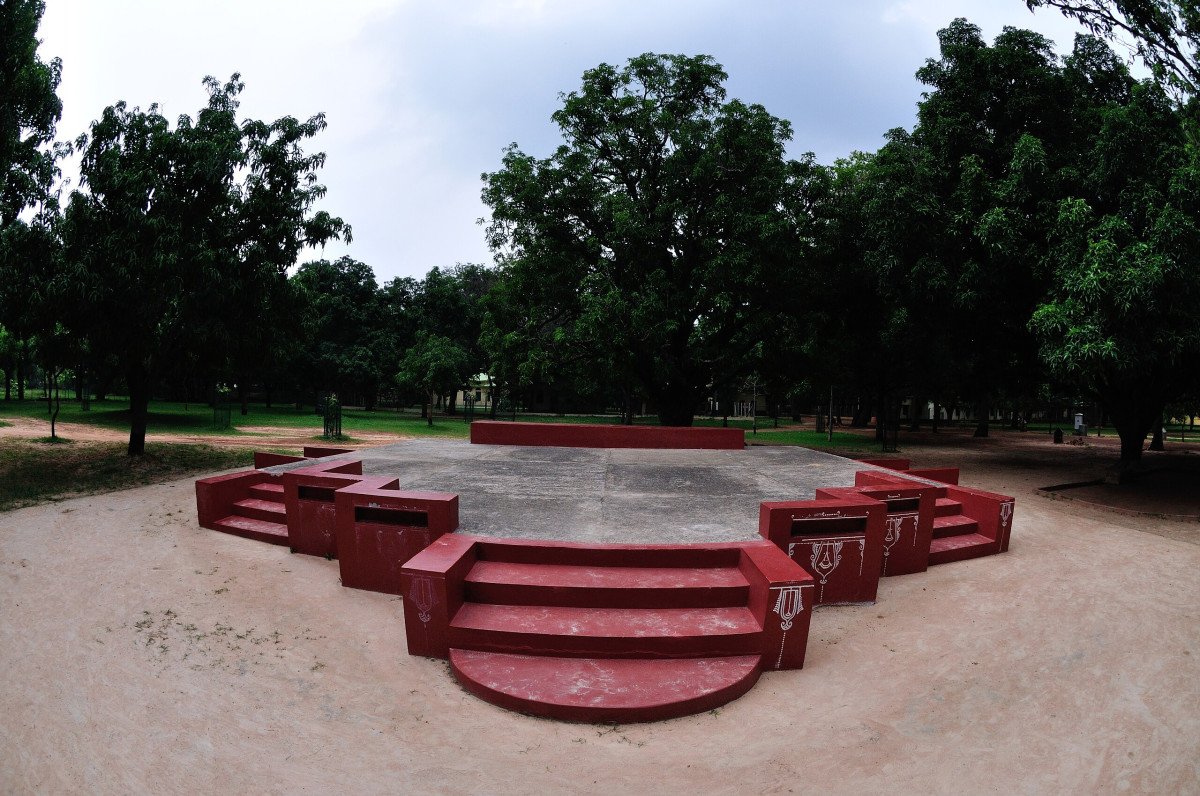
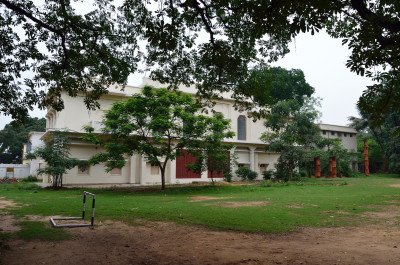 The **Visva-Bharati University Complex** is the nucleus of **Shantiniketan** and the living manifestation of **Rabindranath Tagore's** revolutionary educational ideas. Established in **1921**, the university was envisioned as a place "where the world makes a home in a single nest," promoting internationalism and cultural exchange. The campus is home to several important sections: the **Uttarayan Complex** where Tagore lived, the **Rabindra Bhavana** museum, the fine arts faculty **Kala Bhavana**, and the early ashram site like **Chatimtala** and **Upasana Griha** (Prayer Hall). Students often attend open-air classes under the shade of trees, maintaining the ancient Indian *Gurukul* system spirit. The complex is a dynamic space where education seamlessly integrates with art, music, dance, and a deep connection to nature. Visiting here offers a profound glimpse into Tagore's life, his literary and artistic works, and his philosophy that continues to shape global thought. The tranquil ambiance and the distinctive architecture make it a unique cultural landscape, drawing scholars, artists, and tourists globally. It remains an active university, so visitors must be respectful of the academic environment. The complex beautifully showcases the confluence of local, national, and international artistic and educational ideas.
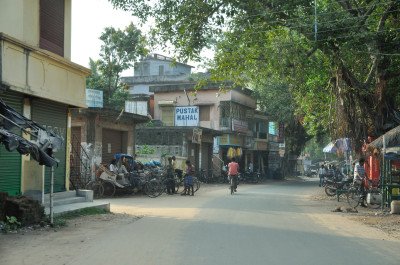 The area known as **Bhubandanga** is profoundly significant as it was the original name of the land acquired by **Maharshi Debendranath Tagore** in **1863**, which he later renamed **Shantiniketan** ("Abode of Peace"). Historically, the area was a wild, barren stretch named after a local dacoit, **Bhuban Dakat**. Today, the periphery of this historical ground, particularly the area near the **Sonajhuri Forest** and the **Khoai River**, has evolved into a vibrant **cultural centre** that celebrates indigenous and regional arts, best exemplified by the renowned **Shanibarer Haat** (Saturday Market) or **Sonajhuri Haat**. This weekly market is a direct manifestation of the rural upliftment and self-reliance principles established by Tagore's Sriniketan project, a few kilometers away. The area is characterized by the unique geological formation called **Khoai**eroded laterite earth creating small canyons. The market serves as a crucial platform for local **Santal Adivasi** (tribal) artisans and Bengali craftspeople to sell their handmade goods, including jewelry, textiles, batik, and *kantha* stitchwork. It also acts as a performance venue where **Baul** singers and local folk dancers frequently perform, creating a unique, energetic atmosphere that is the antithesis of the tranquil university campus, yet an essential part of the **Shantiniketan** experience. Country Name ##
Upasana Griha, widely known as the Kanch Mandir or Glass Temple, is a majestic prayer hall located within the hallowed grounds of the Santiniketan Ashram. It was commissioned by Maharshi Debendranath Tagore, the father of the legendary poet Rabindranath Tagore, and was officially inaugurated in 1891. This spiritual sanctuary was built to provide a space for meditation and prayers following the principles of the Brahmo Samaj, which emphasizes the worship of one formless God without the use of idols or images. The hall is a symbol of the transition from traditional religious practices to a more universal and humanist spiritual philosophy. Surrounded by lush gardens and ancient trees, the building stands as a testament to the peaceful coexistence of man and nature, a core tenet of the Santiniketan way of life. For over a century, it has remained the heart of the university's spiritual activities, where students and teachers gather in white attire to seek inner peace through music and chanting. The atmosphere here is one of profound silence and grace, especially during the early morning and evening hours when the play of light creates a celestial ambiance. It is not just a building but a bridge between the material and spiritual worlds, reflecting the vision of a "world-nest" where humanity can unite. Visitors often find themselves moved by the simplicity and elegance of the structure, which avoids the heavy ornamentation of typical temples to focus on the clarity of the soul. The hall is meticulously maintained by the Visva-Bharati authorities and continues to hold a deep emotional significance for the local community and global admirers of Tagore's legacy. As a part of the UNESCO World Heritage site of Santiniketan, its historical and cultural value is unparalleled. Entering the vicinity of Upasana Griha is like stepping back in time to an era of intellectual and spiritual awakening, where every pane of glass tells a story of reform, art, and devotion. It remains the most iconic landmark in the Bolpur region, drawing thousands who seek a moment of quiet reflection amidst the vibrant cultural tapestry of Bengal. :
The area known as **Bhubandanga** is profoundly significant as it was the original name of the land acquired by **Maharshi Debendranath Tagore** in **1863**, which he later renamed **Shantiniketan** ("Abode of Peace"). Historically, the area was a wild, barren stretch named after a local dacoit, **Bhuban Dakat**. Today, the periphery of this historical ground, particularly the area near the **Sonajhuri Forest** and the **Khoai River**, has evolved into a vibrant **cultural centre** that celebrates indigenous and regional arts, best exemplified by the renowned **Shanibarer Haat** (Saturday Market) or **Sonajhuri Haat**. This weekly market is a direct manifestation of the rural upliftment and self-reliance principles established by Tagore's Sriniketan project, a few kilometers away. The area is characterized by the unique geological formation called **Khoai**eroded laterite earth creating small canyons. The market serves as a crucial platform for local **Santal Adivasi** (tribal) artisans and Bengali craftspeople to sell their handmade goods, including jewelry, textiles, batik, and *kantha* stitchwork. It also acts as a performance venue where **Baul** singers and local folk dancers frequently perform, creating a unique, energetic atmosphere that is the antithesis of the tranquil university campus, yet an essential part of the **Shantiniketan** experience. Country Name ##
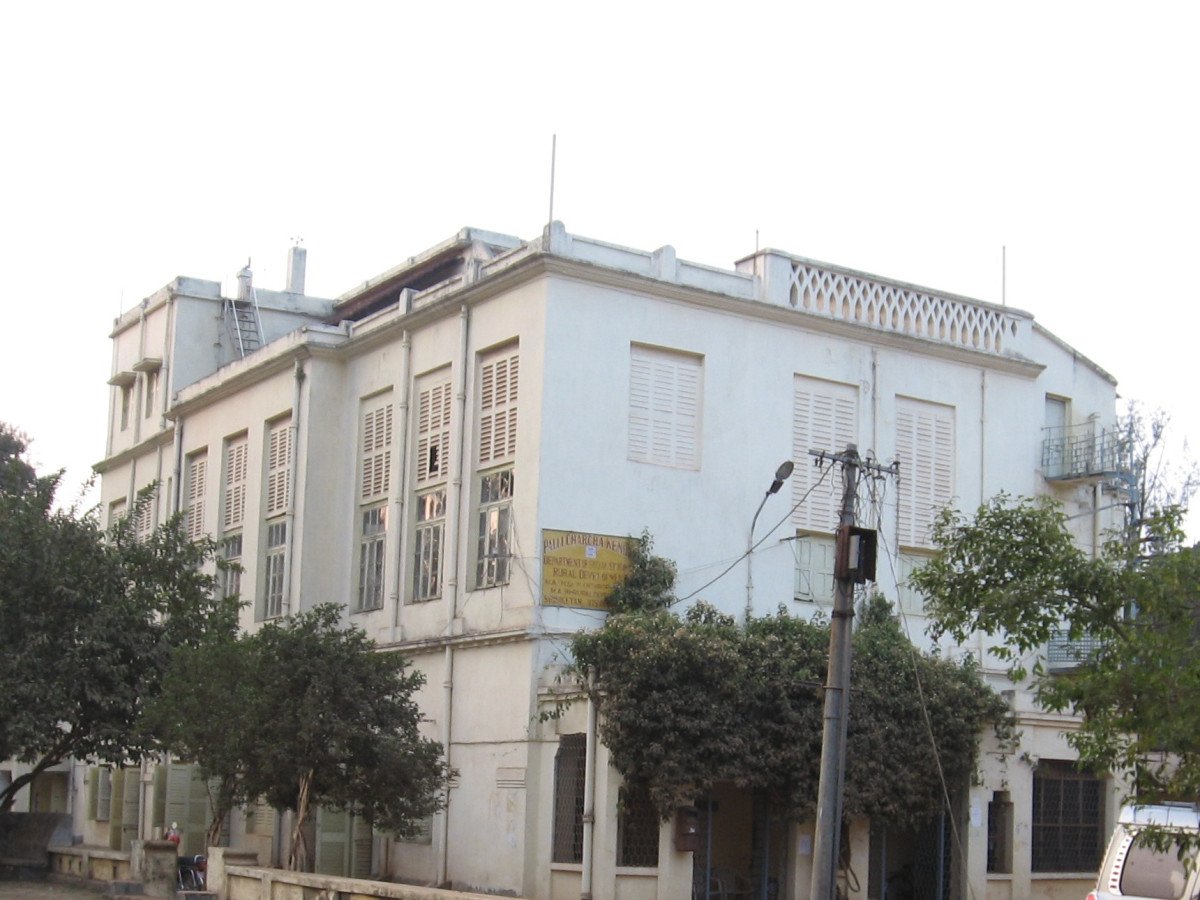
Upasana Griha, widely known as the Kanch Mandir or Glass Temple, is a majestic prayer hall located within the hallowed grounds of the Santiniketan Ashram. It was commissioned by Maharshi Debendranath Tagore, the father of the legendary poet Rabindranath Tagore, and was officially inaugurated in 1891. This spiritual sanctuary was built to provide a space for meditation and prayers following the principles of the Brahmo Samaj, which emphasizes the worship of one formless God without the use of idols or images. The hall is a symbol of the transition from traditional religious practices to a more universal and humanist spiritual philosophy. Surrounded by lush gardens and ancient trees, the building stands as a testament to the peaceful coexistence of man and nature, a core tenet of the Santiniketan way of life. For over a century, it has remained the heart of the university's spiritual activities, where students and teachers gather in white attire to seek inner peace through music and chanting. The atmosphere here is one of profound silence and grace, especially during the early morning and evening hours when the play of light creates a celestial ambiance. It is not just a building but a bridge between the material and spiritual worlds, reflecting the vision of a "world-nest" where humanity can unite. Visitors often find themselves moved by the simplicity and elegance of the structure, which avoids the heavy ornamentation of typical temples to focus on the clarity of the soul. The hall is meticulously maintained by the Visva-Bharati authorities and continues to hold a deep emotional significance for the local community and global admirers of Tagore's legacy. As a part of the UNESCO World Heritage site of Santiniketan, its historical and cultural value is unparalleled. Entering the vicinity of Upasana Griha is like stepping back in time to an era of intellectual and spiritual awakening, where every pane of glass tells a story of reform, art, and devotion. It remains the most iconic landmark in the Bolpur region, drawing thousands who seek a moment of quiet reflection amidst the vibrant cultural tapestry of Bengal. :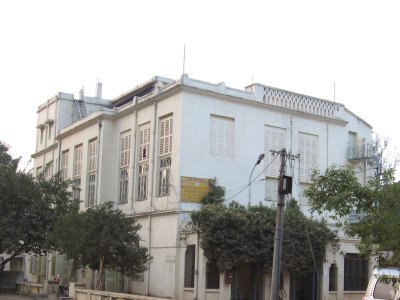 Sriniketan, meaning "Abode of Prosperity," is the second campus of **Visva-Bharati University**, located a short distance from the main Shantiniketan area. It was established in **1922** by **Rabindranath Tagore** with the help of **Leonard Knight Elmhirst** as the **Institute of Rural Reconstruction (IRR)**. The core philosophy of Sriniketan is to bridge the gap between education and practical rural life. Tagore believed that the upliftment of rural India was essential for the nation's progress, and this center was created to facilitate socio-economic development in the surrounding villages. It focuses on practical education related to **agriculture**, **handicrafts**, **cottage industries**, **rural health**, and **adult education**. The institutions here, like **Palli Siksha Bhavana** (Institute of Agriculture) and **Siksha-Satra** (school for village children), aim to provide skills and knowledge that villagers can use to solve their own problems, aligning education directly with community welfare. The focus remains on sustainable development and preserving local arts and crafts, making it a living monument to Tagores holistic vision. It acts as an administrative and developmental hub for the region, fostering self-reliance and community engagement. ***
 Sangeet Bhavana, established in **1934** as a separate entity from Kala Bhavana, is the music, dance, and drama institute of **Visva-Bharati University**. It embodies Rabindranath **Tagore's** vision of integrating education with artistic and cultural expression. The institution focuses on preserving and propagating the unique style of music known as **Rabindra Sangeet** (Tagore's songs), which is a blend of various classical and folk forms. Beyond **Rabindra Sangeet**, the institute provides comprehensive training in Hindustani classical vocal and instrumental music (like the *esraj*, *sitar*, *tabla*), as well as traditional Indian dance forms such as **Manipuri** and **Kathakali**, and **Tagore's** innovative dance-dramas (*Rabindra Nritya Natya*). The campus atmosphere is one of profound cultural immersion, where students are not just taught techniques but are also encouraged towards creative exploration and blending of traditional and modern artistic ideas. The institute plays a vital role in all major cultural events of **Shantiniketan**, including **Basanta Utsav** (Spring Festival) and **Poush Mela** (Harvest Festival), making it a living monument to **Tagore's** artistic philosophy. Its goal is to foster a holistic education where the arts are central to human development. The tranquil environment of **Shantiniketan** provides the perfect backdrop for this focus on the performing arts, continuing **Tagore's** legacy of cultural renaissance.Show All
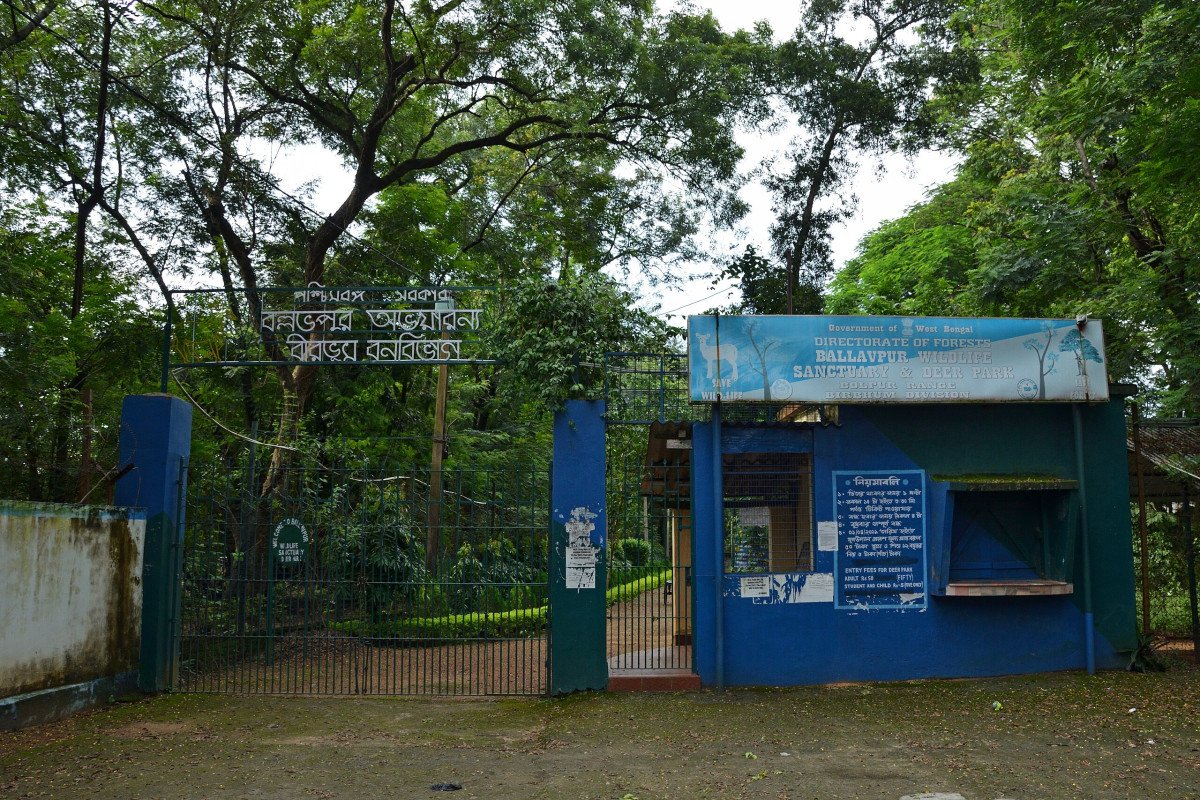
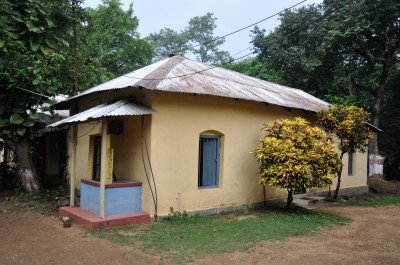 Established in 1977, the Ballavpur Wildlife Sanctuary, popularly known as the Deer Park, is a lush expanse of greenery spanning nearly 200 hectares. This sanctuary was born out of a reforestation project on the eroded "Khoai" land, successfully transforming a barren patch into a thriving ecosystem. Today, it serves as a critical habitat for a large population of Spotted Deer (Cheetal) and the majestic Blackbuck. The sanctuary is characterized by dense forests of Sal, Piyal, and Cashew trees, providing a cool canopy even in the height of summer. Beyond the deer, the park is home to three large water bodies (Jheels) that act as a sanctuary for migratory birds during the winter months. Visitors can often spot waterfowls, kingfishers, and egrets near these lakes. The sanctuary is not just a wildlife hub but also a place for quiet reflection, echoing Rabindranath Tagore's philosophy of co-existing with nature. The walking trails are well-marked, allowing tourists to explore the woods at a leisurely pace. It is a vital spot for biodiversity conservation in the Birbhum district. The presence of resident animals like jackals, foxes, and monitor lizards adds to the wilderness experience. For those visiting Santiniketan, this park offers a refreshing break from the academic and cultural tours, providing a direct connection with the natural world. The sanctuary's management focuses on habitat protection and species management, making it an IUCN Category IV protected area. The tranquil atmosphere, broken only by the chirping of birds or the rustle of leaves, makes it a favorite for nature lovers and families seeking a peaceful outing.
Hotels
● The Creek Resort & Spa
Address: Bolpur, Shantiniketan, West Bengal
Distance:
Details: Offers spacious, well-maintained rooms with balconies, an outdoor swimming pool, free WiFi, on-site restaurant, and proximity to the Kopai River, maki...
Best Resort In Shantiniketan
● Hotel Royal Bengal
Address: Bolpur, Shantiniketan, West Bengal
Distance:
Details: Conveniently located near the city centre, this 3-star hotel offers clean rooms, a relaxing pool, a restaurant, and easy access to local markets and a...
Bolpur Shantiniketan Hotels
● Hotel Chaitrangada
Address: Bolpur, Shantiniketan, West Bengal
Distance:
Details: A highly-rated budget hotel offering couple-friendly accommodation, clean rooms, and a convenient location near the university. Features free cancella...
Budget Hotels In Shantiniketan
● The Knight Resort
Address: Bolpur, Shantiniketan, West Bengal
Distance:
Details: A well-rated property offering comfortable rooms, a restaurant, and excellent service. Known for its peaceful environment and accessibility, making it...
Hotels In Shantiniketan
● Prokriti Bon Bungalow
Address: Bolpur, Shantiniketan, West Bengal
Distance:
Details: Located just 0.5 km from the university, this property offers a peaceful stay with WiFi, an on-site restaurant, and comfortable, simple rooms, making ...
Hotels Near Visva Bharati University
● Mohor Kutir Resorts
Address: Bolpur, Shantiniketan, West Bengal
Distance:
Details: Spacious rooms, cultural activities, scenic landscape, fine dining restaurant, conference halls, lush gardens, parking, excellent service, peaceful en...
Luxury Resorts In Shantiniketan
● Rangamati Garden Resort
Address: Bolpur, Shantiniketan, West Bengal
Distance:
Details: Swimming pool, kids play area, multi-cuisine restaurant, lush lawns, conference hall, air-conditioned rooms, WiFi, ample parking, nature trails, laund...
Resorts In Bolpur Shantiniketan
● Megh Balika Family Homestay
Address: Santiniketan, West Bengal
Distance:
Details: Free breakfast, swimming pool, WiFi, garden view, family-friendly, parking, cozy rooms, home-cooked food, authentic experience, peaceful location....
Shantiniketan Homestay
● Hotel Royal Bengal
Address: Santiniketan, West Bengal
Distance:
Details: 3-star amenities, restaurant, pool, garden, WiFi, parking, spacious rooms, air conditioning, central, housekeeping....
Shantiniketan Hotel Booking
● Mark & Meadows
Address: Santiniketan, West Bengal
Distance:
Details: Tourism-focused, central location, parking, WiFi, comfortable rooms, dining, housekeeping, tour assistance, traditional, peaceful....
Shantiniketan Tourism Hotel
Show AllInformation
-
Why Famous:
Why Famous Place: Shantiniketan is famous primarily as the home of Rabindranath Tagore, the first non-European to win the Nobel Prize in Literature.
A Global University: It houses Visva-Bharati, a central university that redefined education ...Why Famous Place: Shantiniketan is famous primarily as the home of Rabindranath Tagore, the first non-European to win the Nobel Prize in Literature.
A Global University: It houses Visva-Bharati, a central university that redefined education by moving it outdoors.
Cultural Hub: The town is the birthplace of Rabindra Sangeet and is a significant center for Baul music.
UNESCO Heritage: Its recent inclusion in the UNESCO World Heritage list has solidified its status as a site of outstanding universal value.
Artistic Excellence: It is a cradle for modern Indian art, featuring the iconic sculptures of Ramkinkar Baij and murals of Nandalal Bose, making it a pilgrimage for art lovers worldwide. : -
Architecture:
Place Architecture: The architecture of Shantiniketan is an experimental blend of traditional Bengali styles, rural mud-house designs, and international influences.
Dimensions and Key Structures: The Upasana Griha (Prayer Hall) is a masterpi...Place Architecture: The architecture of Shantiniketan is an experimental blend of traditional Bengali styles, rural mud-house designs, and international influences.
Dimensions and Key Structures: The Upasana Griha (Prayer Hall) is a masterpiece built in 1863, measuring approximately 60 feet by 30 feet. It is famous for its multicolored Belgian stained glass and intricate marble flooring. The Uttarayan Complex features five distinct houses: Udayan, Konark, Shyamali, Udichi, and Punascha. Shyamali is a unique mud-walled house designed to remain cool in summer, featuring exterior reliefs by Ramkinkar Baij. The Kala Bhavana and Sangeet Bhavana structures are adorned with stunning frescoes and murals. Singha Sadan, the clock tower, stands as a symbol of the university's discipline. The use of local materials like laterite stone, coal tar, and mud reflects Tagore's philosophy of sustainable and organic construction that merges seamlessly with the natural landscape. : -
How To Reach:
Place How to Reach: Shantiniketan is well-connected by multiple modes of transport.
By Air: The nearest major airport is Netaji Subhash Chandra Bose International Airport in Kolkata, located about 160 km away. From the airport, one can hire...Place How to Reach: Shantiniketan is well-connected by multiple modes of transport.
By Air: The nearest major airport is Netaji Subhash Chandra Bose International Airport in Kolkata, located about 160 km away. From the airport, one can hire a pre-paid taxi or take a train from Howrah or Sealdah.
By Train: The nearest railway station is Bolpur Shantiniketan (BHP). Several express trains like the Shantiniketan Express, Saraighat Express, and Kavi Guru Express run daily from Howrah and Sealdah stations in Kolkata. The journey takes approximately 2. 5 to 3 hours.
By Road: The town is well-connected by a good network of roads. From Kolkata, it is a scenic drive of about 4 hours via the NH19 (formerly NH2) and Panagarh-Ilambazar road. State-run SBSTC buses also operate regularly from Esplanade and Karunamoyee in Kolkata.
By Local Transport: Once in Bolpur, the most popular way to get around is by eco-friendly electric rickshaws (Totos) and traditional cycle rickshaws. Private taxis are also available for full-day sightseeing tours to nearby attractions. : -
Weather and Best Time to Visit:
Place Best Time to Visit: The best time to visit Shantiniketan is during the Winter season, from October to March, when the weather is pleasant and cool, perfect for walking tours.
Summer: April to June can be very hot and dry, with temperat...Place Best Time to Visit: The best time to visit Shantiniketan is during the Winter season, from October to March, when the weather is pleasant and cool, perfect for walking tours.
Summer: April to June can be very hot and dry, with temperatures exceeding 40°C, making it less ideal for sightseeing.
Monsoon: July to September brings lush greenery and a romantic atmosphere, though heavy rains might restrict outdoor movement.
Season Peaks: December is the busiest month due to Poush Mela, and March attracts crowds for Basanta Utsav.
Part of Day: Early mornings are magical for hearing the campus bells and birds, while evenings are best for the Sonajhuri forest. : -
Near Tourist Places:
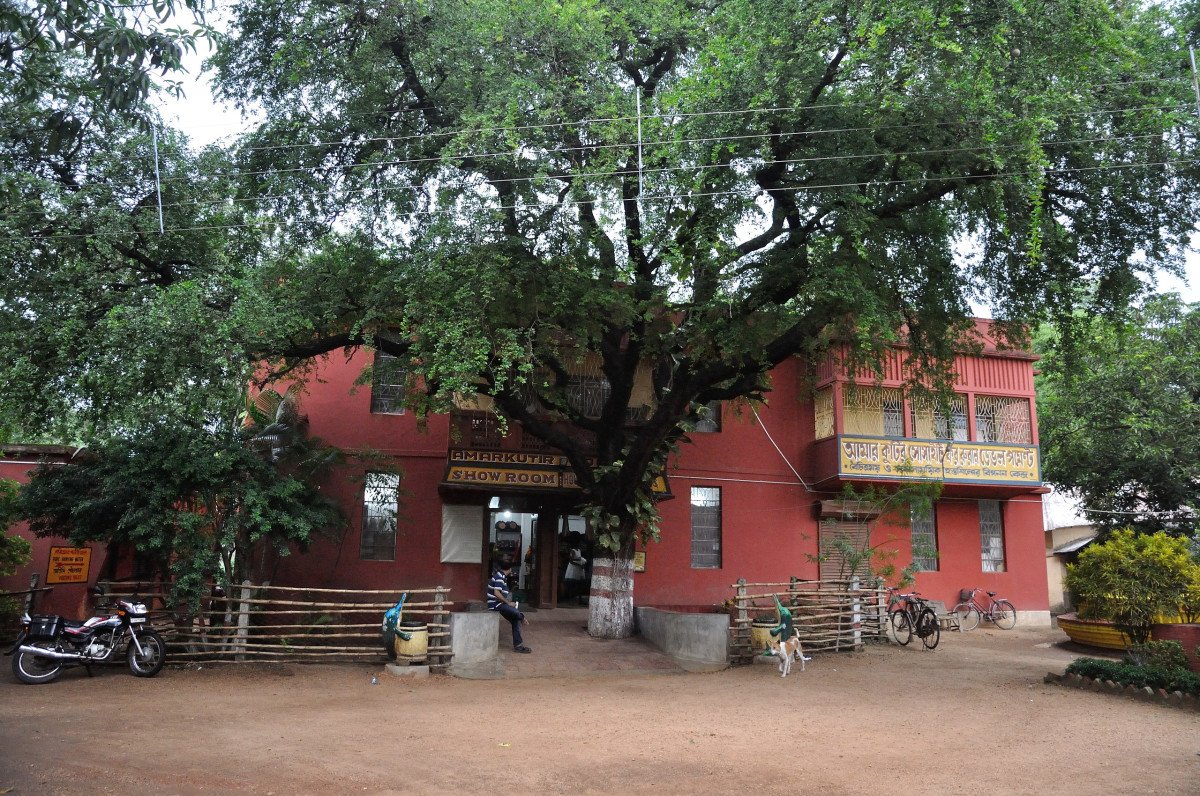
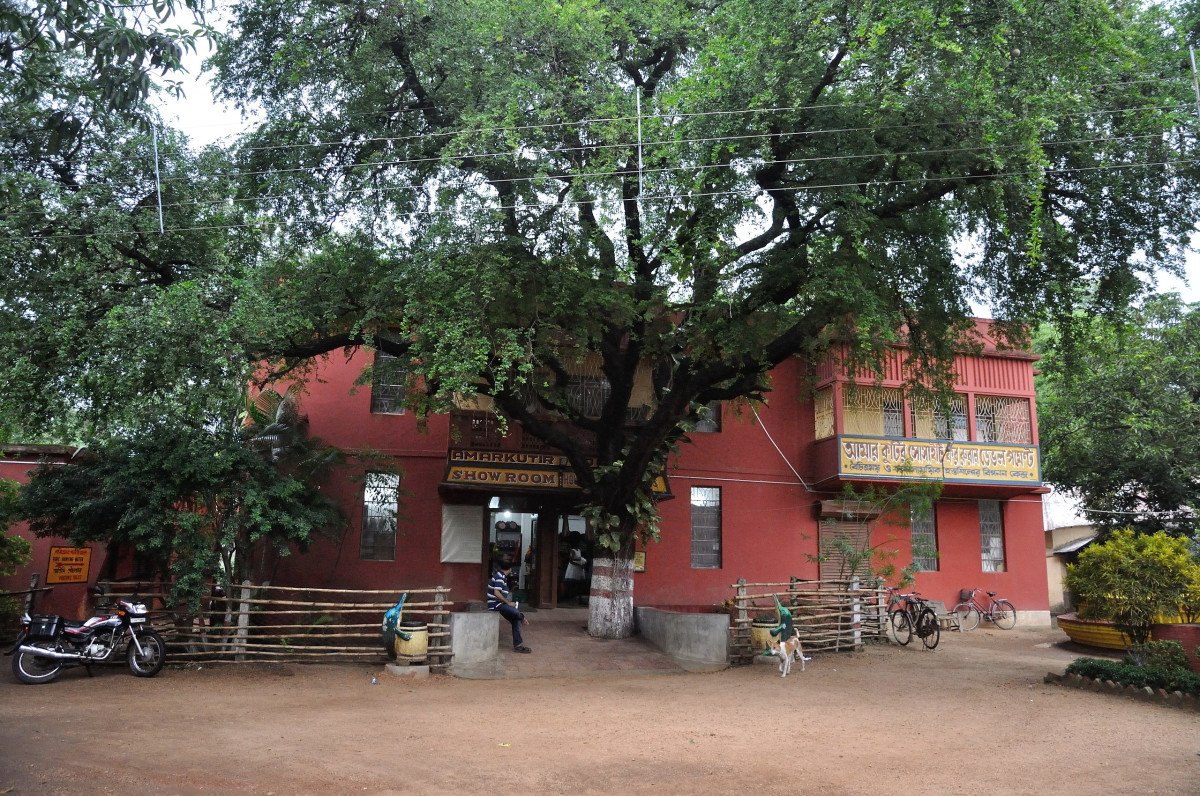
Bolpur (2 km), Kopai River (5 km), Amar Kutir (4 km), Kankalitala Temple (7 km), Ballavpur Wildlife Sanctuary (3 km), Srijani Shilpagram (3 km), Nanoor (20 km), Fullara (35 km), Tarapith (88 km), Bakreshwar (70 km)
Tourism Tips
-
Place Tourism Tips: Shantiniketan is a place of learning and culture, so dress modestly and respect the university’s rules.
Health & Safety: Carry a water bottle and sun protection (hat/umbrella) as you will be walking a lot. The area is ...Place Tourism Tips: Shantiniketan is a place of learning and culture, so dress modestly and respect the university’s rules.
Health & Safety: Carry a water bottle and sun protection (hat/umbrella) as you will be walking a lot. The area is generally very safe for solo travelers.
Packing: Light cotton clothes are best for most of the year, but carry a light jacket for Winter evenings.
Accommodation: Options range from budget guest houses to boutique resorts like The Garden Bungalow or Mohor Kutir. Book well in advance if visiting during festival seasons.
Other Topics: Avoid loud music and littering on the campus to maintain the "abode of peace" vibe. Learning a few basic Bengali phrases can enhance your interaction with local artisans. :
Reviews
FAQs
Shantiniketan Itineray And Cost:-
Information about New and Updated Locations() of West Bengal Has Been Added :-
Card subtitle
Note:-
Information provided here in good Faith and for reference only.
All information and pictures will be updated soon, please keep visiting.
Near Places
Bakkhali
Some quick example text to build on the card title and make up the bulk of the card's content.
Go somewhere
Bankura
Some quick example text to build on the card title and make up the bulk of the card's content.
Go somewhere
Bishnupur
Some quick example text to build on the card title and make up the bulk of the card's content.
Go somewhere
Cooch Behar
Some quick example text to build on the card title and make up the bulk of the card's content.
Go somewhere
Darjeeling
Some quick example text to build on the card title and make up the bulk of the card's content.
Go somewhere
Digha
Some quick example text to build on the card title and make up the bulk of the card's content.
Go somewhere
Dooars
Some quick example text to build on the card title and make up the bulk of the card's content.
Go somewhere
Kalimpong
Some quick example text to build on the card title and make up the bulk of the card's content.
Go somewhere
Kolkata
Some quick example text to build on the card title and make up the bulk of the card's content.
Go somewhere
Kurseong
Some quick example text to build on the card title and make up the bulk of the card's content.
Go somewherein Other Cities