Purulia
General information
-
Ideal Duration:
3 to 4 DaysPlace Type:
Nature, Culture, and HeritageEntry Fees:
Place Entry Fees: Most natural spots in Purulia do not have an entry fee.
Museums and Parks: Small fees of around Rs.10 to Rs.30 may be charged at places like the Science Park or specific garden areas.
Historical Si...Place Entry Fees: Most natural spots in Purulia do not have an entry fee.
Museums and Parks: Small fees of around Rs.10 to Rs.30 may be charged at places like the Science Park or specific garden areas.
Historical Sites: Ancient temples like Banda Deul or Deulghata are free to enter as they are protected monuments.
Cultural Shows: If you are watching a private Chhau dance performance, you might need to contribute to the local group or pay a ticket fee of around Rs.100 to Rs.200 depending on the event.
Dam Areas: Some dam areas might charge a small parking fee of Rs.20 for cars. Generally, Purulia is a very budget-friendly destination for all kinds of travelers :Timing:
Place Timings:
Regular Timings: Most tourist spots like hills, waterfalls, and dams are open from 6:00 AM to 6:00 PM. It is not safe to be in the forest areas after dark.
Museums and Forts: These typically o...Place Timings:
Regular Timings: Most tourist spots like hills, waterfalls, and dams are open from 6:00 AM to 6:00 PM. It is not safe to be in the forest areas after dark.
Museums and Forts: These typically open at 10:00 AM and close by 5:00 PM.
Ideal Visit Time: The best time to start your day is early in the morning, around 7:00 AM, to avoid the heat and see the best light for photos. Sunsets are usually around 5:30 PM, which is the perfect time to be at a lakeside like Baranti or Murguma. It is recommended to reach your hotel or resort by 7:
00 PM as the village roads are not very well lit :Special Events:
Place Special Event: The most significant special event in Purulia is the Poush Mela and the various Chhau festivals held during the spring.
Tusu Festival: This is a major harvest festival celebrated in the month of January. Women sing trad...Place Special Event: The most significant special event in Purulia is the Poush Mela and the various Chhau festivals held during the spring.
Tusu Festival: This is a major harvest festival celebrated in the month of January. Women sing traditional Tusu songs and carry colorful handmade structures to the rivers.
Bandna Festival: Celebrated during the time of Kali Puja, this is a festival where people worship their cattle and paint their houses with Sohrai art. It is a very colorful time with a lot of music and dancing.
Shikar Utsav: This is a traditional hunting festival held by the tribal communities on the full moon night of the Baisakh month (usually April or May). It is a deep-rooted cultural event that shows the community's bond with the forest :Best Photo Spots:
Place Best Photo Spots: Purulia offers breathtaking views for every kind of photographer.
Marble Lake: This is perhaps the most famous spot. The contrast of the white rocks and the deep blue water creates a stunning background.Place Best Photo Spots: Purulia offers breathtaking views for every kind of photographer.
Marble Lake: This is perhaps the most famous spot. The contrast of the white rocks and the deep blue water creates a stunning background.
Ajodhya Hilltop: The panoramic view from the top, especially during sunrise, is magical.
Palash Blooms: During February and March, any road lined with Palash trees becomes a perfect spot for portraits.
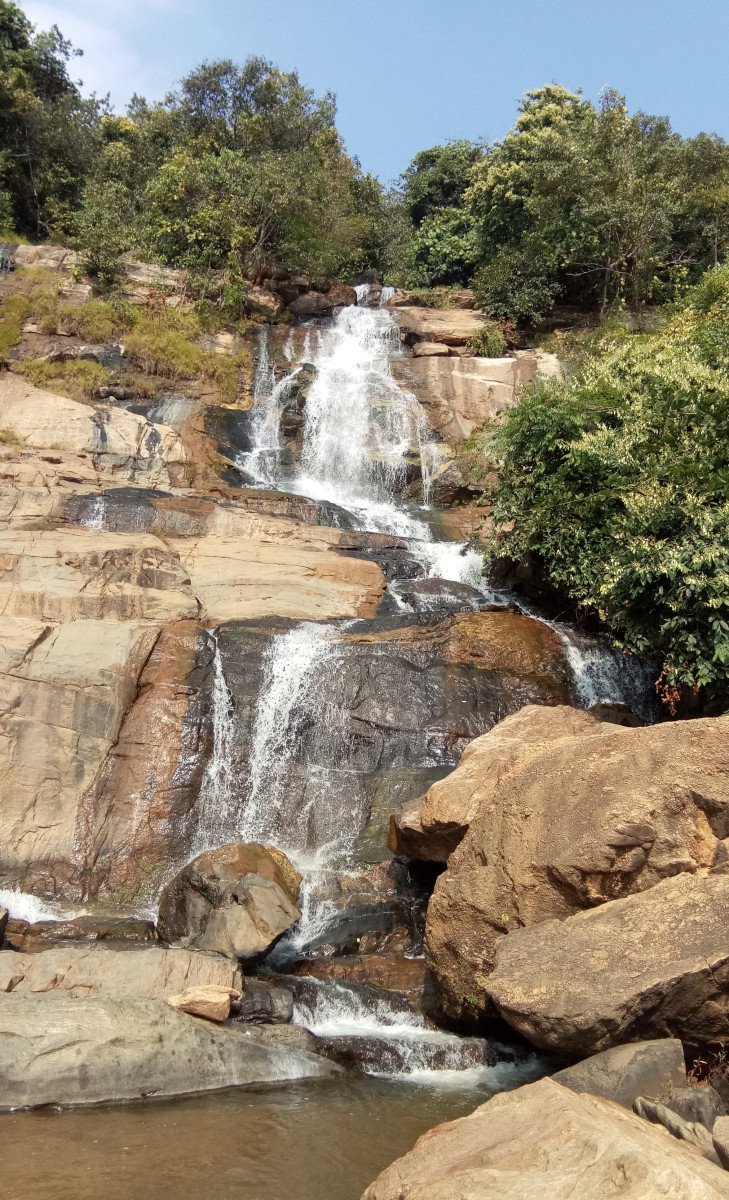
Bamni Falls: The greenery and the moving water are great for long-exposure shots.
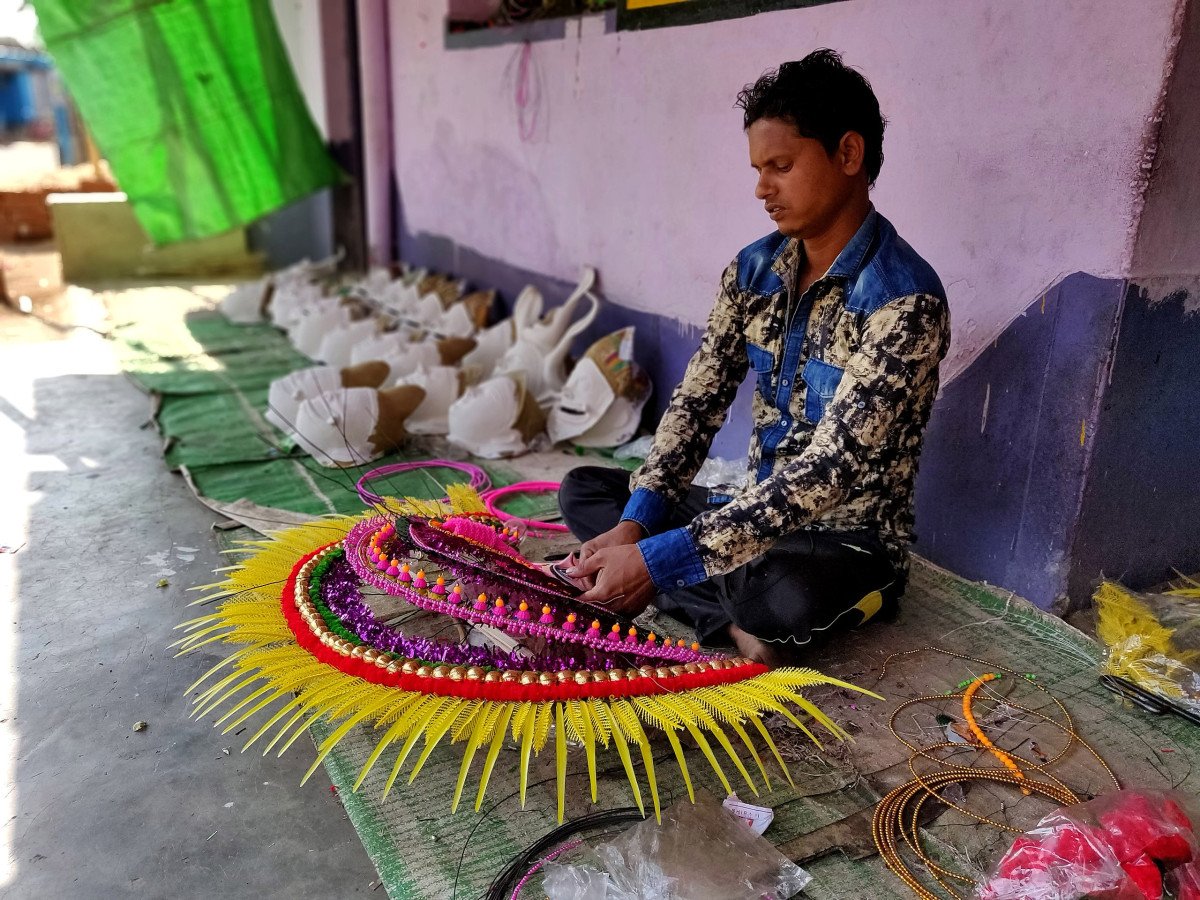
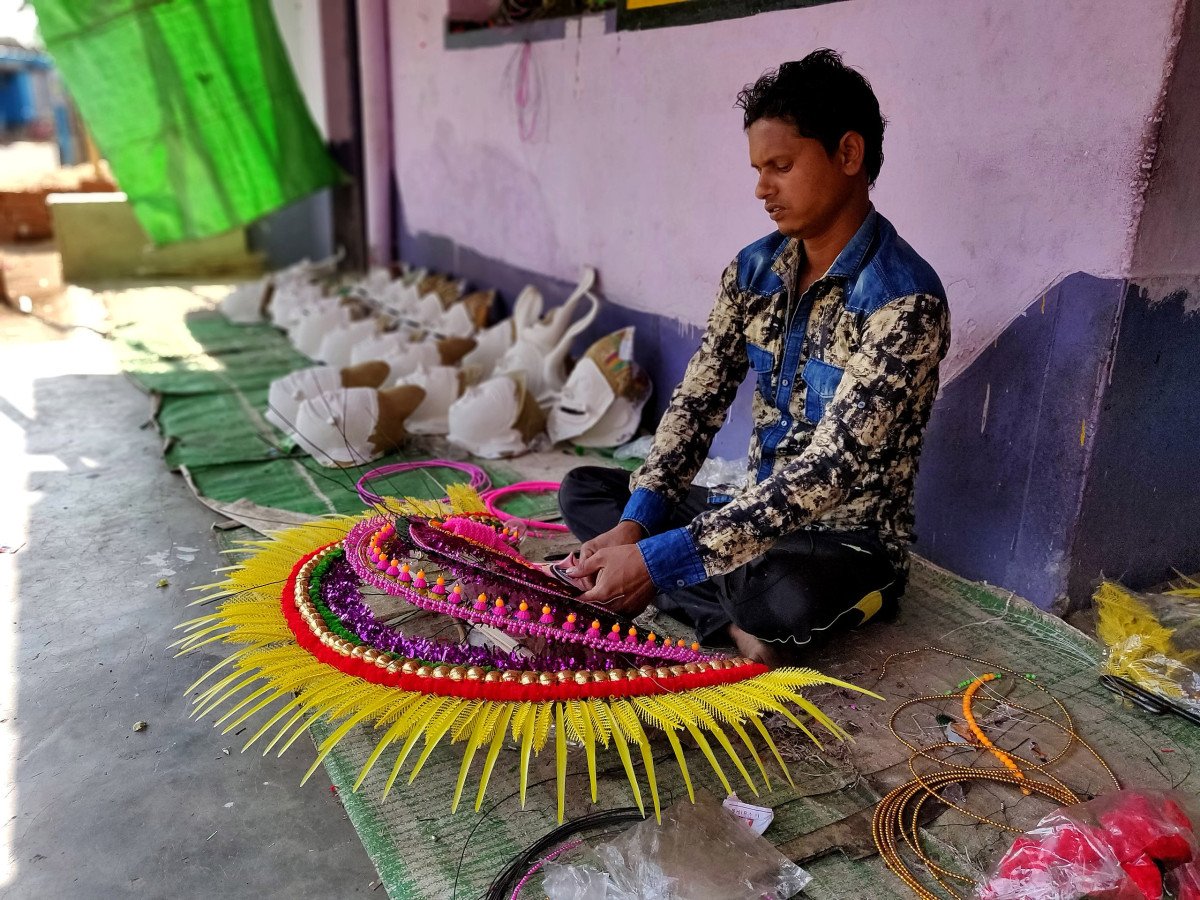
Charida Village: Photographing the artisans at work with their bright paints and giant masks provides great cultural shots.
Garh Panchkot: The old ruins covered in vines look very dramatic and historical in photos.
Sunset at Baranti: The way the sun dips behind the small hillocks and reflects on the lake is perfect for landscape photography. These spots ensure you go home with a gallery full of memories :Photo Gallery

Things To Do
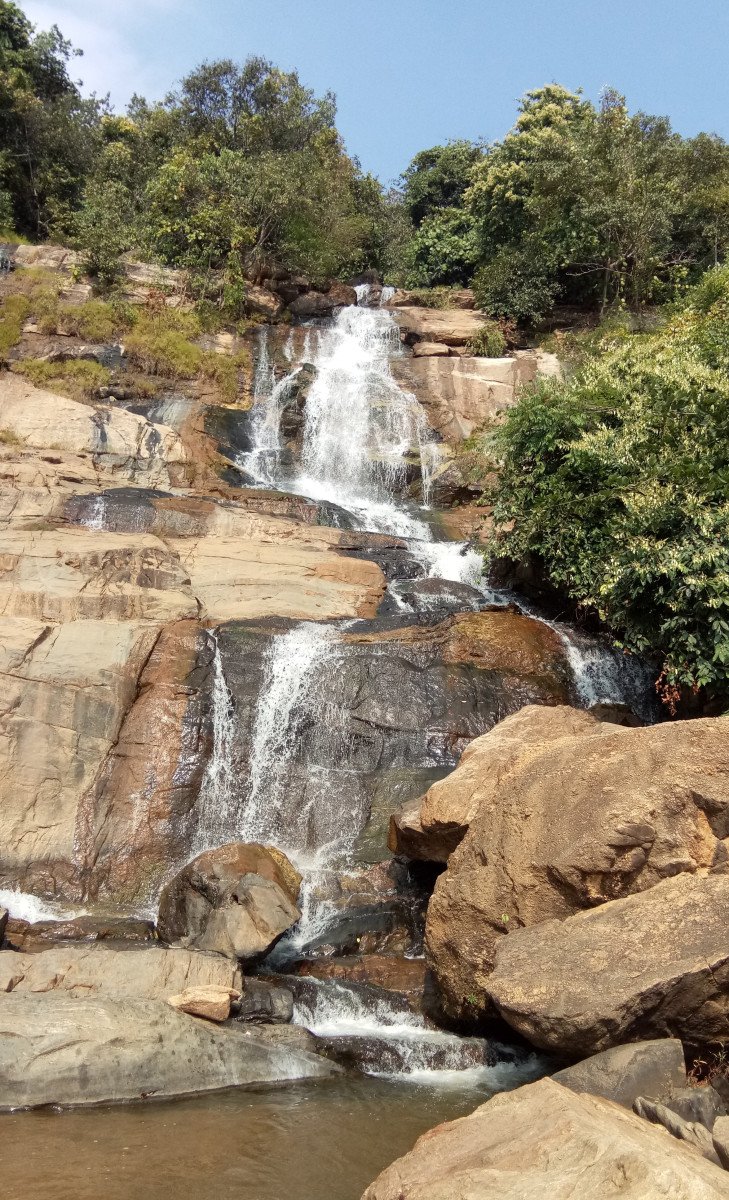
 Tugga Dam (often spelled Turga) is part of the dual-dam system designed for the Purulia Pumped Storage Project. It is located just below the Turga Falls, and the two are often visited together. The dam creates a vast reservoir that stores water pumped from the lower levels to generate electricity during peak hours. The landscape here is dramatic, with the water crashing down from the rocks into a deep pool before settling into the calm reservoir. The surrounding terrain is rugged and covered with dense vegetation, making it a favorite for trekkers. During the monsoon, the dam's surroundings transform into a vibrant green paradise, and the sound of the nearby waterfall resonates through the valley. It is an engineering marvel that blends seamlessly with the natural beauty of the Chota Nagpur Plateau. The area is also significant for its biodiversity, with various species of butterflies and insects found in the moist forest patches near the water.
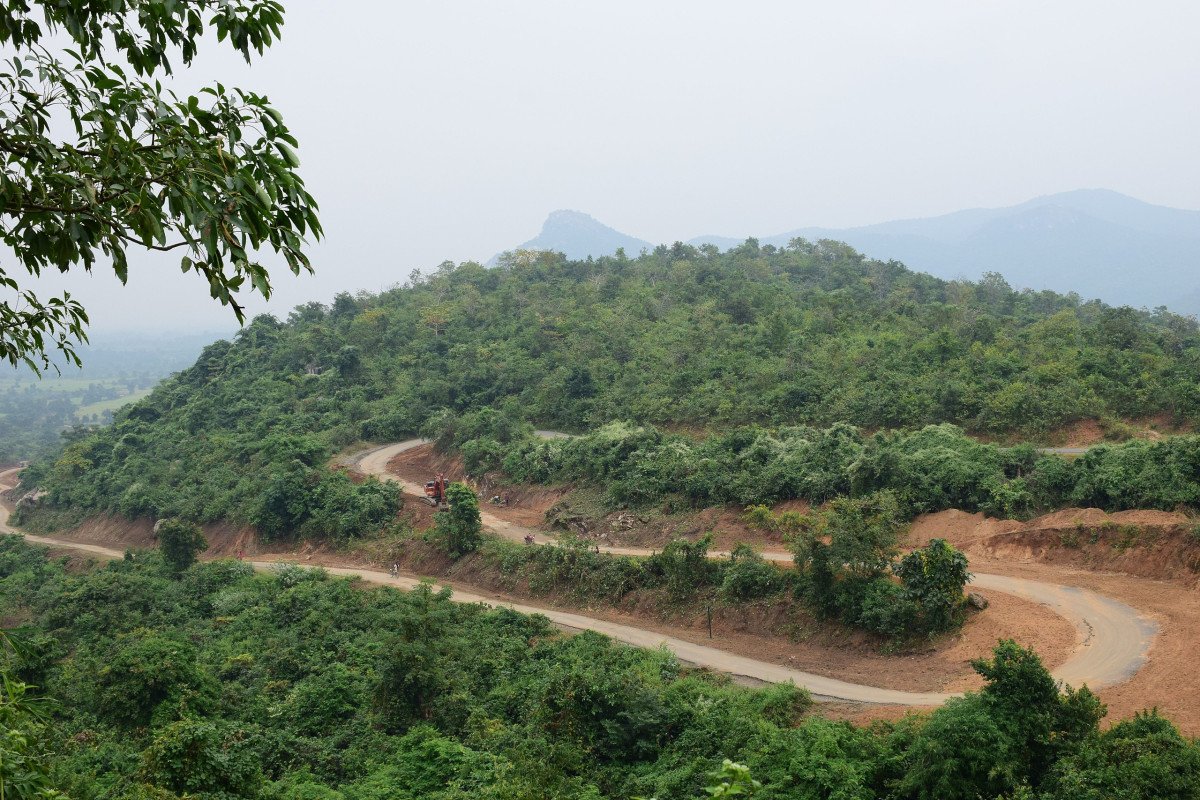
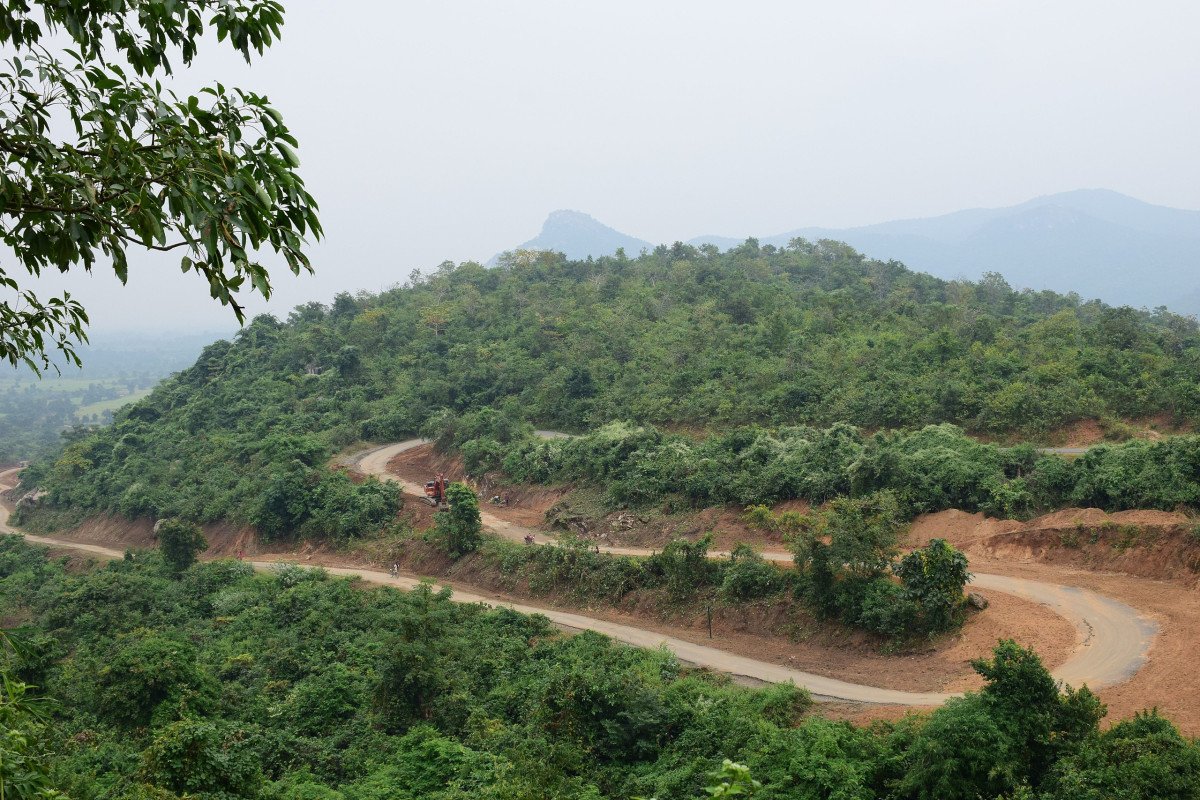
The Ajodhya Pahar Hairpin View Point is located on the steep incline of the hills as one ascends from the Bagmundi side. This specific point is famous for its sharp "U" shaped bends that offer a thrilling driving experience and a unique photographic perspective of the road architecture. From this vantage point, one can see the road snaking through the dense green canopy of the forest below. The engineering of these roads is a testament to mountain connectivity in the Purulia district. The air here is noticeably cooler than in the plains, and the scent of wild eucalyptus and sal trees fills the atmosphere. It serves as a popular pitstop for bikers and road-trippers who want to capture the essence of a mountain journey. The viewpoint provides a vertical perspective of the landscape, where you can see different layers of the forest and the valley floor simultaneously. During the monsoon, this area becomes a misty wonderland, with clouds often descending onto the road, creating a surreal driving experience. Small waterfalls often sprout along the rocky walls of the hairpins during heavy rains. It is a spot that represents the transition from the flatlands of Bengal to the rugged terrains of the Chota Nagpur highlands. The hairpin bends are also a favorite for drone photographers who wish to capture the geometric patterns of the road against the chaotic beauty of nature.
Saheb Bandh is a massive 50-acre man-made lake located in the heart of Purulia town, serving as a vital ecological lung and a major recreational hub. The lake's history dates back to the mid-19th century, specifically the year 1843, when it was commissioned by the British administrator Colonel Tikley. Interestingly, the lake was excavated over a period of five years by convicts as a means of providing a permanent source of drinking water to the local British residents and the town's population. Today, it has been designated as a National Sarovar due to its environmental importance. During the winter months of December and January, the lake transforms into a sanctuary for thousands of migratory birds that fly in from as far as Siberia, Baluchistan, and various parts of Europe. The sight of these avian visitors gliding over the water against the backdrop of a setting sun is one of the most serene experiences in the district. The lake is also known as Rishi Nibaran Sayer, named after the famous freedom fighter Nibaran Chandra Sen, whose statue stands nearby. Recent developmental projects by the Purulia Municipality have introduced Kashmiri Shikaras, bringing a touch of Dal Lake to this arid region of West Bengal. The periphery of the lake is adorned with well-laid concrete pathways, seating arrangements, and lush green gardens, making it the favorite spot for morning walkers and evening strollers. The water body also plays a crucial role in maintaining the local groundwater table in an area known for its parched summers. At the center of the lake lies a small, lush island that acts as a nesting ground for many local bird species. The cultural life of Purulia town revolves around this lake, where locals gather to celebrate festivals, engage in political discussions, or simply enjoy the cool breeze. The reflection of the city lights on the calm waters at night adds a modern charm to this historical reservoir. It stands as a perfect example of how a colonial-era utility project has evolved into a beloved natural heritage site for the modern generation.
Tugga Dam (often spelled Turga) is part of the dual-dam system designed for the Purulia Pumped Storage Project. It is located just below the Turga Falls, and the two are often visited together. The dam creates a vast reservoir that stores water pumped from the lower levels to generate electricity during peak hours. The landscape here is dramatic, with the water crashing down from the rocks into a deep pool before settling into the calm reservoir. The surrounding terrain is rugged and covered with dense vegetation, making it a favorite for trekkers. During the monsoon, the dam's surroundings transform into a vibrant green paradise, and the sound of the nearby waterfall resonates through the valley. It is an engineering marvel that blends seamlessly with the natural beauty of the Chota Nagpur Plateau. The area is also significant for its biodiversity, with various species of butterflies and insects found in the moist forest patches near the water.
The Ajodhya Pahar Hairpin View Point is located on the steep incline of the hills as one ascends from the Bagmundi side. This specific point is famous for its sharp "U" shaped bends that offer a thrilling driving experience and a unique photographic perspective of the road architecture. From this vantage point, one can see the road snaking through the dense green canopy of the forest below. The engineering of these roads is a testament to mountain connectivity in the Purulia district. The air here is noticeably cooler than in the plains, and the scent of wild eucalyptus and sal trees fills the atmosphere. It serves as a popular pitstop for bikers and road-trippers who want to capture the essence of a mountain journey. The viewpoint provides a vertical perspective of the landscape, where you can see different layers of the forest and the valley floor simultaneously. During the monsoon, this area becomes a misty wonderland, with clouds often descending onto the road, creating a surreal driving experience. Small waterfalls often sprout along the rocky walls of the hairpins during heavy rains. It is a spot that represents the transition from the flatlands of Bengal to the rugged terrains of the Chota Nagpur highlands. The hairpin bends are also a favorite for drone photographers who wish to capture the geometric patterns of the road against the chaotic beauty of nature.
Saheb Bandh is a massive 50-acre man-made lake located in the heart of Purulia town, serving as a vital ecological lung and a major recreational hub. The lake's history dates back to the mid-19th century, specifically the year 1843, when it was commissioned by the British administrator Colonel Tikley. Interestingly, the lake was excavated over a period of five years by convicts as a means of providing a permanent source of drinking water to the local British residents and the town's population. Today, it has been designated as a National Sarovar due to its environmental importance. During the winter months of December and January, the lake transforms into a sanctuary for thousands of migratory birds that fly in from as far as Siberia, Baluchistan, and various parts of Europe. The sight of these avian visitors gliding over the water against the backdrop of a setting sun is one of the most serene experiences in the district. The lake is also known as Rishi Nibaran Sayer, named after the famous freedom fighter Nibaran Chandra Sen, whose statue stands nearby. Recent developmental projects by the Purulia Municipality have introduced Kashmiri Shikaras, bringing a touch of Dal Lake to this arid region of West Bengal. The periphery of the lake is adorned with well-laid concrete pathways, seating arrangements, and lush green gardens, making it the favorite spot for morning walkers and evening strollers. The water body also plays a crucial role in maintaining the local groundwater table in an area known for its parched summers. At the center of the lake lies a small, lush island that acts as a nesting ground for many local bird species. The cultural life of Purulia town revolves around this lake, where locals gather to celebrate festivals, engage in political discussions, or simply enjoy the cool breeze. The reflection of the city lights on the calm waters at night adds a modern charm to this historical reservoir. It stands as a perfect example of how a colonial-era utility project has evolved into a beloved natural heritage site for the modern generation. Ayodhya Hills, known locally as Ayodhya Pahar, is not a single peak but a small plateau and a hill range forming the easternmost part of the Chota Nagpur Plateau. The highest peak in this range is Gorgaburu, standing tall at 677 meters, offering breathtaking panoramic views of the entire region. Geographically, this area is characterized by ancient crystalline rocks of the Chhotanagpur Granite Gneiss Complex, which have been sculpted by prolonged erosion over a billion years, resulting in the gentle slopes, steep waterfalls, and deep valleys seen today. The hills are covered in dry deciduous forests, predominantly Sal, Palash, and Mahua trees. The area holds significant mythological importance, primarily centered around Sita Kund, a natural spring believed to have been created by Lord Rama to quench Sita s thirst during their exile. This blend of natural grandeur and ancient Hindu legends makes it a spiritual as well as an ecological destination. The entire range is part of the Ajodhya Hill and Forest Reserve Area, serving as a hub for eco-tourism and adventure sports, most notably rock climbing and trekking. The plateau is home to several artificial dams and reservoirs, like the Upper and Lower Dams of the Purulia Pumped Storage Hydel Power Project (PPSP), which add to the scenic beauty by creating large, blue lakes amidst the rugged terrain. The best time to appreciate the Ayodhya Hills is during the winter months, from October to March, when the weather is cool and conducive for exploration. The area also hosts a rich tribal population, whose culture and handicrafts, particularly the Chhau masks made in the nearby village of Charida, form an integral part of the visitor experience.
@@Introduction: Matha Forest, also known by its local name Mathaburu, is a dense, sprawling forest reserve situated at the foothills of the Ajodhya Hills range. This area is widely regarded as one of the most beautiful and biodiverse regions in Purulia, serving as a vital ecosystem for regional flora and fauna. The name 'Matha' is derived from the hill that stands prominently within the forest, which locals revere as a sacred deity. The forest is a vibrant tapestry of Palash (Flame of the Forest), Kusum, Sal, and Mahua trees, which transform the landscape into a sea of red and orange during the spring months of February and March. Historically, this forest has been the home of various tribal communities, primarily the Santhals and Mundas, whose culture is deeply intertwined with the woods. The forest is famous for its trekking trails and rock climbing camps, attracting adventure enthusiasts who wish to experience the raw wilderness of the Chota Nagpur Plateau. As you walk through the shaded paths, the air is filled with the scent of wild flowers and the chirping of exotic birds. The terrain is undulating, with small seasonal streams cutting through the forest floor. Matha Forest also serves as an entry point for those ascending towards the Ajodhya Hill plateau, offering a different perspective compared to the main Baghmundi route. The presence of a forest rest house and various eco-resorts allows tourists to stay within the canopy, waking up to the sounds of nature. It is a place where time seems to slow down, and the hustle of urban life is replaced by the rustle of leaves and the distant beat of tribal drums. Whether it is the mystery of the dense woods or the thrill of climbing the Matha peak, the forest offers a sanctuary for the soul.
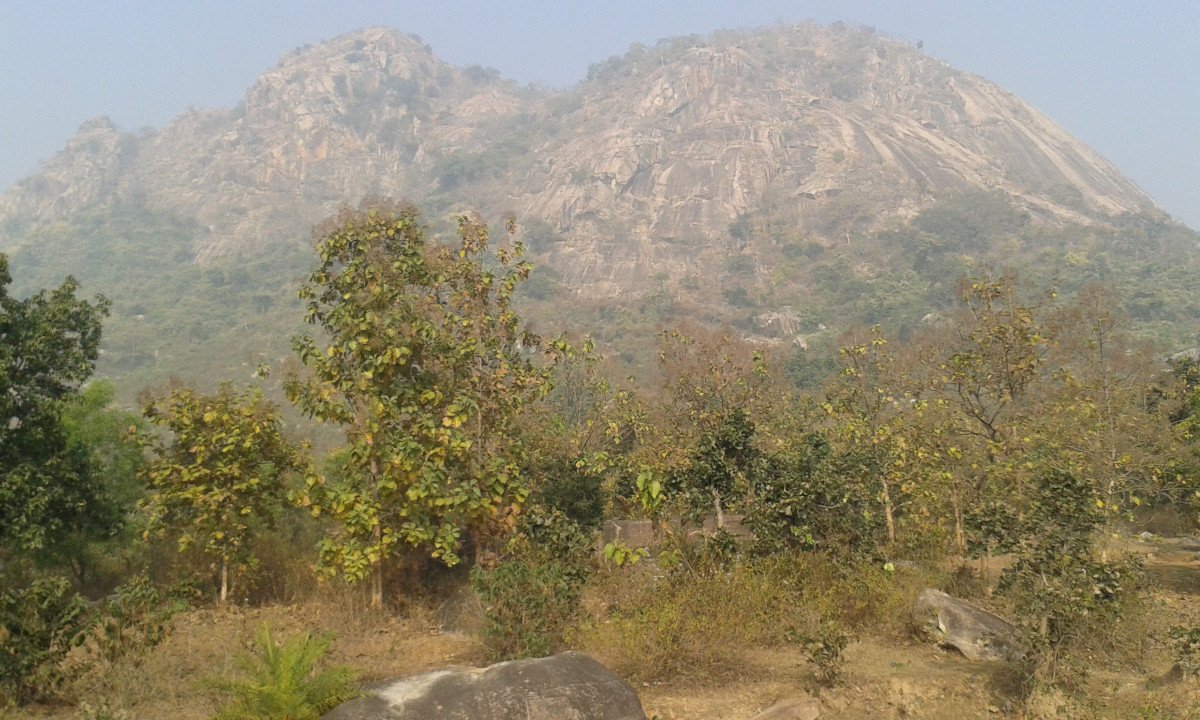
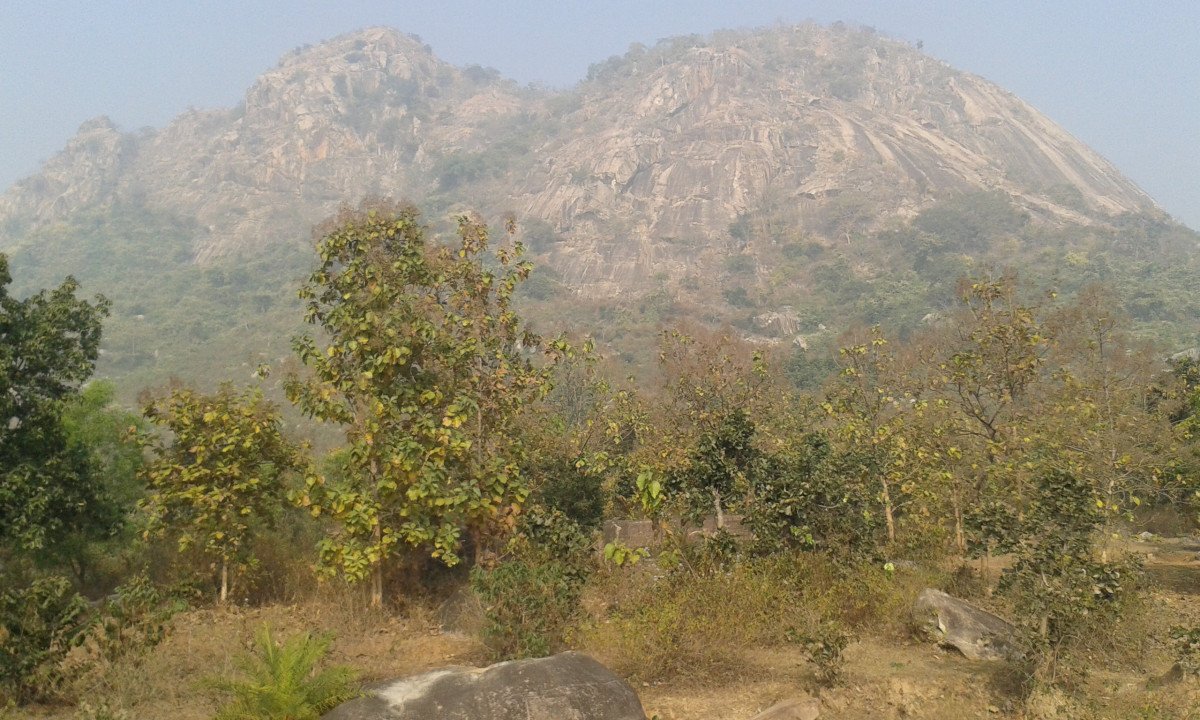
Ayodhya Hills, known locally as Ayodhya Pahar, is not a single peak but a small plateau and a hill range forming the easternmost part of the Chota Nagpur Plateau. The highest peak in this range is Gorgaburu, standing tall at 677 meters, offering breathtaking panoramic views of the entire region. Geographically, this area is characterized by ancient crystalline rocks of the Chhotanagpur Granite Gneiss Complex, which have been sculpted by prolonged erosion over a billion years, resulting in the gentle slopes, steep waterfalls, and deep valleys seen today. The hills are covered in dry deciduous forests, predominantly Sal, Palash, and Mahua trees. The area holds significant mythological importance, primarily centered around Sita Kund, a natural spring believed to have been created by Lord Rama to quench Sita s thirst during their exile. This blend of natural grandeur and ancient Hindu legends makes it a spiritual as well as an ecological destination. The entire range is part of the Ajodhya Hill and Forest Reserve Area, serving as a hub for eco-tourism and adventure sports, most notably rock climbing and trekking. The plateau is home to several artificial dams and reservoirs, like the Upper and Lower Dams of the Purulia Pumped Storage Hydel Power Project (PPSP), which add to the scenic beauty by creating large, blue lakes amidst the rugged terrain. The best time to appreciate the Ayodhya Hills is during the winter months, from October to March, when the weather is cool and conducive for exploration. The area also hosts a rich tribal population, whose culture and handicrafts, particularly the Chhau masks made in the nearby village of Charida, form an integral part of the visitor experience.
@@Introduction: Matha Forest, also known by its local name Mathaburu, is a dense, sprawling forest reserve situated at the foothills of the Ajodhya Hills range. This area is widely regarded as one of the most beautiful and biodiverse regions in Purulia, serving as a vital ecosystem for regional flora and fauna. The name 'Matha' is derived from the hill that stands prominently within the forest, which locals revere as a sacred deity. The forest is a vibrant tapestry of Palash (Flame of the Forest), Kusum, Sal, and Mahua trees, which transform the landscape into a sea of red and orange during the spring months of February and March. Historically, this forest has been the home of various tribal communities, primarily the Santhals and Mundas, whose culture is deeply intertwined with the woods. The forest is famous for its trekking trails and rock climbing camps, attracting adventure enthusiasts who wish to experience the raw wilderness of the Chota Nagpur Plateau. As you walk through the shaded paths, the air is filled with the scent of wild flowers and the chirping of exotic birds. The terrain is undulating, with small seasonal streams cutting through the forest floor. Matha Forest also serves as an entry point for those ascending towards the Ajodhya Hill plateau, offering a different perspective compared to the main Baghmundi route. The presence of a forest rest house and various eco-resorts allows tourists to stay within the canopy, waking up to the sounds of nature. It is a place where time seems to slow down, and the hustle of urban life is replaced by the rustle of leaves and the distant beat of tribal drums. Whether it is the mystery of the dense woods or the thrill of climbing the Matha peak, the forest offers a sanctuary for the soul.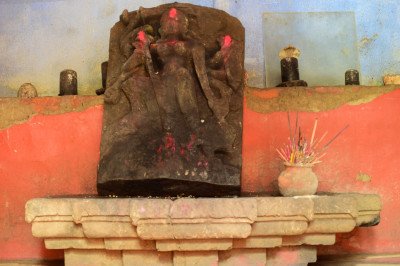 @@Detailed Overview: Deulghata, literally meaning "the land of temples," is one of the most significant archaeological sites in Purulia. Located on the banks of the Kangsabati (Kasai) River, it was once a flourishing center of religious and cultural activity between the 9th and 13th centuries. Historically, the region was part of the ancient Vajjabhumi and was a major hub for both Jainism and Hinduism. When the site was first documented in the 19th century by British explorer E.T. Dalton, there were several towering temples, but today only two majestic brick "Deuls" remain standing. A third major temple tragically collapsed in 2002. These temples were built during the reign of the Pala and Sena dynasties, and later patronized by local kings. The structures are famous for their intricate stucco work and terracotta designs, which depict various deities, floral patterns, and geometric motifs. The temples are dedicated to Lord Shiva, but the influence of Jaina architecture is clearly visible in their "Rekha Deul" (curvilinear tower) style. The site is scattered with ancient stone idols of Durga, Ganesha, and Tirthankaras, many of which are now housed in a small modern shed to protect them from the elements. The atmosphere at Deulghata is one of profound historical weight and quiet beauty. The river flowing nearby adds a serene backdrop to the crumbling red-brick structures. It is a place where time seems to have stood still, offering a glimpse into the sophisticated craftsmanship of ancient Bengal. Scholars believe that Deulghata was an important stop on an ancient trade route connecting the Chota Nagpur plateau with the plains of Bengal. Despite the decay, the surviving temples remain as tall sentinels of a forgotten era, attracting history buffs, photographers, and pilgrims who come to offer prayers at the ancient Shivalingam that still resides within the ruins. :
The Lohariya Temple (also known as Lahariya Shiva Mandir) is a significant religious and historical site located near the Lahariya Lake on the Ajodhya plateau. Dedicated to Lord Shiva, the temple is believed to be centuries old, with roots potentially going back to the Chero dynasty. The temple complex is a serene space where spirituality meets natural beauty. It is situated on the banks of a calm lake, which reflects the temple's structure and the surrounding greenery, creating a double image of peace. The atmosphere is filled with the scent of incense and the sound of temple bells. Devotees and tourists alike visit this place to seek blessings and enjoy the tranquility. The temple has undergone several renovations, but the foundation remains ancient. Surrounding the main shrine are smaller altars dedicated to other deities, forming a small religious cluster. The location is also a great spot for bird watching, as the lake attracts various avian species. It is a common sight to see local tribes performing rituals, providing a glimpse into the syncretic culture of the region where orthodox Hinduism and tribal traditions coexist. The temple serves as a communal hub during festivals, bringing together people from all the neighboring hill villages. It is a must-visit for those who want to experience the spiritual side of the Ajodhya Hills beyond the typical trekking and sightseeing.Show All
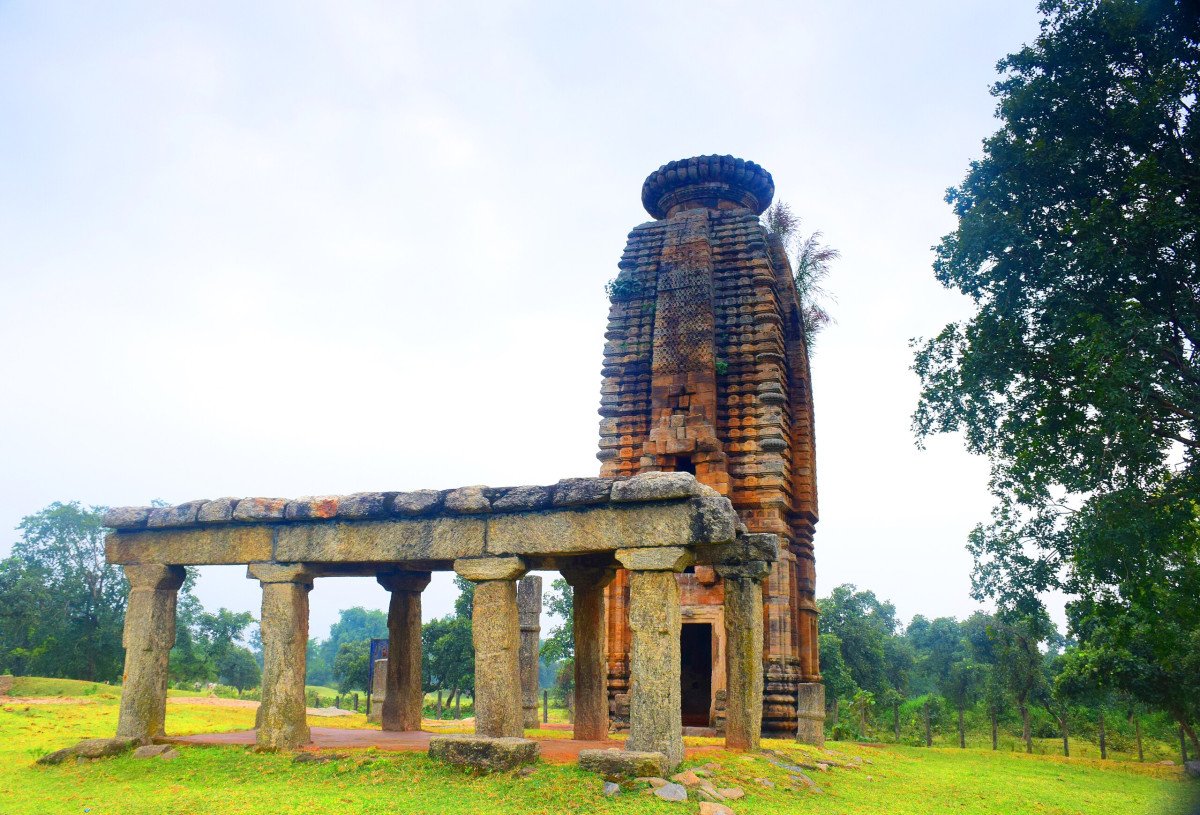
@@Detailed Overview: Deulghata, literally meaning "the land of temples," is one of the most significant archaeological sites in Purulia. Located on the banks of the Kangsabati (Kasai) River, it was once a flourishing center of religious and cultural activity between the 9th and 13th centuries. Historically, the region was part of the ancient Vajjabhumi and was a major hub for both Jainism and Hinduism. When the site was first documented in the 19th century by British explorer E.T. Dalton, there were several towering temples, but today only two majestic brick "Deuls" remain standing. A third major temple tragically collapsed in 2002. These temples were built during the reign of the Pala and Sena dynasties, and later patronized by local kings. The structures are famous for their intricate stucco work and terracotta designs, which depict various deities, floral patterns, and geometric motifs. The temples are dedicated to Lord Shiva, but the influence of Jaina architecture is clearly visible in their "Rekha Deul" (curvilinear tower) style. The site is scattered with ancient stone idols of Durga, Ganesha, and Tirthankaras, many of which are now housed in a small modern shed to protect them from the elements. The atmosphere at Deulghata is one of profound historical weight and quiet beauty. The river flowing nearby adds a serene backdrop to the crumbling red-brick structures. It is a place where time seems to have stood still, offering a glimpse into the sophisticated craftsmanship of ancient Bengal. Scholars believe that Deulghata was an important stop on an ancient trade route connecting the Chota Nagpur plateau with the plains of Bengal. Despite the decay, the surviving temples remain as tall sentinels of a forgotten era, attracting history buffs, photographers, and pilgrims who come to offer prayers at the ancient Shivalingam that still resides within the ruins. :
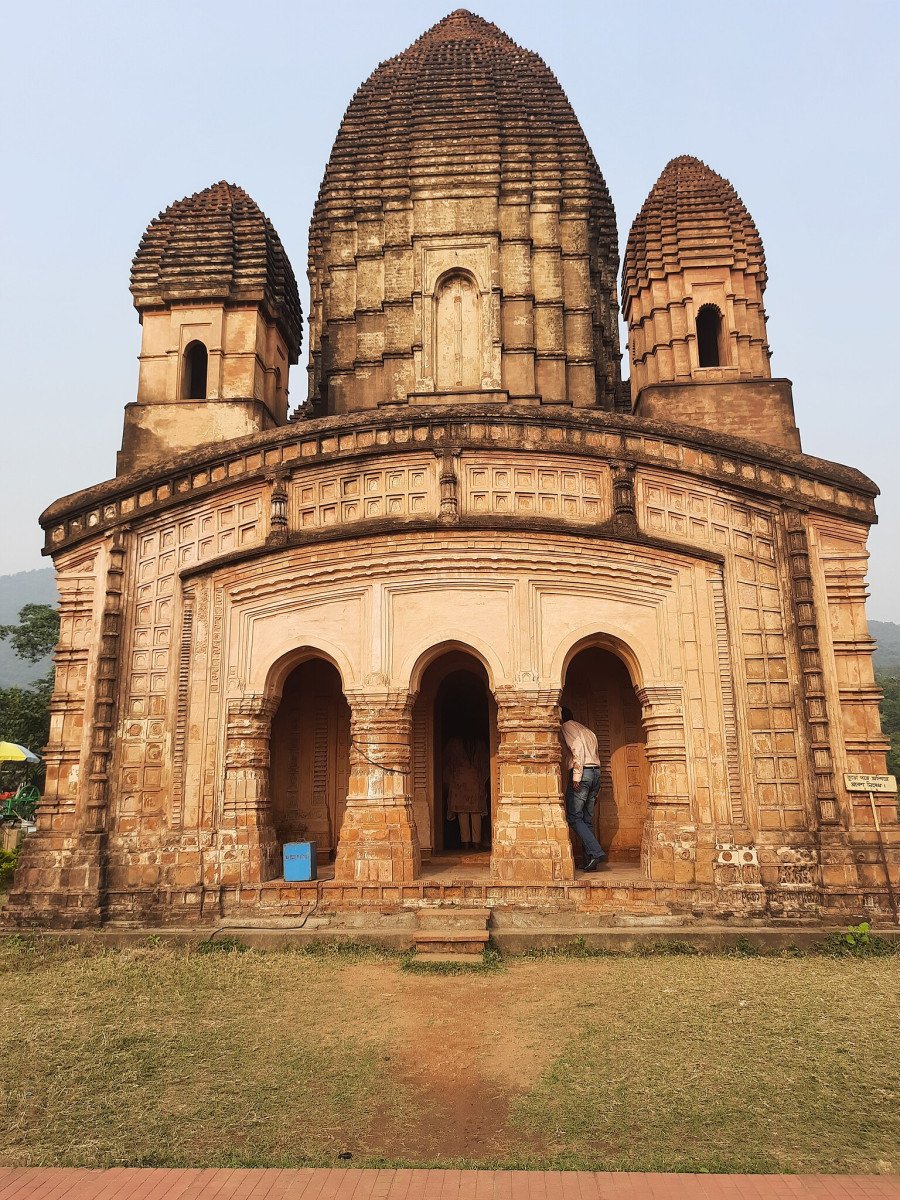
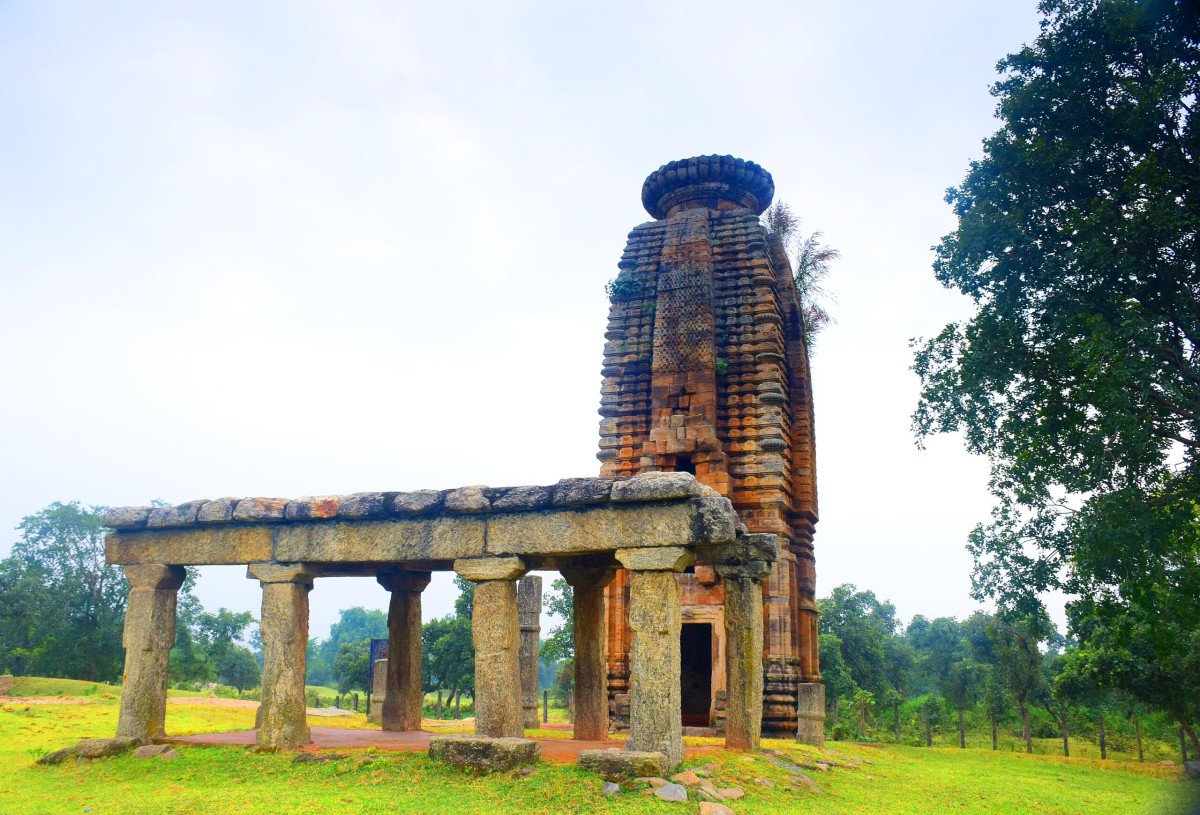
The Lohariya Temple (also known as Lahariya Shiva Mandir) is a significant religious and historical site located near the Lahariya Lake on the Ajodhya plateau. Dedicated to Lord Shiva, the temple is believed to be centuries old, with roots potentially going back to the Chero dynasty. The temple complex is a serene space where spirituality meets natural beauty. It is situated on the banks of a calm lake, which reflects the temple's structure and the surrounding greenery, creating a double image of peace. The atmosphere is filled with the scent of incense and the sound of temple bells. Devotees and tourists alike visit this place to seek blessings and enjoy the tranquility. The temple has undergone several renovations, but the foundation remains ancient. Surrounding the main shrine are smaller altars dedicated to other deities, forming a small religious cluster. The location is also a great spot for bird watching, as the lake attracts various avian species. It is a common sight to see local tribes performing rituals, providing a glimpse into the syncretic culture of the region where orthodox Hinduism and tribal traditions coexist. The temple serves as a communal hub during festivals, bringing together people from all the neighboring hill villages. It is a must-visit for those who want to experience the spiritual side of the Ajodhya Hills beyond the typical trekking and sightseeing.Show All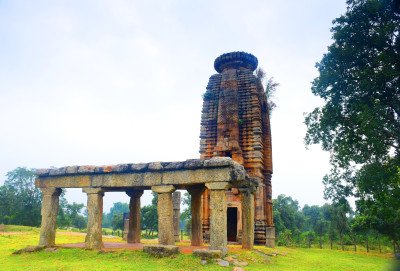 The Banda Deul is a magnificent, though partially ruined, example of ancient temple architecture in West Bengal. It stands as a profound testament to the region's rich historical and religious past, particularly its connections to Jainism and later, Shaivism. The term 'Deul' refers to a temple, and the structure is characterized by the distinct Rekha Deul style, typical of the temples built during the Pala-Sena or early Oriya periods, which feature a towering, curvilinear spire (Shikhara). The temple is built primarily of coarse-grained sandstone, sourced locally from the surrounding hills. Though the main idol is lost or was moved, the sanctum (Garbhagriha) remains, offering a powerful sense of history. The site is often quiet and isolated, giving visitors a sense of traveling back in time, away from the bustling tourist trails. The intricate terracotta and stone carvings that once adorned the exterior have suffered the ravages of time and weather but still hint at the temple's former glory. These surviving details often depict scenes from Hindu mythology, floral patterns, and geometric designs, providing valuable insights into the artistic styles prevalent in the region over a thousand years ago. The isolation of the Banda village has inadvertently helped preserve the temple from excessive modernization or encroachment, allowing it to stand in its original environment. It is managed by the Archaeological Survey of India (ASI), which undertakes conservation work to protect the remaining structure. The surrounding landscape is dominated by paddy fields and small hamlets, creating a serene, almost spiritual setting. Local legend links the temple's construction to a powerful regional king, though definitive historical records are often fragmented. The architecture of Banda Deul shows a clear influence from the styles seen in neighboring Odisha, suggesting a significant cultural cross-pollination in the pre-medieval era. Visiting the temple requires a dedicated journey, but the experience of witnessing such an ancient, towering structure against the backdrop of rural Purulia is deeply rewarding for history buffs and architecture enthusiasts. The temple's structure has survived several centuries, including seismic events and periods of political instability, a testament to the robust construction methods of its builders. The quiet, almost haunting atmosphere invites contemplation and reflection on the passage of time and the cyclical nature of civilization and decay. It serves as an open textbook for the study of temple building in eastern India.
Information
-
Why Famous:
Why Famous Place: Purulia is world-famous primarily for its unique folk culture and its natural landscape.
Chhau Dance: The most iconic thing about this place is the Chhau dance, which is a masked tribal martial dance. It is recognized by U...Why Famous Place: Purulia is world-famous primarily for its unique folk culture and its natural landscape.
Chhau Dance: The most iconic thing about this place is the Chhau dance, which is a masked tribal martial dance. It is recognized by UNESCO as an Intangible Cultural Heritage of Humanity. The dancers wear huge, colorful masks made in the village of Charida.
Natural Beauty: The district is also famous for the Ajodhya Hills, which offer some of the best trekking and rock climbing spots in West Bengal. People flock here during Spring to see the Palash flowers, which turn the hills into a sea of orange and red.
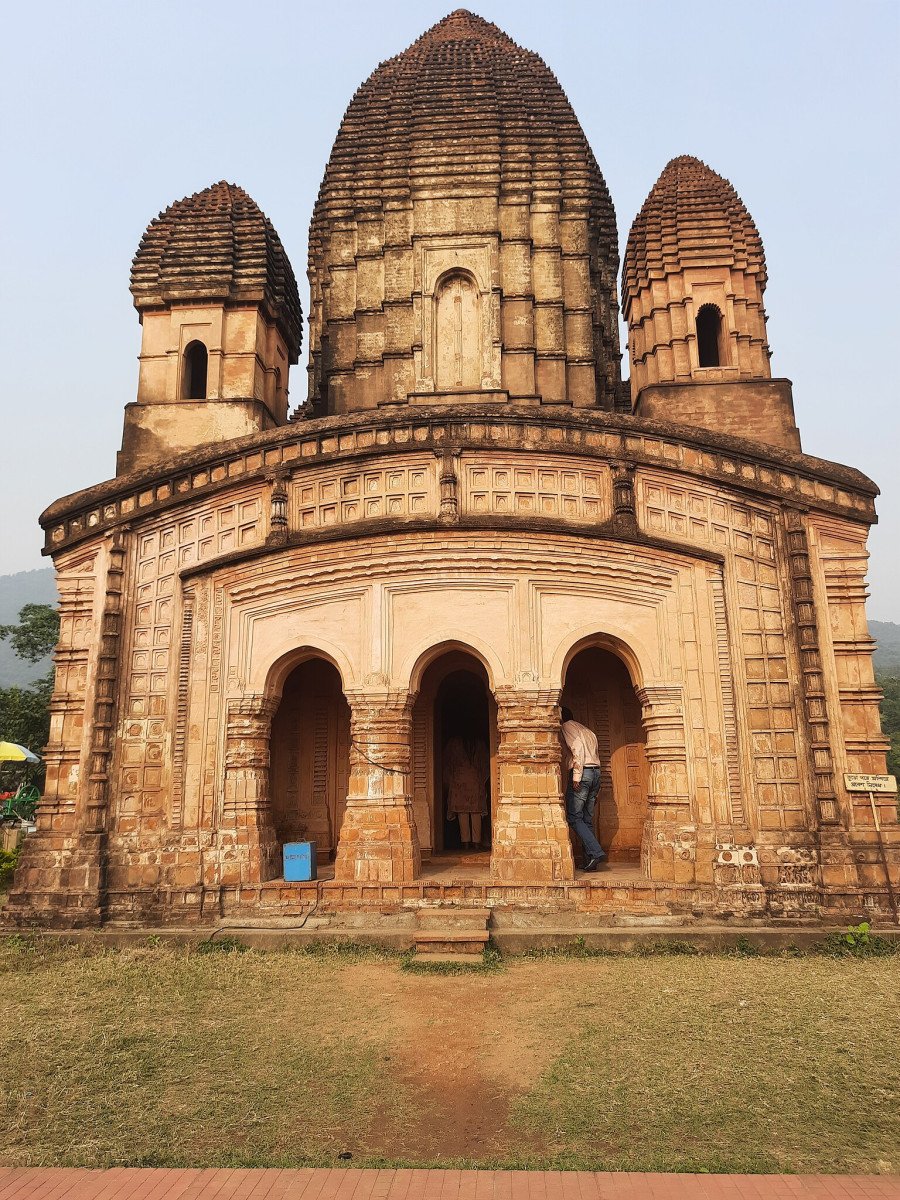
Historical Sites: The area is also known for its archaeological importance, especially the ancient Jain temples at Pakbira and Deulghata, which tell stories of a civilization that lived here over a thousand years ago. The dams and reservoirs like Panchet and Maithon are also very famous for their engineering and the beauty they provide to the region : -
Architecture:
Place Architecture: The architecture of Purulia is a fascinating mix of ancient stone temples and traditional tribal mud houses. One of the most famous examples is the Banda Deul temple. This temple is built in the Rekha Deul style, which is typical of old Odisha and Benga...Place Architecture: The architecture of Purulia is a fascinating mix of ancient stone temples and traditional tribal mud houses. One of the most famous examples is the Banda Deul temple. This temple is built in the Rekha Deul style, which is typical of old Odisha and Bengal architecture.
Dimension of Banda Deul: The temple stands on a square base with a dimension of 14 feet by 14 feet. It rises to a height of about 75 feet and is made entirely of sandstone. The walls are decorated with intricate carvings of flowers, dancers, and geometric patterns. Another important site is Garh Panchkot, where you can see the ruins of an old fort and several temples. These temples use the Pancha-ratna style, featuring five small towers on the roof. The dimensions of these structures vary, but most temple bases are around 20 feet square. The tribal homes in the villages are also architecturally significant. They are made of locally sourced mud and have thatched roofs, often decorated with beautiful wall paintings called Sohrai art. These houses are designed to stay cool in the summer and warm in the winter, showing the wisdom of the local builders : -
How To Reach:
Place How to Reach:
By Air: The nearest major airport is Netaji Subhash Chandra Bose International Airport in Kolkata, which is about 250 km away. From there, you can hire a private taxi or take a train.
By Trai... -
Near Tourist Places:
1. Ajodhya Hills (0 km), 2. Bamni Falls (15 km), 3. Turga Falls (18 km), 4. Marble Lake (12 km), 5. Murguma Dam (25 km), 6. Garh Panchkot (60 km), 7. Baranti Lake (65 km), 8. Joychandi Pahar (45 km), 9. Charida Village (5 km), 10. Saheb Bandh (2 km).
Tourism Tips
-
Place Tourism Tips:
Health and Safety: Always carry a basic first-aid kit and mosquito repellent as you will be in forest areas. Drink bottled water.
Packing: If visiting in winter, bring heavy woolens as ni...
Reviews
Information about New and Updated Locations(575+) of West Bengal Has Been Added :-
Card subtitle
Note:-
Information provided here in good Faith and for reference only.
All information and pictures will be updated soon, please keep visiting.
Near Places
Bakkhali
Some quick example text to build on the card title and make up the bulk of the card's content.
Go somewhere
Bankura City
Some quick example text to build on the card title and make up the bulk of the card's content.
Go somewhere
Bishnupur
Some quick example text to build on the card title and make up the bulk of the card's content.
Go somewhere
Cooch Behar Palace
Some quick example text to build on the card title and make up the bulk of the card's content.
Go somewhere
Darjeeling
Some quick example text to build on the card title and make up the bulk of the card's content.
Go somewhere
Dooars
Some quick example text to build on the card title and make up the bulk of the card's content.
Go somewhere
Kalimpong
Some quick example text to build on the card title and make up the bulk of the card's content.
Go somewhere
Kolkata
Some quick example text to build on the card title and make up the bulk of the card's content.
Go somewhere
Kurseong
Some quick example text to build on the card title and make up the bulk of the card's content.
Go somewhere
Lataguri
Some quick example text to build on the card title and make up the bulk of the card's content.
Go somewherein Other Cities