

Malda City
General information
-
Ideal Duration:
2 to 3 DaysPlace Type:
Heritage, History, and NatureEntry Fees:
Place Entry Fees: The entry fees for major monuments like Adina Mosque, Firoz Minar, and Baroduari are regulated by the Archaeological Survey of India (ASI). For Indian citizens, the fee is usually nominal, around Rs.25 per person. For foreigners, it is higher, approximately...Place Entry Fees: The entry fees for major monuments like Adina Mosque, Firoz Minar, and Baroduari are regulated by the Archaeological Survey of India (ASI). For Indian citizens, the fee is usually nominal, around Rs.25 per person. For foreigners, it is higher, approximately Rs.300. Children below 15 years usually enter for free. Some sites may charge for professional cameras or video recording. Tickets can be booked online through the ASI portal or purchased at the site entrance. Always keep a digital copy of your ID.Timing:
Place Timings:
Regular Timings: Most historical sites like Gour and Adina are open from 9:00 AM to 5:00 PM every day. Some parks might close earlier in winter.
Museum Timings: The Malda Museum is usually clo...Place Timings:
Regular Timings: Most historical sites like Gour and Adina are open from 9:00 AM to 5:00 PM every day. Some parks might close earlier in winter.
Museum Timings: The Malda Museum is usually closed on Fridays and public holidays, opening from 10:30 AM to 4:30 PM.
Ideal Visit Time: Early morning (around 8:30 AM) is the best time to avoid the heat and the crowds, especially for photography. Evenings are pleasant for riverfront walks.Special Events:
Place Special Event: The Gambhira Festival is the most significant event in Malda, usually held during the Chaitra Sankranti (mid-April). It is a socio-religious celebration dedicated to Lord Shiva. Performers wear large, colorful masks and perform dances that narrate the ...Place Special Event: The Gambhira Festival is the most significant event in Malda, usually held during the Chaitra Sankranti (mid-April). It is a socio-religious celebration dedicated to Lord Shiva. Performers wear large, colorful masks and perform dances that narrate the joys and sorrows of the common people. Another major event is the Mango Festival in June, showcasing hundreds of varieties of mangoes. Durga Puja in October is celebrated with grand pandals and traditional rituals across the town, reflecting the deep-rooted Bengali culture.Best Photo Spots:
Place Best Photo Spots:
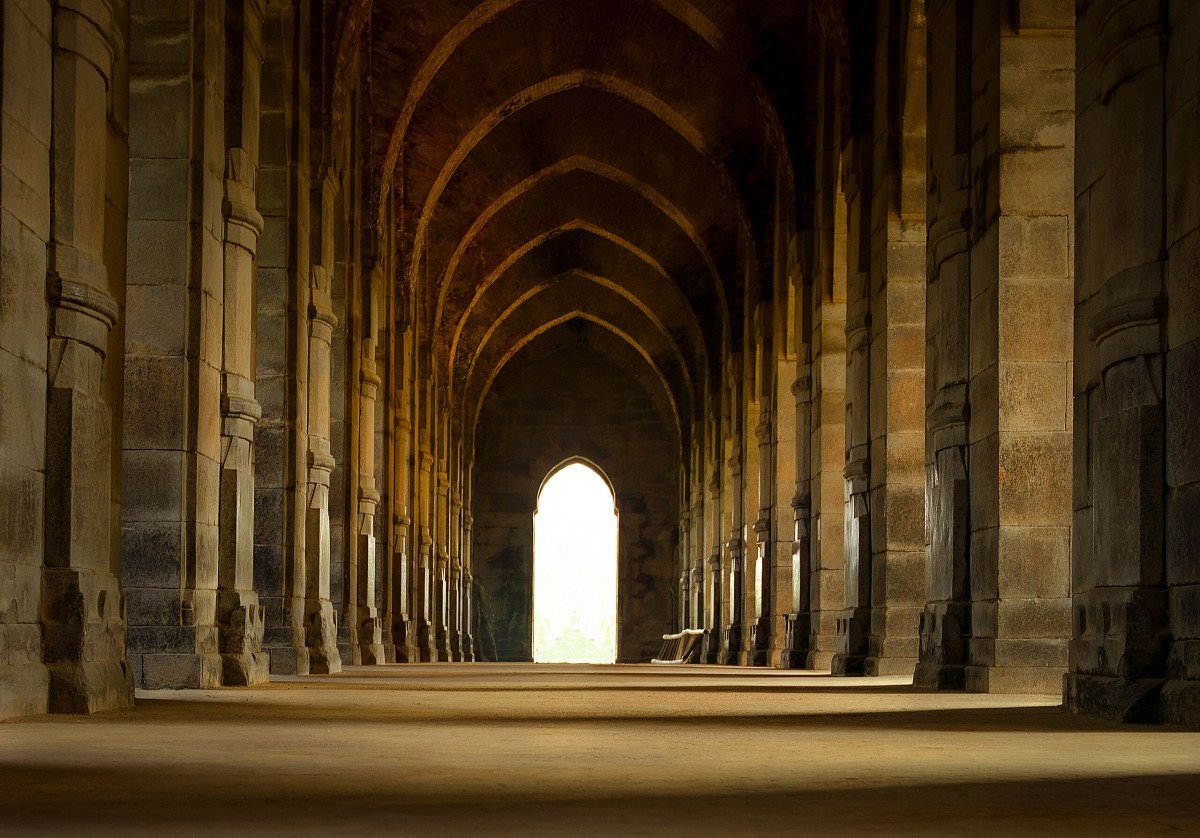
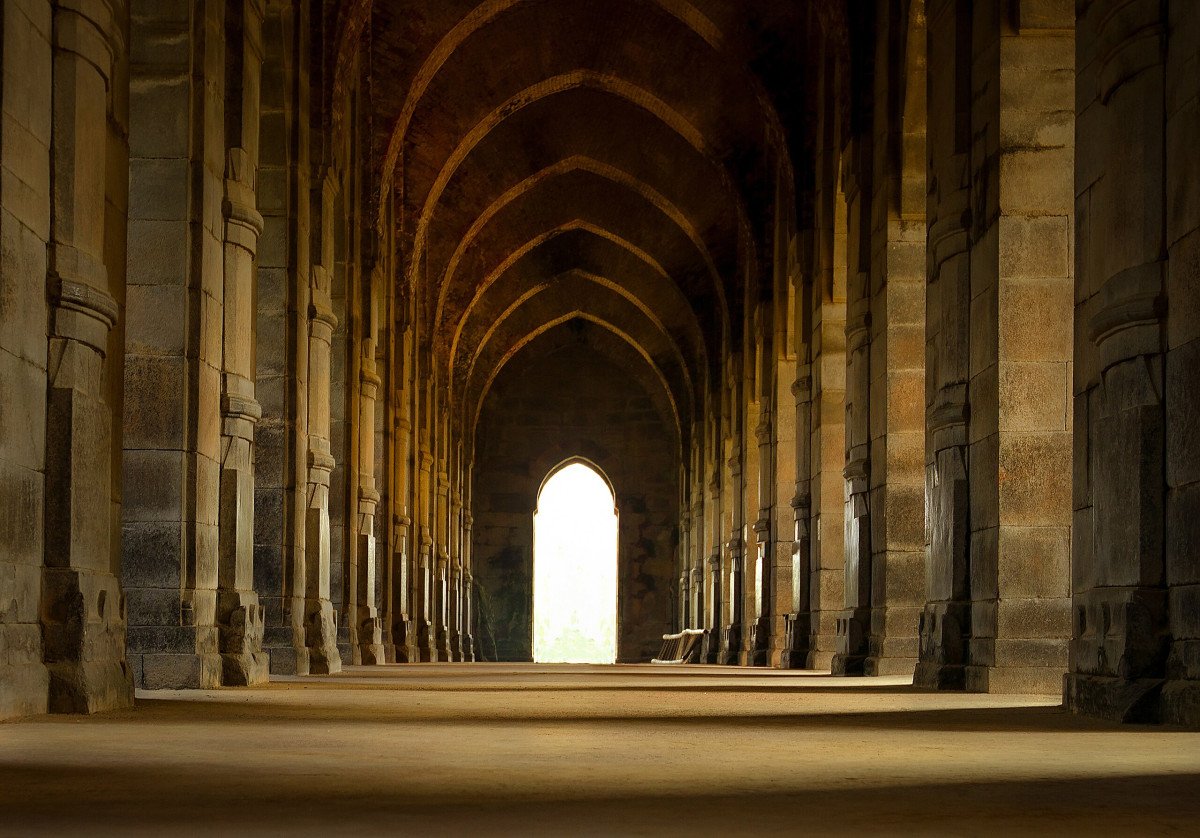
Adina Mosque Courtyard: The symmetry of the arches and the vast open space make for stunning wide-angle shots. The light during the golden hour creates a mystical atmosphere.
Firoz Minar:...Place Best Photo Spots:
Adina Mosque Courtyard: The symmetry of the arches and the vast open space make for stunning wide-angle shots. The light during the golden hour creates a mystical atmosphere.
Firoz Minar: Capture the verticality of the tower against the bright sky. Detailed shots of the terracotta carvings are a must.
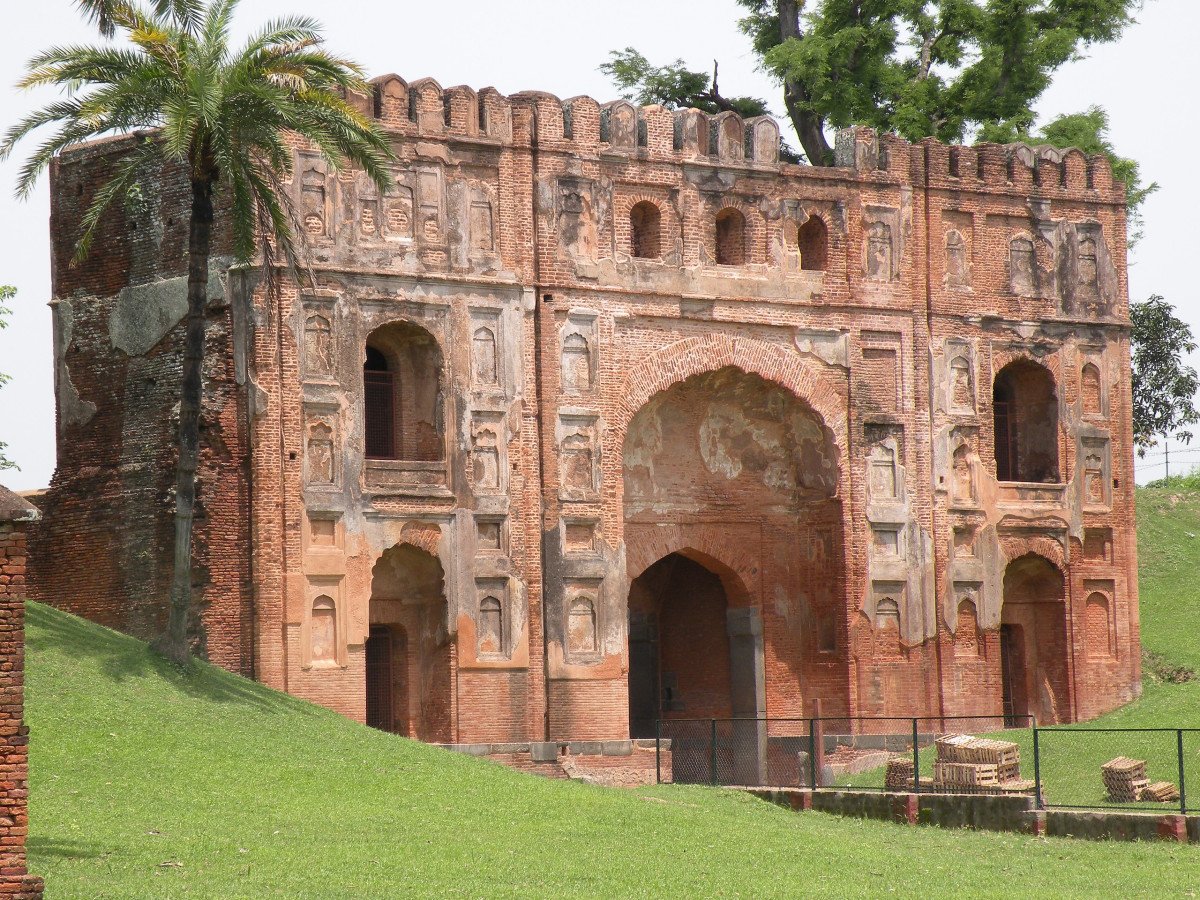
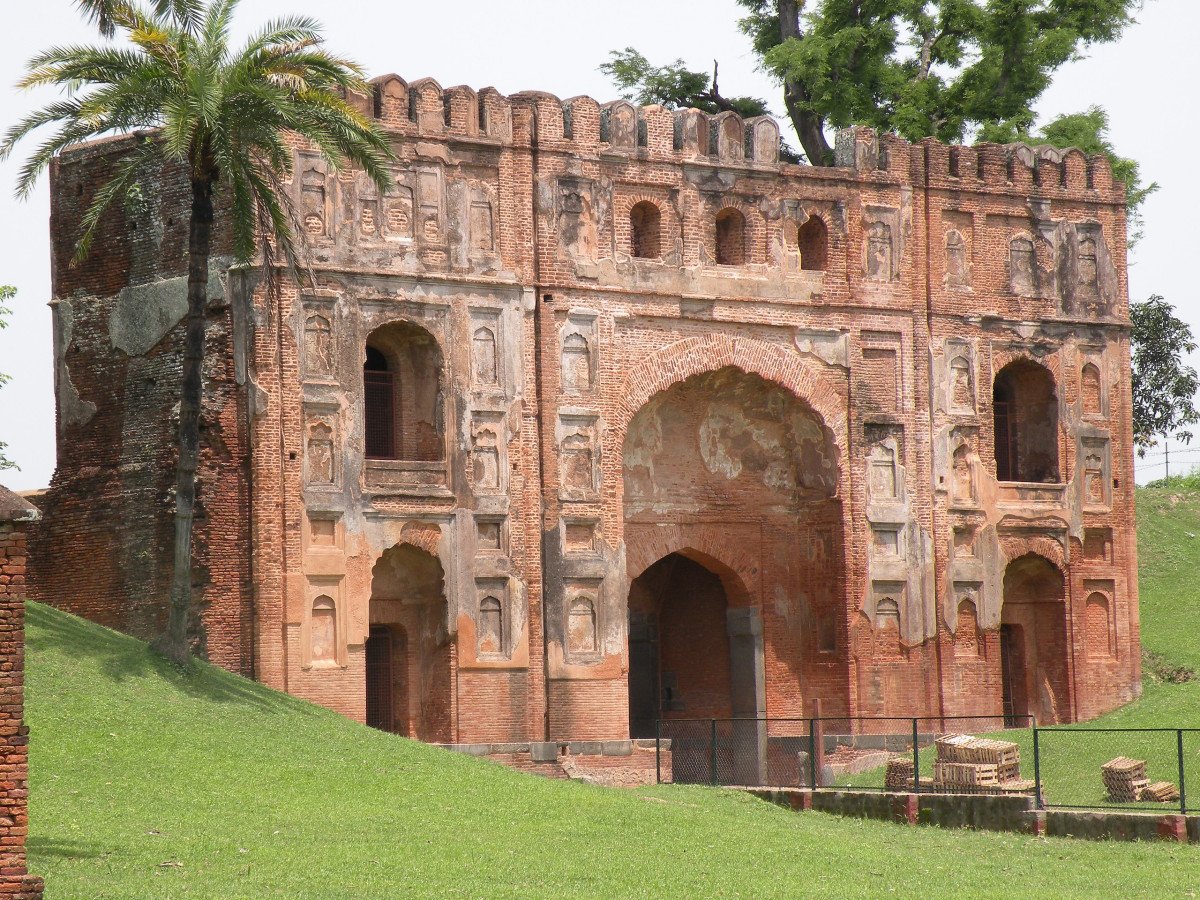
Dakhil Darwaza: The grand arches provide a perfect frame for portraits.
Mango Orchards: During the spring season in March, the blooming mango flowers offer a soft, beautiful background. In June, the sight of ripe mangoes hanging from trees is iconic.
River Mahananda: The sunset views from the bridge or the banks are breathtaking for landscape photography.
Eklakhi Mausoleum: The intricate stone carvings on the walls and the dome structure are perfect for architectural photography.Photo Gallery

Things To Do
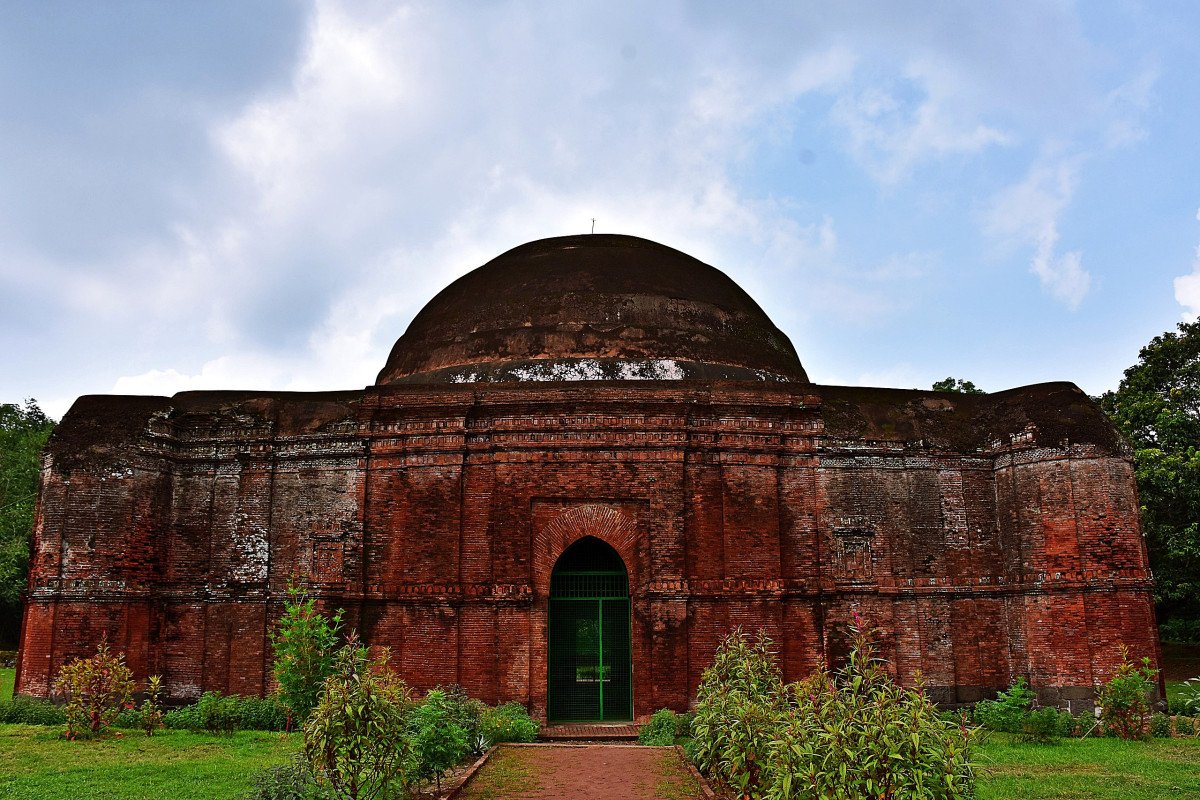
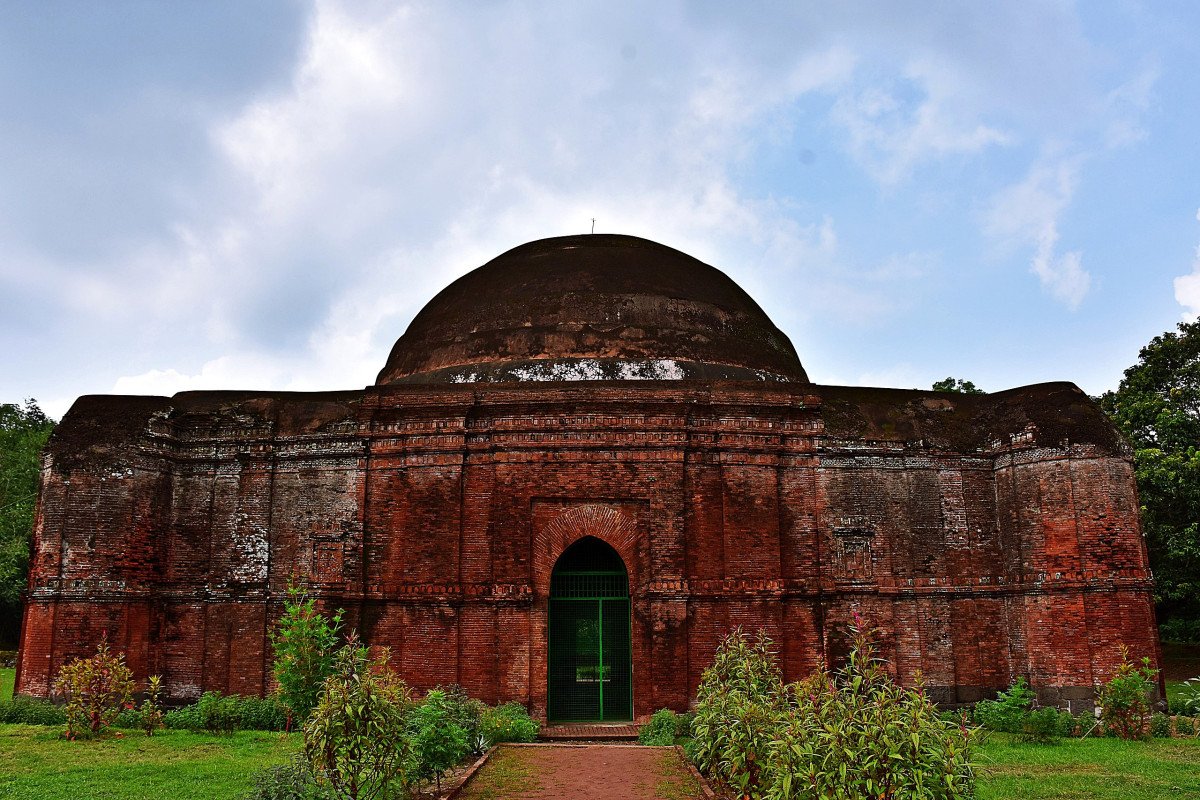
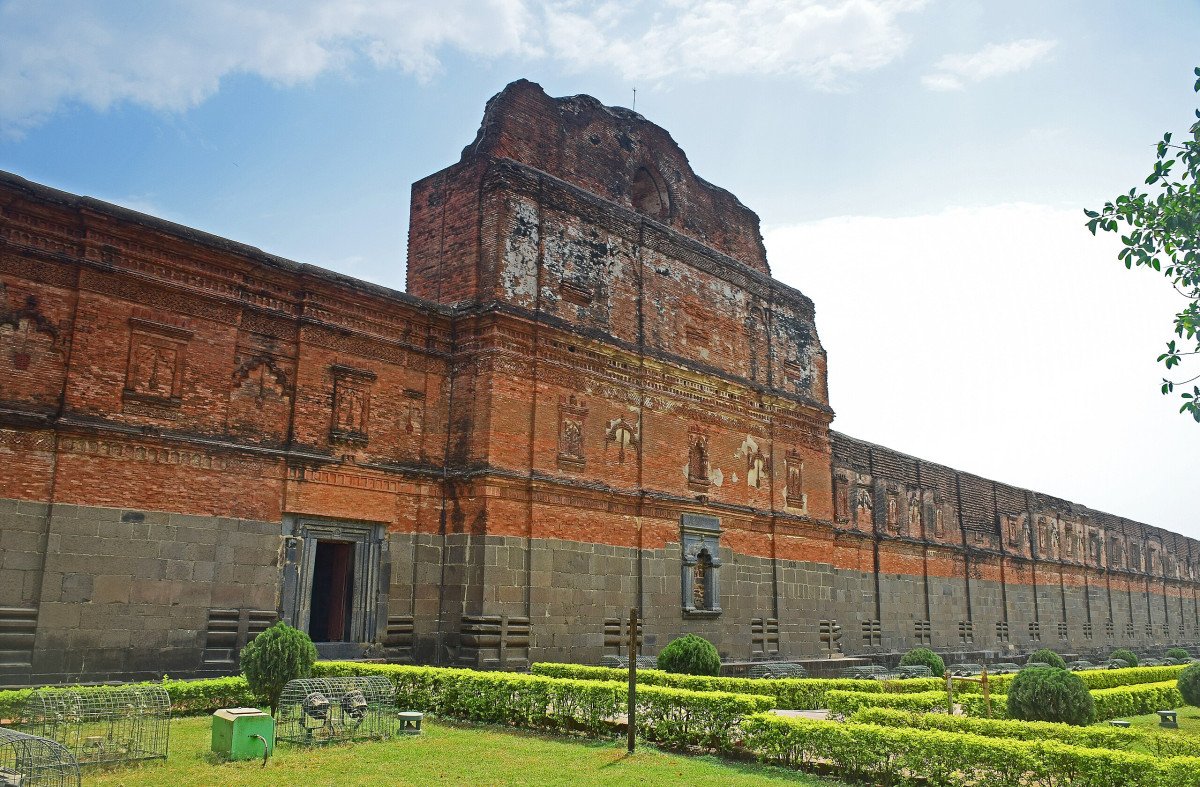
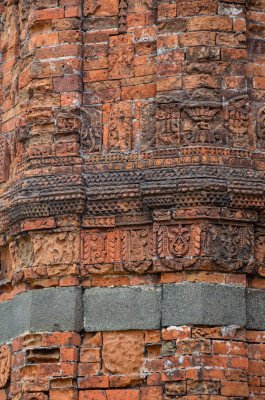 The Eklakhi Mausoleum is one of the most significant and historically profound monuments in the Malda district, specifically located in the ancient site of Pandua. Constructed around 1425 AD, this mausoleum is widely believed to be the tomb of Sultan Jalaluddin Muhammad Shah, the son of Raja Ganesha, who converted to Islam and became a powerful ruler of the Bengal Sultanate. The name "Eklakhi" originates from the traditional belief that the structure was built at a staggering cost of one lakh rupees (100,000) at that time. Historically, it holds immense importance as it represents the earliest surviving square-shaped, single-domed building in Bengal. This specific design became a prototype for many subsequent Islamic structures in the region. The mausoleum is a massive brick structure that exudes a sense of strength and permanence. It houses three tombs: the Sultan's, his wife's, and his son's, though historical identification remains a subject of academic debate. The building's style is a unique fusion of local Bengali traditions and Islamic architectural principles. The interior is an octagonal chamber, while the exterior appears square, a clever architectural technique to support the massive dome above. The walls are exceptionally thick, providing natural insulation. As an Archaeological Survey of India (ASI) protected monument, the site is well-maintained and attracts historians and tourists who wish to witness the transition of Bengal's architecture from the pre-Islamic to the Sultanate era. The site is surrounded by a serene courtyard, providing a reflective atmosphere for visitors. It serves as a silent witness to the era when Pandua was the thriving capital of Bengal. For anyone visiting Malda, the Eklakhi Mausoleum is not just a grave but a monument to the cultural and political shifts that shaped the destiny of eastern India.
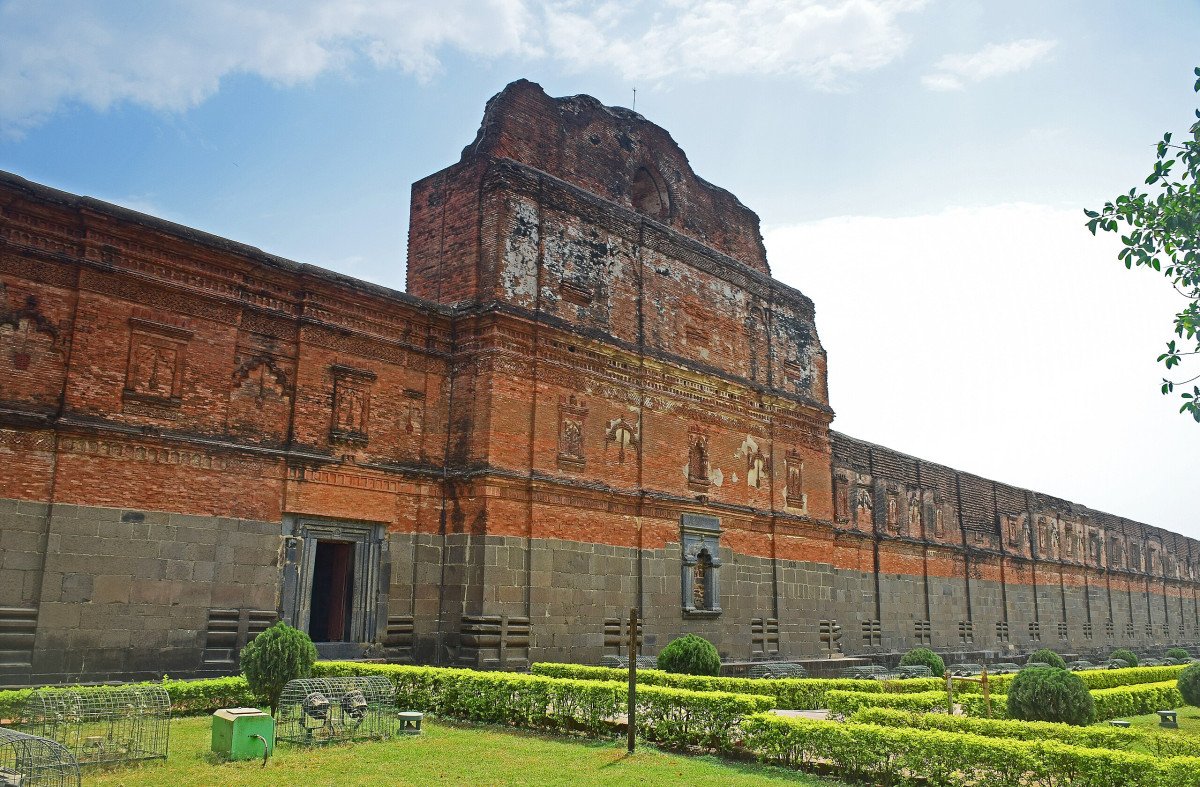
 The Baishgazi Wall is a monumental relic of the medieval capital of Bengal, standing as a silent witness to the military and architectural prowess of the Sultanate era. Built primarily to protect the royal palace complex known as Haveli Khas, this massive wall derived its name from its incredible height of 22 Bengali yards or Gaz, which translates to approximately 42 feet. Historians generally attribute its construction to Sultan Ruknuddin Barbak Shah around 1455 AD, during a period when Gour was a flourishing center of power and culture in South Asia. The wall once encircled the royal enclosure from three sides, acting as a formidable defense against both human invaders and the shifting waters of the nearby Ganges river. Stretching across several kilometers, the ruins today offer a glimpse into the massive scale of the ancient city. The surrounding area is densely populated with Mango orchards, adding a serene green backdrop to the weathered red bricks. Despite centuries of neglect and the impact of the tropical climate, parts of the wall remain standing, showcasing the durability of the local brick-making techniques of the 15th century. Walking along the base of the wall, visitors can feel the sheer scale of the fortification that once guarded the Sultans of Bengal. The site is a treasure trove for history buffs and those interested in military architecture, providing a tangible connection to the time when Gour rivaled the greatest cities of the world. The atmosphere here is deeply nostalgic, filled with the whispers of a forgotten empire and the rustic charm of rural Bengal.
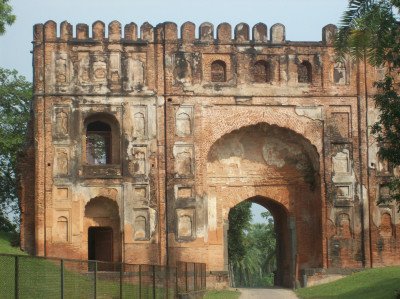 Gour stands as one of the most historically rich archaeological sites in India,
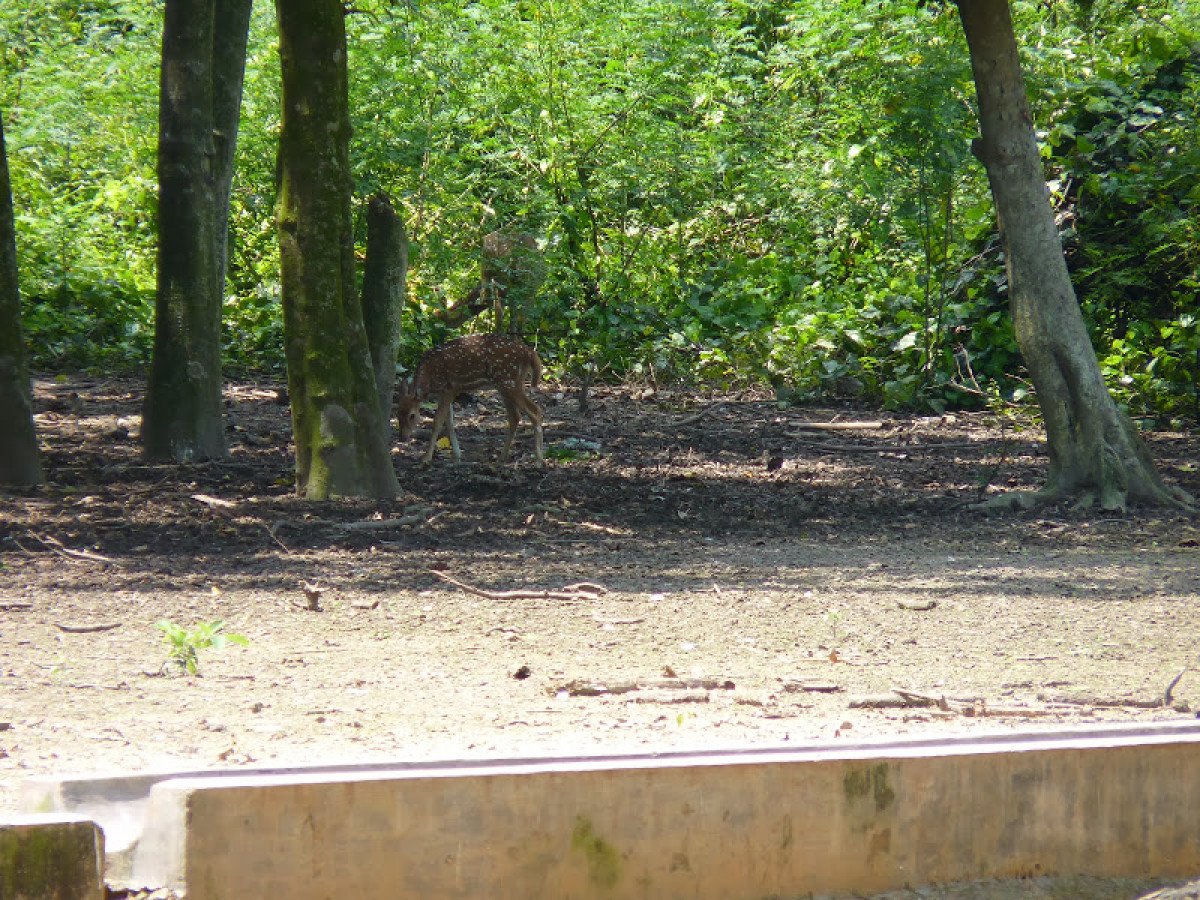
representing the rise and fall of several powerful dynasties that ruled Bengal. It served as the capital of ancient and medieval Bengal for over seven centuries, originally known as Lakshmanavati during the Hindu Sena rule. After the Islamic conquest in the 13th century, it was renamed Lakhnauti and remained the seat of the powerful Bengal Sultanate until the capital briefly shifted to Pandua and then returned to Gour. The sheer scale of the ruins speaks to the city's former opulence, covering an area spanning parts of modern-day Malda district in India and some parts of Bangladesh. The primary structures visible today date predominantly from the 14th to 16th centuries, showcasing a unique fusion of indigenous Bengali and Sultanate Islamic architectural styles. The ruins are spread across a vast, lush landscape, interspersed with mango orchards, giving the place an air of solemn beauty. Key monuments here include the magnificent Dakhil Darwaza (the main gateway to the citadel), the towering Firoz Minar, and the colossal Baro Sona Masjid (Great Golden Mosque). While the city eventually fell into decay, partly due to shifting river courses and a deadly plague in the late 16th century, its remnants offer an unmatched insight into the political, economic, and cultural apex of Bengal before the Mughal and British eras. The history preserved in these brick and stone remnants attracts archaeologists, historians, and pilgrims alike, keen to walk the grounds that once commanded the entire eastern subcontinent. The vastness requires careful planning to cover all the important surviving structures, each telling a silent story of royal power and religious fervor.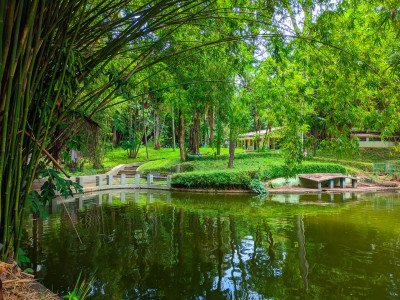 Nestled in the historic plains of Pandua, the Adina Eco Tourism Park, popularly known as Adina Deer Park, stands as a vital ecological sanctuary in the Malda district. Established in 1982, this park was envisioned as a conservation center to protect the local wildlife and provide a green lung for the region. Spanning over approximately 10 hectares, the park is predominantly covered with lush mango orchards and dense mixed forests, creating a perfect habitat for its primary residents: the spotted deer (Cheetal) and the Nilgai. Beyond being just a park, it serves as a critical breeding center for these species, often seeing a healthy growth in their population which is then managed through carefully planned translocations. For nature enthusiasts, the park is a paradise; the towering trees and quiet water bodies attract a vibrant array of avian life, including the Asian Openbill Stork, Paradise Flycatcher, and various species of Prinias and Orioles. The tranquility of the park offers a stark contrast to the bustling city life of Malda, making it a preferred spot for families, students, and researchers. The park also features a mini-zoo layout with designated enclosures that allow visitors to observe the animals in a setting that closely mimics their natural environment. Over the years, the West Bengal Forest Department has enhanced the park with paved walkways and sitting areas, ensuring that visitors can enjoy the natural beauty without disturbing the delicate balance of the ecosystem. It is not merely a tourist spot but a center for environmental education, where the local community and tourists alike learn about the importance of biodiversity. Whether you are looking for a peaceful morning walk or an educational outing with children, Adina Deer Park provides a refreshing experience rooted in the natural heritage of Bengal.
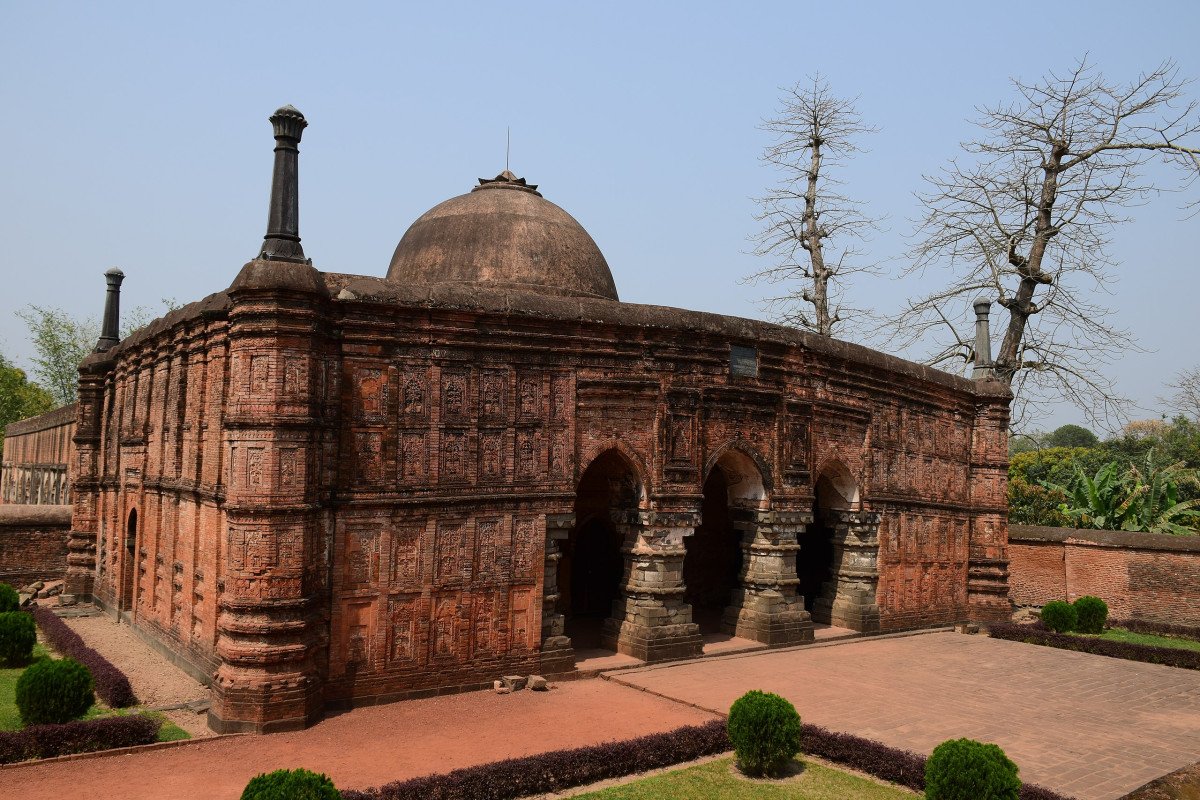
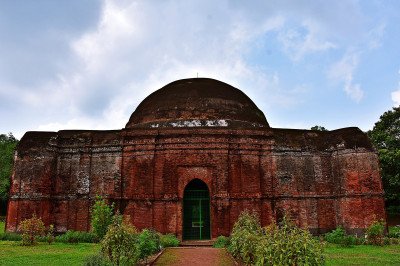 The Chika Mosque is a monument of profound historical and architectural interest, despite its relatively small size compared to the colossal Baroduari and Adina mosques. Located within the heart of the Gour ruins complex, the mosque is believed to have been built in $1486 ext{ AD}$ by Sultan Yusuf Shah or later in the early 16th century. Its name, "Chika" (meaning "bats" or "bats-house"), is a popular local moniker earned centuries ago when the mosque was abandoned and became a nesting place for bats, but historically, its original name is not definitively known. The structure stands out because of its heavily decorated fa ade and the reuse of older Hindu temple stones, a practice common in the Bengal Sultanate architecture that provides a fascinating insight into the use of available materials. The mosque is rectangular, featuring a single, large prayer chamber that was originally covered by a single dome, though the dome is now completely missing. The most striking element is the exquisitely carved stone lintel over the central entrance, which exhibits figures of pre-Islamic deities though heavily defaced clearly indicating its origin from an earlier Hindu structure. This reuse of older religious materials in a new Islamic context makes the Chika Mosque a key site for studying the complex cultural and political transitions of the period. Moreover, the remaining brick and terracotta work on the structure's walls, though fragmented, reveals a high level of craftsmanship, particularly the intricately carved niches (mihrabs) inside. The monument is situated in a quieter part of the Gour complex, offering a more serene and contemplative experience than the major gateways or the larger mosque ruins. The intricate designs, coupled with the mysterious name, make the Chika Mosque a compelling stop for any visitor to the Malda ruins. Its historical narrative, blending political might with architectural resourcefulness, is a microcosm of the entire Gour story.
Ramkeli is a small but historically and spiritually significant village located on the outskirts of the ancient city of Gaur. It is most famous for its association with Sri Chaitanya Mahaprabhu, the 16th-century saint and reformer who initiated the Bhakti movement in Bengal. In 1515 AD, while on his way to Vrindavan, Chaitanya Mahaprabhu stayed here under a Tamal tree. During this visit, he met two prominent brothers, Rupa and Sanatana Goswami, who were high-ranking ministers in the court of the then Sultan Alauddin Husain Shah. Inspired by Mahaprabhu, they renounced their worldly positions and became his leading disciples. Today, Ramkeli is a major pilgrimage site for Vaishnavas from all over the world. The village houses a beautiful temple dedicated to Sri Chaitanya, where his footprints are preserved on a stone. The atmosphere is filled with the chanting of "Hare Krishna" and the sound of traditional "Khol" and "Kartal". The village is surrounded by eight sacred ponds or "Kundas" named after the Gopis of Vrindavan, which were renovated by the Goswami brothers. These ponds add to the serenity and sanctity of the place. Every year, during the Jaistha Sankranti, a massive fair is held here to commemorate the meeting of Mahaprabhu and the Goswamis. The fair attracts thousands of devotees and is a vibrant display of Bengal’s folk and religious culture. The simple rural setting, combined with the profound spiritual history, makes Ramkeli a unique destination. It serves as a bridge between the medieval history of the Bengal Sultanate and the spiritual legacy of the Vaishnava tradition. Walking through the narrow lanes of the village, one can almost feel the echoes of the historical events that shaped the religious identity of Bengal.:
The Chika Mosque is a monument of profound historical and architectural interest, despite its relatively small size compared to the colossal Baroduari and Adina mosques. Located within the heart of the Gour ruins complex, the mosque is believed to have been built in $1486 ext{ AD}$ by Sultan Yusuf Shah or later in the early 16th century. Its name, "Chika" (meaning "bats" or "bats-house"), is a popular local moniker earned centuries ago when the mosque was abandoned and became a nesting place for bats, but historically, its original name is not definitively known. The structure stands out because of its heavily decorated fa ade and the reuse of older Hindu temple stones, a practice common in the Bengal Sultanate architecture that provides a fascinating insight into the use of available materials. The mosque is rectangular, featuring a single, large prayer chamber that was originally covered by a single dome, though the dome is now completely missing. The most striking element is the exquisitely carved stone lintel over the central entrance, which exhibits figures of pre-Islamic deities though heavily defaced clearly indicating its origin from an earlier Hindu structure. This reuse of older religious materials in a new Islamic context makes the Chika Mosque a key site for studying the complex cultural and political transitions of the period. Moreover, the remaining brick and terracotta work on the structure's walls, though fragmented, reveals a high level of craftsmanship, particularly the intricately carved niches (mihrabs) inside. The monument is situated in a quieter part of the Gour complex, offering a more serene and contemplative experience than the major gateways or the larger mosque ruins. The intricate designs, coupled with the mysterious name, make the Chika Mosque a compelling stop for any visitor to the Malda ruins. Its historical narrative, blending political might with architectural resourcefulness, is a microcosm of the entire Gour story.
Ramkeli is a small but historically and spiritually significant village located on the outskirts of the ancient city of Gaur. It is most famous for its association with Sri Chaitanya Mahaprabhu, the 16th-century saint and reformer who initiated the Bhakti movement in Bengal. In 1515 AD, while on his way to Vrindavan, Chaitanya Mahaprabhu stayed here under a Tamal tree. During this visit, he met two prominent brothers, Rupa and Sanatana Goswami, who were high-ranking ministers in the court of the then Sultan Alauddin Husain Shah. Inspired by Mahaprabhu, they renounced their worldly positions and became his leading disciples. Today, Ramkeli is a major pilgrimage site for Vaishnavas from all over the world. The village houses a beautiful temple dedicated to Sri Chaitanya, where his footprints are preserved on a stone. The atmosphere is filled with the chanting of "Hare Krishna" and the sound of traditional "Khol" and "Kartal". The village is surrounded by eight sacred ponds or "Kundas" named after the Gopis of Vrindavan, which were renovated by the Goswami brothers. These ponds add to the serenity and sanctity of the place. Every year, during the Jaistha Sankranti, a massive fair is held here to commemorate the meeting of Mahaprabhu and the Goswamis. The fair attracts thousands of devotees and is a vibrant display of Bengal’s folk and religious culture. The simple rural setting, combined with the profound spiritual history, makes Ramkeli a unique destination. It serves as a bridge between the medieval history of the Bengal Sultanate and the spiritual legacy of the Vaishnava tradition. Walking through the narrow lanes of the village, one can almost feel the echoes of the historical events that shaped the religious identity of Bengal.: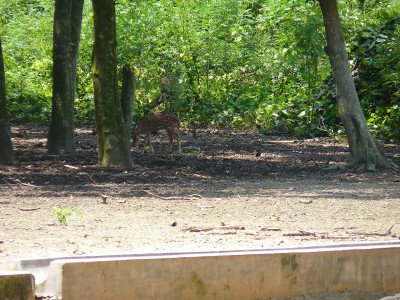 Adina Deer Park is a popular wildlife and eco-tourism spot situated in the Malda district of West Bengal, about 21 KMS north of Malda City. It was established in 1982 over an area of approximately 10 hectares and functions as an open mini-zoo and an important conservation center. The primary goal of the park is the *ex-situ* (off-site) conservation and breeding of certain wildlife species, most notably the Cheetal or Spotted Deer and the Nilgai (Blue Bull). The park's success in breeding has occasionally led to an "overflow" in the deer population, necessitating careful management. Despite its name, only a small, fenced portion of the area is dedicated to the deer park itself, which is set within a larger orchard plantation. This natural setting, rich in flora and two water bodies, supports a variety of local and migratory bird species, making it a favorite spot for birdwatchers. Visitors can often spot birds like the Asian Openbill, Paradise Flycatcher, Oriole, and various water birds near the ponds. The park is managed by the Divisional Forest Officer of the Maldah Forest Division and is recognized by the Central Zoo Authority (CZA) as a mini-zoo. It offers a calm, nature-friendly retreat from the urban bustle and is a popular picnic spot, especially during the winter months from November to April. It serves as an excellent place to connect with nature, observe wildlife in a protected setting, and is conveniently located near the historical Adina Mosque in Pandua.Show All
Ballal Bati, often referred to locally as Ballal Dhipi, is a highly significant archaeological mound in Gour that predates the Islamic Sultanate period. It is traditionally associated with King Ballal Sena, the second ruler of the Sena dynasty who reigned over Bengal in the 12th century. The site consists of a massive raised platform or mound that is believed to hold the remains of a royal palace or a major administrative complex from the pre-Islamic era. For centuries, this site remained hidden under layers of earth and vegetation until excavations revealed complex brick structures, floors, and drainage systems that speak of a sophisticated urban lifestyle. Unlike the later monuments of Gour which feature prominent Islamic arches, the architecture here suggests a transition or a purely indigenous Bengali style of the late classical period. The mound is surrounded by legends of hidden treasures and underground chambers, though scientifically it serves as the primary evidence of the Sena presence in Gour before the capital shifted or was conquered. The site is characterized by its elevated position, giving visitors a panoramic view of the surrounding ruins of Gour. The bricks found here are often larger and different in texture compared to the Sultanate-era bricks. Today, the site is managed by the Archaeological Survey of India (ASI) and remains a focal point for those wishing to understand the multi-layered history of Bengal, from Hindu-Buddhist roots to the later Sultanate and Mughal influences. The area is quiet and less crowded than the more famous mosques, making it an ideal spot for peaceful reflection on the passage of time and the rise and fall of dynasties.
Adina Deer Park is a popular wildlife and eco-tourism spot situated in the Malda district of West Bengal, about 21 KMS north of Malda City. It was established in 1982 over an area of approximately 10 hectares and functions as an open mini-zoo and an important conservation center. The primary goal of the park is the *ex-situ* (off-site) conservation and breeding of certain wildlife species, most notably the Cheetal or Spotted Deer and the Nilgai (Blue Bull). The park's success in breeding has occasionally led to an "overflow" in the deer population, necessitating careful management. Despite its name, only a small, fenced portion of the area is dedicated to the deer park itself, which is set within a larger orchard plantation. This natural setting, rich in flora and two water bodies, supports a variety of local and migratory bird species, making it a favorite spot for birdwatchers. Visitors can often spot birds like the Asian Openbill, Paradise Flycatcher, Oriole, and various water birds near the ponds. The park is managed by the Divisional Forest Officer of the Maldah Forest Division and is recognized by the Central Zoo Authority (CZA) as a mini-zoo. It offers a calm, nature-friendly retreat from the urban bustle and is a popular picnic spot, especially during the winter months from November to April. It serves as an excellent place to connect with nature, observe wildlife in a protected setting, and is conveniently located near the historical Adina Mosque in Pandua.Show All
Ballal Bati, often referred to locally as Ballal Dhipi, is a highly significant archaeological mound in Gour that predates the Islamic Sultanate period. It is traditionally associated with King Ballal Sena, the second ruler of the Sena dynasty who reigned over Bengal in the 12th century. The site consists of a massive raised platform or mound that is believed to hold the remains of a royal palace or a major administrative complex from the pre-Islamic era. For centuries, this site remained hidden under layers of earth and vegetation until excavations revealed complex brick structures, floors, and drainage systems that speak of a sophisticated urban lifestyle. Unlike the later monuments of Gour which feature prominent Islamic arches, the architecture here suggests a transition or a purely indigenous Bengali style of the late classical period. The mound is surrounded by legends of hidden treasures and underground chambers, though scientifically it serves as the primary evidence of the Sena presence in Gour before the capital shifted or was conquered. The site is characterized by its elevated position, giving visitors a panoramic view of the surrounding ruins of Gour. The bricks found here are often larger and different in texture compared to the Sultanate-era bricks. Today, the site is managed by the Archaeological Survey of India (ASI) and remains a focal point for those wishing to understand the multi-layered history of Bengal, from Hindu-Buddhist roots to the later Sultanate and Mughal influences. The area is quiet and less crowded than the more famous mosques, making it an ideal spot for peaceful reflection on the passage of time and the rise and fall of dynasties.Information
-
Why Famous:
Why Famous Place:
Malda is legendary for three main things: History, Mangoes, and Silk.
Historical Importance: As the former capital of Bengal, the ruins of Gour and Pandua represent some of the finest mediev...Why Famous Place:
Malda is legendary for three main things: History, Mangoes, and Silk.
Historical Importance: As the former capital of Bengal, the ruins of Gour and Pandua represent some of the finest medieval architecture in India. The region witnessed the transition of power between diverse dynasties.
The Mango Capital: It produces the world's best Fazli and Ashwina mangoes. The annual Mango Festival in June attracts thousands.
Malda Silk: The district is a major producer of Tussar Silk. The traditional weaving techniques used here produce exquisite sarees that are famous for their texture and durability. The Gambhira mask dance is another cultural pillar that makes this place unique in the world of folk arts. -
Architecture:
Place Architecture: The architecture of Malda is a magnificent blend of Indo-Islamic styles, primarily seen in the ruins of Gour and Pandua.
Adina Mosque: Built by Sultan Sikandar Shah in 1373, it was once the largest mosque in the Indian su...Place Architecture: The architecture of Malda is a magnificent blend of Indo-Islamic styles, primarily seen in the ruins of Gour and Pandua.
Adina Mosque: Built by Sultan Sikandar Shah in 1373, it was once the largest mosque in the Indian subcontinent. It measures approximately 154 meters by 87 meters with a massive central courtyard. Its design features 260 pillars and 387 domed bays, with a central nave covered by a pointed barrel vault.
Firoz Minar: Often compared to the Qutub Minar, this five-story tower stands 26 meters tall with a diameter of 6 meters at the base. It is decorated with intricate terracotta floral motifs and glazed tiles.
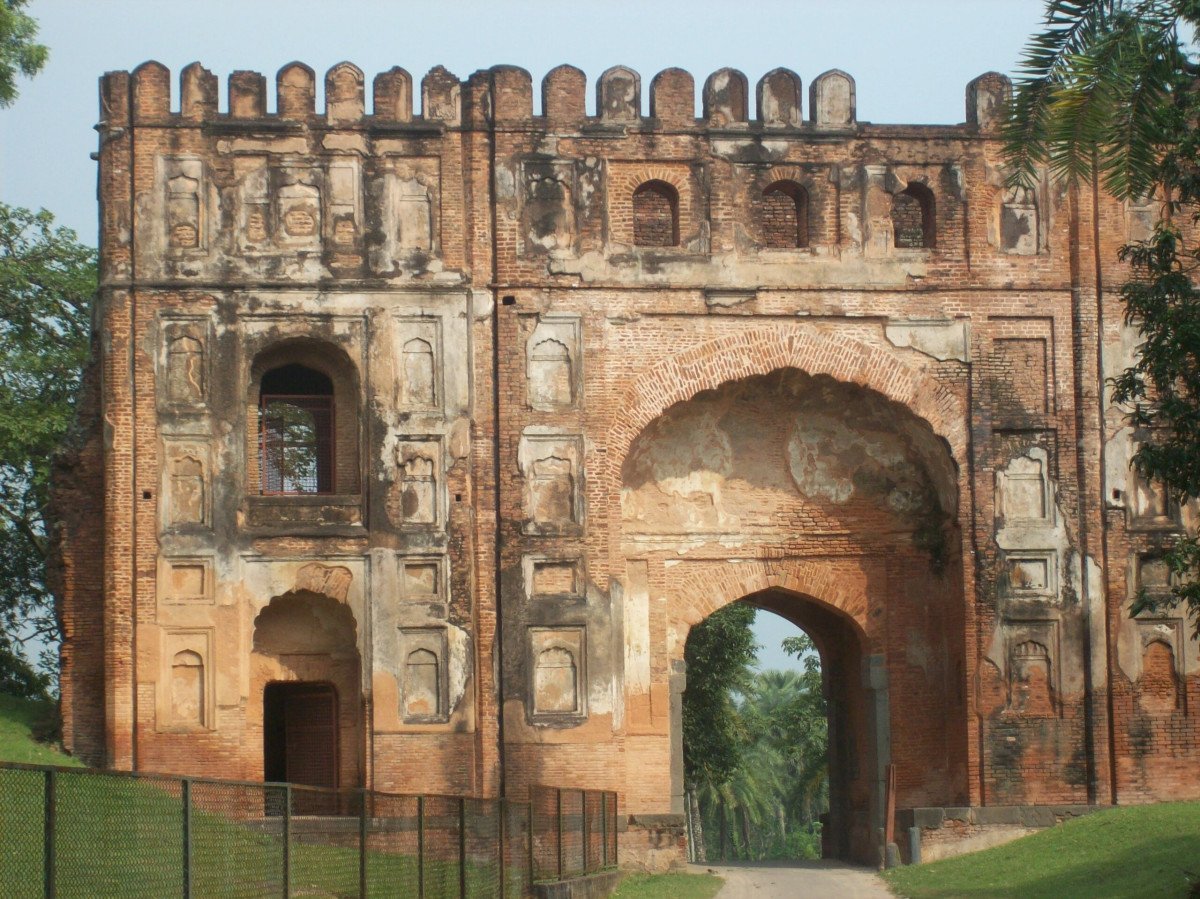
Dakhil Darwaza: This massive gateway, built in 1425, is made of small red bricks and features high arches and circular towers at the corners, measuring 22 meters in height and 34 meters in width. The use of terracotta plaques depicting lotuses and geometric patterns is a hallmark of the Bengal Sultanate style. -
How To Reach:
Place How to Reach:
By Air: The nearest major airport is Netaji Subhash Chandra Bose International Airport in Kolkata, about 330 km away. From there, you can take a domestic flight to Bagdogra Airport (about 220 km from Malda) or travel by t...Place How to Reach:
By Air: The nearest major airport is Netaji Subhash Chandra Bose International Airport in Kolkata, about 330 km away. From there, you can take a domestic flight to Bagdogra Airport (about 220 km from Malda) or travel by train.
By Train: Malda Town (MLDT) is a major railway station well-connected to Kolkata, Delhi, and Guwahati. Popular trains include the Gour Express and Shatabdi Express.
By Road: Malda is on NH12. Regular luxury and state buses (NBSTC) run from Kolkata, Siliguri, and Berhampore.
By Local Transport: Within the city, E-rickshaws (Totos) and autos are the most convenient and affordable ways to travel. -
Weather and Best Time to Visit:
Place Best Time to Visit:
Winter (November to February): This is the peak tourist season with temperatures ranging from 10°C to 25°C. The weather is perfect for exploring the ruins.
Summer (March to June):...Place Best Time to Visit:
Winter (November to February): This is the peak tourist season with temperatures ranging from 10°C to 25°C. The weather is perfect for exploring the ruins.
Summer (March to June): It can be hot, but this is the Mango Season. If you want to experience the fruit markets, June is the time.
Monsoon (July to September): The region becomes lush green, but heavy rains might hinder monument visits.
Parts of Day: Morning for sightseeing, afternoon for museums, and evening for local markets and river views. -
Near Tourist Places:
1. Gour (12km), 2. Pandua (18km), 3. Jagjivanpur (35km), 4. Farakka (35km), 5. Murshidabad (95km), 6. Tarapith (115km), 7. Bhagalpur (125km), 8. Santiniketan (155km), 9. Siliguri (190km), 10. Raiganj Bird Sanctuary (75km)
Tourism Tips
-
Place Tourism Tips:
Health & Safety: Carry bottled water and wear hats as the sun can be strong. Keep basic medicines handy.
Packing: Light cotton clothes are best for most of the year. Carry comfortable wa...Place Tourism Tips:
Health & Safety: Carry bottled water and wear hats as the sun can be strong. Keep basic medicines handy.
Packing: Light cotton clothes are best for most of the year. Carry comfortable walking shoes for the ruins.
Accommodation: There are several hotels near the Malda Town station ranging from budget to mid-range. Government tourist lodges are also available.
Other: Respect the religious sites and remove shoes where required. Hiring a local guide at Gour is highly recommended to understand the deep history of the ruins.
Reviews
FAQs
Malda City Itineray And Cost:-
Information about New and Updated Locations() of West Bengal Has Been Added :-
Card subtitle
Note:-
Information provided here in good Faith and for reference only.
All information and pictures will be updated soon, please keep visiting.
Near Places
Bakkhali
Some quick example text to build on the card title and make up the bulk of the card's content.
Go somewhere
Bankura
Some quick example text to build on the card title and make up the bulk of the card's content.
Go somewhere
Bishnupur
Some quick example text to build on the card title and make up the bulk of the card's content.
Go somewhere
Cooch Behar
Some quick example text to build on the card title and make up the bulk of the card's content.
Go somewhere
Darjeeling
Some quick example text to build on the card title and make up the bulk of the card's content.
Go somewhere
Digha
Some quick example text to build on the card title and make up the bulk of the card's content.
Go somewhere
Dooars
Some quick example text to build on the card title and make up the bulk of the card's content.
Go somewhere
Kalimpong
Some quick example text to build on the card title and make up the bulk of the card's content.
Go somewhere
Kolkata
Some quick example text to build on the card title and make up the bulk of the card's content.
Go somewhere
Kurseong
Some quick example text to build on the card title and make up the bulk of the card's content.
Go somewherein Other Cities