Bhalu Dam
General information
-
Ideal Duration:
2-3 hours (excluding travel and the 3 KM trek which is around 2 hours round trip)Place Type:
Trekking, Natural Lake, Historical SiteEntry Fees:
Nominal Forest Area Permit: While the entry to the dam itself is often free, there may be a nominal environmental or permit fee imposed by the Forest Department for trekking through the protected forest area, particularly if entering from Chaubatia Garden. This fee is minim...Nominal Forest Area Permit: While the entry to the dam itself is often free, there may be a nominal environmental or permit fee imposed by the Forest Department for trekking through the protected forest area, particularly if entering from Chaubatia Garden. This fee is minimal, approximately INR 20-50 per person.
Guide Fees and Trekking Costs: The primary cost is often for hiring a local, experienced guide for the 3 KM trek, which is highly recommended for safety and navigation. Guide charges vary but expect them to be between INR 500-1000 for a group.
Parking and Accessory Costs: If you drive to the starting point (Chaubatia Garden), a small parking fee may apply. Essential costs include carrying your own snacks and drinks, as no shops are available near the dam site, making the trip budget-friendly if planned well. (More than )Timing:
Regular Timings: Generally open from 7:00 AM to 7:00 PM, allowing ample time for the trek and relaxation. Visitors are advised not to start the trek too late to avoid returning after dark.
Ideal Visit Time: The best time is the early mornin...Regular Timings: Generally open from 7:00 AM to 7:00 PM, allowing ample time for the trek and relaxation. Visitors are advised not to start the trek too late to avoid returning after dark.
Ideal Visit Time: The best time is the early morning (7:00 AM to 10:00 AM) or late afternoon (3:00 PM to 6:00 PM) to avoid the midday sun during the trek and to get the best light for photography, especially during winter.
Best Season for Visit: The most favorable seasons are March to June and September to November (or October to April for snow views) when the weather is mild and the visibility of the Himalayas is clearest. (More than )Special Events:
Annual Spring Bloom: The surrounding gardens and forest areas likely experience a beautiful bloom of seasonal flowers and rhododendrons in the early spring months (March-April), creating a vibrant and picturesque landscape that draws nature photographers and enthusiasts. Th...Annual Spring Bloom: The surrounding gardens and forest areas likely experience a beautiful bloom of seasonal flowers and rhododendrons in the early spring months (March-April), creating a vibrant and picturesque landscape that draws nature photographers and enthusiasts. This natural spectacle is a key event.
Local Forest Department Events: Occasionally, the local forest or tourism department might organize special eco-tourism or nature camps (like a birding festival) during favorable weather to promote the sustainable development of the site, attracting niche tourists interested in wildlife and conservation. These are announced locally. (More than )Best Photo Spots:
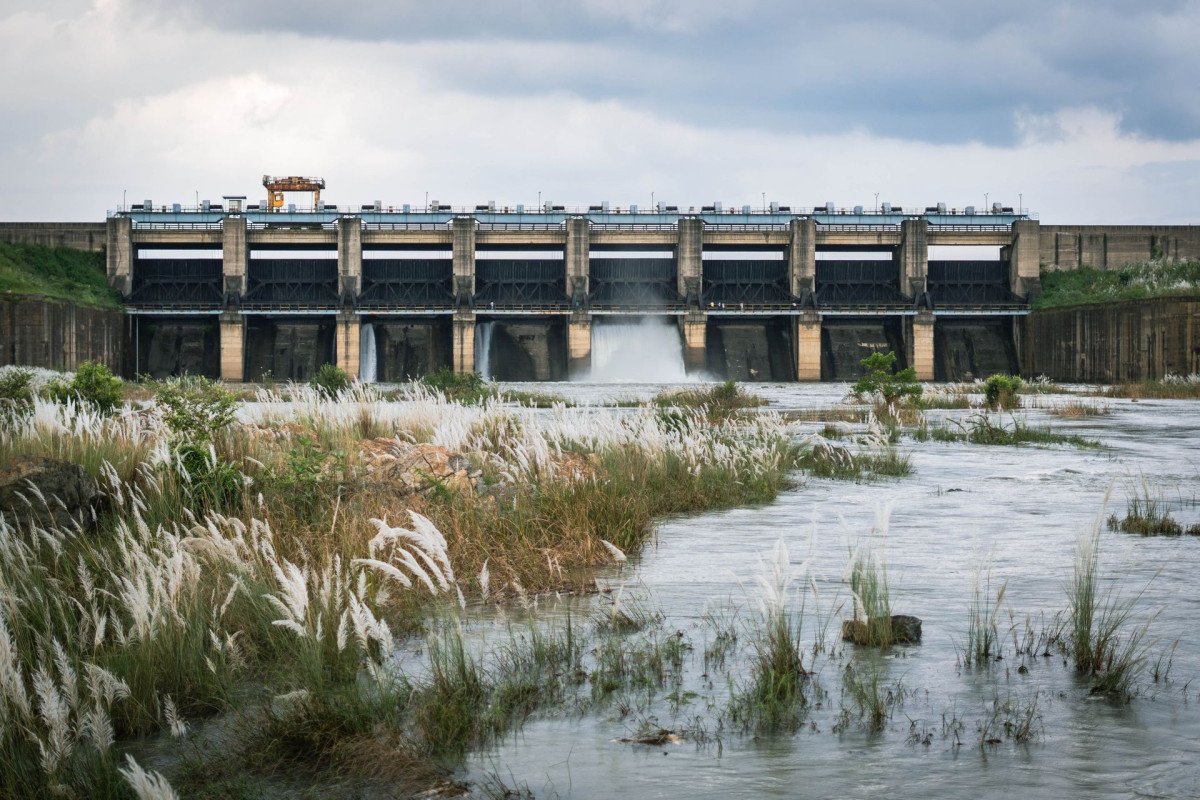
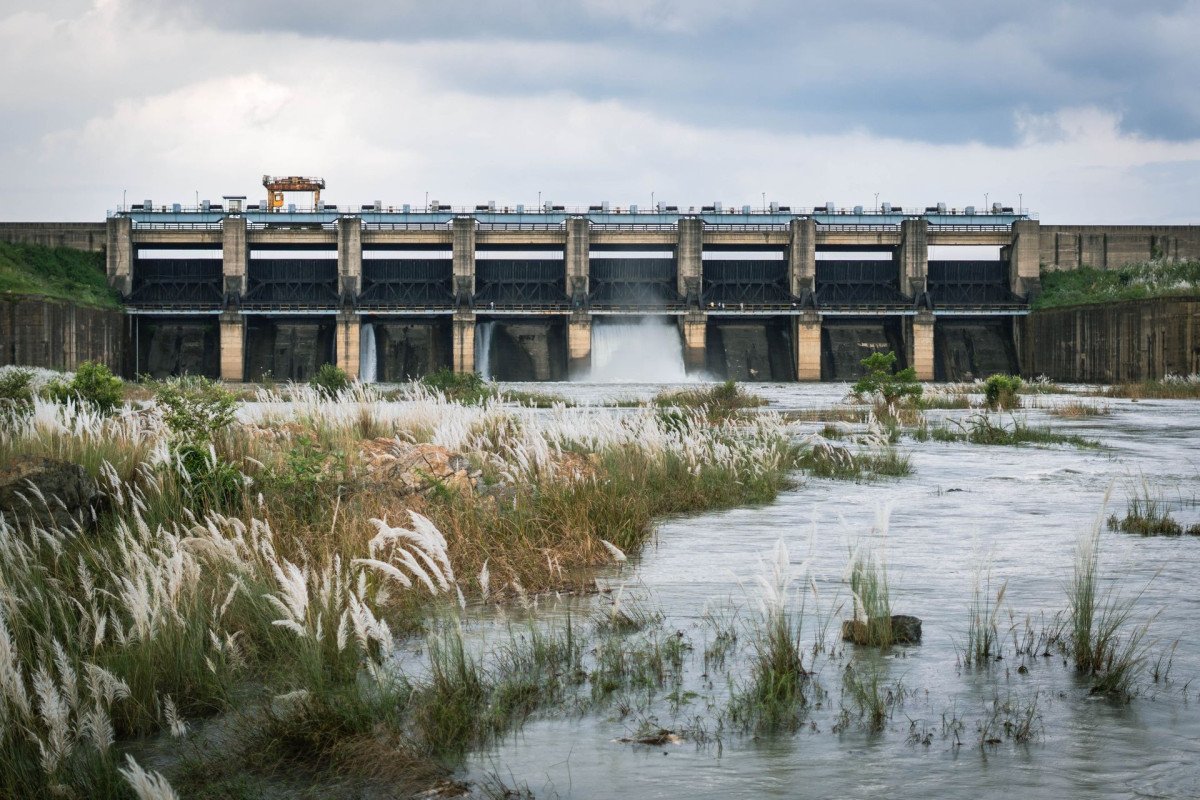
The Himalayan Reflection: The surface of the artificial lake, especially on a calm day, acts as a mirror, offering spectacular reflection shots of the dense forest and the distant Himalayan mountain peaks. This is arguably the best spot for landscape photography.The Himalayan Reflection: The surface of the artificial lake, especially on a calm day, acts as a mirror, offering spectacular reflection shots of the dense forest and the distant Himalayan mountain peaks. This is arguably the best spot for landscape photography.
The Trekking Trail Views: The 3 KM trek itself, particularly the viewpoints along the way, offers numerous photo spots of the valleys and surrounding forests, capturing the 'journey' aspect. The dense pine and oak tree canopy provides atmospheric shots.
The Historical Dam Site: The specific location of the dam structure, with its colonial-era masonry and the artificial lake backdrop, is a strong historical and architectural photo spot. The presence of the surrounding gardens adds foreground interest. (More than )Photo Gallery
Things To Do
-
Trekking and Hiking: Embark on the essential 3 KM trek through the preserved forest from Chaubatia Garden to reach the dam. This is the main activity and offers an adventurous start to the visit. You can hire a guide for a safe and informed trek, ensuring you stick to marked trails and learn about the local flora and fauna. The return climb takes roughly an hour.
Picnicking and Relaxation: The peaceful setting beside the small lake, surrounded by lush gardens and forests, is perfect for a relaxing family or couples picnic. Carry your own food and water, as options here are minimal. Find a serene spot and enjoy the quiet environment.
Bird Watching and Photography: The tranquil environment is excellent for observing local and migratory birds. Bring binoculars and a good camera. The scenic be...Trekking and Hiking: Embark on the essential 3 KM trek through the preserved forest from Chaubatia Garden to reach the dam. This is the main activity and offers an adventurous start to the visit. You can hire a guide for a safe and informed trek, ensuring you stick to marked trails and learn about the local flora and fauna. The return climb takes roughly an hour.
Picnicking and Relaxation: The peaceful setting beside the small lake, surrounded by lush gardens and forests, is perfect for a relaxing family or couples picnic. Carry your own food and water, as options here are minimal. Find a serene spot and enjoy the quiet environment.
Bird Watching and Photography: The tranquil environment is excellent for observing local and migratory birds. Bring binoculars and a good camera. The scenic beauty, with the lake and Himalayan backdrops, provides countless photography opportunities. Early morning is ideal for both activities.
Nature Walks and Exploration: Take a leisurely stroll in the garden accompanying the dam and explore the adjacent dense forests. The serene surroundings are perfect for simple nature walks, appreciating the flora, including the pine and oak trees, and experiencing the untouched landscapes. Ensure you stay on designated paths.
Camping Adventure (with Permission): While primarily a day-trip destination, some organized tours or individuals with proper permission may be able to set up a camp in the secluded forest areas nearby, offering a unique overnight experience under the stars. Always prioritize safety and environmental responsibility.
Mindful Meditation: The secluded, quiet nature of the location, especially being off the main road, makes it a perfect place for quiet contemplation or mindful meditation amidst the calming sounds of nature. It’s an ideal spot for a digital detox.
Seasonal Snow View: During the best months (like October to April), you might witness the surrounding hills and distant peaks covered in snow, adding a layer of majestic beauty to the landscape. This transforms the trekking experience into an adventurous snow trek. (More than )
Information
-
Why Famous:
The 1903 Legacy: It's famous for being a colonial-era construction established in 1903 by the British for a water source for their soldiers, giving it historical significance. This historical context attracts visitors interested in the colonial past of the region. The blen...The 1903 Legacy: It's famous for being a colonial-era construction established in 1903 by the British for a water source for their soldiers, giving it historical significance. This historical context attracts visitors interested in the colonial past of the region. The blend of history with nature makes it a unique destination.
Natural Beauty and Serenity: The tranquil oasis set amidst dense pine and oak forests, with stunning panoramic views of the Himalayan range, makes it famous as a perfect, secluded picnic and relaxation spot. The natural vista surrounding the lake is a major draw for tourists seeking peace.
The Trekking Experience: The 3 KM trek through the forest from Chaubatia Garden is a significant part of the experience, making it popular with adventure seekers and trekkers. The trail offers an intimate engagement with the natural environment, which is highly valued. (More than ) -
Architecture:
Construction Material and Style: The dam itself is an early 20th-century construction built by the British administration, primarily using local and traditional materials suitable for a small reservoir project. The construction would have focused on functionality, likely in...Construction Material and Style: The dam itself is an early 20th-century construction built by the British administration, primarily using local and traditional materials suitable for a small reservoir project. The construction would have focused on functionality, likely involving dressed or rubble stone masonry to create the retaining walls and spillways of the artificial lake. The architecture, while utilitarian, is designed to blend with the natural terrain. The main features are the earth-filled or stone-supported structure forming the lake and the associated water channels.
Dimension and Scale: The dam forms a small artificial lake; details regarding its exact dimensions (length, height, capacity) are not widely published but its small scale is a defining characteristic. The trek to reach the dam is approximately 3 KM one way. The surrounding area is part of a large, preserved forest, enhancing its remote and natural atmosphere. The architecture reflects early colonial-era resource management in the hill stations. The lake's presence creates a distinct micro-environment within the forest. (More than ) -
How To Reach:
By Air: The nearest airport is Jolly Grant Airport (DED) in Dehradun, approximately 180 KMS away from Ranikhet. From the airport, one must hire a taxi or take a pre-booked car to Chaubatia Garden, the starting point for the trek. The drive is scenic but long, taking around...By Air: The nearest airport is Jolly Grant Airport (DED) in Dehradun, approximately 180 KMS away from Ranikhet. From the airport, one must hire a taxi or take a pre-booked car to Chaubatia Garden, the starting point for the trek. The drive is scenic but long, taking around 6-7 hours.
By Train: The nearest major railway station is Kathgodam Railway Station (KGM), about 85 KMS away. Another option is Haldwani Railway Station (HDW). From the station, taxis are readily available to take you to Chaubatia Garden. The train journey is generally more comfortable than the road, and the road journey from the station takes about 3-4 hours.
By Road: Bhalu Dam is accessible via a 3 KM trek from the Chaubatia Garden area of Ranikhet. Ranikhet is well-connected by road to major Uttarakhand cities like Nainital (59 KMS) and Almora (45 KMS). State transport buses and private taxis frequently ply to Ranikhet. The last leg to the dam is always on foot, often with a guide.
By Local Transport: From Ranikhet town center, local taxis or shared jeeps can take you to the entrance of the Chaubatia Garden or the start of the trekking point. From there, the only local transport option is walking, which is mandatory for the 3 KM forest trail. (400+ words) -
Weather and Best Time to Visit:
Winter Season (October to April): Ideal for clear skies, stunning snow-capped Himalayan views, and adventurous snow trekking. It is cold, requiring heavy woolen clothing. The mid-day offers the most comfortable temperature for the trek.
Summer...Winter Season (October to April): Ideal for clear skies, stunning snow-capped Himalayan views, and adventurous snow trekking. It is cold, requiring heavy woolen clothing. The mid-day offers the most comfortable temperature for the trek.
Summer Season (March to June): This is the peak season, offering the most pleasant weather for the trek. The temperature is mild. The early morning is perfect for the trek before the sun gets too strong, and the surroundings are lush green.
Monsoon Season (July to August): Avoid this period due to heavy rains, slippery trails, and the risk of landslides, making the 3 KM trek very challenging and unsafe. The visibility of the peaks is also minimal. (More than ) -
Near Tourist Places:
Chaubatia Gardens (0 KMS, starting point), Jhula Devi Temple (4 KMS), Mankameshwar Temple (4 KMS), Kumaon Regimental Centre (KRC) Museum (5 KMS), Kalika Temple (8 KMS), Ashiyana Park (10 KMS), Majkhali (12 KMS), Golf Course Ranikhet (15 KMS), Haidakhan Babaji Temple (18 KMS), Dwarahat (35 KMS)
Tourism Tips
-
Health & Safety: Hire a Guide for the 3 KM trek as there are multiple intersecting paths; stick to the marked trails. Carry a basic first aid kit, especially for minor cuts or sprains from the trek. Inform your accommodation or a local about your trekking plans.
<...Health & Safety: Hire a Guide for the 3 KM trek as there are multiple intersecting paths; stick to the marked trails. Carry a basic first aid kit, especially for minor cuts or sprains from the trek. Inform your accommodation or a local about your trekking plans.
Packing Essentials: Carry sufficient water and energy-rich snacks as there are no shops near the dam. Wear comfortable, sturdy trekking shoes for the rough, downhill path. Carry a light jacket, even in summer, as the forest can be cool.
Accommodation: While camping is an option with permission, a safer bet is to stay at a hotel or homestay in Ranikhet or near Chaubatia Garden. Book in advance during peak season.
Other Tips: Respect the Ecosystem; do not litter. Carry a trash bag to bring back all your waste. Photography is popular, so bring extra batteries. Check the weather forecast before starting the trek. (400+ words)
Reviews
FAQs
Lansdowne Itineray And Cost:-
Other Places In Lansdowne :-
Other States In India :-
Information about New and Updated Locations() of Uttarakhand Has Been Added :-
Card subtitle
Note:-
Information provided here in good Faith and for reference only.
Near Places
Bhalu Dam
Some quick example text to build on the card title and make up the bulk of the card's content.
Go somewhere
Bhim Pakora
Some quick example text to build on the card title and make up the bulk of the card's content.
Go somewhere
Bhulla Tal Lake
Some quick example text to build on the card title and make up the bulk of the card's content.
Go somewhere
Bhulla Tal
Some quick example text to build on the card title and make up the bulk of the card's content.
Go somewhere
Chinbo Waterfall
Some quick example text to build on the card title and make up the bulk of the card's content.
Go somewhere
Darwan Singh Museum
Some quick example text to build on the card title and make up the bulk of the card's content.
Go somewhere
Durga Devi Temple
Some quick example text to build on the card title and make up the bulk of the card's content.
Go somewhere
Garhwal Rifles Regimental War Memorial
Some quick example text to build on the card title and make up the bulk of the card's content.
Go somewhere
Garhwali Mess
Some quick example text to build on the card title and make up the bulk of the card's content.
Go somewhere
Himalayan View Point Gumkhal
Some quick example text to build on the card title and make up the bulk of the card's content.
Go somewhere
Kalagarh Tiger Reserve
Some quick example text to build on the card title and make up the bulk of the card's content.
Go somewhere
Kaleshwar Mahadev Temple
Some quick example text to build on the card title and make up the bulk of the card's content.
Go somewhere
Lansdowne
Some quick example text to build on the card title and make up the bulk of the card's content.
Go somewhere
Palkot Waterfall
Some quick example text to build on the card title and make up the bulk of the card's content.
Go somewhere
Rathi Hut
Some quick example text to build on the card title and make up the bulk of the card's content.
Go somewhere
Santoshi Mata Mandir
Some quick example text to build on the card title and make up the bulk of the card's content.
Go somewherein Other Cities