Tarkeshwar Mahadev Temple
General information
-
Ideal Duration:
2-3 Hours (Excluding Travel Time):Place Type:
Religious/Pilgrimage/Nature:Entry Fees:
Temple Entry and Darshan: The temple itself has No Entry Fees, adhering to the custom of free worship in most Hindu temples. Donations are voluntary.
Parking and Road Use: Due to its remote location, the primary cost is transport. Parking ...Temple Entry and Darshan: The temple itself has No Entry Fees, adhering to the custom of free worship in most Hindu temples. Donations are voluntary.
Parking and Road Use: Due to its remote location, the primary cost is transport. Parking near the temple premises is usually minimal or Free.
Donations for Maintenance: Small contributions are welcome for the upkeep of the temple, the Dharamshala facilities, and the daily running of the shrine; a typical donation might be INR 10 to INR 100 per family.
(Word count: ~201):Timing:
Regular Timings: The temple is generally open throughout the year, typically from 6:00 AM to 7:00 PM (some sources say it is open 24 hours, but main worship hours are within this window). It is important to check the timings locally, especially during winter months or festi...Regular Timings: The temple is generally open throughout the year, typically from 6:00 AM to 7:00 PM (some sources say it is open 24 hours, but main worship hours are within this window). It is important to check the timings locally, especially during winter months or festivals.
Ideal Visit Time: The best time is the early morning (around 7:00 AM to 9:00 AM) for a peaceful darshan and to experience the morning mist in the deodar forest. Evening aarti is also a deeply spiritual and quiet time.
(Word count: ~200):Special Events:
Maha Shivratri Celebration: The most important event is the annual festival of Maha Shivratri (February/March), which draws thousands of devotees who perform special midnight rituals, aarti, and fasting, turning the temple complex into a vibrant hub of religious activity.Maha Shivratri Celebration: The most important event is the annual festival of Maha Shivratri (February/March), which draws thousands of devotees who perform special midnight rituals, aarti, and fasting, turning the temple complex into a vibrant hub of religious activity.
Shravan Maas Festivities: The entire holy month of Shravan (July/August) is dedicated to Lord Shiva, with special prayers, processions, and continuous flow of pilgrims and devotees offering Gangajal (holy Ganga water) at the temple.
(Word count: ~200):Best Photo Spots:
The Deodar Forest Gateway: The archway or path leading into the temple, beautifully framed by the towering deodar trees and the sunlight filtering through, provides a mystical and atmospheric shot.
Temple Bell Array: The thousands of bells t...The Deodar Forest Gateway: The archway or path leading into the temple, beautifully framed by the towering deodar trees and the sunlight filtering through, provides a mystical and atmospheric shot.
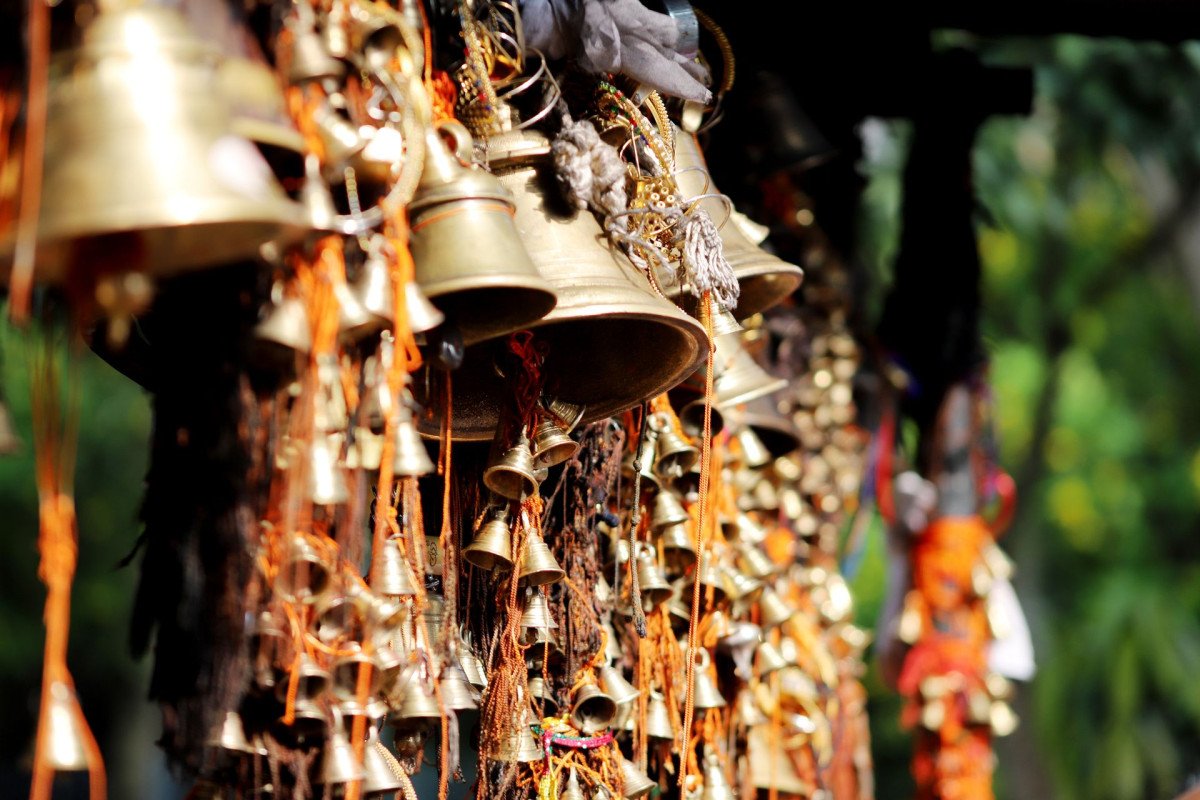
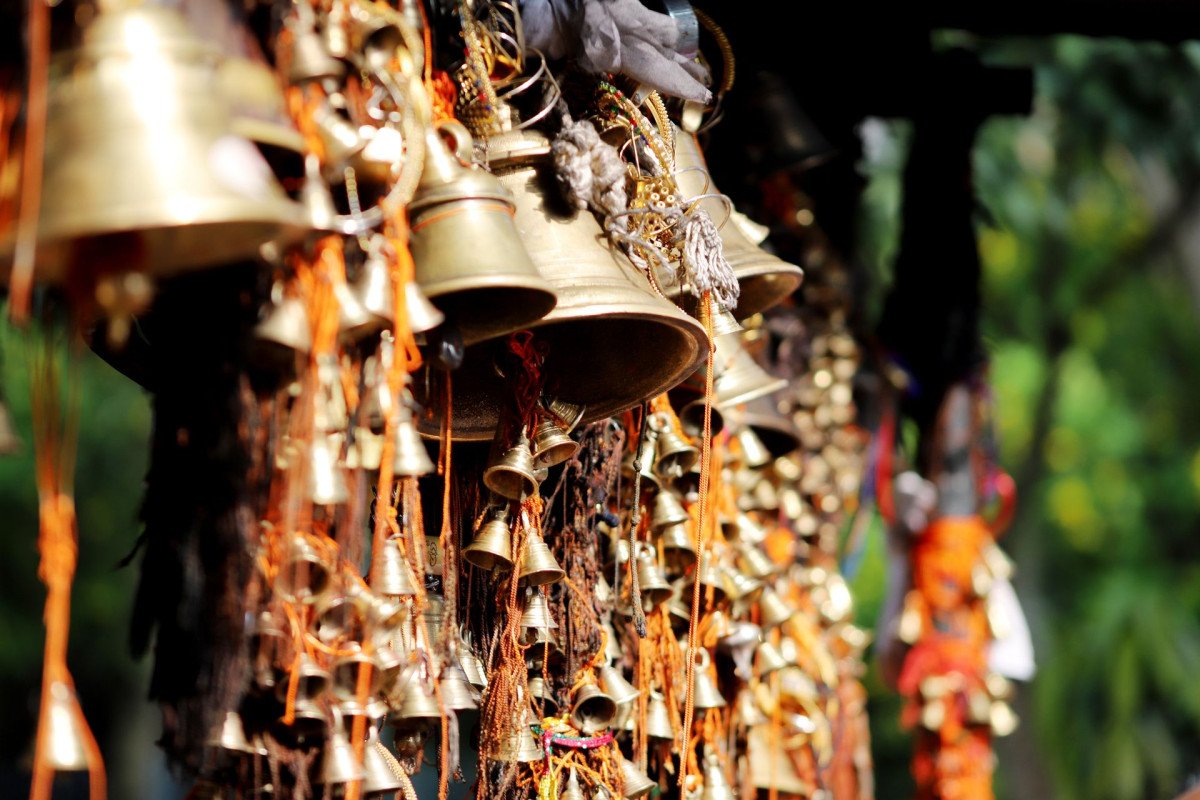
Temple Bell Array: The thousands of bells tied as offerings around the temple area make for a unique and visually compelling shot, symbolizing faith and tradition.
The Natural Shivlingam: Although internal photography might be restricted, the exterior shots that capture the simple stone structure against the dark, dense forest are highly evocative and spiritual.
Panoramic Forest View from Approach Road: Stop at viewpoints along the road to the temple to capture the vast, untouched Garhwal forests and the distant hills that surround the sacred site.
(Word count: ~301):Photo Gallery
Things To Do
-
Offering Prayers and Rituals: Participate in the daily aarti and offer milk and water to the Shivlingam. Devotees often tie bells (ghanta) as a fulfillment of a wish or prayer.
Meditation and Quiet Contemplation: Utilize the deep tranquility of the deodar forest surroundings for personal meditation and introspection. The air is pure and the silence profound, making it an ideal spiritual retreat.
Exploring the Sacred Grove: Take a mindful walk through the dense, cool deodar and pine forest surrounding the temple. This area is considered sacred, and the trees themselves are an integral part of the experience.
Identifying Flora and Natural Features: Look for the unique trident-shaped tree and other indigenous Himalayan flora. The natural spring-fed water body or...Offering Prayers and Rituals: Participate in the daily aarti and offer milk and water to the Shivlingam. Devotees often tie bells (ghanta) as a fulfillment of a wish or prayer.
Meditation and Quiet Contemplation: Utilize the deep tranquility of the deodar forest surroundings for personal meditation and introspection. The air is pure and the silence profound, making it an ideal spiritual retreat.
Exploring the Sacred Grove: Take a mindful walk through the dense, cool deodar and pine forest surrounding the temple. This area is considered sacred, and the trees themselves are an integral part of the experience.
Identifying Flora and Natural Features: Look for the unique trident-shaped tree and other indigenous Himalayan flora. The natural spring-fed water body or Kund near the temple is also a significant spot.
Pilgrim Interaction and Culture: Observe and learn about the local Garhwali customs and pilgrim traditions, especially during the festival of Maha Shivratri.
Photography of the Temple Exterior: Capture the unique stone architecture and the backdrop of the towering trees (photography may be restricted inside the main sanctum).
Enjoying the Scenic Drive: The journey from Lansdowne to the temple is highly scenic; ensure you stop at designated viewpoints along the route to capture the mountain vistas.
Staying at the Dharamshala: For a truly immersive spiritual experience, consider staying overnight in the basic but peaceful Dharamshala (rest house) facilities near the temple.
Respecting the Rituals: If you are not familiar with Hindu rituals, observe quietly or seek gentle guidance on temple etiquette to ensure respect for the sacred site.
Light Trekking Near the Temple: Explore the short walking paths in the immediate vicinity of the temple for different perspectives of the forest.
Savoring Simple Food: Enjoy the simple, often vegetarian, food offered at the small local eateries or the Dharamshala.
Finding the Goddess Shakti Temple: Visit the adjacent small temple dedicated to Goddess Shakti for a complete spiritual visit.
Observing the Architecture: Take time to appreciate the simple yet sturdy stone architecture of the temple structure, a classic example of mountain construction.
Collecting Blessings: Purchase small religious tokens or sacred threads from the nearby stalls as souvenirs of the pilgrimage.
(Word count: ~700):
Information
-
Why Famous:
A Siddha Peeth of Lord Shiva: Its primary fame comes from its status as an ancient Siddha Peeth and the legend involving the demon Tarkasur and Lord Shiva's act of grace, making it a powerful site for spiritual seekers and Hindu devotees, especially during Maha Shivratri.A Siddha Peeth of Lord Shiva: Its primary fame comes from its status as an ancient Siddha Peeth and the legend involving the demon Tarkasur and Lord Shiva's act of grace, making it a powerful site for spiritual seekers and Hindu devotees, especially during Maha Shivratri.
The Sacred Deodar Forest: The temple is famous for being completely encircled by a dense, sacred forest of towering deodar trees, which lends the place a mystical and uniquely tranquil atmosphere unmatched by other temples in the region.
(Word count: ~201): -
Architecture:
Traditional Garhwali Temple Style: The architecture of Tarkeshwar Mahadev Temple is simple yet deeply rooted in the traditional Garhwali style, which emphasizes stone construction and a modest, earthy aesthetic that complements the rugged mountain environment. The temple st...Traditional Garhwali Temple Style: The architecture of Tarkeshwar Mahadev Temple is simple yet deeply rooted in the traditional Garhwali style, which emphasizes stone construction and a modest, earthy aesthetic that complements the rugged mountain environment. The temple structure is built predominantly from local stone, often featuring intricate carvings, though the overall design prioritizes spiritual function over elaborate ornamentation.
The Unique Trident Tree Structure: A notable feature is the natural presence of a trident (Trishul) shaped tree near the temple, which is revered as a manifestation of Lord Shiva's weapon and a natural icon. The main sanctum houses a natural rock formation (Shivlingam). The temple complex dimensions are relatively compact, perhaps 20×15 meters for the main compound, with the primary shrine being a small, elevated structure. Adjacent to the main shrine, there is also a small temple dedicated to Goddess Shakti. The architecture is designed to withstand the cold mountain climate, utilizing thick stone walls and simple sloping roofs.
(Word count: ~202): -
How To Reach:
By Air: The nearest airport is Jolly Grant Airport (Dehradun), approximately 180 KMs away. Hire a private taxi for a direct but long drive (5-6 hours) or take a bus to Kotdwar and then a local taxi to the temple.
By Train: The nearest railw...By Air: The nearest airport is Jolly Grant Airport (Dehradun), approximately 180 KMs away. Hire a private taxi for a direct but long drive (5-6 hours) or take a bus to Kotdwar and then a local taxi to the temple.
By Train: The nearest railway station is Kotdwar Railway Station, about 40 KMs away. This is the most common point of entry. From Kotdwar, one must hire a private taxi, which takes about 1. 5 to 2 hours due to the winding hill road and the temple's remote location. Shared taxis may also be available from Kotdwar to the nearest major road junction.
By Road: The temple is approximately 37 KMs from the main Lansdowne town center. It is connected by a well-maintained but narrow, winding hill road. Due to the distance, it is essential to hire a private taxi from Lansdowne for a return trip, which is the most convenient option. Regular bus services do not run directly to the temple.
By Local Transport: A dedicated private taxi from Lansdowne is the safest and most efficient way to reach this remote site. It is advisable to negotiate a fixed rate for a round trip with the taxi driver, including waiting time at the temple.
(Word count: ~400): -
Weather and Best Time to Visit:
Different Types of Seasons: Summer (March to June) is considered the best time for comfortable travel and a pleasant visit, with clear weather. Monsoon (July to September) makes the journey difficult and risky due to slippery roads. Winter (October to February) offers a my...Different Types of Seasons: Summer (March to June) is considered the best time for comfortable travel and a pleasant visit, with clear weather. Monsoon (July to September) makes the journey difficult and risky due to slippery roads. Winter (October to February) offers a mystical, often misty, atmosphere, but the cold is intense, and road conditions should be checked. The shoulder season (October and November) is highly recommended.
Different Parts of the Day: The early morning, just after sunrise, is the most sacred and tranquil time to visit for unhurried prayers and to experience the forest at its most serene. Late afternoon is also calm but ensures you have enough daylight for the return journey before sunset.
(Word count: ~300): -
Near Tourist Places:
Lansdowne City Center (approx. 37 KMs), Tip-in-Top Point (approx. 38 KMs), Bhulla Tal (approx. 38 KMs), War Memorial (approx. 37 KMs), St. John's Church (approx. 38 KMs), Kaleshwar Mahadev Temple (approx. 39 KMs), Bhim Pakora (approx. 39 KMs), Kalagarh Tiger Reserve (approx. 32 KMs), Kotdwar (approx. 40 KMs), Kanvashram (approx.
35 KMs):
Tourism Tips
-
Health & Safety: The temple is in a remote forest area; be aware of wildlife and stick to marked paths. Carry essential medication. The road is winding; if prone to motion sickness, take precautions.
Packing: Dress modestly, covering sho...Health & Safety: The temple is in a remote forest area; be aware of wildlife and stick to marked paths. Carry essential medication. The road is winding; if prone to motion sickness, take precautions.
Packing: Dress modestly, covering shoulders and legs, as it is a place of worship. Carry warm layers, even in summer, due to the altitude and forest shade. Wear sturdy walking shoes.
Accommodation: Accommodation is very basic, with a Dharamshala near the temple. For comfortable lodging, plan to stay in Lansdowne and treat the temple visit as a half-day excursion.
Other Different Topics heading:
Respectful Behavior: Maintain silence and respect the spiritual ambiance. Avoid consuming non-vegetarian food or alcohol near the temple premises.
Photography Restrictions: Ask permission before photographing inside the main shrine.
Fuel/Provisions: There are minimal facilities on the route; ensure your vehicle is fueled and carry enough water and snacks.
(Word count: ~401):
Reviews
FAQs
Lansdowne Itineray And Cost:-
Tarkeshwar Mahadev Temple Tourism:-
Other Places In Lansdowne :-
Other States In India :-
Information about New and Updated Locations() of Uttarakhand Has Been Added :-
Card subtitle
Note:-
Information provided here in good Faith and for reference only.
Near Places
Bhalu Dam
Some quick example text to build on the card title and make up the bulk of the card's content.
Go somewhere
Bhim Pakora
Some quick example text to build on the card title and make up the bulk of the card's content.
Go somewhere
Bhulla Tal Lake
Some quick example text to build on the card title and make up the bulk of the card's content.
Go somewhere
Bhulla Tal
Some quick example text to build on the card title and make up the bulk of the card's content.
Go somewhere
Chinbo Waterfall
Some quick example text to build on the card title and make up the bulk of the card's content.
Go somewhere
Darwan Singh Museum
Some quick example text to build on the card title and make up the bulk of the card's content.
Go somewhere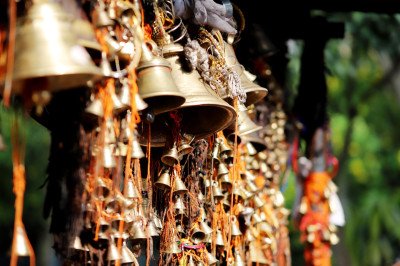
Durga Devi Temple
Some quick example text to build on the card title and make up the bulk of the card's content.
Go somewhere
Garhwal Rifles Regimental War Memorial
Some quick example text to build on the card title and make up the bulk of the card's content.
Go somewhere
Garhwali Mess
Some quick example text to build on the card title and make up the bulk of the card's content.
Go somewhere
Himalayan View Point Gumkhal
Some quick example text to build on the card title and make up the bulk of the card's content.
Go somewhere
Kalagarh Tiger Reserve
Some quick example text to build on the card title and make up the bulk of the card's content.
Go somewhere
Kaleshwar Mahadev Temple
Some quick example text to build on the card title and make up the bulk of the card's content.
Go somewhere
Lansdowne
Some quick example text to build on the card title and make up the bulk of the card's content.
Go somewhere
Palkot Waterfall
Some quick example text to build on the card title and make up the bulk of the card's content.
Go somewhere
Rathi Hut
Some quick example text to build on the card title and make up the bulk of the card's content.
Go somewhere
Santoshi Mata Mandir
Some quick example text to build on the card title and make up the bulk of the card's content.
Go somewherein Other Cities