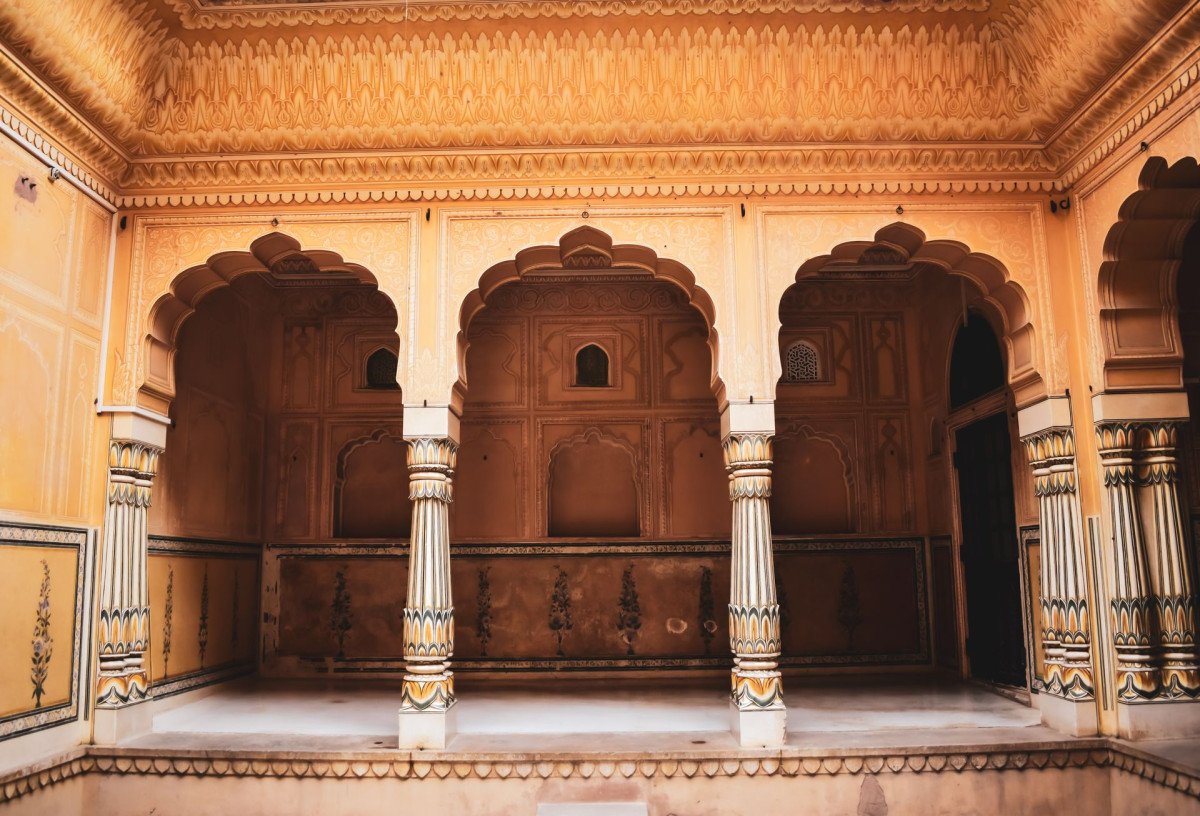
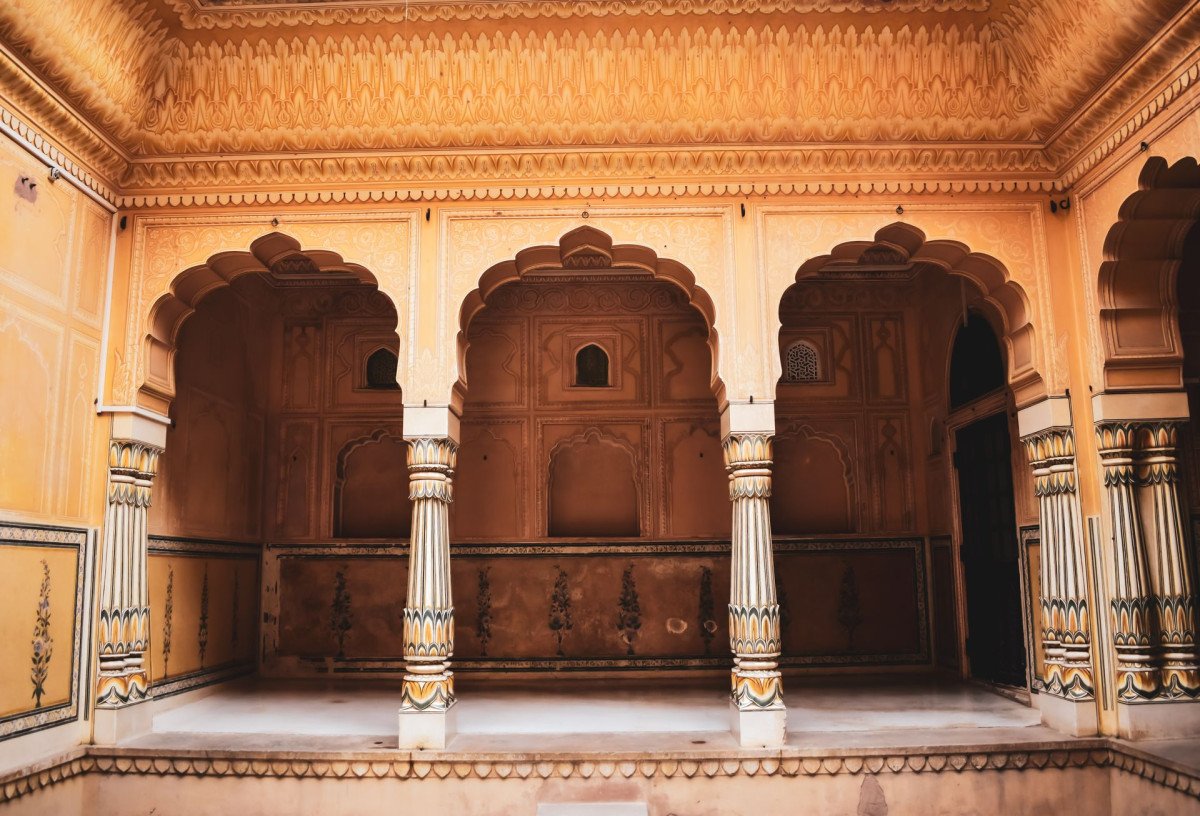
Bishalgarh Fort Ruins
General information
-
Ideal Duration:
1. 5 to 2 HoursPlace Type:
Historical & HeritageSpecial Events:
Victory Day: Occasional local tributes are paid in August to honor the ancient soldiers.
Heritage Week: Observed in November with school visits. ...Victory Day: Occasional local tributes are paid in August to honor the ancient soldiers.
Heritage Week: Observed in November with school visits.Best Photo Spots:
Main Archway: The crumbling entrance gate.
Border Fence: View of the Indo-Bangla border from the fort heights.
Moss Walls: Ancient walls covered in green vegetation. ...Main Archway: The crumbling entrance gate.
Border Fence: View of the Indo-Bangla border from the fort heights.
Moss Walls: Ancient walls covered in green vegetation.Photo Gallery
Things To Do
-
Heritage Walk: Walk through the ruins and identify the different segments like the armory and the living quarters.
Archaeological Study: Examine the brick patterns and mortar used by ancient builders.
Border Viewing: See the international border markers from the elevated sections.
Nature Photography: Capture the contrast between the red bricks and green moss.
Meditation: Sit among the ruins for a quiet, reflective experience.
Trekking: Enjoy a light trek through the surrounding forest.
Storytelling: Listen to local guides tell tales of the 17th-century battles. ...Heritage Walk: Walk through the ruins and identify the different segments like the armory and the living quarters.
Archaeological Study: Examine the brick patterns and mortar used by ancient builders.
Border Viewing: See the international border markers from the elevated sections.
Nature Photography: Capture the contrast between the red bricks and green moss.
Meditation: Sit among the ruins for a quiet, reflective experience.
Trekking: Enjoy a light trek through the surrounding forest.
Storytelling: Listen to local guides tell tales of the 17th-century battles.
Information
-
Why Famous:
Historical Defense: Famous for being the primary defensive outpost of the Manikya kings against Bengal invasions.
Ancient Masonry: Renowned for its unique brick composition that has survived centuries of humid weather. ...Historical Defense: Famous for being the primary defensive outpost of the Manikya kings against Bengal invasions.
Ancient Masonry: Renowned for its unique brick composition that has survived centuries of humid weather. -
Architecture:
Architecture & Design: The fort follows a classic medieval fortification layout with massive perimeter walls.
Dimension: The remaining wall sections are roughly 10 feet high and 4 feet thick, constructed using small, burnt clay bricks and li...Architecture & Design: The fort follows a classic medieval fortification layout with massive perimeter walls.
Dimension: The remaining wall sections are roughly 10 feet high and 4 feet thick, constructed using small, burnt clay bricks and lime mortar. The original fort perimeter is estimated to have covered an area of about 5 acres. The gateway, which is partially standing, has a width of 12 feet, designed to allow elephants and horses to pass. The architecture features arched niches and drainage holes, showing an advanced understanding of masonry. The foundation is made of heavy basalt rocks to provide stability against the soft soil of the region. -
How To Reach:
By Air: 38 KM from Agartala Airport.
By Train: 16 KM from Bishalgarh Railway Station.
By Road: Direct road from Bishalgarh via Kasba road.
By Local Transport: Private taxis ...By Air: 38 KM from Agartala Airport.
By Train: 16 KM from Bishalgarh Railway Station.
By Road: Direct road from Bishalgarh via Kasba road.
By Local Transport: Private taxis are the most reliable way to reach the interior ruins. -
-
Near Tourist Places:
Kasba Kali Temple (2 KM), Sepahijala Zoo (12 KM), Kamalasagar Lake (2 KM), Bishalgarh Market (15 KM), Agartala (32 KM), Neermahal (28 KM), Udaipur (42 KM), Tripura Sundari Temple (45 KM), Jampui Hills (185 KM), Pilak (92 KM).
Tourism Tips
-
Health & Safety: Watch out for snakes and insects in the dense grass.
Packing: Wear full-sleeve clothes to avoid mosquito bites.
Connectivity: Very poor mobile network near the border area.Health & Safety: Watch out for snakes and insects in the dense grass.
Packing: Wear full-sleeve clothes to avoid mosquito bites.
Connectivity: Very poor mobile network near the border area.
Cash: No ATMs nearby; keep cash for local transport.
Reviews
FAQs
Bishalgarh Itineray And Cost:-
Bishalgarh Fort Ruins Tourism:-
Other Places In Bishalgarh :-
Other States In India :-
Information about New and Updated Locations() of Tripura Has Been Added :-
Card subtitle
Note:-
Information provided here in good Faith and for reference only.
Near Places

Barjala Viewpoint
Some quick example text to build on the card title and make up the bulk of the card's content.
Go somewhere
Bishalgarh Fort Ruins
Some quick example text to build on the card title and make up the bulk of the card's content.
Go somewhere
Bishalgarh Kali Temple
Some quick example text to build on the card title and make up the bulk of the card's content.
Go somewhere
Bishalgarh Market
Some quick example text to build on the card title and make up the bulk of the card's content.
Go somewhere
Botanical Garden
Some quick example text to build on the card title and make up the bulk of the card's content.
Go somewhere
Charilam Rubber Plantation
Some quick example text to build on the card title and make up the bulk of the card's content.
Go somewhere
Clouded Leopard National Park
Some quick example text to build on the card title and make up the bulk of the card's content.
Go somewhere
Dakshin Charilam Lake
Some quick example text to build on the card title and make up the bulk of the card's content.
Go somewhere
Forest Rest House Abasarika
Some quick example text to build on the card title and make up the bulk of the card's content.
Go somewhere
Fourteen Goddess Temple
Some quick example text to build on the card title and make up the bulk of the card's content.
Go somewhere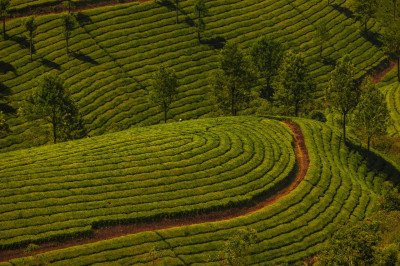
Ganganagar Tea Estate
Some quick example text to build on the card title and make up the bulk of the card's content.
Go somewhere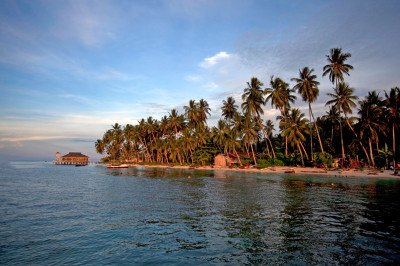
Green Island
Some quick example text to build on the card title and make up the bulk of the card's content.
Go somewhere
Kamalasagar Lake
Some quick example text to build on the card title and make up the bulk of the card's content.
Go somewhere
Kamalasagar Lake/Park
Some quick example text to build on the card title and make up the bulk of the card's content.
Go somewhere
Kanaibari Eco Park
Some quick example text to build on the card title and make up the bulk of the card's content.
Go somewhere
Kasba Kali Temple
Some quick example text to build on the card title and make up the bulk of the card's content.
Go somewherein Other Cities