

Sepahijala Wildlife Sanctuary
General information
-
Ideal Duration:
4 to 6 Hours: (To cover the Zoo, Botanical Garden, and a boat ride. A full day for deep exploration.
):Place Type:
Wildlife Sanctuary / Zoological Park / Botanical GEntry Fees:
Standard Entry Fee: The entry fee for Indian Nationals is approximately Rs.20 per adult and Rs.10 for children. For Foreign Nationals, the fee is higher, typically around Rs.100.
Camera and Vehicle Charges: There are separate charges for carrying...Standard Entry Fee: The entry fee for Indian Nationals is approximately Rs.20 per adult and Rs.10 for children. For Foreign Nationals, the fee is higher, typically around Rs.100.
Camera and Vehicle Charges: There are separate charges for carrying a still camera (approx. Rs.20 to Rs.50) and a video camera (up to Rs.100). Car entry charges are usually around Rs.30 to Rs.50 per vehicle.
Boating and Toy Train: Boating charges vary based on the duration and type of boat, typically starting around Rs.50 to Rs.100 per person. The Toy Train ride also has a separate, nominal fee of around Rs.20 per person.
Accommodation Charges: Staying at the Abasarika Tourist Lodge or cottages involves a separate booking and tariff, which should be inquired about with the Forest Department.Timing:
Regular Timings: The sanctuary is open from 8:30 AM to 4:30 PM (The Zoopark section often closes by 4:00 PM). It is closed on Fridays for maintenance.
Ideal Visit Time: Start your visit as early as possible (8:30 AM) to catch the animals at...Regular Timings: The sanctuary is open from 8:30 AM to 4:30 PM (The Zoopark section often closes by 4:00 PM). It is closed on Fridays for maintenance.
Ideal Visit Time: Start your visit as early as possible (8:30 AM) to catch the animals at their most active and avoid the midday heat. The morning hours are also best for birdwatching and photography.
Best Season to Visit: Winter (October to March) is the ideal visit time. The weather is cool and pleasant, and the chances of spotting wildlife, especially migratory birds, are at their peak.Special Events:
Winter Migratory Bird Sightings: The most significant annual event is the arrival of migratory birds during the winter months (November to February), which transforms the lakes into a hub of avian activity, attracting birdwatchers from all over.
...Winter Migratory Bird Sightings: The most significant annual event is the arrival of migratory birds during the winter months (November to February), which transforms the lakes into a hub of avian activity, attracting birdwatchers from all over.
Wildlife Week Celebrations: The sanctuary actively participates in National Wildlife Week (usually in the first week of October), organizing educational programs, drawing competitions, and nature camps for students and the public to promote conservation awareness.
Nature Camps and Workshops: The forest department frequently organizes seasonal nature camps and eco-tourism workshops focused on the Tripura ecosystem, which are special opportunities for deeper engagement.Best Photo Spots:
Amrit Sagar Lake Shoreline: The banks of Amrit Sagar Lake, especially in the early morning mist or late afternoon light, offer stunning reflection shots and a beautiful backdrop for candid portraits and landscape photography.
The Clouded Leopard...Amrit Sagar Lake Shoreline: The banks of Amrit Sagar Lake, especially in the early morning mist or late afternoon light, offer stunning reflection shots and a beautiful backdrop for candid portraits and landscape photography.
The Clouded Leopard Enclosure Area: The design of the enclosure and the natural forest around it, even if the animal is elusive, provides an atmospheric jungle background for impactful wildlife or nature photography.
The Botanical Garden Trails: The trellises and paths within the Botanical Garden, lined with colorful flowers and dense bamboo clusters, are excellent for vibrant macro and botanical photography.
The Toy Train Track View: A unique perspective can be captured from the toy train track area, especially when the train is rounding a curve through the dense greenery, giving a sense of scale and fun.Photo Gallery
Things To Do
-
Wildlife Spotting and Photography: Engage in guided nature trails or use the observation decks to spot primates like the Spectacled Langur, deer, and various carnivores in their natural or enclosed habitats. Photography of the diverse wildlife is a key activity.
Boating on Amrit Sagar Lake: Hire a boat on the picturesque Amrit Sagar Lake for a peaceful ride, offering excellent views of the surrounding greenery and a chance to spot aquatic birds.
Joyride on the Toy Train: Take a joyride on the miniature toy train that circles a section of the park. It’s a popular attraction for children and offers a relaxing way to see a part of the sanctuary.
Exploring the Botanical Garden: Spend time in the Botanical Garden, examining the variety of medicinal plants, bamboo ...Wildlife Spotting and Photography: Engage in guided nature trails or use the observation decks to spot primates like the Spectacled Langur, deer, and various carnivores in their natural or enclosed habitats. Photography of the diverse wildlife is a key activity.
Boating on Amrit Sagar Lake: Hire a boat on the picturesque Amrit Sagar Lake for a peaceful ride, offering excellent views of the surrounding greenery and a chance to spot aquatic birds.
Joyride on the Toy Train: Take a joyride on the miniature toy train that circles a section of the park. It’s a popular attraction for children and offers a relaxing way to see a part of the sanctuary.
Exploring the Botanical Garden: Spend time in the Botanical Garden, examining the variety of medicinal plants, bamboo species, and the colorful Orchid House.
Bird Watching: Carry binoculars and look out for the over 150 species of resident and migratory birds, including storks and whistling teals, especially near the lake areas during the winter season.
Visiting the Zoological Park: Explore the Sepahijala Zoological Park enclosures to see various animals like the Clouded Leopard, hippopotamus, and other exotic and endemic species.
Research and Educational Activities: If interested, visit the research center and read the information boards to gain a deeper understanding of the conservation and captive breeding programs, particularly for the Spectacled Langur.
Information
-
Why Famous:
Home of the Spectacled Langur: The sanctuary is most famous for its rich primate population, especially the endangered Spectacled Langur (Phayre's Langur), a unique species that is a major draw for wildlife photographers and researchers globally.Home of the Spectacled Langur: The sanctuary is most famous for its rich primate population, especially the endangered Spectacled Langur (Phayre's Langur), a unique species that is a major draw for wildlife photographers and researchers globally.
Biodiversity and Multi-Attraction: Its fame stems from being a complete ecological complex, housing a wildlife sanctuary, a zoological park, a botanical garden, and several beautiful lakes, all in one location, offering a diverse experience to every kind of visitor. This multi-faceted appeal makes it a leading tourist destination in Tripura.
Clouded Leopard National Park: It also encompasses the Clouded Leopard National Park within its boundaries, a significant conservation landmark for this elusive cat species. -
Architecture:
Planned Infrastructure for Conservation: The 'architecture' of the Sepahijala Wildlife Sanctuary is a well-planned integration of nature conservation zones and tourist infrastructure.
Dimension and Zoning: Spanning 18. 53 square kilometers, ...Planned Infrastructure for Conservation: The 'architecture' of the Sepahijala Wildlife Sanctuary is a well-planned integration of nature conservation zones and tourist infrastructure.
Dimension and Zoning: Spanning 18. 53 square kilometers, the sanctuary is demarcated into distinct zones: the core wildlife area, the zoological park (housing enclosures), the botanical garden, and multiple lakes like Amrit Sagar. This zoning ensures minimal human-wildlife conflict.
Tourist Amenities: The sanctuary features dedicated tourist cottages (like Abasarika Dak Bungalow), a miniature toy train track for joyrides, and well-maintained boating docks on the lakes. The Clouded Leopard Enclosures (part of the associated National Park) are designed with naturalistic settings, adhering to modern zoo standards where possible. The pathways are primarily nature trails or paved walking areas designed to withstand the forest environment. -
How To Reach:
By Air: The nearest airport is Agartala Airport (IXA), approximately 29 KM away. Hire a private taxi or pre-paid cab directly to the sanctuary, which is about an hour's drive.
By Train: The closest major railway station is Agartala Railway ...By Air: The nearest airport is Agartala Airport (IXA), approximately 29 KM away. Hire a private taxi or pre-paid cab directly to the sanctuary, which is about an hour's drive.
By Train: The closest major railway station is Agartala Railway Station (AGTL). From there, the best option is to hire a taxi for a direct ride (approx. 1 hour). The nearest local station is Bishalgarh Railway Station (approx. 8 KM), but public transport from there may be limited.
By Road: The sanctuary is well-connected by NH-8 (erstwhile NH-44) and is located about 25-28 KM from Agartala and around 9. 5 KM from Bishalgarh. Regular buses run from Agartala to Bishalgarh; you can alight at the main gate. Private cars or hired taxis are the most comfortable way.
By Local Transport: Shared auto-rickshaws or cycle-rickshaws are available from the Bishalgarh town center to the sanctuary gate, which is a common and relatively inexpensive travel option. -
Weather and Best Time to Visit:
Different Types of Seasons:
Winter (October to March): Best time for all activities. Cool, comfortable weather (around 15°C to 25°C), high visibility for animals, and peak migratory bird season.
Summer (April ...Different Types of Seasons:
Winter (October to March): Best time for all activities. Cool, comfortable weather (around 15°C to 25°C), high visibility for animals, and peak migratory bird season.
Summer (April to June): Hot and humid. Best to visit only in the early morning to avoid the scorching midday sun.
Monsoon (July to September): The forest is vibrant and green, but trails are muddy, and boating might be temporarily closed due to high water levels or safety concerns.
Different Parts of the Day: Early Morning (8:30 AM to 11:00 AM) Highly recommended. Animals are most active, the air is cool, and the light is soft for photography. Afternoon (2:00 PM to 4:00 PM) Animals are less active, but the light is better for photography as the sun dips. -
Near Tourist Places:
Sepahijala Zoological Park (0 KM - within complex):
Shipahijola Lake Backside (0 KM - within complex): Naraura Tila (9. 5 KM) Sandipan Das Rubber Garden (12 KM) Twikrama Park (10 KM) Kamalasagar Temple (25 KM) Neermahal (35 KM) Tripura Sundari Temple (48 KM) Agartala City Center (28 KM) Heritage Park, Agartala (30 KM)
Tourism Tips
-
Health & Safety:
Footwear: Wear sturdy, closed-toe shoes suitable for walking on forest paths.
Wild Animals: Maintain a safe distance from animal enclosures and do not feed the animals.
Read MoreHealth & Safety:
Footwear: Wear sturdy, closed-toe shoes suitable for walking on forest paths.
Wild Animals: Maintain a safe distance from animal enclosures and do not feed the animals.
Mosquitoes: Carry a strong insect repellent, especially during the monsoon and evening hours.
Packing:
Binoculars: Essential for birdwatching and spotting shy animals in the distance.
Camera Gear: Bring extra batteries and a telephoto lens for wildlife photography.
Water/Snacks: Carry your own water bottle and light snacks, though a canteen is available.
Accommodation:
On-Site: Consider booking the Abasarika Dak Bungalow for an immersive forest stay (book well in advance through the Forest Dept. ).
Nearby: More hotel options are available in Bishalgarh and a wider range in Agartala.
Other Different Topics heading:
Permits: Check if any special permits are needed for advanced camera equipment or specific research activities.
Guides: Consider hiring a local guide at the entrance for better animal spotting and educational insights.Reviews
FAQs
Bishalgarh Itineray And Cost:-
Sepahijala Wildlife Sanctuary Tourism:-
Other Places In Bishalgarh :-
Other States In India :-
Information about New and Updated Locations() of Tripura Has Been Added :-
Card subtitle
Note:-
Information provided here in good Faith and for reference only.
Near Places

Barjala Viewpoint
Some quick example text to build on the card title and make up the bulk of the card's content.
Go somewhere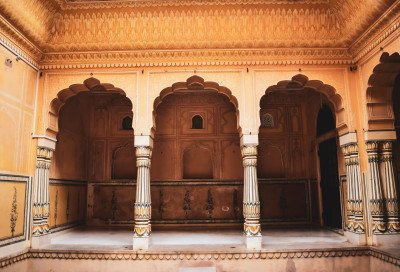
Bishalgarh Fort Ruins
Some quick example text to build on the card title and make up the bulk of the card's content.
Go somewhere
Bishalgarh Kali Temple
Some quick example text to build on the card title and make up the bulk of the card's content.
Go somewhere
Bishalgarh Market
Some quick example text to build on the card title and make up the bulk of the card's content.
Go somewhere
Botanical Garden
Some quick example text to build on the card title and make up the bulk of the card's content.
Go somewhere
Charilam Rubber Plantation
Some quick example text to build on the card title and make up the bulk of the card's content.
Go somewhere
Clouded Leopard National Park
Some quick example text to build on the card title and make up the bulk of the card's content.
Go somewhere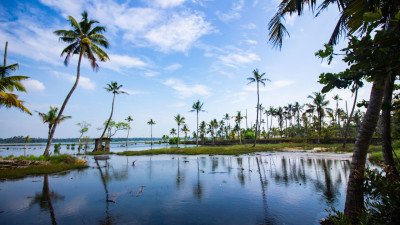
Dakshin Charilam Lake
Some quick example text to build on the card title and make up the bulk of the card's content.
Go somewhere
Forest Rest House Abasarika
Some quick example text to build on the card title and make up the bulk of the card's content.
Go somewhere
Fourteen Goddess Temple
Some quick example text to build on the card title and make up the bulk of the card's content.
Go somewhere
Ganganagar Tea Estate
Some quick example text to build on the card title and make up the bulk of the card's content.
Go somewhere
Green Island
Some quick example text to build on the card title and make up the bulk of the card's content.
Go somewhere
Kamalasagar Lake
Some quick example text to build on the card title and make up the bulk of the card's content.
Go somewhere
Kamalasagar Lake/Park
Some quick example text to build on the card title and make up the bulk of the card's content.
Go somewhere
Kanaibari Eco Park
Some quick example text to build on the card title and make up the bulk of the card's content.
Go somewhere
Kasba Kali Temple
Some quick example text to build on the card title and make up the bulk of the card's content.
Go somewherein Other Cities