

Buddhist Archaeological Remains
General information
-
Ideal Duration:
45 MinutesPlace Type:
History, Archaeology, HeritaEntry Fees:
Viewing Fees: Since the remains are housed inside the Andrott Museum, the entry fee policy is the same as the museum: generally Free Entry (Rs.0). This ensures that the public and researchers have unrestricted access to this important historical resource.
Read MoreViewing Fees: Since the remains are housed inside the Andrott Museum, the entry fee policy is the same as the museum: generally Free Entry (Rs.0). This ensures that the public and researchers have unrestricted access to this important historical resource.
Permission for Research: For academic research that requires special access (e. g. , handling, detailed photography, or chemical analysis), an official permit from the Lakshadweep Administration is mandatory and often incurs a moderate administrative fee (Rs.500-Rs.1000), primarily to cover supervision and logistical costs.
Guide Charges: If an official local guide is hired to provide a detailed historical explanation of the remains, their services will involve a separate, negotiable fee (Rs.200-Rs.400) paid directly to the guide.Timing:
Daily Access Hours: The remains are viewable during the regular operating hours of the Andrott Museum, typically from 10:00 AM to 1:00 PM and 2:00 PM to 4:00 PM on weekdays (Monday to Friday). Access is strictly restricted outside these hours for security and conservation ...Daily Access Hours: The remains are viewable during the regular operating hours of the Andrott Museum, typically from 10:00 AM to 1:00 PM and 2:00 PM to 4:00 PM on weekdays (Monday to Friday). Access is strictly restricted outside these hours for security and conservation reasons.
Best Lighting Time: The best time is during the mid-morning, around 11:00 AM, when the natural light inside the small museum is usually at its best, allowing the details and texture of the stone fragments to be seen clearly without harsh shadows.
Maintenance Closures: Visitors should be aware that the museum might close unexpectedly for maintenance or inventory of the fragile archaeological collection. It is advisable to check for such closures beforehand.Special Events:
Archaeological Seminars: Occasionally, the administration or a mainland university organizes small seminars or workshops focused on Lakshadweep's archaeological heritage. These events may temporarily bring in experts who offer public discussions on the Buddhist remains.Archaeological Seminars: Occasionally, the administration or a mainland university organizes small seminars or workshops focused on Lakshadweep's archaeological heritage. These events may temporarily bring in experts who offer public discussions on the Buddhist remains.
Local School Heritage Projects: During annual local school events, the students of Andrott may use the remains as a focal point for history projects or presentations, offering an interesting perspective on how the local community perceives its ancient history.Best Photo Spots:
The Central Pillar Fragment: The most visually significant piece, often a central section of a large pillar with minimal ornamentation, offers a great shot, conveying the antiquity and solidity of the past.
Close-up of Coral Texture: Take a...The Central Pillar Fragment: The most visually significant piece, often a central section of a large pillar with minimal ornamentation, offers a great shot, conveying the antiquity and solidity of the past.
Close-up of Coral Texture: Take a focused macro photo of the porous texture of the coral stone used in the remains, illustrating the island's reliance on local geological material for construction.
Remains in Context: A wide shot capturing a section of the remains alongside their informational plaque, clearly indicating the origin and importance of the historical display.Photo Gallery
Things To Do
-
Inspect the Carvings Closely: Spend time examining the details of the stone carvings, looking for any recognizable Buddhist symbols or figures that may have survived the erosion and fragmentation over centuries. Note the type of stone used.
Compare with Mainland Sites: Reflect on how the style of the remains compares to well-known Buddhist sites in Kerala or Tamil Nadu, and how this reflects historical migration and trade patterns. This intellectual exercise deepens the appreciation.
Read the Official Interpretations: Consult any available official display texts or brochures provided by the administration to understand the current archaeological interpretation of the fragments' age and significance.
Take Conservation-Minded Photos: Use non-flash photography to...Inspect the Carvings Closely: Spend time examining the details of the stone carvings, looking for any recognizable Buddhist symbols or figures that may have survived the erosion and fragmentation over centuries. Note the type of stone used.
Compare with Mainland Sites: Reflect on how the style of the remains compares to well-known Buddhist sites in Kerala or Tamil Nadu, and how this reflects historical migration and trade patterns. This intellectual exercise deepens the appreciation.
Read the Official Interpretations: Consult any available official display texts or brochures provided by the administration to understand the current archaeological interpretation of the fragments' age and significance.
Take Conservation-Minded Photos: Use non-flash photography to capture the historical texture of the stone remains for personal study, being mindful of the artifacts' fragility and the museum's strict conservation policies.
Ask About Future Excavations: If possible, engage with the museum staff about any planned or ongoing archaeological explorations on Andrott Island, as these sites are still actively studied.
Draw or Sketch the Remains: For artists or researchers, sketching the fragments can be a highly engaging way to study their form and detail, providing a deeper level of observation than simple photography.
Trace the Historical Timeline: Mentally trace the island's transition from a possible Buddhist settlement to a major Islamic center, using the visible remains as anchors for this long historical journey.
Information
-
Why Famous:
Unique Pre-Islamic Evidence: The remains are famous for being tangible proof of a significant Buddhist past, an anomaly in the overwhelmingly Muslim archipelago of Lakshadweep. This historical depth makes Andrott a standout island for researchers and historians studying th...Unique Pre-Islamic Evidence: The remains are famous for being tangible proof of a significant Buddhist past, an anomaly in the overwhelmingly Muslim archipelago of Lakshadweep. This historical depth makes Andrott a standout island for researchers and historians studying the pre-medieval history of the Indian Ocean islands.
Connecting the Trade Routes: They are renowned for suggesting that Andrott was an important historical hub on the Indian Ocean's ancient maritime trade routes. Buddhist traders and missionaries often traveled these routes, and the presence of these relics indicates the island's strategic location connecting the mainland with Southeast Asia and the Maldives.
Source of Historical Identity: The remains have become a key element in the island's identity, symbolizing the long and layered history of Andrott and its early connection to mainland India, generating significant academic and tourist interest as a historical curiosity. -
Architecture:
Artifact Dimensions and Size: The archaeological remains consist mostly of fragmented objects. The stone pillar pieces are estimated to have had original heights of 2-3 meters and base diameters of about 40-60 cm. The smaller sculptural fragments, perhaps parts of statues...Artifact Dimensions and Size: The archaeological remains consist mostly of fragmented objects. The stone pillar pieces are estimated to have had original heights of 2-3 meters and base diameters of about 40-60 cm. The smaller sculptural fragments, perhaps parts of statues or decorative reliefs, vary in size, from small, hand-sized pieces (20x30 cm) to larger stone blocks. The exhibits are typically presented on raised, waist-high platforms or in glass-covered display cases, each measuring approximately 1 meter in length and 0. 5 meters in width, designed for close observation.
Style of Art and Construction: The style of the surviving fragments often shows influences characteristic of early South Indian or Dravidian architecture and Buddhist iconography prevalent in the 9th century AD. Look for simple, unadorned stone carvings and a lack of highly intricate detail, suggesting a utilitarian or early form of religious construction. The materials are mostly locally available coral or calcareous stone, which is highly porous and fragile. The display architecture is simple and protective, using modern materials like concrete and glass to secure the ancient coral stone fragments from further degradation due to humidity and handling. The minimalist presentation ensures that the focus remains entirely on the historical value of the remains. -
How To Reach:
By Air: Reach Agatti Airport (AGX) from Kochi (COK), then transfer to Andrott via inter-island boat or helicopter. The final stretch to the museum is a short walk from the Andrott jetty, as the museum is located in the central village.
By Trai...By Air: Reach Agatti Airport (AGX) from Kochi (COK), then transfer to Andrott via inter-island boat or helicopter. The final stretch to the museum is a short walk from the Andrott jetty, as the museum is located in the central village.
By Train: Not applicable. The nearest railhead is Kochi, followed by a long sea journey by passenger ship (approx. 14-18 hours) to Andrott Island.
By Road: Not applicable to reach the island. Once on the island, the remains are easily accessible on foot (5-10 minutes) from the main landing point, as all major landmarks in Andrott village are close to each other.
By Local Transport: The proximity to the jetty means walking is the most common method. Local transport like auto-rickshaws can be used from more distant parts of the island, and the destination will be the Andrott Museum or the main village center. -
Weather and Best Time to Visit:
Different Types of Seasons: Winter (October to March) is highly recommended, as the stable, pleasant weather makes the overall island journey and local movement comfortable. Monsoon season is a high-risk period for travel due to severe weather and sea conditions, which cou...Different Types of Seasons: Winter (October to March) is highly recommended, as the stable, pleasant weather makes the overall island journey and local movement comfortable. Monsoon season is a high-risk period for travel due to severe weather and sea conditions, which could lead to restricted access to the island and potential closure of the viewing area.
Different Parts of the Day: The Early Afternoon slot (2:00 PM to 4:00 PM) is often the quietest time to visit the museum, allowing for the most uninterrupted and thoughtful viewing and study of the historical artifacts without the morning rush. -
Near Tourist Places:
1. Saint Ubaidullah Tomb (Juma Masjid) (0. 3 KMS) 2. Andrott Fishing Jetty/Harbour (0. 5 KMS) 3. Andrott Beach (1 KMS) 4. Laccadive Sea Viewpoint (0. 5 KMS) 5. Traditional Coconut Oil Mill (1. 5 KMS) 6. Andrott Lighthouse (1. 5 KMS) 7. Coral Gardens Snorkeling Area (2 KMS) 8. Kadmat Island (139 KMS) 9. Kalpeni Island (76 KMS) 10. Kavaratti Island (67 KMS)
Tourism Tips
-
Health & Safety: The artifacts are extremely fragile. Follow all rules regarding touching and flash photography. The museum environment is contained, offering a safe space away from outdoor elements.
Packing: Carry a small magnifying glas...Health & Safety: The artifacts are extremely fragile. Follow all rules regarding touching and flash photography. The museum environment is contained, offering a safe space away from outdoor elements.
Packing: Carry a small magnifying glass and a historical guidebook (if you have one) on Lakshadweep to enhance the experience of studying the fragments. Ensure your camera battery is charged.
Accommodation: Confirm your stay on Andrott well in advance, as the available government guesthouses are minimal and require special prior booking through the Lakshadweep Administration.
Other Different Topics: Engage in Quiet Observation, given the small space and the delicate nature of the remains. Treat the site with high reverence, as it represents a significant historical and cultural asset of the islanders. Always have your entry Permit available for inspection.
Reviews
FAQs
Andrott Itineray And Cost:-
Buddhist Archaeological Remains Tourism:-
Other Places In Andrott :-
Other States In India :-
Information about New and Updated Locations() of Lakshadweep Has Been Added :-
Card subtitle
Note:-
Information provided here in good Faith and for reference only.
Near Places
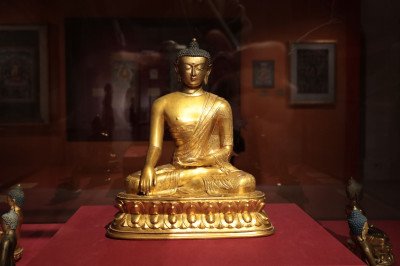
Andrott Museum
Some quick example text to build on the card title and make up the bulk of the card's content.
Go somewhere
Buddhist Archaeological Remains
Some quick example text to build on the card title and make up the bulk of the card's content.
Go somewhere
Coastal Scenery Drive
Some quick example text to build on the card title and make up the bulk of the card's content.
Go somewhere
Coconut Oil Mill
Some quick example text to build on the card title and make up the bulk of the card's content.
Go somewhere
Coral Gardens Snorkeling Area
Some quick example text to build on the card title and make up the bulk of the card's content.
Go somewhere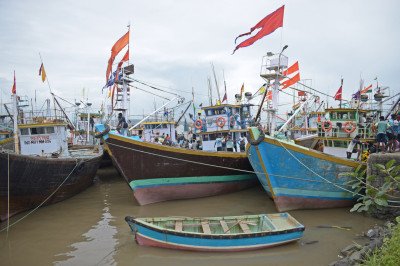
Fishing Jetty/Harbour
Some quick example text to build on the card title and make up the bulk of the card's content.
Go somewhere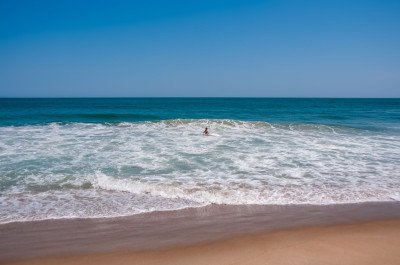
Harminder Bay Beach
Some quick example text to build on the card title and make up the bulk of the card's content.
Go somewhere
Jumah Mosque
Some quick example text to build on the card title and make up the bulk of the card's content.
Go somewhere
Local Handicraft Stalls
Some quick example text to build on the card title and make up the bulk of the card's content.
Go somewhere
Long Island Beach
Some quick example text to build on the card title and make up the bulk of the card's content.
Go somewhere
Tomb of Hazrat Ubaidullah
Some quick example text to build on the card title and make up the bulk of the card's content.
Go somewhere
Traditional Boat Race Venue
Some quick example text to build on the card title and make up the bulk of the card's content.
Go somewhere
Tuna Canning Factory
Some quick example text to build on the card title and make up the bulk of the card's content.
Go somewherein Other Cities