Government Museum, Chennai
General information
-
Ideal Duration:
2. 5 to 4 hours (to cover the main galleries and National Art Gallery)Place Type:
Sub Place Category:Museum, History, Archaeology, AEntry Fees:
Indian Citizens: Adult entry is approximately Rs.50 (with some sources citing Rs.15). Children (5-12 years) are around Rs.25 (Rs.10 for students). Bonafide Students (School) are around Rs.20 (Rs.5 for Indian bonafide school students).
Foreigners: Adul...Indian Citizens: Adult entry is approximately Rs.50 (with some sources citing Rs.15). Children (5-12 years) are around Rs.25 (Rs.10 for students). Bonafide Students (School) are around Rs.20 (Rs.5 for Indian bonafide school students).
Foreigners: Adult entry is approximately Rs.250. Children are around Rs.125.
Photography Charges: Still Camera is around Rs.250 (for Indians and Foreigners, higher for professional lenses). Video Camera is around Rs.700.
Note on Pricing: Prices can vary slightly depending on which part of the complex (Art Gallery, Children's Museum) the visitor enters, or if a special exhibition is running. The entry fee provides access to a huge collection across multiple buildings, offering great value for money. There are separate, reduced fees for visiting only the District Museums within the complex. The fee is mandatory for all visitors above a certain age and is collected at the entry gate. The low cost for Indian students is intended to encourage educational visits.Timing:
Regular Timings: The museum is generally open from 9:30 AM to 5:00 PM daily.
Closed Days: It is strictly closed on Fridays and major national holidays (January 26th, August 15th, October 2nd).
Ideal Visit Time:<...Regular Timings: The museum is generally open from 9:30 AM to 5:00 PM daily.
Closed Days: It is strictly closed on Fridays and major national holidays (January 26th, August 15th, October 2nd).
Ideal Visit Time: The morning hours (9:30 AM – 11:30 AM) are ideal to avoid the crowds that build up in the afternoon, especially on weekends and public holidays. Visiting on a Monday or Thursday can also be less crowded.
Duration: Allocate at least 2. 5 to 4 hours to properly cover the various galleries and art sections.
Photo Op Time: The exterior is best photographed in the soft morning light. The quietest time for contemplation is right after opening.
Rush Hours: Expect significant crowds on Saturdays, Sundays, and school holidays. Checking the official website for special closure announcements is advised. The museum offers a climate-controlled environment, making it a good activity for hot afternoons.Special Events:
Museum Art and Culture Festival: The museum complex occasionally hosts cultural festivals, art exhibitions, and academic seminars, especially on archaeology and art history. These events attract scholars and art enthusiasts.
World Heritage Day/...Museum Art and Culture Festival: The museum complex occasionally hosts cultural festivals, art exhibitions, and academic seminars, especially on archaeology and art history. These events attract scholars and art enthusiasts.
World Heritage Day/Museum Day: Special events, guided tours, and lectures are often organized on April 18th (World Heritage Day) and May 18th (International Museum Day).
Book Fairs and Literary Events: The proximity and connection to the Connemara Public Library means the museum complex is a venue for literary meetings and book launches, though these are not strictly museum events.
Children's Museum Activities: The Children's Museum regularly conducts workshops, drawing competitions, and educational camps during school holidays. These special events make the museum a vibrant hub for learning. The museum often runs special exhibitions focused on a particular historical period or collection not usually on display.Best Photo Spots:
National Art Gallery Exterior: The majestic Indo-Saracenic red brick and stone architecture of the gallery building makes for a grand, historic backdrop.
Bronze Gallery Display: The dimly lit hall and the stunning, well-focused Chola bronze ...National Art Gallery Exterior: The majestic Indo-Saracenic red brick and stone architecture of the gallery building makes for a grand, historic backdrop.
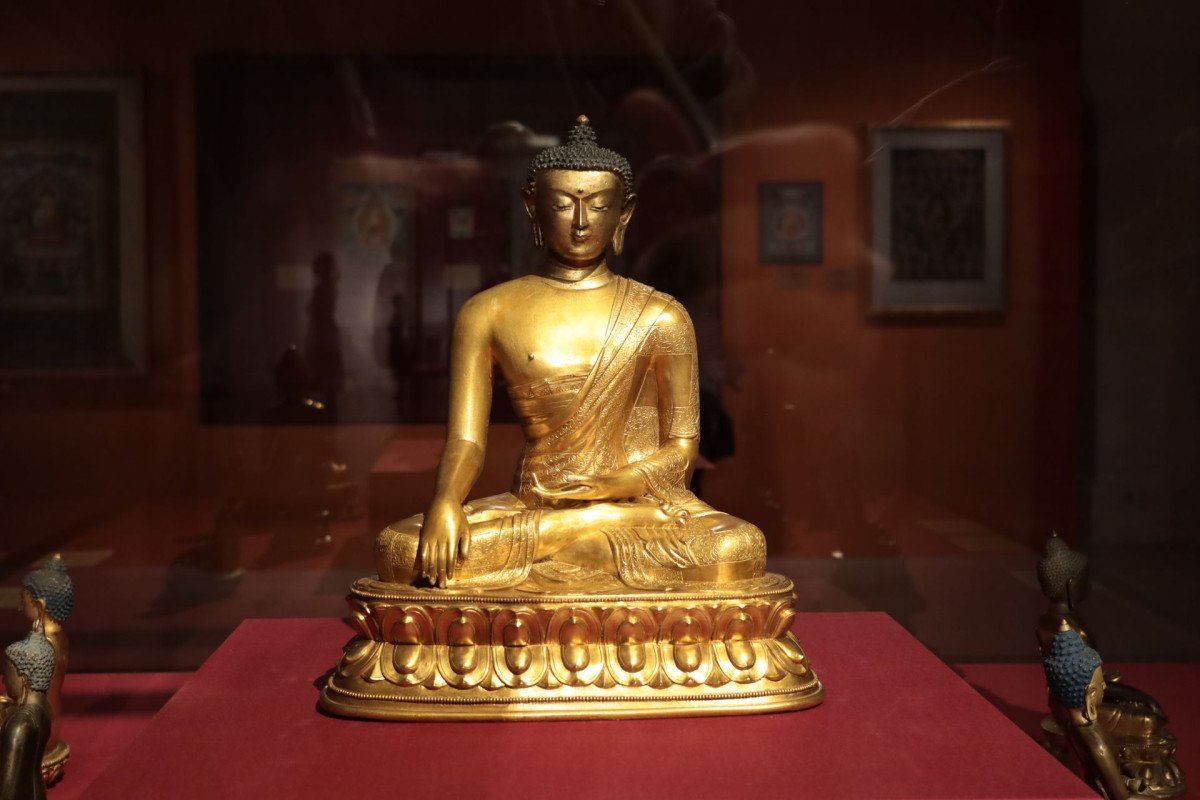
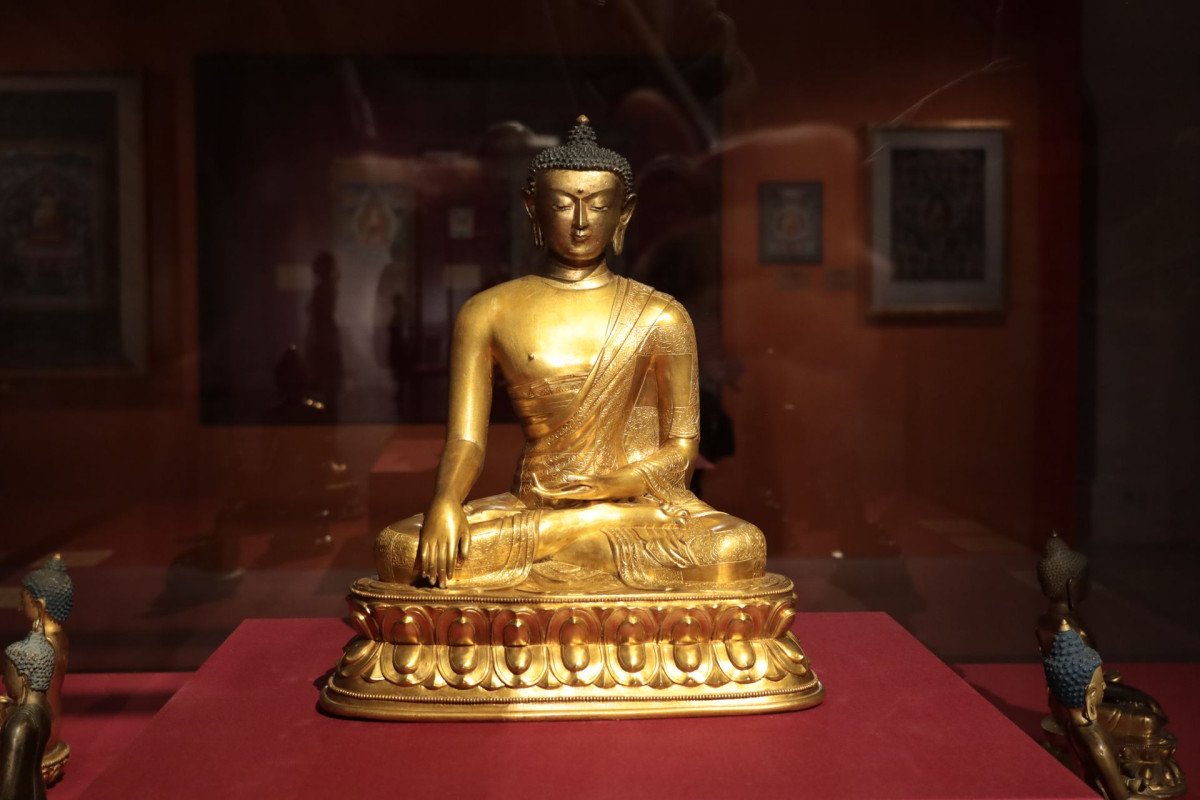
Bronze Gallery Display: The dimly lit hall and the stunning, well-focused Chola bronze idols offer opportunities for detailed art photography (check photo restrictions).
Connemara Library Interior: The reading hall of the adjacent library, with its high ceilings and grand arches, is an architectural marvel to capture.
Museum Tank View: The small water body or tank within the complex can provide a nice reflection of the surrounding heritage buildings.
Fossil Wood Log: The massive, unique fossil wood log is an excellent spot for a scale-comparison shot.
Staircases and Corridors: The complex's grand colonial-era staircases and long, arched corridors are perfect for capturing architectural symmetry and depth.
Landscaped Gardens: The well-maintained front lawns and gardens offer a contrast between nature and the historic buildings. The statues of different personalities on the premises also provide unique photo ops. The entrance facade, with the museum name in bold script, is a classic photo spot.Photo Gallery
Things To Do
-
Explore the Bronze Gallery: Spend time viewing the legendary Chola and Pallava bronze idols, including the magnificent Nataraja. This is the collection's highlight.
Visit the National Art Gallery: Wander through the gallery to see traditional Tanjore paintings, miniaturist works, and modern art pieces, housed in the grand Indo-Saracenic building.
Discover the Children's Museum: Take kids to the interactive exhibits for a fun, educational experience covering science, history, and natural history.
Study Archaeology and Anthropology: Explore the prehistoric, Roman, and anthropological exhibits, particularly the collection of stone tools and tribal artifacts.
Research in the Connemara Library: If time allows, visit the adjacent Conn...Explore the Bronze Gallery: Spend time viewing the legendary Chola and Pallava bronze idols, including the magnificent Nataraja. This is the collection's highlight.
Visit the National Art Gallery: Wander through the gallery to see traditional Tanjore paintings, miniaturist works, and modern art pieces, housed in the grand Indo-Saracenic building.
Discover the Children's Museum: Take kids to the interactive exhibits for a fun, educational experience covering science, history, and natural history.
Study Archaeology and Anthropology: Explore the prehistoric, Roman, and anthropological exhibits, particularly the collection of stone tools and tribal artifacts.
Research in the Connemara Library: If time allows, visit the adjacent Connemara Public Library to admire its architecture and vast collection of books and journals, one of India's four National Libraries.
Photography of the Exterior: Capture the architectural beauty of the main museum building and the National Art Gallery, which are stunning examples of colonial-era design.
Attend a Temporary Exhibition: Check the museum's schedule for any rotating or special exhibitions, which often showcase rare or focused collections not usually on display. This ensures a fresh experience even for repeat visitors.
Buy Museum Publications: Visit the museum shop to purchase scholarly books, catalogs, and postcards related to the collections.
Relax in the Gardens: Enjoy a peaceful break on the well-maintained lawns within the large museum complex.
Focus on Numismatics and Geology: Explore the specialized galleries of coins (numismatics) and geology, which have unique regional significance.
Educational Tour: Arrange a guided or self-guided educational tour to maximize learning from the diverse collections.
Local Food near Egmore: Explore the food stalls and restaurants near the Egmore area after your visit, which offer local and international cuisines.
Information
-
Why Famous:
Oldest in India: It is one of the oldest museums in India and a crucial institution for preserving the subcontinent's history.
Chola Bronzes: Its gallery of Chola-era bronze sculptures is globally renowned for its quality and historical sign...Oldest in India: It is one of the oldest museums in India and a crucial institution for preserving the subcontinent's history.
Chola Bronzes: Its gallery of Chola-era bronze sculptures is globally renowned for its quality and historical significance.
Indo-Saracenic Beauty: The heritage buildings themselves, especially the National Art Gallery, are celebrated examples of Indo-Saracenic architecture.
Connemara Library: The adjacent and connected Connemara Public Library is one of the four National Libraries of India.
Educational Hub: It serves as a major educational and research centre for art, anthropology, and numismatics, making it a scholarly landmark. The sheer diversity of its collection, covering a vast period and multiple disciplines, ensures its fame. The museum's continuous operation since 1851 highlights its enduring cultural relevance. The Nataraja bronze is often highlighted as its most famous single artifact. The museum is a must-visit for historians and art enthusiasts. -
Architecture:
Indo-Saracenic Style: The main museum building, particularly the National Art Gallery, exemplifies the Indo-Saracenic style, a blend of Indian and Saracenic (Islamic) architectural elements. This style, popular during the British Raj, features domes, arches, minarets, and s...Indo-Saracenic Style: The main museum building, particularly the National Art Gallery, exemplifies the Indo-Saracenic style, a blend of Indian and Saracenic (Islamic) architectural elements. This style, popular during the British Raj, features domes, arches, minarets, and stained-glass windows, giving it a palatial look. Dimension wise, the total complex spans approximately 16. 25 acres.
Red Brick and Stone: The structure is predominantly built using red brick and stone, showcasing the robust construction techniques of the late 19th century. The intricate plasterwork and cornices are noteworthy features. The design promotes natural light and ventilation, essential for a large public building in the tropical climate.
The Gallery Layout: The galleries are housed in a quadrangle layout, connecting several distinct buildings. The main building, the Connemara Public Library (also part of the complex), has tall ceilings and grand reading halls, reflecting classical European library architecture integrated with the regional style. The bronze gallery is housed in a purpose-built structure to protect the valuable artifacts. The entire layout is designed to facilitate the study of various subjects, from natural history to art. -
How To Reach:
By Air: From Chennai International Airport (MAA) (approx. 18-20 KMS). Hire a pre-paid taxi, private cab, or use ride-sharing services (approx. 45-60 minutes travel time).
By Train: Chennai Central Railway Station (MAS) is the nearest majo...By Air: From Chennai International Airport (MAA) (approx. 18-20 KMS). Hire a pre-paid taxi, private cab, or use ride-sharing services (approx. 45-60 minutes travel time).
By Train: Chennai Central Railway Station (MAS) is the nearest major station (approx. 4 KMS). Take an auto-rickshaw or taxi. Egmore Railway Station (MS) is the closest station (approx. 1 KM), easily accessible by walking or a short auto-rickshaw ride.
By Road: The museum is centrally located on Pantheon Road, Egmore. Easily reachable by car, taxi, or auto-rickshaw from any part of the city.
By Local Transport:
Metro Rail: The nearest metro station is Egmore Metro Station (Blue and Green Lines), a short walk away.
Bus: Numerous MTC city buses stop at the nearby Egmore bus stops. This is a very well-connected and easily accessible location.
Auto-Rickshaws and Taxis: Abundant auto-rickshaws and app-based taxis are available. Confirm the fare or use the app's fare estimate before boarding an auto-rickshaw. The proximity to Egmore station makes it highly convenient for tourists. -
Weather and Best Time to Visit:
By Season: Winter (October to March) is the ideal season, offering pleasant and moderate temperatures, making a long visit comfortable. The heat of the Summer (April to June) can make a visit very challenging. The Monsoon (July to September) brings rain, which can disrupt ...By Season: Winter (October to March) is the ideal season, offering pleasant and moderate temperatures, making a long visit comfortable. The heat of the Summer (April to June) can make a visit very challenging. The Monsoon (July to September) brings rain, which can disrupt plans.
By Day: Weekdays (except Fridays when it is closed) are better than weekends, as the museum gets very crowded, especially with school groups.
By Part of the Day: Morning hours (9:30 AM – 11:30 AM) offer the least crowd and the quietest time for detailed study and photography. The interior is climate-controlled, making it a good escape from the midday sun. Visiting the open-air sections, like the stone sculptures, is best done in the early morning. Planning a visit to coincide with a special exhibition during Winter is optimal. -
Near Tourist Places:
Connemara Public Library (0. 1 KM) Egmore Railway Station (1 KM) Ripon Building (3 KM) Fort St. George (4 KM) Madras High Court (4 KM) Marina Beach (5 KM) San Thome Basilica (7 KM) Kapaleeshwarar Temple (7 KM) Valluvar Kottam (4 KM) Birla Planetarium (7 KM)
Tourism Tips
-
Health & Safety: The museum is generally safe, but keep valuables secure, especially in crowded galleries. The campus is large, so wear comfortable shoes. Carry a water bottle, but food/drink is generally not allowed in galleries.
Packing:...Health & Safety: The museum is generally safe, but keep valuables secure, especially in crowded galleries. The campus is large, so wear comfortable shoes. Carry a water bottle, but food/drink is generally not allowed in galleries.
Packing: Bring minimal bags to expedite security checks. No photography of inner exhibits is typically allowed (confirm at entry).
Accommodation: Stay near Egmore or Central Chennai for easy access.
Other Topics: Tickets should be purchased at the counter or online. Check for Friday closure. Allow ample time for the bronze and art galleries. Consider visiting the museum on a Monday to avoid weekend crowds. The Connemara Library is a separate, must-see attraction within the complex. Be respectful of the exhibits and do not touch them. Students should carry a valid ID for discounted tickets. Guides are available for hire near the entrance.
Transportation: Auto-rickshaws can overcharge; use the metro or pre-paid taxis.
Reviews
FAQs
Chennai Itineray And Cost:-
Government Museum, Chennai Tourism:-
Other Places In Chennai :-
Other States In India :-
Information about New and Updated Locations() of Tamil Nadu Has Been Added :-
Card subtitle
Note:-
Information provided here in good Faith and for reference only.
Near Places

Arignar Anna Zoological Park
Some quick example text to build on the card title and make up the bulk of the card's content.
Go somewhere
Ashtalakshmi Temple
Some quick example text to build on the card title and make up the bulk of the card's content.
Go somewhere
Birla Planetarium
Some quick example text to build on the card title and make up the bulk of the card's content.
Go somewhere
Breezy Beach
Some quick example text to build on the card title and make up the bulk of the card's content.
Go somewhere
Chetpet EcoPark
Some quick example text to build on the card title and make up the bulk of the card's content.
Go somewhere
Cholamandal Artists' Village
Some quick example text to build on the card title and make up the bulk of the card's content.
Go somewhere
Connemara Public Library
Some quick example text to build on the card title and make up the bulk of the card's content.
Go somewhere
Elliot's Beach
Some quick example text to build on the card title and make up the bulk of the card's content.
Go somewhere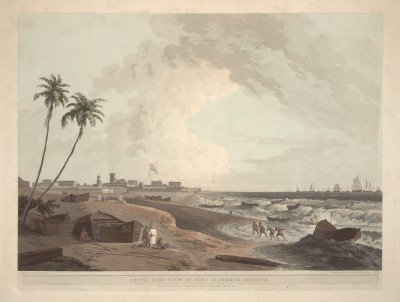
Fort St. George
Some quick example text to build on the card title and make up the bulk of the card's content.
Go somewhere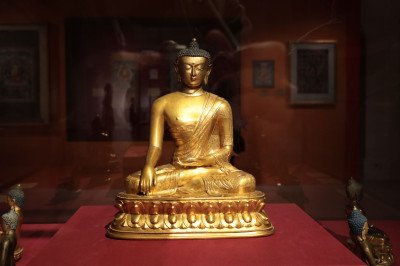
Government Museum, Chennai
Some quick example text to build on the card title and make up the bulk of the card's content.
Go somewhere
Government Museum
Some quick example text to build on the card title and make up the bulk of the card's content.
Go somewhere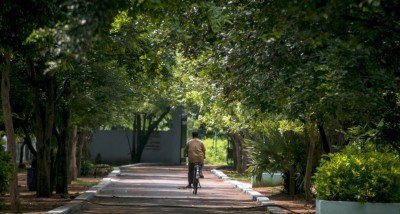
Guindy National Park
Some quick example text to build on the card title and make up the bulk of the card's content.
Go somewhere
Kapaleeshwarar Temple
Some quick example text to build on the card title and make up the bulk of the card's content.
Go somewhere
Kishkinta Theme Park
Some quick example text to build on the card title and make up the bulk of the card's content.
Go somewhere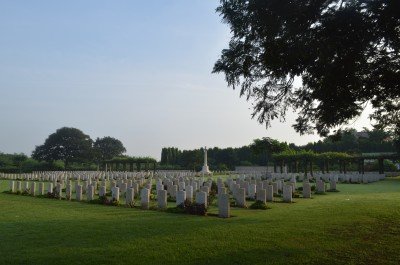
Madras War Cemetery
Some quick example text to build on the card title and make up the bulk of the card's content.
Go somewhere
Marina Beach
Some quick example text to build on the card title and make up the bulk of the card's content.
Go somewherein Other Cities