Kapaleeshwarar Temple
General information
-
Ideal Duration:
1 to 2 hours (For Darshan and circumambulation)Place Type:
Sub Place Category:Religious Site, Heritage TempleEntry Fees:
Temple Entry Fee: There is No General Entry Fee (or Darshan Fee) for this temple, as with most major Hindu temples in Tamil Nadu. The spiritual experience is free for all devotees and visitors.
Special Darshan (Quick Access): Visitors can o...Temple Entry Fee: There is No General Entry Fee (or Darshan Fee) for this temple, as with most major Hindu temples in Tamil Nadu. The spiritual experience is free for all devotees and visitors.
Special Darshan (Quick Access): Visitors can often pay a nominal fee (usually Rs.5 to Rs.50) for a Special Darshan ticket to bypass the main queue during peak hours or festivals.
Pooja and Offerings: Fees are applicable for specific prayer rituals (Archana, Abhishekam) or for purchasing specific offerings like flowers, garlands, and sacred food (Prasadam).
Photography/Videography: Photography inside the main sanctum is strictly prohibited. External photography is generally allowed, but visitors should check with temple authorities.
Donations: The temple accepts voluntary donations for its maintenance and charitable activities. There are collection boxes and designated receipt counters for this purpose. The overall visit is highly accessible as it is primarily a place of worship. The main source of income for the temple is from offerings and donations.Timing:
Regular Darshan Timings: The temple operates with multiple opening and closing cycles for Darshan and Pujas throughout the day: Morning (5:30 AM – 12:30 PM) and Evening (4:00 PM – 9:00 PM).
Pooja Timings: Specific Pujas are performed at ...Regular Darshan Timings: The temple operates with multiple opening and closing cycles for Darshan and Pujas throughout the day: Morning (5:30 AM – 12:30 PM) and Evening (4:00 PM – 9:00 PM).
Pooja Timings: Specific Pujas are performed at designated times (e. g. , Kala Sandhi in the morning, Uchikala at noon, Sayarakshai in the evening).
Ideal Visit Time: Early morning (6:00 AM – 8:00 AM) is the best time for a peaceful Darshan and to witness the morning rituals with fewer crowds. The evening hours (5:30 PM – 7:30 PM) are also vibrant.
Duration: Allocate 1-2 hours for a complete visit.
Peak Crowd Time: Expect high crowds on Fridays, Tuesdays, weekends, and major festival days. The evening Aarti is a beautiful sight but can be crowded. The temple is a living institution, so the timings are strictly adhered to for religious reasons.Special Events:
Arubathimoovar Festival: This is the most significant annual event, held in the Tamil month of Panguni (March–April). It involves a grand procession of the bronze idols of the 63 Nayanars (Saivite saints) around the Mada Streets, attracting lakhs of devotees.Arubathimoovar Festival: This is the most significant annual event, held in the Tamil month of Panguni (March–April). It involves a grand procession of the bronze idols of the 63 Nayanars (Saivite saints) around the Mada Streets, attracting lakhs of devotees.
Theppam (Float) Festival: Held in the Tamil month of Thai (January–February), the deity is taken on a beautifully illuminated raft in the Mylapore Temple Tank.
Navaratri and Skanda Sashti: These major Hindu festivals are celebrated with grand scale and unique ritual performances over nine and six days, respectively, featuring special decorations and processions.
Brahmotsavam: The annual major temple festival, usually an elaborate 10-day event, is a spectacle of cultural and religious performances.
Fridays/Tuesdays for Karpagambal:Special prayers and decorations are offered to Goddess Karpagambal every Friday and Tuesday, which are considered auspicious days. The cultural vibrancy during these festivals is unmatched.Best Photo Spots:
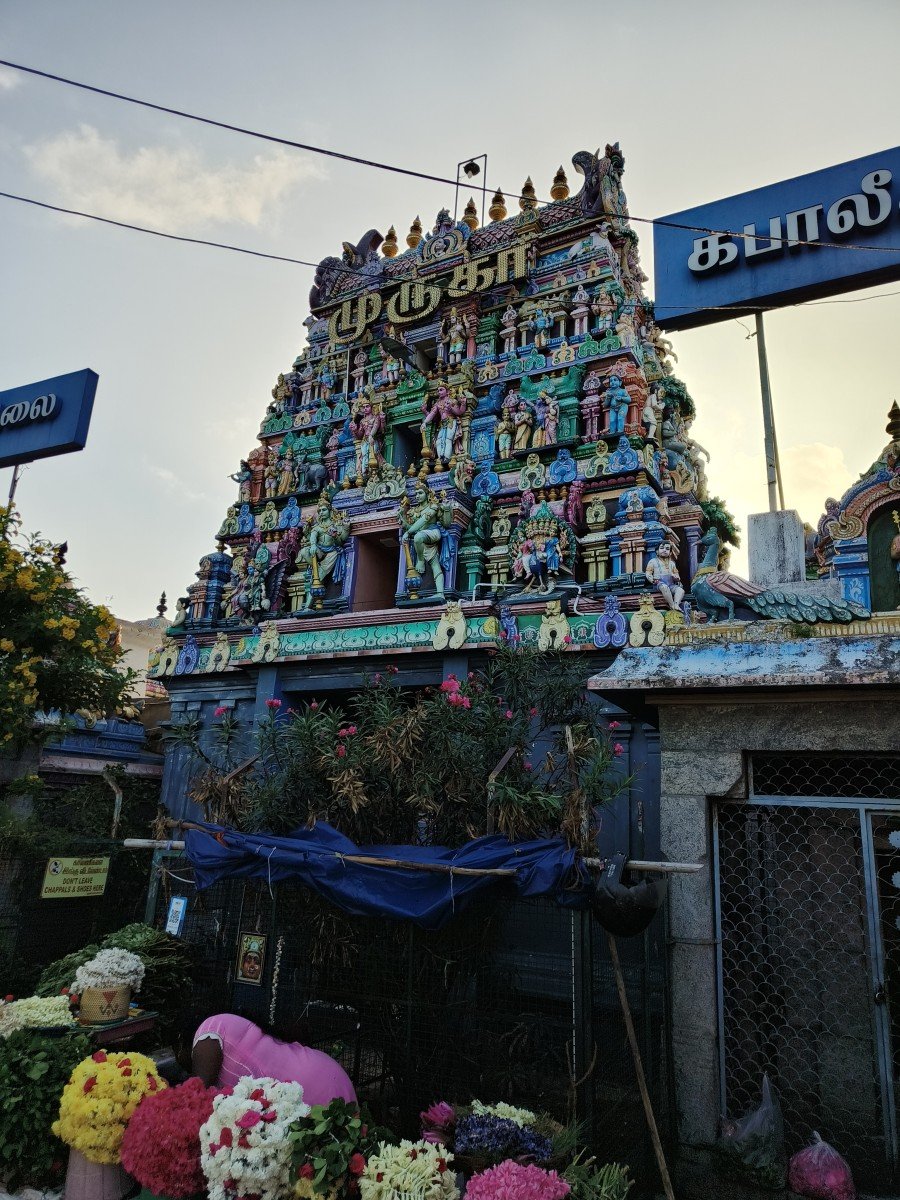
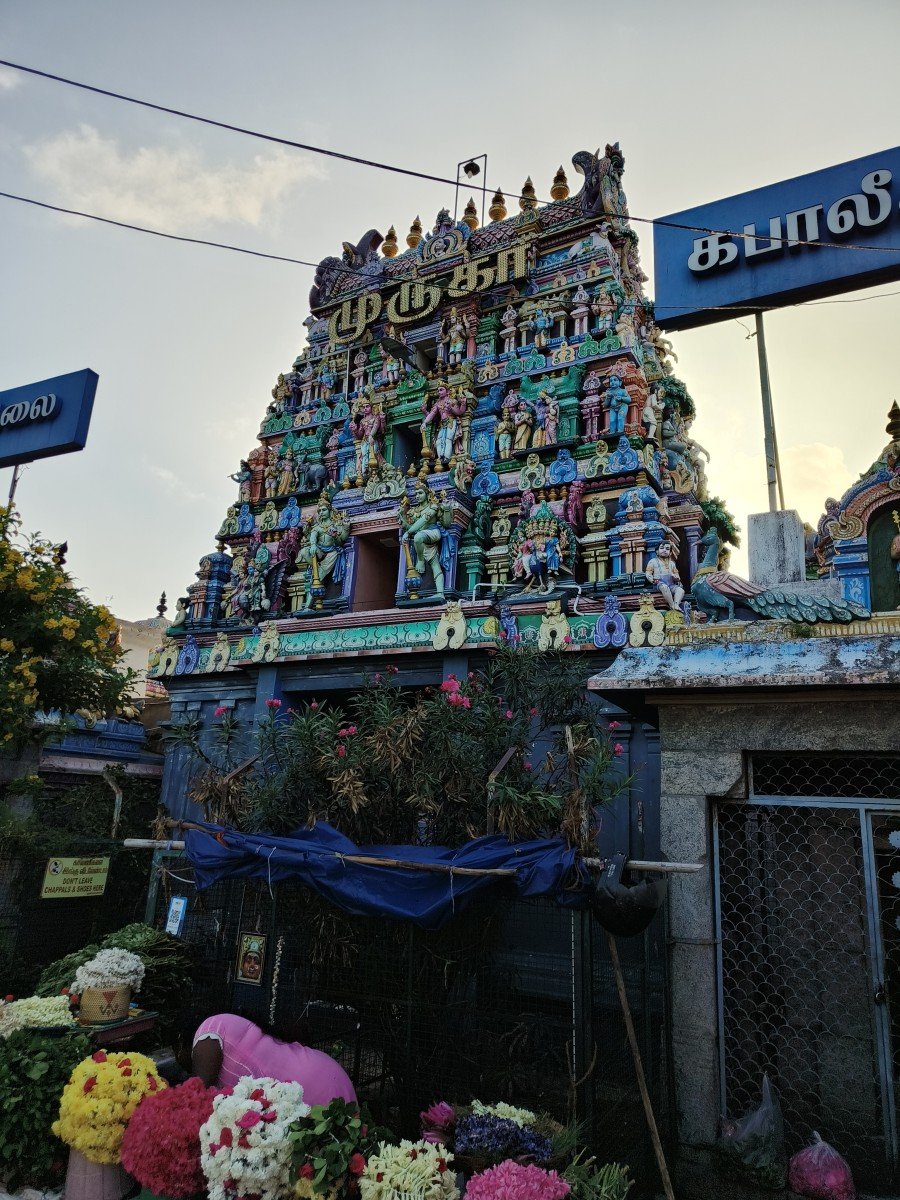
East Gopuram: The massive, colourful 37-meter East Gopuram is the definitive photo opportunity, best captured from the main street leading to the entrance.
Temple Tank Reflection: The reflection of the towering Gopuram in the large Mylapore ...East Gopuram: The massive, colourful 37-meter East Gopuram is the definitive photo opportunity, best captured from the main street leading to the entrance.
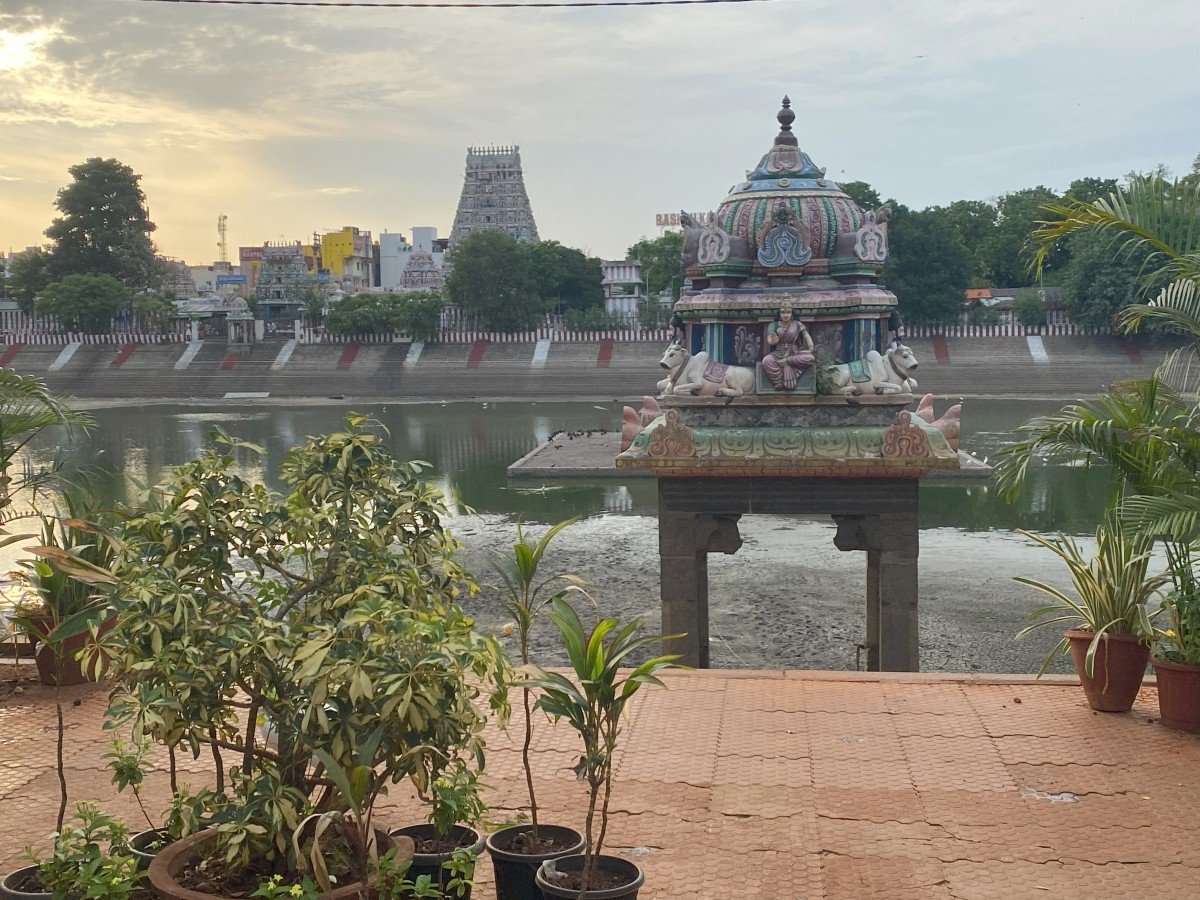
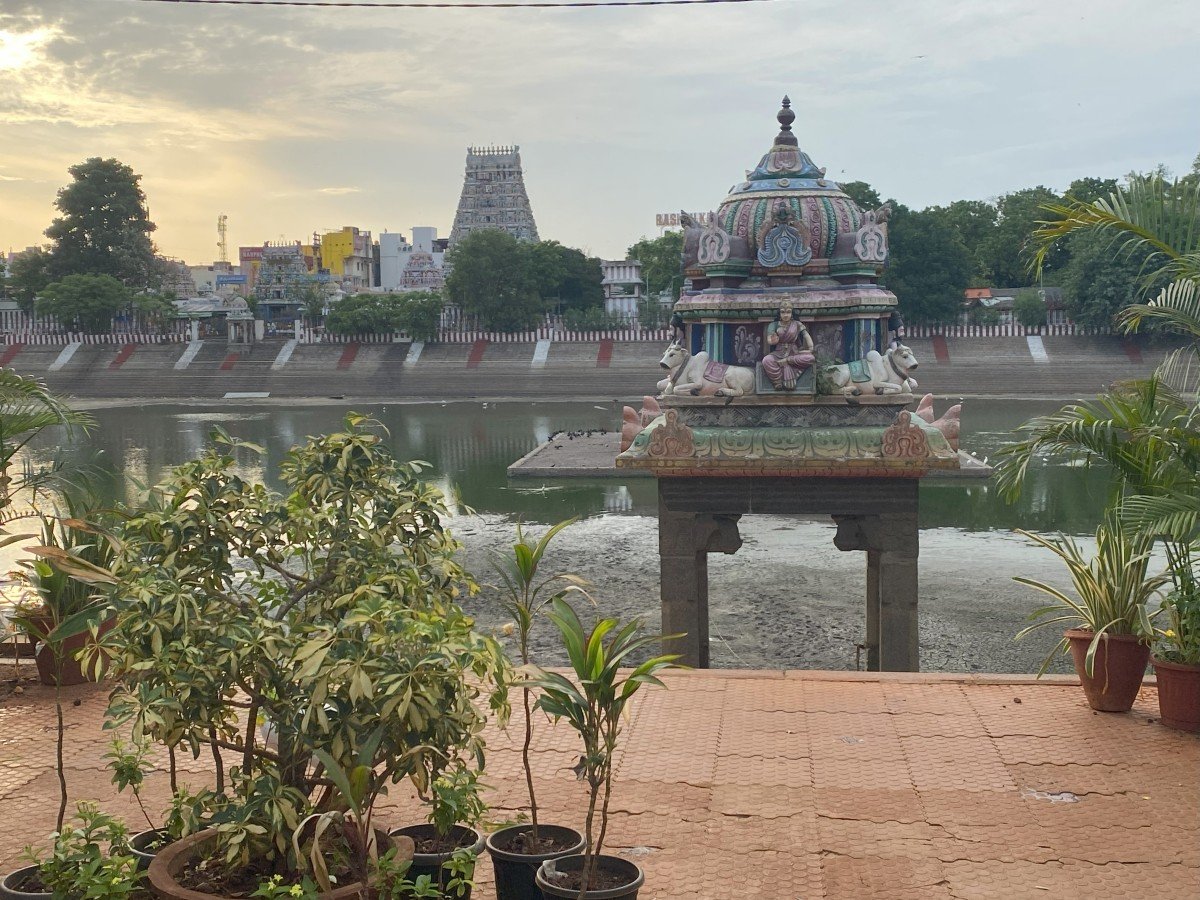
Temple Tank Reflection: The reflection of the towering Gopuram in the large Mylapore Temple Tank is an iconic shot, especially around Sunrise or during the evening light.
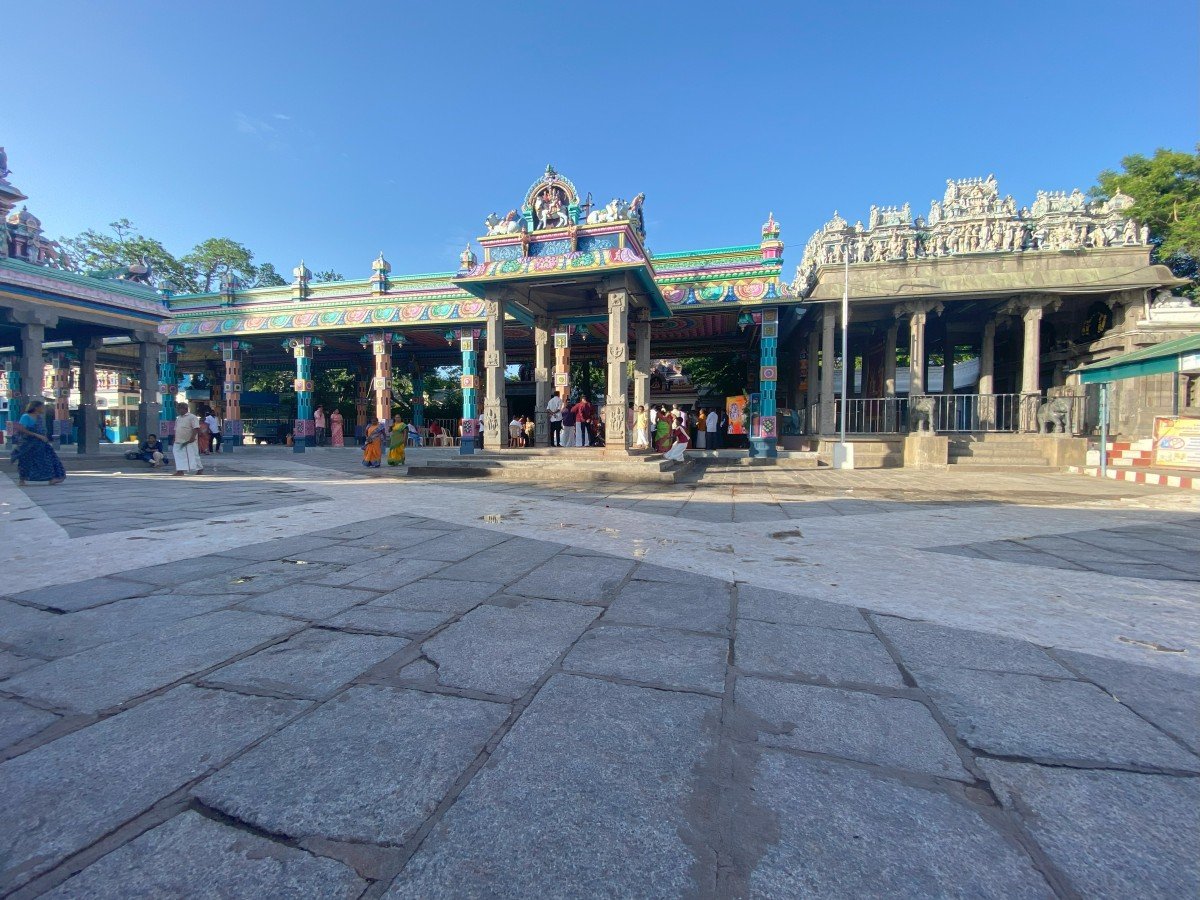
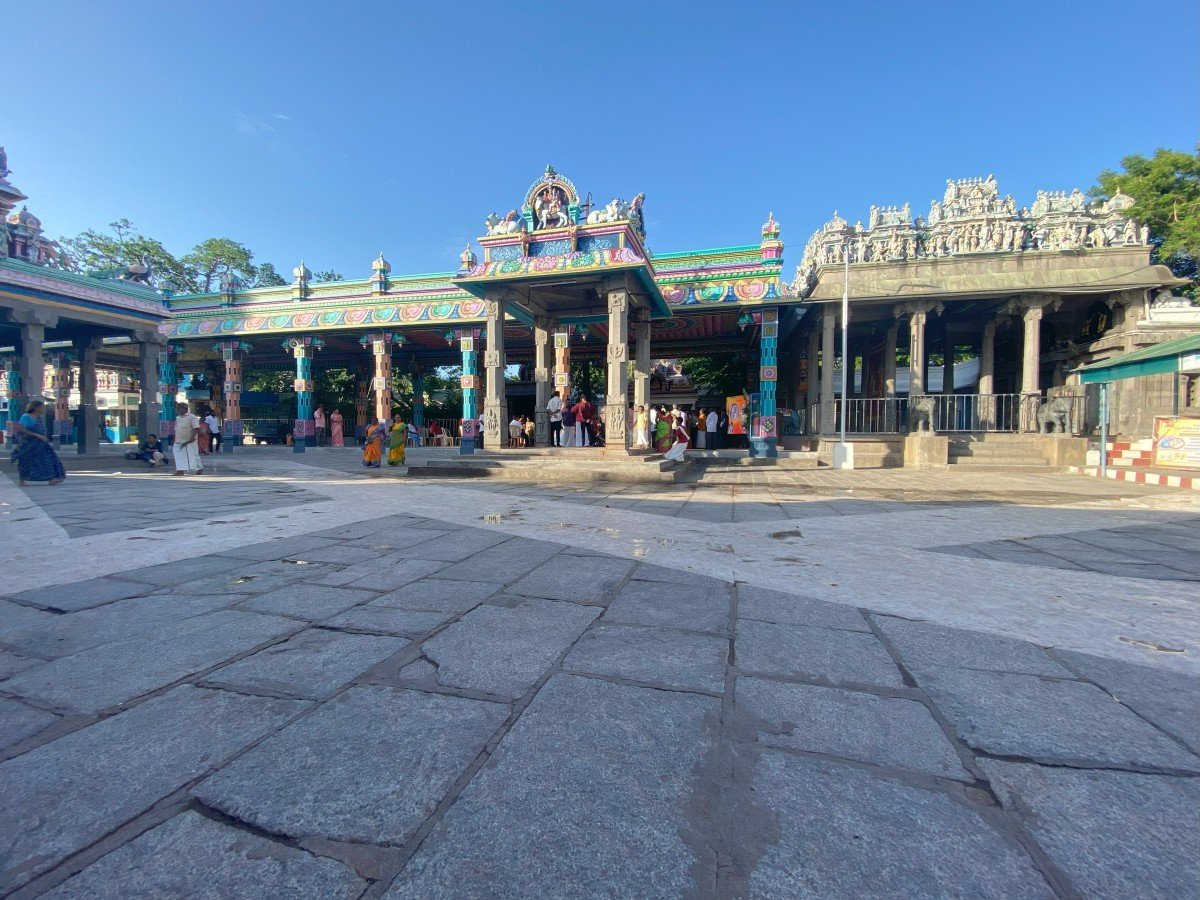
Pillar Sculptures: The intricately carved granite pillars in the mandapams (halls) are ideal for detailed architectural and sculptural photography.
Bronze Nayanar Statues: The bronze idols of the 63 Nayanars in the inner ambulatory provide excellent subjects for cultural and art photography.
The Sacred Tree: The ancient Punnai tree, with its gnarled trunk, makes for a symbolic and atmospheric shot.
The Entrance Archway: The main entrance archway, with the crowds and the temple's decorative elements, captures the spiritual atmosphere.
Street Life: The vibrant and colourful market life of the surrounding Mada Veethis, especially the flower and fruit vendors, is perfect for candid street photography. The close-up details of the stucco figures on the gopuram are also a great subject.Photo Gallery
Things To Do
-
Offer Prayers and Darshan: The primary activity is to have a spiritual visit (Darshan) of the main deities, Lord Kapaleeshwarar and Goddess Karpagambal.
Admire the Gopurams: Spend time examining the stunning, intricate stucco sculptures and bright colours of the towering East Gopuram.
Circumambulate the Temple: Walk the inner and outer ambulatories (prakarams), viewing the bronze carvings of the 63 Nayanars and the shrines of other deities.
Visit the Sacred Punnai Tree: Pay respects at the ancient Punnai tree, which is central to the temple's legend.
Shop in the Mada Veethis: Explore the surrounding traditional market streets (Mada Veethis) for temple offerings, flowers, local snacks, and traditional brassware and crafts.Offer Prayers and Darshan: The primary activity is to have a spiritual visit (Darshan) of the main deities, Lord Kapaleeshwarar and Goddess Karpagambal.
Admire the Gopurams: Spend time examining the stunning, intricate stucco sculptures and bright colours of the towering East Gopuram.
Circumambulate the Temple: Walk the inner and outer ambulatories (prakarams), viewing the bronze carvings of the 63 Nayanars and the shrines of other deities.
Visit the Sacred Punnai Tree: Pay respects at the ancient Punnai tree, which is central to the temple's legend.
Shop in the Mada Veethis: Explore the surrounding traditional market streets (Mada Veethis) for temple offerings, flowers, local snacks, and traditional brassware and crafts.
Visit the Temple Tank: Sit by or walk around the large Mylapore Tank (Kapaleeshwarar Temple Tank) and observe the reflection of the gopurams.
Attend a Puja/Aarti: Witness the daily rituals and prayer ceremonies (pujas or aarti), which are conducted at specific times throughout the day, offering a deeper spiritual experience.
Watch the Temple Elephant: Occasionally, the temple elephant is seen being led to the tank or near the entrance.
Photography of Exterior/Gopuram: Capture the temple's magnificent exterior and the vibrant street life around it (Note: photography inside the temple may be restricted).
Combine with San Thome Basilica: Walk or take a short auto-rickshaw ride to the nearby San Thome Basilica, built over the tomb of Saint Thomas the Apostle.
Eat Traditional Tamil Food: Sample local South Indian tiffin items like idli, dosa, and authentic filter coffee at the small eateries near the temple.
Attend the Theppam Festival: If visiting in January/February, try to attend the Float Festival, where the deity is taken on a raft in the illuminated temple tank.
Hear Temple Music: Listen to the traditional music and chants that are often played or sung within the temple complex, adding to the spiritual atmosphere.
Collect Traditional Items: Buy silk sarees or musical instruments like the veena from specialized shops in the Mylapore area.
Information
-
Why Famous:
Dravidian Architecture: It is one of the finest and most celebrated examples of Dravidian temple architecture, particularly the towering and colourful East Gopuram.
Paadal Petra Sthalam: Its mention in the ancient Tevaram hymns by the Nayana...Dravidian Architecture: It is one of the finest and most celebrated examples of Dravidian temple architecture, particularly the towering and colourful East Gopuram.
Paadal Petra Sthalam: Its mention in the ancient Tevaram hymns by the Nayanar saints makes it a highly sacred site for followers of Lord Shiva.
Mylapore Mythology: The temple is central to the legend of Mylapore's name (town of the peacock), reinforcing its deep cultural connection to the area.
Arubathimoovar Festival: It hosts the spectacular Arubathimoovar festival in March/April, where the bronze idols of the 63 Nayanars are carried in procession, attracting massive crowds.
Location and Vibrancy: Its location in the bustling, traditional Mylapore neighbourhood, surrounded by traditional markets and the large tank, makes it a focal point of religious and commercial life. Its spiritual importance as a living temple, where rituals have been performed for centuries, adds to its fame. The main deity, Kapaleeshwarar, is continuously worshipped, connecting the past to the present. -
Architecture:
Towering Gopurams:Dravidian architecture is the dominant style, characterized by the towering ornamental entrance gates, or Gopurams. The East Gopuram is the tallest, approximately 37 meters (120 feet) high, built around 1906. Both the east and west gopurams are adorned wi...Towering Gopurams:Dravidian architecture is the dominant style, characterized by the towering ornamental entrance gates, or Gopurams. The East Gopuram is the tallest, approximately 37 meters (120 feet) high, built around 1906. Both the east and west gopurams are adorned with a dazzling array of intricately sculpted stucco figures depicting Hindu mythology, including deities, demons, and celestial beings. The sheer verticality and level of sculptural detail are a defining Dimension.
Vimana and Shrines:Unlike the towering gopurams, the shrine over the main sanctum (the Vimana) is relatively smaller. The temple complex is built around a large water tank, the Mylapore Tank. The temple features multiple halls (mandapams) with carved granite pillars. The Punnai Tree, a very old, sacred tree, is also part of the temple's living architecture.
Vijayanagara Influence:The current structure, rebuilt in the 16th century, shows the characteristic features of the late Vijayanagara style, including intricate pillar carvings and the layout of the complex with its concentric courts (prakarams). The bronze carvings of the 63 Nayanars are an important element within the inner ambulatory path, demonstrating fine metalwork artistry. The scale is significant, with the temple complex covering a large area in the heart of the neighbourhood. -
How To Reach:
By Air: From Chennai International Airport (MAA) (approx. 17 KMS). Hire a pre-paid taxi, private cab, or use ride-sharing services (approx. 45 minutes travel time).
By Train: The nearest MRTS station is Thirumayilai (Mylapore), which is a...By Air: From Chennai International Airport (MAA) (approx. 17 KMS). Hire a pre-paid taxi, private cab, or use ride-sharing services (approx. 45 minutes travel time).
By Train: The nearest MRTS station is Thirumayilai (Mylapore), which is a short walk from the temple. Chennai Central Railway Station is approx. 6. 5 KMS away, requiring a taxi or auto-rickshaw.
By Road: The temple is located in the heart of Mylapore, easily accessible by car, taxi, or auto-rickshaw via major roads like Luz Church Road and North Mada Street.
By Local Transport:
Metro Rail: The nearest metro station is Mandaveli Metro Station (Blue Line extension), a reasonable walk or short auto-ride away.
Bus: The Mylapore Bus Stand is a major hub, with numerous MTC city buses connecting it to all parts of Chennai. This is one of the most transport-friendly locations.
Walking: The best way to explore the neighbourhood is on foot, especially the narrow Mada Veethis. Be prepared for heavy traffic around the temple. App-based taxi services are widely available. -
Weather and Best Time to Visit:
By Season: Winter (October to March) is the most comfortable and pleasant season for visiting. Summer can be extremely hot, making walking around the temple tank and outer corridors difficult. The Monsoon can also be challenging due to heavy rains.
Read MoreBy Season: Winter (October to March) is the most comfortable and pleasant season for visiting. Summer can be extremely hot, making walking around the temple tank and outer corridors difficult. The Monsoon can also be challenging due to heavy rains.
By Day: Any day is fine for a religious visit, but Fridays and Tuesdays are especially crowded due to special prayers for the Goddess. Weekdays are generally quieter.
By Part of the Day: Early Morning (6:00 AM – 8:00 AM) is the absolute best time for a peaceful, quick Darshan, to witness morning rituals, and to enjoy the cool weather. Evening (5:00 PM – 7:00 PM) is also vibrant with evening rituals. Avoid the midday closure (12:30 PM – 4:00 PM).
Cultural Season: The Margazhi Season (December–January) offers the best cultural experience but with heavier crowds.Near Tourist Places:
Mylapore Tank (0. 1 KM) San Thome Basilica (2 KM) Vivekanandar Illam (Ice House) (2. 5 KM) Marina Beach (3 KM) Ramakrishna Math (1. 5 KM) Adi Kesava Perumal Temple (0. 5 KM) Valluvar Kottam (4 KM) Lighthouse (3 KM) Government Museum (6. 5 KM) Madras High Court (6 KM)Tourism Tips
-
Health & Safety:
Dress code is mandatory: traditional Indian attire (dhoti, saree, salwar kameez) is preferred; modest clothing is a must for all. Men must often remove their shirts before entering the main sanctum.
Read MoreHealth & Safety:
Dress code is mandatory: traditional Indian attire (dhoti, saree, salwar kameez) is preferred; modest clothing is a must for all. Men must often remove their shirts before entering the main sanctum.
Packing: Leave shoes and leather items (belts, bags) outside at the designated stand. No cameras or mobile phones are allowed inside the main temple area.
Accommodation: Stay in Mylapore for the full cultural experience.
Other Topics: Plan your visit around the midday closure (12:30 PM – 4:00 PM). Use a low-cost Special Darshan ticket if crowds are heavy. Be respectful of the rituals and the sanctity of the place. The market area is excellent for authentic Chennai street food and shopping. The Arubathimoovar festival in March/April is crowded but unmissable. Guides are generally not necessary; follow the queue. Change money for small offerings at the outside counters.
Transportation: Use the MRTS to Thirumayilai to avoid traffic and parking issues.Reviews
FAQs
Chennai Itineray And Cost:-
Kapaleeshwarar Temple Tourism:-
Other Places In Chennai :-
Other States In India :-
Information about New and Updated Locations() of Tamil Nadu Has Been Added :-
Card subtitle
Note:-
Information provided here in good Faith and for reference only.
Near Places

Arignar Anna Zoological Park
Some quick example text to build on the card title and make up the bulk of the card's content.
Go somewhere
Ashtalakshmi Temple
Some quick example text to build on the card title and make up the bulk of the card's content.
Go somewhere
Birla Planetarium
Some quick example text to build on the card title and make up the bulk of the card's content.
Go somewhere
Breezy Beach
Some quick example text to build on the card title and make up the bulk of the card's content.
Go somewhere
Chetpet EcoPark
Some quick example text to build on the card title and make up the bulk of the card's content.
Go somewhere
Cholamandal Artists' Village
Some quick example text to build on the card title and make up the bulk of the card's content.
Go somewhere
Connemara Public Library
Some quick example text to build on the card title and make up the bulk of the card's content.
Go somewhere
Elliot's Beach
Some quick example text to build on the card title and make up the bulk of the card's content.
Go somewhere
Fort St. George
Some quick example text to build on the card title and make up the bulk of the card's content.
Go somewhere
Government Museum, Chennai
Some quick example text to build on the card title and make up the bulk of the card's content.
Go somewhere
Government Museum
Some quick example text to build on the card title and make up the bulk of the card's content.
Go somewhere
Guindy National Park
Some quick example text to build on the card title and make up the bulk of the card's content.
Go somewhere
Kapaleeshwarar Temple
Some quick example text to build on the card title and make up the bulk of the card's content.
Go somewhere
Kishkinta Theme Park
Some quick example text to build on the card title and make up the bulk of the card's content.
Go somewhere
Madras War Cemetery
Some quick example text to build on the card title and make up the bulk of the card's content.
Go somewhere
Marina Beach
Some quick example text to build on the card title and make up the bulk of the card's content.
Go somewherein Other Cities