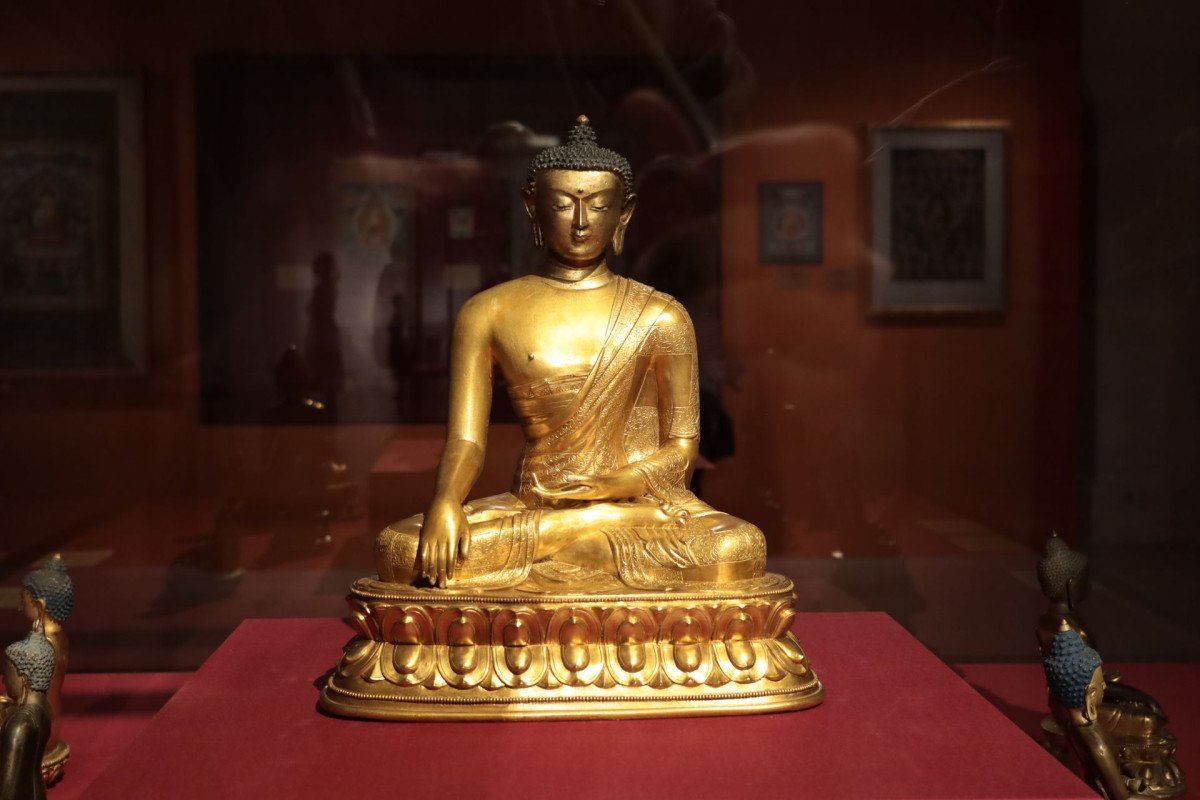
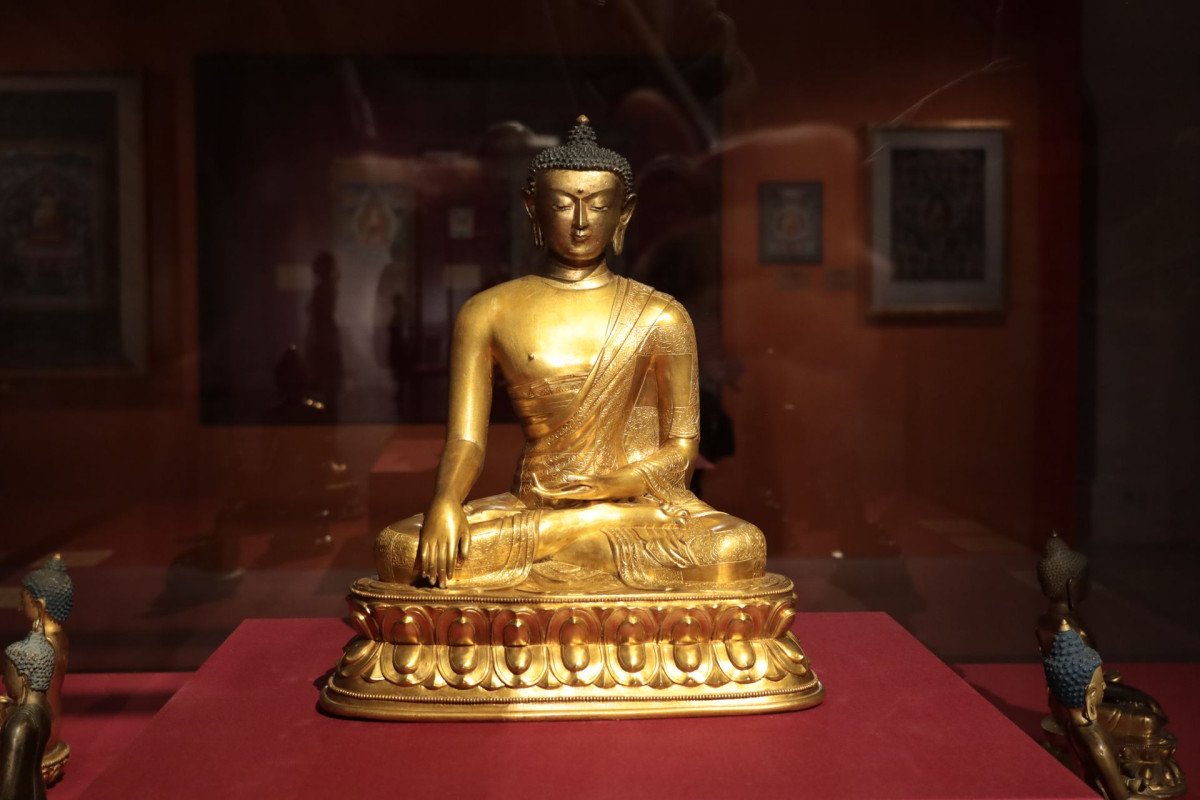
Government Museum
General information
-
Ideal Duration:
1.
5-2 Hours:Place Type:
History Museum:
and Archaeological Site:Entry Fees:
Standard Entry Fees:The entry fee for the Government Museum, Tiruchirappalli, is kept extremely low, in line with government-run cultural institutions, ensuring maximum public access to historical education. The standard fee is typically around Rs.5 to Rs.10 per adult for India...Standard Entry Fees:The entry fee for the Government Museum, Tiruchirappalli, is kept extremely low, in line with government-run cultural institutions, ensuring maximum public access to historical education. The standard fee is typically around Rs.5 to Rs.10 per adult for Indian nationals, making it one of the most budget-friendly cultural attractions in the city.
Photography and Concessions:There is often a separate, nominal fee for using a camera, usually around Rs.10 to Rs.25, which must be paid upon entry. This is standard practice in many museums in India. Children and students with valid ID cards often receive free entry or a highly subsidized rate (e. g. , Rs.2 per student) to promote educational tourism and encourage school visits.
Fees for Foreign Nationals:While the fee for Indian citizens is minimal, foreign tourists are typically charged a higher, but still modest, fee, which may range from Rs.100 to Rs.150. This dual pricing structure is common across the country. The total cost remains very low, ensuring the museum is accessible to all demographics, and the fee is mainly used for maintenance and operational costs.Timing:
Regular Operating Timings:The Government Museum is generally open from 9:30 AM to 5:00 PM on all days of the week, except on Fridays and certain major national holidays, when it remains closed for maintenance or observance. It is essential to confirm the closing day, as it ...Regular Operating Timings:The Government Museum is generally open from 9:30 AM to 5:00 PM on all days of the week, except on Fridays and certain major national holidays, when it remains closed for maintenance or observance. It is essential to confirm the closing day, as it differs from other attractions. The ticket counter usually closes 30 minutes before the official closing time.
Ideal Visit Time:The Ideal Visit Time is the mid-morning slot, from 10:00 AM to 12:00 PM, on a weekday (Monday to Thursday). This period avoids the large groups of school students and the higher volume of visitors typically seen on weekends and public holidays, allowing for a quiet, contemplative experience with the exhibits and a comfortable, unhurried walk through the Sculpture Garden.
Timing for Deep Exploration:To cover the diverse sections (archaeology, sculpture, numismatics, etc. ) and read the accompanying plaques thoroughly, visitors should allocate at least 90 minutes to 2 hours. Early entry ensures you have the time for deep exploration before the afternoon rush.Special Events:
World Heritage Day Celebrations:The museum actively celebrates World Heritage Day on April 18 each year. Special events include guided tours by conservation experts, educational workshops on artifact preservation, and lectures by archaeologists on recent excavations in the ...World Heritage Day Celebrations:The museum actively celebrates World Heritage Day on April 18 each year. Special events include guided tours by conservation experts, educational workshops on artifact preservation, and lectures by archaeologists on recent excavations in the Tiruchirappalli district. This day is marked by heightened educational activity and public engagement, offering a more academic and in-depth view of the museum's mission.
Anniversary of Museum Relocation:The anniversary of the museum's relocation to the Rani Mangammal Durbar Hall in 1998 is often celebrated with cultural performances and special temporary exhibits showcasing the history of the building itself, offering a unique dual focus on both the collection and its historic container.Best Photo Spots:
Rani Mangammal Durbar Hall Facade:The imposing exterior of the Rani Mangammal Durbar Hall provides an excellent setting for grand architectural photographs. Frame the high walls and decorative entrance features, ideally shot in the late morning light to highlight the textur...Rani Mangammal Durbar Hall Facade:The imposing exterior of the Rani Mangammal Durbar Hall provides an excellent setting for grand architectural photographs. Frame the high walls and decorative entrance features, ideally shot in the late morning light to highlight the texture and detail of the stone and plasterwork. The historical significance adds gravitas to the photos.
Outdoor Sculpture Garden Pathways:The winding pathways within the Sculpture Garden are perfect for capturing the intricate artistry of the ancient carvings. Use the greenery and open sky as a backdrop for the stone sculptures, allowing natural light to define the details. Focus on close-up shots of key deities like Lord Vishnu or Goddess Parvati sculptures.
The Great Anchor Display:The area around the massive 18th-century Anchor is a unique photo spot. Capture the scale of the artifact by including a person in the frame. The iron anchor, set against the historic Durbar Hall, creates a powerful visual contrast between maritime and land history.Photo Gallery
Things To Do
-
Wander through the Sculpture Garden:Begin your visit by spending time in the large, open-air Sculpture Garden. Here, you can closely examine the detailed stone carvings of various Hindu deities and historical figures. Take your time to appreciate the craftsmanship and the evolution of the Pallava and Chola art styles. This is the best place for detailed photography of ancient stone art.
Explore the Rani Mangammal Durbar Hall:Walk through the main exhibition hall, taking a moment to appreciate the Durbar Hall itself—the high ceilings, imposing pillars, and overall scale of the Nayak-era architecture. Imagine the historical assemblies that took place here. The building is as much an exhibit as the artifacts it holds.
Examine the Unique Anchor:Locate the prominent and perplexing 18th-century An...Wander through the Sculpture Garden:Begin your visit by spending time in the large, open-air Sculpture Garden. Here, you can closely examine the detailed stone carvings of various Hindu deities and historical figures. Take your time to appreciate the craftsmanship and the evolution of the Pallava and Chola art styles. This is the best place for detailed photography of ancient stone art.
Explore the Rani Mangammal Durbar Hall:Walk through the main exhibition hall, taking a moment to appreciate the Durbar Hall itself—the high ceilings, imposing pillars, and overall scale of the Nayak-era architecture. Imagine the historical assemblies that took place here. The building is as much an exhibit as the artifacts it holds.
Examine the Unique Anchor:Locate the prominent and perplexing 18th-century Anchor display. Read the accompanying text about its discovery inland and contemplate the historical significance it suggests regarding trade or flood patterns. This peculiar exhibit warrants focused attention due to its anomaly.
Delve into the Archaeological Section:Focus on the archaeological findings, paying close attention to the unearthed pottery fragments, metal tools, and inscriptions. The exhibits from the ancient Chola capital of Woraiyur are particularly insightful for understanding the city's deep roots and political importance.
Attend an Educational Program:If possible, check the museum's notice board for any planned lectures, film screenings, or temporary exhibitions. These events, often held on weekends or special occasions, provide a deeper, curator-led insight into specific collections or historical themes.
Analyze the Numismatic and Manuscript Exhibits:Seek out the glass cases displaying the tiny yet invaluable coin collection and the fragile manuscripts. The sheer age and variety of the coinage provide a fascinating view into the economic and political history of the dynasties that ruled the region.
Use the Proximity to Rockfort:Combine your museum visit with a trip to the nearby Rockfort Temple. The museum and the fort complex are located within the same historical quarter, allowing for a seamless transition from studying the artifacts of the Nayaks (in the museum) to experiencing their monumental construction (at the Rockfort).
Information
-
Why Famous:
Location in the Historic Rani Mangammal Durbar Hall:The museum's fame is intrinsically linked to its location inside the Rani Mangammal Durbar Hall, a historically significant 17th-century Nayak-era structure. This building's history, having served as a royal court and later a British post office, ...Location in the Historic Rani Mangammal Durbar Hall:The museum's fame is intrinsically linked to its location inside the Rani Mangammal Durbar Hall, a historically significant 17th-century Nayak-era structure. This building's history, having served as a royal court and later a British post office, makes the museum itself a prime historical artifact, attracting visitors keen to explore a place of layered historical importance.
Rich Archaeological and Sculptural Collection:It is renowned for its rich collection of archaeological finds, including ancient coins, prehistoric tools, and a particularly impressive outdoor Sculpture Garden featuring hundreds of intricate stone carvings. These artifacts provide tangible evidence of the region's cultural richness, particularly its Chola and Nayak heritage, and are essential for understanding the history of the Cauvery region.
The Unique Giant Anchor Exhibit:The museum is uniquely famous for an unexpected exhibit: a massive 18th-century anchor unearthed from an inland village far from the sea. This peculiar artifact sparks historical debate and serves as a major point of interest, symbolizing the unexpected historical connections and trade routes of the region and is a favourite talking point for tour guides. -
Architecture:
Nayaka-Era Durbar Hall Architecture:The museum is housed within the historic Rani Mangammal Durbar Hall, a magnificent example of Nayaka architecture from the 17th century, though it has undergone modifications over time. The building is characterized by its large, central ...Nayaka-Era Durbar Hall Architecture:The museum is housed within the historic Rani Mangammal Durbar Hall, a magnificent example of Nayaka architecture from the 17th century, though it has undergone modifications over time. The building is characterized by its large, central hall and high ceilings, originally designed for royal assemblies and administrative functions. The structure is built primarily of brick and mortar, featuring thick walls and a strong foundation typical of historical administrative buildings in South India.
Pillars and Internal Layout Dimension:The most striking architectural feature is the expansive hall itself, likely spanning dimensions of approximately 40 x 20 meters (approx. 130 x 65 feet), supported by large, imposing pillars that were historically used for supporting the roof and dividing the space. The layout is simple but grand, with the exhibits carefully placed within the old hall structure. The exterior facade often features decorative elements that reflect the late Nayak style, including carved cornices and decorative plasterwork.
Sculpture Garden Design:The outdoor Sculpture Garden, an integral part of the museum complex, is designed to display heavy stone artifacts in a natural, open environment. The garden layout strategically places ancient sculptures under shaded awnings or open sky, allowing visitors to appreciate the craftsmanship and scale of these historical pieces in their full Dimension and detail. -
How To Reach:
By Air (Airport to Museum):From Tiruchirappalli International Airport (TRZ), the museum is about 9-10 KMS. A taxi or pre-booked cab is the most convenient option and should take around 30 minutes. Alternatively, one can take an airport bus to the central bus stand and then...By Air (Airport to Museum):From Tiruchirappalli International Airport (TRZ), the museum is about 9-10 KMS. A taxi or pre-booked cab is the most convenient option and should take around 30 minutes. Alternatively, one can take an airport bus to the central bus stand and then an auto-rickshaw.
By Train (Railway Junction Proximity):The museum is conveniently located approximately 3-4 KMS from Tiruchirappalli Junction (TPJ). From the station, an auto-rickshaw will take about 15 minutes. It is best to negotiate the fare beforehand. Local city buses running towards the Rockfort area or Chathiram Bus Stand also provide a very economical way to reach the museum, as it is very close to the old city centre.
By Road (Bus and City Centre Access):The museum is located in the heart of the city, near the Rockfort and the Teppakulam, which are central bus stops and major landmarks. The Chathiram Bus Stand is within a 1 KM radius. The proximity to the city centre ensures excellent road connectivity from all directions via local and inter-city buses.
By Local Transport:Since the museum is right in the historical core of Tiruchirappalli, it is easily reachable by shared and dedicated auto-rickshaws from any part of the city. For those staying near the Rockfort or Teppakulam, the museum is often a short, pleasant walk, providing the chance to see the surrounding historical lanes and markets. -
Weather and Best Time to Visit:
Different Types of Seasons - Winter:The Best Time to Visit is during the Winter months, specifically from October to March. The temperature is moderate and pleasant, which is essential for enjoying the outdoor Sculpture Garden and the walk in the historical complex. The co...Different Types of Seasons - Winter:The Best Time to Visit is during the Winter months, specifically from October to March. The temperature is moderate and pleasant, which is essential for enjoying the outdoor Sculpture Garden and the walk in the historical complex. The cool weather allows for a focused and relaxed study of the artifacts without the intense heat of the summer.
Different Types of Seasons - Avoid Summer:The Summer months (April to June) should be avoided due to the intense heat and high humidity, which can make the outdoor sections uncomfortable, though the indoor Durbar Hall offers some respite. Monsoon (July to September) can be fine, but outdoor time might be limited by rain.
Different Parts of the Day - Morning:The absolute Ideal Visit Time is the Morning (9:30 AM to 11:30 AM) on any non-Friday weekday. The light is good for viewing the sculpture garden, and the crowds are minimal, allowing for a quiet and contemplative study of the historical exhibits and the museum's extensive collection of inscriptions and coins. -
Near Tourist Places:
Rockfort Temple (0. 5 KM), Main Guard Gate (1 KM), Our Lady of Lourdes Church (1. 5 KM), St. Joseph's Church (2 KM), Tiruchirappalli Railway Museum (4 KM), Jambukeswarar Temple (8 KM), Sri Ranganathaswamy Temple (9 KM), Kallanai Dam (20 KM), Thanjavur (60 KM), Srirangam Island (8 KM).
Tourism Tips
-
Health & Safety (Footwear and Hydration):Wear comfortable walking shoes, especially for exploring the large outdoor Sculpture Garden and the surrounding historical area near the fort. Carry a small water bottle as staying hydrated is important. The building is old, so be m...Health & Safety (Footwear and Hydration):Wear comfortable walking shoes, especially for exploring the large outdoor Sculpture Garden and the surrounding historical area near the fort. Carry a small water bottle as staying hydrated is important. The building is old, so be mindful of the floor and steps.
Packing Essentials (ID and Reading Materials):Bring your Student ID if you are seeking a discounted entry ticket. Given the sheer volume of historical information, you might consider bringing a small magnifying glass for examining fine details on coins and inscriptions, and a pocket guide to South Indian art history. Carry a basic notebook for quick notes.
Accommodation Strategy (Stay Near Rockfort Area):Choose accommodation in the Rockfort or Teppakulam area, as this places you within walking distance of the museum, the main temple, and the local market. This area has many budget-friendly guesthouses and moderate hotels and is the historical and transport hub of the city. Other Different Topics (Study the Exhibit Text Carefully):Due to the low entry fee, the museum is often crowded with school groups; be patient. Read the detailed exhibit descriptions and information plaques carefully, as they are crucial for understanding the historical context of the artifacts, particularly the chronological arrangement of the Chola and Pallava sculptures. Combine the visit with a walk around the adjacent old city streets.
Reviews
FAQs
Tiruchirappalli Itineray And Cost:-
Government Museum Tourism:-
Other Places In Tiruchirappalli :-
Other States In India :-
Information about New and Updated Locations() of Tamil Nadu Has Been Added :-
Card subtitle
Note:-
Information provided here in good Faith and for reference only.
Near Places

Anna Science Centre Planetarium
Some quick example text to build on the card title and make up the bulk of the card's content.
Go somewhere
Government Museum
Some quick example text to build on the card title and make up the bulk of the card's content.
Go somewhere
Jambukeshwarar Temple
Some quick example text to build on the card title and make up the bulk of the card's content.
Go somewhere
Kallanai Dam
Some quick example text to build on the card title and make up the bulk of the card's content.
Go somewhere
Main Guard Gate
Some quick example text to build on the card title and make up the bulk of the card's content.
Go somewhere
Mukkombu
Some quick example text to build on the card title and make up the bulk of the card's content.
Go somewhere
Nadirshah Dargha
Some quick example text to build on the card title and make up the bulk of the card's content.
Go somewhere
Our Lady of Lourdes Church
Some quick example text to build on the card title and make up the bulk of the card's content.
Go somewhere
Pachamalai Hills
Some quick example text to build on the card title and make up the bulk of the card's content.
Go somewhere
Ponnaniyaru Dam
Some quick example text to build on the card title and make up the bulk of the card's content.
Go somewhere
Puliyancholai Waterfalls
Some quick example text to build on the card title and make up the bulk of the card's content.
Go somewhere
Rockfort Temple
Some quick example text to build on the card title and make up the bulk of the card's content.
Go somewhere
Samayapuram Mariamman Temple
Some quick example text to build on the card title and make up the bulk of the card's content.
Go somewhere
Sri Ranganathaswamy Temple
Some quick example text to build on the card title and make up the bulk of the card's content.
Go somewhere
St. Joseph's Church
Some quick example text to build on the card title and make up the bulk of the card's content.
Go somewhere
St. Mary's Cathedral Church
Some quick example text to build on the card title and make up the bulk of the card's content.
Go somewherein Other Cities