Keoladeo National Park
General information
-
Ideal Duration:
4 to 6 Hours (Full Day for keen birders)Place Type:
Wildlife Sanctuary / UNESCO World Heritage SiteEntry Fees:
Pricing Structure: The entry fee is structured differently for Indian citizens, foreign tourists, and for specific activities or amenities. This structure is common in Indian National Parks and historical sites.
Indian Citizens: The gene...Pricing Structure: The entry fee is structured differently for Indian citizens, foreign tourists, and for specific activities or amenities. This structure is common in Indian National Parks and historical sites.
Indian Citizens: The general entry fee for Indian citizens is typically around INR 75 per person. Students often receive a discount. This fee provides basic access to the park for the day.
Foreign Tourists: Foreign tourists typically pay a higher fee, which can be around INR 400 to INR 500 per person. This differential pricing is based on the rationale that international tourism contributes more to the local and national economy.
Vehicle Fees: Entry for any personal vehicle (even if just to the parking area near the gate) or hired car may incur an additional charge, often around INR 100 per vehicle. Motorized vehicles are not allowed past the entrance.
Camera and Video Fees: There are separate charges for carrying a camera. Still cameras are sometimes included in the entry fee or may have a nominal charge (e. g. , INR 50). Video cameras, especially professional ones, attract a much higher fee, sometimes in the range of INR 450 to INR 500 or more, to regulate commercial filming.
Guide/Rickshaw Fees: Hiring a licensed Rickshawala Guide or a bicycle is an additional cost. Rickshaw charges are usually fixed per hour (INR 100 - INR 150 per hour), and a bicycle rental is typically a fixed charge for the day (INR 100 - INR 200).
Comparison and Value: The fees are considered very reasonable for a UNESCO World Heritage Site and a sanctuary of this ecological importance. The fees contribute directly to the park's maintenance, staff salaries, conservation efforts, and the training of local guides. The rickshaw guide fees, in particular, support the local community and ensure visitors benefit from local expertise, making them a worthwhile investment. It's advisable to carry sufTiming:
Regular Timings: Keoladeo National Park generally opens early to maximize wildlife viewing opportunities, as birds are most active in the morning and late afternoon.
Opening and Closing Time: The typical regular hours are from 6:00 AM to ...Regular Timings: Keoladeo National Park generally opens early to maximize wildlife viewing opportunities, as birds are most active in the morning and late afternoon.
Opening and Closing Time: The typical regular hours are from 6:00 AM to 6:00 PM daily, seven days a week, throughout the year. It's crucial to check the exact timings upon arrival, as slight seasonal variations may occur, especially during the extreme summer months. The park strictly enforces the closing time, and visitors must exit the premises by then.
Ideal Visit Time: To get the best experience, timing your visit within the operating hours is essential, focusing on the activity peaks of the park's inhabitants. Early Morning (6:00 AM - 9:00 AM) This is the most ideal visit time. The temperature is cool and pleasant, the light is soft for photography, and the birds and animals are at their most active. Raptors are often perched and ready to hunt, while mammals like Nilgai are out grazing. It's also the best time to see the mist lift over the wetlands in winter. Late Afternoon (3:30 PM - 6:00 PM) This is the second-best time. The light is again excellent, and many birds begin to settle in for the night, with large flocks moving across the sky. The air cools down, making for a comfortable end to the day. Mid-Day (10:00 AM - 3:00 PM) This is the least ideal time. Bird activity slows down as the sun climbs, and the heat can be intense, especially outside the October to March window. If visiting during this time, focus on the shaded parts of the trails or the Interpretation Centre.
Seasonal Timing Consideration: The best time of year to visit is during the winter (October to March) for migratory birds, but the best time for watching resident birds breed is during the late monsoon and early winter (August to November). The early opening time (6:00 AM) in winter is often quite chilly, so dressing in layersSpecial Events:
Annual Bird Census: One of the key special events, though not a tourist festival, is the Annual Waterbird Census (sometimes coinciding with the Asian Waterbird Census). This usually takes place in the cooler months, often January or February. While primarily a scientific ...Annual Bird Census: One of the key special events, though not a tourist festival, is the Annual Waterbird Census (sometimes coinciding with the Asian Waterbird Census). This usually takes place in the cooler months, often January or February. While primarily a scientific and conservation activity, it brings together ornithologists, researchers, forest officials, and keen birders. Visitors present during this time can experience the intense, dedicated atmosphere of scientific observation. While direct participation might be restricted, the heightened presence of experienced birders and the focus on counting and recording species add a unique, serious dimension to the park visit. This event underscores the park's role as a vital ecological site.
Bird Migration Peaks: The peak of the migratory season, generally from November to February, is a natural "special event. " The park transforms with the influx of thousands of birds, creating a truly spectacular sight. The sheer noise of the collective bird calls and the visual spectacle of massive flocks flying in formation are experiences that constitute a unique, annually recurring phenomenon. This period is the most important for bird photography and sighting of exotic, non-resident species.Best Photo Spots:
Central Embankments and Dykes: The raised dykes and embankments that traverse the marshy heart of the park offer excellent, elevated views over the water bodies.
Mid-Route Viewpoints: About 5-7 km inside, the open stretch of water provide...Central Embankments and Dykes: The raised dykes and embankments that traverse the marshy heart of the park offer excellent, elevated views over the water bodies.
Mid-Route Viewpoints: About 5-7 km inside, the open stretch of water provides a panorama for capturing large flocks of ducks and geese in flight or while they are feeding. The reflections on the calm water surface during early morning are ideal for stunning mirror-image shots.
Breeding Colony Vistas: Specific spots overlooking the dense nesting trees (often Acacia nilotica or Prosopis cineraria) during the monsoon-to-winter months are fantastic for capturing the chaotic beauty of the Painted Storks, Spoonbills, and Cormorants feeding their young. A telephoto lens is essential here.
Python Point Area: Though the name suggests reptiles, this area, with its blend of dry land and dense scrub, is excellent for photographing ground birds and mammals.
Edge Habitat Shots: The transition zone between water and woodland is a popular hunting ground for raptors like eagles and various kingfishers. Capturing an eagle descending or a kingfisher fishing in the scrubby environment provides dynamic photo opportunities.
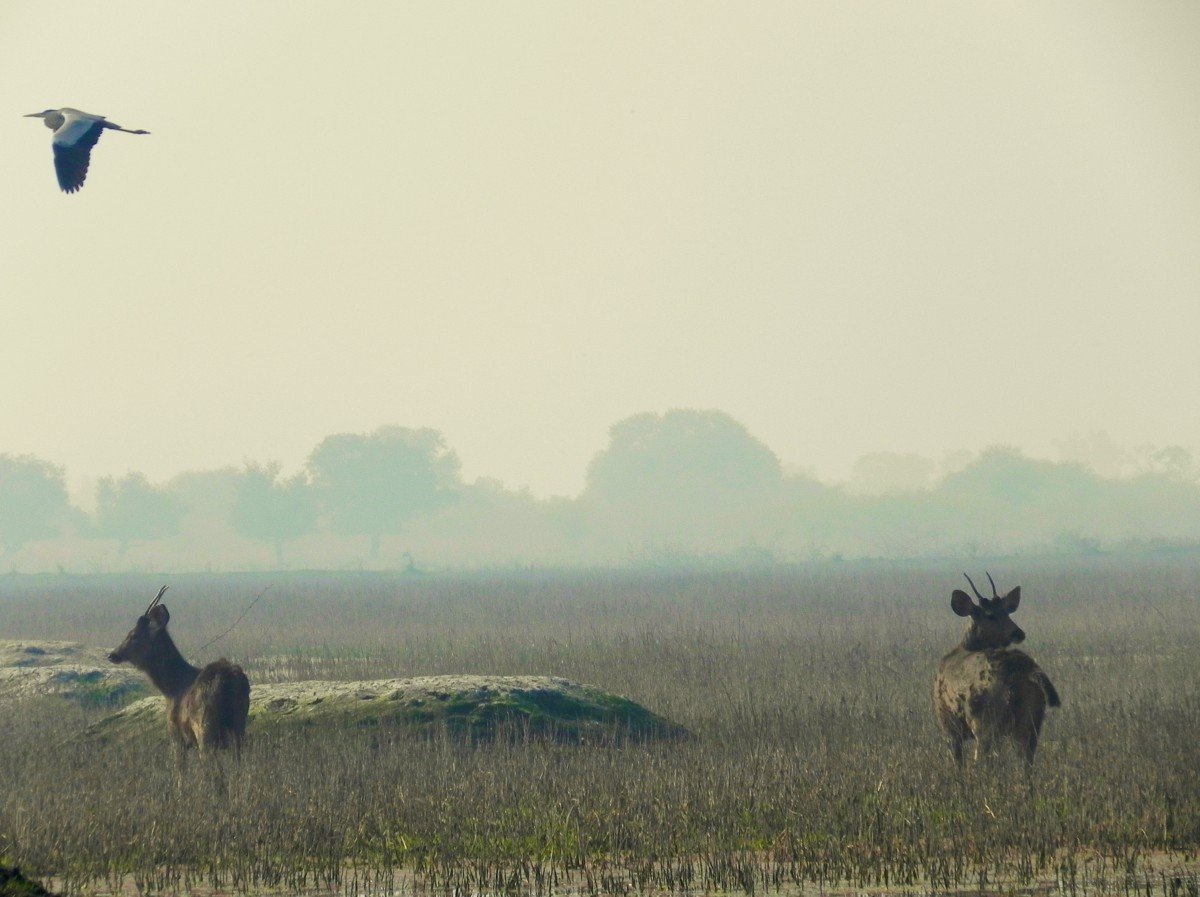
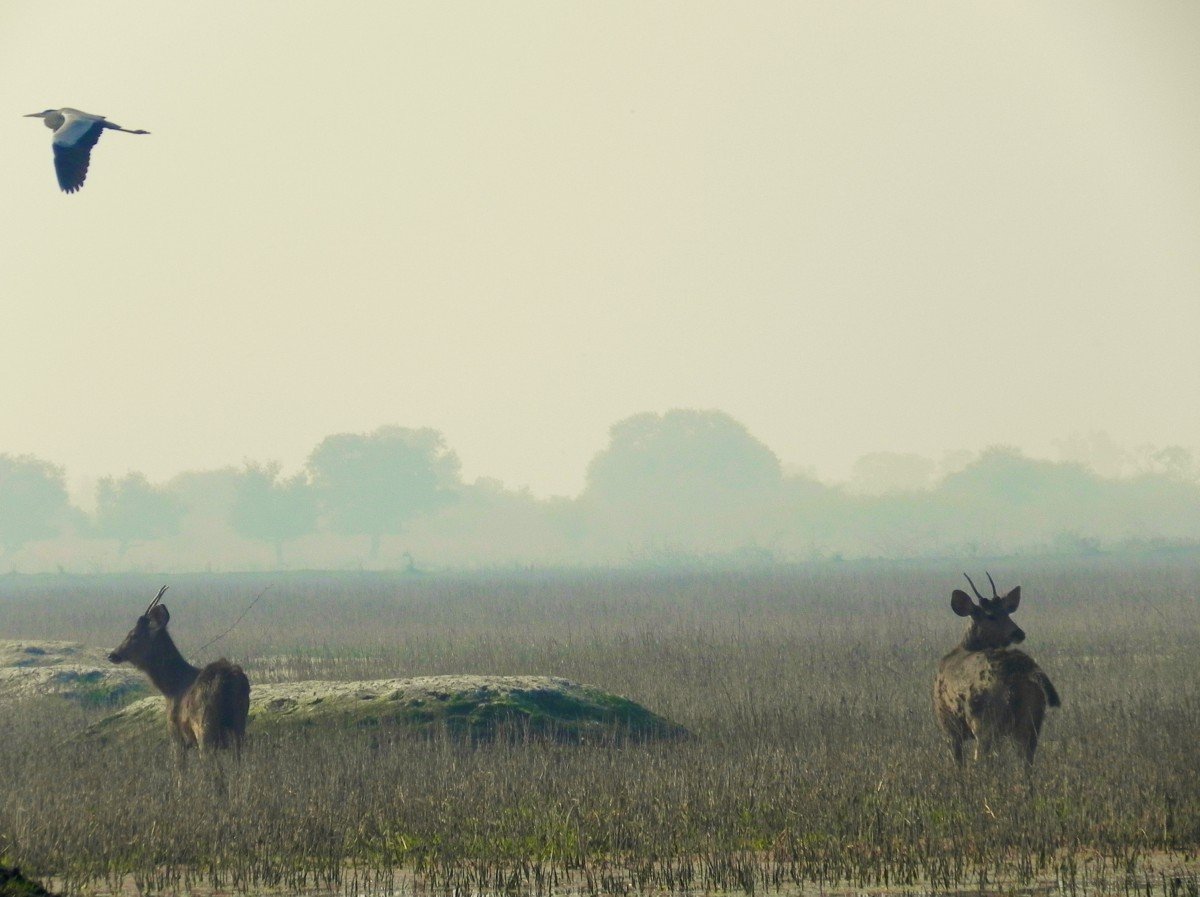
Mammal Sighting: Early morning or late evening often brings out the Sambar and Nilgai for grazing, which can be photographed against the backdrop of the park's serene landscape.
Sunrise and Sunset Points near the Entrance: The areas closer to the main gate or the open areas where the sun rises or sets can produce exceptionally dramatic shots.
Silhouettes and Golden Hour: Positioning yourself to capture the silhouettes of flying or perching birds against the vibrant orange, pink, and yellow hues of the rising or setting sun is a signature Keoladeo photo. Mist in the morning can add a dreamy, atmospheric effect.
Reflections in Small Pools: Small, temporary pools of water near the entrance often catch the light perfectly, offering chances for reflection photography of passing birds or trees.Photo Gallery
Things To Do
-
Birdwatching:
The Core Activity: Birdwatching is the primary reason for visiting Keoladeo National Park. The park's dense population of both resident and migratory birds ensures exceptional sighting opportunities.
Resident Birds Observation: Focus on the breeding colonies, often found in the central marsh areas, particularly during the late monsoon/post-monsoon months (August to November). Look for species like the Painted Stork, Asian Openbill, various herons (like the Grey Heron and Purple Heron), and different types of egrets. The sight of thousands of birds nesting together is a magnificent spectacle.
Migratory Birds Observation: Visit during the peak winter months (October to March) to see birds migrating from colder regions. Key sightings include var...Birdwatching:
The Core Activity: Birdwatching is the primary reason for visiting Keoladeo National Park. The park's dense population of both resident and migratory birds ensures exceptional sighting opportunities.
Resident Birds Observation: Focus on the breeding colonies, often found in the central marsh areas, particularly during the late monsoon/post-monsoon months (August to November). Look for species like the Painted Stork, Asian Openbill, various herons (like the Grey Heron and Purple Heron), and different types of egrets. The sight of thousands of birds nesting together is a magnificent spectacle.
Migratory Birds Observation: Visit during the peak winter months (October to March) to see birds migrating from colder regions. Key sightings include various species of ducks (Northern Pintail, Common Teal), geese, and raptors like the Imperial Eagle and the rare Siberian Crane (though its presence is now extremely rare or non-existent).
Use Binoculars and Field Guides: Carry good quality binoculars for close-up viewing and a reliable field guide or app to identify the myriad species. Taking an experienced local guide can greatly enhance the number of species you spot.
Exploration Methods:
Getting Around the Park: The park prohibits motorized vehicles within the core area, allowing for peaceful and eco-friendly exploration.
Cycle Rickshaw Rides: This is the most popular way to explore. The Rickshawala Guides are licensed and trained in basic ornithology. They move slowly and silently, perfect for spotting wildlife, and provide commentary on the park's fauna and flora. They know the best spots for specific sightings. An average ride covers the main route in about 4-6 hours.
Bicycling: Rent a bicycle near the gate for a self-guided tour. This offers the most flexibility to stop, start, and explore at your own pace. It's a great choice for budget-conscious or solo travelers who enjoy a good ride. The paths are mostly flat and paved, making cycling easy.
Walking/Trekking: Walking the main 11 km route or the various side trails is another option, allowing for the quietest approach to nature. Be prepared for a long walk if you plan to cover the entire length. Early morning walks offer the best chance for spotting mammals and ground birds.
Photography and Nature Documentation: Keoladeo is a paradise for nature and wildlife photographers.
Bird Photography: Capture the various species in actionRs.flying, feeding, or nesting. The golden hours (sunrise and sunset) offer the best light. Look for perching raptors or birds feeding on the open water. The nesting colonies offer great opportunities for close-up action shots.
Landscape Photography: The combination of water, dense scrub, and distant trees provides beautiful landscape compositions, especially with the morning mist or the evening glow. The parkRs.s unique wetland ecosystem is a beautiful subject in itself.
Sunrise/Sunset Viewing: Visit the official Sunrise Point or Sunset Point (often the same location near the park entrance or deeper inside) to capture the dramatic silhouettes of birds against the vibrant sky.
Other Activities:
Boating (Seasonal): When water levels are high (typically during and just after the monsoon, though this varies), rowing or paddling a boat is allowed in certain marshy areas. This offers a unique, lower-angle perspective for photography and getting closer to water-based birds.
Visit the Interpretation Centre: Located near the entrance, this center provides detailed information, displays, and maps about the park's history, ecology, biodiversity, and conservation efforts. It's a great place to start your visit to understand the ecosystem better.
Nature Study and Research: For serious naturalists, the park is an excellent place for nature study, research, and educational tours,
Information
-
Why Famous:
The Bird Congregation: Keoladeo National Park is primarily famous for being one of the most spectacular bird paradises globally. Its fame rests on the sheer volume, variety, and accessibility of birdlife. It's a key spot on the Central Asian Flyway for migratory...
The Bird Congregation: Keoladeo National Park is primarily famous for being one of the most spectacular bird paradises globally. Its fame rests on the sheer volume, variety, and accessibility of birdlife. It's a key spot on the Central Asian Flyway for migratory waterfowl. The park supports over 370 species, including a spectacular heronry where thousands of birdsRs.like painted storks, spoonbills, and various egretsRs.nest during the monsoon season. Its reputation soared due to the presence of the now-Critically Endangered Siberian Crane, which historically wintered here in large numbers until the early 2000s.
Conservation and Heritage Status: The park's official recognition as a UNESCO World Heritage Site in 1985 cemented its global importance in conservation. This status highlights its value as an exceptional habitat, especially as a managed wetland that provides a crucial refuge for numerous threatened species in a heavily populated landscape. It serves as a successful example of a former hunting reserve being transformed into a vital conservation area. This shift from 'game reserve' to 'National Park' is a significant part of its historical fame.
Unique Viewing Experience: Unlike many forest reserves that require safari jeeps, Keoladeo offers an intimate, tranquil wildlife viewing experience. Visitors can explore the park on foot, bicycle, or, most popularly, via cycle rickshaws. The rickshaw pullers are often trained as guides (Rickshawala Guides), possessing excellent local knowledge of bird species and their locations, which significantly enhances the birdwatching experience. This human-powered and peaceful exploration method is a unique and celebrated feature of the park. -
Architecture:
Wetland Ecosystem Design: The "architecture" of Keoladeo National Park is primarily its engineered landscape designed to create a productive wetland habitat. This is not traditional building architecture but environmental engineering. The core feature is the complex netwo...Wetland Ecosystem Design: The "architecture" of Keoladeo National Park is primarily its engineered landscape designed to create a productive wetland habitat. This is not traditional building architecture but environmental engineering. The core feature is the complex network of artificial dykes, dams, and sluice gates built by the Jat rulers. These structures, particularly the Ajan Bandh reservoir, are crucial for controlling the water levels in different sections of the marsh, allowing for the ideal depth needed for aquatic vegetation to grow and attract various bird species for feeding and nesting. The park is essentially divided into shallow water bodies and higher-ground woodlands.
Dimensional Layout: The park covers an area of approximately 2,873 hectares (about 29 square kilometers). A two-meter high boundary wall completely encloses the park, which helps in minimizing disturbances and encroachment. The main paved road for visitors stretches for about 11 kilometers, offering easy access to the core birding zones. The water bodies vary in depth and size, intentionally designed to support different species. The shallower areas (often only a few centimeters deep) are favored by waders, while slightly deeper areas host ducks and other aquatic birds. The park's relatively small size for a National Park (compared to others like Ranthambore) contributes to the high density of birdlife, making it an excellent birding spot. -
How To Reach:
By Air: Bharatpur itself does not have a functional commercial airport. Nearest Major Airport - Agra Airport (AGR) / Kheria Airport: Located about 56 km from Bharatpur. It is the closest airport and has limited domestic connectivity. Alternative Major Airport - Indira...By Air: Bharatpur itself does not have a functional commercial airport. Nearest Major Airport - Agra Airport (AGR) / Kheria Airport: Located about 56 km from Bharatpur. It is the closest airport and has limited domestic connectivity. Alternative Major Airport - Indira Gandhi International Airport, New Delhi (DEL): Located about 184 km from Bharatpur. This is the closest major international hub with excellent domestic and international connections. Alternative Major Airport - Jaipur International Airport (JAI): Located about 185 km from Bharatpur. A major airport for Rajasthan, offering good domestic connectivity.
From the Airport: After landing at any of these airports, the best way to reach Bharatpur is by hiring a pre-paid taxi or booking a private car/cab service. The drive from Agra takes about 1-1. 5 hours, while from Delhi or Jaipur it takes approximately 3-4 hours, depending on traffic and road conditions.
By Train: Bharatpur is excellently connected by rail, being a key junction on the major Delhi-Mumbai and Jaipur-Agra rail routes.
Bharatpur Junction (BTE): This is the main railway station and is located only about 5 km from Keoladeo National Park. It is a major halt for express trains, connecting Bharatpur to major Indian cities including Delhi, Mumbai, Jaipur, Agra, and Kolkata.
From the Railway Station: Upon arrival at Bharatpur Junction, you can easily hire an auto-rickshaw or a local taxi to reach the National Park entrance or your accommodation in Bharatpur city. The ride is quick, usually taking 10-20 minutes.
By Road: Bharatpur has good road connectivity, making it easily accessible by bus and car from surrounding cities.
National Highways: The city is situated close to National Highway NH-21, making the drive from Agra (approx. 56 km) and Jaipur (approx. 185 km) relatively straightforward.
Bus Services (RSRTC): Rajasthan State Road Transport Corporation (RSRTC) and private bus operators run regular bus services to and from major cities like Delhi, Jaipur, Agra, Mathura, and Alwar. The Bharatpur Bus Stand is near the city center.
Self-Drive/Taxi: Hiring a taxi or driving your own vehicle is a comfortable option. The park is a popular detour on the Golden Triangle route (Delhi - Agra - Jaipur). The road conditions are generally good, especially sections of the National Highways.
By Local Transport: Once in Bharatpur city, reaching and exploring the park is easy.
Auto-rickshaws and Taxis: Easily available from the railway station or bus stand for the short journey to the park gate. Negotiate the fare before starting the journey or insist on a meter if available.
Cycle Rickshaws: These are widely available near the park entrance, and many are licensed to operate inside the park as eco-friendly guides/transport.
Bicycle Rental: Bicycles can be rented near the main gate for self-exploration within the park premises. This is the most independent and economical way to travel the 11 km main path. -
Weather and Best Time to Visit:
Different Types of Seasons: The best time to visit Keoladeo National Park depends on what you want to see: migratory birds or resident breeding.
Winter Season (October to March): This is the Best Time to Visit. The weather is very pleasa...Different Types of Seasons: The best time to visit Keoladeo National Park depends on what you want to see: migratory birds or resident breeding.
Winter Season (October to March): This is the Best Time to Visit. The weather is very pleasant, with day temperatures ranging from 15{circ}C to 30{circ}C. This period sees the massive arrival of thousands of migratory birds, including ducks, geese, and various raptors, making it a birdwatcher's paradise. The resident birds are also abundant.
Monsoon Season (July to September): This is the Best Time for Resident Breeding. The park receives rainfall, the wetlands fill up, and the resident birds (like storks and herons) begin their courtship and nesting activities, forming large, noisy breeding colonies (heronries). The humidity can be high, but the sight of breeding birds is spectacular.
Summer Season (April to June): This is the Least Recommended Time. The temperatures are extremely high, often exceeding 40{circ}C. Bird activity is minimal during the day, and many migratory birds have left. While the park is open, the heat makes exploration difficult and uncomfortable.
Different Parts of the Day:
Early Morning (Sunrise): The absolute best time to enter the park. The light is soft for photography, the temperatures are cool, and wildlife (both birds and mammals) is at its most active, making sightings more frequent.
Late Afternoon (Sunset): The second-best time. Birds return to their roosting spots, and the setting sun provides beautiful, golden-hour light for photography.
Mid-Day: Avoid this time during summer. If visiting during cooler months, use this time to explore the shaded wooded areas or have lunch at the small canteen inside. -
Near Tourist Places:
1 Lohagarh Fort ~5-6 KMs City (Bharatpur) Bharatpur Junction (~5 KMs) Bharatpur India 2 Ganga Mandir ~6 KMs City (Bharatpur) Lohagarh Fort (~1 KM) Bharatpur India 3 Laxman Mandir ~6 KMs City (Bharatpur) Lohagarh Fort (~1 KM) Bharatpur India 4 Government Museum, Bharatpur ~5 KMs City (Bharatpur) Lohagarh Fort (Inside) Bharatpur India 5 Deeg Palace ~35 KMs Town (Deeg) Deeg Bus Stand (~2 KMs) Bharatpur India 6 Band Baretha Wildlife Sanctuary ~45 KMs Village (Baretha) Rupbas (Nearest Town, ~15 KMs) Bharatpur India 7 Fatehpur Sikri ~25 KMs Town (Fatehpur Sikri) Agra (~35 KMs) Agra India 8 Agra Fort ~55 KMs City (Agra) Agra Cantt Railway Station (~5 KMs) Agra India 9 Taj Mahal ~60 KMs City (Agra) Agra City (~5 KMs) Agra India 10 Mathura (Shri Krishna Janmabhoomi) ~60 KMs City (Mathura) Vrindavan (~10 KMs) Mathura India
Tourism Tips
-
Health & Safety:
Vaccinations and Medication: Ensure all standard vaccinations are up-to-date. Carry any personal medication. Basic first-aid kits are advisable for minor cuts, bites, or headaches.
Hydration...Health & Safety:
Vaccinations and Medication: Ensure all standard vaccinations are up-to-date. Carry any personal medication. Basic first-aid kits are advisable for minor cuts, bites, or headaches.
Hydration: Carry ample water, especially during long hours of walking, cycling, or rickshaw riding. Dehydration is a risk even in winter.
Sun Protection: Always carry and apply high-SPF sunscreen, wear a wide-brimmed hat, and sunglasses, regardless of the season, as the sun can be intense.
Insect Repellent: Use insect repellent, particularly in the early morning and late evening, and especially during the monsoon/post-monsoon periods, to guard against mosquito and other insect bites.
Packing:
Clothing: Pack lightweight, quick-drying clothing in neutral colors (green, brown, or khaki) to blend in and not disturb the wildlife. Wear layers in winter as mornings are very cold, but afternoons warm up.
Footwear: Wear comfortable walking shoes or sturdy trainers, as you will be spending long hours on your feet or cycling.
Gear: Essential items include a pair of good binoculars, a field guide to Indian birds, a camera with a telephoto lens (for photography), and a waterproof jacket or poncho, especially during the monsoon months.
Accommodation:
In-City Options: Bharatpur offers a range of accommodation from budget hotels near the railway station to mid-range and luxury resorts. Search for hotels located near the park's entrance for convenience.
Luxury/Heritage Stays: Some beautiful heritage properties and resorts outside the city offer a peaceful stay with excellent amenities.
Pre-booking: It is highly recommended to pre-book accommodation, especially if visiting during the peak bird migration season (November to February), as rooms fill up quickly.
Other Different Topics:
Hiring a Guide: Always hire a licensed Rickshawala Guide at the park entrance. They are incredibly knowledgeable about bird calls, habits, and locations and directly benefit the local community. Negotiate the rate politely and confirm the duration.
Park Etiquette: Be quiet and patient. Loud noises scare away the birds and ruin the experience for others. Do not feed the animals or leave any trash behind. Stick to the marked trails.
Cash: Carry enough cash for entry fees, rickshaw rental, tips, and local food stalls, as digital payment options might be limited, especially inside the park or with local vendors.
Local Cuisine: Try the local Rajasthani and Braj cuisine, which is available in the city. Signature dishes include Dal Baati Churma and local milk-based sweets.
Reviews
FAQs
Bharatpur Itineray And Cost:-
Keoladeo National Park Tourism:-
Other Places In Bharatpur :-
Other States In India :-
Information about New and Updated Locations() of Rajasthan Has Been Added :-
Card subtitle
Note:-
Information provided here in good Faith and for reference only.
Near Places

Anah Darwaja
Some quick example text to build on the card title and make up the bulk of the card's content.
Go somewhere
Band Baretha
Some quick example text to build on the card title and make up the bulk of the card's content.
Go somewhere
Bankey Bihari Temple
Some quick example text to build on the card title and make up the bulk of the card's content.
Go somewhere
Bharatpur Palace and Museum
Some quick example text to build on the card title and make up the bulk of the card's content.
Go somewhere
Chaurasi Khamba Hill
Some quick example text to build on the card title and make up the bulk of the card's content.
Go somewhere
Chawad Devi Temple
Some quick example text to build on the card title and make up the bulk of the card's content.
Go somewhere
Deeg Fort
Some quick example text to build on the card title and make up the bulk of the card's content.
Go somewhere
Deeg Palace
Some quick example text to build on the card title and make up the bulk of the card's content.
Go somewhere
Fateh Burj
Some quick example text to build on the card title and make up the bulk of the card's content.
Go somewhere
Ganga Mandir
Some quick example text to build on the card title and make up the bulk of the card's content.
Go somewhere
Gopal Bhawan
Some quick example text to build on the card title and make up the bulk of the card's content.
Go somewhere
Jawahar Burj
Some quick example text to build on the card title and make up the bulk of the card's content.
Go somewhere
Kaman
Some quick example text to build on the card title and make up the bulk of the card's content.
Go somewhere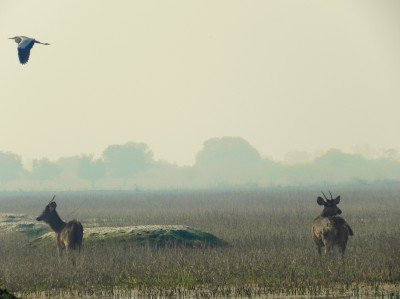
Keoladeo National Park
Some quick example text to build on the card title and make up the bulk of the card's content.
Go somewhere
Laxman Mandir
Some quick example text to build on the card title and make up the bulk of the card's content.
Go somewhere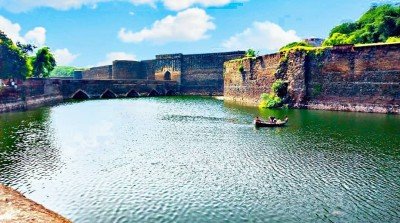
Lohagarh Fort
Some quick example text to build on the card title and make up the bulk of the card's content.
Go somewherein Other Cities