
Kumari Amman Temple
General information
-
Ideal Duration:
1-2 Hours (Excluding Queue Time)Place Type:
Pilgrimage/ReligiousEntry Fees:
Entry Fee: There is No Entry Fee for the Kumari Amman Temple. However, voluntary donations for the temple's maintenance are accepted.
Special Darshan Fees: For faster access or a closer look at the deity, the temple offers special darshan t...Entry Fee: There is No Entry Fee for the Kumari Amman Temple. However, voluntary donations for the temple's maintenance are accepted.
Special Darshan Fees: For faster access or a closer look at the deity, the temple offers special darshan tickets (often referred to as 'Seegra Darshan' or 'Quick Darshan'), which can range from Rs.20 to Rs.50 per person. This allows devotees to bypass the general queue.
Poojas and Offerings: Charges apply for specific poojas (prayer ceremonies) or offerings to be made to the Goddess by the temple priests. These prices vary widely based on the complexity of the ritual requested.
Photography Fee: Photography is strictly prohibited inside the main temple area and the inner sanctum. Flash photography is not allowed anywhere within the complex to preserve the sanctity and prevent distraction.Timing:
Regular Timings:
The temple follows traditional Hindu timings: Morning - 3:30 AM to 12:30 PM; Evening - 4:00 PM to 8:00 PM. The temple is closed during the mid-day hours.
Ideal Visit Time: The best time for...Regular Timings:
The temple follows traditional Hindu timings: Morning - 3:30 AM to 12:30 PM; Evening - 4:00 PM to 8:00 PM. The temple is closed during the mid-day hours.
Ideal Visit Time: The best time for Darshan is very early morning (4:00 AM to 6:00 AM) right after opening or late afternoon (4:00 PM to 6:00 PM). The morning hours are less crowded, and the atmosphere is serene. Late afternoon is good to witness the evening aarti. Avoid the closure period and the initial rush hour.
Crowd Management: The temple experiences very heavy crowds on Fridays, New Moon days, and major festival days, so factor in significant queuing time on these occasions.Special Events:
Vaisakhi Festival: The most significant annual event, typically celebrated in May, is a 10-day festival involving elaborate processions with the utsava idol of Goddess Kumari.
Navaratri Festival: Celebrated with great fervor in September/Oct...Vaisakhi Festival: The most significant annual event, typically celebrated in May, is a 10-day festival involving elaborate processions with the utsava idol of Goddess Kumari.
Navaratri Festival: Celebrated with great fervor in September/October, this nine-night festival features special ceremonies and cultural programs. Float (Theppam), Car (Rathotsav), and Kalabham (Sandal) Festivals: These are other key annual festivals involving the use of decorated floats, temple cars, or ritual application of sandalwood paste, drawing huge crowds and demonstrating the temple's rich ceremonial tradition.Best Photo Spots:
The Gopuram Against the Sky: Capture the entrance tower (gopuram) in the soft light of the early morning or evening. Frame it against the vivid blue sky for a striking image of Dravidian architecture.
The Confluence View: Though the temple ...The Gopuram Against the Sky: Capture the entrance tower (gopuram) in the soft light of the early morning or evening. Frame it against the vivid blue sky for a striking image of Dravidian architecture.
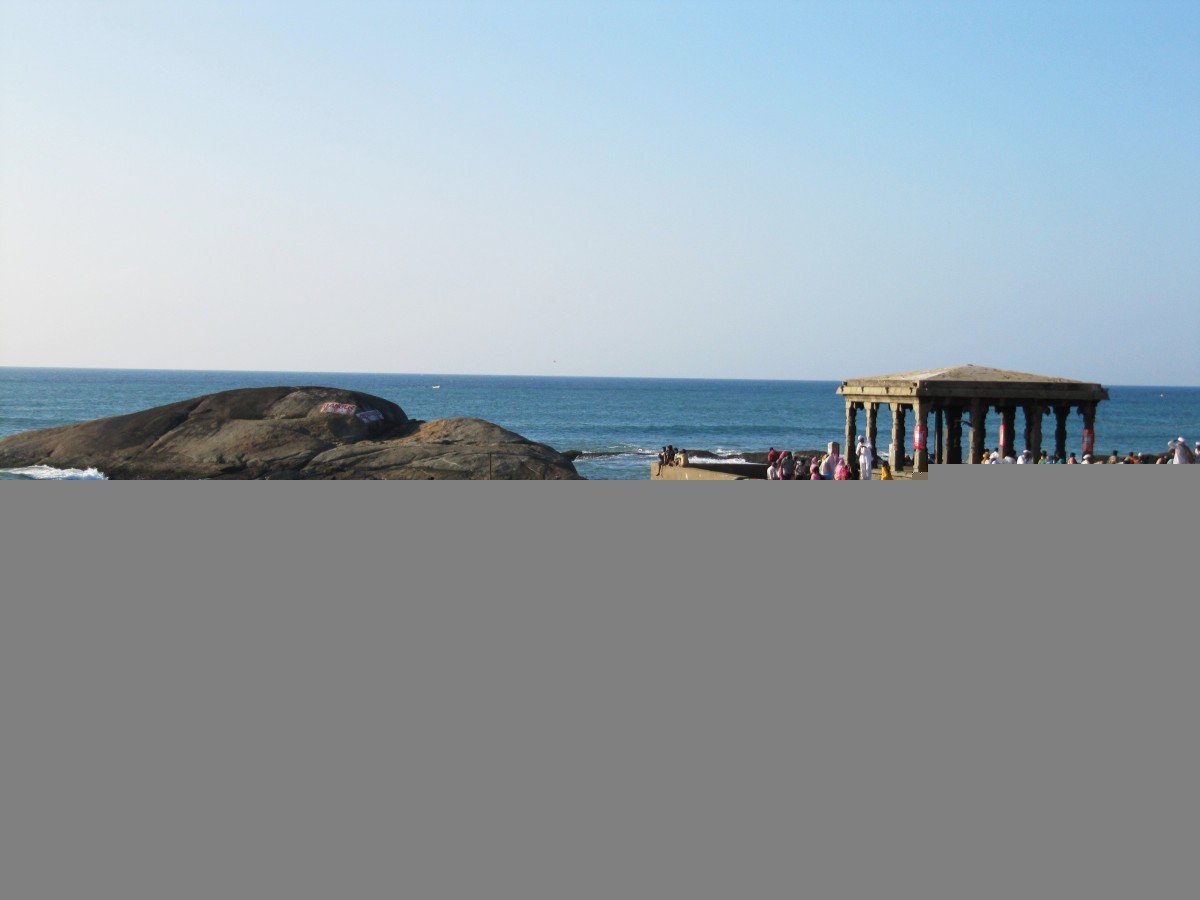
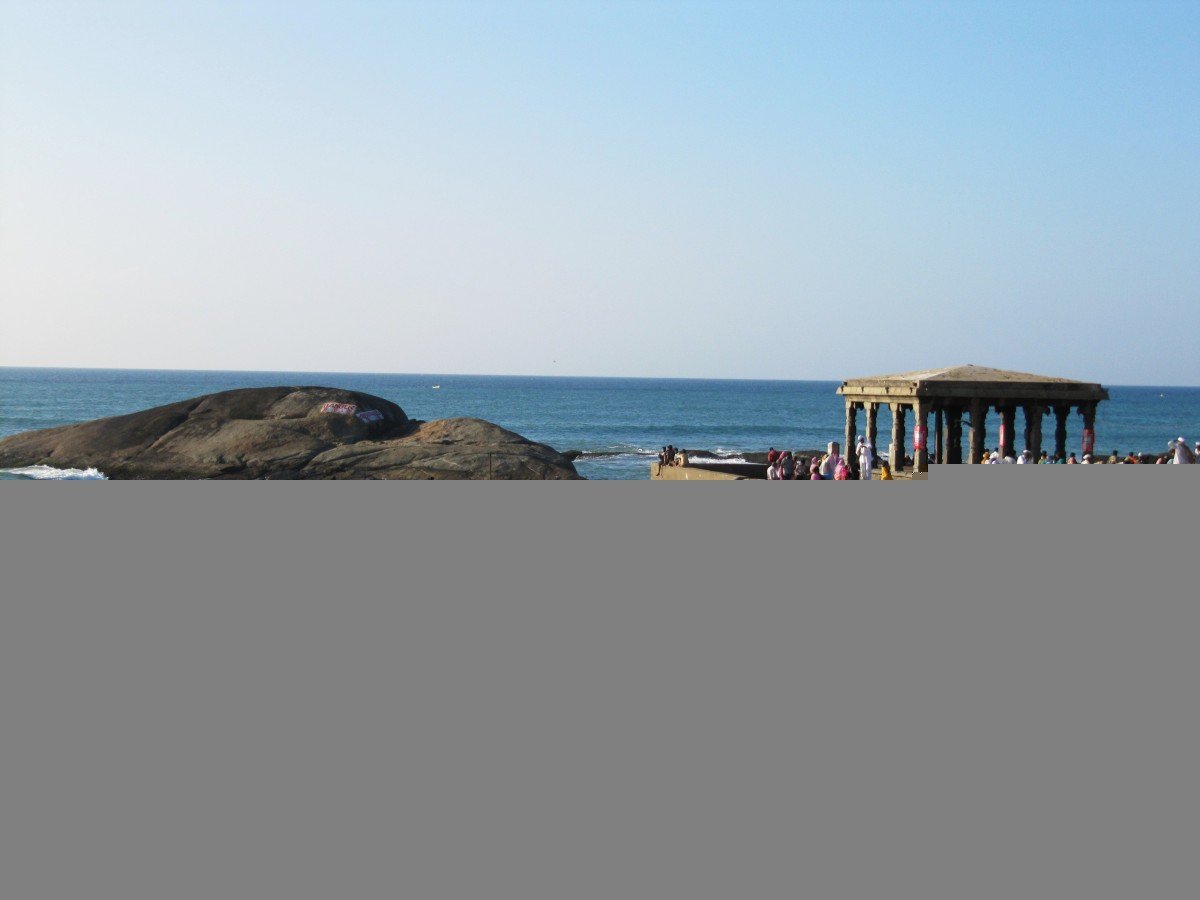
The Confluence View: Though the temple is not primarily a photo spot, stand at the perimeter to frame the white waves of the Arabian Sea against the slightly calmer waters of the Bay of Bengal and Indian Ocean.
Devotional Scenes: Take respectful, candid photographs (without disturbing devotees and where permitted) of the intense devotional atmosphere, the lamps, the offerings, and the colorful traditional dress of the pilgrims.
The Temple Tank/Well: The ancient, carved stone of the temple's water source (Moola Ganga Theertham) can provide a historically rich, textured photo, representing the temple's core spiritual resources.Photo Gallery
Things To Do
-
Participating in Darshan: Join the queue early in the morning or late afternoon to have a clear view (darshan) of the main idol of Devi Kanya Kumari and her legendary diamond nose ring.
Observing Rituals: Witness the daily temple rituals, especially the abhishekam (ritual bath), performed using water from the sacred Moola Ganga Theertham well. The atmosphere during the morning and evening aartis is intensely spiritual.
Worshipping Other Deities: Pay respects at the smaller shrines within the complex dedicated to Goddess Balasundari, Goddess Vijaya Sundari, Lord Ganesh, and Lord Ayyappa Swamy.
Seeking the Triveni Sangam View: Position yourself near the temple's eastern wall to get a unique view of the Triveni Sangam (the meeting point of the three seas) from this...Participating in Darshan: Join the queue early in the morning or late afternoon to have a clear view (darshan) of the main idol of Devi Kanya Kumari and her legendary diamond nose ring.
Observing Rituals: Witness the daily temple rituals, especially the abhishekam (ritual bath), performed using water from the sacred Moola Ganga Theertham well. The atmosphere during the morning and evening aartis is intensely spiritual.
Worshipping Other Deities: Pay respects at the smaller shrines within the complex dedicated to Goddess Balasundari, Goddess Vijaya Sundari, Lord Ganesh, and Lord Ayyappa Swamy.
Seeking the Triveni Sangam View: Position yourself near the temple's eastern wall to get a unique view of the Triveni Sangam (the meeting point of the three seas) from this revered spot.
Meditation and Peace: Utilize the temple's tranquil atmosphere (outside of peak darshan times) for quiet prayer, reflection, or meditation, connecting with the ancient, sacred energy of the Shakti Peetha.
Experiencing the Temple's History: Take time to walk along the strong, ancient stone walls, imagining the temple's 3000-year history and its connection to the former Travancore kingdom.
Attending Special Openings: If you are visiting during one of the five auspicious days when the Eastern Gate is opened, make a determined effort to attend the special ceremony and witness this rare, ancient tradition.
Information
-
Why Famous:
The Shakti Peetha Status: It is revered as one of the 108 Shakti Peethas, making it a prime pilgrimage destination for followers of the Goddess Shakti.
The Diamond Nose Ring: The captivating story and the physical presence of the shimmering ...The Shakti Peetha Status: It is revered as one of the 108 Shakti Peethas, making it a prime pilgrimage destination for followers of the Goddess Shakti.
The Diamond Nose Ring: The captivating story and the physical presence of the shimmering diamond nose ring worn by the Goddess's idol are internationally famous. The nose ring's powerful reflection and the subsequent closing of the Eastern Gate form a unique local legend.
Triveni Sangam Location: Its sacred location at the southernmost tip of India, right near the Triveni Sangam where three great seas meet, enhances its spiritual and scenic significance. -
Architecture:
Dravidian Temple Style: The Kumari Amman Temple is a magnificent example of traditional South Indian Dravidian architecture, characterized by its formidable, high stone walls that enclose the complex. It was historically a part of the illustrious Travancore kingdom's archit...Dravidian Temple Style: The Kumari Amman Temple is a magnificent example of traditional South Indian Dravidian architecture, characterized by its formidable, high stone walls that enclose the complex. It was historically a part of the illustrious Travancore kingdom's architectural domain. The temple's exterior boasts intricate carvings and sculptures typical of the regional style.
Compound Features and Shrines: Visitors enter through the Northern Gate. The temple complex is not just the main shrine but includes smaller, dedicated shrines to other deities, such as Goddess Balasundari and Goddess Vijaya Sundari, alongside revered figures like Lord Surya Deva, Lord Ganesh, and Lord Ayyappa Swamy. The presence of the sacred Moola Ganga Theertham well is a key functional and spiritual part of the architecture, from which water is drawn for the Goddess's abhishekam (ritual bath).
The Eastern Door Mystery: The most unique architectural feature is the permanently sealed Eastern Gate (or door) which faces the sea, a physical manifestation of the legend associated with the diamond nose ring's powerful reflection. This restriction is a crucial element of the temple's unique dimensional and structural history. The overall design creates a tranquil, sacred space amidst the bustling confluence point. -
How To Reach:
By Air: The nearest major airport is Thiruvananthapuram International Airport (TRV), about 90 KMS away. Hire a private taxi or take a train from Thiruvananthapuram Central to Kanyakumari. The drive takes approximately 2. 5 hours.
By Train:...By Air: The nearest major airport is Thiruvananthapuram International Airport (TRV), about 90 KMS away. Hire a private taxi or take a train from Thiruvananthapuram Central to Kanyakumari. The drive takes approximately 2. 5 hours.
By Train: Kanyakumari Railway Station (CAPE) is the nearest station, about 1 KM away. The temple is easily reachable via a short walk or auto-rickshaw ride from the station. Kanyakumari is a major railway terminus.
By Road: Kanyakumari is well-connected by National Highway 44 (NH 44). State-run (TNSTC) and private buses run frequently from cities like Nagercoil (20 KMS), Tirunelveli (90 KMS), and Madurai (250 KMS). The temple is located at the center of town.
By Local Transport: The temple is located centrally in the town (on East Car Street), making it accessible on foot from most central hotels and the Triveni Sangam. Auto-rickshaws are readily available. -
Weather and Best Time to Visit:
Different Types of Seasons: Winter (October to March) is the Best Time to Visit as the weather is cool and pleasant for waiting in the open-air queues and performing rituals. Summer can be intensely hot and humid. Monsoon brings heavy rains, which can make the stone pathwa...Different Types of Seasons: Winter (October to March) is the Best Time to Visit as the weather is cool and pleasant for waiting in the open-air queues and performing rituals. Summer can be intensely hot and humid. Monsoon brings heavy rains, which can make the stone pathways slippery.
Different Parts of the Day: Early Morning (4:00 AM to 6:00 AM) is the most spiritual and least crowded time for a peaceful darshan. Late afternoon (4:00 PM to 6:00 PM) is also good for the evening aarti and cooler temperatures. -
Near Tourist Places:
1. Triveni Sangam (Confluence Point) - Approx <0. 1 KMS. 2. Mahatma Gandhi Memorial - Approx 0. 5 KMS. 3. Vivekananda Rock Memorial Ferry Point - Approx 0. 2 KMS. 4. Thiruvalluvar Statue Viewing Point - Approx 0. 2 KMS. 5. Kamarajar Mani Mantapa - Approx 0. 5 KMS. 6. Sunset Point Kanyakumari - Approx 1. 5 KMS. 7. Our Lady of Ransom Church - Approx 1 KMS. 8. View Tower - Approx 0. 3 KMS. 9. Tsunami Memorial Park - Approx 0. 4 KMS. 10. Kanyakumari Beach - Approx 0. 1 KMS.
Tourism Tips
-
Health & Safety:
Dress Code is strictly enforced: Men must remove their shirts and wear a dhoti or trousers, while women must wear traditional attire (saree, salwar kameez, or churidar). Footwear, bags, cameras, and mobile phones are not all...Health & Safety:
Dress Code is strictly enforced: Men must remove their shirts and wear a dhoti or trousers, while women must wear traditional attire (saree, salwar kameez, or churidar). Footwear, bags, cameras, and mobile phones are not allowed inside; a paid cloakroom service is available nearby. The stone floor can be hot in the mid-day sun.
Packing: Do not carry valuables, especially mobile phones, into the temple area. Carry change for offerings and cloakroom fees. Bring a shawl or dhoti if you want to follow the strict dress code.
Accommodation: Stay near the beach or East Car Street for the closest proximity to the temple and all other main sights. Booking is essential in the peak season.
Other Different Topics Heading: Check the specific opening times and festival dates before your visit. Be prepared for long queues, especially on auspicious days. Respect the tradition that non-Hindus are not permitted beyond the main entrance.
Reviews
FAQs
Kanyakumari Itineray And Cost:-
Kumari Amman Temple Tourism:-
Other Places In Kanyakumari :-
Other States In India :-
Information about New and Updated Locations() of Tamil Nadu Has Been Added :-
Card subtitle
Note:-
Information provided here in good Faith and for reference only.
Near Places

Chitharal Jain Monuments
Some quick example text to build on the card title and make up the bulk of the card's content.
Go somewhere
Kamarajar Mani Mantapa
Some quick example text to build on the card title and make up the bulk of the card's content.
Go somewhere
Kanyakumari Wax Museum
Some quick example text to build on the card title and make up the bulk of the card's content.
Go somewhere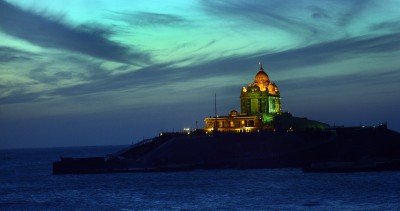
Kumari Amman Temple
Some quick example text to build on the card title and make up the bulk of the card's content.
Go somewhere
Mahatma Gandhi Memorial
Some quick example text to build on the card title and make up the bulk of the card's content.
Go somewhere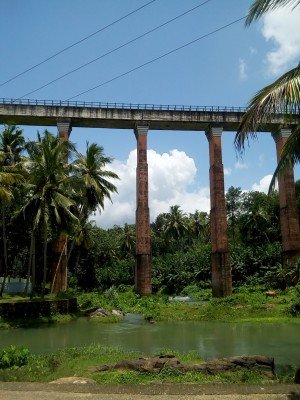
Mathoor Hanging Bridge
Some quick example text to build on the card title and make up the bulk of the card's content.
Go somewhere
Nagaraja Temple
Some quick example text to build on the card title and make up the bulk of the card's content.
Go somewhere
Our Lady of Ransom Church
Some quick example text to build on the card title and make up the bulk of the card's content.
Go somewhere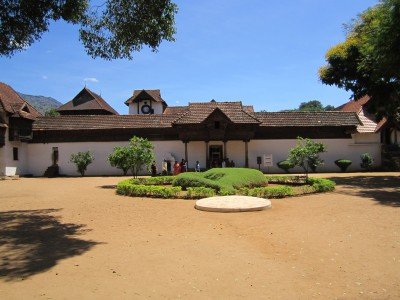
Padmanabhapuram Palace
Some quick example text to build on the card title and make up the bulk of the card's content.
Go somewhere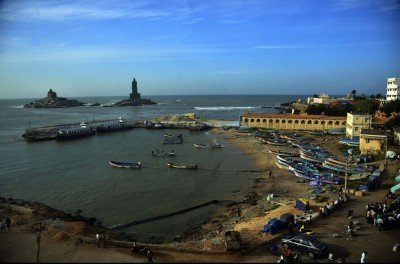
Sanguthurai Beach
Some quick example text to build on the card title and make up the bulk of the card's content.
Go somewhere
Sothavilai Beach
Some quick example text to build on the card title and make up the bulk of the card's content.
Go somewhere
Sunset Point Kanyakumari
Some quick example text to build on the card title and make up the bulk of the card's content.
Go somewhere
Thanumalayan Temple
Some quick example text to build on the card title and make up the bulk of the card's content.
Go somewhere
Thirparappu Falls
Some quick example text to build on the card title and make up the bulk of the card's content.
Go somewhere
Thiruvalluvar Statue
Some quick example text to build on the card title and make up the bulk of the card's content.
Go somewhere
Triveni Sangamam
Some quick example text to build on the card title and make up the bulk of the card's content.
Go somewherein Other Cities