

Triveni Sangamam
General information
-
Ideal Duration:
1 Hour (for viewing and rituals):Place Type:
Natural/Geographical/Spiritual:Entry Fees:
Entry Fee: There is No Entry Fee to visit the Triveni Sangamam shoreline and the bathing ghats.
Tolls/Charges: There may be minor charges for using certain facilities like changing rooms or for parking vehicles in the nearby area.Entry Fee: There is No Entry Fee to visit the Triveni Sangamam shoreline and the bathing ghats.
Tolls/Charges: There may be minor charges for using certain facilities like changing rooms or for parking vehicles in the nearby area.
Ferry Charges: The confluence is the departure point for the ferry to the monuments, but the Sangamam itself is free. Visitors who wish to visit the Vivekananda Rock Memorial and the Thiruvalluvar Statue must pay the ferry charge (approx. INR 50) and the monument entry fees (approx. INR 20 for the Rock Memorial). This makes the Sangamam one of the best free places to visit in Kanyakumari.Timing:
Regular Timings: Open 24 hours a day, every day, as it is a natural landmark. However, the most active hours are from 5:30 AM to 7:00 PM.
Ideal Visit Time: Before Sunrise (5:30 AM to 7:00 AM) for the sun-viewing experience and the morning d...Regular Timings: Open 24 hours a day, every day, as it is a natural landmark. However, the most active hours are from 5:30 AM to 7:00 PM.
Ideal Visit Time: Before Sunrise (5:30 AM to 7:00 AM) for the sun-viewing experience and the morning dip, when the crowds are mainly composed of pilgrims and photographers. Late Afternoon (4:30 PM to 6:30 PM) for the sunset. Avoid the midday heat.
Temple Timings: Note that the adjacent Kumari Amman Temple has its own specific timings (e. g. , typically 4:30 AM to 12:00 PM and 4:00 PM to 8:00 PM) with an afternoon break, so plan the spiritual component of the visit accordingly. The best views are at the edges of the day when the lighting is softest.Special Events:
Chitra Pournami (Full Moon Day in April/May): This full moon day is the most significant annual event. Thousands of pilgrims gather to take a holy dip in the Sangamam waters, as it is one of the rare times when the sun and the full moon can be seen simultaneously on opposit...Chitra Pournami (Full Moon Day in April/May): This full moon day is the most significant annual event. Thousands of pilgrims gather to take a holy dip in the Sangamam waters, as it is one of the rare times when the sun and the full moon can be seen simultaneously on opposite horizons over the sea at sunset. This creates an unparalleled visual spectacle and deep spiritual significance.
Other Full Moon Days (Pournami): Every full moon attracts a larger number of devotees who perform rituals and take the sacred bath, believing the spiritual energy of the confluence is at its peak.
Kanya Kumari Temple Festivals: Festivals of the adjacent Kumari Amman Temple, such as the Navaratri festival (September/October), bring a festive atmosphere to the entire Sangamam area, with processions, music, and special prayer ceremonies spilling out onto the shore.Best Photo Spots:
Sunrise over the Bay of Bengal: The classic shot of the sun rising from the ocean, often with the silhouetted Vivekananda Rock Memorial in the frame, is taken from the eastern side of the shore.
Sunset over the Arabian Sea: Capturing the sun...Sunrise over the Bay of Bengal: The classic shot of the sun rising from the ocean, often with the silhouetted Vivekananda Rock Memorial in the frame, is taken from the eastern side of the shore.
Sunset over the Arabian Sea: Capturing the sun setting behind the silhouettes of both the Vivekananda Rock Memorial and the Thiruvalluvar Statue from the western edge of the coast is the most sought-after photograph.
The Multi-Colored Seascape: On a clear day, take photos from a higher viewpoint (like the nearby viewing tower) to capture the distinct color differences where the three oceans meet. This is best achieved on a bright, sunny afternoon.
The Kumari Amman Temple Backdrop: Photos of the convergence with the ancient, white Kumari Amman Temple Gopuram in the background provide a sense of cultural and historical context to the natural phenomenon.
The Ghats and Waves: Capturing the powerful waves of the Indian Ocean crashing against the granite bathing ghats gives a dynamic and dramatic feel to the picture.Photo Gallery
Things To Do
-
Witness the Sunrise and Sunset: This is the paramount activity. Arrive early (around 5:30 AM) for the breathtaking sunrise over the Bay of Bengal and return for the unforgettable sunset over the Arabian Sea and the silhouettes of the rock memorials.
Take a Holy Dip (Snan): For Hindu devotees, performing the ritualistic bath at the designated ghats is the most important activity, believed to absolve sins. Even if not bathing, observing the spiritual rituals is a profound cultural experience. Caution is necessary due to the strong currents and rocky areas.
Visit the Kumari Amman Temple: The ancient Bhagavathy Amman Temple is located right on the shore, overlooking the confluence. Pay homage to the virgin goddess Kanya Kumari and experience its spiritual aura and traditional architecture.Witness the Sunrise and Sunset: This is the paramount activity. Arrive early (around 5:30 AM) for the breathtaking sunrise over the Bay of Bengal and return for the unforgettable sunset over the Arabian Sea and the silhouettes of the rock memorials.
Take a Holy Dip (Snan): For Hindu devotees, performing the ritualistic bath at the designated ghats is the most important activity, believed to absolve sins. Even if not bathing, observing the spiritual rituals is a profound cultural experience. Caution is necessary due to the strong currents and rocky areas.
Visit the Kumari Amman Temple: The ancient Bhagavathy Amman Temple is located right on the shore, overlooking the confluence. Pay homage to the virgin goddess Kanya Kumari and experience its spiritual aura and traditional architecture.
Walk on the Beach: Stroll along the narrow strip of sand to collect the uniquely colored sand particles and take photos of the turbulent waves crashing against the rocks and the stepped ghats.
Visit the Gandhi Memorial Mandapam: This memorial is a short walk away. See the urn where Mahatma Gandhi's ashes were kept before immersion and appreciate the unique architecture.
Enjoy Local Cuisine: Sample the local food and snacks from the vendors near the shore, especially fresh coconut water and local seafood preparations.
Start the Ferry Ride: The Triveni Sangamam area is the starting point for the ferry ride to the Vivekananda Rock Memorial and the Thiruvalluvar Statue. Combining these visits is the most common and recommended way to spend the day.
Information
-
Why Famous:
The Confluence of Three Oceans: It is world-famous as the southernmost meeting point of the Bay of Bengal, Arabian Sea, and Indian Ocean. This geographical rarity attracts tourists, scholars, and geographers from all over the world.
Sacred Bath...The Confluence of Three Oceans: It is world-famous as the southernmost meeting point of the Bay of Bengal, Arabian Sea, and Indian Ocean. This geographical rarity attracts tourists, scholars, and geographers from all over the world.
Sacred Bathing Ritual: The immense spiritual significance to Hindus, who believe that taking a holy dip (Snan) here purifies sins, is a primary reason for its fame. It is considered one of the most sacred spots for a pilgrimage bath, akin to the other major Sangams in India.
Simultaneous Sunrise and Sunset: The ability to witness both the sunrise and the sunset over the water from the same location is a unique phenomenon, making it a globally famous site for natural beauty and photography. This occurs only a few days a year, especially around the winter solstice, but the stunning morning and evening views are famous daily occurrences.
Proximity to Sacred Sites: Its location right next to the ancient Kumari Amman Temple and the ferry jetty for the iconic Vivekananda Rock Memorial and Thiruvalluvar Statue cements its position as the spiritual and geographical heart of Kanyakumari. The multi-colored sand on the shore is another famous natural detail. -
Architecture:
Architecture of the Shoreline: The Triveni Sangamam itself is a natural phenomenon, not a man-made structure, but the surrounding shoreline and ghats are significant man-made structures designed to facilitate religious rituals and viewing. The immediate area includes bathin...Architecture of the Shoreline: The Triveni Sangamam itself is a natural phenomenon, not a man-made structure, but the surrounding shoreline and ghats are significant man-made structures designed to facilitate religious rituals and viewing. The immediate area includes bathing Ghats or stepped platforms built with robust granite blocks to withstand the relentless ocean waves. These ghats are essential for pilgrims to take the holy dip, featuring sturdy steps leading into the turbulent water.
Associated Structures: The architectural interest lies in the adjacent structures that frame the Sangamam. The Kumari Amman Temple, located right on the confluence, is a prime example of ancient South Indian temple architecture with its high compound walls and historical Gopuram (gateway tower). The nearby Gandhi Mandapam is another key architectural feature, built in the Oriya/Jain style, designed so that the sun's rays fall directly onto the spot where Mahatma Gandhi's ashes were kept, demonstrating precise celestial alignment. These structures, built on the solid bedrock of the peninsula, use traditional coastal building techniques, incorporating granite and stone masonry to create a durable, sacred space at the very edge of the continent. The entire area is a testament to the blend of religious architecture and the necessary, robust civil engineering required to build and maintain facilities in a high-energy coastal environment. The Sangamam's Dimension is simply the extent of the Kanyakumari beach and the surrounding coastal area where the three oceans meet. -
How To Reach:
By Air: The nearest airport is Trivandrum International Airport (TRV), roughly 90 KMS away. A taxi or pre-booked tourist vehicle is the most comfortable option for the 2. 5-hour drive to Kanyakumari. Budget travelers can utilize state transport buses from Trivandrum to Kan...By Air: The nearest airport is Trivandrum International Airport (TRV), roughly 90 KMS away. A taxi or pre-booked tourist vehicle is the most comfortable option for the 2. 5-hour drive to Kanyakumari. Budget travelers can utilize state transport buses from Trivandrum to Kanyakumari town.
By Train: The Kanyakumari Railway Station (CAPE) is the terminus for many long-distance trains from across India. From the station, the Triveni Sangamam is only about 1 KMS and is easily accessible by a short walk, auto-rickshaw, or cycle-rickshaw, all of which are readily available outside the station.
By Road: Kanyakumari is the last point of NH44. Frequent bus services (both state-run and private) connect it to nearby cities like Nagercoil, Tirunelveli, and Madurai. Driving is straightforward, with the Sangamam area being clearly signposted as the main central attraction.
By Local Transport: The Sangamam is the central point of the town. Within Kanyakumari town, all hotels and tourist points are within walking distance or a very short auto-rickshaw ride. The ferry jetty is located right next to the confluence point, making it extremely easy to access. -
Weather and Best Time to Visit:
Season - Peak Season (October to March): The weather is ideal, with clear skies and calm seas, offering the highest chance of seeing the distinct color differences of the oceans and the most reliable sunrise/sunset viewing. This is the Best Time to Visit.
Read MoreSeason - Peak Season (October to March): The weather is ideal, with clear skies and calm seas, offering the highest chance of seeing the distinct color differences of the oceans and the most reliable sunrise/sunset viewing. This is the Best Time to Visit.
Season - Summer (April to June): It can be intensely hot and humid. Visits should be strictly limited to the Early Morning and Late Afternoon hours for comfort. Midday is harsh, especially on the exposed shore.
Season - Monsoon (July to September): The confluence is powerful and dramatic during the rains, which can be beautiful, but heavy clouds often obscure the sunrise and sunset views. The sea is rough, making bathing highly unsafe. The atmosphere is quiet, which may appeal to some.
Different Parts of the Day: Sunrise (5:30 AM) is the star attraction, followed by Sunset (6:00 PM). Midday is for viewing the multi-colored sea best under bright light, while the Late Evening after sunset provides a peaceful, serene atmosphere.Near Tourist Places:
Kumari Amman Temple (0. 1 KMS), Gandhi Mandapam (0. 1 KMS), Vivekananda Rock Memorial (0. 5 KMS) offshore, Thiruvalluvar Statue (0. 5 KMS) offshore, Tsunami Memorial Park (0. 4 KMS), Kanyakumari Beach (0. 1 KMS), Sunrise Point (0. 2 KMS), Sunset Point (1 KMS), Vattakottai Fort (7 KMS), Suchindram Thanumalayan Temple (13 KMS):Tourism Tips
-
Health & Safety - Bathing: If you choose to bathe, be extremely careful. The waves and currents at the confluence are very strong, and the area is rocky. Only enter the water at the designated ghats and never swim far from the steps. Look out for the local safety warnings...Health & Safety - Bathing: If you choose to bathe, be extremely careful. The waves and currents at the confluence are very strong, and the area is rocky. Only enter the water at the designated ghats and never swim far from the steps. Look out for the local safety warnings.
Packing Essentials: Carry a towel and a change of clothes if you plan to take a holy dip. Sun protection (hat, sunglasses, sunscreen) is crucial for both morning and evening visits due to the lack of shade on the open beach. A good camera with a wide lens is essential for capturing the expansive seascape and the unique simultaneous sunrise/sunset.
Accommodation: Stay in a hotel with an ocean view in Kanyakumari town to enjoy the sunrise and sunset from your room balcony, which is a great alternative to battling the crowds on the shore. Book well in advance during the peak season.
Other Tips - Timing: To secure the best viewing spot for sunrise/sunset, arrive at least 30 minutes before the scheduled time. The area gets extremely crowded. Use the main viewing platform or the road area near the Gandhi Mandapam for a slightly less congested view. Watch out for petty vendors and keep your valuables secure.
Reviews
FAQs
Kanyakumari Itineray And Cost:-
Triveni Sangamam Tourism:-
Other Places In Kanyakumari :-
Other States In India :-
Information about New and Updated Locations() of Tamil Nadu Has Been Added :-
Card subtitle
Note:-
Information provided here in good Faith and for reference only.
Near Places

Chitharal Jain Monuments
Some quick example text to build on the card title and make up the bulk of the card's content.
Go somewhere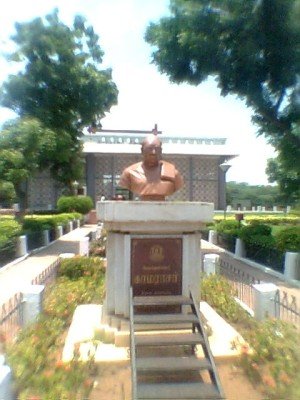
Kamarajar Mani Mantapa
Some quick example text to build on the card title and make up the bulk of the card's content.
Go somewhere
Kanyakumari Wax Museum
Some quick example text to build on the card title and make up the bulk of the card's content.
Go somewhere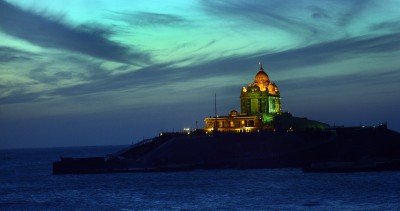
Kumari Amman Temple
Some quick example text to build on the card title and make up the bulk of the card's content.
Go somewhere
Mahatma Gandhi Memorial
Some quick example text to build on the card title and make up the bulk of the card's content.
Go somewhere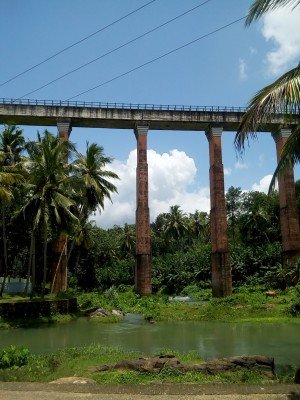
Mathoor Hanging Bridge
Some quick example text to build on the card title and make up the bulk of the card's content.
Go somewhere
Nagaraja Temple
Some quick example text to build on the card title and make up the bulk of the card's content.
Go somewhere
Our Lady of Ransom Church
Some quick example text to build on the card title and make up the bulk of the card's content.
Go somewhere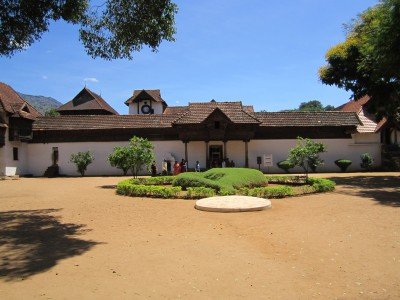
Padmanabhapuram Palace
Some quick example text to build on the card title and make up the bulk of the card's content.
Go somewhere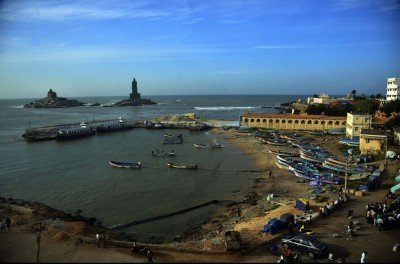
Sanguthurai Beach
Some quick example text to build on the card title and make up the bulk of the card's content.
Go somewhere
Sothavilai Beach
Some quick example text to build on the card title and make up the bulk of the card's content.
Go somewhere
Sunset Point Kanyakumari
Some quick example text to build on the card title and make up the bulk of the card's content.
Go somewhere
Thanumalayan Temple
Some quick example text to build on the card title and make up the bulk of the card's content.
Go somewhere
Thirparappu Falls
Some quick example text to build on the card title and make up the bulk of the card's content.
Go somewhere
Thiruvalluvar Statue
Some quick example text to build on the card title and make up the bulk of the card's content.
Go somewhere
Triveni Sangamam
Some quick example text to build on the card title and make up the bulk of the card's content.
Go somewherein Other Cities