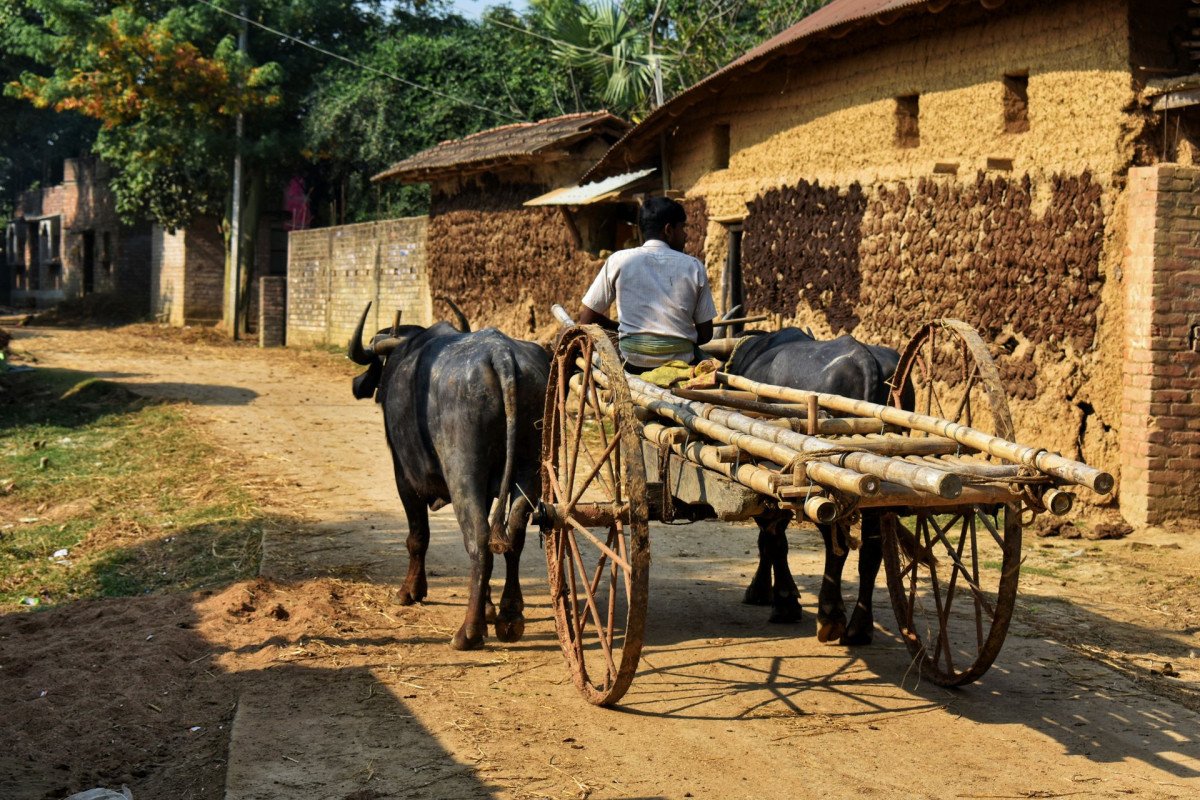
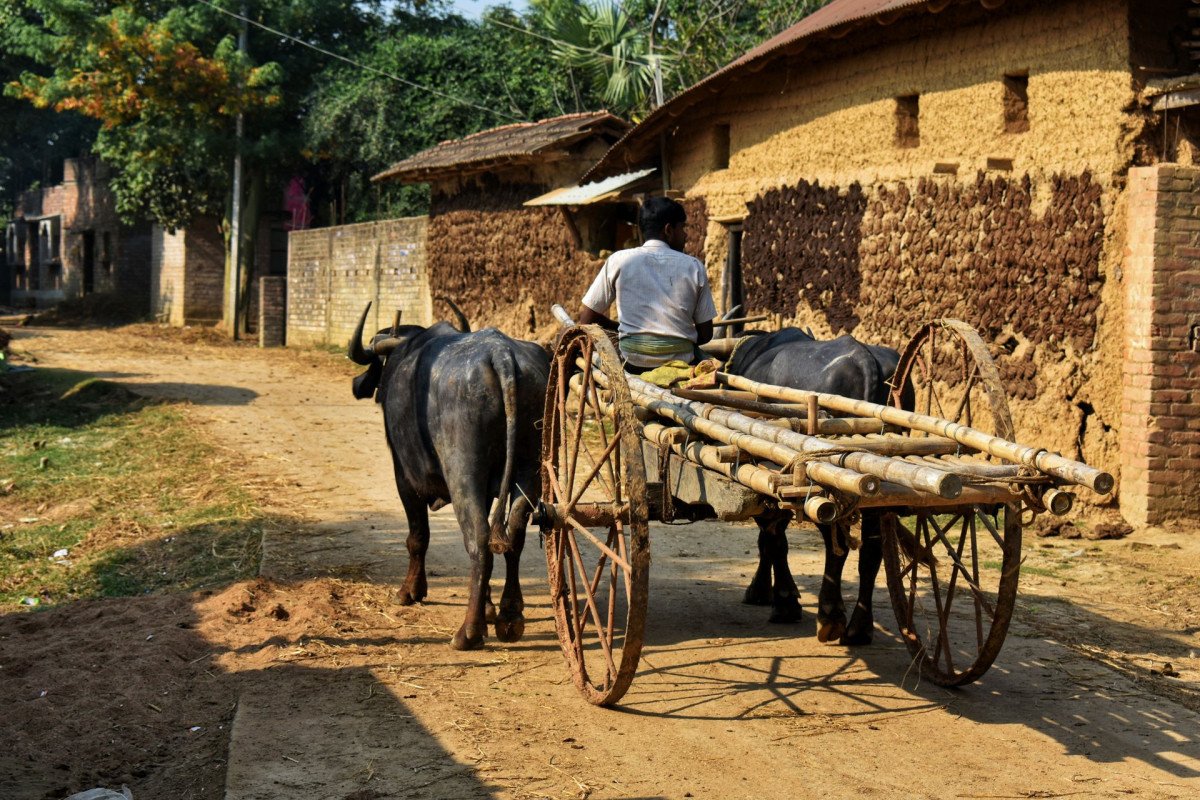
Longtrok Village
General information
-
Ideal Duration:
1 to 2 DaysPlace Type:
Ethnic VillageEntry Fees:
Voluntary Cultural Contribution: While there is no official entry fee to enter the village, a "Guest Fee" of INR 200 is often requested by the Village Council for foreign tourists. This helps fund the sanitation and public facilities within the village. Buying local handic...Voluntary Cultural Contribution: While there is no official entry fee to enter the village, a "Guest Fee" of INR 200 is often requested by the Village Council for foreign tourists. This helps fund the sanitation and public facilities within the village. Buying local handicrafts is the best way to financially support the community directly.Timing:
Sunrise to Sunset: The village is most active from 05:00 AM to 06:00 PM. Tourists are advised to arrive early in the morning to witness the daily routines. The "Ideal Visit Time" is around 10:00 AM when the mist clears, providing better visibility for photography and inter...Sunrise to Sunset: The village is most active from 05:00 AM to 06:00 PM. Tourists are advised to arrive early in the morning to witness the daily routines. The "Ideal Visit Time" is around 10:00 AM when the mist clears, providing better visibility for photography and interaction with the artisans who work in the courtyards.Special Events:
The Harvest Celebration (Mongmong): The village comes alive during the Mongmong festival in the first week of September. This 6-day event involves the "Power of the Stone" rituals where the village priest performs sacrifices for community well-being. It is a time of massiv...The Harvest Celebration (Mongmong): The village comes alive during the Mongmong festival in the first week of September. This 6-day event involves the "Power of the Stone" rituals where the village priest performs sacrifices for community well-being. It is a time of massive communal feasts, traditional sports, and the display of the finest tribal attire and ornaments.Best Photo Spots:
Village Ridge Viewpoint: The highest point of the village offers a 360-degree view of the Tuensang and Mokokchung districts. Photographers flock here during sunset when the light hits the thatched roofs of the traditional houses, creating a golden glow. Another top spot is...Village Ridge Viewpoint: The highest point of the village offers a 360-degree view of the Tuensang and Mokokchung districts. Photographers flock here during sunset when the light hits the thatched roofs of the traditional houses, creating a golden glow. Another top spot is the village gateway, which is often decorated with traditional carvings and serves as a symbolic entrance to the sacred land.Photo Gallery
Things To Do
-
Cultural Immersion and Village Life: Spending a day with a local family is the best way to experience the village, participating in the "Jhum" (shifting) cultivation process in the nearby fields. You can learn the art of Naga weaving, which involves creating complex geometric patterns using only natural dyes. Visiting the local village church provides a look at how Christianity has blended with tribal social structures. Exploring the local "Morung" site allows you to see the traditional education centers where boys were once taught hunting and war. Taking a guided walk to the village perimeter reveals the ancient stone walls used for protection. You can participate in a traditional cooking class, learning how to use fermented bamboo shoots and Naga king chili. Helping the villagers with their daily chores like collecting firewood or fetching water from the ...Cultural Immersion and Village Life: Spending a day with a local family is the best way to experience the village, participating in the "Jhum" (shifting) cultivation process in the nearby fields. You can learn the art of Naga weaving, which involves creating complex geometric patterns using only natural dyes. Visiting the local village church provides a look at how Christianity has blended with tribal social structures. Exploring the local "Morung" site allows you to see the traditional education centers where boys were once taught hunting and war. Taking a guided walk to the village perimeter reveals the ancient stone walls used for protection. You can participate in a traditional cooking class, learning how to use fermented bamboo shoots and Naga king chili. Helping the villagers with their daily chores like collecting firewood or fetching water from the springs is a great way to bond. Photography enthusiasts can capture the intricate tattoos of the older generation, though permission must be sought. Birdwatching around the village outskirts can yield sightings of the Blyth's Tragopan. In the evenings, sitting around a communal fire and listening to folk songs is an essential experience. Visiting the village primary school offers a chance to interact with the youth who are the future of this ancient heritage. Exploring the village market on specific days allows you to buy organic produce and handmade jewelry.
Information
-
Why Famous:
The Guardians of the Rocks: This village is famous because its people have preserved the "Living Stones" for millennia. It is a center for ethno-tourism where visitors can see the actual living conditions associated with ancient Naga myths. The village serves as a portal t...The Guardians of the Rocks: This village is famous because its people have preserved the "Living Stones" for millennia. It is a center for ethno-tourism where visitors can see the actual living conditions associated with ancient Naga myths. The village serves as a portal to the past, famous for its unique blend of Sangtam and Ao cultural influences. -
Architecture:
Traditional Hillside Habitation: The village architecture is a testament to Naga engineering, featuring houses built on steep slopes using "Stilt" construction. Most traditional houses are 12 meters long, with a high frontal gable known as the "Ki" that signifies the status...Traditional Hillside Habitation: The village architecture is a testament to Naga engineering, featuring houses built on steep slopes using "Stilt" construction. Most traditional houses are 12 meters long, with a high frontal gable known as the "Ki" that signifies the status of the owner. The roofs are steeply pitched to shed the heavy monsoon rains, originally made of palm leaves but now often replaced with corrugated iron for durability. The interior of a house is typically divided into three sections: the outer porch, the central hearth room, and the rear storage area. Dimensions of the communal meeting halls are roughly 20 meters by 10 meters, serving as the architectural heart of the village. -
How To Reach:
Navigating the Naga Hills: Reaching Longtrok Village requires a flight to Dimapur followed by a long road journey. From Dimapur, travelers usually stop overnight at Mokokchung before heading to Tuensang. From Tuensang, the road to the village is a winding mountain path tha...Navigating the Naga Hills: Reaching Longtrok Village requires a flight to Dimapur followed by a long road journey. From Dimapur, travelers usually stop overnight at Mokokchung before heading to Tuensang. From Tuensang, the road to the village is a winding mountain path that requires a sturdy SUV. There are shared sumos available from the Tuensang bus stand, but they are often crowded and follow a strict schedule. By train, the nearest head is Dimapur (DMR), which is well-connected to Delhi and Kolkata. Local transport within the village is strictly on foot, as the narrow paths are designed for walking. -
Weather and Best Time to Visit:
Spring and Post-Monsoon: The best time is between October and May. March and April are beautiful as the wild lilies and rhododendrons bloom across the hillsides. During the day, 11:00 AM to 03:00 PM is the best for walking, as the temperature is pleasant. Avoid the monsoo...Spring and Post-Monsoon: The best time is between October and May. March and April are beautiful as the wild lilies and rhododendrons bloom across the hillsides. During the day, 11:00 AM to 03:00 PM is the best for walking, as the temperature is pleasant. Avoid the monsoon from June to August as landslides frequently block the road access. -
Near Tourist Places:
1. Longtrok Stones (1 Km), 2. Chungliyimti (2. 5 Km), 3. Tsadang (16 Km), 4. Tuensang Town (57 Km), 5. Dikhu River (11 Km), 6. Longkhim (32 Km), 7. Mokokchung (62 Km), 8. Chare (42 Km), 9. Noklak (110 Km), 10. Kiphire (115 Km).
Tourism Tips
-
Rural Travel Protocol: Always ask for permission before taking photos of individuals, especially the elders. Pack a first-aid kit and any necessary medications, as the nearest clinic is far away. Carry a high-capacity power bank because power outages are frequent in the hi...Rural Travel Protocol: Always ask for permission before taking photos of individuals, especially the elders. Pack a first-aid kit and any necessary medications, as the nearest clinic is far away. Carry a high-capacity power bank because power outages are frequent in the hills. For connectivity, don't expect Wi-Fi; a local SIM (Airtel or BSNL) might provide basic calling but data will be slow. Cash is essential as there are no ATMs in the village; withdraw enough money in Tuensang town. Stay in a village homestay for the most authentic experience, but be prepared for very basic amenities like pit toilets.
Reviews
FAQs
Tuensang Itineray And Cost:-
Longtrok Village Tourism:-
Other Places In Tuensang :-
Other States In India :-
Information about New and Updated Locations() of Nagaland Has Been Added :-
Card subtitle
Note:-
Information provided here in good Faith and for reference only.
Near Places

Changsangmonko
Some quick example text to build on the card title and make up the bulk of the card's content.
Go somewhere
Chessore Village
Some quick example text to build on the card title and make up the bulk of the card's content.
Go somewhere
Chilise Village
Some quick example text to build on the card title and make up the bulk of the card's content.
Go somewhere
Chungliyimti Village
Some quick example text to build on the card title and make up the bulk of the card's content.
Go somewhere
Kiusam Town
Some quick example text to build on the card title and make up the bulk of the card's content.
Go somewhere
Kuthur Village
Some quick example text to build on the card title and make up the bulk of the card's content.
Go somewhere
Living Stones of Tuensang
Some quick example text to build on the card title and make up the bulk of the card's content.
Go somewhere
Longtrok Village
Some quick example text to build on the card title and make up the bulk of the card's content.
Go somewhere
Lungpho Village
Some quick example text to build on the card title and make up the bulk of the card's content.
Go somewhere
New Tsadang Village
Some quick example text to build on the card title and make up the bulk of the card's content.
Go somewhere
Old Tsadang Village
Some quick example text to build on the card title and make up the bulk of the card's content.
Go somewhere
Panso Village
Some quick example text to build on the card title and make up the bulk of the card's content.
Go somewhere
Pungro Village
Some quick example text to build on the card title and make up the bulk of the card's content.
Go somewhere
Sangphure Village
Some quick example text to build on the card title and make up the bulk of the card's content.
Go somewhere
Thangjam Village
Some quick example text to build on the card title and make up the bulk of the card's content.
Go somewhere
Tsadang Peak
Some quick example text to build on the card title and make up the bulk of the card's content.
Go somewherein Other Cities