

Longtrok
General information
-
Ideal Duration:
1 DayPlace Type:
Cultural & Historical SiteEntry Fees:
Community Upkeep Donations: There is no formal ticketing system, but a nominal contribution of INR 50 to INR 100 is expected for the village development fund. This money is used to maintain the pathways and preserve the stones. Tourists are encouraged to hire a local guide...Community Upkeep Donations: There is no formal ticketing system, but a nominal contribution of INR 50 to INR 100 is expected for the village development fund. This money is used to maintain the pathways and preserve the stones. Tourists are encouraged to hire a local guide for approximately INR 500 to support the local economy.Timing:
Daylight Exploration: The site is open from 06:00 AM to 05:00 PM daily. It is strictly advised to visit during daylight hours as the terrain can be tricky after dark. The ideal time to spend at the stones is between 10:00 AM and 02:00 PM when the sun is directly overhead, ...Daylight Exploration: The site is open from 06:00 AM to 05:00 PM daily. It is strictly advised to visit during daylight hours as the terrain can be tricky after dark. The ideal time to spend at the stones is between 10:00 AM and 02:00 PM when the sun is directly overhead, revealing the textures of the carvings.Special Events:
Ancestral Commemoration Rituals: While there are no large-scale commercial events, the village observes traditional "Stone Blessing" ceremonies during tribal festivals. During the Mongmong festival in September, community prayers are held near the stones to ensure a good ha...Ancestral Commemoration Rituals: While there are no large-scale commercial events, the village observes traditional "Stone Blessing" ceremonies during tribal festivals. During the Mongmong festival in September, community prayers are held near the stones to ensure a good harvest. These rituals involve rhythmic drumming and the offering of local rice beer to the guardian spirits of the stones.Best Photo Spots:
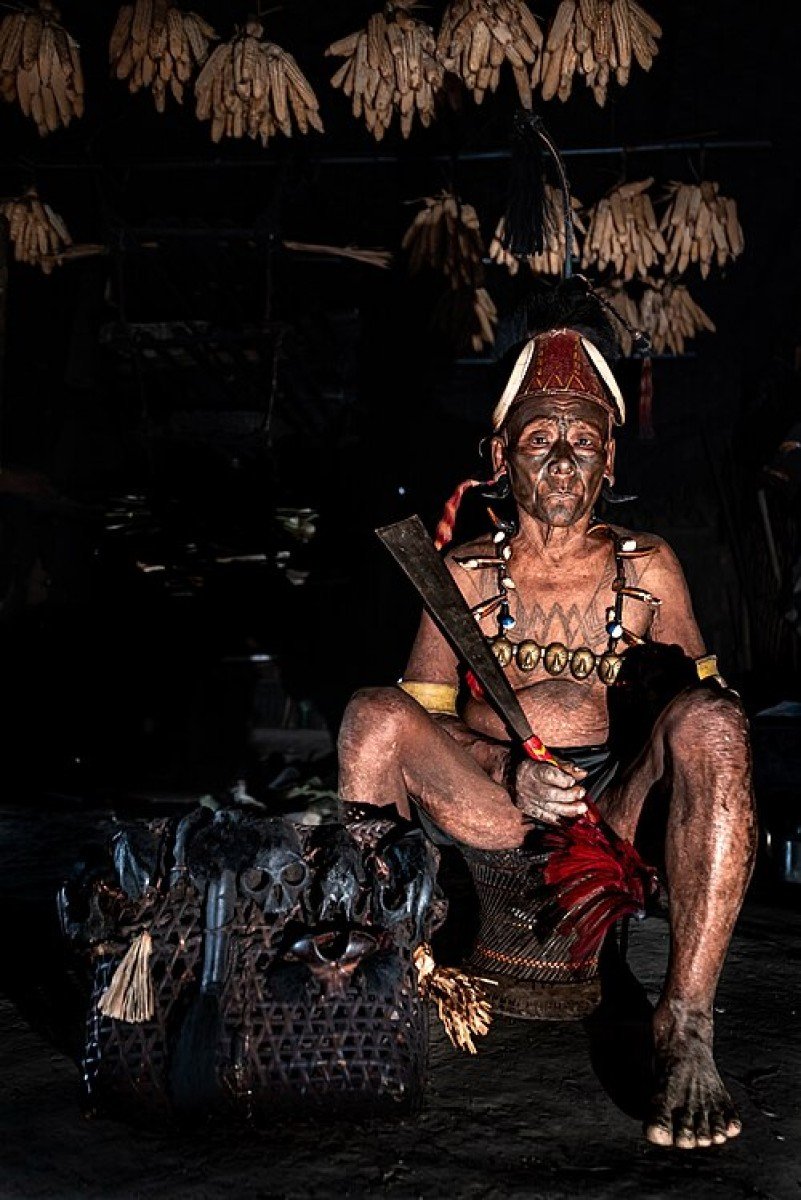
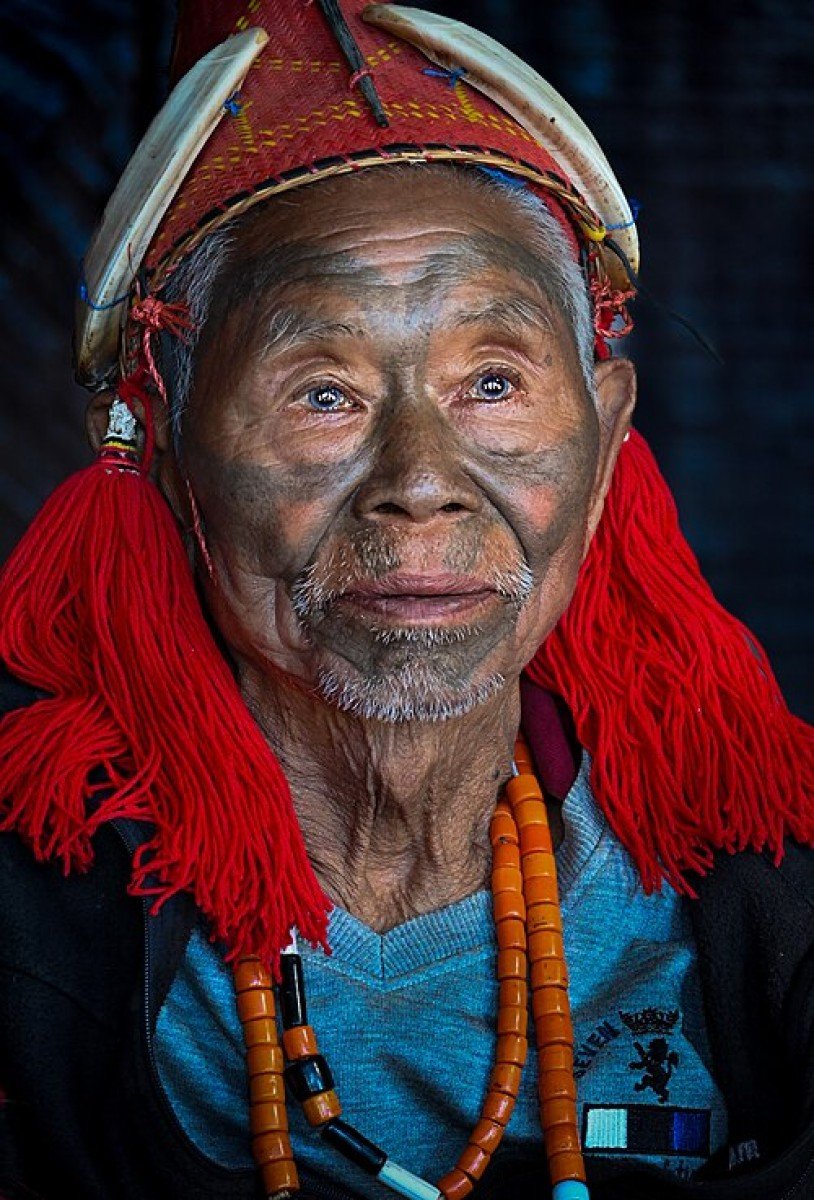
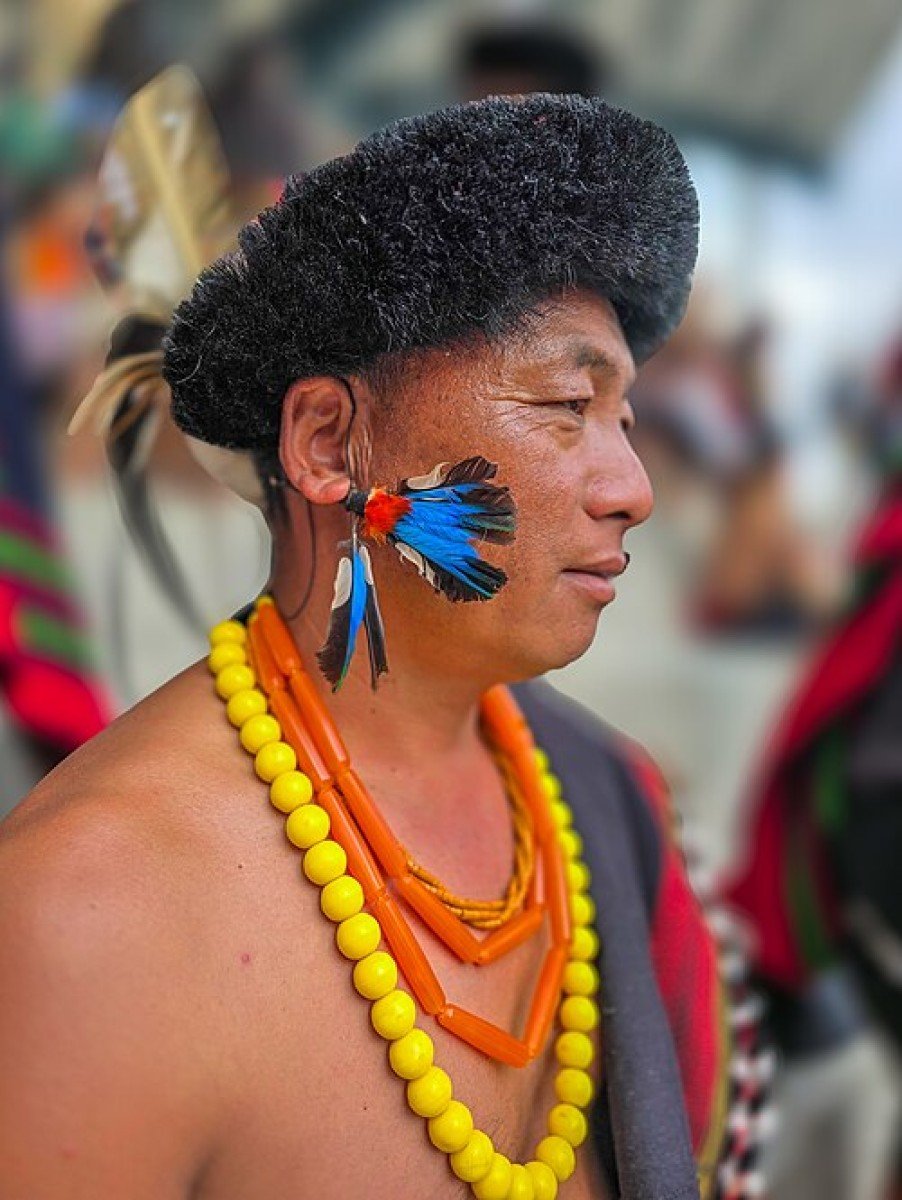
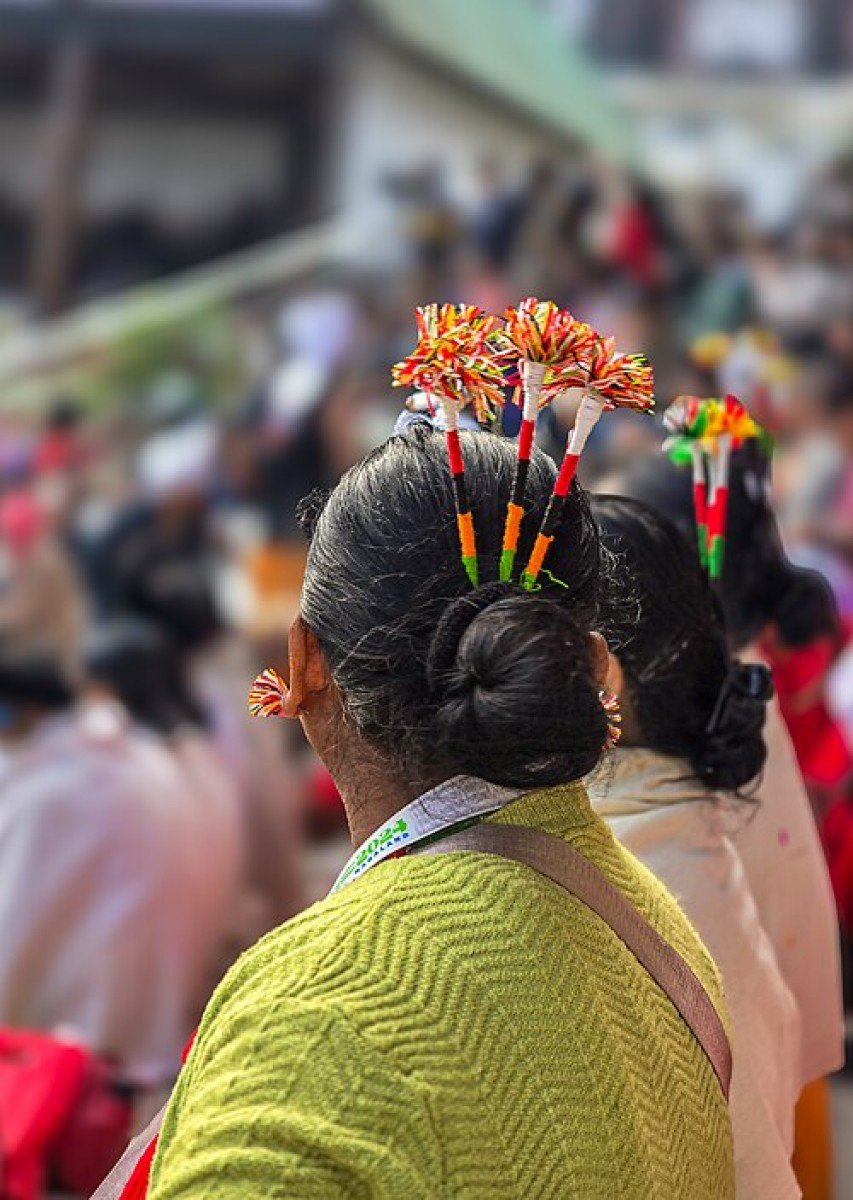
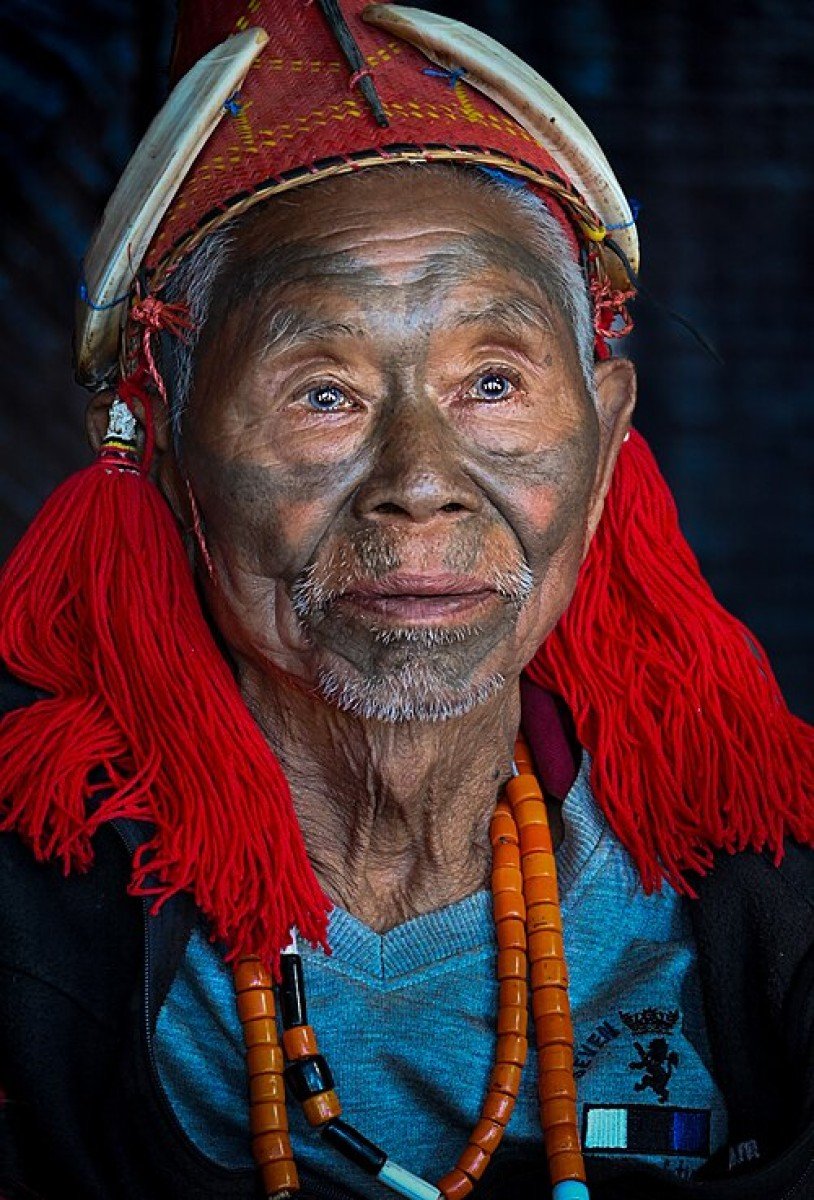
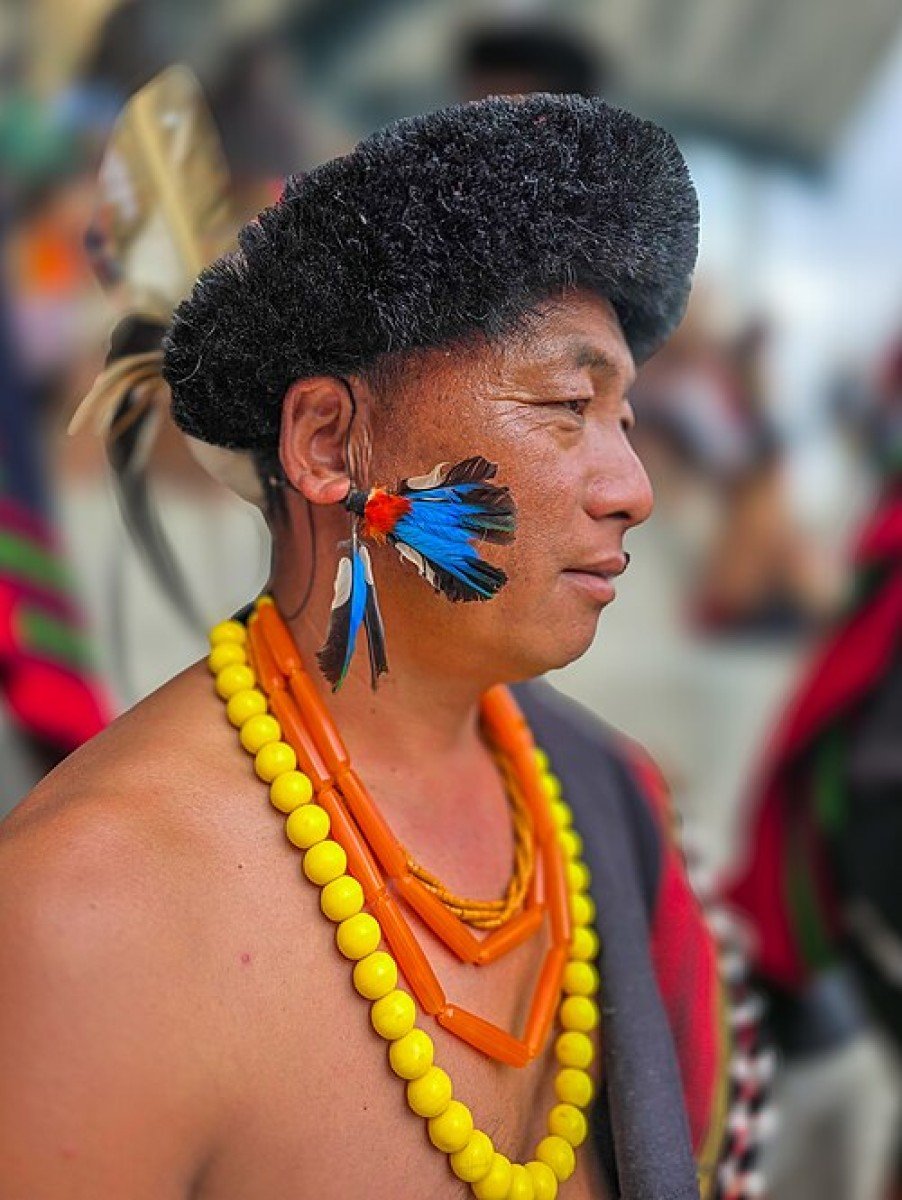
Golden Hour at the Monoliths: The best photo spot is directly in front of the largest stone during the "blue hour" just before sunrise. The way the mist clings to the rock faces creates a supernatural atmosphere that is perfect for professional photography. Another great s...Golden Hour at the Monoliths: The best photo spot is directly in front of the largest stone during the "blue hour" just before sunrise. The way the mist clings to the rock faces creates a supernatural atmosphere that is perfect for professional photography. Another great spot is the panoramic viewpoint overlooking the Chungliyimti valley, where the contrast between the green hills and gray stones is striking.Photo Gallery

Things To Do
-
Exploring the Path of Ancestors: Hiking to the legendary stones is the primary activity, offering a chance to walk the same paths as the ancient tribes. Engaging with local storytellers is a top priority, as they provide context to the carvings and placement of the rocks. You can participate in traditional village walks to see how bamboo is utilized in daily construction. Photography is a major draw, especially capturing the play of light on the weathered surfaces of the stones. Visitors often spend hours observing the intricate moss patterns that change with the seasons. Bird watching in the nearby forests reveals rare species unique to the Indo-Myanmar border. For the adventurous, a trek to the nearby Dikhu River offers a serene spot for reflection and traditional angling. Exploring the local granaries and community kitchens provides insight into the sus...Exploring the Path of Ancestors: Hiking to the legendary stones is the primary activity, offering a chance to walk the same paths as the ancient tribes. Engaging with local storytellers is a top priority, as they provide context to the carvings and placement of the rocks. You can participate in traditional village walks to see how bamboo is utilized in daily construction. Photography is a major draw, especially capturing the play of light on the weathered surfaces of the stones. Visitors often spend hours observing the intricate moss patterns that change with the seasons. Bird watching in the nearby forests reveals rare species unique to the Indo-Myanmar border. For the adventurous, a trek to the nearby Dikhu River offers a serene spot for reflection and traditional angling. Exploring the local granaries and community kitchens provides insight into the sustainable living practices of the Sangtam tribe. Attending a local weaving demonstration allows you to see the creation of the famous "Longtrok" patterns on traditional shawls. Finally, sitting in a communal "Morung" (youth dormitory) and listening to tribal chants is a transformative experience.
Information
-
Why Famous:
The Cradle of Naga Tribes: Longtrok is world-famous as the ancestral birthplace of the Ao Nagas. The legend of the six stones is a cornerstone of Naga anthropology, making it a "must-visit" for researchers and history enthusiasts. The site is a physical manifestation of th...The Cradle of Naga Tribes: Longtrok is world-famous as the ancestral birthplace of the Ao Nagas. The legend of the six stones is a cornerstone of Naga anthropology, making it a "must-visit" for researchers and history enthusiasts. The site is a physical manifestation of the creation myth that binds multiple tribes together. It represents a time when humans and nature were thought to be one, attracting those who seek spiritual depth. -
Architecture:
Megalithic Formations and Tribal Design: The architecture of Longtrok is centered around the six natural monoliths that define the site's spiritual layout. These stones vary in height, with some reaching up to 3 meters and others partially buried, representing the "living" ...Megalithic Formations and Tribal Design: The architecture of Longtrok is centered around the six natural monoliths that define the site's spiritual layout. These stones vary in height, with some reaching up to 3 meters and others partially buried, representing the "living" nature of the earth. Surrounding the stones, the village architecture features traditional Naga huts built using bamboo, wood, and thatched roofs. The houses are typically 10 meters in length and 6 meters in width, often featuring carved motifs of mithun horns on the front gables. The stone placement is not random; they are oriented in a way that aligns with ancient tribal territorial markers. Modern additions like concrete pathways have been kept minimal to preserve the raw, prehistoric aesthetic of the site. -
How To Reach:
The Road to Antiquity: To reach Longtrok, travelers must first arrive at Dimapur, which has the nearest airport and railway station. From Dimapur, a 230 Km journey by road leads to Tuensang town, taking about 10 hours via NH-202. From Tuensang, hire a private 4WD vehicle f...The Road to Antiquity: To reach Longtrok, travelers must first arrive at Dimapur, which has the nearest airport and railway station. From Dimapur, a 230 Km journey by road leads to Tuensang town, taking about 10 hours via NH-202. From Tuensang, hire a private 4WD vehicle for the 57 Km drive to the village, as the mountain roads are steep and narrow. Local NST buses ply between Tuensang and nearby junctions, but a private taxi is the most reliable mode for reaching the specific site of the stones. -
Weather and Best Time to Visit:
Seasonal Shifts: The best time to visit is during the winter months from October to March when the sky is clear and the mountain views are sharp. December is particularly vibrant due to the Hornbill festival influence in the region. Mornings are the best part of the day as...Seasonal Shifts: The best time to visit is during the winter months from October to March when the sky is clear and the mountain views are sharp. December is particularly vibrant due to the Hornbill festival influence in the region. Mornings are the best part of the day as the mist provides a mystical backdrop for the stones, while late afternoons offer warm, soft lighting for landscape enthusiasts. -
Near Tourist Places:
1. Chungliyimti Village (2 Km), 2. Tuensang Village (57 Km), 3. Tsadang (15 Km), 4. Dikhu River (10 Km), 5. Mokokchung Town (60 Km), 6. Longkhim (30 Km), 7. Chare (40 Km), 8. Alisapor (65 Km), 9. Noksen (70 Km), 10. Chilise (45 Km).
Tourism Tips
-
Cultural Sensitivity and Preparation: Respect the local customs and do not climb on the stones as they are considered living deities. Pack heavy woolens as the temperature can drop to 5°C at night. Carry sufficient cash in small denominations because the nearest ATM is ba...Cultural Sensitivity and Preparation: Respect the local customs and do not climb on the stones as they are considered living deities. Pack heavy woolens as the temperature can drop to 5°C at night. Carry sufficient cash in small denominations because the nearest ATM is back in Tuensang town. Mobile connectivity is patchy; BSNL works best, but do not rely on high-speed internet. Ensure you have an Inner Line Permit (ILP) before entering the district.
Reviews
FAQs
Tuensang Itineray And Cost:-
Other Places In Tuensang :-
Other States In India :-
Information about New and Updated Locations() of Nagaland Has Been Added :-
Card subtitle
Note:-
Information provided here in good Faith and for reference only.
Near Places

Changsangmonko
Some quick example text to build on the card title and make up the bulk of the card's content.
Go somewhere
Chessore Village
Some quick example text to build on the card title and make up the bulk of the card's content.
Go somewhere
Chilise Village
Some quick example text to build on the card title and make up the bulk of the card's content.
Go somewhere
Chungliyimti Village
Some quick example text to build on the card title and make up the bulk of the card's content.
Go somewhere
Kiusam Town
Some quick example text to build on the card title and make up the bulk of the card's content.
Go somewhere
Kuthur Village
Some quick example text to build on the card title and make up the bulk of the card's content.
Go somewhere
Living Stones of Tuensang
Some quick example text to build on the card title and make up the bulk of the card's content.
Go somewhere
Longtrok Village
Some quick example text to build on the card title and make up the bulk of the card's content.
Go somewhere
Lungpho Village
Some quick example text to build on the card title and make up the bulk of the card's content.
Go somewhere
New Tsadang Village
Some quick example text to build on the card title and make up the bulk of the card's content.
Go somewhere
Old Tsadang Village
Some quick example text to build on the card title and make up the bulk of the card's content.
Go somewhere
Panso Village
Some quick example text to build on the card title and make up the bulk of the card's content.
Go somewhere
Pungro Village
Some quick example text to build on the card title and make up the bulk of the card's content.
Go somewhere
Sangphure Village
Some quick example text to build on the card title and make up the bulk of the card's content.
Go somewhere
Thangjam Village
Some quick example text to build on the card title and make up the bulk of the card's content.
Go somewhere
Tsadang Peak
Some quick example text to build on the card title and make up the bulk of the card's content.
Go somewherein Other Cities