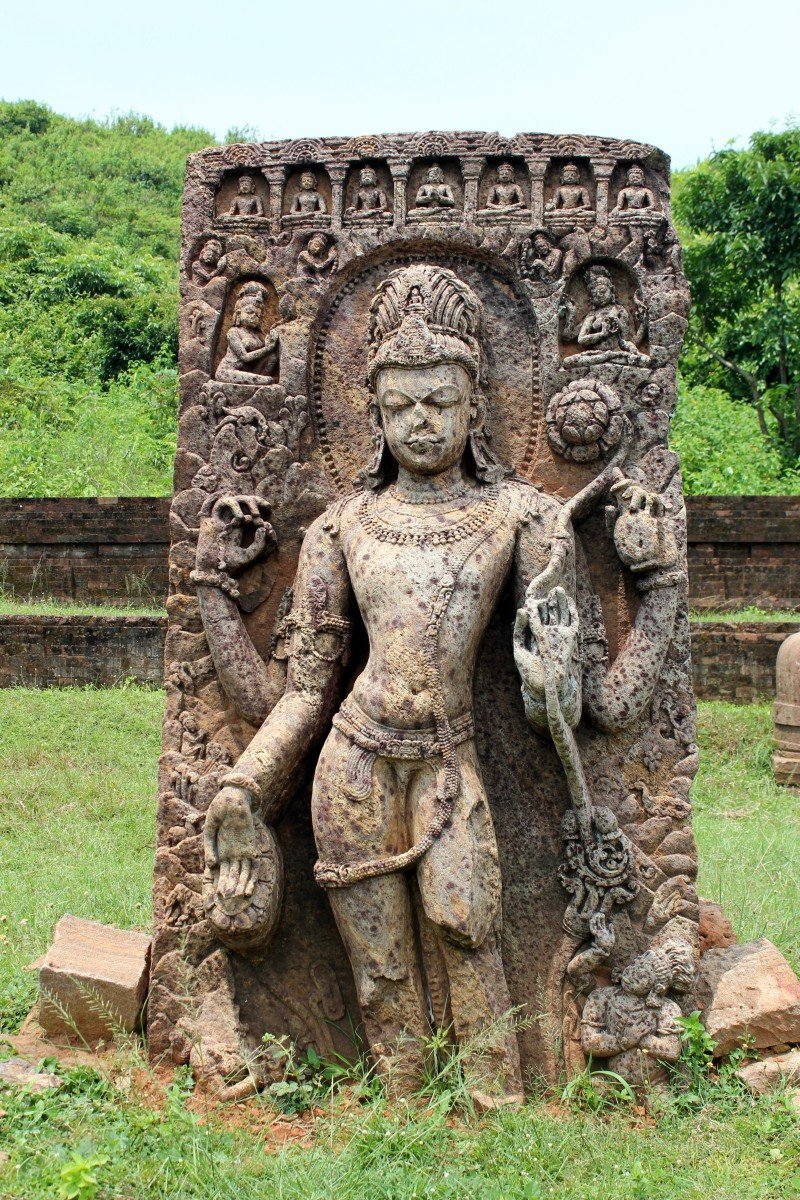
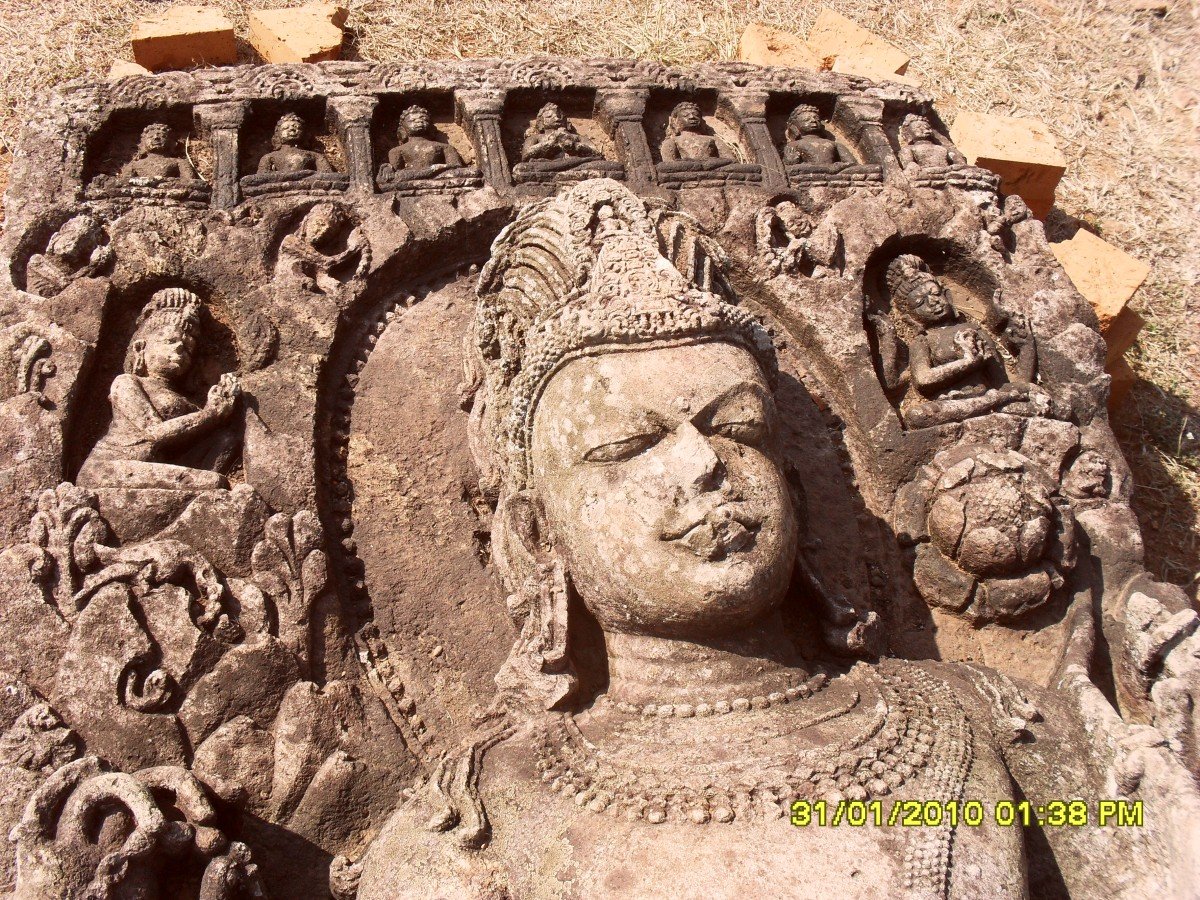

Madhavapura Mahavihara Monastery
General information
-
Ideal Duration:
2 to 2. 5 HoursPlace Type:
Ancient Monastery / Heritage SiteEntry Fees:
Unified Ticketing: The ticket purchased at the main gate of Udayagiri covers the Madhavapura Mahavihara as well. There is no separate fee for the monastery area. Visitors should keep their tickets safe throughout the duration of their visit.
S...Unified Ticketing: The ticket purchased at the main gate of Udayagiri covers the Madhavapura Mahavihara as well. There is no separate fee for the monastery area. Visitors should keep their tickets safe throughout the duration of their visit.
Student Discounts: Groups of students from recognized institutions can often get discounted entry if they provide an official letter from their school or college. This encourages educational trips to the historical site.
Payment Modes: The ticket counter at the entrance now supports UPI and card payments, though carrying some cash is advised in case of poor network connectivity in the rural area.Timing:
Daily Opening Schedule: The monastery complex follows the same timing as the rest of the site, from 8:00 AM to 6:00 PM. It takes about an hour to walk from the main gate to the monastery, so plan your arrival accordingly.
Seasonal Variations:Daily Opening Schedule: The monastery complex follows the same timing as the rest of the site, from 8:00 AM to 6:00 PM. It takes about an hour to walk from the main gate to the monastery, so plan your arrival accordingly.
Seasonal Variations: During the peak summer months of April to June, it is better to visit in the very early morning. In the winter months of December and January, the site is pleasant throughout the day, though it can get crowded during the lunch hours.Special Events:
Magha Saptami Pilgrimage: While primarily a regional festival, many pilgrims visiting the nearby Chandikhol stop at the monastery during February. Special prayers are often held for the peace and preservation of these ancient Buddhist sites.
Ar...Magha Saptami Pilgrimage: While primarily a regional festival, many pilgrims visiting the nearby Chandikhol stop at the monastery during February. Special prayers are often held for the peace and preservation of these ancient Buddhist sites.
Archaeological Workshops: Occasionally, the state tourism department hosts photography and history workshops at the monastery site. These events are designed to promote the "Diamond Triangle" and often feature talks by prominent historians and archaeologists.Best Photo Spots:
The Carved Entrance Gateway: The main doorway of the monastery is the most photographed feature. The intricate carvings of celestial dancers and floral motifs provide a stunning frame for any visitor's photo, especially in the late afternoon sun.
Read MoreThe Carved Entrance Gateway: The main doorway of the monastery is the most photographed feature. The intricate carvings of celestial dancers and floral motifs provide a stunning frame for any visitor's photo, especially in the late afternoon sun.
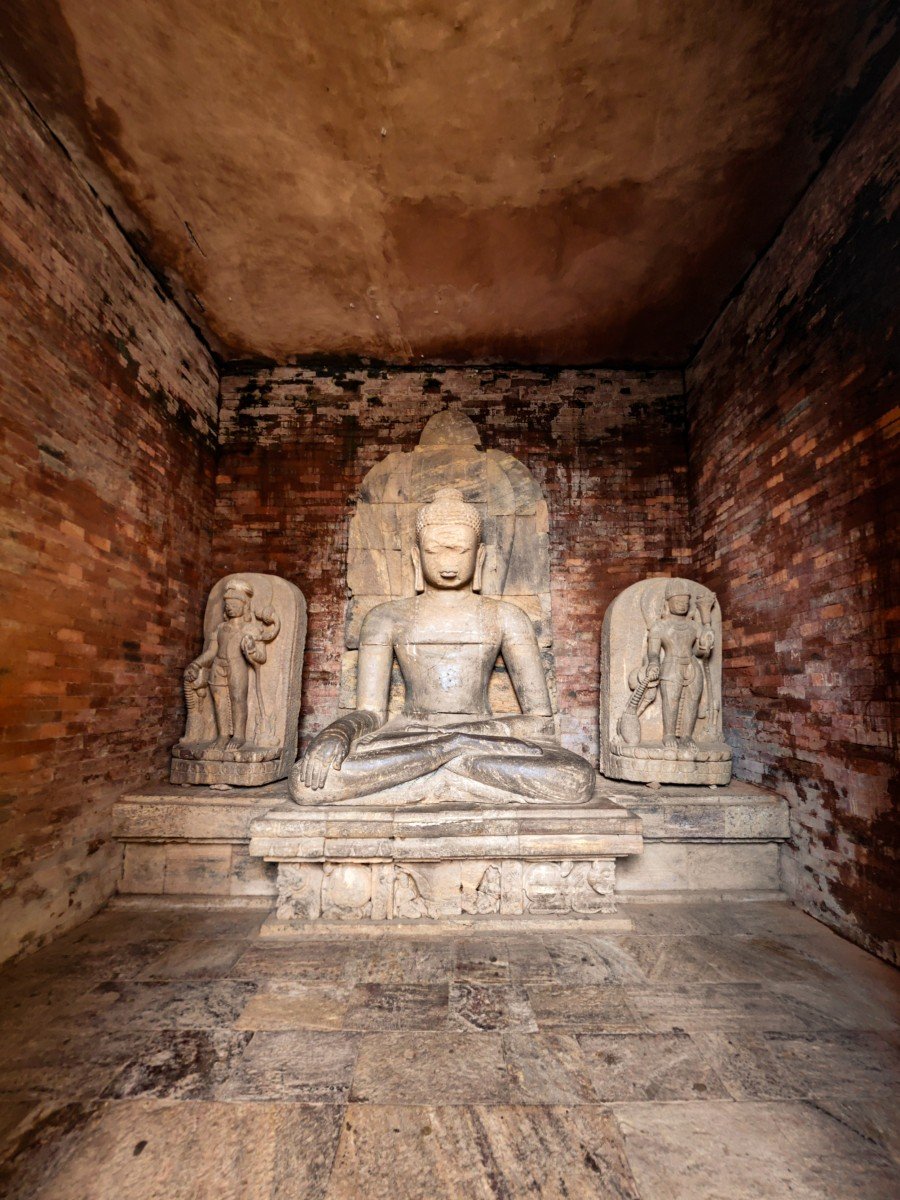
The Central Shrine Silhouette: Capturing the silhouette of the large seated Buddha from the entrance of the courtyard provides a dramatic and spiritual image that perfectly captures the essence of the Madhavapura Mahavihara.
The Stepped Well Perspective: A top-down shot into the stepped well shows the geometric patterns of the stone steps, creating a unique architectural photograph that highlights the symmetry and depth of the structure.Photo Gallery
Things To Do
-
Exploring Monastic Cells: Walk into the thirteen preserved cells where the monks once lived. Feeling the cool stone walls and seeing the small niches for lamps gives a vivid sense of the austere lifestyle of the ancient scholars.
Admiring the Central Buddha: Spend time in the main shrine chamber in front of the massive seated Buddha. The scale of the statue and the detail of the Bhumisparsha gesture are incredibly powerful and evoke a sense of deep reverence.
Descending the Stepped Well: Carefully walk down the steps of the ancient well. It is one of the few places where you can see the original engineering that provided water to the monastery, and the temperature drop inside is quite refreshing.
Studying the Gateways: Examine the doorframes of the monastery. ...Exploring Monastic Cells: Walk into the thirteen preserved cells where the monks once lived. Feeling the cool stone walls and seeing the small niches for lamps gives a vivid sense of the austere lifestyle of the ancient scholars.
Admiring the Central Buddha: Spend time in the main shrine chamber in front of the massive seated Buddha. The scale of the statue and the detail of the Bhumisparsha gesture are incredibly powerful and evoke a sense of deep reverence.
Descending the Stepped Well: Carefully walk down the steps of the ancient well. It is one of the few places where you can see the original engineering that provided water to the monastery, and the temperature drop inside is quite refreshing.
Studying the Gateways: Examine the doorframes of the monastery. The miniature carvings of human faces, some smaller than a fingernail, are a testament to the skill of Odia sculptors from the 8th century.
Archaeological Exploration: Site 2 is a place of ongoing interest. Walking through the unexcavated mounds nearby gives you a sense of being an explorer, as many treasures still lie buried under the earth.
Bird Watching: The monastery is located in a valley that attracts many migratory and local birds. Carry a pair of binoculars to spot species that nest in the ancient brick walls.
Learning the Mandala Concept: Use the layout of the monastery to understand the concept of a Mandala. The central courtyard and the surrounding cells were designed to represent a spiritual map of the universe.
Evening Photography: The long shadows cast by the monastic pillars during the late afternoon create a dramatic setting for black-and-white photography, highlighting the textures of the old bricks.
Documenting Inscriptions: For those interested in linguistics, searching for and documenting the various stone inscriptions around the well and the doorways is a rewarding activity.
Reflection on Education: Use the visit to reflect on the history of education in India. Imagine the courtyard filled with students and teachers debating philosophy over a thousand years ago.
Information
-
Why Famous:
Ancient Learning Center: The monastery is famous for being the historic Madhavapura Mahavihara, a major center for Buddhist learning that rivaled Nalanda in its time. The discovery of terracotta seals here provided a breakthrough in identifying the historical geography of B...Ancient Learning Center: The monastery is famous for being the historic Madhavapura Mahavihara, a major center for Buddhist learning that rivaled Nalanda in its time. The discovery of terracotta seals here provided a breakthrough in identifying the historical geography of Buddhist Odisha.
Exquisite Stone Doorways: It is highly celebrated for its intricately carved stone doorways, which feature motifs of climbing vines, human figures, and celestial beings. These carvings are considered some of the finest examples of early medieval sculptural art in India, showcasing a level of detail that is rarely seen in brick-built monasteries. -
Architecture:
Monastic Layout and Dimensions: The monastery is a square complex measuring roughly 35 meters by 35 meters, built around a spacious open courtyard. It includes thirteen residential cells and a central shrine chamber on the ground floor, with evidence of an upper floor.
...Monastic Layout and Dimensions: The monastery is a square complex measuring roughly 35 meters by 35 meters, built around a spacious open courtyard. It includes thirteen residential cells and a central shrine chamber on the ground floor, with evidence of an upper floor.
Unique Water Reservoir: A significant architectural feature is the brick-built water reservoir on the southwest corner, used during the dry season. The stone-stepped well nearby features a series of descending steps leading to the water level, with a width of approximately 2. 5 meters, reflecting the advanced hydraulic engineering of the 10th century. -
How To Reach:
By Air: Flying into Bhubaneswar is the most efficient method for long-distance travelers. The drive from the airport passes through scenic rural Odisha, providing a glimpse of the local lifestyle before reaching the quiet hills of the monastery.By Air: Flying into Bhubaneswar is the most efficient method for long-distance travelers. The drive from the airport passes through scenic rural Odisha, providing a glimpse of the local lifestyle before reaching the quiet hills of the monastery.
By Train: Travelers can take an express train to Cuttack and then hire a taxi for a full-day tour. This is a popular option for tourists coming from West Bengal or Andhra Pradesh as it allows for a comfortable journey.
By Road: For those driving their own vehicles, there is ample parking space near the entrance. The route via Chandikhol is the most direct. Ensure your vehicle is in good condition as there are limited repair shops once you leave the main highway.
By Local Transport: Regular buses ply between Cuttack and Balichandrapur. From there, hiring a dedicated auto-rickshaw for the round trip is recommended, as finding return transport from the isolated monastery site can be difficult. -
Weather and Best Time to Visit:
Winter Months: Visiting between November and February ensures that you can spend several hours walking through the monastery cells and the courtyard without the discomfort of heat. The clear skies are perfect for observing the fine details of the stone carvings.Winter Months: Visiting between November and February ensures that you can spend several hours walking through the monastery cells and the courtyard without the discomfort of heat. The clear skies are perfect for observing the fine details of the stone carvings.
Summer Season (March to June): This period is very hot, with temperatures often exceeding 40°C. If you must visit, do so only in the first two hours after opening. Carry plenty of water and wear a wide-brimmed hat to protect yourself from the sun.
Best Part of the Day: The late afternoon is particularly beautiful at the monastery. As the sun dips behind the hills, the ancient brick walls take on a golden hue, providing a serene and atmospheric environment for contemplation and photography. -
Near Tourist Places:
Ratnagiri Museum (5. 5 KM), Lalitgiri Museum (16 KM), Birupa River Bridge (10 KM), Balichandrapur Market (9 KM), Radhanagar Buddhist Site (22 KM), Kayama Hill (18 KM), Deuli Buddhist Site (25 KM), Gokarneswar Temple (15 KM), Chatia Bata Temple (35 KM), Duburi Industrial Hub (40 KM).
Tourism Tips
-
Health and Safety: Be aware of monkeys around the monastery; do not carry loose food items or plastic bags that might attract them. Stay on the designated paths to avoid any hidden holes or sharp stones in the unexcavated areas.
Packing Essent...Health and Safety: Be aware of monkeys around the monastery; do not carry loose food items or plastic bags that might attract them. Stay on the designated paths to avoid any hidden holes or sharp stones in the unexcavated areas.
Packing Essentials: A pair of binoculars is great for seeing the higher carvings and for bird watching. Carry a power bank for your phone, as taking many photos will drain your battery and there are no charging points available.
Accommodation: For a more authentic experience, try the government-run guest houses in the nearby towns. This supports the local economy and gives you more time to explore all three sites of the "Diamond Triangle" at a relaxed pace.
Cash and Connectivity: Use the UPI facility at the ticket counter if possible, but keep cash ready for the auto-rickshaw and local snacks. Do not rely on finding Wi-Fi at the site, as it is a remote archaeological location.
Local Etiquette: Dressing modestly is appreciated as the site is considered a place of religious significance. Engaging with the local staff with kindness will often get you helpful tips about less-visited parts of the complex.
Reviews
FAQs
Udayagiri Itineray And Cost:-
Madhavapura Mahavihara Monastery Tourism:-
Other Places In Udayagiri :-
Other States In India :-
Information about New and Updated Locations() of Odisha Has Been Added :-
Card subtitle
Note:-
Information provided here in good Faith and for reference only.
Near Places

Akhandalmani Temple
Some quick example text to build on the card title and make up the bulk of the card's content.
Go somewhere
Bhitarkanika National Park
Some quick example text to build on the card title and make up the bulk of the card's content.
Go somewhere
Chandikhol
Some quick example text to build on the card title and make up the bulk of the card's content.
Go somewhere
Chhatia Bata
Some quick example text to build on the card title and make up the bulk of the card's content.
Go somewhere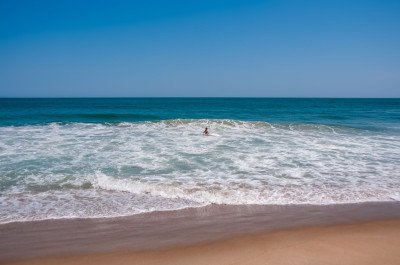
Dharma Sal Beach
Some quick example text to build on the card title and make up the bulk of the card's content.
Go somewhere
Indralath Temple
Some quick example text to build on the card title and make up the bulk of the card's content.
Go somewhere
Koshaleswar Temple
Some quick example text to build on the card title and make up the bulk of the card's content.
Go somewhere
Kuakhia River Ghat
Some quick example text to build on the card title and make up the bulk of the card's content.
Go somewhere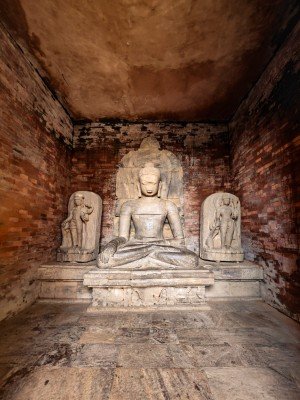
Kuanpur Wildlife Sanctuary
Some quick example text to build on the card title and make up the bulk of the card's content.
Go somewhere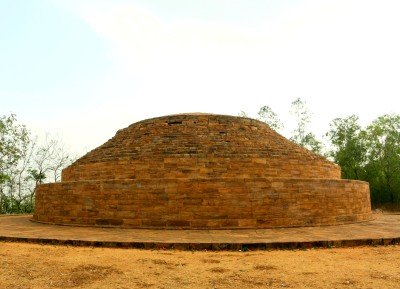
Lalitgiri Buddhist Site
Some quick example text to build on the card title and make up the bulk of the card's content.
Go somewhere
Maa Mangala Temple, Kakatpur
Some quick example text to build on the card title and make up the bulk of the card's content.
Go somewhere
Madhavapura Mahavihara Monastery
Some quick example text to build on the card title and make up the bulk of the card's content.
Go somewhere
Mahastupa of Udayagiri
Some quick example text to build on the card title and make up the bulk of the card's content.
Go somewhere
Mahavinayak Temple
Some quick example text to build on the card title and make up the bulk of the card's content.
Go somewhere
Maniabandha
Some quick example text to build on the card title and make up the bulk of the card's content.
Go somewhere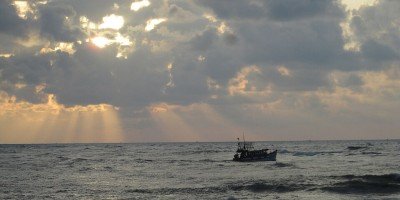
Paradeep Port
Some quick example text to build on the card title and make up the bulk of the card's content.
Go somewherein Other Cities