

Mahastupa of Udayagiri
General information
-
Ideal Duration:
1. 5 to 2 HoursPlace Type:
Archaeological Site / Buddhist PilgrimageEntry Fees:
Standard Entry Charges: For Indian citizens and visitors from SAARC and BIMSTEC countries, the entry fee is typically Rs.25 per person. This fee grants access to both Site 1 and Site 2 of the Udayagiri complex.
Foreign Nationals: Visitors fro...Standard Entry Charges: For Indian citizens and visitors from SAARC and BIMSTEC countries, the entry fee is typically Rs.25 per person. This fee grants access to both Site 1 and Site 2 of the Udayagiri complex.
Foreign Nationals: Visitors from other countries are required to pay a higher fee, which is usually Rs.300 per person. It is recommended to carry the exact change or use digital payment methods at the ticket counter.
Photography and Video: While still photography is generally free for personal use, there may be a small additional charge for professional video cameras or tripods, usually around Rs.25.Timing:
Regular Visiting Hours: The Mahastupa site is open to the public every day from 8:00 AM to 6:00 PM. It is strictly advised to leave the premises before sunset as the area is surrounded by forest and lacks artificial lighting.
Ideal Visit Time:<...Regular Visiting Hours: The Mahastupa site is open to the public every day from 8:00 AM to 6:00 PM. It is strictly advised to leave the premises before sunset as the area is surrounded by forest and lacks artificial lighting.
Ideal Visit Time: The best time to start your tour is at 8:30 AM to avoid the midday heat and to see the sculptures in the soft morning light. Weekdays are generally quieter, allowing for a more peaceful experience compared to the weekend crowds.Special Events:
Buddha Purnima Celebrations: Every year during the month of May, the complex comes alive with celebrations for Buddha Purnima. Devotees from across the state gather to offer prayers and light lamps around the Mahastupa, creating a magical evening atmosphere.Buddha Purnima Celebrations: Every year during the month of May, the complex comes alive with celebrations for Buddha Purnima. Devotees from across the state gather to offer prayers and light lamps around the Mahastupa, creating a magical evening atmosphere.
World Heritage Week: During the last week of November, the Archaeological Survey of India organizes special tours and exhibitions. This is the best time for students and researchers to get access to deeper historical data and expert-led walks through the complex.Best Photo Spots:
The Eastern Niche: The best spot for a portrait is the eastern niche of the stupa, where the Buddha is depicted in the Bhumisparsha Mudra. The morning light hits this statue directly, providing perfect natural illumination.
The Panoramic Stairc...The Eastern Niche: The best spot for a portrait is the eastern niche of the stupa, where the Buddha is depicted in the Bhumisparsha Mudra. The morning light hits this statue directly, providing perfect natural illumination.
The Panoramic Staircase: Standing on the steps leading to the top of the stupa offers a wide-angle view of the surrounding Assia hills and the green canopy, making it the best spot for landscape shots.
Votive Stupa Field: Using a low-angle shot in the field of votive stupas creates a sense of depth and scale, showing the hundreds of small structures leading up to the massive Mahastupa in the background.Photo Gallery
Things To Do
-
Circumambulation Ritual: Visitors should perform the traditional Pradakshina (clockwise walking) around the Mahastupa. This practice, followed for centuries, helps one connect with the spiritual energy of the site. It is best done in the early morning when the sun lights up the faces of the Dhyani Buddhas.
Architectural Photography: The stupa offers incredible angles for photography, especially the interaction between the red bricks and the green hills. Capturing the details of the Sanskrit inscriptions on the Buddha statues is a must for history enthusiasts.
Meditative Sitting: The quiet corners of the stupa platform are perfect for a short meditation session. The silence of the hills provides a natural sanctuary for those looking to find inner peace away from the city.
Read MoreCircumambulation Ritual: Visitors should perform the traditional Pradakshina (clockwise walking) around the Mahastupa. This practice, followed for centuries, helps one connect with the spiritual energy of the site. It is best done in the early morning when the sun lights up the faces of the Dhyani Buddhas.
Architectural Photography: The stupa offers incredible angles for photography, especially the interaction between the red bricks and the green hills. Capturing the details of the Sanskrit inscriptions on the Buddha statues is a must for history enthusiasts.
Meditative Sitting: The quiet corners of the stupa platform are perfect for a short meditation session. The silence of the hills provides a natural sanctuary for those looking to find inner peace away from the city.
Historical Study: Spend time reading the informational boards provided by the ASI. They explain the significance of each Buddha statue and the historical context of the site's discovery in 1985.
Nature Walks: The area around the stupa is part of a lush forest reserve. Taking a slow walk along the designated paths allows you to appreciate the local flora and fauna, including various bird species native to Jajpur.
Observing Votive Stupas: Walk through the field of votive stupas and observe the different designs and sizes. Each one was a gift, and they vary from simple stone blocks to elaborate miniature temples.
Sunrise Viewing: Arriving early allows you to witness the sunrise over the Assia hills. The name Udayagiri means "Sunrise Hill," and seeing the first rays touch the stupa is a spiritual experience.
Interaction with Guides: Engaging a local guide can provide deep insights into the folklore and the specific Tantric meanings behind the sculptures that are not mentioned in standard books.
Sketching and Art: The site is a favorite for artists who come to sketch the ruins. The geometric precision of the stupa against the organic lines of the hills provides a perfect subject for landscape drawing.
Picnic at the Base: While eating is not allowed on the ruins, the park-like area at the entrance is a great spot for a quiet family picnic after the tour.
Information
-
Why Famous:
The Heart of the Diamond Triangle: This stupa is famous as the largest and most well-preserved structural stupa in the Udayagiri complex. It forms a crucial link in the Buddhist circuit of Odisha, representing the evolution of the Vajrayana sect. The site is a primary dest...The Heart of the Diamond Triangle: This stupa is famous as the largest and most well-preserved structural stupa in the Udayagiri complex. It forms a crucial link in the Buddhist circuit of Odisha, representing the evolution of the Vajrayana sect. The site is a primary destination for those tracing the path of the "Diamond Triangle.
" Iconic Dhyani Buddha Statues: The four colossal statues of Buddha in the cardinal niches are world-renowned for their artistic perfection and spiritual expression. Each statue is carved with such precision that the peaceful expressions have remained intact for centuries, drawing thousands of devotees and art historians annually. -
Architecture:
Architectural Layout and Design: The stupa is built on a square platform measuring approximately 10 meters by 10 meters, with a total height of 7 meters. It features a unique combination of dressed sandstone blocks at the foundation and brick courses for the upper structure...Architectural Layout and Design: The stupa is built on a square platform measuring approximately 10 meters by 10 meters, with a total height of 7 meters. It features a unique combination of dressed sandstone blocks at the foundation and brick courses for the upper structure. The central Anda (dome) is surrounded by a wide Pradakshinapatha (circumambulatory path) made of gravel and lateritic soil.
Cardinal Niches and Dimensions: Each of the four cardinal directions features a niche housing a seated Dhyani Buddha approximately 1. 5 meters in height. The niches are adorned with Buddhist creeds inscribed in Sanskrit, showcasing the blend of sculpture and epigraphy. -
How To Reach:
By Air: The nearest airport is the Biju Patnaik International Airport in Bhubaneswar, located about 95 KMS away. From the airport, one can hire a pre-paid taxi or take a private cab directly to Udayagiri, which takes approximately 2. 5 hours via the NH-16.By Air: The nearest airport is the Biju Patnaik International Airport in Bhubaneswar, located about 95 KMS away. From the airport, one can hire a pre-paid taxi or take a private cab directly to Udayagiri, which takes approximately 2. 5 hours via the NH-16.
By Train: The nearest major railway station is Cuttack, about 60 KMS from the site. Another option is the Jajpur-Keonjhar Road station, which is around 35 KMS away. Frequent trains from Kolkata, Chennai, and Delhi stop at these stations.
By Road: Udayagiri is well-connected by road. From Bhubaneswar or Cuttack, drive towards Chandikhol on NH-16, then take the turn towards Paradip on NH-5A. The roads are generally in good condition and well-signposted.
By Local Transport: From the nearest town of Balichandrapur (9 KM away), one can take an auto-rickshaw or a local bus to reach the entrance of the Buddhist complex. Private taxis are the most convenient way to cover the "Diamond Triangle" in a single day. -
Weather and Best Time to Visit:
Winter Season (October to February): This is the absolute best time to visit Udayagiri. The weather is cool and pleasant, with temperatures ranging between 15°C and 25°C, making it comfortable to explore the vast open-air complex without getting exhausted.Winter Season (October to February): This is the absolute best time to visit Udayagiri. The weather is cool and pleasant, with temperatures ranging between 15°C and 25°C, making it comfortable to explore the vast open-air complex without getting exhausted.
Monsoon Season (July to September): The hills turn a vibrant green, and the site looks incredibly beautiful. However, outdoor exploration can be difficult due to heavy rains. If you enjoy the rain and the lush scenery, this is a unique time to visit.
Time of Day: Early morning (8:00 AM to 10:00 AM) is ideal for photography and spiritual peace. The late afternoon (4:00 PM to 5:30 PM) is also great for catching the sunset and avoiding the intense heat of the day. -
Near Tourist Places:
Ratnagiri Monastery (5 KM), Lalitgiri Buddhist Complex (15 KM), Langudi Hills (20 KM), Maa Biraja Temple (32 KM), Chandikhol Chandi Temple (25 KM), Mahavinayak Temple (30 KM), Olasuni Hill (12 KM), Cuttack City (60 KM), Dhauli Stupa (105 KM), Khandagiri Caves (100 KM).
Tourism Tips
-
Health and Safety: Wear sturdy walking shoes as the terrain is uneven and involves climbing stone steps. Carry a basic first-aid kit and any necessary personal medications, as the nearest medical facility is several kilometers away in Balichandrapur.
Read MoreHealth and Safety: Wear sturdy walking shoes as the terrain is uneven and involves climbing stone steps. Carry a basic first-aid kit and any necessary personal medications, as the nearest medical facility is several kilometers away in Balichandrapur.
Packing Essentials: Bring a hat, sunglasses, and high-SPF sunscreen to protect against the sun. A light jacket is recommended for winter mornings. Always carry at least two liters of water, as there are no shops inside the archaeological area.
Accommodation Options: There are limited stay options at the site. It is best to stay in Bhubaneswar, Cuttack, or the OTDC Pathanivas at Ratnagiri (5 KM away). Booking in advance is essential during the peak tourist season.
Cash and Connectivity: Mobile network (especially Jio and Airtel) is generally okay but can be spotty near the hills. There are no ATMs at the site; the nearest one is in Balichandrapur. Carry sufficient cash for entry fees and local transport.
Respect the Site: Remember that this is a sacred and protected heritage site. Do not touch the sculptures, lean on the ancient walls, or leave any litter behind. Maintain silence to respect other visitors and the spiritual nature of the location.Reviews
FAQs
Udayagiri Itineray And Cost:-
Mahastupa of Udayagiri Tourism:-
Other Places In Udayagiri :-
Other States In India :-
Information about New and Updated Locations() of Odisha Has Been Added :-
Card subtitle
Note:-
Information provided here in good Faith and for reference only.
Near Places

Akhandalmani Temple
Some quick example text to build on the card title and make up the bulk of the card's content.
Go somewhere
Bhitarkanika National Park
Some quick example text to build on the card title and make up the bulk of the card's content.
Go somewhere
Chandikhol
Some quick example text to build on the card title and make up the bulk of the card's content.
Go somewhere
Chhatia Bata
Some quick example text to build on the card title and make up the bulk of the card's content.
Go somewhere
Dharma Sal Beach
Some quick example text to build on the card title and make up the bulk of the card's content.
Go somewhere
Indralath Temple
Some quick example text to build on the card title and make up the bulk of the card's content.
Go somewhere
Koshaleswar Temple
Some quick example text to build on the card title and make up the bulk of the card's content.
Go somewhere
Kuakhia River Ghat
Some quick example text to build on the card title and make up the bulk of the card's content.
Go somewhere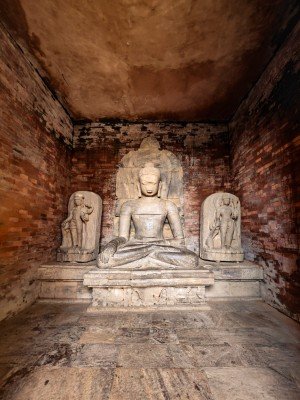
Kuanpur Wildlife Sanctuary
Some quick example text to build on the card title and make up the bulk of the card's content.
Go somewhere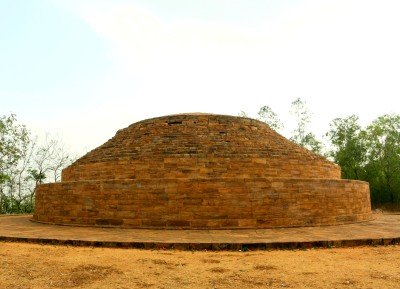
Lalitgiri Buddhist Site
Some quick example text to build on the card title and make up the bulk of the card's content.
Go somewhere
Maa Mangala Temple, Kakatpur
Some quick example text to build on the card title and make up the bulk of the card's content.
Go somewhere
Madhavapura Mahavihara Monastery
Some quick example text to build on the card title and make up the bulk of the card's content.
Go somewhere
Mahastupa of Udayagiri
Some quick example text to build on the card title and make up the bulk of the card's content.
Go somewhere
Mahavinayak Temple
Some quick example text to build on the card title and make up the bulk of the card's content.
Go somewhere
Maniabandha
Some quick example text to build on the card title and make up the bulk of the card's content.
Go somewhere
Paradeep Port
Some quick example text to build on the card title and make up the bulk of the card's content.
Go somewherein Other Cities